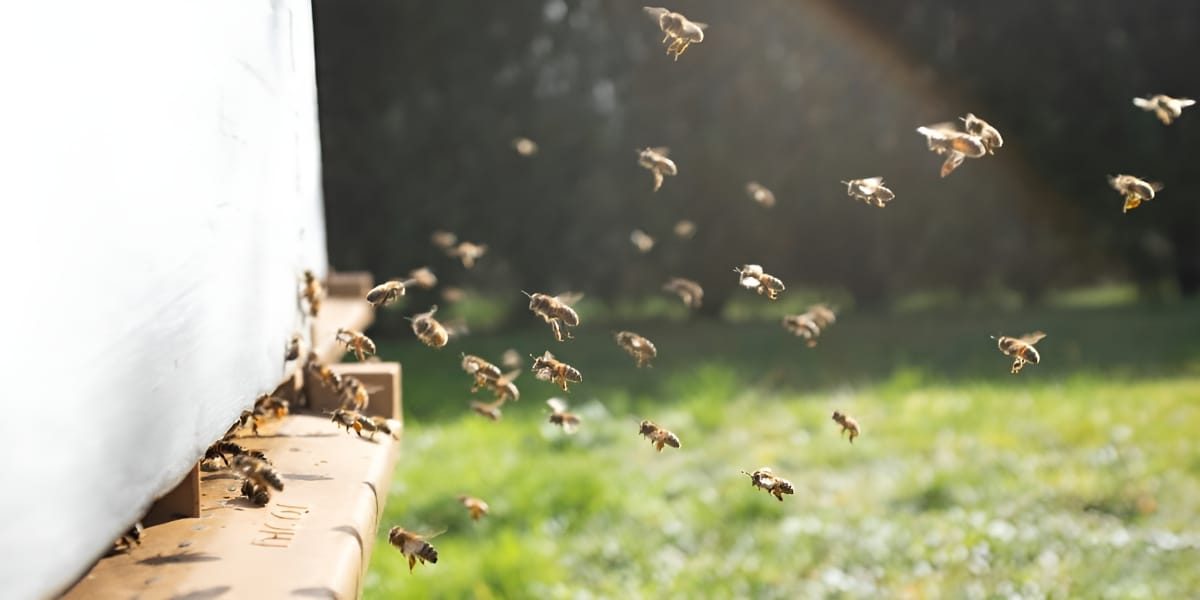

Beekeeping is an enriching hobby that not only provides you with the sweet rewards of honey but also contributes significantly to the environment by supporting pollinator populations. However, like any form of animal husbandry, it requires attentiveness and care. Gabriela Bratkovics of White Plains, New York, a beekeeping enthusiast for nearly a decade, shares her insights on recognizing the early signs of colony distress. “Understanding the language of your bees is the first step towards ensuring their health and longevity,” she says.
1. Sudden Drop in Activity
One of the first signs of distress is a noticeable decrease in the bees’ activity level. Gabriela notes, “If you observe fewer bees coming and going, especially during peak foraging hours, it might indicate something is wrong. It’s essential to monitor your hive’s entrance for changes in bee traffic.” This could be due to various factors, including disease, queen issues, or insufficient food sources.
2. Presence of Dead Bees
Finding dead bees around the hive is not uncommon, but an increase in mortality rate can signal a problem. “A few dead bees are normal, but when you start seeing them pile up, it’s time to investigate,” advises Gabriela. This could indicate disease, pesticide poisoning, or extreme stress within the hive.
3. Aggressive Behavior
While bees naturally defend their hive, excessive aggression can indicate stress or queen problems. Gabriela suggests, “If your normally docile bees are suddenly on the attack, they might be feeling threatened or could be queenless. It’s important to approach this situation carefully and look for underlying causes.”
4. Unusual Buzzing Sounds
Bees communicate through vibrations and the sounds they produce can indicate their state of well-being. “Listen to your bees; a stressed or queenless colony often makes a distinct, unsettled buzzing sound, different from the content hum of a healthy hive,” Gabriela shares. This auditory cue is crucial in early detection of distress.
5. Varroa Mite Infestation
The Varroa mite is one of the most significant threats to honeybee colonies. Gabriela warns, “Regularly check for Varroa mites. Their presence in large numbers can weaken your bees and make them more susceptible to diseases.” She recommends using integrated pest management strategies to control mite populations without harming the bees.
6. Poor Brood Pattern
The brood pattern, or the layout of the larvae and pupae within the comb, can reveal a lot about colony health. “A healthy queen lays in a consistent pattern. If you notice irregular, sparse brood patterns, it might mean your queen is failing or there are health issues in the hive,” explains Gabriela.
7. Signs of Disease
Diseases like American Foulbrood or Nosema can devastate colonies. Gabriela emphasizes the importance of early detection, “Be on the lookout for signs of disease, such as discolored larvae or an unpleasant smell from the hive. Early treatment can save your colony.”
8. Lack of Honey Stores
Honey stores are crucial for a colony’s survival, especially through the winter. “A healthy colony prepares for winter by storing honey. If you notice inadequate honey stores late in the season, it could indicate a problem with foraging or overall health,” Gabriela points out.
9. Queen Cells
The appearance of multiple queen cells can indicate that the colony is preparing to swarm or replace its queen. “While seeing one or two queen cells isn’t alarming, finding several suggests unrest in the hive. It’s important to understand the context and respond accordingly,” says Gabriela.
10. Pesticide Exposure
Exposure to pesticides is a growing concern for beekeepers. Gabriela advises, “Be vigilant about the environment surrounding your apiary. Signs of pesticide poisoning include disoriented or paralyzed bees. Advocating for responsible pesticide use in your community can help protect your bees and others.”
Gabriela concludes, “Beekeeping is a journey of learning and observation. By tuning into the needs and signals of your bees, you can foster a thriving, healthy colony.” Her advice underscores the importance of proactive management and the joy of beekeeping as a meaningful contribution to nature.
Published By: Aize Perez