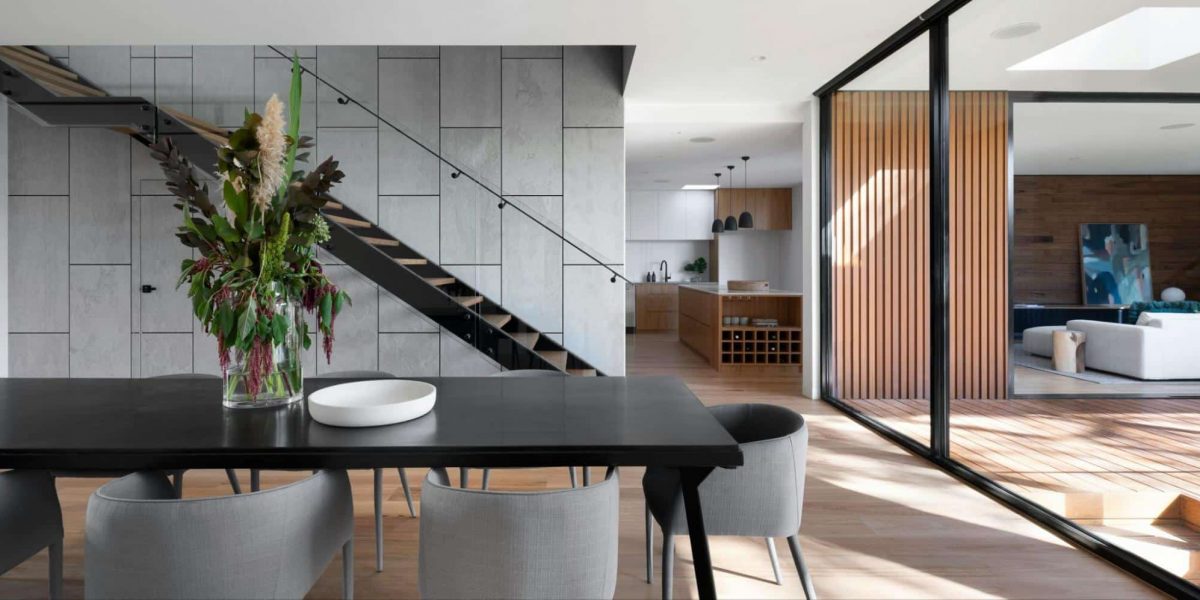

In the realm of modern architecture, the use of innovative materials is not just about aesthetics or structural integrity; it’s increasingly about sustainability and luxury. As architects and designers push the boundaries of what’s possible, we’re witnessing a paradigm shift towards materials that offer both environmental benefits and a sense of opulence. Among the leaders in this movement is CraftScape Creations, a firm that has adeptly married the principles of sustainable luxury with cutting-edge architectural design.
The Rise of Eco-Friendly Materials
The global push towards sustainability has significantly influenced the architectural landscape. Materials are no longer chosen solely for their appearance or durability, but for their ecological footprint. This shift has led to the resurgence of natural materials like bamboo, cork, and reclaimed wood, which are celebrated not only for their minimal environmental impact but also for their inherent beauty and warmth.
Bamboo, for instance, has emerged as a favorite due to its rapid regrowth rate and versatile properties, making it an ideal candidate for everything from flooring to structural elements. Cork, with its excellent thermal and acoustic insulation properties, offers a sustainable alternative for interior finishes. Meanwhile, reclaimed wood brings a piece of history and character into new constructions, reducing the need for new timber and adding a unique luxury element to modern designs.
Technology in Material Innovation
Technological advancements have also played a crucial role in the development of new materials that meet the demands of modern architecture. From self-healing concrete to translucent wood, these materials are setting new standards for durability, efficiency, and aesthetic appeal.
Self-healing concrete, for example, contains bacteria that produce limestone to fill cracks that develop over time, significantly extending the material’s lifespan. Translucent wood, created through a process that removes lignin and replaces it with polymer, offers a sustainable and visually striking alternative for windows and light fixtures, blending the organic appeal of wood with the practicality of light transmission.
CraftScape Creations: A Beacon of Sustainable Luxury
CraftScape Creations has emerged as a beacon in the integration of these innovative materials into luxurious, sustainable designs. By prioritizing materials that are both environmentally responsible and aesthetically pleasing, the firm demonstrates that luxury and sustainability can go hand in hand. Their projects often feature living walls, which not only purify indoor air but also provide a lush, verdant backdrop that enhances the sense of luxury in their spaces.
The use of adaptive reuse principles, where old buildings are repurposed with new materials and technologies, showcases their commitment to sustainability without compromising on modern luxury. This approach not only preserves historical elements but also infuses them with new life, offering a unique blend of the old and the new.
The Importance of Sustainability in Luxury
The concept of luxury in architecture is evolving. No longer confined to opulent materials and extravagant designs, luxury now encompasses the sustainability and ethical sourcing of materials. This shift reflects a growing awareness among consumers and designers alike that true luxury is about creating spaces that are not only beautiful but also beneficial to the environment.
Sustainable luxury in architecture is about minimizing waste, reducing energy consumption, and selecting materials that are renewable or have a low environmental impact. It’s about designing spaces that are timeless, not just in their aesthetic appeal but also in their ability to endure and remain relevant in a rapidly changing world.
The Aesthetic Appeal of Sustainable Materials
One of the most exciting aspects of this shift towards sustainable materials is their unique aesthetic appeal. Materials like rammed earth, with its rich, textured layers, or recycled glass tiles, which shimmer and sparkle, bring a new dimension to architectural designs. These materials provide a tactile and visual experience that conventional materials often lack, adding depth and character to modern spaces.
In many projects nowadays, the use of such materials is a testament to the fact that sustainability does not mean compromising on beauty or luxury. Instead, it offers an opportunity to explore new forms and expressions in architecture, creating spaces that are as visually stunning as they are environmentally conscious.
The Future of Sustainable Luxury in Architecture
As we look to the future, the trend towards sustainable luxury in architecture is only set to grow. With advances in material science and a growing emphasis on green building standards, architects and designers are continually finding new ways to blend sustainability with luxury.
The ongoing challenge will be to innovate and adapt, ensuring that sustainable practices keep pace with the ever-evolving demands of modern architecture.
Conclusion
The integration of innovative materials in modern architecture represents a pivotal shift towards a more sustainable and luxurious future. As we embrace these new materials and technologies, we not only enhance the aesthetic and functional aspects of our buildings but also contribute to a more sustainable world.
Companies like CraftScape Creations are at the forefront of this movement, proving that with creativity and commitment, architecture can be a powerful force for environmental stewardship and luxurious living. As we continue to explore and innovate, the possibilities for sustainable luxury in architecture are boundless, promising a future where our built environment is in harmony with the natural world.
Published by: Martin De Juan