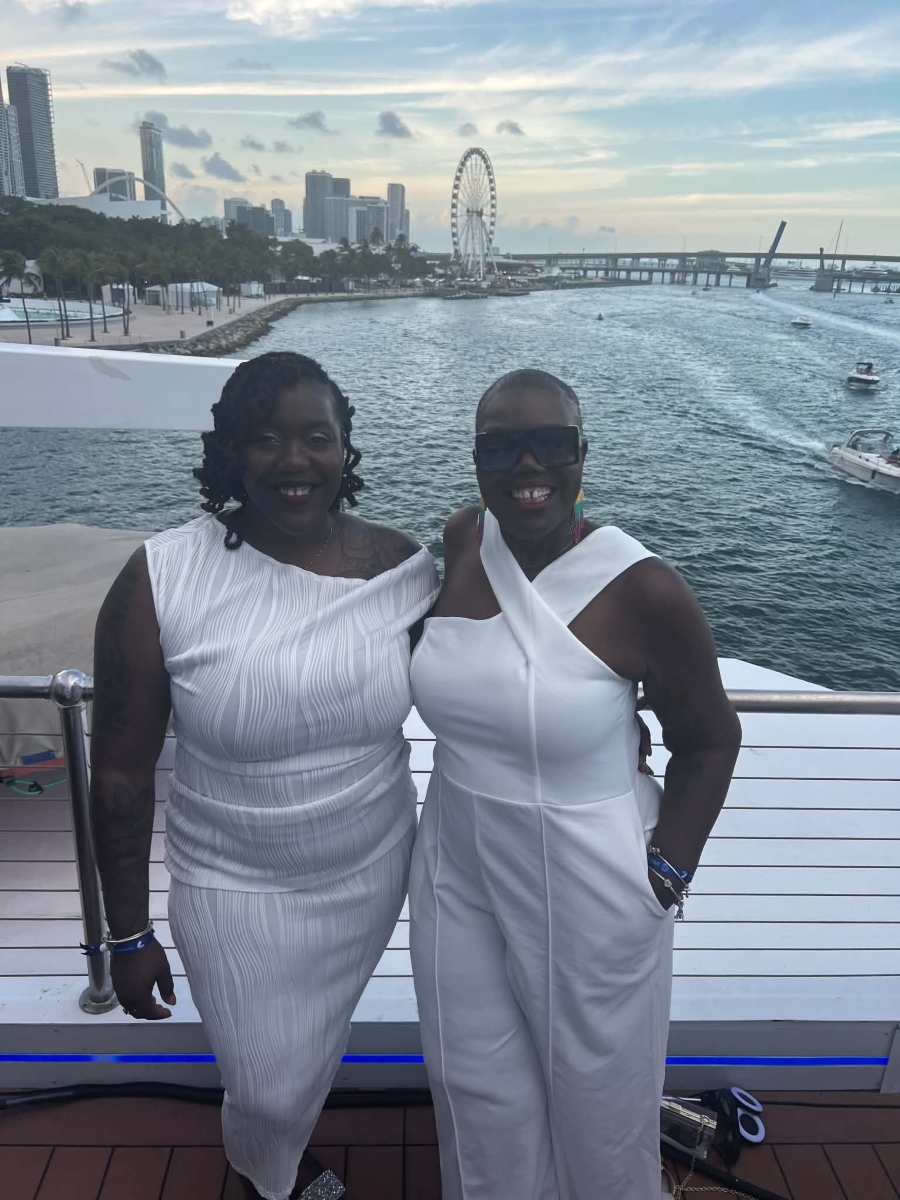
Dartanya Taylor Johnson on Rewriting the Story

One little girl had another little girl.

That is how Dartanya Taylor Johnson describes the start of her life as a mother. She was a teenager raising a daughter, and before either of them had written a word of their own story, other people had already decided how it would end.

She declined to accept that version.

Labels she refused to carry

Dartanya became a teenage mother in Fort Wayne, Indiana. The judgment arrived immediately, along with assumptions about how narrow her future would be.

She met her husband in Fort Wayne, and their life together brought her to Georgia. At 27, she became a widow.

She was a young mother managing grief, uncertainty, and the responsibility of building a future for herself and her daughter alone. She looks back on that marriage as shorter than she wanted and still part of what positioned her for what came next.

She kept going. Dartanya built a career in corporate tax accounting while raising her daughter.

Dartanya Taylor Johnson on Rewriting the Story

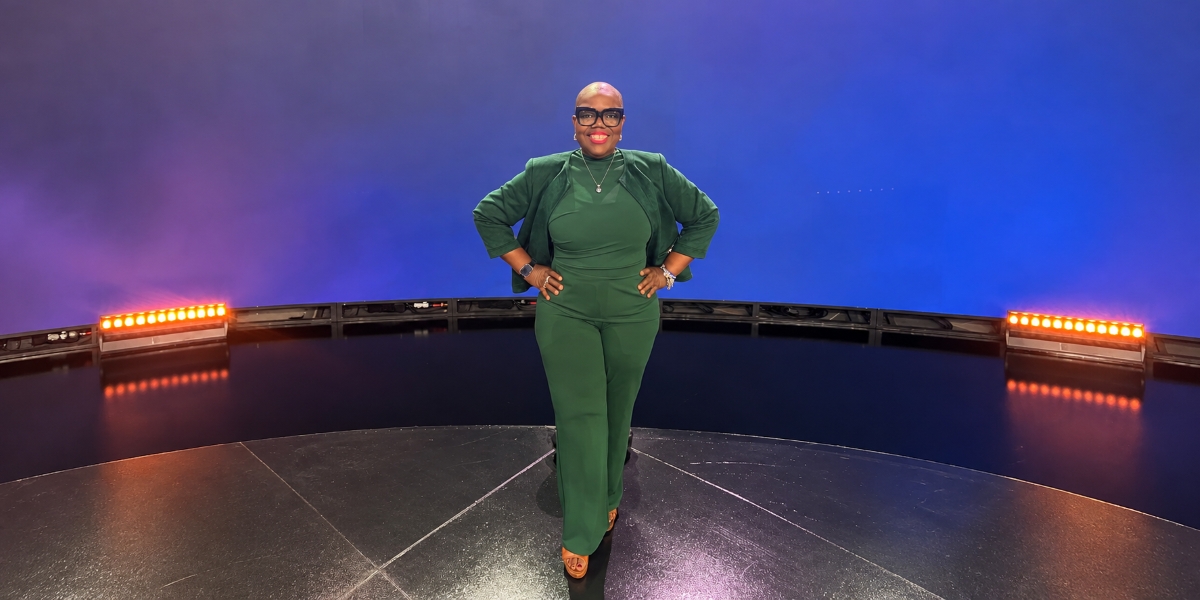
Photo Courtesy: Sariah Taylor

Learning not to shrink

The harder challenge was quieter and lasted longer.

Through her career and her relationships, Dartanya often felt she had to dim her light, lower her voice, or make herself smaller to fit expectations that were not hers.

At 44, she left corporate America to become a full-time caregiver for her father. That season reframed how she thinks about time, sacrifice, and having choices that are not tied to a paycheck.

During that transition, a thoughtful friend introduced her to PlanNet Marketing and InteleTravel, opening the door to an entirely new profession in network marketing. Stepping into the opportunity required a leap of faith. Dartanya was entering unfamiliar territory, facing fear, uncertainty, and moments when her belief in herself had not yet caught up with the possibilities before her. But she believed there was more in store for her.

What began as an introduction to a business opportunity became a journey of personal growth, self-discovery, and learning to believe in what she could build.

Her faith carried her through all of it, and she names it as the foundation of everything that followed.

Numbers since she was 13

Dartanya started preparing taxes at 13. The interest never left.

It became a career in corporate tax accounting and then her own firm, Dartanya Tax Services LLC, which she has run for over a decade across more than 30 years in the profession.

That work is still central. She helps people understand their finances, find tax savings they qualify for, and keep more of what they earn.

Make a bag, save a bag, pack a bag

Dartanya has been involved in network marketing for seven years, but she marks August 2022 as the real beginning.

Her realization was blunt. Having an opportunity and intentionally building something with it are two different things.

Since that decision she has built a team of more than 50 business partners, reached the Gold Builder milestone, and is currently a Director in Training. Her next goal is Directorship.

She describes what she teaches in three parts. Make a bag by exploring ways to earn. Save a bag through financial literacy and keeping more of what you make. Pack a bag by understanding the travel industry she owns.

She is careful about what she promises. Results depend on the work people put in.

Learn it, live it, lead them to it

That phrase is Dartanya’s philosophy and she applies it to herself first.

In October 2026 she committed to a focused 90 days aimed at her own habits, communication, and consistency. Her reasoning is simple. Before she can lead anyone else, she has to learn to lead herself.

She mentors her business partners toward the same discipline.

Her approach to business and mentorship rests on five principles: faith and purpose, ownership and freedom, leadership through service, personal growth and consistent action, and family and generational legacy. She believes faith provides direction, but action is necessary to move toward the vision. Ownership creates opportunities for greater choices. Personal development builds the confidence and discipline required to pursue those opportunities.

Dartanya does not see herself as anyone’s boss or supervisor. Her role is to guide, encourage, equip, and empower people to become leaders in their own right. She emphasizes accountability, consistent activity, and learning a system that others can duplicate. Her goal is not to build a team dependent on her but to develop individuals capable of building, leading, and teaching others. To her, mentorship is not measured only by how many people join a business. It is measured by who those people become through the process.

What she is actually building

Dartanya’s definition of wealth goes far beyond income. For her, true wealth includes the freedom to spend meaningful time with family, the ability to make choices without every decision being dictated by a paycheck, the peace that comes from walking in purpose, and the opportunity to leave something valuable for the next generation.

It is financial stewardship, ownership, faith, relationships, personal growth, and the ability to make a difference in someone else’s life. She believes wealth is not simply what a person earns or accumulates. It is also what they keep, what they own, what they experience, and what they are able to pass on.
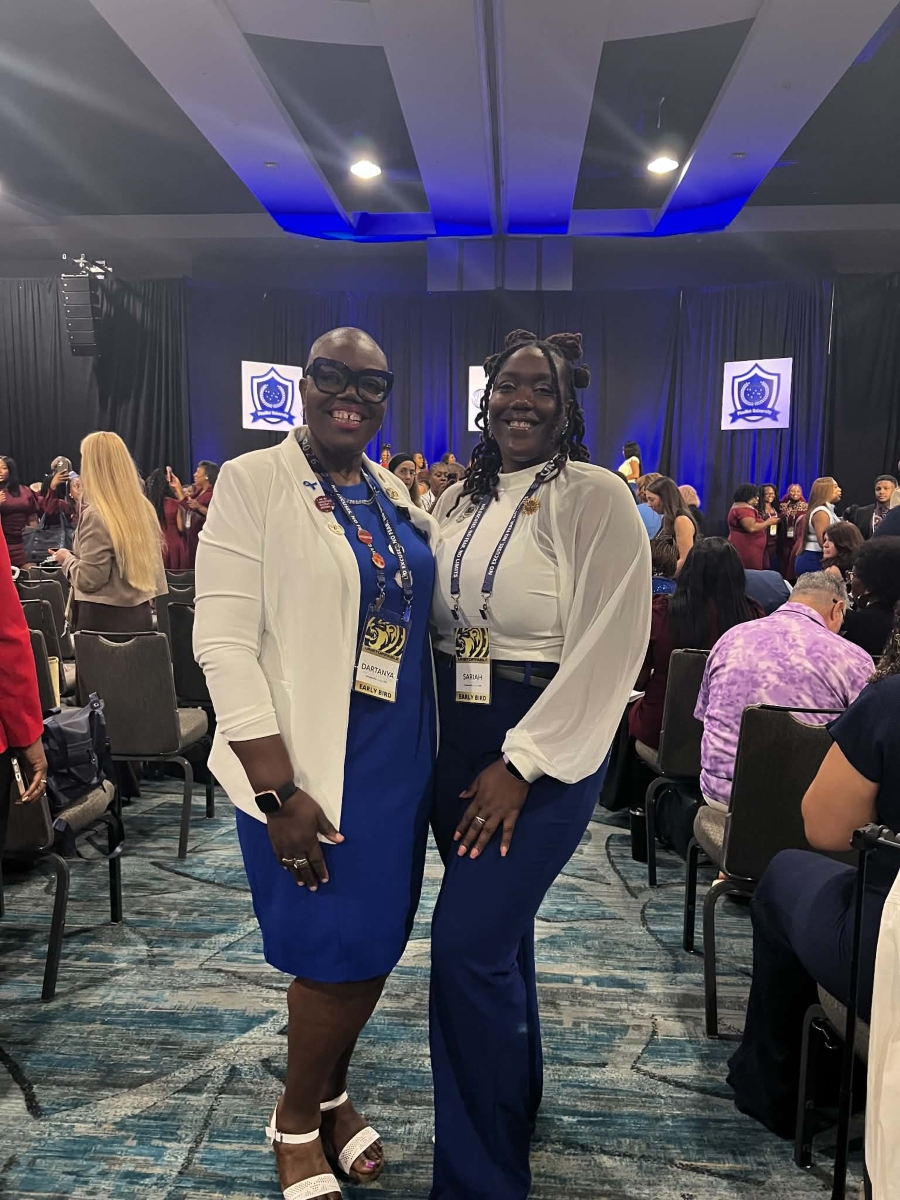
Dartanya Taylor Johnson on Rewriting the Story

Photo Courtesy: Sariah Taylor

She wants to see more families owning businesses, acquiring assets, and investing in their own neighborhoods. Moving from surviving financially to building something that lasts.

She measures success by the people. Someone finding confidence, learning a skill, starting a business, or beginning to believe they are capable of more. When a person she mentored turns and helps someone else, she calls that leadership.

Her daughter is now in her thirties and building alongside her. Dartanya says that means more than any milestone.

The girl who became a mother at 16 is now building a business and a legacy alongside the daughter she once raised while navigating an uncertain future. For Dartanya, that is what makes the journey meaningful. Her story is no longer simply about overcoming the expectations others placed on her. It is about helping others recognize that their beginnings do not have to determine their endings.

Her own summary of it is short. Don’t dim your light just to fit in. Dream bigger, walk boldly, and trust God.

Connect with Dartanya Taylor Johnson

Dartanya Taylor Johnson is an independent PlanNet Marketing representative, an independent InteleTravel travel agent, and the owner of Dartanya Tax Services LLC. Find her on TikTok. She is on Facebook as Dartanya Taylor Johnson. 

Disclaimer: Testimonials in this article reflect personal experiences and aren’t guaranteed. Results vary based on effort, experience, and commitment.

Preventive Health With Food Freedom? New Book Uncovers Long-Standing Scientific Data That Indicates That Dietary Fiber and Antioxidants Can Defend Our Bodies Against the Ravages of Junk Food

By: Jay Kt

Many people have a fondness for junk food, and studies indicate that taste is the primary driver. But some of us reluctantly choose to either not indulge in those high-fat, high-calorie, high-sodium, high-sugar and deep-fried treats, or to indulge only on occasion, out of fear of possible medical conditions and weight gain. If you are one of those individuals, a new book gathers long-standing scientific research on fiber, antioxidants and other essential nutrients, and on what that research says about eating with greater flexibility.

Research published in scientific journals and on other health and medical platforms has examined how a daily intake of 100+ percent of the Recommended Daily Allowance for fiber, antioxidants and other essential nutrients may counteract the physiological effects of saturated fat, calories and other potentially harmful components of junk food. Much of that work looks at healthy adults with no history of chronic, debilitating diseases or binge-eating disorders. The question it raises is whether a less restrictive approach to eating can still support body weight and cholesterol levels.

The findings are well established and long standing, going as far back as the late 1980s, and were made at research centers and institutions across America and abroad over the decades. The new book Counteract the Junk collects a handful of them.

Cholesterol Management

High-fat junk foods such as cake, ice cream, doughnuts, cookies and pies produce cholesterol-related acids that can clog arteries and raise cholesterol levels over time, opening the door to heart disease. Scientists have identified a special type of soluble fiber known as beta glucans (or B-glucan) that has been studied for its effect on fat absorption. Research indicates that beta glucans can reduce the absorption of dietary fats, including in diets that contain some high-fat foods.

Scientists have also reported that beta glucans bind the cholesterol-related acids produced by saturated and other dietary fats, ushering them out of our bodies before they reach the heart and arteries. That mechanism is the one researchers point to when they study soluble fiber in relation to heart health.

Weight Management

The excess calories in high-fat foods are absorbed by our bodies and stored as fat, and can cause us to gain weight over time. Fiber plays a role here. Scientists have reported that fiber can reduce the amount of calories our bodies absorb, moving them through the digestive system before they are stored as fat. Research has also examined the part antioxidants play in metabolism, though the evidence there is less direct than the evidence on fiber.

Deep-Fried Fatty Foods and Oxidized Lipids

Deep-fried fatty foods such as fried chicken, French fries and Polish sausage can form oxidized lipids. Over time, those compounds may damage cells and the lining of the blood vessels. Antioxidants have been studied as a counter to that process. Scientists have reported that dietary antioxidants such as vitamin C (ascorbic acid) and vitamin E (alpha-tocopherol) inhibit the formation of oxidized lipids, which is the mechanism researchers examine in connection with heart disease, cancer and aging.

Processed Meats and Nitrosamines

Hot dogs, bacon, sausages and other processed meats contain nitrites. Over time, nitrites can break down and combine with amines to form compounds known as nitrosamines, which research has associated with pancreatic cancer risk. Vitamins C, E and selenium have been studied in this context. Scientists have reported that these nutrients neutralize nitrites and inhibit the formation of nitrosamines.

Sodium and High Blood Pressure

Many of our favorite junk foods are high in sodium. Excess sodium can contribute to high blood pressure by causing our bodies to retain water, which increases the volume of blood. Both potassium and calcium have been studied as counters to that effect.

Scientists have reported that potassium helps the body clear excess sodium. Calcium has been described as acting like a natural diuretic, helping the kidneys release excess sodium and water. These are among the mechanisms researchers cite when they look at diet and blood pressure.

Red Meat and Homocysteine

Some of our favorite animal protein foods such as steaks, bacon, burgers and ribs can increase our body’s production of an amino acid known as homocysteine. Homocysteine is not a component of red meat. It occurs naturally in the body as a by-product of protein metabolism, and at normal levels it is safe.

Excess homocysteine in the bloodstream has been associated with heart disease and stroke. Researchers describe the pathway as injury to blood vessels, followed by a buildup of plaque and narrowing of the carotid arteries. The B vitamins folic acid (folate), vitamin B6 and vitamin B12 are involved in clearing it. Scientists have reported that these three vitamins break down excess homocysteine into harmless compounds.

High-Fat Foods and Estrogen

High-fat foods can encourage the growth of certain intestinal bacteria that convert bile acids into estrogen-like hormones. That same bacterial growth can cause our bodies to reabsorb circulating estrogen rather than excrete it, and blood levels of estrogen rise as a result. Elevated estrogen has been associated with the growth of tumors in the breasts and ovaries.

A class of compounds known as isoflavones has been studied as a counter to that process. Scientists say isoflavones are structurally similar to natural estrogen, and that they occupy the body’s estrogen receptors, leaving circulating estrogen with nowhere to bind. Researchers examine this mechanism in connection with breast and other hormone-related cancers.

About the Author

Health writer DéShond G Barnes developed the Counteract the Junk food freedom and preventive health concept in the late 1990s, after spending nearly a year reading medical journals and health and nutrition publications. The approach centers on reading nutrition facts labels and calculating the total fiber, antioxidant and other essential nutrient content of health foods, with a daily target averaging 100+% of the Recommended Daily Allowance.

Barnes has followed that approach since then and published the book more than two decades later. Barnes also periodically conducts seminars at local YMCAs in northern Illinois, and lives and writes in northern Illinois.

This article presents a sampling of the long-standing research on how fiber and antioxidants interact with the foods many of us enjoy. More of that research is covered in Counteract the Junk, available on Amazon.

Original Sources

  •     Dr. Ed Blonz, Ph.D. Power Nutrition. Penguin Putnam Inc., 1998.
  •     Editors of Prevention. Prevention’s Healing With Vitamins. Rodale Press, Inc., 1996.
  •     Jean Carper. Food, Your Miracle Medicine. HarperCollins Publishers Inc., 1993.
  •     Judy Jameson. Fat-Burning Foods and Other Weight-Loss Secrets. NTC/Contemporary Publishing Group, Inc., 1994.
  •     Katharine Colton. Smart Guide to Healing Foods. John Wiley & Sons, Inc., 1999.
  •     Kristi A. Steinmetz and John D. Potter. Vegetables, fruit, and cancer prevention: a review. Journal of the American Dietetic Association, 1996.
  •     Mark Bricklin. Prevention Magazine’s Nutrition Advisor. Rodale Press, Inc., 1993.
  •     Patricia Hausman and Judith Benn Hurley. The Healing Foods. Dell Publishing Group, Inc., 1989.
  •     Patrick Holford. The Optimum Nutrition Bible. The Crossing Press, Inc., 1997.
  •     Robert Garrison Jr., M.A., R.Ph. and Elizabeth Somer, M.A., R.D. The Nutrition Desk Reference. Keats Publishing, Inc., 1995.
  •     Selene Yeager and the Editors of Prevention. Prevention’s New Foods For Healing. Rodale Press, Inc., 1999.
  •     Alicja Wolk et al. Long-term intake of dietary fiber and decreased risk of coronary heart disease among women. Journal of the American Medical Association, 1999.

Long-Distance Limo Service From New York and Long Island: Costs, Comfort and What to Ask Before You Book (2026)

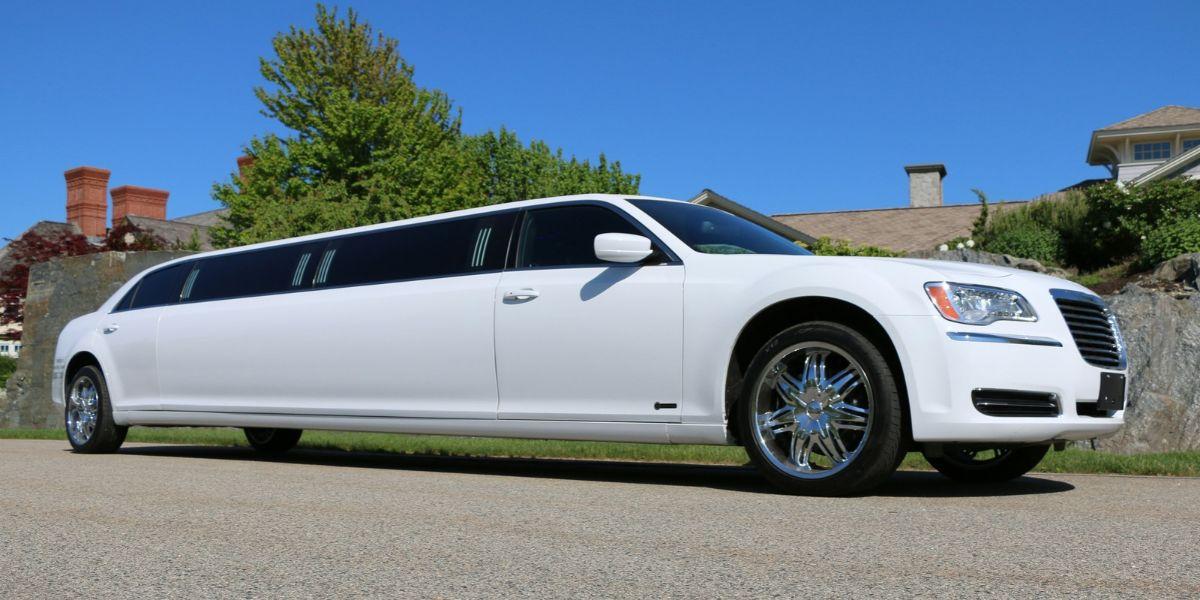
A long-distance limo service is a pre-booked private vehicle and professional driver for trips of several hours or more, such as New York City to Boston, Philadelphia or Washington, D.C. Instead of a meter, the trip is priced as a fixed quote, an hourly rate or a day rate. For travelers with luggage, groups, or anyone who wants to work or rest on the way, it can be a practical alternative to flying, taking the train or driving yourself.

Key takeaways

• Long-distance limo trips are usually priced as a fixed quote, an hourly rate or a day rate, so ask which one you are getting.

• Ask whether tolls, gratuity, rest stops and wait time are included before you book.

• Door-to-door pickup, luggage space and the freedom to work in the cabin are the main advantages over trains and flights.

• A solo traveler between city centers can often spend less by train or bus; the case for a private car grows with each added passenger.

What counts as a long-distance limo trip?

There is no formal definition, but operators generally mean intercity or interstate trips that take several hours, often door to door and sometimes over more than one day. One New York operator notes that Washington, D.C. is about 230 miles from New York City and offers the run on a same-day or multi-day basis. Others will keep a driver with you at your destination for as long as the schedule requires.

Pricing varies by company. Some operators quote longer runs, such as from New York City to the Hamptons, Philadelphia, Boston or Washington, as a flat day rate, while others offer hourly, point-to-point or all-day driver options that you can tailor to the trip.

Who uses long-distance limo service, and why

Business travelers use it for roadshows and meetings in another city, families for events and campus visits, and groups for weddings, retreats and tours. The advantages are practical: door-to-door pickup, space for luggage, the option to take calls or work in the cabin, and no airport security or station transfers. Many operators also accept pets and provide child seats.

It is not always the cheapest choice. A solo traveler between two city centers will often spend less on a train or bus. The case for a private car strengthens with additional passengers, heavy luggage, multiple stops, or an origin or destination that is far from a station or airport.

How pricing works

• Fixed quote: a set price agreed before the trip. Ask what it includes, such as tolls, gratuity and waiting time.

• Hourly rate: priced by the hour, usually with a minimum. It suits multi-stop trips, but the clock runs while the driver waits.

• Day rate: a flat price for a day of travel, common for same-day round trips. Ask about overtime and the driver’s return time.

Whichever model you choose, get the price in writing and confirm what it covers.

Questions to ask before you book

• What is the all-in price? Confirm tolls, gratuity, taxes and wait time.

• How are rest stops handled? Ask who decides when to stop and how often.

• Does the vehicle fit your group and bags? A Suburban-class SUV typically seats six; a Sprinter van seats up to 14.

• Is the driver experienced on long runs, and is the company insured? Look for commercial insurance and USDOT registration where required.

• Can the driver wait or return days later? Round trips and multi-day bookings are handled differently by each company.

• What about pets, child seats and special needs? Mention them at booking so the right vehicle is assigned.

Example: long-distance service from the Hamptons

On Long Island’s East End, long-distance limo service from the Hamptons is offered by Hamptons Leisure Limo, a family-owned company based in Southampton. It runs door-to-door trips to all five New York City boroughs, Boston, Philadelphia, Washington, D.C., Connecticut and upstate New York, and says it will travel anywhere in the Northeast.

The company quotes a fixed price before booking that accounts for distance, time and vehicle type, and says tolls and gratuity are typically included. It plans the route and rest stops in advance, offers round-trip and multi-day bookings, welcomes leashed dogs and pets in carriers, and provides child seats at no extra charge. The fleet runs from a Mercedes-Benz S-Class (up to three passengers) and a Chevrolet Suburban (up to six) to a Mercedes Sprinter (up to 14). Service is available 24/7, and the company puts the drive from East Hampton to Manhattan at 2.5 to 3.5 hours, depending on traffic. For peak summer weekends and holidays, it recommends booking one to two weeks ahead.

Tips for a smoother long trip

• Share the full itinerary, including stops and the return plan, when you book.

• Build in time for peak traffic. Friday departures from New York City and Sunday returns are typically the heaviest.

• Confirm pickup details and the driver’s contact information the day before.

• Decide up front whether you want to drive straight through or stop along the way.

• Keep medications, documents and chargers in the cabin instead of the luggage compartment.

Frequently asked questions

How much does a long-distance limo cost?

It depends on distance, time, vehicle type, tolls and waiting time, and it may be quoted as a fixed price, an hourly rate or a day rate. Ask for an all-in written quote. Hamptons Leisure Limo, for example, quotes by text once you send a destination, date and pickup address.

Is a long-distance limo better than flying or the train?

It depends on the trip. A private car is door to door, carries luggage and pets, and works well for groups and multiple stops. For one traveler between two city centers, a train is often cheaper.

How far ahead should I book?

For peak weekends and holidays, one to two weeks ahead is a common recommendation. Weekday and off-season trips can usually be arranged on shorter notice.

The bottom line

A long-distance limo trades the lowest fare for comfort, control and convenience. Get a written, all-in price, confirm the vehicle and the stops, and share your itinerary early so the driver can plan the route.

NYC Veterans Day Parade 2026 Marches Up Fifth Avenue November 11 as Suni Williams Leads the 107th Edition

The 107th NYC Veterans Day Parade steps off at 12:30 p.m. on Veterans Day 2026, Wednesday, November 11, from Fifth Avenue at 26th Street. NASA astronaut and retired U.S. Navy Captain Suni Williams serves as Grand Marshal, and the march takes place in the year the United States marks its 250th birthday.

Key Takeaways

  • The United War Veterans Council named Suni Williams Grand Marshal on October 13, 2026, the 251st anniversary of the U.S. Navy.
  • Williams was named for the 2025 parade but was unable to attend.
  • U.S. Navy veteran Vicki Bello, who served in the Naval Reserve at Fort Schuyler in the Bronx, is the 2026 Honorary Marshal.
  • The annual Wreath-Laying Ceremony begins at 10:55 a.m. in Madison Square Park, ahead of the parade.
  • A group of Vietnam veterans revived the United War Veterans Council in 1985 to save the parade from ending.

Suni Williams Returns to Lead the Parade After Missing 2025

Suni Williams arrives on Fifth Avenue one year later than planned. The United War Veterans Council, which produces the parade, had chosen Williams for top honors in 2025, but she was unable to take part. The council renewed the invitation this fall and announced her selection on the U.S. Navy’s 251st birthday, a fitting date for a retired Navy captain who went on to fly several space missions with NASA.

Williams called the role an incredible honor and said she looked forward to marching alongside fellow veterans. Her return gives the 2026 parade something few editions carry: a Grand Marshal whose story already belongs to the event’s recent history.

The 107th Parade Lands Inside America’s 250th Anniversary Year

The NYC Veterans Day Parade has already leaned into the country’s semiquincentennial. The 2025 parade was billed as the kickoff of America’s 250th anniversary celebration and honored the 250th anniversaries of the U.S. Army, Navy, and Marine Corps, all founded in 1775.

The 2026 parade completes that arc. Mark Otto, President and Executive Director of the United War Veterans Council and a U.S. Marine Corps veteran, described Williams as leading the march “on the 250th birthday of the United States of America.” Where 2025 opened the anniversary, the 107th edition steps off inside the anniversary year itself, roughly four months after the July 4 milestone. New York closes out a season of anniversaries this fall, coming just days after the city marked 50 years since the marathon first crossed all five boroughs.

Vietnam Veterans Rescued the Parade in 1985

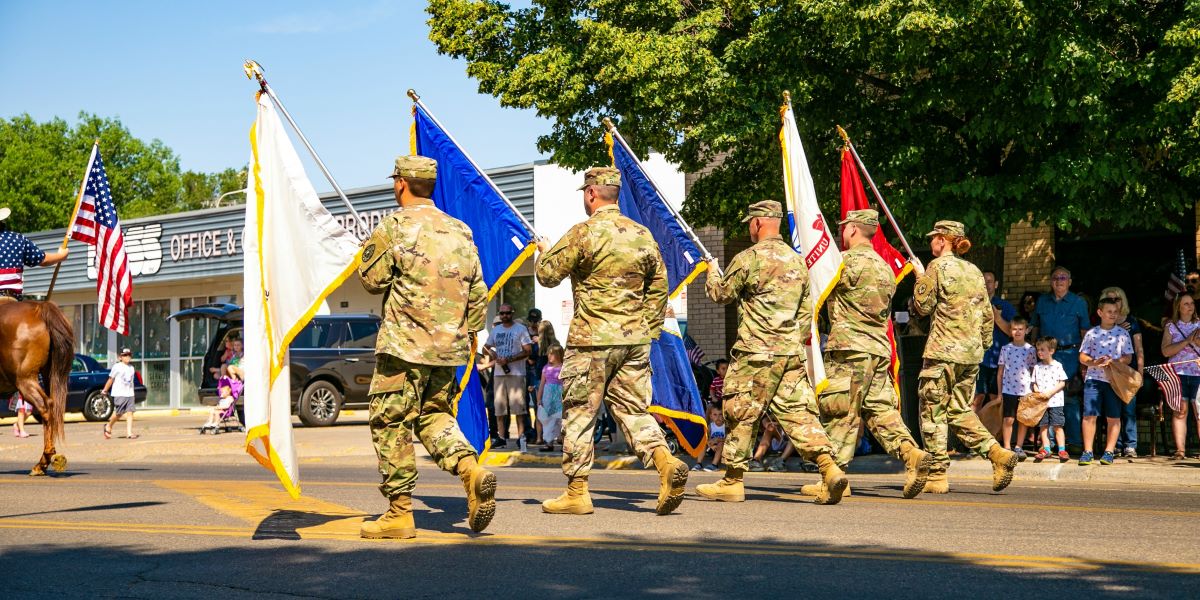
NYC Veterans Day Parade 2026 Marches Up Fifth Avenue November 11 as Suni Williams Leads the 107th Edition

Photo Credit: Unsplash.com

The United War Veterans Council traces its lineage to groups founded by veterans of the Spanish-American War, which carried forward traditions from veterans of the Revolution and the War of 1812. The modern council took shape in 1985, when Vietnam veterans revived it to rescue a parade that was close to disappearing.

Four decades later, the United War Veterans Council reports that the parade draws tens of thousands of participants and hundreds of thousands of spectators. Its typical lineup includes more than 280 marching units, over 20,000 marchers, more than 25 floats, and upward of 150 vehicles. Leadership has also passed to a new generation, with Iraq, Afghanistan, and post-9/11 veterans now guiding the organization.

Honorary Marshal Vicki Bello Brings a Bronx Connection

Vicki Bello’s service began the same year the parade was saved. A native New Yorker, Bello enlisted in the U.S. Navy in 1985 and served on active duty as a radioman at commands that included Adak, Alaska, and Ford Island, Hawaii. After leaving active duty in 1989, she spent two more years in the Naval Reserve at Fort Schuyler in the Bronx before her honorable discharge.

Bello now manages community and veterans programs for the Theatre Development Fund. Otto noted that her commitment did not end with her military service and that her work helps veterans experience the power of theater and the arts.

The Meaning of Veterans Day Traces Back to Armistice Day

Veterans Day grew out of the armistice that halted fighting in World War I on November 11, 1918. President Woodrow Wilson proclaimed the first Armistice Day in November 1919. An act approved on May 13, 1938, made November 11 a legal holiday dedicated to world peace.

After World War II and the Korean War, veterans service organizations urged Congress to broaden the holiday. Lawmakers replaced “Armistice” with “Veterans,” and the change took effect on June 1, 1954, turning November 11 into a day honoring American veterans of all wars. The NYC Veterans Day Parade carries that broader meaning, with participants from every service branch alongside service organizations, youth cadets, marching bands, and vintage vehicles.

Planning a Visit to the Parade on a Wednesday

The midweek date shapes the day for spectators. The Wreath-Laying Ceremony at 10:55 a.m. in Madison Square Park brings together veteran representatives, public officials, foreign allies, and senior military leaders before the 12:30 p.m. step-off. The parade then moves north on Fifth Avenue. The city typically releases block-by-block street closures in the days before the event, so visitors planning around work or school schedules should check official city traffic updates before heading to Midtown.

FAQs

When Is Veterans Day 2026?

Veterans Day 2026 falls on Wednesday, November 11. The holiday is observed on November 11 every year, whatever day of the week it lands on.

What Time Does the NYC Veterans Day Parade Start?

The parade steps off at 12:30 p.m. from Fifth Avenue at 26th Street. The Wreath-Laying Ceremony in Madison Square Park begins earlier, at 10:55 a.m.

Who Is the Grand Marshal of the 2026 NYC Veterans Day Parade?

NASA astronaut and retired U.S. Navy Captain Suni Williams is the 2026 Grand Marshal. U.S. Navy veteran Vicki Bello serves as Honorary Marshal.

Is Veterans Day a National Holiday?

Yes. An act approved in 1938 made November 11 a legal holiday known as Armistice Day, and Congress renamed it Veterans Day in 1954 to honor veterans of all wars.

Who Organizes the NYC Veterans Day Parade?

The United War Veterans Council produces the parade each year. Vietnam veterans revived the organization in 1985 to keep the parade from ending.