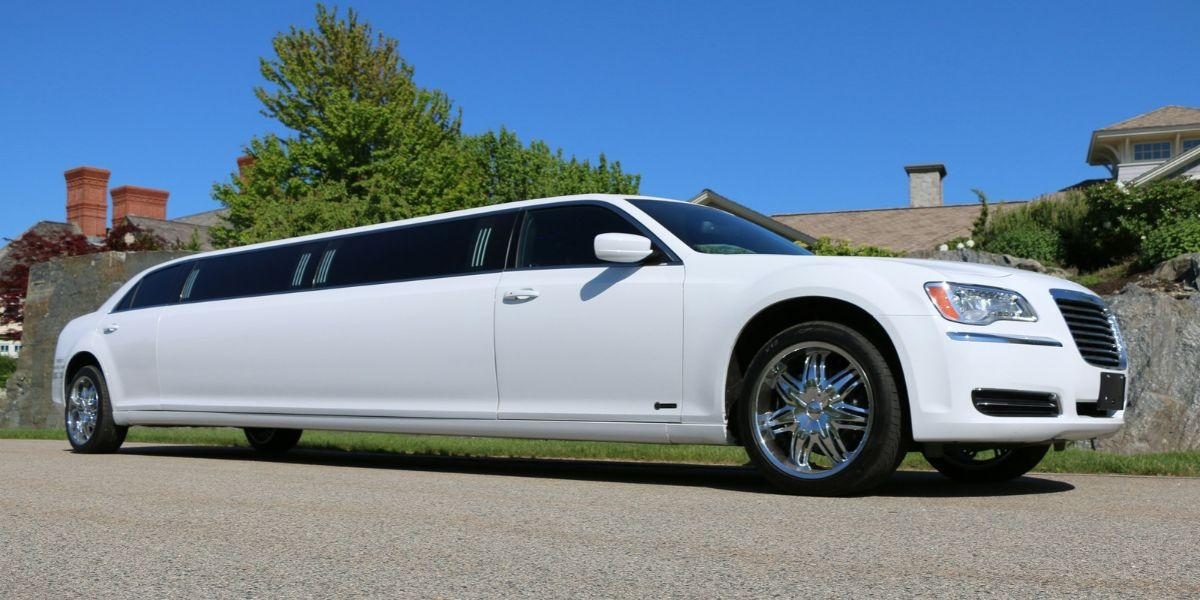

A long-distance limo service is a pre-booked private vehicle and professional driver for trips of several hours or more, such as New York City to Boston, Philadelphia or Washington, D.C. Instead of a meter, the trip is priced as a fixed quote, an hourly rate or a day rate. For travelers with luggage, groups, or anyone who wants to work or rest on the way, it can be a practical alternative to flying, taking the train or driving yourself.
Key takeaways
• Long-distance limo trips are usually priced as a fixed quote, an hourly rate or a day rate, so ask which one you are getting.
• Ask whether tolls, gratuity, rest stops and wait time are included before you book.
• Door-to-door pickup, luggage space and the freedom to work in the cabin are the main advantages over trains and flights.
• A solo traveler between city centers can often spend less by train or bus; the case for a private car grows with each added passenger.
What counts as a long-distance limo trip?
There is no formal definition, but operators generally mean intercity or interstate trips that take several hours, often door to door and sometimes over more than one day. One New York operator notes that Washington, D.C. is about 230 miles from New York City and offers the run on a same-day or multi-day basis. Others will keep a driver with you at your destination for as long as the schedule requires.
Pricing varies by company. Some operators quote longer runs, such as from New York City to the Hamptons, Philadelphia, Boston or Washington, as a flat day rate, while others offer hourly, point-to-point or all-day driver options that you can tailor to the trip.
Who uses long-distance limo service, and why
Business travelers use it for roadshows and meetings in another city, families for events and campus visits, and groups for weddings, retreats and tours. The advantages are practical: door-to-door pickup, space for luggage, the option to take calls or work in the cabin, and no airport security or station transfers. Many operators also accept pets and provide child seats.
It is not always the cheapest choice. A solo traveler between two city centers will often spend less on a train or bus. The case for a private car strengthens with additional passengers, heavy luggage, multiple stops, or an origin or destination that is far from a station or airport.
How pricing works
• Fixed quote: a set price agreed before the trip. Ask what it includes, such as tolls, gratuity and waiting time.
• Hourly rate: priced by the hour, usually with a minimum. It suits multi-stop trips, but the clock runs while the driver waits.
• Day rate: a flat price for a day of travel, common for same-day round trips. Ask about overtime and the driver’s return time.
Whichever model you choose, get the price in writing and confirm what it covers.
Questions to ask before you book
• What is the all-in price? Confirm tolls, gratuity, taxes and wait time.
• How are rest stops handled? Ask who decides when to stop and how often.
• Does the vehicle fit your group and bags? A Suburban-class SUV typically seats six; a Sprinter van seats up to 14.
• Is the driver experienced on long runs, and is the company insured? Look for commercial insurance and USDOT registration where required.
• Can the driver wait or return days later? Round trips and multi-day bookings are handled differently by each company.
• What about pets, child seats and special needs? Mention them at booking so the right vehicle is assigned.
Example: long-distance service from the Hamptons
On Long Island’s East End, long-distance limo service from the Hamptons is offered by Hamptons Leisure Limo, a family-owned company based in Southampton. It runs door-to-door trips to all five New York City boroughs, Boston, Philadelphia, Washington, D.C., Connecticut and upstate New York, and says it will travel anywhere in the Northeast.
The company quotes a fixed price before booking that accounts for distance, time and vehicle type, and says tolls and gratuity are typically included. It plans the route and rest stops in advance, offers round-trip and multi-day bookings, welcomes leashed dogs and pets in carriers, and provides child seats at no extra charge. The fleet runs from a Mercedes-Benz S-Class (up to three passengers) and a Chevrolet Suburban (up to six) to a Mercedes Sprinter (up to 14). Service is available 24/7, and the company puts the drive from East Hampton to Manhattan at 2.5 to 3.5 hours, depending on traffic. For peak summer weekends and holidays, it recommends booking one to two weeks ahead.
Tips for a smoother long trip
• Share the full itinerary, including stops and the return plan, when you book.
• Build in time for peak traffic. Friday departures from New York City and Sunday returns are typically the heaviest.
• Confirm pickup details and the driver’s contact information the day before.
• Decide up front whether you want to drive straight through or stop along the way.
• Keep medications, documents and chargers in the cabin instead of the luggage compartment.
Frequently asked questions
How much does a long-distance limo cost?
It depends on distance, time, vehicle type, tolls and waiting time, and it may be quoted as a fixed price, an hourly rate or a day rate. Ask for an all-in written quote. Hamptons Leisure Limo, for example, quotes by text once you send a destination, date and pickup address.
Is a long-distance limo better than flying or the train?
It depends on the trip. A private car is door to door, carries luggage and pets, and works well for groups and multiple stops. For one traveler between two city centers, a train is often cheaper.
How far ahead should I book?
For peak weekends and holidays, one to two weeks ahead is a common recommendation. Weekday and off-season trips can usually be arranged on shorter notice.
The bottom line
A long-distance limo trades the lowest fare for comfort, control and convenience. Get a written, all-in price, confirm the vehicle and the stops, and share your itinerary early so the driver can plan the route.