Beyond the Bookshelf, How LongTemple Is Building a Literary Universe Readers Can Actually Live In

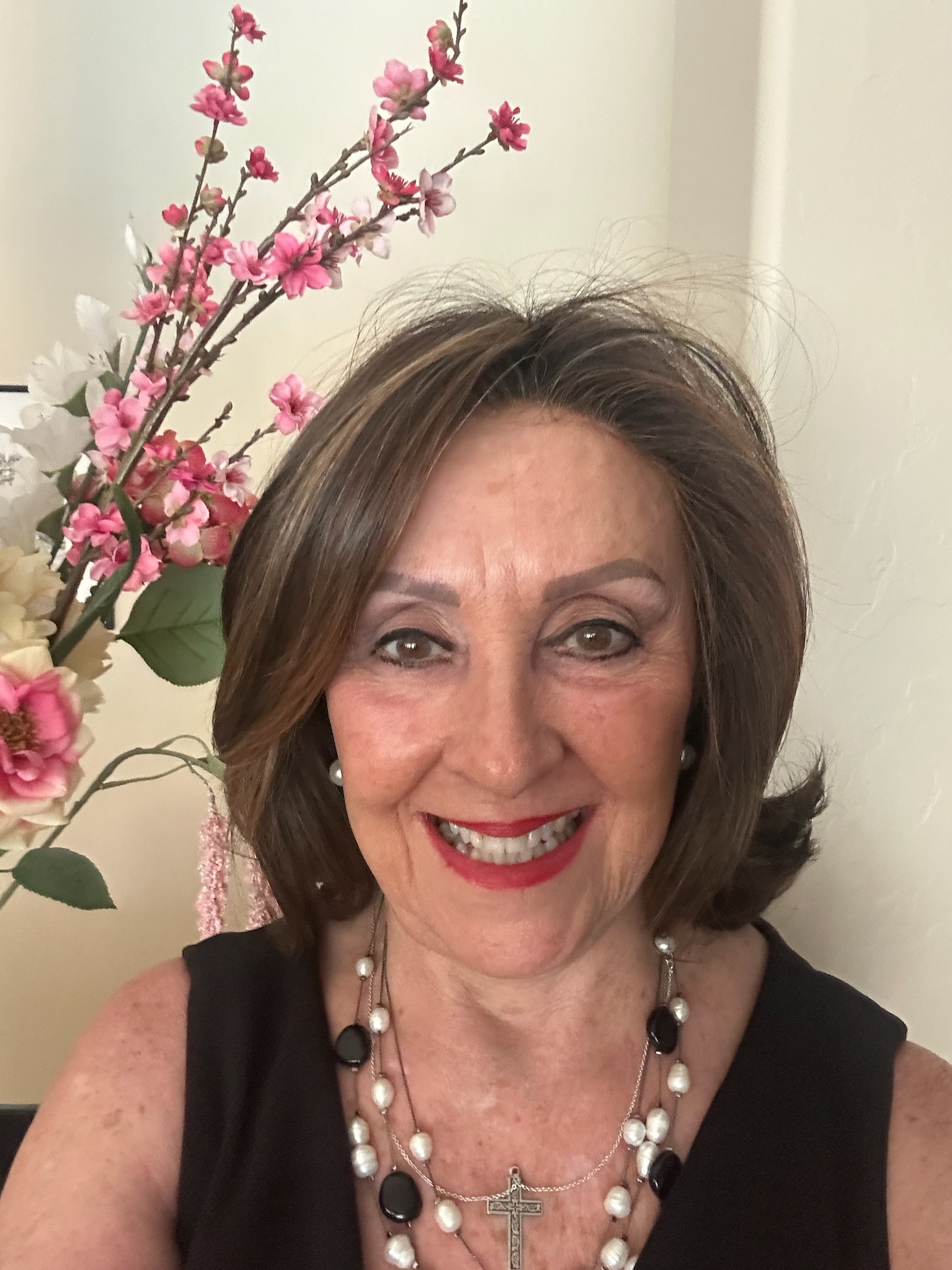
By: LongTemple

People often imagine authors spending their days surrounded by coffee cups, notebooks, and half-finished manuscripts, quietly creating worlds from their imagination. While writing remains at the center of what I do, the reality of modern authorship extends far beyond the final chapter of a book.

Today, readers discover authors in countless ways. They may find a book through Goodreads, browse an Amazon Author Page, encounter a review on StoryGraph, search LibraryThing, watch a YouTube video, or stumble upon an article online. For me, every platform represents an opportunity to build a genuine connection with someone who may one day become a reader.

That connection is the most rewarding part of being an author.

Books begin with characters and stories, but their true purpose is fulfilled when readers discover something that resonates with their own lives. They might recognize a family struggle, a journey toward healing, a search for faith, a second chance at love, or the courage to embrace a new beginning. Writing may begin as a solitary act, but storytelling is ultimately about connection.

Every Platform Tells Part of the Story

Maintaining an active presence across multiple platforms is often misunderstood as promotion. To me, it is about accessibility.

Readers deserve to know that the author behind the cover is real, present, and engaged.

Goodreads provides a vibrant community of reviews, recommendations, giveaways, and reader conversations. My Amazon Author Page allows visitors to explore the breadth of my work. StoryGraph helps readers discover books based on themes, moods, and reading preferences. LibraryThing offers another avenue for literary discovery and organization.

My websites serve as the central hub where readers can explore Platinum Chocolate Publishing, discover books throughout the Platinum Chocolate Universe, learn about companion projects, and experience the wider creative world surrounding my stories.

Then there is An Open Page with LongTemple, my YouTube channel, where the conversations often extend beyond books.

There, I discuss relationships, faith, personal growth, aging, reinvention, healing, resilience, and the realities of building a fulfilling life after fifty. What has surprised me most is the audience. While many assume these conversations primarily attract women, approximately 79 percent of my viewers are men.

That statistic taught me an important lesson.

Meaningful conversations about growth, relationships, purpose, and reinvention belong to everyone. The desire to evolve, heal, and build a meaningful life transcends demographics.

Whether through a book or a video, my goal remains the same: to create a space where people feel seen, understood, and encouraged.

Recognition Creates Trust

As an independent author and creator, I understand that readers want more than promotional claims. They want evidence, credibility, and transparency.

Recognition from organizations such as Readers’ Favorite, Literary Global, and the International Impact Book Awards has allowed my work to reach wider audiences while providing independent validation of the stories I create.

Awards do not tell readers how they should feel about a book. What they do provide is an opportunity for readers to see that the work has been reviewed, considered, discussed, and recognized within the broader literary community.

Trust matters.

When readers can explore reviews, follow links, verify accomplishments, and examine a body of work for themselves, they are empowered to make informed decisions about the stories they choose to invest their time in.

Readers Are More Than Statistics

The digital side of publishing revolves around measurable data: ratings, reviews, views, followers, subscribers, readership growth, website traffic, and giveaway participation.

I pay attention to those numbers because they reveal where readers are finding me and what resonates with them.

Yet behind every number is a person.

A book added to a digital shelf represents someone willing to remember a title.

A review represents someone who spent hours with characters I created.

A YouTube subscriber represents someone who returned for another conversation.

Those moments carry meaning.

They remind me that storytelling is ultimately about human connection.

Building a Literary Home

The Platinum Chocolate Universe was created from a desire to tell stories that reflect the many ways people live, love, struggle, heal, and begin again.

The universe includes contemporary romance, later-in-life romance, family sagas, psychological storytelling, spiritual awakenings, reflective companions, adult-themed coloring books, and multimedia literary experiences. While the genres vary, the underlying themes remain consistent: healing, resilience, faith, family, love, growth, and transformation.

A reader may discover one of my books through Goodreads, encounter a related discussion on An Open Page with LongTemple, explore a companion publication, and eventually find themselves immersed in the larger universe.

That journey is why consistency matters.

A missing profile, an outdated biography, a broken link, or incomplete information can create barriers between a reader and the stories they are seeking.

Managing those details may not be as creative as writing a novel, but they are an important part of respecting the reader’s experience.

I am not simply placing books online.

I am building a literary home and making sure the lights are on when readers arrive.

Some days are devoted to manuscripts and characters.

Other days involve updating author platforms, reviewing analytics, recording videos, improving websites, coordinating promotions, or ensuring readers can easily discover the correct editions of my books.

While those responsibilities may look different from traditional writing, they all serve the same purpose.

At the center of every website, platform, profile, award, and conversation is something remarkably simple:

A story waiting for a reader.

The platforms create the pathways.

The awards help establish trust.

The websites hold the universe together.

But the readers give all of it meaning.

About LongTemple

LongTemple is an award-winning author, founder of Platinum Chocolate Publishing, and creator of the Platinum Chocolate Universe. Her work includes contemporary and later-in-life romance, family and psychological sagas, spiritual awakenings, companion publications, adult-themed coloring books, and multimedia literary experiences. Through her books and An Open Page with LongTemple, she explores themes of healing, resilience, faith, family, mature love, personal growth, and the belief that life’s most meaningful chapters may still lie ahead.

Beneath the Angels of Mons Explores Reality Through History, Psychology, and the Supernatural

For much of his professional career, Gregg Bartley worked in a world where precision, evidence, and careful analysis were essential. As an aerospace engineer and later an aviation safety specialist responsible for flight control and autopilot certification, his work centered on systems designed to minimize uncertainty and leave as little as possible to chance. That background makes Beneath the Angels of Mons: Tales of the Supernatural and Psychological especially intriguing. Rather than simply asking readers to believe in the unexplained, Bartley’s anthology poses a deeper question: How do we determine what is real?

The collection approaches the supernatural not simply as a world of monsters, ghosts, and unexplained phenomena, but through the complex lens of human perception. Across the stories, different people may experience the same event yet interpret it in completely different ways. The mystery, therefore, is not always what was witnessed, but whether what was witnessed can ever be fully understood.

The anthology brings together two novels The Wechuge and Ghosts of a Former World alongside four short stories. Together, they explore the uncertain space where history, psychology, folklore, memory, and belief intersect. Although the settings range from wartime Europe to the forests of the Pacific Northwest, the stories repeatedly return to one compelling question: Are extraordinary experiences evidence of something beyond human understanding, or are they reflections of the human mind?

That question appears to be at the heart of Bartley’s approach. His professional experience involved analyzing complex systems in which conclusions often depended on interpreting incomplete information. Those same instincts are evident throughout the anthology. Certainty is repeatedly questioned, while readers are encouraged to examine conflicting evidence and form their own interpretations rather than accept easy explanations.

The title novella, Beneath the Angels of Mons, captures this philosophy particularly well. Inspired by one of World War I’s most enduring legends, the story revisits reports surrounding the 1914 Battle of Mons, when British soldiers claimed to have witnessed angelic figures, phantom archers, or even divine intervention that appeared to halt the advancing German forces. Over the years, historians have offered numerous explanations for these accounts, ranging from religious belief and wartime propaganda to battlefield exhaustion, and perhaps something more difficult to explain.

Bartley does not attempt to settle the debate. Instead, he embraces the uncertainty. The story unfolds through interviews with soldiers whose testimonies frequently conflict. One believes he saw Saint George leading a heavenly army. Another recalls only mysterious lights in the sky, while a third describes an experience for which he can find no explanation. Their accounts may differ dramatically, yet each witness remains convinced of what he experienced.

The result is more than a supernatural tale. It becomes an exploration of the ways memory, faith, trauma, expectation, and personal experience can influence how people perceive reality.

That fascination with uncertainty continues throughout the rest of the anthology. The Wechuge, presented in a revised edition with a new concluding chapter, explores folklore, isolation, and psychological uncertainty. Rather than providing definitive answers to every mystery, the revision deepens the novel’s central question: Where exactly does imagination end and reality begin?

Ghosts of a Former World approaches haunting from another perspective. While supernatural elements remain part of the story, the novel also examines the enduring consequences of racism and historical injustice. Some of its ghosts are not spectral beings at all, but the consequences of prejudice carried from one generation to another. In this sense, the title serves as a metaphor for both literal apparitions and the lasting wounds created by history.

Bartley’s interests beyond engineering also contribute to the atmosphere of the collection. His years exploring the mountains, rivers, and forests of the Pacific Northwest bring an authentic sense of place to the stories, while his experiences studying Lakota traditions add cultural depth to narratives involving mythology, spirituality, and oral history. These influences remain woven naturally into the stories, giving the settings and themes a sense of authenticity.

Ultimately, what distinguishes Beneath the Angels of Mons is the trust it places in its readers. The anthology resists the modern tendency to explain every mystery or place every unusual experience into a convenient category. Instead, it presents conflicting perspectives, compelling evidence, and emotionally authentic characters, then allows readers to decide what they believe.

This approach places the collection closer to classic psychological and supernatural literature than conventional horror. The fear does not necessarily come from something hiding in the darkness. Instead, it comes from a more unsettling possibility: What if certainty itself is impossible?

That question feels particularly relevant in an era when people frequently encounter competing versions of truth. Beneath the Angels of Mons asks readers to consider not only whether supernatural events are possible, but also how memory, culture, belief, and personal experience shape each individual’s understanding of reality.

By the final pages, the central question has evolved. It is no longer simply whether ghosts, angels, or ancient legends truly exist. The deeper question is whether reality has ever been as fixed and objective as we assume.

Photo Courtesy: Gregg Bartley

That lingering uncertainty is ultimately what gives Beneath the Angels of Mons: Tales of the Supernatural and Psychological its lasting impact. More than a collection of supernatural stories, it becomes a thoughtful meditation on perception, belief, history, and the mysteries that continue to shape the human experience.

Moral Injury: The Hidden Wound That Is Destroying Our Heroes from the Inside

Some wounds do not bleed. Some wounds do not show up on an X-ray or a brain scan. They live in the quiet moments before sleep. They live in the eyes of a person who cannot forgive themselves. They live in the soul. This is the wound that Andre Davis calls moral injury. It is the hidden pain that destroys heroes from the inside while everyone around them sees nothing.

Moral injury happens when a person does something, sees something, or fails to prevent something that violates their deepest sense of right and wrong. It is not about fear. It is about shame. It is not about danger. It is about betrayal. It is the wound that forms when a soldier follows orders that harm innocent people. When a police officer makes a split-second decision that ends a life. When a medic cannot reach a child in time. When a corrections officer watches cruelty and feels powerless to stop it. When a survivor stays in an abusive relationship and blames themselves for not leaving sooner.

Most people have heard of PTSD. They understand that trauma comes from danger and threat. They know that a person who survives a violent attack may struggle with nightmares and flashbacks. But moral injury is different. It does not ask, “Am I safe?” It asks, “Am I still a good person?” It does not haunt a person with fear. It haunts them with guilt. It whispers, “You should have done more.” It whispers, “A better person would not have made that choice.” It whispers, “If people knew the truth about you, they would walk away.”

Andre Davis knows this wound well. He spent years in law enforcement. He saw good officers carry guilt for decisions that were legally justified but still felt wrong. He watched veterans replay moments from combat that they could not change. He listened to survivors of violence blame themselves for what was done to them. In his book The War You Can’t See, Davis explains why moral injury is so devastating and why it so often goes untreated.

The first reason moral injury goes untreated is that people do not have words for it. They know they feel shame. They know they feel guilt. But they do not understand why. They think something is wrong with them. They think they are broken. They do not realize that their pain has a name and that many others share it. Davis changes that. He gives readers the language they need to understand their own suffering.

The second reason moral injury goes untreated is that people believe they do not deserve help. This is the cruelest part of the wound. Moral injury convinces a person that they are unforgivable. It tells them that seeking help would be a form of cheating. It tells them that they should suffer forever because of what they did or failed to do. This belief keeps people trapped in silence. They suffer alone because they believe they deserve to suffer alone.

The third reason moral injury goes untreated is that traditional therapy often misses it. A therapist who focuses only on fear and anxiety may not understand the deep shame that comes from moral violation. A treatment plan that targets hypervigilance may not address the guilt that keeps a person awake at night. Davis explains that moral injury requires a different approach. It requires honest conversation about values, responsibility, and forgiveness. It requires a safe space where a person can tell the truth without being judged.

The War You Can’t See offers that safe space. Davis writes with honesty and compassion. He does not excuse harmful actions. He does not tell people that what they did was fine. Instead, he helps them separate what is truly theirs to carry from what belongs to circumstances, leaders, and systems. He helps them see that feeling moral pain is proof that they still have a conscience. People without a conscience do not feel moral injury. The fact that they hurt proves they still care about right and wrong.

Davis also addresses the betrayal that often accompanies moral injury. Many service members and first responders feel betrayed by leaders who gave bad orders. They feel betrayed by systems that failed them. They feel betrayed by institutions that promised one thing and delivered another. This betrayal adds another layer to the wound. It makes healing even harder because the person feels alone and abandoned.

Moral injury does not have to be a life sentence. Davis offers a path forward. The path starts with naming what happened. It continues with understanding what is truly yours to own. It grows through honest conversation with trusted people. It deepens through professional help from someone who understands the unique weight of moral injury. It is not easy. It is not fast. But it is possible.

The hidden wound does not have to destroy our heroes. It does not have to claim more lives. It does not have to keep good people trapped in shame. Healing is possible. Forgiveness is possible. A life beyond the wound is possible. That is the message at the heart of The War You Can’t See. That is the hope that Andre Davis offers to everyone who carries the weight of moral pain.

You do not have to carry this alone. You do not have to suffer in silence. You do not have to believe the lie that you are unforgivable. The first step is reaching out. The first step is telling the truth. The first step is picking up this book and letting it guide you home.

If you carry guilt that will not fade, you are not alone. The War You Can’t See offers a path through the shame. Get your copy today and start healing.

NYC Parks Hosts Free Fall Festivals and Haunted Houses in All Five Boroughs This October

NYC Parks is hosting free fall festivals and haunted houses in all five boroughs this October, starting with Hallowscream in Manhattan on October 16 and ending with Halloween eve events in Brooklyn and Queens on October 30. Most events require no registration, and the lineup runs alongside 160 car-free Trick-or-Streets locations citywide.

Key Takeaways

  • Five flagship NYC Parks events span October 16 through October 30, one in each borough, all free to attend.
  • Manhattan’s Hallowscream at J. Hood Wright Recreation Center is the only flagship event that requires registration.
  • Staten Island’s Ocean Breeze Fall Festival on October 24 typically draws more than 1,500 attendees and includes a youth cross country race for ages 7 to 17.
  • Trick-or-Streets returns with 160 car-free Open Streets and plazas, the largest count in the program’s history.
  • Halloween 2026 falls on a Saturday, so the Brooklyn and Queens flagship events land on Friday, October 30.
  • Each event has a posted rain plan, ranging from indoor moves to rescheduled dates of October 24 and November 1.

A Citywide Halloween Calendar Built on Free Access

The announcement from the Mayor’s Office and Parks Commissioner Tricia Shimamura on October 6 turns recreation centers across the city into seasonal destinations for the rest of the month. The programming list reads like a neighborhood carnival circuit: haunted houses, pumpkin patches, obstacle courses, face painting, crafts, music and games.

What separates this calendar from the city’s commercial Halloween scene is price. Haunted attractions, rooftop parties and themed cruises across New York regularly charge admission, and families with several children feel that cost quickly. NYC Parks is offering a version of the season that costs nothing at the door, spread across neighborhoods that are often far from the Manhattan venues that dominate October listings.

Mayor Zohran Mamdani framed the push in terms of public space, saying the goal is “to build a city that recognizes play and joy as a public good.” Commissioner Shimamura pointed to the practical appeal, describing fall as a time when New Yorkers can get outside and spend time with neighbors.

Manhattan and the Bronx Open the Season on October 16 and 17

Hallowscream at J. Hood Wright Recreation Center and Park runs across two days. The Fright Walk opens Friday, October 16, from 4 to 7 p.m., with a haunted house built around elaborate sets, themed rooms and costumed characters. On Saturday, October 17, from noon to 3 p.m., the haunted house returns alongside a fall festival with a pumpkin patch, bounce houses, crafts and jumbo games. The event typically draws up to 1,400 people. Registration is required, and the haunted house stays indoors if it rains while the outdoor festival would be rescheduled.

The same Saturday, the Williamsbridge Oval Recreation Center in the Bronx hosts its Fall Fiesta from 11 a.m. to 2 p.m. The schedule includes pumpkin decorating, carnival games, a Mad Science demonstration, a pumpkin weight guessing contest with prizes and a dog costume parade. Around 600 attendees are expected, no registration is needed, and the rain date is October 24.

Staten Island Packs the Calendar With Three Free Events

Staten Island carries more of the month than any other borough. The flagship Ocean Breeze Fall Festival runs Saturday, October 24, from 10 a.m. to 3 p.m. at the Ocean Breeze Athletic Complex, with a DJ, food trucks, rides, inflatables and a pumpkin patch. The Ocean Breeze Youth Cross Country Spooktacular gives young runners ages 7 to 17 a seasonal race on the same day. More than 1,500 people typically attend, and the festival moves indoors in bad weather.

NYC Parks also lists two smaller Staten Island events earlier that week. De Matti’s Tot Pumpkin Patch runs Wednesday, October 21, from 10 a.m. to noon at the De Matti Park Fieldhouse, and Greenbelt’s Haunted Trail opens Friday, October 23, from 3 to 7 p.m. at the Greenbelt Recreation Center. Both are free.

Brooklyn and Queens Close Out the Month on Halloween Eve

Because October 31 falls on a Saturday this year, the Brooklyn and Queens flagship events move to Friday, October 30, giving families a lead-in night before trick-or-treating.

Brooklyn’s Haunted House and Hallow Gala at the Shirley Chisholm Recreation Center runs from 3 to 7 p.m. with a carnival, haunted house, pumpkin decorating, and costume and dance contests. The gala caps HalloWeek, a weeklong program at the center that also includes karaoke, a pool movie and a silent disco. In rain, the gala moves indoors.

Queens hosts the Mad Monster Lab Haunted House and Fall Festival at the Bowne Park Field House from 4 to 8 p.m. Families can work through a pumpkin patch, crafts, games and inflatables before the indoor haunted maze opens. If it rains, the maze runs as planned and the outdoor festival shifts to November 1.

Trick-or-Streets Extends the Season Beyond the Parks

The parks lineup sits on top of a larger street-level effort. NYC DOT’s Trick-or-Streets program is back with 160 car-free Open Streets and plazas across the five boroughs, a record for the initiative. Together, the two programs give New Yorkers a way to celebrate the season close to home, on blocks and in recreation centers they already know, without paying for a ticket.

FAQs

Are the NYC Parks fall festivals free?

Yes. All five flagship events and the additional Staten Island events listed by NYC Parks are free. Only Manhattan’s Hallowscream requires advance registration.

When is the Village Halloween Parade in 2026?

The 53rd annual Village Halloween Parade steps off Saturday, October 31, 2026, at 7 p.m. in Greenwich Village. It is separate from the NYC Parks festival series.

What happens to the festivals if it rains?

Each event has its own plan. Hallowscream’s haunted house and the Brooklyn gala move indoors, the Bronx Fall Fiesta reschedules to October 24, and the Queens outdoor festival moves to November 1.

What is Trick-or-Streets?

Trick-or-Streets is an NYC DOT program that closes streets and plazas to cars for Halloween and fall celebrations. This year it covers 160 locations across all five boroughs.

Scaling AdTech Infrastructure: How Sai Sukesh Reddy Optimized Real-Time Data Pipelines for Meta’s Global Gaming and App Ecosystem

Data is often compared to oil, valuable but useless until it is refined. As global data generation keeps climbing, though, the harder problem is no longer refinement. It is plumbing, scale, and speed. Every swipe on an app, every digital advertisement served, and every cross-border financial transaction depends on invisible, highly sophisticated data pipelines that must process trillions of data points in real time without a single millisecond of lag.

Sai Sukesh Reddy Tummuri is a data engineer whose work sits inside that layer. His career spans tenures at organizations including Amazon and Meta Platforms Inc., where he has built scalable, low-latency, automated data frameworks that connect massive computing infrastructure to the strategic decisions made in the boardroom.

Engineering AdTech Infrastructure at Meta

Working in digital advertising at Meta Platforms Inc. in Menlo Park, California, Tummuri handles the volatile, high-volume side of AdTech. Within Meta’s gaming and app monetization ecosystems, he has engineered end-to-end data pipelines that process large streams of user engagement and in-app purchase attribution data.

In the AdTech space, a dropped data packet or a delayed metric can translate to millions of dollars in lost ad revenue or skewed optimization algorithms. Tummuri approached this by implementing real-time monitoring and streaming pipelines equipped with custom anomaly-detection alert rules. Those automated “pulse systems” give Meta’s stakeholders a way to flag unusual revenue spikes or drops as they happen, which supports the platform’s topline monetization reporting.

He has also worked past the limits of traditional business intelligence by developing interactive, AI-powered dashboards. Integrating automated AI agents directly into those reporting frameworks turned static charts into dynamic systems where cross-functional teams can query critical metrics and receive answers on the spot, widening self-serve access to data analytics across the organization.

Automation and Efficiency Work in FinTech at Amazon

Before his AdTech work at Meta, Tummuri spent years solving complex data and financial infrastructure puzzles within the FinTech domain at Amazon.com. Operating inside Amazon’s highly regulated TaxTech organization, he designed and maintained data platforms capable of processing vast transactional tax figures across multiple international jurisdictions, with audit readiness as a standing requirement.

One of his defining projects at Amazon was the architectural overhaul of month-end financial closures. Intercompany matching and global tax calculations had historically required intensive manual hours from finance teams worldwide. Tummuri engineered an automated matching solution that reduced manual intervention, cut operational overhead, and narrowed the openings for human error in the process.

His work also tied data engineering to fiscal efficiency. Through precise data modeling, bucketing, partitioning, and the optimization of complex Glue PySpark scripts, he reduced query execution times. A sustained focus on cloud FinOps brought down infrastructure compute costs for Amazon, a reminder that data design choices carry a direct cost consequence.

Research on Self-Healing Data Architectures

His published research includes work on Enhancing Data Pipelines with Foundation Models, which explores how large language models can automate tedious schema mapping and SQL generation to remove manual coding bottlenecks. His papers on machine learning-driven data quality monitoring and on Optimizing DAG Scheduling in Data Pipelines Using Reinforcement Learning offer blueprints for “self-healing” data architectures, systems that catch silent data corruption on their own and reschedule workflows dynamically to save cloud compute costs.

World Champion Hairstylist Ryu Kyogoku Brings His Expertise into Everyday Haircare

Long before Ryu Kyogoku stood on an international winner’s podium, he was a boy trying to find his place. Originally from Shanghai, he moved to Japan with his mother at twelve. In the personal history published on his brand’s website, he recalls struggling with Japanese, enduring bullying and having little sense of direction. Discovering hairdressing gave him something he could develop with his own hands: a skill that could change how a person looked, felt and connected with others.

Today, Kyogoku, known as KG, is taking the expertise behind his 2018 International Visionary Award victory in London’s Cut & Colour category into the products people use at home. In an interview with Editor-in-Chief Hannah Yang, he discussed the relationship between his journey, his product development philosophy and his ambition to make professional haircare available beyond the salon chair.

His account begins with a personal transformation. As he became more interested in grooming and hair, the responses he received from people around him changed. Hairdressing offered a way to communicate through visible results. The craft became both a career direction and an opportunity to help other people experience the confidence he had begun to discover himself.

He entered beauty training while working in a salon, developing his skills through study and practice. In 2016, he travelled alone to London, where he completed courses at Vidal Sassoon Academy, TONI & GUY Academy and SANRIZZ Academy during approximately six months of study. Working alongside other creative professionals broadened his understanding of what hairdressing could become.

The competitive results came in stages. In 2017, he finished runner-up in the Cut & Colour category of the Alternative Hair Show’s International Visionary Award. The following year, he returned to win that category. Those consecutive results trace the progression of a practitioner developing his work against an international field. The 2018 title remains the specific competitive achievement behind his world champion reputation.

Business development followed its own course. He opened SalonRyu in Tokyo’s Akasaka district in July 2017, established Kyogoku Professional in 2019 and launched Kyogoku Academy in 2020. Together, salon services, products and education gave his expertise several ways to reach customers and fellow professionals.

Photo Courtesy: KG

Product development addressed a practical limit. However many appointments a hairstylist accepts, personal service reaches only a finite number of people. Kyogoku wanted his knowledge to benefit consumers who would never sit in his salon. That meant translating the problems he encountered at work into products with a clear purpose in everyday routines.

In the interview, he described a development process involving more than 300 participants in product testing, with their feedback informing repeated refinements. The emphasis was on understanding how products performed in actual use. His published brand story also describes numerous development meetings and repeated factory visits, reflecting his involvement in bringing products from an initial idea to a form he could recommend to professionals.

His approach brings two kinds of knowledge together. A hairstylist can identify technical concerns and assess a formulation or tool through professional experience. A consumer can explain what it feels like to use a product in an ordinary routine. Listening to both helps connect the intention behind a product with the experience of the person using it.

That process supports a defining principle of KYOGOKU: individual products should address clearly identified needs. During the interview, Kyogoku explained his preference for targeted products. Different concerns call for different solutions, and the purpose of each product should be understandable to its buyer. For someone choosing a new haircare routine, that clarity gives a useful starting point: identify the problem, then choose the product designed for it.

Two products in the KYOGOKU range illustrate how that thinking takes shape. The Nano Silk Keratin Straight Iron focuses on daily styling. Its published specifications include nine temperature settings from 140 to 220 degrees Celsius, a rotating cord and automatic shutdown after thirty minutes without operation. The brand describes its shape as suitable for both straightening and creating curls, giving users different styling options with one tool.

In its product guidance, KYOGOKU explains that adjustable heat allows users to choose a setting appropriate to their hair and styling needs. The company describes the plate technology and its Keratin Protect System as designed to limit heat and friction damage. The practical focus is on controllable styling: how a tool handles hair, how easily it moves through a section and how it fits into the time available before someone leaves home.

The Blue Purple Color Shampoo BP addresses a different concern: maintaining the appearance of lightened hair between salon appointments. According to the brand, its combination of blue and purple pigments helps counter unwanted yellow tones while supporting the clarity of the intended colour. KYOGOKU also describes the formula as designed to improve the rough, dry feeling sometimes associated with colour shampoos.

Its appeal lies in a specific maintenance task. A customer who has invested in a cool-toned colour needs a way to care for that appearance after leaving the salon. The shampoo puts colour maintenance into a familiar washing routine. Alongside the styling iron, it demonstrates how the brand separates styling and colour care into products whose roles are easy to recognise.

The business now extends well beyond one stylist’s appointment book. KYOGOKU’s professional membership website reports more than 300 products and over 5,000 salons adopting its range. That network represents a route into professional settings where hairstylists can introduce products through their work and explain how they should be used.

Photo Courtesy: KG

Digital commerce provides another route. In a July 2025 company announcement, KYOGOKU reported reaching the top of TikTok Shop’s beauty sales ranking in Japan. Separately, TikTok Shop Japan’s official October 2025 interview confirmed that, soon after the platform’s Japanese launch, the brand generated more than $100,000 in haircare sales during a single shopping livestream.

In that platform interview, Kyogoku linked his content to education: explaining hair concerns, care principles and practical techniques before inviting a purchase. Demonstrations allow viewers to see how a product is handled and ask questions while watching. Professional knowledge becomes part of the buying experience, giving consumers information they can use when deciding whether a product fits their needs.

His wider ambition also includes sharing Asian hairdressing expertise internationally. In his conversation with Yang, he discussed education for professionals working with Asian hair and a brand that customers could recognise across borders. Products, teaching and salon experience all contribute to that direction.

One example he raised was the uncertainty an Asian customer may feel when choosing a salon in an unfamiliar country. He wants the KYOGOKU name to help that person recognise a service grounded in an understanding of their hair. Teaching other stylists provides a way to extend that reassurance beyond his own appointments. For the consumer, the shared thread is continuity: professional knowledge encountered in a salon can remain part of the products and guidance used afterwards, wherever their daily routine takes place.

The connection to his own beginning remains clear. Hairdressing helped Kyogoku discover a skill, a career and a new relationship with confidence. His work now carries that experience into something people can use themselves: a styling tool, a colour-care routine and professional guidance that reaches beyond a single appointment.

Instagram|@ryuhairartist

TikTok|@ryukyogoku

Dave Koop: The Leader Who Built More Than a Church. He Built a Movement of Hope

Some leaders are shaped by ambition. Others are shaped by conviction. For Dave Koop, Founder and Senior Pastor of Coastal Church, the defining moment of his leadership came when he made the difficult decision to leave a successful career in the oil industry and pursue a calling that offered certainty of purpose but no assurance of success.

More than three decades later, that decision has resulted in one of Canada’s most influential multi-site churches, impacting thousands of lives across Greater Vancouver and beyond. Yet, for Koop, success has never been measured by the number of campuses or weekend attendance. Instead, it has always been about creating lasting change in people’s lives and strengthening the communities they call home.

A Vision Born from Faith

Dave and his wife, Cheryl, first met while attending Bible college. Like many young couples, they envisioned a future centered on family, careers, and serving faithfully within their local church. Full-time ministry was never part of their original plan. However, a profound spiritual experience and a growing sense of purpose led them to reconsider the direction of their lives. After years of prayer and reflection, Koop stepped away from the security of his profession to answer what he believed was a higher calling.

In 1994, the couple planted Coastal Church in the heart of downtown Vancouver, located under the apex of the city skyline, with a simple but compelling vision: to help make the city a better place through practical biblical teaching, authentic relationships, and meaningful community engagement.

What began as a small urban church has since evolved into a thriving multi-site ministry with 8 campuses across Greater Vancouver, 1 in Arizona, and an expanding online community that reaches people around the world. Today, Coastal Church welcomes people from more than one hundred nationalities, reflecting the diversity of one of North America’s most multicultural cities.

For Koop, however, growth has never been the ultimate objective. His leadership philosophy has always centered on service before recognition. He believes a church should be known as much for the difference it makes outside its walls as for what happens inside them.

That philosophy has inspired Coastal Church to develop partnerships with organizations addressing homelessness, food insecurity, addiction recovery, youth development, and humanitarian relief. Through initiatives such as CityServe Vancouver, surplus goods from businesses are redirected to charities and families in need, reducing waste while strengthening local communities. The church also supports organizations, including the Greater Vancouver Food Bank, Union Gospel Mission, Whole Way House, JAM International, and Camp Yukon, extending its impact both locally and globally.

Leading with Purpose in a Changing World

Throughout his ministry, Dave Koop has understood that effective leadership requires both conviction and adaptability. As society has evolved, so too have the challenges facing individuals and families. Rather than resisting change, Koop has consistently sought new ways to engage people while remaining firmly rooted in timeless biblical principles. His ability to balance tradition with innovation has enabled Coastal Church to remain relevant in an increasingly diverse and fast-paced urban environment. By fostering a culture of compassion, inclusivity, and practical service, Koop has demonstrated that meaningful leadership is not defined by titles or influence, but by the lasting impact it leaves on the lives of others.

Koop’s forward-thinking leadership has also embraced innovation. Long before digital ministry became commonplace, he recognized that reaching modern communities required more than traditional church models. Under his leadership, Coastal Church expanded into a multi-site ministry designed to serve people where they live, work, and raise their families, while simultaneously investing in a robust online platform that provides live services, prayer support, leadership resources, children’s programs, and discipleship opportunities for audiences around the world.

This innovative approach has enabled Coastal Church to remain deeply rooted in local communities while extending its influence across borders, demonstrating how timeless values can be communicated through modern platforms without compromising their authenticity.

As part of Coastal Church’s wider commitment to practical service and community transformation, Koop also helped launch Eden Cafe in Vancouver’s Downtown Eastside. Located at 643 East Hastings Street, Eden Cafe was created as a welcoming space where people from all walks of life can enjoy great coffee, fresh food, and genuine connection. More than a cafe, it operates as a social enterprise, with proceeds going directly into the Eden DTES Program, which brings transformation to the Downtown Eastside community from the inside out. Through its warm environment, in-house food offerings, specialty drinks, and commitment to dignity and hospitality, Eden Cafe reflects Koop’s belief that ministry should meet people in everyday spaces and help create opportunities for renewal, belonging, and hope.

A Legacy of Service and Leadership

Committed to lifelong learning, Koop further strengthened his leadership by earning a Doctor of Ministry degree from Bakke Graduate University in 2010. His academic achievements complement decades of practical ministry experience, allowing him to mentor emerging leaders while continuing to guide Coastal Church through an ever-changing cultural landscape.

Koop is also the author of The Contented Life and Making the City a Better Place, works that reflect the same convictions that have shaped his ministry: faith, purpose, service, and the belief that individuals and communities can be transformed through hope-filled, practical action. Through his writing, he extends his message beyond the pulpit, encouraging readers to live with greater meaning, spiritual depth, and a commitment to positively influencing the world around them.

Despite the church’s continued growth, those who know Koop often describe him not by his accomplishments but by his consistency. Whether mentoring young leaders, supporting community initiatives, or encouraging individuals through life’s challenges, he has remained committed to servant leadership, humility, and genuine care for others.

Dave Koop’s story demonstrates that meaningful leadership is rarely built overnight. It is forged through faith, perseverance, and a willingness to embrace uncertainty in pursuit of a greater purpose. His journey from the corporate world to leading one of Canada’s most respected urban ministries illustrates how a single courageous decision can create a legacy that extends far beyond personal success.

Today, Coastal Church continues to influence lives across communities, but at the center of that impact remains the vision of one leader who chose obedience over comfort. Through his unwavering commitment to serving people, empowering leaders, and investing in communities, Dave Koop has built more than a church; he has helped create a lasting movement of hope that continues to inspire generations.

Sisi Hollywood Spotlights the 4th International Chinese Original IP Film Festival and the Future of Storytelling

In Los Angeles, original IP, artificial intelligence and a centennial tribute to screen legend Lisa Lu come together around a timeless question: What makes a human story worth telling?

LOS ANGELES. As artificial intelligence reshapes how stories are conceived, produced and distributed, filmmakers are confronting a question that technology alone cannot answer: not simply what AI can create, but what remains uniquely human in the stories people choose to tell.

That question runs through the 4th International Chinese Original IP Film Festival, taking place October 30–31 at UCLA. The two-day program brings writers, filmmakers, producers and educators together for original IP pitches, professional jury feedback, bilingual masterclasses and a Writers’ Forum exploring literary adaptation, global audiences and the changing relationship between human creativity and artificial intelligence.

Sisi Hollywood, the nationally syndicated television show and global media platform founded and hosted by international television host and media personality Sisi Cao, will spotlight selected voices and conversations from this year’s festival as part of its continuing focus on meaningful storytelling and cultural dialogue between East and West. Cao also serves as a Board Member of the International Chinese Original IP Film Festival.

For chief planner Sunny Zhang, however, the festival has never been simply about competition or awards.

“The most fundamental goal is to build a platform for learning and exchange,” Zhang said.

Behind that idea is a belief that strong writing and strong screen IP are not always the same thing. A compelling literary work may require transformation before reaching the screen, while an unexpected idea can sometimes reveal cinematic potential through professional feedback, collaboration and development.

That philosophy shapes this year’s program.

Peggy Chiao, the influential producer, educator and longtime champion of Chinese-language cinema, serves as Jury Chair, bringing decades of experience identifying filmmakers and helping Chinese-language cinema reach international audiences.

She is joined by an international group of film and academic voices including Hollywood director and cinematographer Michael Goi, screenwriter and producer Donald Martin, filmmaker Anna Shaoai Chi, and UCLA scholar Michael Berry. Together, their perspectives place original Chinese IP within a broader conversation about adaptation, filmmaking and global storytelling.

The festival itself is also the product of years of collective effort. Zhang, filmmaker and producer Mary Cao, Anna Shaoai Chi, May May Miller, and members of the 2026 executive team have contributed across programming, industry outreach, fundraising, production and community building.

Their work reflects a larger ambition: creating a recurring place where people who write stories can meet those who understand how to bring them to the screen.

Perhaps the most revealing aspect of this year’s festival is its span across generations.

Among the submissions Zhang highlighted is My American Story, an illustrated work by a 14-year-old writer whose perspective and emotional honesty caught the organizers’ attention. At the other end of that generational arc stands legendary actress Lisa Lu, whose remarkable career has connected Chinese and international cinema across decades.

On October 31, the festival will conclude at UCLA’s James Bridges Theater with its awards ceremony, a Centennial Tribute to Lisa Lu, and a special screening of Leaving a Trace.

The juxtaposition is fitting: a young storyteller discovering a voice at one end, and an artist representing nearly a century of life, cinema and cultural memory at the other.

For Sisi Cao, it is precisely this intersection of generations and cultures that gives the festival meaning beyond a single event.

Photo Courtesy: Sisi Cao (Sisi Cao interviews Dr. Ellen Zhao at a previous International Chinese Original IP Film Festival.)

“Technology can transform how we make stories, but it cannot replace why stories matter,” Cao said. “The most meaningful conversations happen when different experiences, cultures and new voices are given the opportunity to meet.”

Through Sisi Hollywood, Cao plans to continue highlighting selected filmmakers and conversations surrounding the festival, extending those stories to audiences beyond the room.

The result is something broader than a traditional film competition. The International Chinese Original IP Film Festival creates a meeting point between literature and cinema, emerging creators and established filmmakers, Chinese-language storytelling and Hollywood, and, increasingly, between human imagination and artificial intelligence.

In an era when images can be generated in seconds, its underlying proposition feels increasingly relevant: Finding a story worth telling, understanding why it matters, and helping it reach another human being remains a deeply human act.

Photo Courtesy: Sisi Cao (Filmmakers, writers and guests at a previous International Chinese Original IP Film Festival.)

Event Details

The 4th International Chinese Original IP Film Festival takes place October 30–31, 2026 at UCLA. Daytime industry programs and masterclasses are scheduled at Royce Hall, with the October 31 awards ceremony and Centennial Tribute to Lisa Lu at James Bridges Theater.