Maison Cupid: Preserving the Moments That Deserve to Last Forever

By Bridget Mulroy

Having worked closely with Maison Cupid, I have had the unique opportunity to witness the passion, artistry, and craftsmanship behind each arrangement. What stood out to me immediately was that these creations were never simply about flowers. They were about the emotions attached to them, the celebrations, milestones, memories, and meaningful moments people want to preserve long after they have passed.

Every Maison Cupid bouquet tells a story.

Maison Cupid Website

That story feels especially meaningful with Maison Cupid’s FIFA-Inspired Soccer Ball Preserved Rose Box, created in celebration of the United States hosting the FIFA World Cup. As the world prepares for one of the most anticipated sporting events on the planet, Maison Cupid has found a way to capture that excitement in a form that feels both unexpected and timeless: a luxury floral arrangement designed in the shape of a football.

What better way to commemorate The Cup than with an everlasting bouquet that represents the passion, unity, and excitement behind the game? The football design is more than a creative concept; it symbolizes ambition, dedication, teamwork, and the unforgettable moments that sports create for millions of people around the world.

As a New York City-based luxury floral brand, Maison Cupid naturally reflects the energy of a city where cultures, dreams, and experiences intersect. New York has always been a place defined by innovation, celebration, and reinvention, and Maison Cupid embodies that same spirit through every creation. The FIFA football arrangement feels like a perfect expression of the city itself, sophisticated, globally inspired, and designed to leave a lasting impression.

The beauty of every Maison Cupid arrangement begins with the roses themselves. The brand carefully sources premium Ecuadorian roses, celebrated worldwide for their exceptional size, vibrant colors, and soft, velvety petals. Grown at high altitudes in the Andes Mountains, these roses are preserved at the peak of their natural bloom, allowing them to maintain their elegance and beauty for years without water or the daily maintenance traditional flowers require.

Having seen these arrangements firsthand, I understand why so much attention is dedicated to every detail. The process is intentional from beginning to end. Each everlasting flower box is handcrafted in Maison Cupid’s New York atelier, where every rose is thoughtfully placed to create balance, harmony, and a sense of timeless elegance. From the signature hat boxes and satin ribbons to the final presentation, every detail feels carefully considered.

What I appreciate most about Maison Cupid is the understanding that flowers represent far more than their physical beauty. They are a language of emotion, a way to express feelings that words sometimes cannot fully capture. They commemorate anniversaries, celebrate achievements, welcome new beginnings, and honor the people who make life meaningful. Through everlasting arrangements, Maison Cupid allows those emotions to become lasting keepsakes.

The inspiration behind Maison Cupid is deeply personal. The brand was born after the founder experienced one of life’s most transformative moments: becoming a mother. The arrival of her daughter changed the way she understood time and revealed how quickly life’s most beautiful moments can become memories. That realization became the foundation for creating something that could outlast the occasion itself.

The name Maison Cupid reflects this philosophy. Cupid has long been recognized as the messenger of love, but Maison Cupid represents every form of love, romantic love, family love, appreciation, admiration, and the meaningful connections that shape our lives.

The FIFA-inspired football arrangement represents an exciting evolution for the brand. While created to celebrate the global excitement of the World Cup, it also introduces a broader vision for luxury floral design, one inspired by passions, achievements, and milestones that have traditionally been overlooked within the floral industry. Flowers are not limited to a single audience or occasion; they are a universal expression of appreciation, admiration, and celebration.

@Maison_Cupid

Through every creation, Maison Cupid continues to redefine what a luxury floral experience can be. Each arrangement feels elegant without feeling ordinary, meaningful without needing explanation, and timeless in a way that transforms a gift into a memory.

The FIFA football bouquet captures everything that makes Maison Cupid unique, artistry, emotion, craftsmanship, and the ability to transform a fleeting moment into something that can be cherished forever.

9 Elegant All-White Summer Wedding Ideas for Timeless Style


There’s something undeniably magical about an all-white summer wedding. Crisp, clean, and effortlessly elegant, this timeless color palette has remained a favorite for couples who want a celebration that feels both sophisticated and romantic.

Whether attendees opt for chic cocktail ensembles or elegant formal wedding guest dresses, the result is a polished aesthetic that looks stunning in person and in photographs. If you’re planning a summer wedding and love classic style with modern appeal, these all-white wedding ideas can help you create an unforgettable event.

1.) Choose a Stunning Outdoor Venue With Natural Beauty

The right venue can make an all-white wedding feel even more breathtaking. Beachfront resorts, lush gardens, and vineyard estates provide a naturally beautiful backdrop that enhances the clean elegance of white décor.

Because the surrounding scenery already offers visual interest, you won’t need excessive decorations. Instead, let the venue’s natural beauty complement your all-white theme, creating a sophisticated, effortless atmosphere.

2.) Create a Sophisticated White Dress Code

A coordinated dress code can elevate the overall look of your wedding. Encouraging guests to wear white or neutral tones helps create a cohesive aesthetic that feels upscale and intentional.

To keep the look interesting, suggest a variety of fabrics and textures, such as satin, lace, chiffon, or linen. These subtle differences add depth while maintaining the elegance of a monochromatic palette.

3.) Layer White Floral Arrangements for Visual Depth

White flowers are a natural fit for this wedding style, but variety is key. Combining roses, peonies, hydrangeas, orchids, and ranunculus creates dimension and texture throughout your floral design. A touch of greenery can provide contrast, but keeping it minimal ensures white remains the focal point.

4.) Elevate Tablescapes With Monochromatic Details

An all-white tablescape can feel incredibly elegant when layered thoughtfully. White linens, textured napkins, fine china, and crystal glassware work together to create a refined dining experience.

Adding candles and subtle metallic accents, such as silver or champagne-toned details, helps prevent the design from feeling flat. The result is a reception space that feels polished, welcoming, and timeless.

5.) Incorporate Romantic White Lighting Elements

Lighting plays a major role in setting the mood. Soft white string lights, lanterns, and candlelit pathways create a romantic glow that complements the wedding’s elegant theme.

As the sun sets, warm lighting can transform the venue into an intimate and memorable space. Thoughtful illumination also highlights your décor, floral arrangements, and architectural details, ensuring every element shines.

6.) Add Texture Through Wedding Décor

One of the biggest challenges with an all-white color palette is avoiding a one-dimensional design. The solution is to incorporate a variety of textures throughout your décor. Layering lace, silk, linen, chiffon, and velvet creates visual interest while maintaining the clean aesthetic.

Consider draped fabric installations, textured table runners, and elegant lounge furniture upholstered in soft white fabrics. These details add warmth and depth, ensuring the space feels inviting rather than overly formal.

7.) Serve an Elegant White-Inspired Menu

Your wedding menu can be an extension of your all-white theme. Start with a beautifully designed white wedding cake featuring intricate details, such as sugar flowers, textured frosting, or minimalist architectural elements.

For desserts, consider white chocolate treats, macarons, coconut pastries, or vanilla-inspired confections. Signature cocktails featuring light ingredients like elderflower, pear, or coconut can also complement the theme.

8.) Design a Picture-Perfect White Ceremony Backdrop

A stunning ceremony backdrop serves as both a focal point and a beautiful setting for wedding photos. White floral arches remain a popular choice, offering timeless elegance while framing the couple perfectly during the ceremony.

For a more contemporary look, consider sculptural installations, flowing white drapery, or minimalist geometric structures adorned with blooms. Whether your style is classic or modern, a thoughtfully designed backdrop creates unforgettable visual impact and helps unify the entire theme.

9.) Finish With Chic White Wedding Favors

Wedding favors provide a thoughtful way to thank guests while reinforcing your wedding aesthetic. Elegant white candles, miniature floral arrangements, artisanal soaps, or gourmet treats packaged in sophisticated white boxes make memorable keepsakes.

Personalized details, such as custom tags, monograms, or handwritten notes, add an extra layer of charm. The best favors feel meaningful rather than obligatory, giving guests a beautiful reminder of your special day long after the celebration ends.

Achieving Effortless Timelessness With an All-White Wedding

An all-white summer wedding offers a rare combination of sophistication, romance, and timeless appeal. From breathtaking outdoor venues and elegant floral arrangements to carefully layered décor and thoughtful finishing touches, every element comes together to create a cohesive, unforgettable experience.

The key to success lies in balancing simplicity with texture, depth, and personality. By incorporating these elegant all-white wedding ideas, you can create a celebration that feels fresh and modern while honoring a style that never goes out of fashion. The result is a wedding day that’s effortlessly beautiful, memorable, and uniquely yours.


How High-Net-Worth Individuals Protect Valuable Vehicles During Cross-Country Relocations

By: Jay Kt

Moving across the country takes a lot of planning, but the job gets even bigger when your garage holds vehicles worth hundreds of thousands or even millions of dollars. A small mistake during transport leads to expensive repairs, lower resale value, or damage that cannot be undone.

That’s why you need a plan that protects every vehicle from pickup to delivery. The right transport company, proper insurance, careful documentation, and secure handling all play a part. High-net-worth individuals follow these steps to protect their valuable vehicles during long-distance moves. Let’s look at how they do it.

1. Choosing Enclosed Transport

When your vehicle is worth a large amount of money, saving a little on transport rarely makes sense. Open carriers work well for everyday cars, but they leave your vehicle exposed to rain, hail, road salt, flying rocks, dust, and debris throughout the trip. Even a small chip in the paint or a cracked windshield turns into an expensive repair on a luxury or collector vehicle.

Enclosed transport gives your vehicle a protected space from pickup to delivery. Many premium carriers use air-ride suspension to reduce vibration during long trips, while lift gates help load low-clearance vehicles without scraping the front bumper or underbody. This matters if you own sports cars, collector cars, or vehicles with custom bodywork.

The demand for enclosed transport continues to grow as more owners opt for better protection for their expensive vehicles. The enclosed car transportation service market was valued at about $724.2 million in 2023 and is expected to reach around $1.2 billion by 2032, growing at a 7% compound annual growth rate (CAGR).

Photo Courtesy: Global Market Insights

In the United States alone, the market is projected to exceed $1 billion by 2032, showing how strongly premium vehicle shipping continues to grow.

Mehmet Metin Cayli, Head of Sales and Business Development at Bold Auto Transport, advises, “Before booking, ask how the vehicle will be loaded, whether the trailer uses soft tie-downs instead of chains, and whether the truck stays enclosed for the entire journey. Request recent photos of the trailer if needed. A professional company should have no problem showing you how they handle high-value vehicles.”

2. Buying Insurance That Covers the Vehicle’s Full Value

Many people assume the transport company’s insurance covers everything. That assumption creates problems after an accident. Carrier insurance often comes with coverage limits that fall well below the value of luxury vehicles, exotic cars, or classic collections.

Before your vehicle leaves your home, ask for a copy of the carrier’s insurance certificate. Check the coverage amount, deductible, and exclusions. Then compare those numbers with your vehicle’s actual market value. If there is a gap, speak with your insurance provider about temporary transport coverage or agreed-value insurance.

Take clear photos from every angle before pickup. Record the mileage, photograph the wheels, interior, roof, windshield, and any existing marks. Save these files with the inspection report. Good documentation makes the claims process much easier if damage occurs.

3. Documenting the Vehicle Before Pickup

One of the easiest ways to protect your vehicle costs almost nothing. Good documentation creates a clear record of your vehicle’s condition before transport begins.

Walk around the vehicle in daylight and take high-resolution photos from every side. Capture close-up images of the wheels, mirrors, headlights, windshield, roof, bumpers, interior, dashboard, and odometer. Record a short video while walking around the vehicle so every angle appears in one file.

Many people focus on the move itself, while Jared Vidales, CEO of We Buy Mobile Homes Arizona, believes the paperwork and documentation before anything is transported often provide the strongest protection. He even said, “When buying or selling a mobile home, detailed photos and accurate records help prevent disagreements about a property’s condition. The same approach applies to vehicle transport. Taking time to document the vehicle before it’s loaded gives everyone a clear point of reference and makes it much easier to resolve questions if damage is reported later.”

This level of documentation is common in the collector car world. RM Sotheby’s sold more than $1 billion worth of collector vehicles in one year while serving buyers from 82 countries.

Vehicles moving through that market rely on detailed condition records before transport, storage, and sale because every detail affects value. Good records protect both you and the transport company if questions come up after delivery.

4. Hiring a Transport Company That Handles Luxury Vehicles Every Day

Moving a family SUV is very different from loading a low-clearance Ferrari, a vintage Porsche, or a custom Rolls-Royce. Start by asking how many luxury or collector vehicles the company transports every month. Ask whether drivers receive training for exotic and classic vehicles. Find out if they use lift gates, soft straps, wheel nets, and enclosed trailers built for expensive cars.

Look beyond the price. A lower quote often means fewer services, less protection, or limited insurance. Read recent customer reviews, verify licensing, and ask for references if your vehicle has significant value.

Industry experts consistently recommend enclosed transport for collector and restored vehicles because it provides better protection throughout the trip. That advice has remained the standard across the luxury vehicle transport industry for years.

5. Treating Vehicle Transport as Part of Your Overall Relocation Plan

Successful vehicle transport starts weeks before moving day. High-net-worth individuals usually coordinate their vehicles with the rest of the relocation instead of treating them as a separate job.

If your new home is not ready, arrange secure indoor storage before the vehicle arrives. Confirm delivery dates early so your vehicle does not sit at an unsecured location waiting for access. Share gate codes, property access details, and contact numbers before delivery day to avoid delays.

Pablo Giordano, Owner and Founder of Ontrack Moving & Storage, shares, “If you own multiple vehicles, avoid moving them all without a schedule. Decide which vehicle you need first and arrange delivery in that order. Keep important documents, spare keys, and insurance papers with you instead of leaving them inside the vehicle.”

Wealth migration continues to increase, and every relocation involves valuable assets that need careful planning.

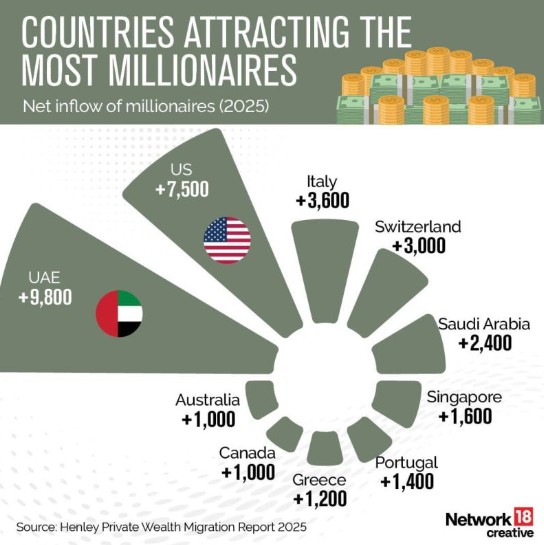
A survey shows that the United Arab Emirates welcomed about 9,800 new millionaires, the highest net inflow in the world. The United States followed with about 7,500, while Italy added around 3,600 and Switzerland gained about 3,000.

Photo Courtesy: Henley Private Wealth Migration Report 2025

These numbers show that wealthy families continue moving to new countries, which make professional relocation services an important part of protecting luxury homes, valuable collections, and high-end vehicles during every move.

Closing Thoughts

A valuable vehicle deserves the same level of care as every other major investment you own. When you choose the right transport company, check the insurance, document the vehicle, and plan every step before the move, you lower the risk of expensive problems.

A little extra planning before pickup helps protect your vehicle’s condition, value, and peace of mind long after it reaches your new home.

5 Red Flags to Spot Before Buying Into an HOA or Condo Building

Buying a home in a homeowners association or condo building means you’re not just buying four walls; you’re buying into a shared business. The association’s financial health directly affects your monthly costs, your resale value, and in some cases, your ability to get a mortgage at all.

Yet most buyers spend weeks scrutinizing the unit and barely an afternoon on the association behind it. That’s a mistake. Association documents are typically available during the due diligence period, and a careful read can save you from inheriting someone else’s financial problems. Here are five red flags worth spotting before you sign.

1. Dues That Look Too Good to Be True

Low monthly dues are often marketed as a selling point, but they can be the first sign of trouble. Every building has predictable long-term costs, such as roofs, elevators, boilers, paving, facades, and someone has to pay for them eventually. When dues are set artificially low, it usually means the board is deferring maintenance, skipping contributions to savings, or both.

The opposite pattern matters too. If dues have jumped sharply year over year, ask why. A well-run association raises dues gradually and predictably. Sudden spikes often signal that a board spent years undercharging and is now scrambling to catch up with current owners footing the bill for past decisions.

What to ask: Request the last three years of budgets and look at the trend, not just the current number.

2. No Recent Reserve Study, or a Badly Underfunded Reserve Fund

Every association should maintain a reserve fund: dedicated savings for the major repairs and replacements the property will inevitably need. The document that tells you whether that fund is healthy is called a reserve study, a professional analysis that inventories the property’s major components, estimates when each will need repair or replacement, and maps out a funding plan to cover those costs.

If the association can’t produce a reserve study from the last three to five years, that’s a red flag on its own. It means the board is essentially guessing at its future obligations. And if a study exists but shows the reserve fund sitting well below its recommended funding level, you’re looking at a building that will likely need to raise dues, levy special assessments, or borrow money to keep up.

This isn’t just an internal bookkeeping issue. Lenders increasingly scrutinize reserve funding. Fannie Mae, for example, expects condo associations to contribute at least 10% of their annual budget to reserves for a loan to qualify as warrantable. Weak reserves can shrink the pool of buyers who can finance a purchase in the building, which affects everyone’s resale value.

Firms like Reserve Study Group, whose credentialed Reserve Specialists prepare these studies for associations nationwide, note that a reserve study is ultimately a transparency tool: it shows owners and prospective buyers exactly what’s coming and whether the money will be there when it does. As a buyer, ask for the most recent study and look for two things: how current it is, and the “percent funded” figure. Generally, the closer to fully funded, the lower the risk of financial surprises.

What to ask: When was the last reserve study completed, and what percentage funded is the reserve account today?

3. A History of Special Assessments

A special assessment is a one-time charge levied on owners when the association doesn’t have enough money to cover a major expense, and it can run from a few hundred dollars to tens of thousands per unit. One assessment in a decade isn’t necessarily alarming; storms, insurance shocks, and genuine emergencies happen. A pattern of them is different. Repeated assessments suggest an association that chronically underfunds its obligations and treats owners as an emergency credit line.

Meeting minutes are your best source here. Boards are often required to discuss looming projects and funding shortfalls long before an assessment lands, so a year or two of minutes can reveal what’s coming even if nothing has been formally approved yet.

What to ask: Have there been any special assessments in the past ten years, and are any currently under discussion?

4. Visible Deferred Maintenance

Some red flags don’t require reading a single document. Walk the property. Cracked pavement, stained ceilings in common hallways, rusting railings, aging roofs, and out-of-service amenities all tell the same story: money that should have been spent on upkeep wasn’t. Deferred maintenance is debt by another name; the bill still exists, it’s just growing quietly while the problem gets worse.

This matters even more in older buildings, where major systems tend to reach the end of their useful life around the same time. A building that looks tired on the surface often has bigger issues behind the walls.

What to ask: What major repair or replacement projects are planned over the next five years, and how will they be funded?

5. High Delinquency Rates or Pending Litigation

An association’s budget only works if owners actually pay. When a meaningful share of owners are behind on dues, many lenders get nervous above 15% delinquency, the paying owners end up carrying the shortfall, and the association’s ability to fund maintenance erodes. Delinquency figures usually appear in the financial statements or the resale disclosure package.

Litigation is the other quiet killer. Lawsuits involving the association, whether it’s suing a developer over construction defects or being sued by an owner, can drain funds, spike insurance premiums, and complicate financing. Some lenders won’t write loans in buildings with active structural defect litigation at all.

What to ask: What is the current owner delinquency rate, and is the association party to any pending legal actions?

The Bottom Line

None of these red flags necessarily means walking away, but each one is a prompt to dig deeper and, where warranted, negotiate. The information is almost always available if you ask: budgets, reserve studies, meeting minutes, and financial statements together paint an honest picture of the community you’re about to join. Buyers who take the time to read them rarely regret it. Buyers who don’t sometimes pay for that skipped afternoon for years.

Adam Patton Is Building an Emotional Romance Universe Through Stories of Love, Hope, and Human Connection

For many readers, the most memorable stories are not defined by dramatic twists alone. They are remembered because of the emotions they leave behind. That belief sits at the heart of Adam Patton’s growing body of work.

Known for writing emotionally driven romance, Adam creates stories that explore the complexities of relationships, family, personal growth, and the choices that shape people’s lives. His writing focuses on authentic human emotions, allowing readers to connect with characters whose journeys reflect love, loss, hope, redemption, and second chances.

Over the past few years, Adam has steadily expanded his collection of novels, building a diverse catalog that spans romance, suspense, historical fiction, fantasy, and inspirational storytelling while remaining committed to creating emotionally engaging experiences for readers.

Writing Stories That Feel Personal

Adam approaches storytelling with a simple philosophy: readers should feel emotionally connected to every journey they experience.

Rather than creating one-dimensional characters, he develops stories where relationships evolve naturally through life’s challenges, celebrating both the beauty and complexity of human connection.

His novels often examine themes of trust, forgiveness, resilience, family, and personal transformation, giving readers stories that continue to resonate long after the final page.

For Adam, every story is an opportunity to remind readers that love can be both life’s greatest challenge and its greatest reward.

A Growing Collection of Stories

Since releasing his debut novel, Adam has continued expanding his literary catalog across multiple genres while maintaining his signature focus on emotionally compelling storytelling.

His first published work, Tattoo Princess, introduced readers to a heartfelt story centered on romance, family relationships, and the transformative power of life’s experiences. The novel remains one of his most recognized works and established the emotional style that continues to define his writing.

Adam later expanded into darker and more suspenseful storytelling with Retribution, a gripping narrative exploring how love, obsession, betrayal, and redemption can dramatically alter the course of people’s lives. The story examines the emotional consequences of difficult choices while reminding readers that every decision carries lasting impact.

His creative interests have also led him into supernatural fiction through Dreams of Vampire and Dreams of Vampire II: Death Only the Beginning, where emotional relationships unfold alongside ancient conflicts, loyalty, sacrifice, and survival. These stories combine suspense with deeply personal character journeys that continue the emotional themes found throughout his work.

Exploring Faith, and Heroism

Adam’s storytelling extends beyond romance into historical and inspirational narratives.

His latest release, Robin: From the Alleys of Gotham, presents a powerful story centered on identity, resilience, personal growth, and the difficult choices that define true courage. The expanded edition has attracted attention for its emotionally driven coming-of-age journey and exploration of hope in the face of adversity.

Stories Inspired by Life

Although each of Adam’s novels takes readers into different worlds, they all share a common thread.

His stories are inspired by the emotions people experience every day.

Love.

Family.

Forgiveness.

Loss.

Hope.

Redemption.

These universal experiences allow readers from different backgrounds to find pieces of themselves within his characters and their journeys.

Whether writing contemporary romance, historical drama, supernatural fiction, or inspirational stories, Adam remains focused on creating narratives that celebrate the resilience of the human spirit.

Continuing to Grow as a Storyteller

With an expanding collection of novels and readers discovering his work across multiple genres, Adam Patton continues building a career rooted in authentic storytelling and emotional connection.

His ability to blend romance, personal growth, suspense, history, and faith into meaningful narratives has established him as an independent author dedicated to creating stories that entertain while leaving a lasting impression.

As he continues developing new projects, Adam remains committed to writing stories that remind readers of the enduring power of love, compassion, hope, and the relationships that shape every stage of life.

Click here to find all of Adam Patton’s books: https://www.amazon.com/stores/author/B0F5N8T198/

World Cup Final Week Tests Whether New York’s $3.3 Billion Economic Forecast Will Hold Up

The FIFA World Cup 2026 enters its final week with the tournament’s two semifinal matches set for July 14 and 15 and the championship match scheduled for July 19 at MetLife Stadium in East Rutherford, New Jersey. France, Spain, England, and Argentina — the four highest-ranked teams entering the tournament — are the last nations standing, and the region branded as “New York New Jersey” during the event is preparing for what is projected to be the single most-watched 90 minutes of sport in 2026. The question hanging over the week is whether the economic windfall promised to the metro area will match the projections that preceded it.

Key Takeaways

  • The NYNJ Host Committee projects $3.3 billion in regional economic impact from the World Cup, with $432 million in state and local tax revenue and more than 26,000 jobs generated
  • NYC Comptroller Mark Levine estimated additional city tax revenue at no more than $55 million, while the city is expected to spend $70 million on NYPD and emergency management costs
  • NYC bars and restaurants report revenue increases of 200% or more during the tournament, with Square transaction data showing an 8% lift at bars and breweries nationwide during the group stage
  • The World Cup Final halftime show will feature Madonna, Shakira, and BTS, with Justin Bieber and Burna Boy added to the lineup on July 8
  • Mayor Zohran Mamdani reversed his predecessor’s plan to charge for fan zones, instead making them free across all five boroughs through the “Five Borough Winners Special” program

What Do the Competing Economic Projections Actually Show?

The NYNJ Host Committee, working with Tourism Economics (an Oxford Economics subsidiary), projects $3.3 billion in total economic impact for the New York–New Jersey region across the tournament’s eight MetLife Stadium matches. That figure encompasses $1.7 billion in projected direct spending from match and non-match attendees, $1.3 billion in total labor income, more than 1.2 million visitors, and $432 million in state and local tax revenue. NYNJ Host Committee CEO Alex Lasry framed the projection as “a legacy-defining opportunity to create lasting economic and social impact for New York and New Jersey.”

NYC Comptroller Mark Levine arrived at a different conclusion for the city’s share. Levine’s office estimated that additional city tax revenue from the World Cup would total no more than $55 million, while the city is expected to absorb roughly $70 million in additional costs for NYPD deployments and emergency management operations. That math suggests the city could end up spending more than it earns in direct tax receipts. A City Hall spokesperson pushed back on that analysis, arguing that the comptroller’s estimate “falls short of capturing the full scope” of the tournament’s impact and pointing to the $1.7 billion in expected direct spending.

The gap between the two projections reflects a familiar tension in sports-event economics. The host committee’s $3.3 billion figure describes the full regional impact across two states and applies economic multipliers to direct spending. The comptroller’s estimate narrows the lens to additional city tax revenue — money that flows directly into municipal coffers — and compares it against the city’s own additional costs. Both numbers can be accurate while describing fundamentally different things.

How Are New York City Businesses Actually Performing During the Tournament?

On the ground, the anecdotal evidence has been strong for businesses that positioned themselves to capture World Cup traffic. Astoria’s Bohemian Hall and Beer Garden, which invested in nearly two dozen new big-screen televisions and a complete sound system overhaul ahead of the tournament, reported business up 200% compared to the same period last year. Events director Greg Boudreau told Gothamist that June 13 — when crowds packed in for Brazil vs. Morocco followed by Game 5 of the NBA Finals, where the New York Knicks clinched a championship — was the venue’s highest-revenue day in 115 years of operation.

Martin Whelan, president of Stout NYC Hospitality Group, which operates a dozen establishments across Manhattan plus the Rivercrest sports bar in Astoria, reported similar numbers. Weekly business at some of the company’s venues doubled or more than doubled during the World Cup, following a 200% spike during the Knicks playoff run. Tom Grech, president and CEO of the Queens Chamber of Commerce, said the organization’s FIFA World Cup Restaurant Activation program engaged hundreds of bars and restaurants, with participating businesses reporting a 30% spike in beer and food sales.

Nationally, Square analyzed millions of transactions during the group stage and found that bars and breweries recorded an 8% revenue increase over baseline between June 11 and June 27, with late-night transactions rising more than 20%. The data also revealed an unexpected trend: non-alcoholic beverages and mocktails grew faster than beer during match windows.

What Has the Mamdani Administration Done to Spread the Impact Across Neighborhoods?

Mayor Zohran Mamdani took a different approach from other host cities by making fan zones free in all five boroughs, reversing a plan by his predecessor, Eric Adams, to charge for entry. The administration launched the “Five Borough Winners Special,” a citywide dining program offering $26 food and drink specials at participating restaurants, bars, and food establishments throughout the tournament. The program was designed to route economic activity toward neighborhood businesses — in Jackson Heights, the Bronx, Central Brooklyn — rather than concentrating spending inside FIFA’s own commercial perimeter.

The American Museum of Natural History programmed an entire “World Cup, World Cultures” series, and Queens’ immigrant neighborhoods have seen visible street-level activity, with sidewalk vendors selling team jerseys and storefront televisions drawing foot traffic during match broadcasts. The city’s strategy is a deliberate bet that the economic multiplier will appear in neighborhood-level spending rather than in centralized tax receipts.

What Happens at MetLife Stadium This Week?

The semifinal matches take place on July 14 (France vs. Spain in Dallas) and July 15 (England vs. Argentina in Atlanta), with the third-place match on July 18 in Miami. The Final arrives at MetLife Stadium on July 19 at 3 p.m. ET, featuring an 11-minute halftime show headlined by Madonna, Shakira, and BTS — curated by Coldplay’s Chris Martin — with Justin Bieber, Burna Boy, Gustavo Dudamel, and the PS22 Chorus added to the lineup on July 8. The halftime performance marks a first in World Cup history, borrowing the spectacle format from the NFL’s Super Bowl.

MetLife Stadium will operate under the tournament name “New York New Jersey Stadium” due to FIFA sponsorship policies, with branded signage covered or removed. NJ Transit is running dedicated Meadowlands Rail Line service from Penn Station through Secaucus Junction, with match-day round-trip fares originally set at $150 before being reduced to $98 after public backlash. The final week will test whether the region’s transit infrastructure, hospitality capacity, and public safety operations can deliver on the scale the host committee promised when it rang the opening bell at the New York Stock Exchange one year ago.


FAQs

When is the 2026 World Cup Final? The 2026 FIFA World Cup Final is scheduled for Sunday, July 19, 2026, at 3 p.m. ET at MetLife Stadium in East Rutherford, New Jersey. The venue is being referred to as “New York New Jersey Stadium” during the tournament due to FIFA’s sponsorship policies.

Which teams are in the World Cup semifinals? The four remaining teams are France, Spain, England, and Argentina. France faces Spain on July 14 in Dallas, and England plays Argentina on July 15 in Atlanta. The winners advance to the Final at MetLife Stadium.

What is the projected economic impact of the World Cup on New York? The NYNJ Host Committee projects $3.3 billion in total regional economic impact, including $1.7 billion in direct spending, $432 million in state and local tax revenue, and more than 26,000 jobs. NYC Comptroller Mark Levine estimated the city’s additional tax revenue at no more than $55 million.

Who is performing at the World Cup Final halftime show? Madonna, Shakira, and BTS are headlining the 11-minute halftime performance, which was curated by Coldplay’s Chris Martin. Justin Bieber, Burna Boy, Gustavo Dudamel, and the PS22 Chorus were added to the lineup on July 8. The halftime show is a first in World Cup history.

How much does it cost to get to MetLife Stadium for the World Cup? NJ Transit match-day round-trip fares were set at $98 after an initial $150 price drew public criticism. Match-day shuttle buses from Port Authority, Grand Central, and Columbus Circle cost approximately $20 round trip. On-site parking is not available to the general public.

How have NYC bars and restaurants performed during the World Cup? Multiple NYC hospitality operators have reported revenue increases of 100% to 200% over the same period last year. Square transaction data showed an 8% lift at bars and breweries nationwide during the group stage, with late-night transactions rising more than 20%.

What is the Five Borough Winners Special? The Five Borough Winners Special is a citywide dining program launched by Mayor Zohran Mamdani’s administration offering $26 food and drink specials at participating restaurants, bars, and food establishments during the tournament. The initiative was designed to spread World Cup economic activity across all five boroughs.

5 Myths About Starting Therapy That Keep People From Getting Help

Most people who would benefit from therapy never book a first session. It’s rarely because they’ve weighed the evidence and decided against it. More often, an old assumption gets in the way before they ever look at the options. Some of those assumptions were true a decade ago. Most no longer are.

Here are five of the most persistent myths about starting therapy, and what the reality looks like in 2026.

Myth 1: Therapy Is Only for People in Crisis

The most stubborn myth of all is that therapy is reserved for severe mental illness or rock-bottom moments, and that seeking help for anything less is overreacting.

In reality, a large share of therapy clients come in for the ordinary weight of life: work stress, relationship friction, grief, a career crossroads, new parenthood, or simply the sense that something is off. Therapists often compare it to physical health. You don’t wait for a heart attack to start seeing a doctor, and catching a problem early is almost always easier than untangling it later. Research consistently shows that people who seek support sooner tend to need less of it overall.

Waiting until things are unbearable doesn’t make you tougher. It just makes the eventual work harder.

Myth 2: It’s Too Expensive, and Insurance Won’t Cover It

Cost is a real barrier for many people, but the picture is far better than most assume. Since federal mental health parity rules took effect, most health insurance plans are required to cover mental health care on comparable terms to physical health care. Many people who assume therapy would cost $150+ per session out of pocket discover their plan covers it with a standard copay.

Beyond insurance, the market has widened: sliding-scale fees based on income, community mental health centers, university training clinics, and employer assistance programs that include free sessions. Online providers have also driven down costs by reducing the overhead of physical offices.

The practical takeaway: check your actual benefits before ruling out therapy because of price. A five-minute call to your insurer beats a guess, and many providers’ intake teams will verify your benefits for you.

Myth 3: There Are No Good Therapists Near Me

For years, this one wasn’t a myth. It was geography. If you lived outside a major city, your options might genuinely have been one overbooked practice a forty-minute drive away. Rural counties across the U.S. still have far fewer mental health providers per capita than urban ones.

What’s changed is that “near me” no longer defines your options. Therapists are licensed at the state level, which means a licensed clinician can see clients anywhere in their state via secure video. Someone in a small town now has access to the same pool of specialists as someone downtown. Virtual practices have organized around exactly this model, operating state by state: Nexum’s online therapy in Illinois, for example, connects clients across the state with licensed therapists regardless of whether they live in Chicago or a town of two thousand people.

This matters for more than convenience. Finding the right therapist, someone who specializes in what you’re dealing with and who you actually click with, is one of the strongest predictors of whether therapy works. A bigger pool means a better match, not just a faster appointment.

Myth 4: Talking to a Friend Is Just as Good

Friends matter enormously. Social connection is one of the most protective factors for mental health. But a supportive friend and a trained therapist are doing fundamentally different jobs.

A friend listens through the lens of their relationship with you. They have opinions about your partner, a stake in your decisions, and their own patterns of reassurance or advice. A therapist offers something friends structurally can’t: a trained outside perspective, evidence-based methods like cognitive behavioral therapy for actually changing thought and behavior patterns, confidentiality, and zero personal agenda. They’ll also notice things that people close to you are too close to see, like patterns, avoidances, and contradictions.

The two aren’t in competition. The healthiest setup is usually both: friends for connection, a therapist for the work.

Myth 5: If It Doesn’t Help Right Away, It Never Will

Some people try a single session with a therapist, feel awkward, and conclude that therapy “isn’t for them.” That’s a bit like taking one gym class, feeling sore, and concluding exercise doesn’t work.

Two realities are worth knowing going in. First, therapy is a skill-building process. Many evidence-based approaches yield meaningful results within 8 to 20 sessions, but the first appointment is primarily history-taking and goal-setting, not a breakthrough. Second, fit matters: decades of research point to the relationship between client and therapist as one of the most reliable predictors of outcomes. If the first match isn’t right, that’s information, not failure. Good providers expect it and make switching easy. In virtual settings, changing therapists is often as simple as a message to the intake team.

The people who benefit most from therapy tend to share one habit: they gave it a fair trial with the right person, rather than judging the whole field by a single awkward hour.

The Bottom Line

None of this means therapy is right for everyone at every moment, and it isn’t a substitute for emergency care. Anyone in immediate crisis in the U.S. can call or text 988 to reach the Suicide & Crisis Lifeline anytime. But for the far larger group of people quietly talking themselves out of getting support, the barriers are usually smaller than they look. The stigma has faded, the costs are more manageable than assumed, and geography has stopped being destiny. The hardest part of therapy, for most people, is simply deciding to start.

Disclaimer: This article is for general informational purposes only and is not a substitute for professional mental health advice, diagnosis, or treatment. Anyone in immediate crisis should contact emergency services or call or text 988 in the United States.

NFIB Report Reveals New York Small Business Confidence Falling Behind the National Average in 2026

New York small business owners are reporting lower confidence than their counterparts across the rest of the country in three fundamental economic categories, according to a new state-specific report from the National Federation of Independent Business released on July 9, 2026. The Empire State trails the national average in expectations for economic improvement, plans to increase employment, and belief that now is a favorable time to expand — a trio of readings that points to structural headwinds unique to the state’s operating environment.

Key Takeaways

  • The NFIB’s first New York-specific Small Business Economic Trends report shows the state trailing the national average in optimism, hiring plans, and expansion sentiment
  • New York small business owners rated labor costs 25% higher than the national average as their single most important problem, at 10.6 versus 8.5 nationally
  • Significantly fewer New York owners reported their businesses in excellent or good health compared to the national baseline, falling short by four points in each category
  • Taxes and regulatory burden emerged as the leading factors separating New York small business conditions from the rest of the country
  • The semi-annual “State of the States” report pools six months of NFIB survey data to produce statistically meaningful state-level findings for the first time

What Does the New NFIB State Report Show About New York’s Small Business Climate?

The National Federation of Independent Business Research Center launched its “State of the States” Small Business Economic Trends reports this year, applying a methodology that pools six months of monthly survey responses to generate statistically reliable data at the state level. The New York edition covers the winter period from October 2025 through March 2026, drawing from NFIB’s membership base of more than 11,000 small business owners across the state.

The results paint a picture of an operating environment that diverges from national patterns in meaningful ways. The NFIB noted that “significantly few New York owners reported their small businesses as being in excellent or good health compared to the U.S.,” with both categories falling four points below the national baseline. The Optimism Index for New York registered slightly below the national reading, and the state’s Employment Index came in substantially lower than its U.S. counterpart.

That divergence matters in context. Nationally, the NFIB Small Business Optimism Index stood at 95.3 as of May 2026, already sitting below its own 52-year average of 98.0 for the third consecutive month. For New York to trail a national benchmark that is itself underperforming historical norms suggests the state faces compounding pressures that go beyond the macroeconomic headwinds affecting small businesses everywhere.

Why Are Labor Costs Hitting New York Small Businesses Harder Than the Rest of the Country?

The NFIB data identified labor costs as the sharpest point of divergence between New York and the nation. New York small business owners rated labor costs 25% higher than the national average as the “single most important problem” facing their operations, registering at 10.6 compared to 8.5 nationally. That gap is notable because labor costs had already reached record-high levels of concern in the national survey itself — 14% of all U.S. small business owners cited labor costs as their top problem in May 2026, the highest reading in the survey’s 53-year history.

For New York operators, the compounding effect is significant. The state’s minimum wage structure, workers’ compensation costs, unemployment insurance obligations, and disability insurance premiums all layer onto the base wage pressures that small employers face nationwide. NFIB New York State Director Ashley Ranslow identified this as a key finding, noting that taxes and labor costs stand out as the dominant problems for New York small businesses compared to the rest of the country.

The tax burden itself registered a three-point gap above the national average. While taxes ranked as a leading concern for small businesses in every state, New York owners reported struggling more acutely with what Ranslow described as the state’s “onerous, multi-level tax burden” — a reference to the overlapping municipal, county, and state-level obligations that small businesses absorb.

How Are New York Small Business Owners Describing Conditions on the Ground?

The NFIB report included direct responses from New York members that illustrate the operational reality behind the data. A retail business owner cited “too much red tape, taxes, and growth restricted by laws that apply to high-yielding companies, preventing ours from growing.” A construction business owner pointed to regulatory overreach from highway DOT enforcement to new building codes and insurance rates. A services-sector owner described workers’ compensation, disability, and unemployment insurance as “so costly to independent businesses.”

Another services-sector respondent summarized the convergence of problems facing New York operators: high taxes, insurance companies withdrawing from the market, electric utility rates increasing sharply, and a general perception that the state does not encourage business or industry growth. These responses align with the quantitative findings and suggest that the confidence gap is not driven by a single policy failure but by the cumulative weight of operating costs that small businesses absorb in New York.

What Does This Data Mean for Policymakers in Albany?

The NFIB Research Center designed the State of the States report explicitly to give state-level officials data they can act on. Ranslow said the report “condenses six months of SBET findings to come up with direct New York data and trendlines that policymakers in Albany and in local communities can use to improve the small business economic climate.” The next data window — the summer edition covering April through September 2026 — will capture a period that includes the economic activity generated by the FIFA World Cup in the New York metro area, along with any policy shifts that Albany enacts in response to the winter findings.

For now, the report establishes a baseline that quantifies what New York small business owners have been articulating anecdotally: the state’s cost structure places them at a competitive disadvantage relative to their peers elsewhere in the country, and that disadvantage is showing up in lower optimism, weaker hiring plans, and reduced willingness to expand.


FAQs

What is the NFIB Small Business Economic Trends report? The NFIB Small Business Economic Trends report is a monthly survey that has tracked economic activity among small businesses in the United States since 1973. The survey measures changes in sales, employment, investment, financing, and economic sentiment among NFIB members.

How does the new State of the States report differ from the monthly national report? The State of the States report pools six months of survey responses to produce statistically meaningful data at the state level. The national report is released monthly, while the state-specific editions are published semi-annually, covering winter (October through March) and summer (April through September) periods.

What is the current national NFIB Small Business Optimism Index? The national NFIB Small Business Optimism Index stood at 95.3 as of May 2026, which is below its 52-year historical average of 98.0. The index has been below that average for three consecutive months.

Why are labor costs a bigger problem in New York than nationally? New York’s minimum wage structure, workers’ compensation obligations, unemployment insurance rates, and disability insurance premiums add layers of cost on top of the base wage pressures that affect small businesses in every state. New York respondents rated labor costs 25% higher than the national average as their most important operating problem.

How many NFIB members are in New York? The National Federation of Independent Business has more than 11,000 members in New York State, making it a substantial sample base for the state-level survey findings.

What categories did New York trail in compared to the national average? New York fell below the national average in three categories: “Expecting Economy to Improve,” “Plans to Increase Employment,” and “Now a Good Time to Expand.” New York owners also reported lower business health ratings, trailing by four points in both the “excellent” and “good” categories.

When will the next New York-specific NFIB report be released? The next edition will cover the summer period from April through September 2026 and is expected to be released in late 2026 or early 2027, following the NFIB Research Center’s semi-annual publication schedule.

Social Media Hacks to Gain Professional and Personal Benefits

Social media platforms now reach 5.79 billion active accounts worldwide. That could be about 5 billion real people after accounting for bots and duplicate accounts. You can see that social networks offer massive reach. Social media hacks below involve specific, repeatable actions you can apply to manage your visibility and outcomes without wasting hours on manual tasks.

These methods cover how you post content and target your audience. Let’s see how people use social media to achieve professional and personal outcomes: jobs, clients, recognition, a network that responds, and more. We reviewed data, case studies, and how education apps manage their social media accounts, then compared that with user behavior to shape this list. Our selection focused on tools, tips, and methods from books that frequently appear in productivity studies and successful creator workflows.

How Social Media Hacks Work Here: Reading Performance Signals

When people talk about social media hacks and tips, they usually expect one quick move that suddenly works, but in practice, it looks much simpler and a bit slower. For example, if you share a post on LinkedIn, then take a moment to see how it performs. Analytics and metrics are crucial for SMM. You look at whether people read it, react to it, or just scroll past, and even that small signal already tells you something.

If most people drop off, you go back, adjust the way you wrote it or how you opened it, and post again later. Over time, those reactions start to guide what you do next. So, the next post builds on that, maybe with a clearer opening or a more specific example, and over time, those small adjustments start to shape better results.

On LinkedIn, this often leads to more profile visits, and some of those turn into messages about roles, projects, or partnerships, helping grow the network. At the same time:

  • You get more comfortable expressing your ideas,
  • People begin to respond to how you think,
  • Algorithms favor your consistent posting and interaction,
  • Your active account gets visibility.

On the Professional Side

Platforms rely on engagement signals like likes, comments, and shares to decide how widely content gets shown. Accounts that post regularly and interact with others tend to stay visible longer, since activity keeps those signals active over time. Your profile is starting to attract more visits from people in your field. For example, LinkedIn says that users who post weekly can see profile views increase up to five times.

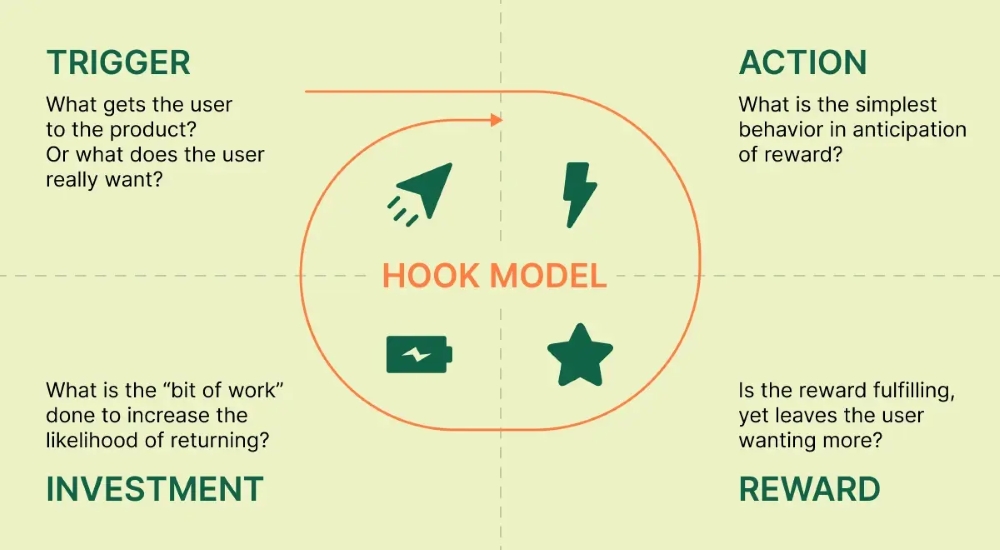
You can also use the Hook Model, a social media framework that keeps users engaged through four steps. It shows how platforms encourage repeat use by offering satisfying rewards while prompting users to invest effort, thereby increasing the likelihood of return:

  • Trigger
  • Action
  • Reward
  • Investment
Photo Courtesy: Social Media Hacks

On the Personal Side

When you post regularly, something shifts in how you use the platform. You get more comfortable sharing ideas, and certain topics begin to feel easier to write about. Over time, people react to your perspective, which helps you clarify the direction of what you share.

Another thing that helps you write posts regularly is letting go of the idea that every post needs to feel finished, because that’s usually when you slow down and reread everything. It works better when you treat it like a quick draft you share as-is, without going back to polish every line.

On LinkedIn, posts that feel simple and direct often get more responses anyway. This also connects to how to stop procrastinating, especially on days when you feel tired or low on energy, and to starting it now, because later tends to disappear. Writing something short, even just a few lines from your day, keeps the habit going. Now, let’s see other popular hacks.

1. Reading and Finding Ideas Fast for Social Content

You can use apps and all-around knowledge for inspiration and creative materials. For example, you can use the Headway app as a core solution for reading nonfiction summaries that provide core takeaways and concepts of popular books. Many people struggle to come up with structured ideas for their posts, often relying on repetitive thoughts. You can use it to find key insights from books like ‘Atomic Habits’ or ‘Deep Work’ and turn their concepts and lessons into social media posts.

It provides 2000+ books covering the core ideas of a 300-page book in a short session, making it a good fit for a busy schedule. This allows you to stay informed without needing hours of quiet reading time.

  • Quick summaries: You can extract a single idea to use as the basis for a post, a tweet, or articles shared on Substack.
  • Audio format: You can listen to summaries while walking, which helps you gather content ideas hands-free.
  • Highlight tool: You can store specific quotes or facts in the app to reuse in your content later, and repost quotes and visuals on Threads.

2. Organizing Content and Tracking Posts

Notion is a workspace tool used for taking notes and planning content. Inconsistent posting often happens because ideas are scattered across different notebooks or phone apps. Your dashboards and docs in Notion could be the central part of your ecosystem, helping you manage information more effectively.

You can use the Notion ready-made templates to plan your content in weekly batches. This prevents the stress of deciding what to post every day. You can also see a clear history of what you have shared in the past:

  • Content Calendar: A visual board shows you exactly what you have scheduled for each day of the week.
  • Performance Database: You can manually enter your view counts or likes to see which topics get the most attention.
  • Templates: Create post formats so you do not have to start from a blank page every time.

Integrating these organizational methods into your daily routine serves as one of the best productivity hacks to save mental energy. When your workspace is structured, you spend less time preparing to work and more time actually executing your ideas.

3. Scheduling Posts at Active Hours

You need to choose a scheduling platform that automates social media publishing. Posting at random times often results in lower reach because your audience isn’t online. Engagement rates change significantly depending on the hour of the day. You can use apps to queue your content so it goes live when your followers are most active, like at 9 a.m. or after 6 p.m.

You can prepare all your posts in one single session during the weekend or on a Monday morning. This removes the need for daily manual posting and helps you train your brain to focus during your focus hours. You should check apps that offer:

  • Automated Scheduler: Publishing your content at the specific hours you choose in advance.
  • Time Slot Analytics: You can see which hours of the day result in the most interaction from your followers.
  • Multi-Platform Publishing: You can send the same post to multiple networks at once, saving time.

4. Creating Visual Posts Quickly

Canva and Figma are design tools and platforms that help you build graphics and visuals for social media without complex software. They also offer AI add-ons to help you with the tasks.

Social media is all about visuals. Text-only posts often see less engagement than posts with visual elements. According to HubSpot data, images can boost engagement by around 150%, and videos can attract 94% more views. Therefore, you can use Canva for quick graphics that amplify your written insights.

You might need a quick graphic for a LinkedIn tip or an Instagram story. You do not need to be a professional designer to use this tool because it provides pre-made layouts. You can also try AI tools like Gemini or ChatGPT to help with research and image creation.

5. Testing Ideas Before Posting

Reddit is a discussion-based platform divided into niche communities called subreddits. It is difficult to know if a post will be successful before you publish it to a large audience. Reddit reports over 70 million daily users who participate in discussions on specific topics. You can use these groups to share raw ideas and see how people react.

You can draft a post concept and share it in a relevant subreddit. The feedback you get helps you refine the idea before you put it on your main professional profile:

  • Subreddits: You can find groups of people who are already interested in your specific topic.
  • Upvote System: The number of votes gives you a quick sign of how much interest your idea generates.

6. Using Short-Form Content Fast

TikTok is a video platform that focuses on short, vertical clips. Traditional long-form video can be hard to distribute quickly to new audiences. TikTok reached over 1 billion users because its algorithm shows content to people who do not follow you yet. You can use it to post quick videos of your daily insights, see which ones take off, and learn how to create viral content.

You can create short clips from the ideas you learn during your daily routine. The rapid feedback loop on the platform tells you very quickly if an idea has broad appeal:

  • Discovery Algorithm: The app shows your video to new people who have similar interests.
  • Fast Production: The short format means you spend less time editing than you would for a long video.

Test Social Media Hacks and Use Your Time with Purpose

Social media hacks are the practical methods you can use every day to stay productive. Each option on this list solves a specific problem, such as a lack of time, low visibility, or difficulty finding new ideas. Tips differ depending on their use case and context. Therefore, you can test one method and observe how it changes your workflow.

It is crucial to post content specific to your industry and to engage with the comments and feedback users leave. This builds your reputation as a knowledgeable person in your professional circle. You plan your content topics every week by looking at what is currently popular. This ensures your posts align with what your audience actually wants to read. And try to use metrics and analytics, as they are the best way to guide your content, whether for professional or personal aims.

The Role of Beverage Container Recycling in Community Sustainability

By Farzana Bashir

Communities across Canada are becoming increasingly aware of the importance of reducing waste and conserving natural resources. While recycling has long been part of everyday life, many people are now taking a closer look at how returning beverage containers contributes to cleaner neighborhoods, reduced landfill waste, and a stronger circular economy.

Whether someone recycles occasionally or makes it part of a routine, understanding how bottle recycling programs work can help households and businesses make more informed environmental choices.

Why Beverage Container Recycling Matters

Every year, millions of beverage containers are purchased across Canada. Without proper recycling, many of these containers end up in landfills or as litter in parks, streets, and waterways.

Recycling beverage containers helps recover valuable materials such as aluminum, glass, and plastic so they can be processed and used again. This reduces the demand for raw materials while lowering the energy required to manufacture new products.

Many people searching for a bottle depot Calgary option are looking for a convenient way to return eligible beverage containers while supporting local recycling efforts.

The Environmental Benefits of Recycling Containers

Proper recycling delivers a range of environmental advantages beyond simply reducing waste.

Conserving Natural Resources

Manufacturing products from recycled materials typically requires fewer natural resources than producing them from raw materials. Aluminum, for example, can be recycled repeatedly without losing quality, making it one of the most valuable recyclable materials.

Glass containers can also be processed into new bottles, construction materials, or insulation products, extending the life of materials that might otherwise become waste.

Reducing Energy Consumption

Creating new products from recycled materials often uses significantly less energy than extracting and processing virgin resources.

Lower energy consumption reduces greenhouse gas emissions, helping communities move toward broader sustainability goals.

Keeping Communities Cleaner

Bottle recycling programs also encourage responsible disposal practices. Instead of discarding containers in public spaces, residents are more likely to return eligible items for recycling, reducing litter and protecting local parks, pathways, and waterways.

Understanding Deposit Return Programs

Deposit return systems are designed to encourage recycling by assigning a refundable deposit to eligible beverage containers.

Consumers pay the deposit when purchasing beverages and receive it back after returning empty containers through an approved collection system.

This approach has consistently produced higher recycling rates than traditional curbside collection alone because it provides both environmental and financial incentives.

Preparing Containers Before Recycling

Taking a few simple steps before returning beverage containers can make the recycling process more efficient.

Empty Remaining Liquids

Containers should be emptied before being returned. This helps reduce spills during transportation and keeps collection areas cleaner.

Keep Containers in Good Condition

While containers do not need to look perfect, avoiding unnecessary crushing or damage may assist with identification and sorting.

Separate Large Quantities

Businesses, community groups, and event organizers often benefit from organizing containers before transportation, making the return process quicker and more efficient.

Recycling Beyond the Household

Bottle recycling is not limited to individual households.

Schools often organize collection drives to raise funds for educational programs. Sports teams may collect refundable containers to support equipment purchases or tournament travel.

Community organizations frequently incorporate recycling initiatives into fundraising activities while encouraging environmental awareness among participants.

Restaurants, offices, and event venues can also reduce waste by implementing organized collection systems for beverage containers generated throughout daily operations.

Supporting the Circular Economy

A circular economy focuses on keeping materials in use for as long as possible rather than disposing of them after a single use.

When beverage containers are recycled properly, the recovered materials become valuable resources that manufacturers can transform into new products.

This continuous cycle reduces landfill demand while creating a more sustainable production system that benefits both the economy and the environment.

Individuals researching a Calgary recycling depot often want to learn more about where eligible beverage containers can be returned as part of this circular process.

Small Actions Create Long-Term Impact

One of the strengths of beverage container recycling is that meaningful environmental improvements begin with simple daily habits.

Returning containers regularly, encouraging family members to participate, and educating children about recycling all contribute to stronger community participation over time.

When thousands of residents consistently recycle eligible containers, the combined environmental impact becomes substantial.

How Can Consistent Recycling Create Lasting Community Benefits?

Bottle recycling is an important part of responsible waste management across Canadian communities. By returning eligible beverage containers through established recycling programs, individuals help conserve resources, reduce landfill waste, lower energy consumption, and support a more sustainable future.

Although each returned container may seem like a small contribution, consistent recycling efforts across households, businesses, and community organizations create lasting environmental benefits. Choosing responsible recycling practices today helps ensure cleaner communities and a healthier environment for future generations.