
By Farzana Bashir
Communities across Canada are becoming increasingly aware of the importance of reducing waste and conserving natural resources. While recycling has long been part of everyday life, many people are now taking a closer look at how returning beverage containers contributes to cleaner neighborhoods, reduced landfill waste, and a stronger circular economy.
Whether someone recycles occasionally or makes it part of a routine, understanding how bottle recycling programs work can help households and businesses make more informed environmental choices.
Why Beverage Container Recycling Matters
Every year, millions of beverage containers are purchased across Canada. Without proper recycling, many of these containers end up in landfills or as litter in parks, streets, and waterways.
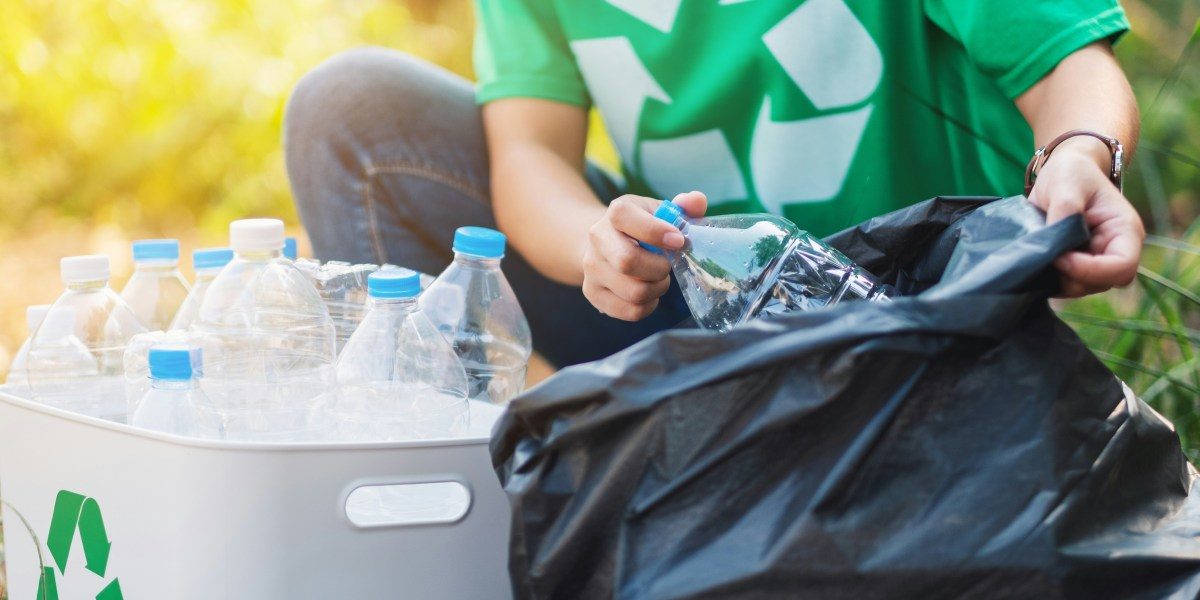
Recycling beverage containers helps recover valuable materials such as aluminum, glass, and plastic so they can be processed and used again. This reduces the demand for raw materials while lowering the energy required to manufacture new products.
Many people searching for a bottle depot Calgary option are looking for a convenient way to return eligible beverage containers while supporting local recycling efforts.
The Environmental Benefits of Recycling Containers
Proper recycling delivers a range of environmental advantages beyond simply reducing waste.
Conserving Natural Resources
Manufacturing products from recycled materials typically requires fewer natural resources than producing them from raw materials. Aluminum, for example, can be recycled repeatedly without losing quality, making it one of the most valuable recyclable materials.
Glass containers can also be processed into new bottles, construction materials, or insulation products, extending the life of materials that might otherwise become waste.
Reducing Energy Consumption
Creating new products from recycled materials often uses significantly less energy than extracting and processing virgin resources.
Lower energy consumption reduces greenhouse gas emissions, helping communities move toward broader sustainability goals.
Keeping Communities Cleaner
Bottle recycling programs also encourage responsible disposal practices. Instead of discarding containers in public spaces, residents are more likely to return eligible items for recycling, reducing litter and protecting local parks, pathways, and waterways.
Understanding Deposit Return Programs
Deposit return systems are designed to encourage recycling by assigning a refundable deposit to eligible beverage containers.
Consumers pay the deposit when purchasing beverages and receive it back after returning empty containers through an approved collection system.
This approach has consistently produced higher recycling rates than traditional curbside collection alone because it provides both environmental and financial incentives.
Preparing Containers Before Recycling
Taking a few simple steps before returning beverage containers can make the recycling process more efficient.
Empty Remaining Liquids
Containers should be emptied before being returned. This helps reduce spills during transportation and keeps collection areas cleaner.
Keep Containers in Good Condition
While containers do not need to look perfect, avoiding unnecessary crushing or damage may assist with identification and sorting.
Separate Large Quantities
Businesses, community groups, and event organizers often benefit from organizing containers before transportation, making the return process quicker and more efficient.
Recycling Beyond the Household
Bottle recycling is not limited to individual households.
Schools often organize collection drives to raise funds for educational programs. Sports teams may collect refundable containers to support equipment purchases or tournament travel.
Community organizations frequently incorporate recycling initiatives into fundraising activities while encouraging environmental awareness among participants.
Restaurants, offices, and event venues can also reduce waste by implementing organized collection systems for beverage containers generated throughout daily operations.
Supporting the Circular Economy
A circular economy focuses on keeping materials in use for as long as possible rather than disposing of them after a single use.
When beverage containers are recycled properly, the recovered materials become valuable resources that manufacturers can transform into new products.
This continuous cycle reduces landfill demand while creating a more sustainable production system that benefits both the economy and the environment.
Individuals researching a Calgary recycling depot often want to learn more about where eligible beverage containers can be returned as part of this circular process.
Small Actions Create Long-Term Impact
One of the strengths of beverage container recycling is that meaningful environmental improvements begin with simple daily habits.
Returning containers regularly, encouraging family members to participate, and educating children about recycling all contribute to stronger community participation over time.
When thousands of residents consistently recycle eligible containers, the combined environmental impact becomes substantial.
How Can Consistent Recycling Create Lasting Community Benefits?
Bottle recycling is an important part of responsible waste management across Canadian communities. By returning eligible beverage containers through established recycling programs, individuals help conserve resources, reduce landfill waste, lower energy consumption, and support a more sustainable future.
Although each returned container may seem like a small contribution, consistent recycling efforts across households, businesses, and community organizations create lasting environmental benefits. Choosing responsible recycling practices today helps ensure cleaner communities and a healthier environment for future generations.