Frame Fitness Unveils Advanced Reformer Pilates Machine for Convenient At-Home Training

With premium design, connected technology, and expert-led instruction, Frame is bringing studio-quality Pilates into homes, hotels, wellness spaces, and beyond.

As Pilates continues to attract a growing audience worldwide, many enthusiasts face the same challenge: access. Studio schedules, geographic limitations, travel demands, and rising class costs can make it difficult to maintain a consistent practice. Frame was created to help address those barriers while aiming to preserve the quality and experience that have made Pilates popular.

Founded by Dua Lipa and Melissa Bentivoglio, Frame approaches Pilates through the lens of wellness, technology, design, and lifestyle. Their shared vision centers on giving people more flexibility to engage with Pilates where, when, and how they choose.

At the center of that vision is the company’s connected Pilates machine, which combines hardware with an integrated digital platform and hundreds of on-demand classes. Rather than replicating the traditional studio model, Frame seeks to expand how Pilates can fit into everyday life.

A Home Pilates Machine Built Around Technology and Design

Photo Courtesy: Frame Fitness

Frame’s approach began with founder Melissa Bentivoglio’s experience as a classically trained ballet dancer, Pilates instructor, and studio owner. After designing a proprietary reformer for her own studio in 2018, she identified an opportunity to develop equipment that could support Pilates instruction beyond traditional studio walls.

The result is a connected Pilates reformer machine engineered to balance performance and usability. Among its distinguishing features is Frame’s patented dual-spring technology, which introduces both push and pull resistance. By placing springs on both sides of the reformer, the system can support a broader range of movement possibilities within a compact footprint.

Additional features include push-button spring adjustments, a swiveling touchscreen, and a portable design intended to simplify the user experience. The platform supports multiple movement styles, including classical and contemporary Pilates, rehabilitation-focused training, prenatal programming, recovery sessions, strength work, and wellness-centered classes.

For users seeking a home Pilates reformer that accommodates different goals and experience levels, the emphasis is on personalization rather than a one-size-fits-all approach.

Why Home Pilates Reformer Equipment Is Expanding Beyond the Home

While many consumers may first encounter Frame as a connected fitness product, the company’s plans extend beyond residential use.

Frame has partnered with hospitality brands, including Four Seasons, Nobu, and other wellness destinations, to introduce connected Pilates experiences in hotels and wellness facilities. Through these partnerships, guests can access the same ecosystem found in private residences, creating continuity whether they are at home or traveling.

This broader strategy reflects the company’s long-term vision to create a wellness ecosystem spanning homes, studios, hospitality environments, and digital experiences. The goal is to make Pilates available in more settings while supporting access to instruction and equipment quality.

A Home Pilates Reformer as Part of a Larger Wellness Platform

According to the company, Frame has received recognition from publications including Women’s Health, GQ, SHAPE, Men’s Health, Well+Good, Verywell Fit, Prevention, and Popsugar for its connected Pilates equipment and on-demand experience.

Yet Frame’s story is ultimately less about a single product and more about how Pilates fits into contemporary lifestyles. The company views movement as something that can adapt to individual schedules, environments, and goals rather than requiring people to adapt to a fixed model.

For consumers evaluating a Pilates reformer for a home setup, Frame offers a combination of connected instruction, considered design, and flexible access. The company’s focus extends beyond the equipment itself to the broader experience surrounding movement and wellness.

As Frame continues expanding across residential, hospitality, and commercial environments, its founders remain focused on a simple idea: reformer Pilates home practice should fit into people’s lives, not the other way around. By combining Pilates reformer design with digital instruction and a growing wellness ecosystem, Frame aims to support what modern Pilates can look like for today’s practitioners.
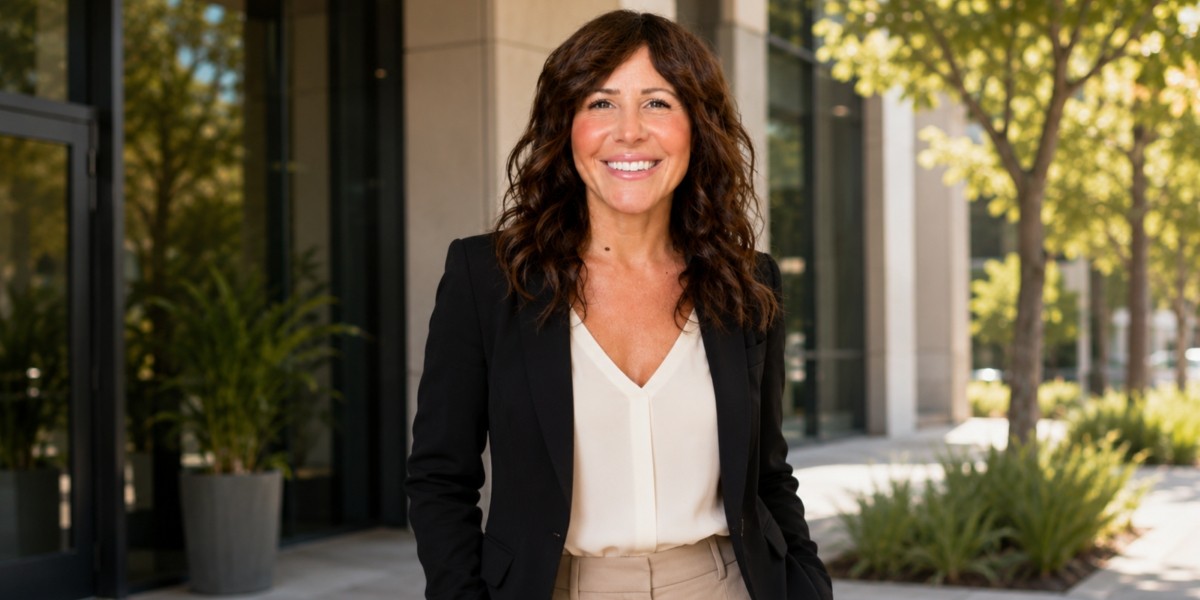
The Future of Leadership Is Embodied Systems Thinking

By Stefanie Faye

Most leadership development begins by asking how people behave.

How do they communicate? How do they make decisions? How do they respond under pressure?

Stefanie Faye, neuroscience expert, author and founder of Mindset Neuroscience, believes those questions come too late.

Before a decision is made or a conversation begins, the nervous system is already shaping how people experience the moment. That understanding has become the foundation of Faye’s work.

For nearly two decades, Faye has worked with executives, educators and organizations including MIT, Google, the FBI, Stanford University, Northwestern University, the University of California San Diego School of Medicine and Alberta Children’s Hospital.

Across those experiences, she noticed a common pattern. Highly capable professionals often struggled to explain why their work created lasting change. The challenge wasn’t a lack of expertise. It was a lack of language for the neuroscience behind what they were already doing.

Leadership Is More Than Behavior

Much of today’s leadership development focuses on what people do. Professionals learn how to communicate more effectively, navigate conflict or inspire their teams. Faye believes those conversations become more meaningful when leaders first understand the biological systems influencing those behaviors.

She approaches leadership through the lens of embodied systems thinking, which looks at people as interconnected systems rather than isolated behaviors. Instead of asking only how someone is acting, it considers how the nervous system, the body and a person’s environment continually influence one another.

Faye believes this perspective gives leaders a deeper understanding of why people respond the way they do, creating new possibilities for lasting change.

Why Neuroscience Changes the Conversation

Faye says, “Soft skills aren’t ‘soft.’ They’re brain science. The better the helpers and leaders of the world understand this, the more they will be able to attract audiences and projects to their expertise.”

For Faye, neuroscience offers more than professional development. It gives leaders a deeper understanding of why people change and how transformation happens. Understanding those underlying biological processes helps professionals put language around the impact they create every day.

That philosophy became the foundation for Faye’s book, Biomechanics of Human Communication: Neurophysiology and Regulation, published by De Gruyter. The book explores the relationship between neurophysiology, communication and regulation while encouraging professionals to look beneath observable behavior.

Faye believes meaningful work isn’t always overlooked because it lacks value. Often, she explains, people simply are not in a nervous system state where they can fully receive it. Understanding that, she says, changes the way professionals communicate, teach and lead.

Making Neuroscience Accessible

Rather than keeping neuroscience inside academic settings, Faye believes it should be available to the people working directly with others every day.

Faye says, “Your nervous system enters the room before your words do. Long before ideas are spoken, decisions are made, or strategies are applied, something more fundamental is happening, nervous systems are communicating.”

Throughout her work, Faye noticed that many coaches, leaders, and professionals were already creating meaningful transformation. What they often lacked was the scientific language to explain why their work was effective.

To bridge that gap, Faye created two evergreen self-paced micro-courses: Teach the Nervous System and Neuroscience of Mindset & Human Transformation. Designed as practical, self-paced learning experiences, the micro-courses help professionals understand the neuroscience behind their work while serving as the entry point into Faye’s broader educational offerings, including the Super-Regulators Neuroscience Academy.

Faye created the courses after years of watching highly skilled professionals struggle to explain the transformation they were creating, not because their work lacked value, but because they had never been taught the neuroscience behind it. By translating complex research into practical learning, she hopes participants gain a deeper understanding of themselves while becoming more confident in explaining the impact of their work.

Looking Ahead

Faye explains, “Don’t seek calm, seek range. A nervous system isn’t designed to hold one steady, static state; it’s designed to move, respond and adapt to what matters. The goal isn’t to stay calm, but to widen the band of states you can move through and recover from.”

As neuroscience continues to influence conversations around leadership and professional development, Faye believes understanding the system behind human behavior creates new possibilities for meaningful growth.

Through Mindset Neuroscience, Faye continues to make neuroscience more practical and accessible for professionals who want to deepen their expertise and expand their impact.

Faye was recognized as one of Grit Daily’s “10 Visionary Women Changing the World in 2025,” syndicated on Apple News. She is also a TEDx speaker, Talks@Google presenter and serves on MIT’s Global Humanities Initiative in partnership with the Geneva Science and Diplomacy Anticipator (GESDA).

To learn more about Teach the Nervous System and Neuroscience of Mindset & Human Transformation, visit stefaniefaye.com/emotionand stefaniefaye.com/mindset. Additional educational videos and neuroscience resources are also available through Stefanie Faye’sYouTube channel.

NYC Education Spending Hits $38.6 Billion as Report Finds Half of City Schools Failing State Exams

New York City’s fiscal year 2027 education budget has climbed to $38.6 billion following an $894 million increase, even as a new analysis from the Success Academy charter network reveals that 906 city schools — roughly half the system — had fewer than 50% of students passing state math, reading, or both exams last year. The collision of record-level spending and persistent underperformance is drawing renewed scrutiny to how the nation’s largest school district allocates its resources.

Key Takeaways

  • New York City’s Department of Education budget rose by $894 million to $38.6 billion for fiscal year 2027, consuming 31% of the city’s $126 billion spending plan
  • A Success Academy report found 906 NYC schools had fewer than half of students passing state math, reading, or both, enrolling 409,379 students — 43% of all public school children
  • In 503 of those schools, a majority of students failed to reach proficiency in both subjects
  • The city has spent nearly $1.9 billion since 2020 on “hold harmless” policies that maintain funding at schools with declining enrollment
  • Per-pupil spending in New York City Public Schools has reached approximately $42,000, roughly double the national average

What Does The Success Academy Report Reveal About NYC School Performance?

The report, titled “By Any Honest Measure,” represents what Success Academy founder and CEO Eva Moskowitz has described as the most comprehensive review to date of chronically low-performing schools in New York City. Success Academy staff spent months analyzing primary public records, including New York State Education Department accountability data dating back to 2012, NYC school quality reports, expenditure files, and standardized test results.

The central finding is stark. Of New York City Public Schools’ roughly 1,600 campuses, 906 had fewer than half of their students passing state exams in math, reading, or both during the 2024–25 school year. Within that group, 503 schools saw a majority of students fail to reach proficiency in both subjects. Those 906 schools collectively enroll 409,379 students, accounting for 43% of the entire public school population of approximately 912,000.

The failure rates escalate as students age. According to the Success Academy analysis, 34% of elementary school students attend a school that meets the report’s failing threshold. That figure rises to 49% for middle schoolers and 62% for high schoolers. The pattern suggests students are frequently routed from a low-performing elementary school into a low-performing middle school and then into a low-performing high school, with no structural intervention breaking the cycle.

Roughly one-third of the 906 schools identified in the report have appeared on state accountability lists since 2012, with some carrying failure designations for over a decade. The report argues that those schools have received additional funding, gone through merges and rebranding, but were never substantively turned around.

How Does The $38.6 Billion Budget Compare To Student Outcomes?

The disconnect between spending and academic outcomes is the central tension animating the budget debate. New York City Public Schools spent approximately $40 billion on public education in fiscal year 2024, translating to roughly $36,293 per pupil — a figure that the city’s Department of Education reports has since risen to an all-time high of approximately $42,000 per student. That per-pupil figure is roughly double the national average of $17,619, according to federal data.

The fiscal year 2027 budget pushes Department of Education funding to $38.6 billion, an increase of $894 million. Education spending now accounts for 31% of the city’s overall $126 billion budget. The increase arrives despite projected declines in K-12 enrollment; in the 2024–25 school year alone, New York City Public Schools enrolled 2,500 fewer pre-K students and 1,200 fewer kindergartners than the prior year.

Metric NYC Public Schools National Average
Per-Pupil Spending ~$42,000 ~$17,619
Schools With <50% Passing Math/Reading 906 of ~1,600 N/A
Students in Those Schools 409,379 (43%) N/A
Chronic Absenteeism Rate ~35% ~26% (pre-pandemic baseline)

The Department of Education budget figure excludes pension and benefit costs, meaning the actual taxpayer burden is higher than $38.6 billion. Andrew Rein, president of the Citizens Budget Commission, has argued that the city is effectively budgeting for students who no longer exist, calling the approach unfair and a missed opportunity to redirect spending toward programs that serve current students or build fiscal reserves.

Why Has The City’s “Hold Harmless” Policy Drawn Criticism?

A significant portion of the funding increase is tied to New York City’s “hold harmless” policy, which shields schools experiencing enrollment declines from corresponding budget cuts. Since 2020, the city has spent nearly $1.9 billion maintaining funding levels at schools that are losing students, according to Chalkbeat New York’s analysis. For fiscal year 2027 alone, at least $400 million in the budget is allocated to maintain existing funding at under-enrolled schools.

The policy was originally conceived as a pandemic-era safeguard to prevent layoffs and program cuts at schools where families temporarily pulled students out of the system. Six years later, the city has made no public plan to phase it out, even at schools where enrollment losses appear permanent and academic performance remains chronically low. No plan currently exists to close schools that are consistently failing to attract or retain families.

City Hall has defended the spending trajectory. Spokesperson Jenna Lyle stated that the administration’s approach reflects fiscal responsibility, arguing that children deserve a city that invests in them rather than one that balances its budget at their expense.

What Role Does Budget Transparency Play In This Debate?

The New York Post reported in early July that the Mamdani administration had quietly added approximately $680 million to the Department of Education’s budget beyond what was included in the mayor’s earlier proposal. The revised figures appeared in budget documents released after the City Council approved the broader spending plan on June 29, raising questions about whether all council members fully understood the scope of the education spending increase they voted to approve.

The timing drew particular scrutiny because Mayor Zohran Mamdani had spent months projecting fiscal discipline. At the November 2025 SOMOS conference, shortly after taking office, Mamdani had pledged to bring efficiency to the Department of Education by cutting contracts and consultant costs. The adopted budget moved in the opposite direction, with the Department of Education receiving its largest single-year increase in recent memory.

The Success Academy report also pointed to a structural transparency issue: the state legislature in 2015 formally replaced the term “failing school” in state regulations with “struggling school,” a linguistic change that the report argues has contributed to obscuring the depth of the academic crisis from the public.

The convergence of record-breaking education spending and stubbornly low academic outcomes presents the Mamdani administration with a question that cannot be deferred indefinitely — whether continuing to fund a system structured around shielding underperforming schools from consequences can produce results that justify $38.6 billion in annual investment.


FAQs

How much does New York City spend per student on public education? New York City Public Schools spends approximately $42,000 per student, according to the most recent available data. That figure is roughly double the national average of $17,619 and represents an all-time high for the district. The per-pupil cost is expected to rise further as enrollment continues to decline while overall spending increases.

How many NYC schools are classified as failing in the Success Academy report? The report identified 906 schools where fewer than half of students passed state math, reading, or both exams in the 2024–25 school year. Of those, 503 had a majority of students failing both subjects. The 906 schools enroll 409,379 students, or 43% of the city’s public school population.

What is New York City’s “hold harmless” education funding policy? The “hold harmless” policy maintains school budgets at prior-year levels even when enrollment declines. Since 2020, New York City has spent nearly $1.9 billion on this approach. Critics argue it directs resources toward schools that are losing families rather than toward programs that might address the enrollment losses or improve academic performance.

What are the chronic absenteeism rates in NYC public schools? Approximately 35% of New York City Public Schools students — roughly 300,000 children — were flagged as chronically absent during the most recent school year, meaning they missed at least 10% of required school days. The citywide rate has not returned to pre-pandemic levels and remains a persistent challenge for the district.

How did the $680 million get added to the NYC education budget? The additional funding appeared in adopted budget documents released after the City Council approved the fiscal year 2027 budget on June 29. The New York Post first reported the discrepancy between the mayor’s earlier proposal and the final adopted figure. City Hall has defended the increase but did not publicly announce the change before the documents were published.

What did the New York State Education Department report about student performance? The state’s official 2024–25 results showed 57% of third- through eighth-graders were proficient in math and 53% met proficiency standards in English Language Arts. State officials described the results as showing meaningful improvement, though the Success Academy report argues those topline figures obscure the concentration of failure across hundreds of individual schools.

NYC Schools Chancellor Freezes Ed-Tech Purchases as AI Policy Overhaul Stalls

New York City Public Schools Chancellor Kamar Samuels has directed all principals to halt new educational software purchases until the Education Department finalizes revised artificial intelligence guidelines later this summer. The purchasing freeze, communicated via email to school leaders on July 7, marks the most aggressive step the Mamdani administration has taken to rein in classroom technology amid escalating pressure from parents, educators, and a majority of the City Council.

Key Takeaways

  • Chancellor Kamar Samuels instructed NYC principals to pause all new ed-tech software purchases until final AI guidance is released this summer
  • The freeze follows months of backlash against the Education Department’s March draft AI policy, which drew nearly 6,500 public comments
  • Twenty-nine of 51 City Council members signed a letter calling for a two-year AI moratorium in city schools
  • A state comptroller audit found significant gaps in how the department tracks which software products schools use
  • Some principals have raised concerns that a mid-July directive disrupts budgets and plans already set for the 2026–27 school year

Why Did The NYC Education Department Freeze Software Purchases?

The purchasing freeze is a direct response to a policy vacuum that has grown increasingly uncomfortable for the Mamdani administration. New York City Public Schools released draft AI guidance in March 2026 built around a traffic-light framework: red-light prohibitions on AI use in grading and discipline, green-light approvals for lesson planning, and vague guidance on the question parents cared about most — whether and how students should interact with AI tools in the classroom.

The reaction was immediate and forceful. Nearly 6,500 public comments flooded the Education Department in response to the draft. Parents packed public meetings and criticized the approach as insufficient. Kelly Clancy, founder of Parents for AI Caution in Educational Spaces, argued publicly that the guidance endangered children’s cognitive development. Chancellor Kamar Samuels acknowledged in May that the department had “missed the mark” and signaled that the final version would impose stricter limits, particularly for younger students.

The Education Department originally promised final guidance by June. That deadline dissolved at a June 24 City Council hearing, where First Deputy Chancellor Danielle Giunta told lawmakers the department needed more time, citing a rapidly shifting national conversation around AI in education. The New York City Education Department has not provided an updated timeline.

What Does The Freeze Mean For Schools Preparing For Fall?

The directive from Chancellor Kamar Samuels exempts software required for mandated services and school-opening operations. But the practical impact extends well beyond new AI products. Many New York City Public Schools rely on software for core functions like attendance tracking, grading systems, and academic intervention programs — and those contracts often require fresh purchase orders each school year, even for platforms schools have used for years. That renewal cycle means long-standing tools could be caught in the freeze.

The timing compounds the disruption. One Manhattan principal, speaking to Chalkbeat New York on condition of anonymity, expressed concern about a directive arriving in mid-July when budgets, intervention plans, and program decisions for the 2026–27 school year were already locked in. Changing direction this late in the summer creates real uncertainty about whether schools will have access to the tools they planned to use, the principal said.

The New York City Education Department maintains that the pause is necessary to ensure proper safety and privacy protocols are in place. Spokesperson Nicole Brownstein described the freeze as part of the department’s effort to ensure every digital tool used in classrooms is properly assessed before deployment.

How Did City Council Push The Education Department Toward This Decision?

The political pressure on the Mamdani administration has been building for months. In early June, 29 of the City Council’s 51 members signed a letter to Mayor Zohran Mamdani and Chancellor Kamar Samuels calling for a two-year moratorium on AI use in city schools. The letter described the Education Department’s draft guidance as flawed and criticized the absence of proposals to strengthen student data privacy protections. A separate public petition seeking a moratorium on generative AI in New York City Public Schools has collected thousands of signatures.

Manhattan Council Member Carmen De La Rosa, who chairs the technology committee, emphasized the depth of what the city does not know about its own classrooms during the June hearing. De La Rosa pointed to significant gaps in the department’s understanding of how AI technology is being deployed across schools and argued that officials needed time to assess what was already happening before releasing policy.

A state comptroller audit released in spring 2026 reinforced those concerns. The audit found that the New York City Education Department’s policies did not fully align with the National Institute of Standards and Technology Cybersecurity Framework and failed to cover fundamental areas related to data privacy and security. With software purchasing decisions largely made at the school level, the department has struggled to maintain a comprehensive inventory of which products are active across the system’s roughly 1,800 schools. The Education Department has since distributed a survey asking schools to report which software they currently use.

Where Does NYC’s AI-In-Schools Policy Stand Now?

The current freeze represents the latest chapter in a turbulent three-year stretch for AI policy in the nation’s largest school system. New York City Public Schools initially blocked ChatGPT entirely in January 2023, then reversed the ban just three months later. Under former Chancellor David Banks, the Education Department leaned into AI optimism, with Banks describing the technology as potentially revolutionary for everything from college advising to student assessment. Banks, however, never finalized a comprehensive policy, leaving the work to the Mamdani administration.

Chancellor Kamar Samuels has struck a markedly different tone, describing AI as the “most invasive technology” the school system has encountered. The department is now considering age-differentiated rules and exploring how to prepare older students for a technology-saturated world without allowing AI to replace independent thinking. But with no public timeline for final guidance, schools are left navigating the 2026–27 planning cycle with frozen purchasing authority and an open question about what tools will be available when students return in September.

The software freeze may be a temporary holding pattern, but it signals that New York City Public Schools is treating AI governance as a structural challenge that requires more than a traffic-light chart — and that the political cost of getting the policy wrong now exceeds the cost of moving slowly.


FAQs

What software purchases are affected by the NYC Education Department freeze? The directive covers all new educational technology software purchases. Schools can still acquire tools required for mandated services or essential school-opening functions. However, even annual renewals of long-standing software may be subject to the freeze if they require new purchase orders, which is common across many New York City Public Schools programs.

When will the NYC Education Department release final AI guidance? The Education Department has said only that final guidance will come later this summer, without specifying a date. The original June deadline was pushed back during a City Council hearing on June 24, and the department has not provided an updated timeline as of July 2026.

Why did City Council members call for an AI moratorium in NYC schools? Twenty-nine council members signed a letter citing concerns about student learning outcomes, mental health impacts, data privacy, and the absence of meaningful safeguards in the Education Department’s draft policy. The letter described the March guidance as flawed and called for a two-year pause.

What was wrong with the NYC Education Department’s original AI guidance? The March 2026 draft used a traffic-light system to categorize AI use by risk level. Critics argued it was too permissive, lacked meaningful protections for student data, left student-facing AI use largely unaddressed, and did not account for developmental differences among age groups.

How many NYC schools are affected by the ed-tech purchasing freeze? New York City Public Schools operates roughly 1,800 schools. Because software purchasing decisions are typically made at the school level, the freeze has potential system-wide reach. The Education Department has acknowledged that it does not yet have a comprehensive inventory of which ed-tech products schools are currently using.

What did the state comptroller audit find about NYC schools’ data practices? The spring 2026 audit found that the New York City Education Department’s policies did not fully align with the National Institute of Standards and Technology Cybersecurity Framework and lacked coverage of fundamental areas related to student data privacy and security.

The Great Divide: Why Cats and Dogs Don’t Always See Eye to Eye (or Paw to Paw)

Approximately 38 percent of pet-owning households in the United States now keep two or more species under the same roof, with the cat-and-dog combination being the most common pairing, according to data from the American Pet Products Association. That translates to tens of millions of homes where two animals with fundamentally different social wiring, communication styles, and territorial instincts share the same living space every day. New research published in 2026 is filling in the picture of why these interspecies relationships so often produce friction — and what owners can do to shift the dynamic.

Key Takeaways

  • Roughly 38 percent of multi-pet households in the United States keep two or more species together, with dogs and cats being the most common combination — yet behavioral research on how the two species interact in shared homes remains limited.
  • A 2026 study published in Frontiers in Psychology found that emotional closeness between humans and their pets tends to be higher with dogs than with cats, a gap that researchers attribute partly to species-specific behavioral differences and partly to human social beliefs about each animal’s needs.
  • Dogs and cats rely on conflicting body language systems — a wagging tail signals excitement in dogs but agitation in cats, while direct eye contact reads as confrontation for dogs and a bonding mechanism for cats — creating built-in miscommunication in shared environments.
  • Research from the University of Bristol and Dogs Trust found that only 7.3 percent of puppies introduced to household cats showed exclusively desirable behaviors, but early introductions before 12 weeks of age and gradual, owner-led processes significantly improved outcomes.

What Makes Cats and Dogs So Fundamentally Different in How They Communicate?

The tension between cats and dogs in shared households is not rooted in animosity. It stems from a basic incompatibility in how the two species evolved to read social signals. Dogs are descendants of pack-living wolves whose survival depended on cooperative social behavior, hierarchical awareness, and the ability to coordinate with other animals in close quarters. Cats descend from solitary hunters — the African wildcat — whose survival depended on individual territory control, stealth, and independence. Those two evolutionary blueprints produce animals that speak entirely different physical languages.

The most commonly cited example involves the tail. A dog wagging its tail is broadly signaling excitement, engagement, or friendliness. A cat flicking or lashing its tail is signaling agitation, overstimulation, or a warning to back off. A dog approaching a cat whose tail is moving may interpret that motion as an invitation to play, while the cat is communicating precisely the opposite — producing an interaction that escalates rather than resolves.

Eye contact creates a similar mismatch. Dogs tend to interpret prolonged direct eye contact from another animal as a challenge or a precursor to confrontation. Cats, by contrast, use slow blinking and sustained gentle eye contact as a bonding mechanism — a signal of trust that feline behaviorists sometimes describe as a “cat kiss.” A cat offering soft eye contact to a new dog in the household may trigger exactly the defensive response the cat was attempting to defuse.

Play styles compound the communication gap. Dogs are physical, chase-oriented players that approach other animals directly and at speed. Cats tend to prefer ambush-style play that involves stalking, pouncing from concealment, and disengaging quickly. A dog that initiates play by charging toward a cat is not being aggressive — but the cat’s nervous system processes that incoming movement as a predatory threat, triggering a fight-or-flight response that can cement a lasting negative association.

What Does Recent Research Say About the Cat-Dog Dynamic in Shared Homes?

A 2026 study published in Frontiers in Psychology examining human-animal interactions across species found that emotional closeness between owners and their pets tends to be higher with dogs than with cats. The researchers attributed this partly to differences in engagement requirements — dogs demand more active interaction, which creates more frequent bonding opportunities — and partly to human social beliefs about each species’ emotional needs and capacities. The study’s broader finding was that the dynamics of a human-animal relationship reflect a combination of species-specific behaviors and the owner’s own social perceptions, meaning the way humans interpret their pets’ behavior shapes the relationship as much as the behavior itself.

That finding intersects with earlier research from the University of Bristol and Dogs Trust, published in the journal Animals, which surveyed 4,678 puppy owners and found that only 7.3 percent of puppies introduced to existing household cats displayed exclusively desirable behaviors — defined as being uninterested in the cat, ignoring the cat, or interacting in a calm manner. The most common puppy behaviors directed at cats were playing (58.9 percent), being overexuberant or overexcited (56.6 percent), and chasing (48.6 percent). However, the study identified clear factors that improved outcomes: puppies introduced to cats before 12 weeks of age were significantly more likely to display desirable behaviors, and gradual, owner-led introductions produced stronger results than unstructured introductions where the animals were left to sort out the dynamic on their own.

A separate cross-sectional study examining dog-cat cohabitation in Japanese households corroborated the age-of-introduction finding, confirming that younger age at first interspecies contact was a strong predictor of amicable relationships in adulthood — and that dogs introduced to existing household cats (rather than cats introduced to existing household dogs) tended to produce calmer dynamics.

How Many American Households Are Managing This Dynamic Right Now?

The scale of multi-species pet ownership in the United States provides context for why the cat-dog relationship is no longer a niche veterinary concern. The American Pet Products Association’s 2025 Dog and Cat Report found that 95 million U.S. households now own at least one pet, with dog ownership reaching 71 million households and cat ownership climbing to 49 million — a 23 percent increase in cat-owning households from 2023 to 2024 alone. Gen Z is driving a notable portion of this growth, with 70 percent of Gen Z pet owners keeping two or more animals, making them the generation most likely to maintain multi-pet households.

The combined U.S. cat and dog population is expected to reach 203.9 million animals in 2026, according to IBISWorld. The pet industry behind those animals hit $158 billion in 2025 and is projected to grow another 4.4 percent this year. Within that market, spending on veterinary behavioral consultations, training services, and environmental enrichment products designed to manage multi-species households has grown alongside the ownership numbers — reflecting both the scale of the challenge and the willingness of owners to invest in solving it.

What Can Owners Do to Improve the Relationship?

The research points toward several evidence-backed strategies. Structured, gradual introductions — beginning with scent exchange before any visual or physical contact, then progressing to supervised visual contact through a barrier such as a baby gate, and only then advancing to supervised shared-space time — consistently produce calmer interspecies relationships than unstructured introductions where animals are placed in direct contact immediately.

Environmental design matters as much as behavioral management. Cats require vertical escape routes — shelves, cat trees, or cleared furniture surfaces — that allow retreat above the dog’s reach. Separate feeding stations, litter box placement in dog-inaccessible areas, and distinct resting zones reduce resource competition, which is one of the primary drivers of interspecies conflict in shared homes. The fundamental principle is that cats need to feel they can control their own level of exposure to the dog at all times. When that sense of control is removed — when a cat has no high ground, no escape route, and no private space — the stress response becomes chronic rather than situational, and the interspecies relationship deteriorates rather than stabilizes.

Veterinary behaviorists also note that the owner’s own behavior functions as a variable. Owners who punish either animal for interspecies conflict tend to increase stress for both species, while owners who reward calm, neutral behavior in shared spaces and interrupt escalating interactions before they reach threshold tend to see gradual improvement over weeks to months. The research is consistent on one point: the interspecies relationship is not fixed at first contact. It is shaped, over time, by the environment the owner builds around it.


FAQs

Can cats and dogs actually become friends?

Research suggests that approximately 65 percent of cat-dog pairs in shared households develop amicable relationships, defined as willingness to initiate proximity or contact — such as sleeping near each other, engaging in play, or mutual grooming. The likelihood of an amicable relationship increases when the animals are introduced at young ages (before 12 weeks for puppies, before 6 months for kittens) and when the introduction is gradual and owner-led rather than unstructured.

Why does a dog chase a cat even if the dog is not aggressive?

Chasing is one of the most common behaviors dogs direct at cats — reported in 48.6 percent of puppy-cat introductions in a University of Bristol study. Dogs are predisposed to chase moving objects as part of their prey drive and play behavior. The dog is often not displaying aggression but initiating play using the only physical vocabulary it knows. The cat, however, processes the incoming pursuit as a threat, which triggers flight and reinforces the chase cycle.

What is the single most effective thing an owner can do when introducing a new dog to a household cat?

Begin with scent exchange before any direct contact. Place items carrying each animal’s scent — a blanket, towel, or toy — near the other animal’s food or resting area for several days before allowing visual contact. This allows each animal to process the other’s presence without the stress of a direct encounter, building familiarity before the first face-to-face interaction.

At what age should cats and dogs be introduced for the strongest outcome?

Research consistently identifies early introduction as the strongest predictor of a positive interspecies relationship. Puppies introduced to household cats before 12 weeks of age were significantly more likely to display calm behaviors. For cats, introduction to dogs before 6 months of age produced stronger amicability scores. Both species are more adaptable to new social experiences during their early developmental windows.

Essential Land Clearing Strategies for Sustainable Development

Building new structures requires preparing the ground properly. Smart preparation protects the environment and sets up a project for long-term success. Choosing the right methods keeps the soil healthy and prevents future erosion problems.

Developers can balance progress with nature by using modern techniques. The right land clearing strategies promote sustainable development, helping balance economic growth with responsible land stewardship.

Smart Assessment Before Clearing

Before any machinery arrives, crews must evaluate the local ecosystem. You can find expert guidance at https://calibertreeservices.com/ to plan these early stages correctly. Mapping out the terrain prevents unnecessary damage to surrounding trees, and this careful review forms the foundation of a successful build.

A report by a sustainability organization shows that over 100 million hectares of productive ground face degradation every single year. Proper planning balances commercial growth with environmental safety to protect local communities.

Teams can mark exact zones to protect native plants and waterways. High-quality data helps managers make better choices for the environment.

Selective Vegetation Removal

Clearing an entire piece of land causes massive habitat loss. An equipment blog mentions that project plans need to target only the areas needed for construction. This matters since global figures from a forestry group show a loss of 6.7 million hectares of primary rainforest in 2024 alone.

Protecting smaller pockets of woods preserves local biodiversity. Marking trees for preservation keeps the local canopy intact. Mature trees provide shade and help regulate ground temperatures during hot seasons.

Wildlife can continue to use these spaces without disruption. Saved trees add instant beauty and value to a completed property.

Modern Methods for Soil Health

Traditional clearing often relies on heavy scraping or burning. A safety platform warns that burning brush releases heavy amounts of carbon dioxide into the air. Smoke from large fires creates immediate air quality problems for nearby neighborhoods.

• A land works guide points out that forestry mulching avoids the need to haul debris away.

• Wood chips left behind shield the dirt from heavy rain and wind.

• The organic matter decays naturally, returning nutrients directly back to the earth.

Heavy machinery often packs the dirt down too tightly. Compressed soil prevents water from soaking into the ground.

Using lighter equipment or mulching machines protects the delicate underground structure. Looser soil allows roots to grow deeply and securely.

Long-Term Land Preservation Strategies

Green construction relies on keeping the ground stable long after developers finish building. Planting native grasses immediately after clearing prevents topsoil from washing away. Strong root systems hold the dirt in place during heavy storms.

Fast-growing cover crops offer an easy shield against wind damage. Developers must monitor water runoff patterns across the job site. Setting up silt fences protects nearby streams from mud pollution.

Regular checks keep these simple systems working reliably. Clean water systems support fish and other local wildlife.

Building a Sustainable Future Through Responsible Land Clearing

Sustainable site preparation protects resources for future generations. Choosing low-impact methods preserves the soil structure and keeps the local ecosystem balanced.

Property owners can contact a professional team to start planning an eco-friendly project. By integrating modern technologies, best management practices, and long-term environmental planning, landowners and developers can ensure that development projects meet today’s needs without compromising the health and productivity of the land for future generations.

The Rise of Wellness-Centered Homes: How Pets Are Becoming Essential to Modern Family Living

Everyone cares about clean food, better sleep, and a home that feels best. One piece of that lifestyle often gets overlooked until you live with one every day. A pet.

A dog waiting at the door after work or a cat curled up beside you during a calm evening can bring comfort that no piece of furniture or home upgrade ever could. Families now look at pets very differently because they add joy, routine, and real connection to everyday life.

Once you see how that affects health, relationships, and even the homes people choose to buy, the growing role of pets starts to make perfect sense.

Create a Calmer and Less Stressful Home

Life gets busy, and you feel that pressure at some point during the week. Work, school, bills, and family responsibilities can leave everyone tired by the end of the day. A pet gives you something simple that helps break that cycle. Walking through the door and seeing a happy dog or sitting down with a cat beside you can help you slow down and leave some of that stress behind.

Many families build small daily habits around their pets without even planning to. You wake up, feed them, take them outside, or spend a few minutes playing before dinner. Those moments give your day a natural pause. You stop looking at your phone, step away from work, and focus on something that needs your attention in a good way.

Matt Kawa, Founder at Paws and Whiskers, said, “Spending time with pets can lower stress levels for many people. Pet ownership, especially dog ownership, has been linked with better physical activity and can support overall well-being. You do not need a long list of wellness products to enjoy those benefits. Sometimes a few minutes with your pet can make a hard day feel much easier.”

Strengthen Family Relationships and Emotional Connections

A family can spend every day in the same house without spending much quality time together. School, work, activities, and household responsibilities often pull everyone in different directions. Pets have a natural way of bringing people back into the same moment.

A simple evening walk, feeding time, or a few minutes spent playing together can become part of the family’s daily routine. These moments are rarely planned, but they create opportunities to talk, laugh, and spend time together without distractions. Over time, those small routines often become some of the most meaningful parts of family life.

Sade Savage, PA-C, DMSc, CAQ-psych, Board-Certified Psychiatric Physician Assistant at Zellig Psychiatry, mentions, “Healthy relationships are built through small, repeated moments of connection, not only during major milestones. Caring for a pet naturally creates shared routines that encourage families to slow down, communicate, and spend meaningful time together. Those everyday interactions help strengthen relationships in ways people don’t always recognize at the time.”

Children benefit from these routines as well. Looking after a pet teaches responsibility because another living being depends on them each day. They learn patience while training a puppy or caring for an older animal, and they develop empathy by paying attention to another creature’s needs. Those habits often carry into other relationships as they grow older.

Modern Homes Are Being Designed Around Pet-Friendly Living

The way you choose a home says a lot about the life you want to live. For many families, a home no longer feels complete if it does not work well for both people and pets. That’s why pet-friendly features have become much more important when buying, renting, or renovating a house.

You may notice buyers looking for fenced yards, easy-to-clean floors, nearby walking trails, or parks where their dog can run safely. Inside the home, durable flooring, built-in feeding areas, and even small pet washing stations are becoming common in new homes. These features make everyday life easier while helping the home stay clean and organized.

Builders have noticed this demand too. Many new communities now include dog parks, walking paths, and open green spaces because families want places where everyone can enjoy time outside together. These additions support a healthier lifestyle while making neighborhoods feel more welcoming.

People Now See Pets as Family, Not Just Animals

The relationship between people and their pets has grown much stronger over the past several years. Many families no longer see a pet as something that simply lives in the house. Pets have become part of daily routines, family traditions, and many of the moments people remember most.

You can see that change in everyday decisions. Families buy better food, keep up with regular veterinary care, celebrate birthdays, and even plan holidays around their pets. More workplaces, hotels, and public spaces have become pet-friendly because they recognize how important animals have become in many people’s lives.

Marleyna Ritter, LPCC, LCADCA at Bluegrass Recovery Center, highlights, “People naturally grow closer to the relationships that bring comfort, routine, and a sense of security. Pets often become part of that emotional foundation. They’re there during ordinary days, difficult moments, and family celebrations, so over time they stop feeling like ‘just a pet’ and become an important part of how people experience home and connection.”

As that bond has grown stronger, families have started including pets in more parts of everyday life instead of planning around them. For many people, caring for a pet is no longer another responsibility. It’s simply part of how they care for the people—and animals—that matter most.

Wrapping Up

A healthy home helps you feel better, spend more time with the people you love, and enjoy everyday life. Pets fit naturally into that goal because they bring comfort, encourage healthy habits, and strengthen family relationships.

They also influence the homes people buy and the communities they choose to live in. As more families focus on building a happier and healthier lifestyle, pets will continue to be one of the biggest reasons a house feels warm, welcoming, and truly complete.