Sonic Storytelling: Composer and Sound Designer Santiago Aramburu on Film, Philanthropy, and the Power of Audio


By Jay KT

In the world of multimedia storytelling, what you hear is often just as crucial as what you see. For Mexican-born, New York City-based composer and sound designer Santiago Aramburu, audio is not just a technical requirement; it is the emotional architecture of a project.

A graduate of the prestigious Berklee College of Music with dual majors in Contemporary Writing & Production and Electronic Production & Design, Aramburu has built an impressive, multi-disciplinary career. His expertise spans narrative films, television, podcasts, and live performance. Whether he is deep in the post-production process, handling dialogue editing, Foley, and ambience creation, or composing original music, his work is driven by a singular passion: creating immersive audio experiences that elevate the narrative.

His audio post-production credits include the feature film The Paper Bear, the hilarious mockumentary The Premiere, Tail Between Her Legs, and Bloody Ax Wound. Projects he has contributed to have screened at prestigious events across the country, including the Hamptons International Film Festival, Buffalo International Film Festival, George Washington University Film Festival, Poppy Jasper International Film Festival, and the Florida International Film Festival.

We recently sat down with Aramburu to discuss his creative process, the unique challenges of jumping between contrasting film genres, and how he uses his technical expertise to drive meaningful social impact.

Q. You graduated from Berklee College of Music with dual majors in Contemporary Writing & Production and Electronic Production & Design. How did that specific academic combination shape your approach to the industry in New York City?

Santiago Aramburu: That combination really gave me the best of both worlds. Contemporary Writing & Production taught me the fundamentals of musical composition, arrangement, and how to tell a story through traditional instrumentation. Electronic Production & Design, on the other hand, pushed me deeply into the technical side of things: synthesis, sound design, and the software used to manipulate audio. Being based in New York City, the industry demands versatility. Because of my dual background, I don’t just look at a project purely as a composer or purely as an audio engineer. I can see the entire sonic landscape, from the musical score to the subtle environmental Foley, and understand how they need to interact.

Q. You served as the lead sound designer for the feature film The Paper Bear. What is your process for creating an immersive sonic environment for a project like that from the ground up?

Santiago Aramburu: With a film like The Paper Bear, you are essentially building a world from scratch. My process always starts with the story and the emotional core of the characters. Before I even touch a synthesizer or record a Foley footstep, I sit down with the visuals and ask, “What is this space supposed to feel like?” From there, it is about layering. You start with dialogue editing to make sure the human element is pristine. Then, you build the ambience: the room tones, the wind, the environmental textures, which grounds the audience in reality. Finally, I add the specific, detailed Foley work that gives the world its physical weight. It is a meticulous process, but when it all comes together in the final mix, the world suddenly feels alive.

Q. You have worked on a highly diverse slate of films, ranging from Sam Pezzullo’s mockumentary The Premiere to Tail Between Her Legs and Bloody Ax Wound. How do you adapt your audio post-production approach for such contrasting genres?

Santiago Aramburu: Every genre has its own sonic vocabulary. With a mockumentary like The Premiere, the comedy relies heavily on timing and realism. The sound design needs to feel almost invisible, mirroring the raw, unpolished audio of a real documentary to sell the joke. If it sounds too highly produced, you break the illusion. Conversely, with something like Bloody Ax Wound or Tail Between Her Legs, the sound design is an active participant in building tension. You rely heavily on visceral Foley, low-frequency rumbles, and jarring audio dynamics to make the audience feel uneasy. You have to tailor your toolkit to whatever the narrative tone requires.

Q. Beyond your film work, you have collaborated extensively with Ukrainian singer-songwriter Valeriia Vovk. Together, you completed three US fundraising tours and raised nearly $100,000 for humanitarian and military aid. Can you tell us about that experience?

Santiago Aramburu: That project has been one of the most meaningful experiences of my career. I worked as Valeriia’s composer, producer, sound designer, and live audio engineer. Going on the road for three tours requires a massive amount of logistical and technical execution, from setting up the live production to ensuring the sound translates perfectly in every new venue. But beyond the technical aspects, we were driven by a profound social impact. To use music and live performance as a vehicle to raise nearly $100,000 for Ukraine, while simultaneously raising awareness of the ongoing struggle there, showed me the tangible power of art. It was a perfect blend of creative direction and real-world impact.

Q. You also have experience in the podcast and audio documentary space, such as your work on the Peter Kirk audio documentary for New York Road Runners (NYRR). How does storytelling change when you remove the visual element completely?

Santiago Aramburu: When you take away the picture, the audio has to do all the heavy lifting. In an audio documentary, the listener’s brain is rendering the visuals based entirely on the clues you give them. The dialogue editing has to be incredibly tight because pacing is everything. You also have to be much more deliberate with your ambience and sound effects. If someone is running a marathon, you need to hear the specific rhythm of the footsteps on the pavement, the breathing, the crowd swelling in the background. You have to guide the listener’s imagination through sound alone, which makes the mix incredibly intimate.

Q. Looking at your career as a whole, what is the core philosophy that drives your work, and what are you looking forward to exploring next?

Santiago Aramburu: My core philosophy is that sound should never just be heard; it should be felt. Whether I am composing an original piece of music, designing the Foley for a thriller, or running the live audio for a charity concert, my goal is always to enhance the emotional impact of the story being told. Moving forward, I am excited to continue exploring the intersection of music, technology, and cinematic storytelling. The tools we have for spatial audio and immersive sound design are evolving rapidly, and I want to keep pushing the boundaries of how audiences experience sound.

The Lasting Resonance of Sound

Whether he is carefully sculpting the ambient noise of a dramatic feature film, engineering live audio for a cross-country charity tour, or editing the pacing of a gripping audio documentary, Santiago Aramburu approaches his craft with a profound respect for the narrative. His journey from Berklee College of Music to the bustling post-production houses and live stages of New York City highlights the unique value of a multidisciplinary artist.

As media continues to evolve, the demand for immersive, deeply detailed audio experiences will only grow. With a foundation built on technical precision and emotional intuition, Aramburu is uniquely positioned to continue shaping those sonic landscapes for years to come.

To explore his portfolio of original music, view his post-production sound design reels, and follow his upcoming projects, visit his official website at santiburu77.wixsite.com or view his full list of credits on IMDb.
The Test Pilot Who Wrote the Future of Space Exploration

There is a problem in modern aviation fiction. The cockpits look real. The uniforms shine. But the pilots talk like action heroes, not professionals. The procedures are nonsense. The emergencies are Hollywood magic. And space travel? Most authors skip the engineering entirely. They give you warp drives and artificial gravity. They forget the actual challenge of keeping humans alive on a lunar base or a Mars mission.

Readers know something is missing. Aviation enthusiasts put the book down, frustrated. Space fans feel cheated. Where is the real thing? Where is the author who has actually flown fighters, tested experimental aircraft, captained jumbo jets across oceans, and then sat down to write fiction?

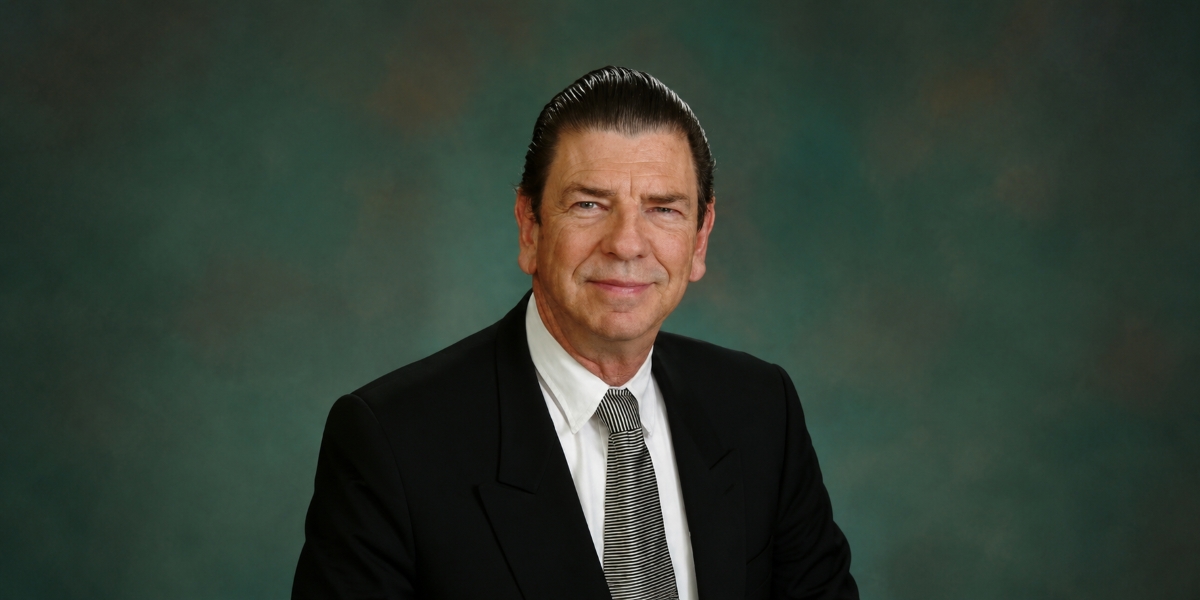
That author exists. His name is Dr. Samuel Don Smith, a man whose real logbook reads like a century of aviation history compressed into one career. And he has written the books that the industry has been waiting for.

Photo Courtesy: Dr. Samuel Don Smith

The Man Behind the Words

Before we talk about the Volant Legacy series or the memoir Aeromorphosis, we need to understand the person writing them. Dr. Smith did not learn about flying from Wikipedia or YouTube. He learned it from the only seat in an F-102 over Iceland during the Cold War. He learned it from test missions at Tyndall AFB. He learned it from thirty years on Delta Air Lines, commanding Boeing 777s and MD-11s to every corner of the planet.

His aviation journey began in 1963. He served as a Pilot and Aircraft Commander for the Texas Air National Guard. He worked as a Test Pilot at Tyndall Air Force Base. His commercial career at Delta spanned 1977 to 2005, where he served as a Captain and Line Check Airman on the Boeing 737, 757, 767, 777, and the MD-11. That is not a résumé. That is a service record.

But Dr. Smith is not just a pilot. He holds a Ph.D. in Finance and Systems from the University of Houston. He earned a Master of Science in Systems Science and Engineering. His Bachelor of Science in Aerospace Engineering comes from Texas A&M University. This academic background means he understands the mathematics, the systems thinking, and the economics behind aviation and space exploration. He is not guessing. He is calculating.

And then there is his safety leadership. Dr. Smith served as Chairman of the IFALPA Human Performance Committee, where he wrote international policies on cockpit resource management. He chaired the NASA Aviation Safety and Reporting System Advisory Subcommittee. For over fifteen years, he worked as an accredited accident investigator. He has received the FAA Orville Wright Master Pilot Award, three FAI World Speed Records, the USAF Commander’s Trophy, and the FAI Diamond Soaring Badge for gliding.

This is the man who now writes fiction. And that is why his fiction reads like truth.

The Problem with Most Aviation Fiction

The average aviation thriller treats the cockpit as a backdrop for drama. The author does not know the difference between a flameout and a compressor stall. The hero pulls maneuvers that would snap a real airframe in half. The radio calls are wrong. The emergency checklists are pure invention.

For a general reader, these errors might slip by. For a pilot, a flight engineer, or even an enthusiastic amateur, they ruin the experience. The suspension of disbelief shatters on the first page. And the reader walks away feeling disrespected.

Dr. Smith solves this problem completely. He does not write about flying. He writes from inside flying. Every instrument reading, every control input, every decision tree comes from his own muscle memory. When Kevin Connor, the protagonist of the Volant Legacy series, recovers from a spin or executes a flame-out landing, the reader feels the sweat on the pilot’s neck. That is not talent. That is experience.

Aeromorphosis: The Real Story

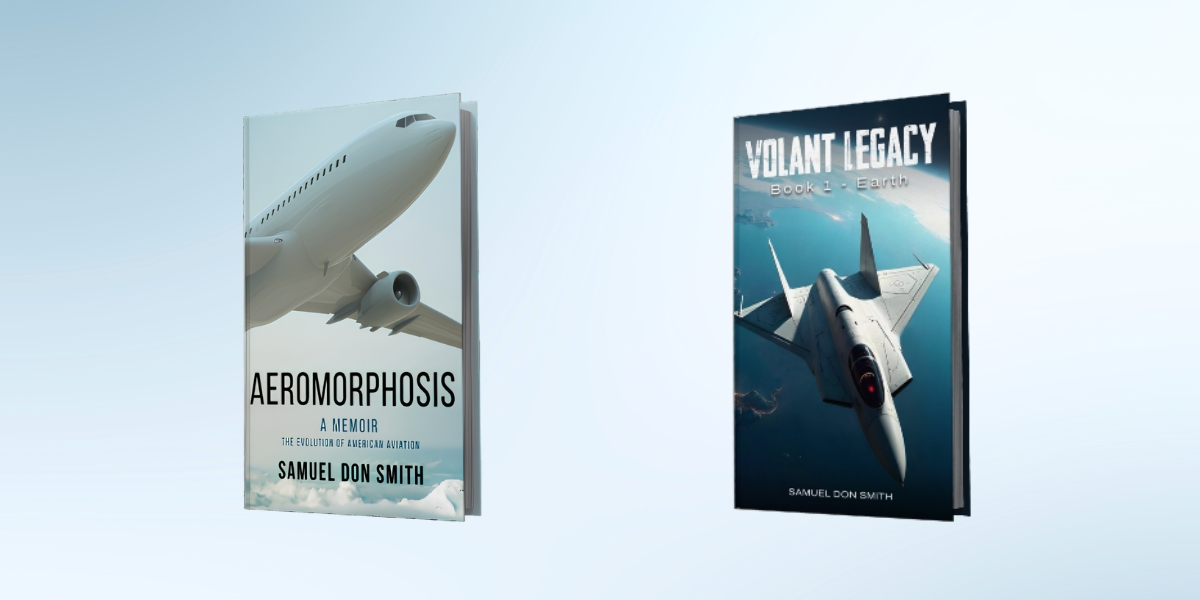
Before exploring the fiction, readers should know about Aeromorphosis. This is Dr. Smith’s memoir, subtitled The Evolution of American Aviation from 1951 to 2021. The book runs nearly five hundred pages. It covers everything from his childhood in Texas, building model airplanes and watching the Ground Observer Corps, to his final flights as a retired captain flying his personal aircraft to Oshkosh.

The memoir is not a dry recitation of dates and duty stations. It is a warm, self-deprecating, and deeply honest account of a life spent in the air. Dr. Smith talks about his failures as openly as his successes. He describes the close calls that taught him respect for the weather, the maintenance errors that nearly cost lives, and the bureaucratic battles that frustrated him for decades.

For anyone who wants to understand the soul behind fiction, Aeromorphosis is essential reading. It also serves as a promise. The author has lived what he writes. He has earned the right to imagine what comes next.

Photo Courtesy: Dr. Samuel Don Smith

Volant Legacy: Where Realism Meets the Frontier

The Volant Legacy series follows Kevin Connor, a young pilot who inherits his father’s memories and flying skills after a traumatic loss. The premise sounds like fantasy. But Dr. Smith grounds it in such authentic detail that the reader forgets the supernatural element entirely.

Book I: Earth introduces Kevin as he rockets through the Air Force Academy, pilot training, and the legendary Test Pilot School. He flies F-35s, works on black programs, and encounters a secretive organization called the Club, which possesses recovered exotic materials from unidentified sources. The book ends with Kevin poised for astronaut selection.

What makes Earth work is the training sequences. Dr. Smith does not skip the grind. He shows the classroom briefings, the simulator sessions, the checkrides, and the debriefs where mistakes are dissected. The reader earns every promotion alongside Kevin. And when the action comes, it hits hard because the foundation is so solid.

Book II: Luna moves the story to the Moon. Kevin commands Valhalla, the first permanent American lunar base in Drygalski Crater. He oversees habitat construction, ice mining for water and fuel, agricultural experiments, and medical operations. Chinese landers compete for territory. Moonquakes threaten the infrastructure. And the Club’s presence deepens, suggesting that someone is watching humanity’s first steps off the planet.

The lunar sequences are so detailed that they read like NASA planning documents converted into narrative. Dr. Smith has clearly studied every aspect of the Artemis program, in-situ resource utilization, small modular reactors, and closed-loop life support. Yet he never loses the human story. Kevin’s relationship with Janice, a surgeon on the base, develops naturally against the backdrop of isolation and danger.

Book III: Mars, the forthcoming finale, sends Kevin on the first crewed mission to the Red Planet. The Phoenix Mission lands in Hellas Planitia for a two-year baseline stay. Advanced alloys from the Club enable faster transit. Small nuclear reactors provide power. And a partnership with an energy company aims to drill deep into the Martian crust to unlock massive water reserves, potentially enabling terraforming.

The Mars book tackles the biggest questions of space colonization. Is a one-way mission ethical? Who owns the resources of another planet? How much risk should humanity accept in the name of progress? Dr. Smith does not offer easy answers. He presents the tradeoffs with the same clear-eyed judgment that he used as a test pilot.

Why This Matters for Aviation and Space Enthusiasts

The genre of hard science fiction has been shrinking. Too many authors rely on magical technology to solve problems. They skip the hard parts. They ignore the politics, the budgets, the human factors, and the sheer difficulty of keeping people alive in hostile environments.

Dr. Smith does the opposite. He leans into difficulty. His books celebrate human ingenuity precisely because the obstacles are real. When Kevin Connor solves a problem using a modified procedure or a clever workaround, the reader feels genuine satisfaction. That is the pleasure of authentic technical fiction. It respects the intelligence of the audience.

Dr. Smith’s work also serves as a bridge between the aviation community and the space community. Pilots will recognize the discipline, the checklists, and the culture of safety. Space enthusiasts will appreciate the rigorous mission planning and the realistic projections of near-future technology. Both groups will find common ground in the character of Kevin Connor, a professional who loves flying but fears nothing more than complacency.

A Final Word for Readers

The books are available now through the author’s official website and major retailers, including Volant Legacy: Book II, Luna on Amazon. Readers interested in speaking engagements, event appearances, or signed copies can reach the author through his contact page.

FOR PRESS INQUIRIES, REVIEW COPIES, OR INTERVIEWS

Contact: United Book Publishing

Email: info@unitedbookpublishing.com

Phone: +1 (855) 605-5210

Dr. DeAnna Lynn Nix Brings Her Leadership and Faith-Based Message to a National Stage

A combat medic turned federal senior leader turned evangelist, the founder of N.A.M.E., Not At My Expense™, has built a career out of refusing to be defined by what nearly destroyed her.

There is a particular kind of authority that cannot be taught in a classroom or bought with a title. It is forged, usually in the very places a person would least choose to visit. Dr. DeAnna Lynn Nix carries that kind of authority. It shows the moment she steps to a microphone, before she has said a single word. Audiences describe it as a shift in the room, a sense that something is about to be asked of them. By the time she is finished speaking, they usually find they are willing to give it.

Nix’s story does not begin with a stage. It begins on the frontlines.

A Medic’s Discipline

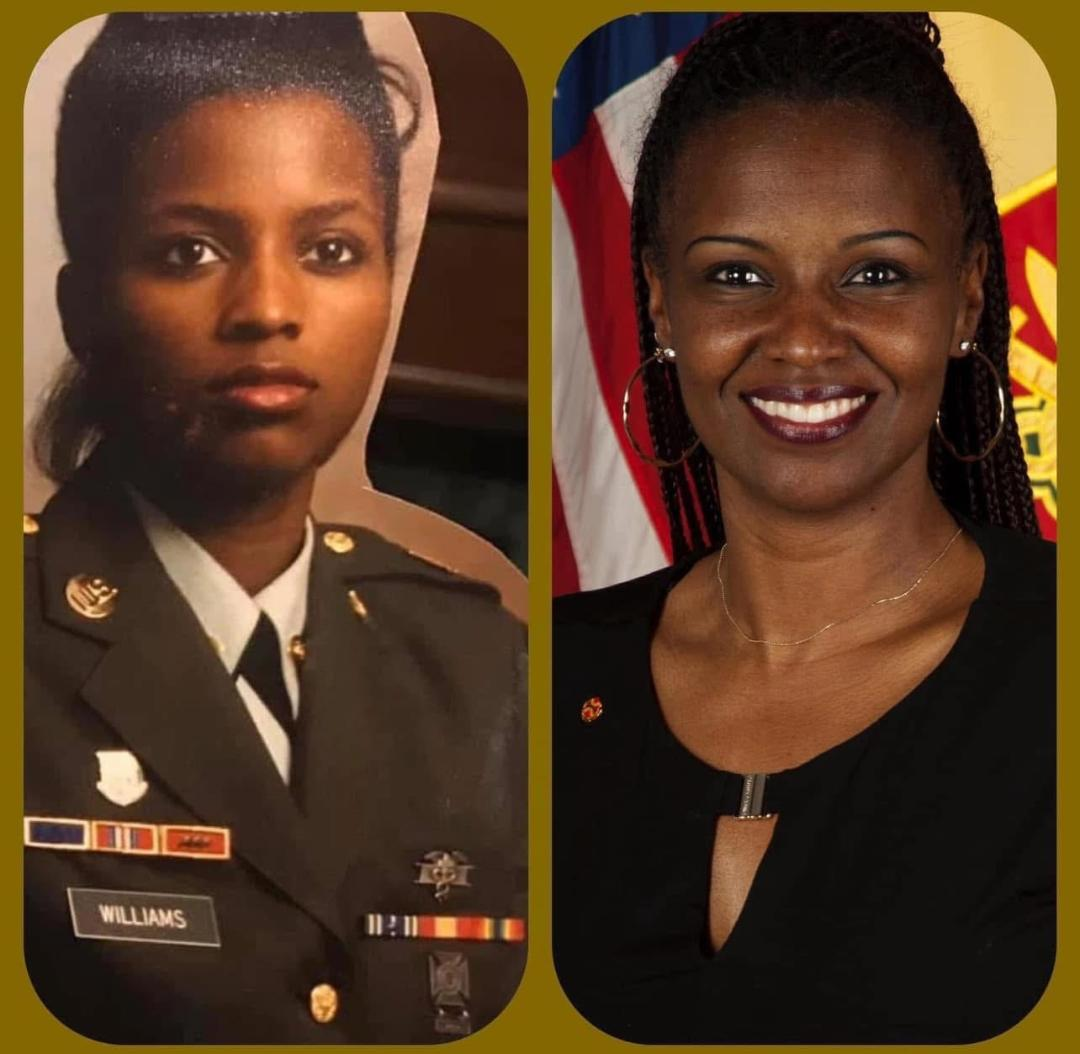
Long before she became a speaker, Nix served as an active-duty combat medic in the United States Army, a role that leaves no room for hesitation or excuse. She earned the Expert Field Medical Badge , the EFMB , a distinction the Army reserves for those who prove, under real pressure, that they can perform when it counts. It is not an honor given for good intentions. It is given for results.

That same exacting standard carried Nix into a 25-year federal career in real estate and master planning, much of it in service to the U.S. Army, with her final posting at Fort Belvoir, Virginia. Along the way, she was awarded the Stalwart Award, the highest civilian honor bestowed by the Installation Management Command, recognition reserved for the rare few who combine technical excellence with the ability to lift an entire team along with them.

On paper, it reads like the résumé of a career military professional who quietly climbed to the top of her field. It is. But it is also, deliberately, only half the story.

What the Titles Don’t Say

Behind the medals and the master-planning contracts was a woman who had survived abuse and abandonment, who had chased the version of success the world sells and found it hollow when she got there. Nix does not soften this part of her biography because it is the hinge that the rest of it turns. On June 9, 1996, she describes encountering the transformative power of God , an experience she credits not simply with changing her outlook, but with setting the entire course of the life that followed.

She answered a call to ministry in October 2003 and, in 2009, graduated from the Sonship School of the Firstborn. She is a licensed minister and a member of Covenant Connections International, founded by Apostle Nate Holcomb of the Christian House of Prayer in Killeen/Fort Hood, Texas. In 2021, Core Kingdom University conferred on her a Doctorate in Christian Leadership and Business, with a minor in Sociology, formal recognition of a path she had already been walking for nearly two decades.

Dominate Without Dying

Photo Courtesy: John Herzog Photography

Today, Nix has folded more than 35 years of leadership across the military, federal government, corporate America, and ministry into a single platform: N.A.M.E. , Not At My Expense™. Its rallying cry, “Dominate Without Dying,” is less a slogan than a diagnosis. Nix’s audiences are often people who have spent years, sometimes decades, achieving on everyone else’s terms but their own, burning themselves down to keep other people’s lights on. Her message asks them to stop.

The platform has carried her into at-risk communities and underserved populations, as well as boardrooms and leadership stages, delivering a version of resilience training that does not separate identity from purpose. Ask her to name her proudest accomplishment, and she will not point to the EFMB, the Stalwart Award, or the doctorate. She will tell you that her greatest success is simply being found faithful to God, to her calling, and to the people whose lives she touches, one day at a time.

Dr. DeAnna Lynn Nix Brings Her Leadership and Faith-Based Message to a National Stage

Photo Courtesy: Dr. DeAnna Lynn Nix

Taking the Platform National

That message is about to reach its widest audience yet. Nix is slated to introduce N.A.M.E., Not At My Expense™, to a national stage at the Leadership Experience Tour, running August 6–8, 2026. The event will be televised, putting “Dominate Without Dying” in front of viewers far beyond the rooms and communities she has built her reputation in one talk at a time.

Home Front

Nix lives in the Washington, D.C. metropolitan area with her husband of nearly 30 years, Elder Kemanyi Nix, himself a decorated, retired Army veteran who now serves as a Sexual Assault Response Coordinator at Walter Reed National Military Medical Center, working in his own way on the same terrain of trauma and recovery his wife addresses from the stage.

What Nix preaches to strangers is that the fire that could have consumed a person can instead become the thing that lights the way for others. It is the message she carries into every room she enters.

To learn more about Dr. DeAnna Lynn Nix and N.A.M.E., Not At My Expense™, visit DeAnnaSpeak.com. She can also be reached by email at NAME@deannaspeak.com. Her newly released book is available through Amazon.

Bruno Giraldi Turns Love and Death Into Cabaret

By: Shawn Mars

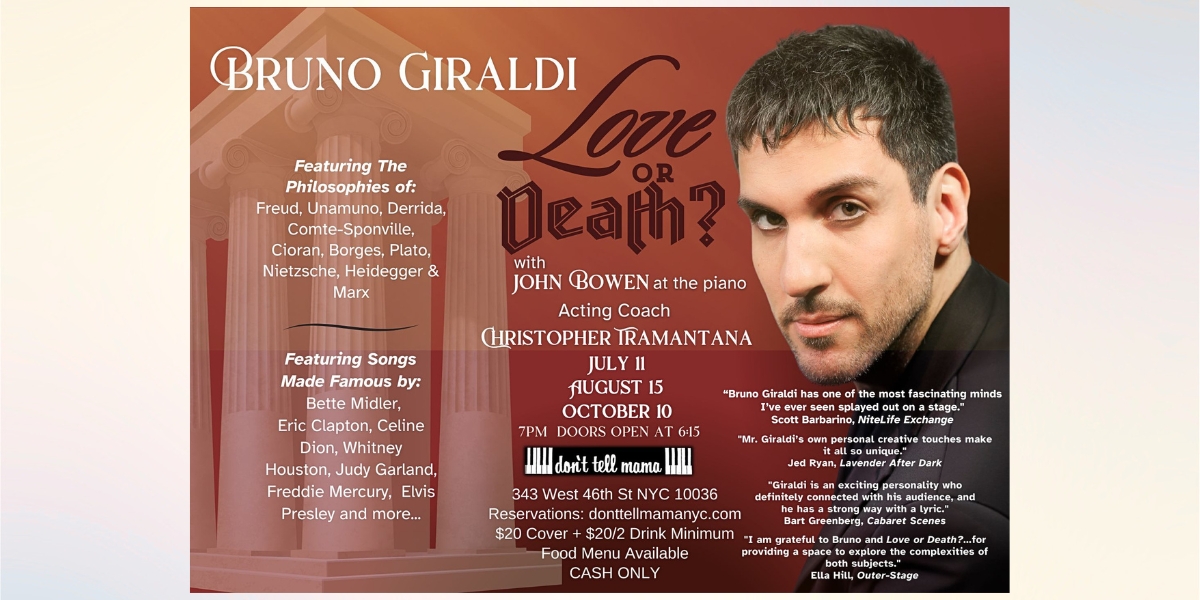
Love or Death? brings Bruno Giraldi back to Manhattan as a cabaret performance built around music, philosophy, humor, and questions about how people love while living with the awareness of death. The show marks Giraldi’s second year in Manhattan as the lead performer, continuing his exploration of cabaret as a space for emotional honesty, intellectual curiosity, and direct connection with the audience.

Bruno Giraldi was born on October 28, 1987, in Buenos Aires, Argentina. In Argentina, his mentor was Norman Briski. He also trained with Betiana Blum and worked with Nacha Guevara before continuing his training in the United States. In New York, Giraldi trained at HB Studio with Mercedes Ruehl, David Deblinger, Michael Beckett, Christopher Tramontana, Theresa McElwee, John Bowen, and others. He also trained at T. Schreiber Studio with Peter Jensen, Page Clements, and Tommy Buck, and with Deborah Hedwall in her own studio. His coaches have included Suzanne Shepherd, Rob McCaskill, and Jane Ives.

His stage work includes Richard III in RIIICHARD, Vladimir in Waiting for Godot, The Son in Six Characters in Search of an Author, and Filipo in Filipo. His cabaret work includes This Is Bruno, #getmeouttahere, and Encadenado. Earlier this year, he appeared in Telenovela Nights.

In film and television, Giraldi has played Jual Palmisano in Presumed Innocent, David in Singleville, Andy in Devil on the Web, and Raoul Santiago in A Good Cop. He can now be seen in A Dangerous Desire for Mr. Shelby and Mitski’s music video Where’s My Phone?

Photo Courtesy: Bruno Giraldi

Q: How do you describe your own thesis for Love or Death?

Bruno: “I think love is death. Or at least, love and death are scrambled in my mind.”

For Bruno, that statement serves as the creative center of Love or Death? The show looks at how love can feel alive, intimate, and fragile at the same time. The performance considers how loving another person can change someone while also bringing risk, fear, and the awareness that nothing human is permanent.

Q: Why did you choose cabaret for this subject?

Bruno: Cabaret allows a performer to speak directly to the audience without hiding behind a large production. It creates a room where songs, thoughts, jokes, and questions can exist together.

Love or Death? uses that closeness. The form allows Bruno to move from a philosophical idea into a song, then into humor, then back into reflection. That movement gives the performance a conversational rhythm rather than a lecture-style structure.

Photo Courtesy: Bruno Giraldi

Q: How do you use philosophy in Love or Death?

Bruno: Philosophy gives the show language for feelings that many people have but do not always know how to explain. The show mentions Freud, Derrida, Plato, Unamuno, Coleridge, Cioran, Nietzsche, Heidegger, and Byung-Chul Han.

In Love or Death?, those names are not used to make the performance academic. They are used as companions. Freud’s idea that ideal love does not exist becomes a way to ask what people can do with imperfect love. Derrida’s thoughts about recognition become a way to ask what happens when someone is not noticed, or when someone fails to notice another person.

Q: How do you connect love with personal change?

Bruno: Plato helps explain that. Love begins when another person has an impact on someone. Once that happens, the person is already changing.

Love or Death? treats love as a transformation, not as an alienating entity in Marxist terms. A person may begin loving someone because of attraction, admiration, need, or curiosity, but the experience can alter the way that person sees life.

Q: How do you bring poetry into the show?

Bruno: I would not say there is poetry per se in the show. The closest connection with poetry is when I mention Samuel Taylor Coleridge’s idea of “poetic faith”, which means that the audience suspends disbelief for a moment. They agree to enter the emotional world of the performer. So I say that the same should be done by the lover. The lover should suspend the disbelief that their love is going to end at some point.

There is Unamuno’s idea in the show, which is expressed in poetic terms, through the thought that to love is to give oneself as nourishment to another person and receive that person as nourishment. In that sense, love is not only a feeling. It is an exchange.

Q: How do you address death without making the show too dark?

Bruno: Darkness is an illusion, according to San Agustin. In the attempt to look directly at absolute truth, the intensity of the light overloads our cognitive and spiritual faculties. He concludes by saying that what feels like darkness is only a blinding effect of superabundant brightness.

In other words, I think what we should try to avoid is the brightness that does not allow us to see the truth. For that, it is necessary to talk about death to remain standing when your death or someone else’s death punches you in the face, like Plato said, instead of doing things to forget death, a thought connected to Heidegger.

Q: Why is returning to Manhattan important to you?

Bruno: Because in a moment in which there is so much entropy in the world, I believe the show helps people focus on themselves and ask themselves these questions. And when you put yourself in doubt, you start changing yourself.

Every time I do the show I question myself over and over and despite it is not my goal, it is cathartic.

And there are a lot of people in Manhattan who need this show. I witness that because after every performance, the audience approach me and confide in my very personal and intimate things that happen to them and that the show helped them reflect on. That’s priceless.

Q: What can audiences expect from the performance?

Bruno: Audiences can expect a cabaret show that combines songs, spoken reflection, philosophy, drama, and humor, which is a result of drama. It is not designed as a lecture. It is a performance that asks questions and leaves room for the audience to answer privately.

Love or Death? It is meant for people interested in theater, music, love, philosophy and the unpredictable ways those subjects overlap. The performance gives audiences a way to consider serious ideas through live entertainment rather than formal instruction.

Contact

For reservations and venue details, audiences can visit Don’t Tell Mama NYC. Updates from Bruno Giraldi are available through Bruno Giraldi’s Instagram and Bruno Giraldi’s Facebook.

Love or Death? continues Giraldi’s exploration of cabaret as a space for music, philosophy, and emotional honesty. Through the performance, he invites audiences to consider how love, attention, and mortality shape the way people understand one another.

Social Media Did Not Invent Insecurity. It Made Every Insecurity Feel Fixable

It is common to blame social media for making people more insecure. Conor Deane, a marketing strategist who studies consumer behaviour, offers a more precise version of that idea. Social media, he argues, did not invent insecurity, which has always existed. What it changed is that it made the perceived solution to almost every insecurity visible, turning private dissatisfaction into something that now feels addressable.

The first half of the dynamic is familiar. Social platforms increased how often people compare themselves with others, surrounding them with curated images of appearance, lifestyle, and success. That constant comparison can heighten awareness of one’s own perceived flaws, making people more conscious of things they might once have barely noticed. This much is widely discussed, and it is only part of the picture.

The second half, in Deane’s framing, is what makes the shift distinctive. The same feed that surfaces an insecurity now also surfaces its apparent remedy, along with a constant stream of examples suggesting it has worked for others. A person can, within a single scrolling session, become aware of something they dislike about themselves, discover a treatment or product that promises to address it, and see hundreds of examples of other people’s claimed results. The problem and the apparent solution arrive together, tightly linked.

This changes the psychology of insecurity in a meaningful way. When a perceived flaw felt permanent, people were more likely to simply live with it. When it starts to feel fixable, and when the proposed fix is visible and seemingly normal, the relationship to that flaw changes. It moves from something accepted to something optional, and optional things invite decisions. Deane’s point is that people are not necessarily becoming more flawed or even simply more insecure. More of the things they dislike about themselves now feel like problems with available answers.

He points to how broad this pattern has become across categories. The rapid cultural rise of GLP-1 medications for weight loss is one widely discussed example of how quickly a solution can move from niche to mainstream conversation. Cosmetic treatments, teeth straightening and whitening, elaborate skincare routines, and hair restoration follow a similar arc, each becoming more visible, more discussed, and more normalised online. In each case, a concern people once kept quiet is now paired with a well-publicised path that promises to address it.

The normalisation matters as much as the visibility. When a solution is rare or stigmatised, few people pursue it. When it appears constantly in ordinary people’s feeds, discussed openly and accompanied by countless visible examples, it stops feeling exceptional and starts feeling like a normal choice. Deane argues that this normalisation is often the real turning point, converting something people privately considered into something they feel comfortable actually doing.

For businesses, this represents both an opportunity and a responsibility that Deane is careful not to gloss over. The opportunity is obvious, since demand for solutions to visible insecurities is large and growing. The responsibility is subtler, because the same mechanisms that make a solution feel accessible can also intensify the insecurity that drives people toward it. How a business communicates in this environment, whether it informs and reassures or simply amplifies anxiety, is a genuine choice with real consequences for the people on the other side.

Deane’s own interest is in the consumer behaviour underneath all of this, in understanding why people make these expensive, emotional decisions and how perception shapes them. His analysis is less a celebration of the trend than an attempt to see it clearly. The cultural shift is real, and pretending otherwise helps no one, but understanding it honestly includes acknowledging its mixed effects.

The takeaway he offers is a reframing of a common complaint. The familiar story is that social media makes people feel worse about themselves. The more complete story, in his view, is that it makes more of what people dislike about themselves feel fixable, and that this sense of fixability, more than insecurity alone, is what is reshaping entire consumer categories. Understanding that distinction, he suggests, is essential to understanding modern consumer behaviour.

Walking Along by Cynthia Kenyon Reminds Children That Nature’s Greatest Lessons Begin with a Single Step

In an era where childhood is increasingly shaped by glowing screens and fast-paced routines, Walking Along by Cynthia Kenyon offers something refreshingly simple. An invitation to slow down. This beautifully illustrated children’s picture book transforms an ordinary walk through the woods into an extraordinary adventure, proving that wonder isn’t something children have to search for. It is something they only need to notice.

With gentle storytelling, rhythmic repetition, and an infectious sense of curiosity, Cynthia has created more than a picture book. She has written an experience that encourages young readers to rediscover the joy of looking up, looking down, and looking all around.

Finding Magic in the Everyday

One of Walking Along‘s greatest strengths lies in its ability to celebrate the ordinary. There are no dragons to defeat, no kingdoms to save, and no impossible quests. Instead, readers encounter birds gliding overhead, butterflies dancing through the air, squirrels climbing trees, and tiny snails quietly making their way across the forest floor.

Each finding reminds children that adventure doesn’t always arrive with fanfare. Sometimes, it is hidden beneath a leaf, buzzing past a flower, or waiting patiently along a woodland trail. That perspective feels especially meaningful in today’s world, where moments of stillness have become increasingly rare.

Story That Invites Participation

Rather than asking children to simply follow a story, the book encourages them to become part of it. Its rhythmic, repetitive structure invites young readers to predict what comes next, turning every page into an interactive experience. The recurring pauses become moments of anticipation, encouraging children to imagine what they might discover if they stopped and looked around during their own walks.

It’s the kind of storytelling that naturally extends beyond the pages. After finishing the book, children are likely to head outdoors, eager to spot birds, butterflies, flowers, or perhaps even a curious frog crossing the path. Few picture books inspire real-world exploration as effortlessly as this one.

Nature as a Classroom

Without ever feeling instructional, the author introduces children to the incredible diversity of the natural world. Along the journey, readers encounter woodland creatures, insects, plants, and even gentle lessons about respecting nature’s boundaries, such as recognizing poison ivy from a safe distance.

The educational value emerges organically through discovery rather than explanation. Children aren’t told why nature matters. They experience its beauty firsthand. This subtle approach allows curiosity to become the teacher, making learning feel joyful rather than prescribed.

Celebration of Shared Adventures

While the book begins as a personal journey of observation, it concludes with something equally important: togetherness.

As friends join the walk, the story quietly shifts its focus from individual discovery to shared experiences. It’s a reminder that some of life’s happiest memories are created not through elaborate plans but through simple moments spent exploring with people we love. This emotional transition gives the story unexpected depth, leaving readers with a lasting sense of warmth and connection.

Gentle Invitation to Step Outside

At its heart, Walking Along is a celebration of curiosity, mindfulness, and the quiet beauty waiting just beyond the front door. Cynthia Kenyon doesn’t rely on spectacle to capture a child’s imagination. Instead, she trusts in something far more enduring: the natural world’s ability to surprise those willing to slow down and pay attention.

Takeaway

In doing so, she has created a picture book that speaks to children, parents, educators, and caregivers alike. Walking Along is more than a story to read. It is an invitation to explore, observe, and reconnect with the simple pleasures that too often go unnoticed. Sometimes, all it takes to discover something extraordinary is the willingness to take that very first step.

JoshfromYNC Brings the YNC Worldwide Runway Experience to Pittsburgh, Uniting Fashion, Music, and Community

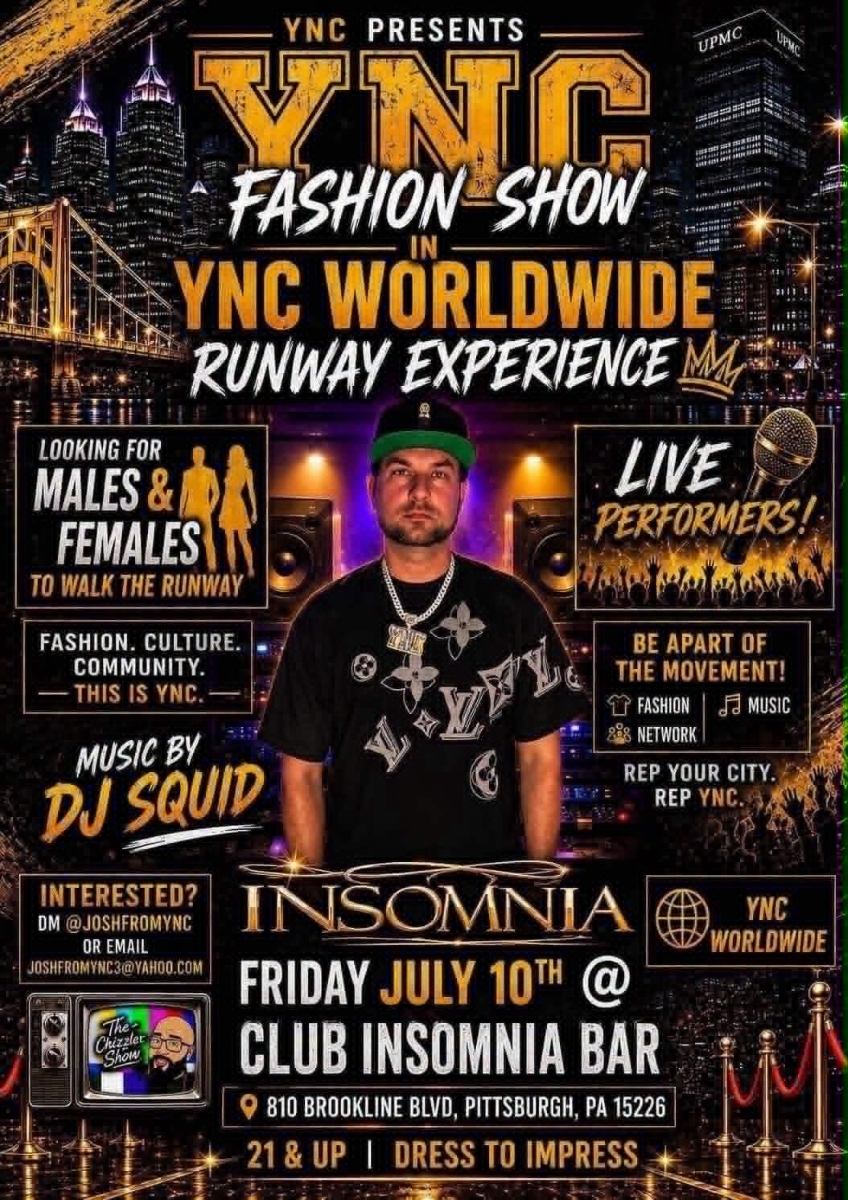
Pittsburgh’s creative scene is about to take center stage as JoshfromYNC launches the YNC Worldwide Runway Experience, a fashion and entertainment event designed to showcase local talent while bringing together models, designers, performers, entrepreneurs, and creatives from across the tri-state region.

Taking place on Friday, July 10, at Club Insomnia Bar in Pittsburgh, Pennsylvania, the event represents more than a traditional fashion show. It is part of JoshfromYNC’s broader vision of building a platform where fashion, music, networking, and community come together under one roof.

Creating Opportunities for Emerging Talent

Known for supporting independent artists and creatives, JoshfromYNC has positioned the YNC Worldwide brand as a platform that celebrates opportunity and collaboration.

The runway experience brings both male and female models to the stage alongside live musical performers, presenting their work before a diverse audience.

Rather than limiting the event to established names, the goal is to provide opportunities for emerging talent to connect with industry professionals, expand their networks, and build their visibility within the region’s creative community.

Photo Courtesy: JoshfromYNC

More Than a Fashion Show

Fashion may be the centerpiece of the evening, but the event offers a much broader experience.

Guests can expect an atmosphere that blends live entertainment, runway presentations, music, and networking, creating an environment where creatives from different industries can connect and collaborate.

The event’s message, “Fashion. Culture. Community. This is YNC,” reflects its mission to build relationships while celebrating creativity across multiple disciplines.

DJ Squid will provide the music for the evening, creating an energetic backdrop for the runway presentations and live performances.

Representing the Tri-State Creative Community

For JoshfromYNC, the YNC Worldwide Runway Experience is also about representing the talent that exists throughout the tri-state area.

The event encourages participants to “Rep Your City. Rep YNC,” highlighting local artists, performers, entrepreneurs, and fashion professionals who are helping shape the region’s growing creative culture.

By bringing together individuals from different backgrounds and industries, the event aims to strengthen Pittsburgh’s entertainment and fashion community while opening doors for future collaborations.

Event Information

The YNC Worldwide Runway Experience will take place:

Date: Friday, July 10 Venue: Club Insomnia Bar Address: 810 Brookline Blvd., Pittsburgh, PA 15226 Age Requirement: 21 and over Dress Code: Dress to Impress

JoshfromYNC can be reached through Instagram at @joshfromync or by email at joshfromync3@yahoo.com.

As YNC Worldwide continues expanding its presence, JoshfromYNC is demonstrating that successful events are about more than entertainment. They are about creating spaces where talent is discovered, relationships are built, and local creatives have an opportunity to shine.

Understanding Eyelid Skin Tags and Other Benign Eyelid Growths

By: Farzana Bashir

The skin around the eyes is delicate and highly visible, making even minor changes noticeable. Many individuals experience benign growths on or around the eyelids during their lifetime, including skin tags, cysts, and other non-cancerous lesions. While these growths are often harmless, they can sometimes cause discomfort, interfere with vision, or become a cosmetic concern. Understanding the causes, symptoms, and treatment options for benign eyelid lesions can help individuals make informed decisions about their eye health.

What Are Benign Eyelid Lesions?

Benign eyelid lesions are non-cancerous growths that develop on the eyelids or surrounding skin. They can vary in size, shape, color, and location. While most benign lesions do not pose a serious health risk, some may gradually enlarge, become irritated, or interfere with normal eyelid function.

Individuals researching eye clinic Calgary options often seek a professional evaluation when they notice changes affecting the appearance or function of their eyelids.

Common benign eyelid lesions include:

• Skin tags

• Cysts

• Chalazia

• Seborrheic keratoses

• Xanthelasma

• Papillomas

• Benign moles

Why Do Eyelid Growths Develop?

Several factors can contribute to the development of eyelid lesions. Age is one of the most common factors, as benign growths tend to become more prevalent over time. Genetics, skin friction, sun exposure, and certain medical conditions may also influence their development.

In some cases, individuals may develop multiple lesions throughout their lifetime, while others may experience only a single growth.

Understanding Eyelid Skin Tags

Skin tags are among the most common benign skin growths. They are typically soft, flesh-coloured growths attached to the skin by a small stalk. Although skin tags can occur anywhere on the body, they may occasionally develop around the eyes.

A skin tag under eye may become noticeable because of its location and can sometimes irritate, particularly if it rubs against glasses, cosmetics, or surrounding skin.

While skin tags are generally harmless, professional evaluation is often recommended to confirm the diagnosis and rule out other conditions.

When Should Eyelid Lesions Be Evaluated?

Although many eyelid lesions are benign, certain changes should prompt professional assessment. Individuals should consider seeking evaluation if a lesion:

• Changes in size or colour

• Bleeds or becomes painful

• Interferes with vision

• Causes persistent irritation

• Develops rapidly

• Changes in appearance over time

Early assessment can help determine whether further investigation or treatment is necessary.

Common Treatment Approaches

Treatment recommendations depend on the type, size, and location of the lesion, as well as whether it causes symptoms or cosmetic concerns.

Observation

Some benign lesions require no treatment and may be monitored over time.

Removal Procedures

When a lesion causes discomfort, affects vision, or creates cosmetic concerns, removal may be considered. The approach used depends on the specific characteristics of the lesion.

Diagnostic Evaluation

In certain cases, tissue analysis may be recommended to confirm the diagnosis and exclude more serious conditions.

The Importance of Professional Assessment

Because the eyelids contain delicate structures that protect the eye, removing lesions at home is generally not recommended. Improper removal techniques may lead to infection, scarring, or injury to surrounding tissues.

Professional evaluation helps ensure that treatment decisions are based on an accurate diagnosis and appropriate management strategies.

Maintaining Healthy Eyelids

While not all eyelid lesions can be prevented, certain practices may help support overall eyelid health.

Protect the Skin Around the Eyes

Using sun protection and limiting excessive ultraviolet exposure may help reduce certain skin changes.

Practice Good Eyelid Hygiene

Keeping the eyelid area clean can help reduce irritation and support overall eye health.

Monitor Changes

Regularly observing changes in eyelid appearance can help identify new lesions or other changes requiring evaluation.

Schedule Routine Eye Examinations

Comprehensive eye examinations provide opportunities to identify both vision problems and eyelid abnormalities.

Summary

Benign eyelid lesions, including skin tags, are common and often harmless. However, eyelid changes should be carefully evaluated to ensure an accurate diagnosis and appropriate management. By seeking professional assessment when needed and maintaining regular eye care, individuals can help protect both their vision and overall eye health.

Disclaimer: This article is for informational and educational purposes only and should not be considered medical advice, diagnosis, or treatment. Eyelid growths, skin tags, cysts, and other lesions should be evaluated by a qualified eye care professional or healthcare provider, especially if they change in size, color, shape, cause pain, bleed, or interfere with vision. Readers should not attempt to remove eyelid lesions at home, as improper removal may lead to infection, scarring, or injury. Always consult a licensed medical professional for guidance specific to your condition.

What a Truck Accident Attorney Does to Protect Client Interests

Brooklyn, New York, is one of the city’s busiest boroughs, where residential neighborhoods, commercial corridors, industrial zones, and major transportation routes intersect every day. From local delivery vehicles traveling crowded streets to large commercial trucks moving goods through key freight networks, heavy traffic is a constant part of life. While this activity supports businesses and communities, it also increases the risk of serious roadway incidents involving large trucks. Unlike ordinary vehicle crashes, truck-related cases often involve complex legal and insurance questions, multiple parties, and extensive investigations that can be difficult for injured individuals to manage alone.

In the aftermath of a collision, many people must navigate their rights while coping with uncertainty about their future. That is where a truck accident attorney in Brooklyn can play an important role. By examining the circumstances surrounding a crash and advocating for an injured person’s legal interests, an attorney helps create a clearer path forward during a time that can feel overwhelming and unpredictable.

Early Case Review

In the first days after a crash, small facts can decide liability. A truck accident attorney can assess police reports, hospital charts, vehicle damage, witness accounts, weather, and carrier records. That review protects the client’s position before an insurer narrows the story, requests broad releases, or offers payment that ignores future treatment needs.

Evidence Preservation

Important evidence often sits with the motor carrier, not the injured person. Counsel may send preservation letters for driver logs, inspection sheets, dispatch records, cargo documents, repair files, and electronic control data. Timing matters because camera footage may get erased, trucks repaired, and memories blurred by stress. Preserved materials can reveal fatigue, speeding, poor maintenance, unsafe loading, or ignored safety rules.

Liability Analysis

Truck cases rarely happen because of one mistake. The driver may have followed too closely, skipped required rest periods, or misjudged traffic conditions. A carrier might have hired an unsafe operator, delayed repairs, or pressured delivery schedules. Repair shops, brokers, shippers, loading teams, or parts manufacturers may also bear responsibility. An attorney matches each actor’s conduct to the evidence, then builds a claim that reflects actual fault.

Damage Valuation

A fair claim must account for more than invoices. Lawyers review emergency care, surgery, imaging, therapy, medication, lost earnings, reduced work capacity, pain, sleep disruption, anxiety, and household limitations. Serious injuries may require neurologists, orthopedists, rehabilitation physicians, or long-term mobility support. Accurate valuation helps avoid settlements that cover the first bills while leaving future care unpaid. It also gives negotiations a number grounded in records.

Insurance Pressure

Commercial truck insurers often move quickly after serious crashes. Adjusters may request recorded statements, seek broad medical authorizations, or offer early checks before symptoms fully declare themselves. Attorneys manage those contacts and keep communications focused on relevant facts. They also identify policy layers, corporate coverage, and possible defendants. This protection helps clients avoid statements that insurers could quote out of context.

Medical Record Coordination

Medical documentation ties the collision to physical injury. Counsel can organize ambulance notes, emergency reports, imaging results, therapy records, specialist opinions, prescriptions, and work restrictions. Consistent records support settlement demands and court filings. Gaps in care may let insurers question causation, even when pain remains real. Lawyers track documentation carefully so that injured people can focus on treatment, mobility, and daily recovery.

Comparative Fault Defense

New York applies comparative negligence rules, which can reduce compensation if an injured person receives partial blame. Insurers may argue that a car driver stopped abruptly, missed a signal, or failed to avoid an impact. A lawyer counters those claims with reconstruction analysis, witness testimony, road evidence, and vehicle data. The aim is to limit unfair blame and show how truck-related conduct caused harm.

Deadline Control

Truck accident claims carry strict filing dates. Personal injury lawsuits in New York generally have a 3-year statute of limitations, while wrongful death matters have a shorter period. Claims involving public entities may require earlier notices. Attorneys track these deadlines, prepare pleadings, and preserve the right to seek compensation. Careful date control matters even when treatment continues, or settlement talks appear productive.

Settlement Strategy

Most truck cases settle, but stronger outcomes usually come from trial-ready work. Lawyers organize evidence, calculate losses, answer defenses, and explain why the claim has value. If an insurer refuses to make a fair payment, counsel can file suit, request records, take depositions, and prepare witnesses. That preparation changes negotiations because the defense sees a documented case ready for court.

How Legal Support Helps After a Truck Accident

A truck accident attorney protects client interests by preserving evidence, identifying liable parties, valuing damages, managing insurers, and meeting legal deadlines. This work provides injured people with structure during a painful period and keeps the claim centered on facts rather than on pressure. Every case depends on proof, timing, and careful judgment. With organized representation, clients can pursue fair compensation while protecting their financial stability, medical recovery, and long-term security.

Disclaimer: This article is for informational purposes only and does not constitute legal advice. Anyone involved in a truck accident should consult a qualified attorney about their specific situation.

From Survivor to Visionary, Dr. Rhonda Anita’s 2026 Journey of Empowerment, Style, and Healing

Atlanta, GA

Atlanta-based transformational speaker Dr. Rhonda Anita has built a career out of turning pain into purpose, and 2026 is shaping up to be the most defining year of that mission yet. Known widely as “A Voice for the Voiceless,” Dr. Anita is an entrepreneur, certified life coach, author, and Founder of Amazing Life Empowerment Group. A survivor of domestic violence, child sexual assault, and child abuse, she has spent her career transforming her lived experience into a platform centered on leadership, empowerment, and personal growth, and this year, that platform is expanding in ways designed to reach more people than ever before.

A New Chapter in Style: The Velvet Circle LUX Couture

In June 2026, Dr. Anita expanded her brand beyond coaching and speaking with the launch of The Velvet Circle LUX Couture Fashion House and Styling Service, an elevated fashion and personal styling brand based in Atlanta. The venture reflects a core belief at the heart of her work: that confidence is built from the inside out, and how a person presents themselves to the world is part of that transformation. The Velvet Circle offers clients a styling experience aimed at helping them step into their next chapter looking and feeling as empowered as they are becoming.

Healing With Structure: The ReBirth Academy

In August 2026, Dr. Anita will launch The ReBirth Academy, a trauma-informed coaching program designed to help individuals identify, process, and move beyond the impact of past trauma and adverse life experiences. The Academy translates Dr. Anita’s own journey from survivor to overcomer into a structured framework, giving participants practical tools for resilience, healing, and forward movement rather than a one-time motivational moment. It is built for women, entrepreneurs, professionals, and leaders who are ready to confront what has held them back and move toward the life they are working to build.

Photo Courtesy: Tara Harp Photography

Taking the Message to a National, Televised Stage

Dr. Anita has also been selected as a featured speaker for the 2026 Leadership Experience Tour, gracing the stage in Troy, Michigan, August 6–8, 2026, where she will present “The ReBirth Process: Life After Trauma.” The appearance marks a significant milestone: in a televised event, Dr. Anita will be introducing her platform to the world, giving her message and the framework behind The ReBirth Academy to viewers well beyond Atlanta.

The televised session gives audiences a direct look at the ReBirth Process rather than a summary of it. Viewers hear Dr. Anita’s approach in her own words. They also get a sense of the framework that shapes The ReBirth Academy and a glimpse of the wider community of leaders and entrepreneurs working through similar challenges. For anyone curious about how trauma, leadership, and personal transformation intersect in practical terms, the session offers that view from someone who has lived it.

A Message Built on Lived Experience

What sets Dr. Anita apart is not just her professional training but the fact that her expertise is rooted in personal experience. Her journey from survivor to overcomer gives her credibility and connection with audiences that go beyond theory, allowing her to offer practical, tested tools for resilience and growth rather than abstract advice. That authenticity is the throughline connecting all three of this year’s milestones: a fashion brand built on confidence, an academy built on healing, and a national speaking platform built on truth-telling.

Looking Ahead

Between the launch of The Velvet Circle LUX Couture, the debut of The ReBirth Academy, and her televised appearance at the Leadership Experience Tour in Michigan, Dr. Rhonda Anita is positioning 2026 as a year of expansion for her brand and for the people she serves. For women, entrepreneurs, professionals, and leaders looking for both personal and professional transformation, her expanding platform offers multiple entry points: styling, coaching, and now, a national stage.

A New Book on the Way

Adding another milestone to an already momentous year, Dr. Anita is also preparing to release her upcoming book, My Courage is the Tea: From Broken to Boldness, a project that expands on the themes of resilience, healing, and transformation at the heart of her platform. Publication details are expected soon, giving readers another way to engage with her story and message.

Photo Courtesy: Tara Harp Photography

Connect with Dr. Rhonda Anita

Website: Amazing Life Empowerment Group

Instagram: @DrRhondaAnita

Facebook: Dr. Rhonda Anita

LinkedIn: Dr. Rhonda Anita