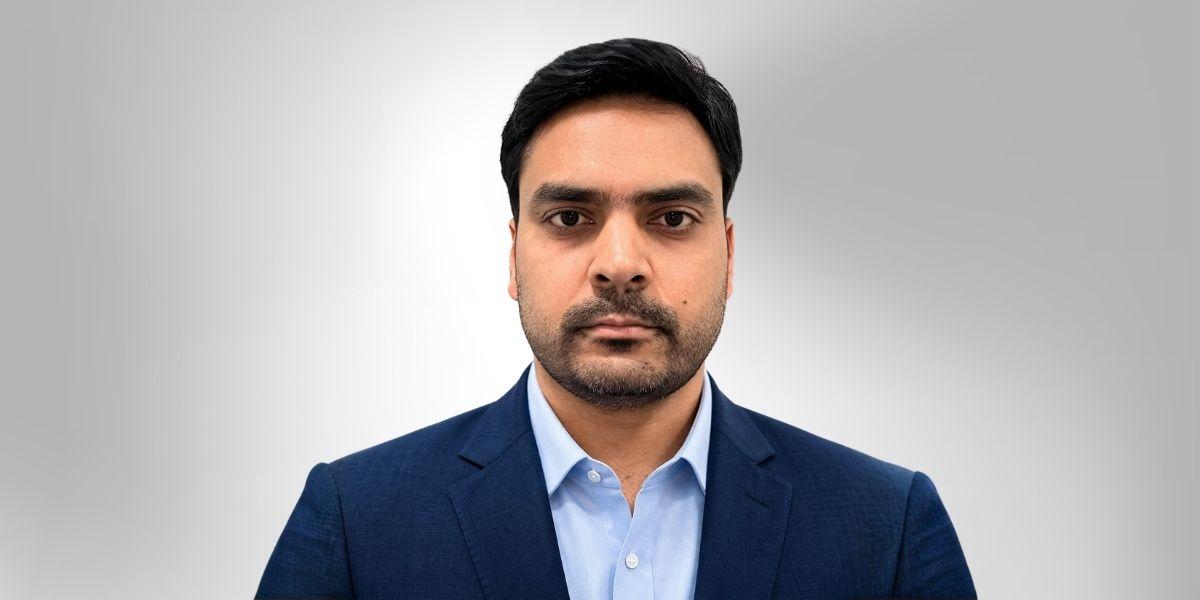
Inside the Athens Clinic, Which Is Redefining the Modern Smile

In a city celebrated for its ancient architecture, Dr. Andreas Kasouhas is building a reputation for something distinctly modern. As founder and clinical director of Dr.Kasouhas Dental Clinic, the Athens-based oral surgeon and implantologist, has become known for an approach that treats every smile as both a clinical case and a work of design. It is a philosophy that defines how he approaches cosmetic dentistry in Greece.

The Evolution of a Modern Practice

Aesthetic dentistry has changed dramatically over the past two decades, moving from simple correction toward something closer to facial design. Kasouhas has built his practice around that shift. He earned his degree in dentistry at the Grigore T. Popa University of Medicine and Pharmacy before completing advanced training in oral surgery and implantology at UCAM Catholic University of Murcia in Spain. His commitment to continuing education has since carried him to international congresses, including several meetings of the European Association for Osseointegration, where the science of implant dentistry is continually refined.

Where Surgery Meets Aesthetics

What distinguishes his work, Kasouhas says, is the refusal to treat teeth in isolation. He evaluates how a smile interacts with the entire face, the patient’s personality, and the way they live, blending oral surgery, aesthetics, and facial harmony into a single treatment philosophy. The same thinking underpins everything from porcelain veneers in Athens to dental implants and full smile makeovers, each planned around the individual rather than a template. “The best dentistry is invisible,” he explains. “It enhances a person’s natural beauty without appearing artificial.”

The Psychology of Confidence

For Kasouhas, the measure of success is rarely the tooth itself. Over the years, he has worked with patients who once avoided smiling, speaking in public, or appearing in photographs. Watching that hesitation give way to ease, he says, remains the greatest motivation behind his work, a reminder that dentistry can reach far beyond healthcare and into the way people carry themselves. That conviction traces back to his earliest interest in the field. From a young age, he was fascinated by the relationship between confidence and appearance, and saw dentistry as a rare meeting point of science, medicine, artistry, and human connection.

A Premium Brand, Built Deliberately

Establishing a high-end practice in a crowded market meant making a choice early on: quality over volume. Instead of chasing trends, Kasouhas focused on building a reputation around trust, precision, and personalized planning, investing steadily in education and technology along the way. The result is a clinic that increasingly attracts patients seeking considered, individualized care rather than the fastest available fix.

Looking ahead

His ambition is to position Dr. Kasouhas Dental Clinic among Europe’s leading premium dental destinations, drawing patients internationally while raising the bar for aesthetic and implant dentistry. Beyond the clinic, he hopes to contribute to the wider evolution of the field through innovation, education, and leadership. “My aim,” he says, “is to keep setting new standards.” His work can be followed on Instagram.

Disclaimer: This article is for informational and editorial purposes only and should not be considered dental, medical, or professional health advice. Any references to cosmetic dentistry, dental implants, veneers, oral surgery, or aesthetic treatment are general in nature and may not apply to every individual. Patients should consult a qualified dental or medical professional before starting any dental procedure, treatment plan, or surgical service. Results may vary based on each person’s oral health, treatment needs, and clinical circumstances.

Join TEN Jamaica 2026 for Global Innovation

By: Lennard James

The future of entrepreneurship is being shaped by bold thinkers, innovative founders, visionary investors, and collaborative institutions from around the world. If you are looking to be part of the next wave of global innovation, TEN Jamaica 2026 is where those conversations, partnerships, and opportunities will come together.

Scheduled for June 22–25, 2026, in Kingston, Jamaica, TEN Jamaica 2026 invites entrepreneurs, students, investors, educators, corporate leaders, government representatives, and ecosystem builders to participate in one of the most internationally diverse innovation gatherings being held this year. Hosted at the University of the Commonwealth Caribbean (UCC), this four-day experience is designed to connect emerging talent with global opportunities while fostering meaningful cross-continental collaboration.

Unlike traditional conferences, TEN is more than an event. It is a global innovation platform that continues creating opportunities long after the conference concludes. Attendees gain access to an international network of founders, investors, universities, accelerators, corporations, and institutions dedicated to advancing entrepreneurship and economic development.

A Growing International Gathering

This year’s conference represents a significant milestone for TEN. The 2026 edition features its largest international participation to date, bringing together delegates from Africa, the Caribbean, North America, Europe, and Asia. Countries including Rwanda, Nigeria, Kenya, South Africa, Uganda, India, Pakistan, Germany, and the United Kingdom will be represented, creating a strong environment for global networking and collaboration.

One of the most anticipated developments is the introduction of the official Africa Delegation. This delegation includes student entrepreneurs, university leaders, innovation hubs, startup founders, and ecosystem partners from across the African continent. Their participation highlights Africa’s growing role in the global innovation economy and creates unique opportunities for collaboration between Africa, the Caribbean, and international markets.

What Founders and Investors Can Expect

For entrepreneurs and startup founders, TEN Jamaica 2026 provides direct access to investors, mentors, strategic partners, and potential customers. Whether you are launching a new venture, seeking funding, exploring international expansion, or building strategic relationships, the conference offers an environment designed to accelerate growth.

Investors attending TEN will have the opportunity to discover emerging talent and innovative business concepts from a wide range of promising founders. The event creates a unique pipeline of investment opportunities while providing direct access to high-potential startups from developing and emerging markets.

A major highlight of the conference is “Deal Flow Thursday,” a dedicated day focused on investor-founder engagement. This curated experience is specifically designed to facilitate meaningful conversations between entrepreneurs and investors, transforming networking into actionable business opportunities. Participants will have the opportunity to present ideas, explore partnerships, discuss funding opportunities, and build relationships that can extend well beyond the conference.

Why Kingston, Jamaica

Kingston, Jamaica, serves as a fitting backdrop for this global gathering. As a growing center for innovation, entrepreneurship, and international business, Kingston offers a unique blend of culture, creativity, and economic opportunity. Its strategic position between Africa, the Caribbean, and the Americas makes it an ideal location for fostering global partnerships.

Photo Courtesy: Jamaica Tourist Board

The conference has also received endorsement from the Jamaica Tourist Board, reflecting Jamaica’s commitment to innovation, entrepreneurship, and attracting business and educational conferences to the island.

TEN Jamaica 2026 is supported by a growing network of respected organizations and institutional partners. Collaborations with the Consulate of Jamaica in Houston, the Ghana Jamaica Chamber of Commerce, African Leadership University (ALU), Startup Grind South Africa, the Rice Association for African Development, and hospitality partners Courtleigh Hotel & Suites and Pegasus Hotel demonstrate the conference’s expanding global reach and credibility.

Learning, Connection, and Opportunity

Beyond networking and competition, attendees will gain valuable insights through keynote presentations, panel discussions, workshops, founder showcases, investor forums, and cultural exchange experiences. Participants will leave with new knowledge, stronger relationships, and expanded opportunities to grow their businesses and careers.

The conference is designed for those who want to be at the forefront of innovation. Whether you are a student entrepreneur with a groundbreaking idea, an investor seeking emerging opportunities, an educator developing entrepreneurial ecosystems, or a corporate leader exploring partnerships, TEN Jamaica 2026 offers a platform to connect, collaborate, and create impact.

As global economies become increasingly interconnected, the ability to build relationships across borders has never been more important. TEN Jamaica 2026 creates a space where innovation transcends geography and where the next generation of global business leaders can come together to solve challenges, create opportunities, and build the future.

New innovation ecosystems are emerging across Africa, the Caribbean, and other emerging markets. TEN Jamaica 2026 places you at the center of that movement.

Join entrepreneurs, investors, educators, and changemakers from around the globe in Kingston, Jamaica, June 22–25, 2026, and become part of a growing international community dedicated to shaping the future of entrepreneurship.

To learn more, register, or explore partnership opportunities, visit the TEN Jamaica 2026 website.

Your next opportunity, partnership, investment, or breakthrough connection could begin at TEN Jamaica 2026.

From the Ground Up and How Prasanth Alluri Built One of Cybersecurity’s Versatile Careers

By: Jay Kt

When data breaches can topple billion-dollar companies, and ransomware can shut down hospital systems overnight, the people standing between organizations and digital catastrophe are among the most consequential figures in modern business. Prasanth Alluri is one of them. A Security Architect with over fourteen years of experience spanning software development, cloud infrastructure, DevSecOps, and enterprise security, Alluri has worked across many corners of the cybersecurity field. His rise was not built on a single dramatic breakthrough, but on the steady, deliberate accumulation of knowledge that only comes from genuinely doing the work.

His career trajectory resists easy summary. Alluri has written code, built cloud infrastructure at a global financial institution, deployed endpoint protection across thousands of enterprise workstations, and authored peer-reviewed research. Today, he designs zero-trust security architectures for pharmaceutical companies operating in some of the world’s most rigorous regulatory environments. In an industry often divided between those who theorize and those who execute, he does both, and that combination defines how he approaches the work.

An Uncommon Starting Point

Prasanth Alluri’s path into cybersecurity began not in a security operations center, but in software development. Early in his career, he worked as a senior developer at Tera Software Limited, building ASP.NET web applications and WCF web services. He implemented caching mechanisms, state management logic, and infrastructure modernization through Infrastructure as Code tools like Terraform and CloudFormation. On paper, these were developer responsibilities. In practice, they were lessons in how systems break and how attackers exploit the gaps.

That developer mindset never left him. Understanding how software is constructed from the inside out gave Alluri a perspective that purely security-trained professionals often lack: an intuitive grasp of where vulnerabilities originate, how poorly secured code becomes an attack surface, and why security must be built into systems rather than bolted on afterward.

“Understanding how technology works behind the scenes helps you see security differently,” Alluri has said. “You are not just protecting systems. You are protecting the people and businesses that depend on those systems.”

That philosophy, simple as it sounds, became the throughline of everything that followed.

Scale, Stakes, and the World Bank

If early development work gave Alluri his foundation, his time at the World Bank gave him his perspective on scale.

Between 2014 and 2016, he served as a DevSecOps Engineer, working on the Open Data API infrastructure that processed over one million requests daily. The work was technically demanding, covering highly available EC2 infrastructure, deployment pipelines in Jenkins, and authentication and rate limiting for public-facing APIs. It was also philosophically clarifying. When your systems serve researchers, policymakers, and institutions across dozens of countries, every architectural decision carries weight far beyond its technical specifications.

Alluri led the cloud migration initiative for the World Bank’s Open Data platform, embedding security controls directly into infrastructure provisioning using Terraform and CloudFormation. He also developed an automated security testing framework for API endpoints, ensuring that vulnerabilities were caught at the code level rather than discovered in production. He built security monitoring and analytics dashboards using Tableau to provide real-time threat visualization.

The experience introduced him to the concept that would define much of his later career: security is not a feature. It is an operational requirement, and it must be continuous.

“You start realizing that every technical decision can affect thousands or even millions of people,” he has reflected. “That changes the way you approach your work.”

Seven Years Inside a Pharmaceutical Giant

From the World Bank, Alluri moved into what would become the defining chapter of his professional career: a seven-year tenure as Senior Information Security Engineer at AbbVie Pharmaceuticals, one of the world’s largest biopharmaceutical companies.

If the World Bank taught him scale, AbbVie taught him rigor. Pharmaceutical security operates under compliance frameworks including FDA 21 CFR Part 11, GxP, HIPAA, ISO 27001, and NIST, all of which leave no room for ambiguity. Every control must be documented. Every exception must be justified. Every audit must be survived.

The accomplishments Alluri amassed during this period speak for themselves. He deployed CrowdStrike Falcon EDR across more than 5,000 endpoints, achieving 99.8% coverage while reducing incident response time by 60%. He built Splunk dashboards and correlation searches that turned raw security data into actionable intelligence for threat hunting and compliance tracking. He implemented CyberArk for privileged account management, led enterprise IAM integration following major acquisitions, and managed the remediation of more than 2,000 excessive access permissions annually. That figure reflects the organizational discipline required to enforce least-privilege access at scale across a global enterprise.

Most significantly, Alluri led the security workstream for AbbVie’s enterprise consolidation following acquisitions. The challenge required integrating disparate IAM systems, rationalizing security tooling, and reducing overall complexity by 40%. It is the kind of work that never makes headlines but prevents the security gaps that do.

His approach at AbbVie crystallized a philosophy he has carried ever since: security works best when it becomes part of the operational process rather than a compliance checkbox applied at the end. This insight, simple in theory yet hard to execute, distinguished him as a practitioner who understood business context, not just threat models.

Research That Advances the Discipline

What separates Alluri from practitioners of similar experience is his commitment to contributing to cybersecurity knowledge, not just applying it. His work as a researcher, reflected in publications indexed on Google Scholar and registered through ORCID, places him among the security professionals who both build enterprise programs and advance the field’s academic understanding.

His published research covers territory central to modern enterprise security: multi-cloud security architecture, zero-trust identity frameworks, automated threat detection methodologies, and compliance engineering in regulated industries. They are scholarly examinations of the same challenges he encounters in his day-to-day work, turned into frameworks and findings that other professionals can build upon. His work has accumulated citations that attest to its reach within the information security research community.

The value of this dual identity is real. Research divorced from operational reality often produces solutions that work in controlled environments but fail in enterprise ones, while practitioners who never engage with research risk repeating mistakes the field has already addressed. Alluri occupies the productive middle ground, where his research is informed by real-world implementation and his implementations are shaped by rigorous analysis.

His publication in the Journal of Information Systems Engineering and Management reflects this approach, contributing empirical, peer-reviewed insights to a field that needs more of them.

Architecting Zero Trust for Life Sciences

Since January 2024, Alluri has served as Infrastructure and Security Architect at Celito Tech, a managed service provider specializing in pharmaceutical and life sciences organizations. The role brings together every dimension of his expertise: cloud architecture, IAM strategy, compliance engineering, threat detection, and enterprise security leadership.

In this capacity, he has architected zero-trust security frameworks across multi-cloud environments spanning AWS, Azure, and GCP. He designed enterprise IAM solutions incorporating Privileged Access Management and Multi-Factor Authentication strategies that reduced unauthorized access risk by 85%. In a pharmaceutical context where data integrity is both a regulatory and patient safety requirement, that figure represents genuine organizational resilience.

He has established security programs aligned with NIST CSF, NIST 800-53, and ISO 27001, conducting gap assessments and building remediation roadmaps that turn abstract compliance requirements into concrete engineering work. He engineered high-availability and disaster recovery architectures, ensuring 99.99% uptime SLAs for mission-critical operations. In life sciences, that level of reliability can directly affect research continuity and regulatory timelines.

Zero trust, as Alluri implements it, is not a product or a checkbox. It is an architectural philosophy: verify every user, validate every device, authorize every request, and assume that compromise is always possible. Applied consistently across an organization’s technology stack, it turns security from a perimeter concept into a continuous operational posture.

Thought Leadership on the Horizon

The cybersecurity challenges organizations face in the coming years differ qualitatively from those of the past decade. Artificial intelligence is empowering security teams and enabling more sophisticated attacks at the same time. The attack surface now spans cloud-native applications, containerized workloads, and distributed APIs. Identity has become the new perimeter, making IAM strategy more consequential than firewall rules, and regulatory demands in fields like pharmaceuticals and financial services keep tightening.

Alluri’s perspective on these pressures reflects the depth of his experience. He has argued that the organizations best positioned to handle them are those that embed security thinking into their engineering culture rather than treating it as a specialized function. The shift toward DevSecOps, with security built into development pipelines through automated testing, policy-as-code, and continuous compliance monitoring, is one he has championed throughout his career and applied in settings ranging from international development institutions to multinational pharmaceutical companies.

On artificial intelligence, Alluri sees both the threat and the opportunity clearly. AI-powered detection can identify anomalies at machine speed, far faster than human analysts. The same capabilities can be weaponized by adversaries to craft convincing phishing attacks, find vulnerabilities faster, and evade signature-based detection. The asymmetry favors organizations that have already built adaptive, intelligence-driven security programs, exactly the kind he has spent his career constructing.

His certifications reflect the breadth of this expertise: GIAC Public Cloud Security (GPCS), GIAC Information Security Professional (GISP), GIAC Certified Incident Handler (GCIH), CompTIA Security+, Splunk Certified Power User, and CyberArk Certified Trustee. Taken together, they reflect a disciplined commitment to deep technical proficiency across the domains most critical to enterprise security.

The Leadership Dimension

Behind the technical work is a leadership philosophy worth examining. Alluri has consistently emphasized that security programs succeed or fail based on their relationship with the broader organization. Security that operates in isolation, issuing mandates, creating friction, and defining success purely in terms of what it prevents, loses the organizational trust required to be effective.

His alternative approach is collaborative rather than adversarial. When working with engineering teams, he frames security requirements as design constraints that enable better systems rather than restrictions that impede them. When advising business leaders, he translates technical risk into business impact rather than leading with compliance jargon. He has conducted security architecture reviews and presented security metrics directly to executive leadership, work that requires not just technical depth but the ability to communicate consequences at a strategic level.

“The goal is not to say no,” he has said. “The goal is to find a secure way to say yes.”

This orientation toward problem-solving rather than gatekeeping has made him a trusted advisor to the organizations he serves. Where security teams are sometimes viewed as obstacles to business agility, his ability to position security as an enabler of organizational confidence is both a professional and a cultural contribution.

A Career Still in Progress

Prasanth Alluri’s trajectory from software developer to published researcher to enterprise security architect is not a story about a single insight or a defining moment. It is a story about the compounding returns of genuine expertise, built through varied roles in high-stakes environments and refreshed through academic engagement.

As organizations keep migrating to cloud-native architectures, as AI reshapes both threats and defenses, and as regulatory demands on data security intensify, the need for professionals who can work at the intersection of technical depth and strategic vision will only grow. Alluri has spent fourteen years building precisely that profile.

His work at Celito Tech, his published research, and his engagement with the cybersecurity community reflect a professional who understands that the measure of a security program is not the number of attacks it blocks, but the degree of trust it builds between an organization and the people it serves.

In cybersecurity, as in most complex disciplines, the most durable careers belong not to those who find the shortest path to expertise, but to those who take the long road, learning from every environment and carrying the lessons forward. Prasanth Alluri has taken the long road, and it has placed him where the field needs him most.

Prasanth Alluri is a Security Architect and researcher specializing in cloud security, zero-trust architecture, IAM, and enterprise security for regulated industries. His published research is available through Google Scholar and ORCID.

Who Is Liable for Delivery Driver Accidents in California?

Key Takeaways

  • Liability in delivery driver crashes typically depends on the driver’s classification, employee or independent contractor, and who had control at the time of the incident.
  • Delivery companies may be responsible for accidents even if drivers operate as independent contractors, depending upon the degree of control exercised.
  • Recent California laws, such as AB5 and Proposition 22, have shifted liability and insurance standards for delivery driver incidents.
  • Knowing how insurance coverage works is critical for securing compensation after a delivery accident.

With online shopping and rapid food delivery continuing to transform everyday life, California’s streets now see more delivery vehicles than ever before. This growing presence also means there are more accidents involving delivery drivers, raising crucial questions about who is legally responsible when things go wrong. For Californians, whether you are on the road, employ delivery services, or deliver goods yourself, understanding delivery truck liability is essential for knowing your rights and obligations.

Multiple factors, including the driver’s employment classification, the involvement of large platforms, and insurance arrangements, all influence the answer. If you’re injured or your property is damaged in a crash with a delivery vehicle, unraveling liability is often not straightforward. The stakes are high, as insurance companies and corporations increasingly seek to avoid responsibility by distancing themselves from delivery drivers. That’s why it’s crucial to stay updated on California’s latest legal changes and best steps after an accident with a delivery driver.

Understanding Driver Classification in California

In California, a delivery driver’s classification is the first issue courts and insurers consider when establishing liability. Two main categories exist:

  • Employees: Employed directly by a company (such as UPS or FedEx drivers), these individuals are usually covered by the company’s policies for actions taken during work-related activities.
  • Independent Contractors: Associated with gig-economy platforms or third-party vendors (for example, DoorDash, Instacart, or Amazon Flex drivers), these drivers work under contracts, separate from direct employment.

The distinction is critical. An employer is typically responsible for the negligent acts of employees that occur on the job, a legal concept known as “respondeat superior.” For independent contractors, though, companies have historically denied liability by arguing contractors work on their own terms. However, this line has blurred in recent years. Companies may still be on the hook if they maintain significant control over how the driver performs their job, including scheduling, routes, and customer contact protocols.

Company Liability for Independent Contractors

Laws and courtroom precedents in California have called into question the general immunity claimed by large delivery services. The state’s “ABC test,” codified in Assembly Bill 5 (AB5), prescribes stricter standards for defining workers as independent contractors. If a company imposes operational direction and control, the court may find that driver to be an employee, regardless of contractual language. Litigation involving Amazon’s Delivery Service Partners (DSPs) illustrates this issue. Amazon’s deep involvement, setting driver uniforms, delivery windows, and performance metrics, means courts are increasingly willing to hold corporate entities liable for the actions of DSP drivers. Whether you are a victim or a delivery driver, these rulings may affect your path to compensation.

How Insurance Works After a Delivery Accident

Insurance arrangements are another piece of the liability puzzle. Most major delivery services (including Uber Eats, DoorDash, and Amazon Flex) provide commercial coverage for their drivers, but only under specific circumstances:

  • During Active Delivery: If a driver is actively transporting goods or en route to a customer, the company’s insurance usually takes effect. This policy can include liability, collision, or uninsured motorist coverage, sometimes offering substantial protection for accident victims.
  • Waiting for Orders: If a driver is signed in to a delivery app but has not yet accepted an order, coverage tends to be limited and could default to the individual’s auto policy. Victims may end up negotiating with personal providers rather than large corporations.
  • Offline or Personal Errands: If the driver is not using the app or is between shifts, only the driver’s personal insurance applies.

Pursuing compensation sometimes means identifying which insurance applies and fighting both the company and private carriers for coverage. Practical advice on managing these challenges can be found at Consumer Reports.

Recent Changes in California Law

California’s laws have evolved rapidly to address the complexities of gig work and delivery services. AB5 sought to reclassify many independent contractors as employees, imposing higher standards for when a driver can be considered a contractor. In response, Proposition 22 (passed in 2020) created exceptions for rideshare and delivery companies, reinstating contractor status alongside new benefit requirements such as limited healthcare stipends and defined insurance minimums. The ongoing push and pull between labor advocates and corporate delivery giants creates a shifting landscape of standards and a greater emphasis on corporate accountability.

What to Do After a Delivery Driver Accident

If you are involved in an accident with a delivery driver, taking these steps ensures your safety and strengthens any potential claim:

  1. Seek Medical Attention: Even minor injuries should be examined and documented as they may affect your compensation down the line.
  2. Report the Accident: File a police report and get a copy for your records. This is vital for insurance and legal proceedings.
  3. Gather Information: Secure the driver’s name, employer (or platform used), license plate, photos of vehicles and injuries, and details of any witnesses.
  4. Consult a Personal Injury Attorney: Legal experts familiar with delivery driver accidents can help you navigate the maze of liability and recover compensation for medical bills, lost wages, and property damage.

Protecting Your Rights After a Crash

Assigning fault in a California delivery driver accident is complex but essential. Whether the driver is an employee or contractor, and whether their company maintains meaningful control over their duties, are central issues in any claim. Insurance coverage varies at each step of the delivery process, while recent state law makes it harder for companies to avoid responsibility. Remaining aware of your legal options and securing experienced legal counsel if needed offers the best protection for anyone affected by a delivery driver accident in California.

Ten Items to Put in Your Car. A Minimum Kit for Road Trips

By: Ethan Rogers

Even experienced travelers create a list of essentials before each trip. Some have a standard list, repeated year after year, while others have their own unique one. It can be an unexpected surprise to learn about another crew’s travel preparations: you discover many new things you never noticed before.

1. A Properly Working Car

Before anything else, your car must be in perfect working order: tires for the season, working lights, and all the necessary documents. Pay attention to detail. Visit a service center, have all the components and assemblies checked, and off you go! If you’re shopping for a more suitable car for your trip, you can browse used cars for sale in Indianapolis at trusted dealers where pre-trip inspections are standard.

2. Car Insurance

Recently, the number of drivers citing high rates and neglecting to purchase auto insurance has increased. While compulsory motor third-party liability insurance is a mandatory requirement for every car, comprehensive insurance is a personal choice. For new drivers and expensive cars, having a comprehensive insurance policy is an extremely important (albeit rather expensive) addition. Comprehensive insurance will protect you from accidental stones thrown from under the wheels of trucks, as well as other accidents. Therefore, I recommend carefully reviewing your insurance policy.

3. Copies of documents

If you’re traveling with a group, make it a rule to create a list of participants, with all full names, passport details, addresses, and phone numbers of relatives for contact. Also, bring copies of your passport, driver’s license, and car registration documents. This can be useful for speeding up registration at various checkpoints and border crossings.

4. Spare tire

Some modern cars now carry an express tire repair kit instead of a spare tire. This kit contains a bottle of sealant to pour into a punctured tire and a bottle of compressed air to inflate the tire. I say that if your upcoming trip isn’t your last, be sure to get a full-size spare tire on a rim, or at least a small space-saver. This option is easy to use and will get you to the tire shop faster. Express repair bottles are more suitable for city trips.

5. Air compressor

An essential accessory for every car enthusiast. A compressor can, in most cases, even fix a flat tire. You simply need to stop periodically and re-inflate it before continuing on your journey. Maintaining the correct tire pressure will also prevent premature tire wear and improve handling. A sticker with the recommended pressure is usually located on the driver’s door. Tire pressure should be checked once a week during city driving, and once a day on long trips.

6. Drivers kit

Tow rope, gloves, a warning triangle, a reflective vest, a fire extinguisher, weather-related items, and a first aid kit. These items aren’t just a whim; they’re required by the Road Traffic Regulations for every vehicle.

7. Tool kit and knife

As soon as a multi-tool appears in your life, you always find something to do with it. I think all multi-tool owners will agree with this. The knife should be a regular one, not some super-tourist semi-hunting knife that might attract law enforcement and draw you into a corrupt scheme. Incidentally, the knife, whatever its type, should not be visible.

Almost all of us travel in modern cars, which require specialized service centers, but this doesn’t relieve us of the need for a minimum set of tools and the ability to use them. And don’t forget a jack!

8. Thermos

Always bring one! Make boiling water in the evening, when you have plenty of time, and in the morning you’ll have hot tea ready, brewing it in no time. Some people take two thermoses and even steam porridge the night before, a great way to have a hassle-free breakfast.

9. Inverter

A modern and useful thing, especially if you can’t live without 220-volt electrical appliances. Be careful, these appliances shouldn’t be more powerful than the inverter, and it’s best to have the inverter connected by a qualified electrician, using a relay fuse, to prevent the wiring from burning out if you get carried away.

10. Snacks and Rations

Everyone chooses what’s healthiest and tastiest for them. I know crews who go crazy for canned goods, but I also know those who love sausage and condensed milk. Don’t pack too much, but a 2-3 day supply of food is a must. It’s better not to need it, but if you suddenly need it and don’t have it, you’ll remember my words with bitterness. Store shelves sell not only canned fish, meat, and vegetables, but also soups and desserts suitable for travel. Personally, I’m in favor of soft packaging; it’s the easiest to recycle.

As you can see, I’ve got ten points. Do you need them? In my opinion, they are essential, but only practice will teach you how to use them or do without them. Have fun and safe trips!

NYC Signs First-Ever Worker Heat Protection Order as Summer Temperatures Climb

Executive Order No. 17 Directs City Agencies To Develop Heat Safety Standards For 1.4 Million Outdoor Workers

New York City has never had a formal, government-coordinated plan to protect its outdoor workforce from extreme heat. That changed on June 22 when Mayor Zohran Kwame Mamdani signed Executive Order No. 17 at City Hall, directing a whole-of-government response to a hazard that contributes to roughly 500 deaths across the five boroughs every year.

The order is the first of its kind in the city’s history, and it arrives as summer temperatures are already climbing and federal workplace heat protections remain stalled in Washington.

What The Order Actually Does

Executive Order No. 17 assigns specific mandates across multiple city agencies. The Department of Health and Mental Hygiene, NYC Emergency Management, and the Department of Citywide Administrative Services are directed to develop and distribute multilingual heat safety guidance for outdoor workers by the end of 2026. A parallel set of materials for indoor workers is due by March 1, 2027.

Every mayoral agency is now required to create and implement heat illness prevention plans covering city employees and contractors. The Department of Buildings must conduct a full review of construction-site heat safety requirements and deliver recommendations to the mayor’s office by March 2027. DOHMH has also been directed to study the relationship between extreme heat and workers’ compensation claims, with a mandate to evaluate whether heat illness should be classified as a reportable health condition — a designation that would significantly change how the city tracks and responds to heat-related workplace injuries.

The order reinforces existing protections as well, including bathroom access for food delivery workers at restaurants where they pick up orders and workplace reporting requirements during high-temperature periods.

The Scale Of The Problem

The numbers framing this executive order are stark. More than 1.4 million New Yorkers — roughly a third of the city’s workforce — spend extended periods working outdoors each summer. That population includes construction crews, street vendors, day laborers, delivery workers, truck drivers, and warehouse employees, many of whom are immigrants and workers of color.

City health data released alongside the order found that heat-related weather events prematurely kill about 500 New Yorkers each summer. The city averaged seven direct heat-stress deaths per year between 2016 and 2025, with an additional 490 heat-exacerbated deaths annually between 2014 and 2023 — cases where extreme temperatures worsened underlying health conditions. The 2025 season was particularly deadly: 21 heat-stress deaths were recorded, 19 of them linked to a single four-day heat wave in June.

Deputy Mayor for Health and Human Services Helen Arteaga underscored the equity dimension during the City Hall signing. Black New Yorkers are dying from heat stroke at twice the rate of white New Yorkers, and Latino workers are disproportionately represented in the outdoor trades and warehouse jobs where heat exposure is most severe.

A Tarmac Worker’s Story Drove The Conversation

NYC Signs First Worker Heat Protection Order as Summer Temperatures Climb (2)

Photo Credit: Unsplash.com

The executive order did not materialize in a policy vacuum. It emerged from years of organizing by labor unions, community groups, and individual workers who pushed the issue into public view.

John Mosquera, a ramp agent at LaGuardia Airport employed by Alliance Ground International, became one of the most visible voices in that effort. Mosquera fainted on the tarmac during a 10-hour shift on a 98-degree day. His employer sent him on break but did not file a report, according to reporting by Documented. He and fellow AGI workers had previously spoken out about passing out in cargo holds, facing retaliation for requesting water, and being pressured to maintain speed during dangerous heat.

Manny Pastreich, president of 32BJ SEIU, framed the signing as a direct response to those workers’ experiences, calling conditions at AGI “unacceptable” and describing the executive order as a step toward holding employers accountable.

The order was developed in partnership with the TEMP Coalition, the New York Committee for Occupational Safety and Health, 32BJ SEIU, and dozens of labor unions and community organizations.

The Federal Vacuum

The city is stepping into a regulatory gap that has been widening at the federal level. Deputy Mayor for Economic Justice Julie Su — who served as acting U.S. Secretary of Labor under the Biden administration — proposed a federal rule in 2024 that would have required employers to develop heat injury and illness prevention plans. That rule never reached finalization. In April 2026, the Occupational Safety and Health Administration reversed a prior directive that had allowed inspections at high-risk worksites during extreme heat events.

At the state level, the TEMP Act — a bill introduced by State Senator Jessica Ramos in 2023 that would mandate statewide workplace temperature protections — has stalled amid opposition from the agricultural industry.

With neither Albany nor Washington providing a comprehensive framework, the city is building its own.

What The Order Does Not Do

There is an important limitation baked into the executive order’s structure. The mandates apply to city employees, city contractors, and mayoral agencies. The order does not immediately create a broad, enforceable heat standard for private-sector employers — the vast majority of the 1.4 million outdoor workers it aims to protect.

The guidance documents and safety materials the city produces will be available to all employers, and the Department of Buildings review could result in updated construction-site rules with broader applicability. But for private workers outside the city’s direct payroll, the order functions more as a framework and a signal than as a binding regulation.

That distinction matters. The workers at the center of this conversation — airport ramp agents, day laborers, app-based delivery couriers — are overwhelmingly employed by private companies. Closing the gap between the order’s ambitions and its enforcement reach will likely require either state legislation or a separate city council action.

For now, 2,200 LinkNYC kiosks across the city will begin displaying real-time walking directions to the nearest cooling center during heat emergencies — the first time the kiosk network has been used for that purpose. The city’s broader heat preparedness strategy is in motion. Whether the workforce protections keep pace with the temperatures will depend on what comes next.