Brendan McKay Leads Charge as BAC and NAMB Unite for Capitol Hill Event

By: KeyCrew Media

The Broker Action Coalition (BAC) and the National Association of Mortgage Brokers (NAMB) have announced a new event partnership that could reshape how the mortgage broker industry engages with policymakers. The two organizations will co-host their first-ever joint advocacy fly-in event this spring, titled “Advocacy in Action: Better Together,” bringing independent mortgage brokers from across the nation to Washington, D.C., from April 20-22, 2026.

The announcement, made during NAMB Focus, represents a notable milestone for the broker community. For Brendan McKay, Chief Advocacy Officer of BAC and owner of McKay Mortgage, this partnership reflects the unity message he has been advocating for throughout his work, a belief that collective action can help drive meaningful results in Washington.

Leading Through Proven Results

Under McKay’s advocacy leadership, BAC has transitioned from a startup organization into a recognized voice for change in Washington. “Mortgage brokers told us three years ago when we founded the BAC that trigger lead legislation was one of the most pressing issues for them,” McKay said in a recent interview. “And just three years later, which is a relatively short time in DC terms, the legislation has passed, and that concern has been addressed.”

That track record of making progress has positioned McKay as one of the most influential voices in broker advocacy today. His approach combines grassroots organizing with strategic legislative efforts, focusing on issues that impact brokers’ ability to serve homebuyers, particularly Veterans, minorities, and underserved communities.

Unity as the Foundation for Success

The first-of-its-kind event reflects a philosophy McKay has consistently advocated for: unity is essential for effective advocacy. “In DC, we are united,” he said. “We do not care if you’re W-2 or 1099. We do not care if you are a true broker or if you’re a non-delegated correspondent, and we certainly do not care which mortgage lenders you do or do not work with.”

Rachel Clark, Executive Director of the BAC, emphasized the importance of this collaborative approach. “Policy decisions are being made every day that directly impact brokers and the families we serve,” Clark said. “By co-hosting this event with NAMB, we are creating a stronger, louder, and more effective voice for independent brokers. This is about showing up, building relationships, and making sure our industry is represented where it matters most on Capitol Hill.”

McKay noted that the partnership signals more than just an expression of unity. “NAMB and the BAC coming together in this manner shows not just talk about unity across divisions, but also tangible action towards it,” he said. “In Washington, DC, being on the same page is incredibly important.”

From Proof of Concept to Sustained Movement

McKay’s message to the industry is clear: advocacy requires sustained financial support, not just gratitude. “Brokers are a group that tends to be skeptical,” he said. “Well, you’ve seen it. Trigger lead legislation was one of the most important issues to you. It’s done, proof of concept. The BAC has shown its ability to properly advocate for and represent mortgage brokers in Washington, DC. And if you want this to continue, you need to step up and contribute.”

The joint fly-in event will feature comprehensive policy briefings, issue-focused discussions, and direct meetings with members of Congress and their staff. These components are designed to provide participants with the knowledge and access necessary to advocate effectively for policy changes that protect both brokers and the homebuyers they serve.

McKay’s vision for BAC extends beyond individual victories. With adequate resources, he sees the potential to address state-level issues, expand lobbying efforts, and tackle additional challenges facing mortgage brokers across the nation. “We’re always prioritizing which issues we can realistically take on given our current capacity,” he said. “If we had larger-scale support, there would be very few things off the table for us in terms of what we could accomplish.”

Accessible Participation for Maximum Impact

In keeping with BAC’s commitment to inclusive advocacy, the event has been priced at $99 to attend, ensuring brokers of all business sizes have the opportunity to participate. The organization believes that effective advocacy requires broad participation, not just financial contributions from top producers.

More information about the event and registration details is available at https://brokeractioncoalition.com/aia-2026.

As the mortgage industry continues to navigate an evolving regulatory landscape, this historic collaboration signals a new era of coordinated advocacy, one where independent brokers stand united to help ensure their channel remains a vital pathway to homeownership for all Americans.


3 Essential Hacks for Cramped IT Workspaces

Managing a growing inventory of hardware and specialized equipment is a constant challenge for modern technology teams operating in compact environments. As startups and remote hubs continue to scale within limited square footage, the need for strategic organization becomes a functional necessity rather than a luxury. 

Optimizing your physical workspace directly influences your team’s ability to remain agile and focused on high-level innovation. Effective storage solutions go beyond simply clearing floor space to improve overall operational flow and asset security. These professional upgrades transform cluttered offices into streamlined centers of productivity that support both creative energy and technical precision.

Explore these essential strategies to revolutionize your workspace and empower your technical operations today.

1. Streamlined Mobile IT & Field-Service Kits

Standard shelving and open bins often lead to tangled cables or misplaced components during urgent field assignments. Adopting specialized kits ensures every technician has a dedicated and pre-configured setup ready for immediate use.

Maintaining internal organization within these kits requires high-quality housing that can withstand constant transit. Utilizing Royal Case’s custom wholesale cases allows teams to implement a uniform storage standard featuring precision-cut foam inserts. This level of customization secures specific tools and prevents sensitive electronics from shifting or sustaining damage during transport.

Core Benefits of Kitted Storage

  • Rapid Deployment: Eliminates time spent searching for individual adapters or testing tools.
  • Asset Protection: Hard-shell exteriors shield expensive hardware from impact and environmental hazards.
  • Inventory Control: Missing items are immediately visible within the custom-molded interior slots.

Standardization of operative equipment can result in significant cost reduction without impacting quality. To standardize load-outs, organizations must ensure kits contain the same components in every region. Consistency slashes training curves for new hires and simplifies replenishment.

2. Modular Wall-Mounted Server Racks

Transitioning to wall-mounted modular racks shifts critical infrastructure off the ground and into underutilized vertical space. This placement keeps high-value hardware away from foot traffic and potential liquid spills.

Modern wall-mount units offer open-frame designs that facilitate superior airflow and easy access to rear cabling. These systems allow for incremental scaling as your network requirements grow without requiring a total overhaul of your room layout.

Essential Rack Features

  • Swing-Out Hinges: Provides 360-degree access to back-panel ports for rapid troubleshooting.
  • Passive Cooling: Open-sided configurations reduce the need for specialized fans in small rooms.
  • Standardized U-Spacing: Ensures compatibility with diverse networking hardware and patch panels.

Selecting a rack with a weight capacity that exceeds your current needs prevents future structural strain. Secure mounting into wall studs or reinforced backing is critical for maintaining the safety of your switches and UPS units.

Strategic cable management within these racks further streamlines your environment. Using vertical D-rings and horizontal managers prevents “cable spaghetti” and ensures that technicians can identify and swap lines in seconds.

3. Under-Desk Charging Drawers

Replacing bulky power strips and scattered charging bricks with under-desk drawers creates a dedicated hub for peripheral management. This configuration moves active charging tasks out of the primary workflow zone while keeping devices secure and accessible.

Integrating these drawers allows for a clean “desk-zero” aesthetic that minimizes visual clutter and mental fatigue. Many modern units feature integrated cable pass-throughs and heat-dissipation vents to prevent hardware from overheating during rapid charging cycles.

Key Deployment Benefits

  • Internal Power Rails: Consolidates multiple AC and USB ports into a single concealed enclosure.
  • Cable Strain Relief: Prevents fraying by securing cords in fixed positions during drawer movement.
  • Device Security: Provides a lockable space for high-value mobile testing units and tablets.

Strategic placement of these drawers ensures that high-use peripherals like wireless mice and mechanical keyboards remain fully powered between sessions. This approach eliminates the common issue of dead batteries during critical project sprints.

Standardizing drawer assignments for individual workstations helps maintain a consistent office layout. This system ensures that even the smallest cubicle or hot-desk remains a high-performance environment without the need for additional external storage furniture.

Your Next Steps

This week, run the checklist with your team. Snap photos of current kits and circle wasted space or exposed components. Compare your findings with peers, then explore a purpose-built case configuration. Moving toward a professional storage strategy is about reclaiming billable hours lost to inefficiency.

Author Profile: Royal Case is the leading manufacturer of custom wholesale cases for businesses across every industry.


3 Expert Tips for Effective Urban Logistics

Navigating the modern cityscape requires more than just a GPS and a fleet of vehicles. As e-commerce continues to surge, the pressure on urban infrastructure has reached an all-time high. Businesses must now balance rapid delivery expectations with the physical constraints of crowded streets and limited parking. Mastering these logistics is no longer just an operational goal but a vital component of staying competitive in a fast-paced economy.

Efficiency in the last mile often determines the overall success of a supply chain. Integrating smart technology and data analytics allows companies to predict traffic patterns and optimize routes in real time.

Read on to discover how you can revolutionize your approach to city deliveries and lead the way in modern business operations.

1. Leverage Technology for Urban Route Optimization

Rush-hour gridlock, film shoots, and pop-up bike lanes are variables that can derail a perfectly planned route. GPS systems alone no longer suffice for high-stakes delivery environments. 

If the status quo is maintained, we can expect a more than 60% average increase globally in the number of delivery vehicles on urban roads. High-performing fleets now ingest live streams of traffic camera feeds and city sensor data to dynamically re-sequence stops.

Heavy-Haul Specific Tools

Heavy and oversized loads introduce additional layers of complexity, including bridge-height limitations and turn-radius constraints. Standard routing apps often fail to account for these physical barriers. Integrating load-dimension algorithms with real-time bridge-clearance databases enables logistics managers to automatically generate compliant routes. 

For complex freight, referencing resources on Titan Worldwide’s heavy haul trucking logistics can help clarify how bridge clearances and turn-radius constraints are calculated into every route plan.

2. Navigate City Regulations With Confidence

Major metropolitan areas administer dozens of permit types for oversize moves, each with its own fee structure. In New York City, late filings can delay deliveries by up to 48 hours or result in fines of thousands of dollars per trip. 

Understanding the specific requirements for divisible loads versus superloads is essential for maintaining a schedule. Compliance errors here directly impact profitability.

Managing Compliance End-to-End

Successful urban logistics requires a proactive approach to compliance, including daily checks with local transportation departments. From pilot-car coordination to arranging police escorts, handling compliance tasks centrally prevents administrative bottlenecks. 

A well-coordinated 230-ton crane move through a city center at 2 a.m. without violations illustrates the payoff of precise permitting. Logistics teams should build a permit calendar keyed to city-specific lead times.

3. Embrace Sustainable Delivery Practices

Urban sustainability mandates are reshaping fleet compositions across major cities. City programs increasingly offer vouchers for zero-emission replacements, while congestion pricing models under review propose surcharges on high-emitting diesel rigs. 

Switching a portion of an urban fleet to compressed natural gas (CNG) or battery-electric tractors can significantly reduce greenhouse gas emissions.

Consolidation and Carbon-Reduction Strategies

Sustainability also involves smarter load planning through micro-distribution hubs. Hubs located in outer boroughs allow for the consolidation of inbound heavy equipment before final delivery. By staging freight closer to final sites and deploying right-sized vehicles for the last mile, companies can reduce empty miles. 

Real-world applications show that companies distributing products like moped scooters have slashed city delivery emissions by combining electric trucks with cross-dock consolidation strategies.

Strategic Next Steps

Optimizing urban logistics requires a blend of technology, regulatory knowledge, and sustainable foresight. To gauge readiness for the next quarter, logistics leaders should focus on key internal audits. Addressing these areas proactively transforms urban delivery from a logistical headache into a streamlined operation.

  • Audit recent deliveries: Identify how many shipments incurred congestion delays or permit penalties.
  • Review the tech stack: Ensure live traffic and bridge databases are fully integrated into routing software.
  • Assess sustainability: Determine what percentage of city loads could shift to alternative-fuel equipment or consolidated hubs.

Your Next Steps

Efficiency in urban environments is no longer just about speed; it is about intelligence and adaptability. Now is the time to audit your current routing tools and compliance frameworks. Consider partnering with industry leaders to close gaps in your heavy haul and last-mile strategies.

Author Profile: Titan Worldwide is the leading third-party logistics provider of heavy haul trucking and heavy equipment transport solutions for vital industries across North America.


How China’s 2025 Liquor Market Shift Reflects Broader Economic Trends

By: Ruonan

Meijian Green Plum Wine is widely recognized as a leading brand of Chinese green plum wine.

During the 2026 Chinese New Year, dinner tables across China told a new story. At one family gathering in Beijing, the centerpiece was no longer just high-proof baijiu (white spirits). Low-alcohol liquor, plum wine, and craft beer shared the table.

In the past, Chinese people drank for others — for bosses, clients, and relationships. Today, more are drinking for themselves — for relaxation, pleasure, and companionship. This shift coincides with China’s economic transition from an infrastructure-led growth model to one increasingly centered on household livelihoods and personal well-being.

Let’s examine how China’s liquor market evolved in 2025 and answer a key question: What economic logic lies behind the changing drinking habits of 1.4 billion people?

What Makes Chinese Baijiu Different

To understand China’s liquor market transformation, one must first grasp what distinguishes baijiu from other spirits. It’s the starting point for everything that follows.

Taste and Flavor Profile

For those accustomed to whiskey, cognac, or vodka, drinking Chinese baijiu presents a formidable challenge.

Most baijiu exceeds 40 percent alcohol by volume (ABV). But potency isn’t the biggest hurdle — vodka can be equally strong. The real challenge is flavor. Baijiu emphasizes “aroma types” — sauce aroma, strong aroma, light aroma, fen aroma… They bear little resemblance to the liquid-fermentation, oak-barrel-aged spirits familiar to Western palates.

Brand Recognition

In the Western world, we are well acquainted with whiskey, cognac, and vodka brands. But Chinese baijiu brands — with few exceptions, such as Moutai and Wuliangye — remain obscure. While brands like Fenjiu and Xifeng are available globally, their consumers are primarily ethnic Chinese.

Dining Culture

Chinese drinking has always accompanied eating — a table of dishes, a bottle of baijiu, hearty eating and drinking where meals double as social networking. This differs fundamentally from Western pre-dinner drinks or wine-with-meal cultures. We typically enjoy spirits after dinner or at bars with friends, as mood-appropriate beverages.

In Chinese drinking culture, however, alcohol is an indispensable table tool symbolizing power, identity, and social hierarchy. But change is underway.

2025: How Chinese Drinking Habits Changed

2025 marked a period of deep adjustment for China’s liquor industry.

On December 2, 2025, the Economic Information Daily reported that A-share listed baijiu companies saw first-three-quarter revenue decline by approximately 6.26% year-on-year, with net profit falling by about 6.72%.

Production cuts, price declines, and slowing growth defined the 2025 liquor industry’s keywords. But beneath these numbers, significant changes were unfolding.

Change One: Scene Reconstruction

Traditional large-table banquet scenes are diminishing. Following the May 18, 2025 revision of regulations on frugality in Party and government organs, policy changes and evolving consumer attitudes significantly reduced official and business entertaining.

Simultaneously, friend gatherings and family occasions are rising:

(1) Friend Gatherings

Traditional banquets tied to workplace hierarchy carried social pressure. New-generation Chinese consumers are breaking these rules, preferring friend gatherings with lower-alcohol, flavor-rich options like craft beer, plum wine, and rice wine. They’re making drinking enjoyable.

Brand-wise, Meijian Green Plum Wine – which means “梅见” in Chinese – and Guolifang fruit-infused baijiu are gaining traction. On August 28, 2025, the Economic Information Daily reported that Meijian Green Plum Wine saw over 20% year-on-year growth in January-July 2025.

(2) Family Celebrations

Chinese still cherish family reunions, especially during Chinese New Year and the Mid-Autumn Festival, as baijiu remains essential. But compared to widespread high-proof liquor in the past, low-alcohol baijiu is gaining acceptance. Examples include Luzhou Laojiao’s 38-proof products and Wuliangye’s 29-proof “Love at First Sight.”

Beyond low-alcohol baijiu, new low-alcohol products increasingly appear at family gatherings. Meijian Green Plum Wine, with its low alcohol content and sweet-sour taste, is widely considered suitable for all family members. During traditional festivals, many families now choose Meijian Green Plum Wine for gatherings. Securities Times reported on January 29, 2026, that orders at Meijian’s parent company’s Chongqing warehouse increased fourfold as Spring Festival approached.

As drinking scenes transform and low-alcohol products gain popularity, China’s liquor market has clearly changed.

Change Two: Channel Revolution

Beyond consumption scenes, 2025 witnessed explosive growth in China’s instant retail sector, fundamentally transforming how Chinese buy alcohol.

Consider major platforms:

Meituan’s alcohol instant retail brand “Waima Songjiu” covered over 200 Chinese cities and reached 6 billion yuan ($822 million) in transaction value.

Taobao launched “Taobao Flash Purchase,” with Moutai opening over 1,000 official stores offering “30-minute delivery.”

Douyin (China’s TikTok) saw its alcohol sector’s gross merchandise value grow 38% year – on – year in the first half of 2025.

The consumer logic is straightforward: Family gatherings, friend meetups, holiday parties, and solo drinking create “need it now” demands, shifting from planned purchasing to instant gratification.

Change Three: Enterprise Polarization

Scene and channel changes ultimately filter to producers, with widening divergence among Chinese liquor companies.

First, industry leaders grow increasingly stable. Six top players — Kweichow Moutai, Wuliangye, Luzhou Laojiao, Shanxi Fenjiu, Yanghe, and Gujing Gongjiu — accounted for 88% of the 20 listed liquor companies’ total revenue and 95% of net profit.

Second, small and medium enterprises face survival crises. In the first half of 2025, 887 baijiu enterprises met size criteria — 100 fewer than in the previous year, nearly half of 2016’s 1,578. Sixteen listed companies saw gross margins decline.

Third, new beverage companies grow counter-cyclically. Bottle Planet Group(CHONG QING), relying on low-alcohol products like Meijian Green Plum Wine, achieved 12% revenue growth in 2025, marking 27 consecutive months of steady expansion.

Polarization is accelerating market consolidation.

What Liquor Market Changes Reveal About China’s Economy

Trend 1: Consumption Structure Upgrading

These shifts reflect a broader upgrade in China’s consumption structure.

The explosive growth of low-alcohol beverages demonstrates that Chinese consumers increasingly spend on themselves rather than on relationships or future obligations.

Data confirms this: In 2025, China’s services retail sales grew 5.5% year-on-year, outpacing goods retail sales by 1.7 percentage points. Service consumption expenditure reached 46.1% of per capita consumer spending. Zhang Ying, associate dean at Peking University’s Guanghua School of Management, told China News Service on January 19, 2026: “The rising share of service consumption is a typical bright spot in 2025’s consumption picture.”

This indicates China’s consumption is shifting from “survival-oriented” to “development and quality-oriented” — from “what you own” to “what you experience.”

Trend 2: Generational Replacement

On October 28, 2025, at the Chishui River Forum, China Alcoholic Drinks Association Secretary-General He Yong stated that “population iteration” poses the industry’s greatest challenge. Current difficulties stem not simply from “young people disliking alcohol” or insufficient purchasing power, but from fundamental changes in the primary consuming demographic.

On May 6, 2025, McKinsey’s report “Chinese Consumers in the New Normal” noted that younger generations’ spending logic is shifting from “price-function” to “meaning-experience.” The post-1995 to 2009 Gen Z cohort, gradually becoming mainstream consumers, prioritizes experience and self-pleasure.

Trend 3: Channel Transformation

While instant retail originated in the U.S., China now leads this sector globally. The liquor industry’s instant retail wave reveals bigger changes in China’s distribution system.

According to the Ministry of Commerce’s “Instant Retail Industry Development Report (2025),” China’s instant retail market reached an estimated 971.4 billion yuan ($133 billion) in 2025, with peak daily orders exceeding 200 million. Online orders with minute-level delivery have become mainstream for Chinese consumers.

China’s Low-Alcohol Beverages: The Next Investment Opportunity

The changing beverages on China’s 2026 dinner tables offer merely a window into broader economic trends — the shift from massive infrastructure toward people-centered economics. For global investors, China’s low-alcohol beverage market represents an opportunity not to be missed. Nearly all companies in this space are growing against the trend, while traditional baijiu producers increasingly develop low-alcohol products.

Beyond Wuliangye’s 29-proof “Love at First Sight,” Gujing Gongjiu released 26-proof “Mild Gu 20,” and Fenjiu launched 25-proof “Qingxiang 25.” Luzhou Laojiao is preparing 28, 16, and even 6-proof products.

These household-name Chinese legacy brands entering the low-alcohol space signal that low-alcohol and new beverages have gone mainstream.

Global investment firm Baillie Gifford positioned itself early, investing in Bottle Planet Group(CHONGQING) in 2020. That company now markets established brands, including Meijian Green Plum Wine and Guolifang. On February 10, 2026, the Associated Press named Meijian China’s top new beverage plum wine brand and the world’s second-largest plum wine brand overall.

Carlsberg Group is also watching closely. On December 28, 2025, Carlsberg Group Vice President Christian Wulff Søndergaard told Western International Center that as China’s market enters a new phase, Carlsberg is developing “low-alcohol, low-calorie, non-alcoholic” products.

In February 2026, UBS noted in its China consumer sector outlook that the baijiu industry is accelerating its direct-to-consumer transition, with low-alcohol beverages representing the sector’s new growth driver.

The message from international beverage companies and investment institutions is clear: China’s new beverage market is not merely a battleground for local brands but increasingly a strategic prize for global capital.

For global investors, the window for China’s new beverage market is opening.

Disclaimer: This article is intended for informational and editorial purposes only. Market observations and statistics referenced are based on publicly available reports and industry sources at the time of writing. Actual results, performance, and market conditions may vary.

Nintendo Celebrates 40 Years of Mario Day with Movie News and Classic Games

Mario Day 2026 has arrived with a massive lineup of announcements, including the final trailer for The Super Mario Galaxy Movie, the reveal of a new Yoshi game, and discounts of up to 90% on classic titles. This year is particularly special because it marks the 40th anniversary of the original Super Mario Bros., leading Nintendo to launch its most ambitious celebration to date. Fans can expect new content for the Nintendo Switch 2 and physical events at flagship stores throughout the month of March.

The Big Screen and New Adventures

The biggest news for many fans is the final look at The Super Mario Galaxy Movie. Scheduled to hit theaters on April 1, 2026, the trailer shows Mario traveling through space, hinting at a story that stays true to the beloved Wii games. Shigeru Miyamoto, the creator of Mario, shared his excitement during a recent press event. “We wanted to capture the feeling of gravity and wonder that players felt in the original game,” Miyamoto said. “This film is a gift to the fans who have stayed with us for four decades.”

While the movie is a highlight, gamers also have new titles to look forward to. Nintendo confirmed that Yoshi and the Mysterious Book will launch on May 21, 2026. This new adventure features a unique art style where the world looks like it is made of paper and ink. Additionally, an overview trailer for Super Mario Bros. Wonder: Nintendo Switch 2 Edition was released, showing how the newer hardware improves the game’s colorful visuals.

Historic Deals and Classic Games

For those looking to expand their game library, this Mario Day offers some of the best prices in years. Major retailers and the Nintendo eShop have cut prices by up to 90% on select titles. This sale includes modern hits like Super Mario Odyssey and Mario Kart 8 Deluxe. These deals are active now and will run until March 14 or 15, depending on the specific store.

Nintendo is also bringing back several older games for subscribers of its online service. Using the Switch Online + Expansion Pack, players can now access:

  • Mario Clash

  • Mario’s Tennis

  • Mario vs. Donkey Kong

Industry analyst Dr. Serkan Toto noted the importance of these digital releases. “By bringing Virtual Boy titles like Mario Clash to a modern platform, Nintendo is showing a deep respect for its entire history, even the parts that were once overlooked,” Toto explained.

Real-World Celebrations

The festivities are not just happening online. Nintendo stores in New York and San Francisco are hosting meet-and-greets where fans can take photos with Mario and Luigi. There are also themed activities planned throughout March to celebrate the 40th anniversary of the franchise. Some independent shops are even giving out extra rewards or store credit to customers who show up dressed as their favorite Mushroom Kingdom character.

For fans who cannot make it to a physical store, the Nintendo Today! app is offering digital collectibles. These items are tied to the upcoming movie and allow users to decorate their digital profiles with space-themed Mario icons.

Important Dates for Your Calendar

To make sure you do not miss anything, here are the key dates for the rest of the spring season:

  • March 8–15: The main period for game sales and digital discounts.

  • March 10: Official Mario Day with surprise social media content.

  • April 1: Global premiere of The Super Mario Galaxy Movie.

  • May 21: Release of Yoshi and the Mysterious Book.

A Legacy of 40 Years

It is rare for a video game character to stay popular for 40 years, but Mario seems to be getting bigger every year. From the pixelated pipes of 1985 to the high-definition galaxies of 2026, the series continues to find new ways to entertain people of all ages. This year’s celebration is a mix of looking back at where it all started and looking forward to the future of movies and new hardware.

Doug Bowser, President of Nintendo of America, summarized the spirit of the day during a morning broadcast. “Mario Day is about the community. Whether you are playing a classic on your phone or waiting for the big movie, we are all part of this world together,” Bowser said. With so many deals and new projects on the horizon, there has never been a better time to be a fan of the plumber in red.

3 Surprising Office Solutions for NYC Workspaces

Navigating the fast-paced corporate landscape of New York City requires more than just a desk and a chair. As square footage remains at a premium, professionals must find creative ways to maximize productivity without sacrificing comfort. Traditional office setups often fall short in the face of modern logistical challenges, making it essential to explore unconventional strategies that cater to a high-energy workforce.

The right environment acts as a catalyst for innovation and long-term business growth. Take a look at these transformative ideas to see how you can upgrade your professional setting today.

1. Seal the Sound Gap with Acoustic Office Pods

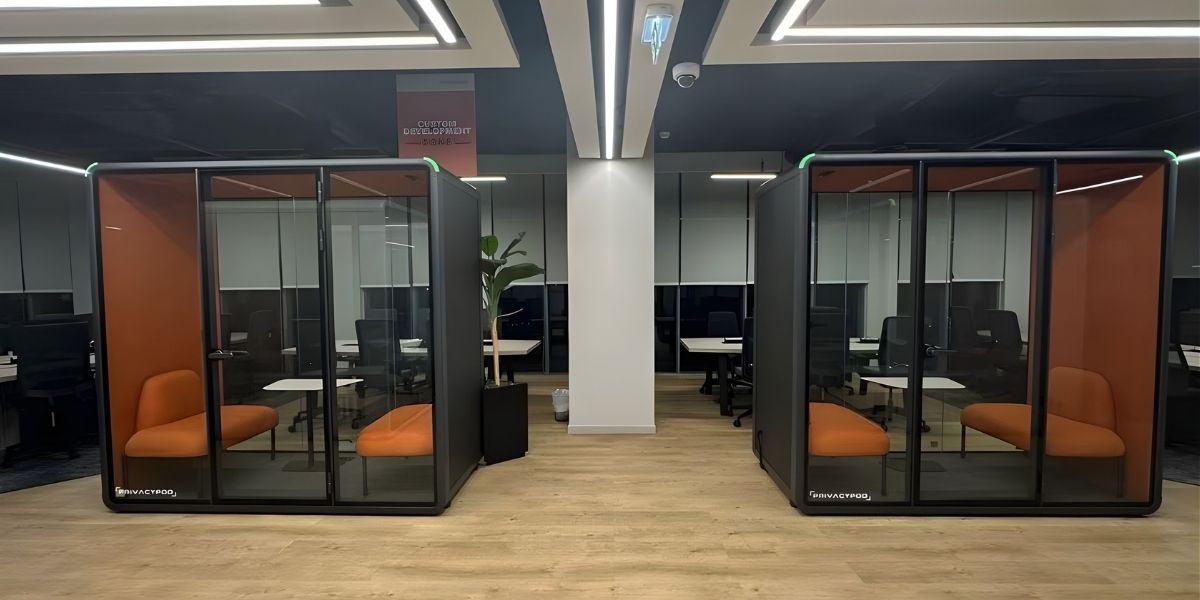
While open-plan offices aimed to boost teamwork, they frequently create a noisy atmosphere that hinders focus. Research indicates that over 70% of staff members find it difficult to stay productive when surrounded by constant office chatter. The acoustic office booth solves this problem by providing a portable and soundproof space that requires no construction or permanent renovations.

Urban workspaces demand privacy solutions that directly enhance office productivity. Modular solutions like PrivacyPod’s office pods provide flexibility, allowing businesses to retrofit their existing layouts with studio-grade silence. This approach avoids the need for permanent construction while immediately solving the noise problem.

Why It Works For NYC

  • No building approvals: Most pods are classified as furniture.
  • Same-day install: Unpack, wheel into place, and plug in.
  • Mobility: When your lease ends, roll the pod onto the freight elevator.

A quality pod should meet ISO 23351-1 Class B standards for speech privacy (25-30 dB reduction). 

2. Convertible Furniture Systems

The high cost of New York City floor space makes static furniture a liability for growing companies. Modular systems allow a single room to serve multiple functions throughout the workday. These pieces transition from individual desks to large conference tables or social hubs within minutes.

  • Foldable Workstations: Wall-mounted desks that tuck away to clear walking paths.
  • Nesting Tables: Mobile surfaces that stack together when extra floor space is needed for events.
  • Modular Seating: Individual blocks that reconfigure into a continuous sofa or separate breakout chairs.

Smart furniture eliminates the need for dedicated rooms that sit empty for most of the week. Investing in adaptable pieces ensures that your physical office footprint remains agile and cost-effective. This approach allows a small startup or a busy agency to scale its operations without moving to a larger building.

3. Build Sustainability into Every Square Foot

Clients, talent, and investors increasingly scrutinize environmental impact. Incorporating sustainable materials is no longer a “nice to have” feature; it is a recruiting edge. Companies that prioritize green design demonstrate a commitment to both the planet and their people.

Low-Embodied-Carbon Panels & Finishes

Look for FSC-certified or E1-grade wood, recycled aluminum, and low-VOC coatings. Manufacturers are increasingly highlighting E1-certified timber and recycled carbon composite frames. These choices deliver measurable benefits for sustainability goals.

Biophilic Touches & Energy Efficiency

Integrating greenery and high-quality LED lighting reduces energy costs while significantly enhancing workplace morale. Data from Human Spaces indicates that biophilic elements can drive a 6% increase in efficiency and a 15% spike in creative output. 

A prominent Wall Street financial firm recently reported higher employee engagement after installing reclaimed oak finishes throughout its headquarters.

Health dividend

Green materials slash off-gassed VOCs, which directly impacts employee health. The EPA associates lower VOC exposure with fewer sick-day absences. This means sustainability can literally pay for itself through improved attendance.

Winter commuting tie-in: Encourage staff who bike or ride a Vespa year-round by keeping a small stash of heated gloves in your reception desk. Warm hands translate to safer rides and happier arrivals.

Action-Oriented Wrap-Up

Here’s a four-step checklist to move from idea to action:

  1. Measure acoustic needs (seek ISO 23351 certification in any pod you shortlist).
  2. Verify ventilation (>20 CFM/person) to avoid stuffiness.
  3. Compare plug-and-play ROI with traditional construction, including factors such as lost productivity during build-outs.
  4. Confirm sustainability labels: E1, FSC, and low-VOC documentation.

Ready to reclaim focus and make every square foot count? Explore flexible privacy solutions and see how quickly your NYC team can thrive.

Author Profile: PrivacyPod is the leading manufacturer of soundproof office pods and meeting booths for businesses seeking flexible, sustainable workspace solutions.


3 Innovative Branding Strategies for Urban Businesses

Establishing a presence in a modern city requires more than just a quality product or service. The urban landscape is crowded with competing voices and visual noise that can easily drown out a new or growing brand. To succeed in this fast-paced environment, businesses must move beyond traditional advertising and focus on creating genuine connections with their target audience. 

This shift involves understanding the unique rhythm of city life and how consumers interact with their surroundings on a daily basis. Innovative branding today relies on a blend of digital precision and physical presence. 

Explore these three transformative approaches to redefine your brand and capture the attention of the modern urban consumer.

1. Leverage Local Culture to Create an Instant Connection

Local culture isn’t just a skyline graphic or a city nickname slapped on a sign. It’s the shared shorthand residents use daily, from iconic landmarks to neighborhood slang. When you embed authentic elements like these into your branding, you signal that you are part of the community fabric.

This approach moves beyond superficial pandering. It requires a deep understanding of the microculture that defines a specific few blocks. In fact, 64% of consumers say that having shared values is one of the top reasons they trust a brand. When a business successfully mirrors the identity of its neighborhood, it ceases to be a commercial entity and becomes a community fixture.

Action Steps

  • Conduct a micro-culture audit: List five local icons, three annual events, and two common phrases unique to your city. Look for the details that tourists miss, but locals cherish.
  • Explore collaborations: Partner with a neighborhood muralist or a local band for a limited art print or soundtrack. This borrows authority and authenticity from established cultural creators.
  • Translate culture into merchandise: Create items that serve a functional purpose for the specific city. A winter café might look into sourcing high-quality gear, such as Swagprint’s custom apparel, to create branded hoodies that locals actually need.

To measure the effectiveness of cultural integration, track foot traffic through store visits. Monitor local press mentions and backlinks from community blogs. Keep an eye on geo-tagged social shares to see if locals are claiming your brand as their own.

2. Engage Through Social Media

Urban dwellers are mobile-first and time-strapped. Visual platforms like Instagram Reels and TikTok let brands meet people where they already scroll. The city itself provides a dynamic, ever-changing backdrop that can make content feel urgent and relevant.

Action Steps

  • Launch a location-specific hashtag challenge: Create a campaign that encourages followers to snap a photo of themselves in a recognizable local spot. This turns customers into content creators.
  • Incentivize user-generated content (UGC): Offer small perks like on-brand swag or VIP event invites. A green mobility startup teamed up with a local dealer to give away a branded moped scooter rental for top posts.
  • Recast everyday city backdrops: Shoot quick product demo videos on rooftops or pedestrian bridges. Tag the location for organic discovery to anchor your digital presence in the physical world.

Data indicates that user-generated content increases engagement 28% compared to standard brand posts. In crowded urban markets, peer recommendations cut through the advertising noise. They simply feel more authentic and trustworthy.

Success here is measured by engagement rate, follower growth, and reach. Crucial metrics also include promo code redemptions or in-store check-ins. These can be directly linked to specific social campaigns.

3. Ensure Brand Consistency with Custom Merchandise

In urban settings, people encounter dozens of touchpoints daily, from uniforms to window decals. When every one of those assets matches, your brand moves from background noise to a citywide mnemonic. Inconsistency breeds confusion, while repetition builds authority.

Establishing a clear aesthetic standard helps create a strong bond with your target market. Statistics show that 66% of people base their buying decisions on whether they feel they can trust a brand. When your branding remains uniform, it conveys a high level of competence and stability to the public.

Action Steps

  • Standardize your brand kit: Lock in a HEX color set, two typefaces, and logo spacing rules. Apply them strictly across uniforms, signage, packaging, and digital assets.
  • Create limited-run apparel tied to local events: A food-truck collective in Austin dropped a limited-edition hoodie series for SXSW week. They sold out in 48 hours and generated substantial incremental revenue.
  • Choose the right printing partner: Select a vendor that can handle tight timelines and low minimums. Ensure they use eco-friendly inks to match fast-moving city calendars and sustainable consumer expectations.

For many SMBs, logistics often block consistent rollouts. This is where partnering with professional solutions for branded merchandise becomes essential. Utilizing expert printing services helps businesses overcome production hurdles like sourcing and quality control.

Monitor repeat impressions to gauge how often the average local sees your logo. Track incremental revenue specifically from merchandise sales. Measure staff ownership and morale scores, as uniform pride often translates directly to better service reviews.

The Path Forward

City markets reward brands that feel genuinely local, socially engaging, and visually consistent. You must weave authentic culture into your products and turn the streets into your content studio. Unifying every physical touchpoint gives hurried urbanites clear mental shortcuts to pick you over the crowd.

Start by scoring yourself against the self-audit, then tackle the lowest-hanging “no” responses first. As you roll out new merchandise or limited drops, remember that production quality matters just as much as design. Maintaining high standards keeps your brand top-of-mind in any city you call home.

Author Profile: Swagprint.com is the leading online supplier of custom promotional products for businesses and organizations nationwide.


How Dataswans Is Redefining Data-Driven Marketing for Modern Business Growth

In today’s digital economy, marketing decisions based purely on intuition are increasingly seen as less effective on their own. The pace of technological change and the growing complexity of consumer behavior have made data one of the most valuable assets in modern business strategy. Companies that often outperform competitors tend to rely on structured data, predictive insights, and continuous experimentation to guide their decisions. At the center of this transformation is Dataswans, a company helping organizations convert raw data into actionable insights that may support measurable and scalable growth.

Digital marketing has evolved far beyond traditional campaign launches and guesswork-driven strategies. Today, successful marketing often requires an interconnected ecosystem where multiple disciplines work together in a coordinated way. Performance pay-per-click campaigns, search engine optimization, predictive analytics, automated email marketing, web development, and data visualization typically function more effectively when they operate as parts of a unified strategy. When these elements operate in harmony, businesses may gain a clearer understanding of their audience, their performance, and the opportunities that can contribute to sustainable expansion.

Replacing Guesswork with Measurable Insights

Many organizations still approach marketing through fragmented systems. They monitor individual metrics, but they often fail to connect those data points into a broader strategic picture. Dataswans takes a different approach by building integrated marketing ecosystems where every channel contributes to what functions as a single source of truth.

When insights from paid advertising influence SEO optimization, when email marketing reacts dynamically to customer behavior, and when real-time dashboards provide transparent attribution across campaigns, companies may experience a stronger sense of control. Instead of relying on assumptions, decision-makers can rely on more clearly defined performance indicators backed by data.

This level of visibility allows businesses to more easily identify their most valuable audience segments, understand which creative strategies appear to generate engagement, and determine where friction exists in the conversion funnel. With these insights, marketing teams can refine their strategies continuously, allowing resources to be directed toward areas that appear to deliver stronger results.

Predictive Analytics as a Strategic Advantage

One of the key differentiators in the Dataswans approach is the use of AI-driven dashboards and predictive modeling systems. Traditional analytics tools typically analyze past performance, providing a historical snapshot of what has already happened. While useful, this approach may limit an organization’s ability to plan for the future.

Dataswans moves beyond retrospective analysis by integrating predictive frameworks that help businesses better anticipate possible outcomes. Through attribution modeling and automated reporting pipelines, organizations gain real-time insights into campaign performance while also identifying trends that may signal emerging opportunities.

Predictive analytics enables businesses to allocate marketing budgets more strategically, optimize return on ad spend, and make long-term strategic decisions based on data patterns rather than speculation. By forecasting performance across multiple channels, companies can potentially reduce uncertainty and operate with greater strategic clarity.

Continuous Optimization for Sustainable Growth

True growth often does not come from a single campaign or isolated marketing initiative. Instead, it emerges from a disciplined process of experimentation, learning, and optimization.

Dataswans approaches marketing as an evolving system rather than a static strategy. Campaigns are continuously refined through structured A/B testing, automated workflows, and funnel optimization techniques. Every variable, including ad creative, targeting parameters, landing page design, and messaging, can be treated as an opportunity for improvement.

This iterative model aims to support gradual improvements in marketing performance over time. Small adjustments, when tested and implemented consistently, may accumulate into meaningful gains. By minimizing inefficient ad spending and focusing resources on strategies that demonstrate stronger performance, companies can scale their marketing efforts while maintaining cost efficiency.

Bridging the Gap Between Business and Data Literacy

Beyond its role as a performance marketing partner, Dataswans also contributes to education and professional development through Dataswans Academy, a certified educational institution dedicated to advancing data literacy.

The Academy provides students, universities, and corporate teams with hands-on experience in areas such as artificial intelligence analytics tools, machine learning applications in marketing, search engine optimization, and ethical data usage. Through interactive workshops, industry-focused training sessions, and innovation-driven hackathons, participants learn how to analyze real datasets and extract potentially meaningful insights.

These educational initiatives are designed to cultivate critical thinking skills and prepare individuals for careers in an increasingly data-driven world. Participants learn to differentiate correlation from causation, interpret complex analytics dashboards, and communicate insights that can support strategic business decisions.

A Platform for Transparent and Scalable Growth

Dataswans represents more than a marketing agency. It operates as what the company describes as a strategic growth platform that merges consulting expertise with technical execution. By integrating analytics, automation, and marketing strategy into one cohesive framework, the company aims to help organizations scale intelligently while maintaining transparency and accountability.

In an era defined by rapid digital disruption, clarity can function as a competitive advantage. Businesses that measure performance accurately, test strategies continuously, and forecast outcomes strategically are often better positioned to lead their industries.

Dataswans demonstrates that when data becomes the foundation of a marketing strategy, growth may become more measurable and easier to track over time. By helping businesses replace guesswork with measurable insights and future-focused analytics, the company is working to contribute to the evolving landscape of digital marketing.

LinkedIn: https://www.linkedin.com/in/andrej-krch%C5%88av%C3%BD/ | linkedin.com/in/adam-krchňavý-b73125225

Instagram: @dataswans

Effective Strategies for Elevating Urban Women’s Health

The pace of modern city life often demands a level of energy and resilience that can easily lead to burnout. For professional women navigating the competitive landscapes of business and entrepreneurship, health is frequently treated as a secondary priority rather than a foundational asset. 

Recognizing the unique environmental stressors and time constraints of urban living is the first step toward reclaiming your physical and mental well-being. True wellness in a metropolitan setting requires a shift from reactive habits to intentional systems. 

Read on to discover how these practical shifts can transform your daily routine and support your personal and professional growth.

Micro-Movement Bursts for Physical Wellness

Long hours at a desk or in back-to-back meetings often lead to physical stagnation and reduced mental clarity. High-performing professional women can counteract these effects by integrating short bursts of activity throughout the workday. 

These micro-movements stimulate blood flow and reset the nervous system without requiring a gym clothes change or a massive time commitment.

Strategic Integration

To make these bursts effective, they must be consistent and intentional. Consider these seamless ways to stay active between professional tasks.

  • Take every phone call while standing or walking around the office.
  • Perform calf raises or glute contractions during brief elevator rides.
  • Use a doorway stretch to open the chest after hours of typing.
  • Opt for the stairs to elevate the heart rate between floor transitions.

Comprehensive Internal Support

Physical wellness in a demanding city environment involves more than just external mobility. Chronic stress and the physiological changes that come with a fast-paced career can impact the body in subtle and often overlooked ways. When we neglect systemic health, it often manifests as localized discomfort that can distract from our professional focus.

Maintaining overall vitality means addressing these changes proactively rather than waiting for them to become obstacles. 

For many women, this includes managing the natural hormonal shifts or dryness that often accompany high-stress periods. Incorporating reliable solutions like NeuEve’s natural treatment for vaginal dryness into a broader wellness regimen ensures that internal health matches your external energy. Prioritizing this level of self-care allows you to remain comfortable and confident while navigating a high-performance lifestyle.

Sustainable Transport That Doubles as Exercise

Active commuting is one of the simplest natural health strategies to build cardio fitness. You can achieve a 10% reduction in mortality risk by simply walking for 30 minutes or cycling for 20 minutes for most of the week.

City-Smart Nutrition: Immune-Boosting Foods

High-stress urban environments and dense social circles increase your exposure to environmental toxins and pathogens. For the busy professional, maintaining a robust immune system is not about restrictive dieting but rather about strategic nutrient density. 

Transitioning from processed convenience to functional whole foods provides the biochemical fuel necessary for sustained high performance.

Essential Micronutrients

Targeted nutrition focuses on reinforcing the body’s natural barriers and response mechanisms. Prioritize these specific groups to stay resilient against city-borne stressors.

  • Vitamin C and Antioxidants: Citrus fruits, bell peppers, and leafy greens stimulate white blood cell production.
  • Zinc and Selenium: Found in shellfish, lean meats, and Brazil nuts, these minerals are critical for wound healing and immune signaling.
  • Probiotic Cultures: Fermented foods like Greek yogurt and kimchi support the gut microbiome, which houses much of the immune system.
  • Fatty Acids: Salmon and walnuts provide Omega-3s that manage the systemic inflammation often triggered by chronic stress.

Efficient Fueling Strategies

Professional schedules rarely allow for elaborate meal preparation. Efficiency is key to ensuring consistent intake of these protective nutrients throughout a demanding week.

Integrating frozen berries into a morning smoothie or adding pre-washed spinach to a quick lunch wrap ensures a steady supply of vitamins without added prep time. Keeping a rotation of nuts and seeds at your desk prevents the energy crashes associated with high-sugar snacks. 

These small, deliberate choices build a biological foundation that supports your ambition and protects your long-term health.

Noise-Cancelling Mindfulness Breaks

Constant auditory stimulation from traffic, construction, and office chatter keeps the urban nervous system in a perpetual state of high alert. This chronic sensory overload spikes cortisol levels and fragments professional focus. Integrating intentional periods of silence or controlled sound allows the brain to recover from the cognitive drain of city life.

Sensory Reset Techniques

Reclaiming your mental space requires deliberate boundaries against environmental noise. These methods help transition the mind from a reactive state to one of calm productivity.

  • Use active noise-canceling headphones to create a portable sanctuary during commutes.
  • Practice “box breathing” for three minutes in a quiet stairwell or private office.
  • Listen to pink noise or natural soundscapes to mask disruptive frequencies.
  • Schedule “digital silence” blocks where all notifications and pings are disabled.

Cognitive Recovery

Mindfulness in a fast-paced setting is a functional tool for maintaining a competitive edge. Short, silent intervals allow the prefrontal cortex to process information and reset emotional triggers.

By stepping away from the metropolitan roar, even for ten minutes, you reduce the risk of decision fatigue and burnout. These brief mental retreats do not hinder your output; they ensure that when you re-engage with your professional environment, you do so with sharpened clarity and renewed patience.

The Path Forward

Urban life doesn’t have to erode health; it can energize it. Implementing even one tiny shift, like choosing a greener walking path or adding a pop of antioxidant color to lunch, initiates a domino effect of well-being. Small daily habits compound into significant health gains.

Start with the tip that feels easiest, such as rerouting your commute. Consider supporting your body’s natural balance with doctor-formulated solutions when needed. Your city, your pace, your vitality.

Author Profile: NeuEve is the leading manufacturer of all-natural vaginal care products for women experiencing menopause and intimate health challenges.

Disclaimer: This article is for informational purposes only and is not a substitute for professional medical advice. Consult your healthcare provider before using any vaginal care products or making changes to your health regimen.

VPOB for GST Registration: The Complete Guide for eCommerce Sellers

Following the Goods and Services Tax (GST) guidelines is one of the most crucial things you can do when you start an e-commerce business in India. A Virtual Place of Business (VPOB) is a fantastic option if you wish to register for GST, especially if you operate firms in more than one state. This post will show you how VPOB for gst registration sign up for GST, especially in Maharashtra, where a lot of people do.

What Does VPOB Indicate When You Want to Register for GST?

A Virtual Place of Business (VPOB) is an address for a business that is not in the same state as the firm itself. You can still use it as a business location to register for GST, though. For tax reasons, this is your official company address. You can also use it for GST-related tasks such as billing and invoicing. If an internet retailer wants to do business in more than one state but doesn’t want to pay for and deal with the trouble of having offices in each state, a VPOB is quite helpful.

Businesses in India that make more than a particular amount of money have to sign up for GST. A VPOB can be quite helpful here. It’s a wonderful alternative for businesses that wish to obey GST standards and thrive in India.

Why Should People Who Sell Products Online Utilize VPOB to Register for GST?

A VPOB can help online stores follow the Goods and Services Tax Act and make it easier for them to sign up for GST. Here are some good reasons to pick a VPOB:

  1. Cost-Effectiveness: For small or expanding firms, it can be expensive to establish up an office in every state. A VPOB saves money on operations by making it unnecessary to hire pricey office space.

  2. Multi-State GST Registration: A VPOB helps firms register for GST in multiple states without having to visit each state in person. This is incredibly helpful for people who sell things online on sites like Amazon, Flipkart, and others because they have to register for GST in every state where they sell.

  3. Easier Tax Compliance: VPOB helps businesses keep track of deadlines, returns, and audits by consolidating all GST-related documents and alerts in one place.

  4. Firm Growth: It can be hard to grow your firm into more than one state without a VPOB. This technology helps firms all throughout the country follow the rules. This means they might gain new clients without having to spend on moving their firm to a new location.

  5. Getting Aid From a Lawyer: Many VPOB providers also offer supplementary services such as legal counsel, tax assistance, and GST advice. This is especially helpful for firms that are new to paying GST and require help with their taxes.

VPOB for GST Registration in Maharashtra: A Growing Chance for Online Sellers

Maharashtra is one of the best regions in India for business; therefore, it’s a perfect place for e-commerce sellers to set up shop. The state has a lot of factories, distributors, and clients, which makes it an ideal spot for internet enterprises to do business.

A VPOB can assist firms in entering the GST market in Maharashtra, where they can earn a lot of money without paying much. VPOB for gst registration in maharashatra register for GST in this way:

  1. No requirement for physical infrastructure: Renting a place in Mumbai and Pune, two of Maharashtra’s main cities, costs a lot of money. Small firms or fledgling businesses may not be able to set up a real office. If sellers choose a VPOB, they can receive a legal address for GST registration even if they aren’t in the state.

  2. Following the GST guidelines in Maharashtra, the state has strict rules for GST compliance. A VPOB can help sellers make sure they obey all of the state’s GST laws and stay out of trouble with the law.

  3. Less Paperwork: When you hire a normal office space, you have to fill out a lot of documents, like proof of address and lease agreements. A VPOB makes a lot of the paperwork easy, which lets businesses focus on building their eCommerce instead of getting buried in red tape.

  4. GST Registration for Multiple States: If you just sell in Maharashtra, a VPOB can help you register for GST in all the states where you do business. This is especially helpful for vendors who wish to build their business without having to deal with more than one location.

How to Get a VPOB to Register for GST

Signing up for GST with a VPOB isn’t that complicated. Here are the steps:

  1. Choose a VPOB supplier: Do some research to identify a VPOB supplier in Maharashtra that you can trust. Check if the government has given them the green light and that they can help you with your legal needs.

  2. Submit the Necessary Papers: You will need to submit some papers, like proof that your business is registered, proof of your identity, and the address of your virtual office that your VPOB service provider gave you.

  3. GST Application: After you have all of your papers in order, the next step is to fill out an online form to sign up for GST. You will utilize the VPOB address as your company address as part of this process.

  4. Getting GST Approval: After you submit your application, the GST officials will review it. Once your application is approved, you will get your GSTIN (GST Identification Number). This will help you sell products lawfully in Maharashtra and other states.

  5. Ongoing Compliance: After you register, you must keep up with your tax duties, such as filing your GST returns. This stage is straightforward because many VPOB suppliers assist you stay in line.

The End

If you run an online store and want to grow your business in India, especially in Maharashtra, which is one of the major markets in the country, a VPOB is a perfect option to register for GST. By choosing a VPOB, businesses can save money, make it easy to obey the requirements, and focus on building their internet presence.

A VPOB can help you run your eCommerce business in the best way possible while still following the requirements for GST, which are continually changing. This is true whether you’re just starting your business or striving to make it bigger.

If you’re ready to use a VPOB to register your firm for GST in Maharashtra or any other state, please contact TheGSTCo for help. With our VPOB services, you can be sure that everything will go well, from signing up to obeying the requirements.

Disclaimer: This article is for informational purposes only and should not be considered legal, tax, or financial advice. Readers should consult a qualified professional regarding GST registration or tax compliance.