Truth, Memory, and Control: The Real History Behind the Life of Rawley By James Franklin Garrett — A Historian’s Journey into Fictional Truth

By: Simone J. Farkas

In 1953, a quiet New York apartment building became the backdrop for one of the most unsettling episodes in American history. Frank Olson, an Army scientist working with the CIA, plunged from a hotel window under circumstances that were never fully explained. His death, later connected to the classified MKUltra program, exposed a shadow world of psychological manipulation and chemical experimentation carried out far from public view.

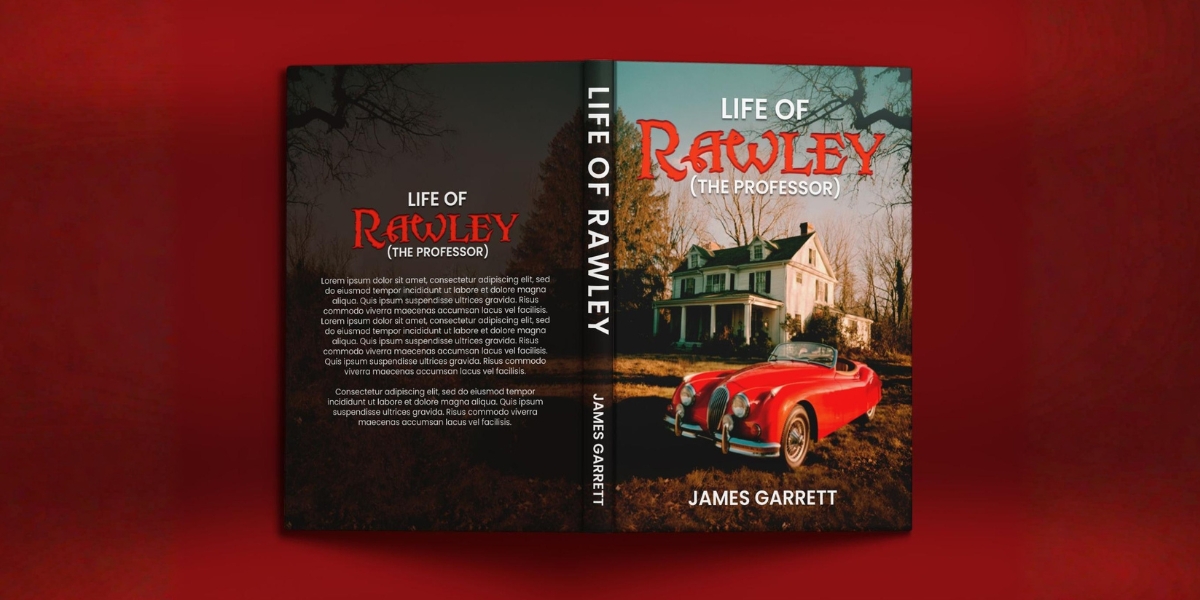
For most Americans, the episode remains a dark historical footnote. For James Franklin Garrett, it became the emotional core of his debut novel, The Life of Rawley.

Garrett’s book is not a typical Cold War thriller. Instead, it is an excavation of moral truth an exploration that blends documented history with the emotional consequences of secrecy. The Life of Rawley follows Rawley and Missy Martin, an ordinary couple whose lives are quietly overtaken by a government experiment that alters memory and identity. What begins as a mystery of control deepens into a meditation on love, loss, and the fragility of human autonomy.

“I wanted to write about what happens when history stops being something that happens to a nation and starts being something that happens to you,” Garrett says.

The premise may sound speculative, but its roots are real. Between 1953 and 1973, the CIA conducted covert operations designed to test how memory, behavior, and emotional response could be manipulated often without subjects’ consent. At the center of the program was Fort Detrick, the Maryland installation not far from where Garrett grew up.

That proximity is no coincidence. Garrett’s father, a decorated Army officer and intelligence operative, served during the very years MKUltra was active.

“I grew up surrounded by classified history,” he recalls. “As a kid, I didn’t understand the moral weight of it. As an adult, I couldn’t stop asking where the line was when duty turns into control.”

It is that question that animates The Life of Rawley. The novel operates on two intertwined levels: a slow-burning thriller about institutional power and an intimate love story about identity under siege. When Rawley and Missy begin to uncover the truth behind their fragmented memories, they are not merely fighting for survival they are fighting for the integrity of their own hearts.

Garrett’s prose reflects the discipline of a historian and the empathy of a novelist. After three decades in finance, he turned to his lifelong passion for American history. Today, he works as a historian and guide in Washington, D.C., training others to interpret military history and lead tours of Arlington National Cemetery. His second career thrives on context and storytelling; his fiction draws from the same well.

“I’ve spent years telling people about what we know,” he says. “Fiction lets me explore what we’ve forgotten.”

Critics may be tempted to categorize The Life of Rawley as a psychological thriller, but such labels undersell its ambition. The book avoids genre clichés and high-tech espionage. Its tension emerges from something far quieter: the existential uncertainty of wondering whether your memories are genuinely your own.

Garrett’s storytelling evokes the speculative precision of Blake Crouch (Dark Matter) and the moral unease of Dave Eggers (The Every). Yet the tone is undeniably his measured, realistic, and rooted in the belief that history’s most unsettling truths are often found outside the official record.

At its center, The Life of Rawley is a story about control and the defiance that comes from refusing to surrender it. Garrett uses history not merely as a backdrop, but as a mirror. Every experiment, every erased memory, every quiet government denial reflects a deeper truth about power: once a system learns to rewrite memory, it learns to rewrite morality as well.

“History,” Garrett says, “isn’t about what happened. It’s about what we choose to remember and who gets to decide.”

Soft-Tissue Injuries: Why These Claims Can Be Difficult to Win

Soft-tissue injuries are among the most common results of car crashes, slip-and-falls, workplace accidents, and everyday mishaps. They involve damage to muscles, ligaments, tendons, and connective tissue — injuries that can cause serious pain and potentially lingering limitations. Yet despite how painful and disruptive soft-tissue injuries can be, they are often dismissed, underestimated, or disputed by insurance companies.

Because these injuries don’t always appear on X-rays or MRIs, victims may struggle to demonstrate the full extent of their pain. Many people may turn to an award-winning personal injury lawyer in Fullerton when insurance adjusters suggest their injuries are “minor,” temporary, or unrelated to the accident. However, the reality is that soft-tissue injuries are medically recognized and can be significantly impactful, though the path to fair compensation might not always be straightforward.

What Makes Soft-Tissue Injuries Difficult to Prove?

Soft-tissue injuries can be challenging to prove because, unlike broken bones or visible wounds, they often don’t show up clearly on standard diagnostic tests. Since this internal damage is largely invisible, insurers might argue the injury wasn’t caused by the accident, that the victim is exaggerating their symptoms, or that the pain stems from age-related changes or pre-existing conditions.

These arguments may allow insurance companies to downplay the seriousness of the injury, especially when treatment appears minimal. That said, what they often overlook is the real impact these injuries can have on everyday activities — from limiting mobility to causing persistent pain — even when the physical signs aren’t immediately apparent.

Common Types of Soft-Tissue Injuries

Soft-tissue injuries can vary widely, but many fall into the following groups:

  • Whiplash: Sudden force that overextends the neck, commonly seen in rear-end collisions.

  • Strains and Sprains: Damage to muscles or ligaments from twisting or impact.

  • Tendonitis: Inflammation or micro-tears in tendons caused by repeated stress after an accident.

  • Contusions: Deep bruising that limits mobility and causes significant pain.

  • Myofascial Pain: Chronic muscular pain that can develop after trauma.

Many of these injuries could worsen over time if not properly diagnosed and treated, making early medical care especially important.

Delayed Symptoms Add Another Layer of Difficulty

Soft tissue injuries may not show symptoms right away. Factors such as adrenaline, shock, and the body’s natural reaction to trauma can sometimes mask pain for hours or even days. As a result, victims may initially believe they are fine, only to wake up the next morning feeling stiff, sore, and unable to move comfortably.

Insurance companies may interpret any delay in seeking treatment as evidence that the injury “wasn’t serious” or “must have occurred later,” despite the fact that experiencing delayed symptoms can be entirely normal and is medically expected.

Why Medical Records Are Critical

Doctors’ evaluations serve as the primary proof of soft-tissue injuries. Since these injuries don’t always show up clearly in imaging, detailed clinical documentation becomes essential. Strong medical records should include:

  • Pain levels over time

  • Physical limitations

  • Swelling, bruising, and tenderness

  • Range-of-motion restrictions

  • Treatment notes from physical therapy

  • Referrals to specialists

The more thorough the medical documentation, the more difficult it becomes for insurers to downplay the injury.

Insurance Companies Frequently Challenge These Claims

Soft-tissue claims can be costly for insurers — and because these injuries can’t always be seen on scans, they are easier for adjusters to question. Common tactics include:

  • Requesting prior medical history to blame old injuries

  • Claiming low-speed crashes might not cause real harm

  • Demanding excessive proof of treatment

  • Using independent medical examinations (IMEs) to reduce credibility

Victims are often caught off guard by these strategies, not realizing that insurance companies are generally trained to minimize payouts at every turn.

The Role of Consistent Treatment

One of the most important factors in winning a soft-tissue injury claim is consistent medical treatment. Gaps in treatment — even if caused by work, childcare responsibilities, or fluctuations in pain — can sometimes be used against the victim.

Regular appointments with healthcare providers demonstrate:

  • The injury is ongoing

  • The pain remains significant

  • The victim is actively trying to recover

Physical therapy, chiropractic care, pain management, or orthopedic evaluations all contribute to strengthening the case.

Soft-Tissue Injuries Can Last Much Longer Than People Expect

Because many soft-tissue injuries take months — or even years — to fully heal, victims often face extended disruption in their daily lives. Long-term consequences may include:

  • Chronic pain

  • Reduced mobility

  • Difficulty working or performing physical tasks

  • Sleep disturbances

  • Ongoing need for therapy or medication

Some injuries, especially those involving the neck or lower back, may not fully resolve in some cases.

Evidence That May Help Strengthen Soft-Tissue Claims

Because these injuries are harder to prove, the supporting evidence must be strong. Helpful documentation may include:

  • Photos of bruising or visible swelling

  • Journal entries documenting pain levels

  • Work records showing missed shifts or reduced duties

  • Statements from family or coworkers about physical limitations

  • Medical expert opinions regarding long-term prognosis

The goal is to create a complete, compelling picture of how the injury impacts everyday life.

Comparing Soft-Tissue Claims to Visible Injury Claims

Unlike fractures or head injuries, soft-tissue cases require significantly more explanation. Juries and insurance adjusters might instantly understand a broken leg — but they often underestimate injuries like whiplash or muscular damage.

This makes communication, expert testimony, and detailed medical records even more essential. A well-documented soft-tissue case can be just as strong as a visible injury claim — but it requires more strategic work.

Why Legal Representation Matters in Soft-Tissue Claims

Soft-tissue injury claims often get denied, delayed, or undervalued when victims try to handle them on their own. These injuries can be hard to prove, so insurers might challenge claims without clear documentation or legal advice.

An experienced attorney can gather medical records, work with doctors, counter unfair insurance tactics, and negotiate for fair compensation. With proper support, victims are more likely to secure compensation for medical care, lost wages, and pain and suffering.

Soft-Tissue Injuries Deserve Serious Attention — and Fair Compensation

Just because an injury is not visible does not mean it isn’t painful, debilitating, or long-lasting. Soft tissue injuries can impact all areas of life, including work, sleep, and daily activities. Although proving these injuries can be challenging, such claims can often be successful with the right evidence, consistent treatment, and strong legal support.

Victims deserve to be taken seriously, regardless of how invisible their injuries may seem.


Disclaimer: The information provided in this article is for general informational purposes only and should not be construed as legal advice. Every individual case is unique, and the content shared here may not reflect the specific circumstances of your situation. For personalized legal guidance, please consult with a qualified attorney who can assess your individual case.

How to Find Your Voice After Years of Silence?

By: Elowen Gray

The Sound of Silence

Silence is often mistaken for peace. But for countless women, silence is survival — a learned response to years of suppression, neglect, and fear.

Author, speaker, and visionary Debbie Widhalm understands this truth intimately. After years of living quietly within her own pain, Widhalm emerged with a mission that has since touched lives across the globe: to help women find their voices again.

Her story — and her movement — are captured in her groundbreaking book, No More Silence, and in her global empowerment initiative, Women of Worth (WOW).

Together, they form the foundation of a message that transcends borders: every woman’s story holds power, and every silenced voice deserves to be heard.

Your voice is your freedom made audible,” says Widhalm — a mantra that underpins everything she builds.

From Survival to Significance

Debbie Widhalm’s transformation began as a deeply personal journey. What started as a private collection of journal entries evolved into No More Silence, a memoir that exposes the emotional reality of women who’ve been taught to stay quiet — and the profound liberation that comes with breaking that silence.

Through honesty and vulnerability, the book became more than an autobiography; it became a movement. Readers from around the world resonated with its message of healing through expression and strength through truth.

That momentum birthed WOW – Women of Worth, a growing organization dedicated to rebuilding women from the inside out. WOW’s mission is simple but revolutionary: to teach women that worth is not something to be earned — it’s something to be remembered.

Redefining Leadership for Women Everywhere

At the heart of Widhalm’s work is a redefinition of leadership. To her, leadership is not about control or hierarchy — it’s about courage.

“Leadership begins,” she often says, “when a woman stops apologizing for her truth.”

WOW focuses on developing women who lead with empathy, compassion, and authenticity. Through mentorship programs, workshops, and community initiatives, participants learn to turn their pain into purpose — and purpose into influence.

In Widhalm’s framework, empowerment is not about perfection. It’s about permission — giving women the permission to exist boldly, speak honestly, and lead bravely.

“Healing is powerful,” Widhalm explains. “But healing with purpose is world-changing.”

Why WOW Exists?

WOW is more than a group; it’s an assertion.

For the women whose fortitude has been misconstrued as quietness, for the ones whose voices have been told they don’t matter, we exist.

Wow teaches trauma-informed coaching, mentorship for women, and workshops for women:

  • Confidence prior to achievement
  • Presence precedes assurance
  • Recovery prior to taking over

When a woman rediscovers her value, she does more than just start again; she transforms her community as a whole.

“Healing is powerful,” Widhalm explains. “But healing with purpose is world-changing.”

Leadership Born From Pain

Having a microphone and high heels isn’t required of all leaders.

At times, it seems one survivor is holding another’s hand and saying, “You’re not alone.”

WOW leaders are real women who become role models after overcoming adversity; they are not perfect symbols. Empathy, not ego, drives their leadership. Adversity, as they embody, does not signify weakness, but rather the development of knowledge through vulnerability.

This empowerment movement for women exemplifies how healing and leadership are not mutually exclusive and how the force of one’s voice may unite them.

A Global Movement of Voice and Vision

This has gone global from its origins in Oklahoma.

The long-term goal of WOW is to form global chapters based on these three principles:

  • Worth — It is only fair that every woman understand her worth.
  • Opportunity — A place to thrive is something every woman should have.
  • Wisdom — One person’s tragedy may illuminate another’s pain.

Silence and bravery are universal languages that transcend borders.

The book No More Silence has become an international call to action for women to take the lead.

“When one woman’s truth is spoken, ten more muster the strength to whisper it.”

The Power of Purpose

Pain is directed by purpose. It turns pain into knowledge.

At WOW, healing is just the beginning; the ultimate aim is leadership.

Our program alums start charities, work as mentors to youth, and fight for social justice. Light shines from each healed lady, and that light spreads.

Through WOW and No More Silence, I have witnessed women finding voice, and they have stopped apologizing for being themselves and are taking control of their futures. They started moving from silence to significance empowerment that transforms their hearts and communities.

Reclaiming Your Voice

Take baby steps if you’ve been silent for too long:

  • Acknowledge it: You are now confined by the silence that previously shielded you.
  • Speak one truth: Embrace it, express it, and write it.
  • Find community: Safe companionship accelerates the healing process.
  • Turn pain into purpose: Give someone else what you couldn’t fix.
  • Lead anyway: Leadership begins the moment you decide to stand.

Every person’s tale has the power to liberate another; hence, every voice is essential.

“All it takes to be a leader is the guts to start.”

The New Era of Empowerment

Empowerment can’t just be a slogan; it has to be built into the system.

WOW is building that ecosystem: a global network of mentorship for women, trauma-informed coaching, and empowerment workshops for women to gain power.

In the following step, WOW will start global leadership centers that will link women from different countries via training, storytelling, and advocacy.

Healed women do more than just exist; they actively contribute to building nations.

“Empowerment begins when a woman stops asking, ‘Who will allow me?

No More Silence—The Message Behind The Movement

Debbie believed that she was closing a difficult chapter when she wrote No More Silence.

In fact, she was writing the beginning of a movement to give women all across the world more authority.

It’s not a book about being bitter; it’s about becoming.

It’s a reminder that your story is essential and can save lives once it’s told.

No More Silence and WOW are now evidence that change starts with honesty.

A Global Call for Courage

To all the women who still feel invisible: your quiet has run its course.

The world is ready, and your voice is ready.

You weren’t meant to whisper.

You were meant to be a leader.

No matter where you are or what voice you have, just start. When you eventually shout, “No More Silence,” the world will change.

About the Author

Debbie Widhalm is the author of No More Silence and founder of Women of Worth (WOW), a global empowerment movement helping women rebuild confidence, purpose, and leadership after trauma. She continues to champion women’s voices through speaking engagements, mentorship, and international outreach.

www.debbiewidhalm – powered by: Hemingway Publishers

Facebook: https://www.facebook.com/authordebbiewidhalm

Instagram: https://www.instagram.com/authordebbiewidhalm/

LinkedIn: https://www.linkedin.com/in/debbie-widhalm-b224881a2?trk=public_profile_browsemap  

A Life Interrupted, A Life Restored: The Transformation of David Reynard in Stronger than Before

By: Elowen Gray

When most people talk about life-changing moments, they mean new jobs, marriages, or unexpected opportunities. For David Reynard, the turning point came wrapped in hospital gowns, medical charts, and the kind of news that forces a person to reconsider everything they thought they knew about themselves. His memoir, Stronger than Before: Surviving Medical Tragedy and Discovering Life’s Second Act, captures that reckoning with a clarity that doesn’t soften the edges — but somehow still leaves the reader feeling hopeful.

Reynard’s book details the two-year stretch that brought him to the brink of death more times than any person should have to endure. But just as compelling is the story behind it: the decades of emotional hardship, the search for belonging, and the lessons that would ultimately shape the comeback he never expected to have.

A Journey That Started Long Before the Diagnosis

Reynard grew up in a small eastern Ohio town, the kind where everyone knows everything except the burdens you don’t say out loud. At twenty, he packed his things and headed for Cincinnati, believing that distance would bring clarity. Instead, he found himself caught in a long-term relationship that slowly chipped away at his confidence and independence. Mix in unhealthy coping habits and years of pretending things were fine, and it becomes clear how the stage was set long before any doctor delivered devastating medical news.

Still, nothing could have prepared him for what began happening after his father’s death in 2021. What initially felt like exhaustion morphed into pain, hospital visits, and a growing sense of dread. For two years, Reynard went through test after test — until the day doctors finally saw what had been missed all along: a large mass in his liver, cancer spreading silently, and a failing organ that left him with less than a month to live.

The Breaking, and the Breakthrough

The pages in Reynard’s memoir describing this time are brutally honest. There’s no sugarcoating the nights of agony, the moments he stopped breathing, the 17 near-death experiences, the sepsis that claimed his life twice, and the terrifying, rapid decline that left him unable to walk across a room without help.

But the book isn’t a chronicle of tragedy — it’s an unflinching portrait of resilience. When everything else fell apart, including the relationship he had invested nearly three decades into, Reynard found strength in places he’d never thought to look: therapy, sobriety, the compassion of medical staff, the prayers of strangers, and the encouragement of coworkers who believed in him even when he couldn’t.

By December 2024, after months of fighting to stay eligible for the transplant list, Reynard received the call that would give him a second chance at life. The surgery didn’t just save him — it reset him. What followed was not a return to who he was before, but an emergence into someone new.

A Story Bigger Than Survival

Reynard’s message extends far beyond his own story. He writes openly about addiction, toxicity, grief, self-worth, and the complicated road toward healing. As a proud LGBTQ advocate and now a transplant survivor, he has turned his experiences into a call for compassion, acceptance, and organ donation awareness.

His mottos — “Always Forward, Never Backward” and “Get Empowered!” — aren’t catchy slogans. They’re the lifelines that pulled him through the darkest stretch of his life and the wisdom he now passes on to audiences as a motivational speaker.

Stronger than Before is ultimately about rediscovery: of meaning, of connection, of the simple joy of being alive. Reynard reminds readers that tragedy doesn’t erase a future — it changes it. And sometimes, in the most unexpected ways, it shapes something better.

Author Biography

David Reynard is a motivational speaker, storyteller, and author based in Middletown, Ohio. Raised in eastern Ohio, he left home at twenty seeking freedom and authenticity. After surviving a two-year medical crisis involving stage 4 liver cancer, liver failure, sepsis, and multiple near-death experiences, he received a life-saving transplant in 2024. Reynard now uses his story to inspire others, advocating for organ donation, LGBTQ acceptance, resilience, and self-empowerment. His work centers on helping people find strength in struggle and purpose in healing.

Availability & Contact

Stronger than Before: Surviving Medical Tragedy and Discovering Life’s Second Act is now available on the official website, Amazon, and other online platforms in multiple formats; paperback, hardcover, e-Book. Follow the listed channels below to stay up to date with any exciting news and events regarding the author’s literary journey:

Official Facebook

Instagram

TikTok

Amazon

DETIKO Smart Bird Feeder Black Friday Deals: Up to 35% Off Now Live

The biggest shopping week of the year is finally here, and nature lovers have something special to celebrate: DETIKO Smart Bird Feeder Black Friday Deals are now live, bringing up to 35% off across the entire Smart Bird Feeder Series. These limited-time prices are available on Amazon through December 1, making this the perfect moment to invest in a premium smart feeder for your home, garden, or holiday gifting.

As interest in smart home wildlife tech continues to grow, DETIKO has become one of the standout names thanks to its thoughtful design, powerful AI features, and eco-friendly materials. This year’s Black Friday sale includes the ABS Edition and the Bamboo Edition, both equipped with the same advanced innovative technology but designed with different aesthetic and environmental preferences in mind.

Massive Price Drops for Black Friday

For a short time only, shoppers can enjoy the lowest prices of the year, including:

  • ABS Edition
    • Original Price: $149.99
    • Black Friday Price: $96.99
    • This is the lowest price of the year for this model.

  • Bamboo Edition
    • Original Price: $169.99
    • Black Friday Price: $118.99
    • Crafted from FSC-certified bamboo, it offers a natural, sustainable option for eco-conscious users.

These transparent, significant discounts make the DETIKO Smart Bird Feeder Series one of the ideal Black Friday smart home deals in the outdoor and bird-watching category.

Premium Features Across Both Editions

Both the ABS Edition and the Bamboo Edition include the same advanced smart technology that DETIKO has become known for. Whether you choose the sturdy ABS plastic model or the beautiful FSC-certified bamboo version, you’ll get access to identical smart features designed to elevate backyard bird watching:

2K HD Camera Quality

Each bird feeder comes with a 2K HD camera, ensuring crystal-clear footage and vibrant detail. Whether you’re watching live or reviewing saved clips, the quality stands out—especially when compared to competitors still using 1080p or lower resolution.

AI Bird Recognition for Up to 2,800 Species

DETIKO’s AI engine can recognize up to 2,800 bird species, helping users easily identify visitors without relying on manual research. This is perfect for bird watchers of all skill levels and tech-savvies from beginners to seasoned enthusiasts.

147° Ultra-Wide Lens

One of the most standout features is the 147° ultra-wide lens, which captures a significantly larger feeding area when compared to common bird feeder cameras that typically offer only 122°–130°. This means more action, more species visibility, and more complete footage of every visit.

Solar-Powered Operation

Both editions are fully solar-powered, making them energy-efficient and low-maintenance. You won’t have to worry about frequent charging, even with heavy daily use.

Real-Time Alerts via the InstaVision App

The InstaVision App provides instant notifications whenever birds visit your feeder. You can watch live feeds, save videos, capture photos, and access the AI identification system all from your phone.

Durable IP65 Weather Protection

Designed for year-round outdoor use, each feeder includes IP65 weather protection, ensuring resistance against rain, dust, heat, and cold.

The Ideal Gift: Technology Meets Tranquility

As more people seek ways to connect with nature from home, the DETIKO Smart Bird Feeder has become a leading pick for:

  • Tech enthusiasts looking for smart outdoor gadgets
  • Nature lovers who enjoy bird watching
  • Families wanting an interactive, educational backyard experience
  • Eco-conscious shoppers, especially with the FSC-certified Bamboo Edition

Whether you’re buying for yourself or someone you care about, this smart feeder blends innovation with peaceful outdoor enjoyment—making it an unforgettable holiday gift.

Act Before December 1

The DETIKO Smart Bird Feeder Black Friday Deals are among the premier offers of the season, with discounts up to 35%. With prices like $96.99 for the ABS Edition and $118.99 for the Bamboo Edition, this is the ideal time to upgrade your backyard or start a new hobby.

These deals end December 1, so shoppers looking for a blend of innovative features, durable materials, and incredible value should act quickly.

Dr. Olha Zlatova: I Believe in Balance — But Only When It’s Built, Not Bought

By: Dr. Olha Zlatova

The beauty business is faster than the human body. We scroll, and we inject, we lift, and we peel – we call it “self-care.” Somewhere between filters and fillers, we forgot our faces are living systems, not projects. We started treating beauty as we treat fashion: buy, wear, toss, repeat. Fast fashion became fast beauty. Procedures trend faster than our own tissue can regenerate. People are running toward whatever a celebrity promotes and don’t often inquire about the research, long-term effects, or the logic behind it. It’s the same consumer reflex – a hunger for rapid transformation. We want new faces as we want fresh clothes. But the body doesn’t work so. Healing has its own tempo. We tend to confuse force with care. When we cut our skin, we’re so desperate we try to cover it, to heal it, to care for it – to apply a cream, peel a scab, try to make nature move faster. 

But healing doesn’t take hold under stress; it happens in a rhythm. The more we interject, the more it takes. This reflection evolved from the ideas I’ve been brainstorming while I’ve been writing my upcoming book, The Brain Inside Your Mouth. The book explores how the jaw, breath, and posture of people define that hidden structure of youth – and how this slow pace of time gives our biology room to restore what time never truly takes away. The thoughts behind this book came to me a long time ago. Like so many people, when they find out I’m an orthodontist, friends and new friends shared stories – neck pain, jaw clicking, tension, little mysteries of the body that never really went away. It reminded me of my studies in Italy, listening to them. I had practice in Dr. Fabio Savastano’s clinic.

This doctor is one of the experts in neuromuscular dentistry. I still had his lectures on the laptop, so I started refreshing my memory on these things, and they totally possessed my mind. I confessed that impatience is an enemy of our muscles and our bite. We demand quick braces, quick aligners, and quick results. My patients frequently ask this: “Can we actually do it in six months?” At times, we can — alignment might happen quickly. But what about the temporomandibular joint? Has it had time to adapt? Have you learned to balance your muscles? The body is not a deadline. It’s a dialogue. Orthodontic treatment, be it training or recovery, is not about speed; it is about rhythm. It’s hard for muscles to learn, adapt, and rest. The body needs time to reframe itself into new tension and new equilibrium. Otherwise, we win the sprint and lose the marathon. Such a misunderstanding informs modern wellness, too. We glorify discipline, detox, and control – but discipline without understanding becomes punishment. Real progress is constructed, not imposed. The body does not listen; it talks back to respect. 

This is where my philosophy, Renewism, became – a fusion of science and the awareness of it. It’s not a matter of rejecting aesthetics; it’s about redefining them. 

Dr. Olha Zlatova: I Believe in Balance — But Only When It’s Built, Not Bought

Photo Courtesy: Victoria Kagalovska

Beauty is not about freezing time but dancing through it purposefully. At the Bogomolets University, we learned to see people, not parts – to link dentistry to posture, muscles, and psychology. It’s a science foundation that eventually became The Brain Inside Your Mouth – my exploration of how structure, awareness, and regeneration create the actual anatomy of beauty. Medicine evolved into entertainment via social media. It’s selling procedures eight times faster, as if healing were an animation. But medicine is not a reel; it’s a rhythm. Regeneration takes time. And that is the truth no filter can express. Perhaps the future of beauty isn’t about looking perfect – it’s about seeing how perfection falls apart. Beauty based on knowledge will endure longer than beauty built on hype. I take pride in balance – but only if it’s constructed, not purchased.

Dr. Olha Zlatova is a Ukrainian-trained orthodontist and the founder of Renewism in Miami. She conducts international consultations in neuromuscular dentistry and wellness. She is now finishing the book “The Brain Inside Your Mouth,” which describes how the architecture of the jaw and posture define the science of youth.

Follow Dr. Olha Zlatova on Instagram: @olhazlatova | @re_newism


Disclaimer: The information shared in this article is for general informational purposes only and should not be construed as medical advice. Consult a qualified healthcare provider for personalized guidance regarding any health concerns. The views expressed by Dr. Olha Zlatova are based on her professional experience and personal philosophy and are not intended to replace professional medical treatment or advice.

Redefining Success and Creativity in Academia: Patricia Leavy on Becoming The Artist Academic

By: Clara Whitmore

In a world where academic careers are often measured by strict metrics such as grants, publications, and citation counts, bestselling author and scholar Patricia Leavy offers a refreshing and transformative perspective. In her acclaimed book The Artist Academic, she explores the powerful intersection of scholarship and creativity, inviting academics and artists alike to rethink what success looks like and how to build a fulfilling professional life rooted in passion, curiosity, and imagination.

Rethinking What It Means to Succeed

One of the most compelling ideas Leavy shares is the need to expand how academics evaluate their achievements. While traditional accomplishments have value, she believes they should not define a person’s entire career. Instead, she encourages scholars and creatives to consider deeper and more human-centered markers of success, such as the integrity of their work, the emotional connections they create, and the positive impact their ideas may have on others.

For Leavy, success includes creating work that carries both substantive and aesthetic merit. She emphasizes usefulness and resonance, believing that if our writing touches our own hearts, it is more likely to connect with others. She points toward the quiet, powerful satisfaction of hearing a reader say, me too, as one of the most meaningful forms of impact any artist or scholar can hope for.

Embodying the Artist Academic Identity

At the center of Leavy’s philosophy is the concept of the artist-academic, a professional who integrates their scholarly and creative identities into one cohesive whole. Rather than compartmentalizing their academic work and artistic pursuits, she argues for cultivating a fluid identity that allows both sensibilities to inform each other.

Becoming an artist-academic requires both flexibility and bravery. Leavy emphasizes that bravery does not mean being fearless but moving forward even when uncertain or afraid. This mindset shift is essential for anyone who wants to explore the boundaries of their field or create work that challenges norms. For Leavy, creativity is not an extra layer in the academic world but a necessary force that drives innovation and meaningful scholarship.

When Scholarship Meets Art: A Story of Breakthrough

Leavy’s own career is a testament to the magic that happens when research and artistry blend. She recalls the creation of her novel Film Blue as a turning point. Although the book was rooted in a decade of interview research, studies on pop culture, and personal observation, it was only through writing the novel itself that she uncovered new insights about how the art we consume shapes our identities.

This process of discovery could not have happened through research alone. The act of storytelling opened a door to deeper understanding. Leavy found herself developing new metaphors and analogies, such as comparing our twenties to the blue period in art. These insights emerged naturally from the creative process and expanded her scholarly thinking in ways she had not anticipated. For her, this confirmed the extraordinary value of integrating artistic expression into academic life.

Encouraging the Next Generation to Be Bold

For students and early career scholars hesitant about embracing creativity for fear it might diminish their academic credibility, Leavy offers reassurance rooted in history. She reminds them that some of the greatest thinkers have also been artists, including Jean Paul Sartre, Simone de Beauvoir, Zora Neale Hurston, James Baldwin, and W. E. B. Du Bois. Their creative and academic work enriched each other and made their legacies even more influential.

Leavy highlights a modern trend as well. In recent years, graduate students across disciplines have boldly submitted creative works as their thesis projects, from graphic novels to hip hop albums. Many of these students have won awards, received national recognition, and secured top academic positions. Their success is clear evidence that creativity and credibility are not mutually exclusive.

Her advice is simple yet powerful. Allow yourself to grow. Take chances. Experiment. Play. Make mistakes. Most importantly, build a relationship with your work that does not depend on external validation. When you carve your own path, she insists, others will follow.

What Comes Next from Patricia Leavy

Leavy is far from finished exploring the themes she introduces in The Artist Academic. She is currently developing new work on what she calls literary knowing, which examines how fiction shapes understanding and the kinds of knowledge that emerge from narrative. She plans to use her own writing as a lens to further unpack these ideas.

In addition, she is considering a second volume of The Artist Academic, one that delves deeper into inspiration, creative practice, and building an international presence as a scholar or artist.

Beyond her nonfiction work, Leavy continues to captivate readers with her fiction. Her latest novel, Cinematic Destinies, is a story about love, creativity, and living with passion. She hopes the novel inspires readers to embrace joy and pursue lives filled with meaning. Her next novel, Twinkle of Doubt, releases in March 2026 and continues her Celestial Bodies Romances series. It follows a bestselling author and a federal agent, each healing from past wounds, as they find connection and hope. The first book in the series, Shooting Stars Above, is already available.

With more novels ready for future release, Leavy shows no signs of slowing down. Her dedication to storytelling and her passion for empowering scholars to embrace their creative identities underscore the essence of The Artist Academic: a celebration of growth, imagination, resilience, and the courage to create.

Get your copy of The Artist Academic on Amazon today.

Pursuing the American Dream: Lorelei Brush Delves into Family, Truth, and Ethical Nuances

By: Evan Callister

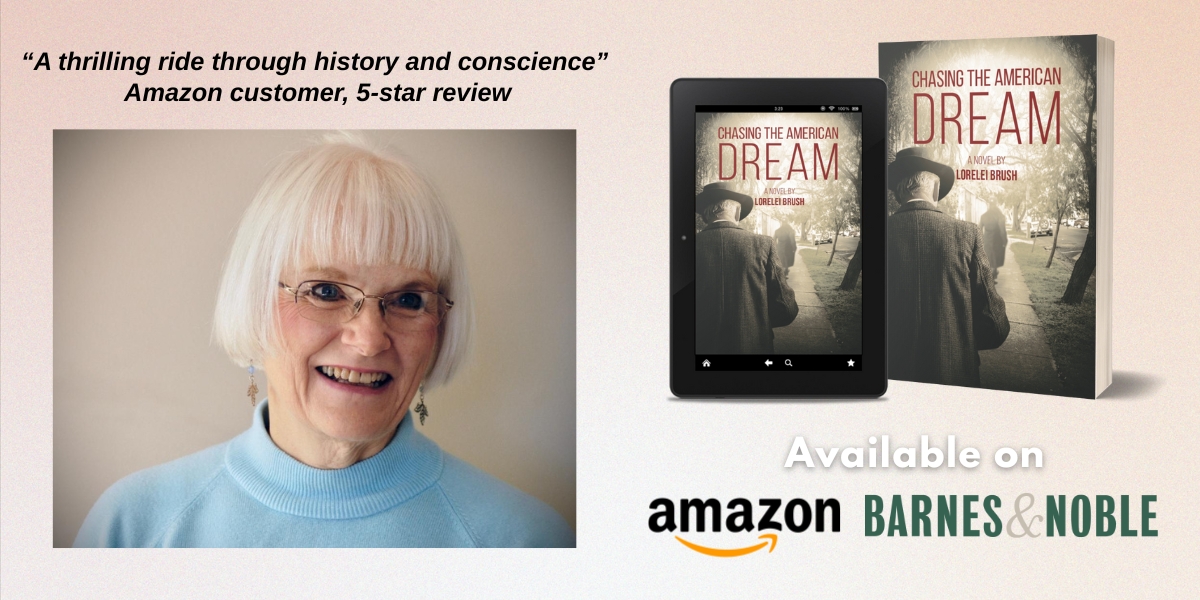
Lorelei Brush’s Chasing the American Dream: A Novel intertwines historical intrigue with deeply personal reflection. Set in 1955, the story follows David, a former OSS operative, on a quest to track a Nazi war criminal hiding in plain sight. But beyond the suspenseful plot, the novel is a profound exploration of family, identity, and the myths we tell ourselves—both about our loved ones and about the nation we inhabit.

Brush’s inspiration for the story stems from a complicated and emotionally charged relationship with her father. “My father was a very angry man and aimed his strong feelings toward everyone in his orbit,” she recalls. A man with unfulfilled ambitions and limited personal success, he had few friends and a volatile temperament. “The discovery that he was not the hero he had described elicited from me several curses at him and then laughter. He wasn’t this perfect god who must be obeyed, but a very human man whose goals were unfulfilled. I was freed to be the person I wanted to be and could forgive him, one adult human to another.”

The revelation that her father’s tales of wartime heroism were essentially inventions became a central emotional thread for Brush, shaping the novel’s exploration of myth, heroism, and moral ambiguity. “Chasing the American Dream was born out of months spent in the National Archives,” she explains. Among the most startling discoveries was the truth behind her own name. Her father had insisted on naming her “Lorelei,” claiming it had been his code name while working as a spy behind German lines—a name that would also, he insisted, keep her safe. Months of research revealed no such code name existed, confirming that much of his wartime narrative was a fabrication.

The 1955 setting offers a unique backdrop, steeped in Cold War tensions, post-war disillusionment, and the Red Scare. David’s story embodies the era’s contradictory spirit: fierce patriotism and optimism coexisting with paranoia and suspicion. David believes that pursuing justice for a Nazi war criminal will give him the heroism he was denied in wartime, yet he is soon confronted with moral gray zones. Accusations of communist sympathies during the Red Scare force him to reconcile his ideals with a flawed reality. “He had to accept that his quiet successes as an ‘everyday’ man could make him a different but satisfying hero,” Brush explains.

This narrative reflects a larger meditation on the American dream. Brush contrasts the early-20th-century vision of freedom, justice, and hard work with the mid-century focus on material prosperity—a house, a car, a comfortable life. Through David’s experiences, she challenges readers to consider how these evolving ideals shape our personal and collective expectations. “We would be more resilient as a country if we returned to a debate on how best to realize ‘freedom and justice for all,’ rather than argue that we’ve been deprived of what we are somehow owed by being citizens,” she says.

Brush’s approach to writing David’s “spycraft” was informed by decades of experience drafting government reports—proposals, statistical analyses, and policy recommendations. “I let my imagination flow, choosing which facts would constrain his behavior and where I’d let him go wild,” she notes. Historical research and knowledge of WWII espionage shaped the technical aspects of his character. At the same time, Brush’s insight into human behavior added emotional depth, resulting in a protagonist whose heroism is as complex as it is compelling.

The novel also examines the moral complexity of evil through Dr. Gerhardt Adler, the Nazi chemist responsible for developing rockets using forced labor. Brush intentionally avoided sensationalism, presenting Adler as both competent and human—a man who could love his family yet orchestrate atrocities. “By seeing the good side of a ‘villain’ as well as the evil, readers can understand his motives without excusing his actions,” she explains, illustrating the book’s nuanced treatment of morality.

Writing fiction offered Brush a creative freedom that contrasted with her structured, fact-driven career. Many scenes were crafted longhand in coffeehouses, where she envisioned characters and settings with cinematic clarity. “Sometimes I’d erase the scene and start again if it didn’t feel right,” she recalls. This immersive approach allowed her to seamlessly weave historical accuracy, emotional realism, and imaginative storytelling.

The process of drafting and revising was extensive. Brush experimented with multiple endings, ultimately choosing one that emphasized emotional growth and community over grandeur. David becomes a family lawyer, deeply respected in his community, rather than a celebrated orator or court hero. “That was the father I would rather have had,” she reflects, connecting her creative decisions to personal reconciliation with her own father.

Beyond family history, Brush encourages readers to examine their inherited myths—both personal and national. Family stories, she observes, can shape identity but also create unrealistic expectations. By studying the realities of her father’s life, Brush found forgiveness and respect for his choices and limitations. She hopes readers will similarly explore their genealogical histories and question the myths surrounding themselves and their nation.

Ultimately, Chasing the American Dream is a story about confronting truths, understanding moral complexity, and navigating the space between myth and reality. It challenges readers to reflect on personal and national ideals as they explore the cost and meaning of heroism.

For readers seeking a novel that blends historical intrigue, emotional depth, and thoughtful reflection on the American dream, Lorelei Brush’s Chasing the American Dream is a compelling choice. Available in both paperback and e-book formats, it offers a story that lingers—prompting questions about family, identity, and the legacies we inherit. Pick up your copy today and experience a journey that bridges history, imagination, and the enduring quest for meaning in an imperfect world.

Get your copy of Chasing the American Dream: A Novel today and discover a story of courage, family, and the pursuit of justice.

Disclaimer: The views and opinions expressed in this article are those of the author and do not necessarily reflect the official policy or position of any entity. 

DJ Bathsheba The Alchemist: Merging Music, Technology, and Soulful Innovation

By: Plugstar Entertainment

In an era where creativity and technology often collide, Bathsheba Nichole Adams, professionally known as DJ Bathsheba The Alchemist, is redefining what it means to be a modern artist and entrepreneur. As the founder of DJ Bathsheba Records, she’s built more than a record label; it’s a full-fledged creative ecosystem designed to empower independent artists, entrepreneurs, and dreamers to thrive in the digital age.

Where Art Meets Technology

DJ Bathsheba Records stands at the crossroads of innovation and expression. The company offers a comprehensive range of services, including songwriting, music production, DJ performances, app and website design, business consulting, and creative development. Every project begins with Bathsheba’s artistic vision and human touch, but technology plays a crucial supporting role.

“AI isn’t here to replace us, it’s here to remind us how powerful human creativity really is,” she says. “I use technology to speed up production and eliminate delays that come from waiting on unreliable people. It allows me to focus on what really matters, creating.”

Her approach fuses soulful artistry with futuristic precision. The result is a body of work that feels both human and high-tech, whether she’s performing live, producing music for film, or developing digital tools for artists and small businesses.

From Foster Care to Founder

Bathsheba’s journey to success is as inspiring as her art. Growing up in foster care, she learned early on the values of resilience and self-reliance. Those lessons now fuel her mission to help others take control of their own creative destinies.

“You can’t silence a soul that’s meant to serve,” she often says, a mantra that embodies her commitment to mentorship and empowerment. Through her nonprofit, Eyes Like Mine Inc., she provides education, mentorship, and creative outlets for foster youth, teaching them how to use art and technology as tools for independence and healing.

Building an Ecosystem of Empowerment

Unlike traditional record labels that focus solely on releasing music, DJ Bathsheba Records builds comprehensive creative systems that encompass branding and marketing, automation, and community engagement. Her company even operates a mobile ad van, which she calls a “moving innovation hub,” showcasing her artists, partners, and projects on the road across the United States.

Her vision extends far beyond entertainment. Bathsheba is passionate about humanizing technology, showing that innovation doesn’t have to replace creativity; it can enhance it. She believes that AI and automation should work in harmony with human imagination to build sustainable legacies.

“Legacy isn’t what you leave behind, it’s what you build while you’re here,” she says.

A Future Built on Purpose and Progress

In the next five years, Bathsheba plans to expand DJ Bathsheba Records globally. Her goals include signing new artists, launching a digital media network, and establishing physical creative hubs where young people can learn music, business, and technology. She envisions a world where artistry and innovation are accessible to everyone, especially those who’ve been told their dreams are too big.

As both a celebrity DJ and actress featured on Amazon Prime and Tubi, Bathsheba embodies the modern creative: versatile, visionary, and values-driven. Her story is a blueprint for anyone who wants to build an authentic brand in a world that’s constantly evolving.

At its core, DJ Bathsheba Records is more than a company; it’s a movement. It’s about reclaiming creative control, blending art with technology, and turning purpose into profit. For Bathsheba, innovation isn’t about competition; it’s about connection.

And in a noisy digital world, DJ Bathsheba The Alchemist stands out as the rare artist who not only understands technology but masters it.

To learn more about DJ Bathsheba The Alchemist, her upcoming projects, and the creative work of DJ Bathsheba Records, visit www.djbathsheba.com or follow her on Instagram and TikTok @itsmebathsheba.

Chemical Hair Relaxers: The Hidden Dangers & a Safer Way to Achieve Sleek, Healthy Hair with Nutree Cosmetics

For decades, chemical hair relaxers have been a widely used solution for achieving sleek, straight hair, with many people turning to these treatments for a smoother, more manageable hairstyle. These products, which typically contain powerful alkaline ingredients such as sodium hydroxide or calcium hydroxide, work by breaking down the hair’s natural structure, creating a smoother appearance. However, recent studies have raised concerns about the long-term impact of these chemical treatments on both hair health and overall well-being.

Research has increasingly linked frequent use of chemical relaxers to a range of potential side effects. Over time, the chemicals in these products can cause scalp irritation, burns, and damage to the hair follicles, leading to thinning or breakage. This damage can be especially concerning when relaxers are used regularly over many years. In addition to these immediate effects, emerging studies have pointed to a possible connection between prolonged use of hair relaxers and a modestly increased risk of certain hormone-related cancers, particularly uterine cancer. While the evidence for this connection remains complex and the overall risk remains low, the potential health implications have raised alarm among experts and consumers alike.

The Hidden Dangers of Traditional Hair Relaxers

  • Chemical Burns & Scalp Damage – Highly alkaline ingredients may cause severe scalp burns, leading to permanent hair loss in extreme cases.
  • Hair Weakening & Breakage – The destruction of protein bonds in the hair shaft leads to dryness, brittleness, and excessive shedding over time.
  • Increased Sensitivity & Allergic Reactions – Long-term use may make the scalp more sensitive, increasing the likelihood of irritation, inflammation, and allergic reactions.
  • Potential Health Risks – Recent studies suggest that frequent exposure to certain chemicals in some relaxers may be linked to a slightly increased risk of uterine cancer.
Chemical Hair Relaxers: The Hidden Dangers & a Safer Way to Achieve Sleek, Healthy Hair with Nutree Cosmetics

Photo Courtesy: Nutree Cosmetics

The Shift Towards Healthier, Safer Hair Care

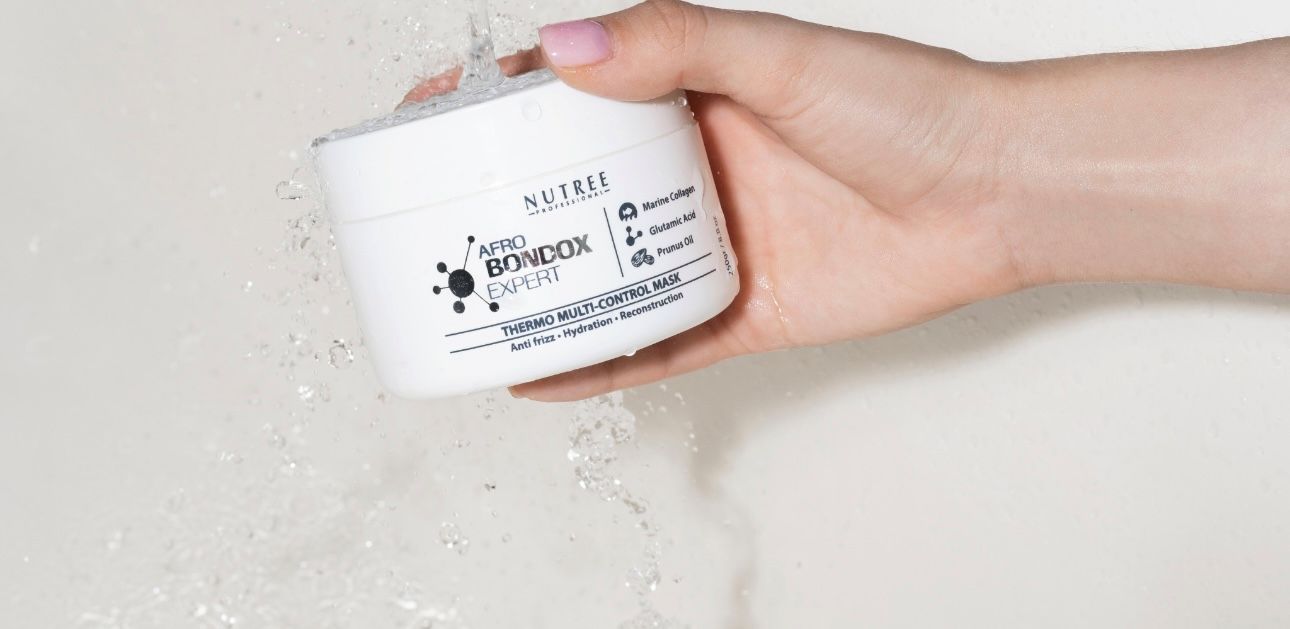
As more people become aware of the risks associated with traditional relaxers, the beauty industry is shifting towards safer, non-toxic alternatives that straighten and smooth hair without compromising health. One of the most advanced solutions available today is Afro Bondox Extra Strong Hair Mask by Nutree Cosmetics.

Afro Bondox: The Safe & Effective Alternative to Relaxers

For those with curly, coily, or Afro-textured hair, achieving a sleek, manageable look without damaging chemicals is now possible. Afro Bondox Extra Strong Hair Mask is designed to deeply nourish, smooth, and strengthen hair while eliminating frizz — without the use of harmful ingredients like lye or calcium hydroxide.

Why Afro Bondox is a Game-Changer:

  • Free from Harmful Chemicals – No lye, parabens, or endocrine disruptors.
  • Salon-Quality Results at Home – Achieve smooth, glossy, frizz-free hair for up to 8 weeks.
  • Deep Hydration & Repair – Perfect for color-treated, chemically processed, or dry hair.
  • Designed for Afro-Textured Hair – Effectively smooths and strengthens without damage.

Afro Bondox offers a long-lasting, non-toxic approach to sleek, healthy hair, making it an ideal choice for those looking to transition away from traditional relaxers.

Other Safe Alternatives for Straight, Manageable Hair

If you’re ready to ditch chemical relaxers but still want sleek, smooth hair, here are some practical alternatives:

  • Keratin Treatments – Unlike relaxers, keratin treatments coat the hair with protein rather than breaking it down. Be sure to choose a formaldehyde-free formula, such as Nutree’s Amazonliss Tanino Treatment.
  • Heat Styling – Using a flat iron or blow dryer with a heat protectant can provide temporary straightening without chemical damage.
  • Natural Oils – Cold-pressed oils like argan, coconut, and jojoba help smooth hair, reduce frizz, and enhance shine without any harsh additives.

Join the Movement: Healthier Hair Starts Today

Chemical Hair Relaxers: The Hidden Dangers & a Safer Way to Achieve Sleek, Healthy Hair with Nutree Cosmetics

Photo Courtesy: Nutree Cosmetics

As part of the Toxic Hair Relaxer Awareness Campaign, Nutree Cosmetics is offering free samples of Afro Bondox Extra Strong Hair Mask to those looking to transition away from chemical relaxers.

Take the first step toward healthier, damage-free straightening. Request your free sample today!

Making the switch to safer hair care is not just a beauty choice — it’s a health decision. With Afro Bondox, you don’t have to compromise your well-being for sleek, manageable hair.

Ditch harmful relaxers. Say yes to healthier, stronger hair with Afro Bondox!


Disclaimer: This article is for informational purposes only and does not constitute medical advice. Results from hair care treatments, including Afro Bondox Extra Strong Hair Mask, may vary. Always consult a healthcare professional before making any decisions regarding hair care, especially if you have health concerns. Nutree Cosmetics does not guarantee specific results.