What Rideshare Drivers Need to Know After an Accident: Legal Rights, Support, and Staying on the Road


Working as a rideshare driver gives you the chance to set your own hours and make a significant amount of income, but it has its challenges. If you’re in a car accident and suffer injuries and property loss, you won’t be on the road making that money. On top of that, you’ll have medical and repair bills to cover.

Understanding your rights as a rideshare driver is essential after a collision. Getting assistance from professional driver accident support services gives you the chance to address your losses so that you can get back on the road and back to making the income you depend on. Learn more about what rideshare drivers should know regarding crashes.

Understanding Auto Insurance for Rideshare Drivers

Auto insurance is complicated enough, but when you work as a rideshare driver, the difficulties increase. Your personal auto insurance doesn’t cover your vehicle when you’re officially working for a ridesharing service. This leaves gaps in your coverage that could cause serious problems in the event of an accident.

Most people who work in this industry carry rideshare insurance. It’s a type of specialized commercial insurance designed for people who work as rideshare drivers and addresses the gap between your personal insurance and the coverage that the ridesharing company offers. The company’s insurance provides only limited coverage when you’re not actively driving someone to their destination and the ridesharing app is on.

If you get into an accident as you’re waiting for a ride request, you may not have the level of coverage from the company that you need to address all of your losses. This would be when rideshare insurance kicks in. You can add it to your personal insurance, creating hybrid policies that offer the support you need if you’re driving commercially with your personal vehicle.

What if You Have a Passenger in the Car During a Rideshare Accident?

What coverage do you have if there’s a passenger in the vehicle during the accident? The company you work for will address these losses with comprehensive commercial insurance.

Typically, this includes coverage for property damage and injuries to riders and passengers, though the exact amount can vary. This insurance will usually only cover repairs up to the car’s actual cash value, but it kicks in no matter what party is at fault.

Can Rideshare Drivers Get Workers’ Compensation?

In most states in the country, recovering workers’ compensation if you work for a ridesharing company isn’t possible because you are technically an independent contractor. In New York, however, a law passed in 2019 requires these companies to offer workers’ compensation coverage to their drivers.

Although this is the law in New York, actually being able to receive compensation can be challenging. First, you must be able to demonstrate that the accident occurred during very specific moments, including:

  • Having the app on and waiting for a ride
  • Accepting a ride request with no passenger in the car
  • During an active ride (passenger is in the car)

Workers’ compensation is a no-fault system, so you can still recover your losses if you were at fault for the crash.

What Does Workers’ Compensation for Rideshare Drivers Cover?

Workers’ compensation for rideshare drivers covers a variety of losses, beginning with your medical needs. You may have suffered a significant injury that requires hospital stays or rehabilitation, and this compensation can address these.

If you can’t return to work for days or weeks because of the injuries, you can also receive wage replacement. You can receive permanent partial or total disability wage replacement, too, if you can’t return to work because of the severity of your injuries.

If you need to work in another industry and require training, those expenses can also be covered via vocational rehabilitation. In the most severe instances, when a rideshare driver dies in a crash, family members can receive death benefits, including coverage for funeral expenses.

Third-Party Claims

Although New York is a no-fault state for motor vehicle accidents, you can step outside of these laws if you suffer severe injuries. If another driver was responsible for the crash, you can file a personal injury claim against them.

You will have to demonstrate that the other party owed you a duty of care that they breached and that their conduct directly caused losses for which you can be compensated. In New York, you can be partly responsible for the accident because the state follows pure comparative negligence laws.

Even if you’re 99% responsible for the crash, you can still file a claim. Your compensation, however, will be reduced by your percentage of fault.

Economic Damages Available in Personal Injury Claims

In a personal injury claim, you can receive economic and non-economic damages, which are different from what you would get from a workers’ compensation claim. Economic damages cover medical expenses, including hospital stays, rehabilitation costs, and even changes you may need to make to your home or vehicle as a result of a disability.

If you suffer catastrophic injuries, you may also need ongoing medical care. You might require occupational therapy or nursing care for months or even years. Economic damages address these needs.

Suffering a serious injury or property loss that leaves you unable to work means losing income. It can take days before you can have your car repaired or replaced. If you missed out on income, you can claim lost wages.

Some injuries are severe enough to keep you from working again, either in the same capacity or at all. If that occurs, you can receive compensation for your loss of earning potential.

Non-Economic Damages

Unlike workers’ compensation, which doesn’t cover emotional distress, you can receive compensation for the non-economic losses you suffered as part of a personal injury claim. This includes pain and suffering, as well as loss of enjoyment of life if you can’t live as you used to before the accident.

If a loved one dies in the crash, it’s possible to also claim loss of consortium. It strives to compensate you for the loss of support and companionship you lost.

Can You Still Drive for Uber After an Accident?

A common concern people have is whether driving for an Uber after an accident is still possible. Companies like Uber will typically deactivate a driver who’s been in a collision until an investigation can occur. Depending on the circumstances surrounding the crash, the driver could be permanently deactivated or allowed to continue working.

Protecting Your Claim: What to Do After a Rideshare Accident

Taking fast and appropriate action after the accident can make a difference in your claim’s outcome. Whether you choose to pursue one for workers’ compensation, personal injury, or in some instances, both, keep the following steps in mind.

Ensure the Safety of Everyone Involved

Before doing anything else, you must ensure you and any passengers in your vehicle are safe. In most instances, it’s best to leave the vehicle and wait for emergency services in a location where you won’t be struck by another car. If you or a passenger is in severe pain or has hit their head, it may be better not to move, however.

Get Medical Care

Even if you’re not sure whether you’re hurt, have paramedics assess you when they reach the scene. You may not realize that you suffered an injury because you’ll have a lot of adrenaline pumping through you. Getting care right at the site can begin a medical record that you can rely on when you begin a claim.

Contact the Police

Make sure that you get law enforcement to the scene of the accident. In New York, you must report any accident that results in injury, death, or property damage of at least $1,000.

If there’s been any property damage, call law enforcement, even if you’re not sure whether it amounts to $1,000. You will need this police report to file your claim.

Gather Evidence

Unless you require emergency medical care, you should start gathering as much evidence from the accident scene as possible. Take photos of the vehicles, your injuries, road signs, and skid marks.

If there are eyewitnesses, speak with them and get their contact information. Their statements can be essential later on.

Let Your Insurer and the Rideshare Company Know

You must quickly let your insurer know that you were in a crash. Try not to mention fault or significant details about the accident. Keep the conversation as short as possible.

You’ll also have to let the rideshare company know that you were in a crash. Expect to have your account deactivated while they conduct an investigation.

Speak with an Attorney

Rideshare accidents are complicated, and you can expect any resulting claims to also pose challenges. Hiring an attorney with experience in this area can protect your rights.

Recovering Your Losses After a Rideshare Accident

If you have been in a rideshare accident and suffered injuries and property loss, legal counsel is vital. With a team of experienced lawyers behind you, you can file the most appropriate type of claim so that you can recover losses.


Disclaimer: This article is for informational purposes only and reflects general guidelines for rideshare drivers involved in accidents. It should not be considered legal or insurance advice and may not be applicable to all situations. Always consult with a qualified attorney or insurance expert for personalized guidance.


Understanding Craig Fontaine Ashton’s Approach to Personal Injury Case

By: James Larson

Every injured client’s first call at Ashton & Price LLP goes directly to a qualified attorney. That is how Craig Fontaine Ashton has built the practice. For more than 25 years, Craig has worked to minimize the distance between clients and the legal professionals who can help them, making sure that immediate attorney access is a core part of the firm’s services.

From his earliest days as a young lawyer under the guidance of the legendary Arnold Laub on Montgomery Street, Craig learned that successful personal injury representation requires both presence and strategy. Showing up, answering the call, and offering real guidance when clients are at their most vulnerable has been a key focus of his work.

The Call-First Ethic

Craig believes that legal care should not be outsourced to intake departments or automated systems. From the start, he insisted that when someone reaches out for help, they should speak directly with an experienced attorney as soon as possible.

“Gate agent flying the plane—orderly performing surgery—not a chance,” he wrote. This metaphor is a driving force behind every protocol at his firm. Every new inquiry is answered by a live lawyer rather than a script or voicemail.

Operational Underpinnings

Craig’s model has been built on a foundation of intentional structure and disciplined processes. He insists that only senior lawyers handle incoming calls, so clients always receive guidance from professionals with experience. This approach helps to reduce miscommunication, speed up problem-solving, and reinforces the firm’s commitment to client empowerment.

He also spearheaded the development of a proprietary case-management platform that routes new matters directly to the next available lawyer and logs every follow-up action. The platform provides clients with a secure portal for document uploads and reviews.

Results Speak

Throughout his career, Craig has more than 500 millions in verdicts, settlements, and awards. While financial outcomes are important, Craig emphasizes that the ultimate measure of success lies in the positive impact he has on his clients’ lives.

In one spinal injury case, his early intervention helped secure priority diagnostics, leading to a favorable resolution in a timely manner. In another multi-vehicle crash, his direct-access model helped avoid delays and ensure clients received appropriate compensation in line with California’s comparative-fault rules.

Lawyer-Led Culture

The culture Craig has fostered at Ashton & Price is grounded in accountability and empathy. Every lawyer—from first-year associate to name partner—is trained to answer incoming calls and respond to urgent client needs.

He trains junior lawyers by demonstrating both technical skill and empathetic connection. Craig consistently emphasizes that successful lawyering involves standing alongside clients during difficult times. “Between you and me, we win a lot!” he often says, reinforcing that engagement and dedication play a significant role in each success.

Scalable Lessons for the Industry

Though Craig has honed his model in San Francisco, he believes its principles are adaptable across different regions. He encourages law firms to consider reallocating partner hours toward client intake, noting that time spent directly with clients can deliver tangible benefits in terms of client loyalty and overall satisfaction.

He also suggests that firms select legal technology that complements human judgment rather than replacing it. Building relationships with medical providers to align legal and clinical actions is another key strategy. Finally, Craig advises tracking metrics like time to attorney response and client satisfaction, alongside traditional billable-hours reports, as a way to improve operational effectiveness.

Recognition Reflecting His Ethics

Craig’s client-centered approach has earned him several recognitions, including accolades from Who’s Who Publishing as a notable figure in the legal field. He has also received the Lawyers of Distinction’s Recognition of Excellence.

These acknowledgments reflect the consistent impact of his hands-on approach and his commitment to client advocacy.

A Model for the Future

Craig’s goal was never to build the largest law firm, but rather one that is responsive and focused on the client’s needs. His guiding principle is simple: justice begins with a human connection. This philosophy has helped position Ashton & Price as a respected name in California’s personal injury law and has established Craig as an advocate for client-first legal practices.

Whether advising colleagues in New York or representing clients in Sacramento, Craig demonstrates that true legal excellence is grounded in how one shows up for those in need. For Craig, each case begins with a conversation and a commitment to making a difference.

Disclaimer: The information provided in this article is for informational purposes only and does not constitute legal advice. The practices discussed reflect the experiences and philosophy of Craig Fontaine Ashton and his firm, Ashton & Price LLP. Every case is unique, and the results achieved in one matter may not be representative of outcomes in other cases. For legal advice specific to your situation, it is recommended to consult with a qualified attorney.

Using AI Tools to Streamline Your Social Media Workflow

By: William Jones

Managing social media today is increasingly complex, with countless platforms, rapidly evolving trends, and audiences expecting timely responses. Brands and creators must consistently deliver engaging content while maintaining consistency. However, this process can quickly become overwhelming—content planning, design, scheduling, community engagement, and analytics all require significant time and resources.

Content Creation Made Smarter

One of the most time-consuming aspects of social media management is content creation. From writing catchy captions to producing videos that capture attention, the creative process requires regular input of fresh ideas. AI-powered tools are now helping teams manage creative fatigue by generating ideas, suggesting captions, and even producing visual content.

For example, AI platforms can analyze trending hashtags, user interests, and industry discussions to recommend what type of content might resonate. A fashion brand might receive automated caption suggestions aligned with seasonal themes, while a B2B company might get LinkedIn post drafts tailored for thought leadership. Video editors powered by AI can also trim long videos into bite-sized clips for TikTok or Instagram Reels, potentially saving hours of manual editing.

Even influencer-focused platforms such as influencers gone wild use AI to examine viral creator trends, helping marketers remain informed about what’s relevant. The result is faster, data-backed content production that still leaves room for human creativity and brand voice.

Personalization and Audience Targeting

Generic posts no longer capture audience attention. Today, personalization is key. AI enables brands to tailor messaging and timing, making every piece of content more relevant. Predictive algorithms analyze user behavior, demographic data, and engagement history to determine what content a specific audience segment is most likely to respond to.

This level of targeting helps ensure that campaigns avoid wasting impressions on disinterested users. For instance, AI might suggest that a Gen Z audience responds better to interactive polls on Instagram, while a professional audience on LinkedIn engages more with thought leadership posts. Personalized recommendations can extend to email campaigns, website experiences, and even chatbot interactions, creating seamless journeys across touchpoints.

Experts like Kartik Ahuja, Founder at GrowthScribe, a leader in growth marketing and automation, suggest how AI-driven personalization can significantly improve both engagement and ROI. By aligning the right message with the right user at the right time, AI helps elevate ordinary campaigns into impactful experiences.

Workflow Automation and Scheduling

For social media managers juggling multiple accounts, scheduling is one of the most critical yet repetitive tasks. AI scheduling tools now go beyond basic posting—they can analyze when audiences are most active, automatically resurface evergreen content, and adapt scheduling to real-time events.

Imagine a campaign where a post performs exceptionally well on Instagram. An AI system can recognize the spike, adjust distribution across Facebook and Twitter, and even extend ad spend to maximize impact. This eliminates the need for manual intervention and ensures campaigns take advantage of momentum in real time.

Automation doesn’t end with posting. AI chatbots also handle first-line responses to customer inquiries, potentially reducing wait times and ensuring customer satisfaction. Platforms like GrowthScribe highlight how workflow automation lets businesses shift resources away from repetitive work and focus on creativity and strategy. This shift makes teams more agile and can reduce burnout from constant manual scheduling.

Analytics and Predictive Insights

Analytics are the backbone of decision-making in social media, but raw data can be overwhelming. AI-driven analytics tools simplify this by transforming data into actionable insights. Instead of simply reporting on past performance, these tools can predict future outcomes.

For instance, AI can identify why certain posts gained traction—whether it was due to timing, content format, or messaging style—and then recommend replicating these factors in future campaigns. Predictive insights can also determine which audience segments are likely to convert, which platforms will probably yield the best ROI (Return on Investment), and where ad spend should be allocated for optimal efficiency.

This forward-looking capability ensures strategies are not reactive but proactive. Teams no longer have to rely on trial and error; instead, they gain data-backed confidence guiding their campaigns. It’s like having a marketing advisor built into the analytics dashboard.

Optimizing Influencer Marketing Campaigns

Influencer marketing has become a cornerstone of digital strategies, but identifying the right voices to collaborate with remains challenging. AI tools are stepping in to solve this by analyzing engagement rates, follower authenticity, and audience demographics. This helps ensure brands invest in partnerships that are genuine and effective.

Niche campaigns, such as those promoting lifestyle or fitness products, benefit significantly from this level of precision. For example, a brand selling rebounders could target wellness communities using AI-driven insights, maximizing product resonance with health-conscious audiences. Campaigns built around products like a mini fitness trampoline demonstrate how even niche items can potentially gain massive traction through influencer partnerships optimized by AI.

By minimizing risks like fake followers and inflated metrics, AI helps ensure influencer campaigns yield authentic engagement and measurable ROI.

Crisis Management and Sentiment Tracking

Social media moves at lightning speed, and reputations can change overnight. Negative comments, misinformation, or brand controversies can spiral if left unchecked. AI-powered monitoring tools now play a critical role in crisis management by scanning mentions, tracking brand sentiment, and detecting unusual spikes in activity.

Sentiment analysis helps businesses understand whether conversations are positive, neutral, or negative, allowing them to respond strategically. For instance, if a product launch receives unexpected criticism, AI alerts teams in real time so corrective messaging can be deployed before issues escalate.

This proactive approach helps protect brand reputation and demonstrates transparency. Instead of reacting late, businesses can show audiences that they are listening and addressing concerns immediately.

Balancing AI with Creativity and Ethics

While AI is revolutionizing social media workflows, it’s essential to strike a balance. Over-reliance on automation can make content feel robotic, and mishandling data can erode consumer trust. Ethical considerations such as transparency, responsible data use, and maintaining authenticity are critical.

AI should be viewed as a partner that enhances human creativity, not a replacement for it. The most successful brands will be those that blend AI efficiency with storytelling, emotional intelligence, and originality. Customers connect with authentic voices, and AI should serve to amplify—not replace—the human touch in content.

The Future of AI in Social Media

As AI technology evolves, its role in social media will only expand. We’re already seeing AI-driven tools that generate personalized video messages, predict emerging trends, and design entire campaign strategies based on real-time insights. Future advancements will likely include hyper-personalized experiences at scale, dynamic ad campaigns that adjust automatically, and even AI-generated influencers.

The challenge for marketers will be staying adaptable while maintaining authenticity. Embracing AI now positions businesses to remain competitive as these innovations become mainstream. Like any transformative technology, the earlier adopters will be the ones who shape best practices and set the benchmarks for success.

Summary

AI is no longer just an optional tool—it’s becoming essential for efficient and effective social media management. From content creation and scheduling to analytics, influencer campaigns, and crisis management, AI tools offer the precision and scalability that modern brands require. By integrating these tools thoughtfully, businesses can streamline workflows, reduce manual workloads, and deliver highly personalized experiences that resonate with audiences.

The future of social media isn’t about working harder—it’s about working smarter with AI. The brands that understand this shift today will likely be the ones leading tomorrow’s digital conversations.

Modern Wellness Solutions Transforming Practitioner Health Today

Have you ever wondered how today’s healthcare practitioners maintain their wellness while caring for others? In an era where burnout and stress are constant companions, innovative wellness solutions are revolutionizing how medical professionals approach their self-care journey.

From advanced ergonomic equipment to cutting-edge red light therapy, the modern wellness landscape offers transformative tools that empower practitioners to safeguard their physical and mental well-being while delivering exceptional patient care.

Innovative Solutions Shaping the Practitioner Wellness Landscape

The wellness industry has transformed into a powerful economic force, with $6.3 trillion in global value during 2023. This remarkable growth reflects the surging interest in wellness solutions among healthcare practitioners.

Professional caregivers now embrace a dual role—wellness providers and active participants in their patients’ health journeys.

Modern practitioners recognize that their wellness directly impacts their ability to deliver exceptional care. They’re investing in high-quality Earthlite massage tables and other premium equipment that support their health and practice.

This shift shows a deeper understanding of how professional tools can create positive outcomes for practitioners and their clients.

The current wellness landscape offers innovative solutions that address several key areas:

  • Advanced ergonomic equipment designed for practitioner comfort
  • Smart technology integration for enhanced treatment delivery
  • Sustainable materials that promote environmental responsibility
  • Multi-functional tools that maximize space and efficiency
  • Customizable features that adapt to different treatment styles

These innovations represent more than technological advancement; they create wellness environments that nurture practitioners and patients.

By incorporating these solutions, healthcare providers can maintain their physical well-being while delivering superior care, establishing a sustainable practice model that benefits everyone involved.

Personalized Nutrition and Supplementation

Health practitioners understand the vital connection between personalized nutrition and peak performance in their demanding roles. The growing emphasis on targeted supplementation has transformed how medical professionals approach their wellness.

Many nurses adopt the same wellness habits they recommend—nearly 89% regularly use dietary supplements to support their health.

The shift toward preventive wellness through nutrition has revolutionized how practitioners view supplementation. These choices reflect a deeper understanding of biochemical individuality and the need for personalized approaches.

Here are some of the most-used natural supplements supporting healthcare professionals in maintaining energy, focus, and overall well-being:

  • Custom vitamin and mineral blends focused on immune support
  • Adaptogenic herbs for stress management
  • Protein supplements for sustained energy during long shifts
  • Targeted probiotics for gut health optimization
  • Essential fatty acids for cognitive function

The emphasis on natural wellness solutions continues to grow, with practitioners choosing supplements primarily for maintaining health rather than treating specific conditions.

This trend is especially evident among nurses, whose lifestyle choices often influence patient behavior:

“Nurses are on the front line in healthcare; as they adopt healthy living practices, the patients they care for may be more inclined to adopt healthy choices as well.” — OJIN, American Nurses Association

This proactive stance on nutritional support showcases how medical professionals embrace comprehensive approaches to sustain their energy and vitality throughout demanding workdays.

Mindfulness and Meditation Aids for Stress Reduction

Mindfulness and meditation have become essential tools in practitioner wellness, especially for managing stress. These practices help individuals cultivate present-moment awareness, emotional regulation, and a nonjudgmental attitude toward their thoughts and feelings.

Here’s why mindfulness works for stress reduction:

Interrupts Rumination

Mindfulness helps break the cycle of repetitive negative thinking, which triggers the body’s stress response even when worries are unfounded.

Enhances Metacognitive Awareness

Practitioners learn to see thoughts as temporary events, creating psychological distance from stress-inducing thought patterns.

Improves Emotion Regulation

Increases awareness and control over emotional reactions, reducing stress reactivity and improving tolerance of difficult emotions.

Activates The Relaxation Response

Practices like focused breathing lower heart rate, blood pressure, and muscle tension, and promote deep relaxation.

Incorporating mindfulness and meditation aids into daily routines offers practitioners powerful support in managing the high demands of their work and life, making these tools indispensable to practitioner wellness today.

Sustainable Wellness and Eco-Conscious Products

The wellness industry’s shift toward eco-conscious practices has transformed how practitioners select their tools and equipment.

Health professionals now prioritize products that support both personal wellness and environmental sustainability. This dual focus has sparked unprecedented growth in green manufacturing practices across the wellness sector.

Modern practitioners understand that their product choices carry significant environmental impact. They’re embracing sustainable alternatives that minimize ecological footprints while maintaining professional standards.

The demand for non-toxic materials and ethically sourced ingredients has prompted manufacturers to revamp their production methods.

Here’s how practitioners are making eco-friendly choices in their practice:

  • Selecting biodegradable or recyclable packaging materials
  • Using organic and natural ingredients in wellness products
  • Investing in energy-efficient equipment
  • Supporting brands with verified sustainability certifications
  • Choosing products with minimal chemical additives

The commitment to environmental stewardship extends beyond product selection. Practitioners now consider the entire lifecycle of their tools and supplies, from production to disposal.

They’re partnering with vendors who demonstrate transparency in sourcing and manufacturing processes, creating a ripple effect throughout the supply chain. This thoughtful approach ensures that wellness practices benefit both clients and the planet.

Sleep Enhancement Tools to Boost Practitioner Recovery

Quality sleep is fundamental for practitioners to recover physically and mentally from demanding work. Adequate and restorative sleep improves cognitive function, mood regulation, immune health, and resilience.

Today, various advanced sleep enhancement tools support practitioners in optimizing their rest and accelerating recovery.

Here’s why supporting better sleep habits is essential in high-demand care roles:

  • Enhances mental health by reducing anxiety and depression symptoms
  • Improves focus, decision-making, and productivity
  • Facilitates physical recovery and immune system function
  • Reduces burnout and fatigue-related errors

Popular and Effective Sleep Enhancement Tools

A range of science-backed tools is helping practitioners improve sleep quality and recovery. Here are some of the most effective options available:

Sleep Trackers: Wearables measure sleep duration, stages (light, deep, REM), interruptions, and consistency. These devices generate personalized sleep scores and highlight areas for improvement, enabling practitioners to adjust habits based on data.

Smart Mattresses and Bedding: Designed to regulate temperature, adjust firmness, and minimize motion transfer, smart mattresses and bedding create an optimal sleep environment for uninterrupted rest.

White Noise And Sound Conditioners: Devices that emit calming sounds (waterfalls, ocean waves) or white/pink noise reduce environmental disturbances and promote deeper sleep.

Light Therapy and Blackout Solutions: Blue light-blocking glasses, light therapy lamps for circadian rhythm regulation, and blackout curtains improve sleep onset and quality.

Sleep-Promoting Supplements: Melatonin is short-term aids that reset the body clock or ease insomnia. However, they should be combined with good sleep hygiene for the best results.

Biofeedback And Relaxation Apps: Guided breathing, meditation, and cognitive behavioral therapy for insomnia (CBTi) apps support stress reduction and sleep readiness.

Continuous tracking and adjusting sleep habits lead to measurable improvements in practitioner recovery and performance over time.

To maximize the benefits of sleep tools, practitioners can follow a few key strategies for long-term effectiveness and personal adaptation:

  • Track sleep metrics consistently for at least two weeks to identify personal patterns
  • Experiment with environmental changes (light, sound, temperature) alongside tools
  • Incorporate relaxation and mindfulness apps as part of a bedtime routine
  • Consult medical professionals if persistent sleep issues or suspected disorders occur

By integrating these modern sleep enhancement tools, practitioners can significantly boost their recovery, maintain optimal wellness, and sustain high performance in demanding roles.

Embracing Wellness Evolution

The transformation of the wellness industry reflects a fundamental shift in how practitioners approach their personal and professional well-being.

From ergonomic equipment and personalized nutrition to cutting-edge technologies like red light therapy and eco-conscious products, today’s healthcare providers have access to an unprecedented array of tools that support their holistic wellness journey.

Modern practitioners who embrace these innovative solutions aren’t just investing in their health—they’re revolutionizing the standard of care by demonstrating how integrated wellness approaches can create sustainable, thriving practices that benefit providers and patients.


Disclaimer:This article is for informational purposes only and focuses on wellness solutions for healthcare practitioners. It should not be considered professional healthcare or wellness advice and may not be applicable to all individuals. Always consult with a healthcare provider or wellness expert for personalized guidance.

Advanced Sleep Tools Shape Better Rest For Everyone

The quest for perfect sleep has become more sophisticated in a world where the boundaries between technology and wellness blur. Modern life’s relentless pace has created unprecedented challenges to our rest patterns, pushing us to seek innovative solutions that combine comfort with cutting-edge features.

Through the remarkable fusion of artificial intelligence, advanced monitoring systems, and personalized analytics, a new era of sleep technology is emerging to help us reclaim our natural rhythms and transform our nightly rest into a truly restorative experience.

The Evolving Challenge of Rest

Modern life has created unprecedented pressure on our sleep patterns, with sleep deprivation becoming a widespread health concern. A staggering one-third of US adults report insufficient sleep, while 27% face daytime sleepiness that impacts their daily performance and well-being.

The implications of poor sleep extend beyond just feeling tired. 30% of adults struggle with consistent sleep difficulties that affect their overall health.

The mounting evidence of America’s sleep crisis reveals several key challenges that need immediate attention:

  • Increasing screen time and digital distractions are disrupting natural sleep cycles
  • Rising stress levels are interfering with quality rest
  • Irregular work schedules conflict with natural circadian rhythms
  • Environmental factors affecting sleep quality
  • Limited awareness about proper sleep hygiene

The severity of this situation becomes clear as more than one-third of adults report feeling drowsy during daytime activities multiple times per week. This widespread sleep deficit has sparked innovation in sleep technology, leading to advanced sleep support solutions that combine comfort with cutting-edge features.

These tools represent a crucial step forward in addressing millions of people’s complex sleep challenges, offering personalized approaches to improving rest quality and duration.

Transformation Through Smart Technologies

Sleep technology has made remarkable strides in integrating artificial intelligence and advanced monitoring systems.

Modern sleep aids combine cutting-edge sensors with features to create a deeply personal and practical rest experience. These innovations go beyond basic tracking, offering sophisticated analysis and automated adjustments that help people achieve better sleep quality.

The rise of IoT-enabled devices has revolutionized how we approach rest and recovery. These technologies create an adaptive environment that responds to individual needs by connecting various sleep-focused tools into a unified system.

The latest advancements in sleep technology include several groundbreaking features:

  • Real-time brain activity monitoring through EEG sensors
  • Adaptive environmental controls for temperature and lighting
  • AI-powered sleep pattern analysis and recommendations
  • Innovative alarm systems that sync with natural sleep cycles
  • Automated comfort adjustments based on body signals

The fusion of medical precision with consumer-friendly design has made these tools increasingly accessible. Smart sensors continuously gather data while machine learning algorithms process this information to create personalized sleep profiles.

This technological synergy enables sleep devices to anticipate needs and make proactive adjustments, helping users achieve more restorative rest without complex manual interventions.

Wearable Sleep Trackers for Personalized Sleep Insights

Wearable sleep trackers have revolutionized how individuals understand and improve their sleep patterns. These devices, worn on the wrist, finger, or chest, continuously monitor various physiological signals to provide detailed insights into sleep quality, duration, and disruptions.

This personalized data empowers users to make informed decisions about their sleep hygiene and overall health.

How Wearable Sleep Trackers Work

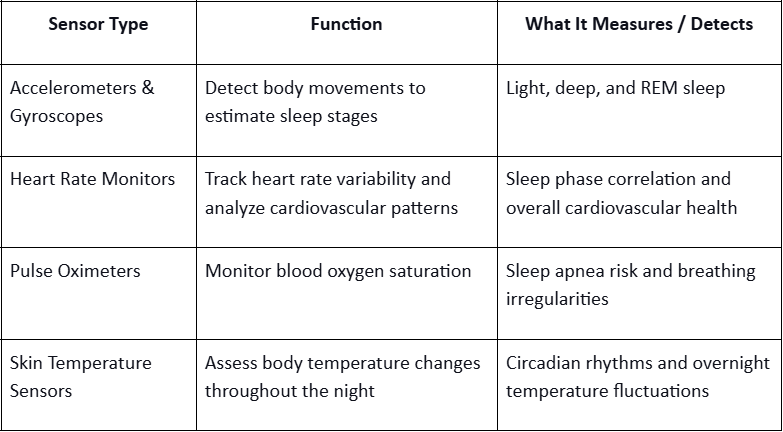
Wearable sleep trackers combine multiple sensors to collect comprehensive sleep data:

Advanced Sleep Tools Shape Better Rest For Everyone

These physiological markers are processed by algorithms that translate raw data into actionable sleep metrics.

Key Benefits of Personalized Sleep Monitoring

Detailed Sleep Stage Analysis: Users receive reports on the time spent in various sleep stages, enabling identification of disturbances or insufficient deep sleep.

Sleep Quality Assessment: Insights into sleep efficiency, interruptions, and latency help users understand overall sleep health.

Detection of Sleep Disorders: Continuous blood oxygen and heart rate monitoring can alert users to potential conditions like sleep apnea.

Lifestyle Correlations: Some trackers integrate with apps to correlate sleep data with daily activities, stress levels, and environmental factors, tailoring recommendations specifically to the individual.

Integration with Health Monitoring Systems

Modern wearable sleep trackers often sync with health platforms and apps, providing a holistic view of the user’s wellness. This integration facilitates:

Long-term Sleep Trend Analysis: Visualizing sleep patterns over weeks or months to evaluate the impact of lifestyle changes or treatments.

Personalized Sleep Recommendations: AI-driven guidance based on individual data helps optimize sleep habits, environment, and routines.

Medical Interventions: Data can be shared with healthcare providers for clinical assessment and personalized treatment planning.

The future of wearable sleep technology lies in enhanced sensor accuracy, non-intrusive designs, and deeper integration with other health metrics such as stress, nutrition, and physical activity.

By leveraging wearable sleep trackers and health monitoring, individuals can take control of their sleep health, paving the way for better rest, improved mental and physical well-being, and a higher quality of life.

Ambient Sleep Aids

Creating an optimal sleep environment is essential for achieving restful and restorative sleep. Ambient sleep aids use advanced technology to adjust sound and light conditions automatically, promoting better sleep quality by aligning the environment with our natural circadian rhythms and sensory preferences.

The Role of Sound in Sleep Enhancement

Sound plays a critical role in sleep onset and maintenance. Ambient sleep aids use various sound technologies to enhance rest:

White Noise and Nature Sounds: These sounds mask disruptive environmental noises, helping to create a consistent and calming auditory backdrop.

Personalized Soundscapes: Some devices generate tailored sounds based on user preferences or sleep stage, adapting dynamically through the night.

Binaural Beats and Isochronic Tones: These auditory stimuli influence brainwave patterns, potentially promoting relaxation and sleep induction.

Automated sound control often includes features like gradual volume reduction or pause as the user falls asleep, preventing abrupt awakenings.

Light Control for Circadian Alignment

Light profoundly impacts circadian biology, influencing melatonin release and sleep-wake cycles.

According to the Cleveland Clinic,

“Disruptions to your circadian rhythm may negatively impact multiple areas of your health over time. These disruptions have been linked to cardiovascular, metabolic, digestive, hormonal, and nervous system issues.”

Ambient sleep aids incorporate bright lighting to optimize bedroom illumination:

Dynamic Light Dimming: Lights gradually dim at bedtime, signaling the body to wind down, and brighten gently upon waking.

Color Temperature Adjustment: Warmer light hues in the evening reduce blue light exposure, which is known to suppress melatonin production.

Sunrise Simulators: Mimicking natural dawn light helps regulate wake-up times and improve morning alertness.

These automated adjustments create a seamless transition between sleep and wakefulness, supporting healthier sleep patterns.

Features and Benefits of Automated Ambient Sleep Aids

Sensor Integration: Devices use sensors to detect room occupancy, ambient noise levels, and natural light, adjusting settings automatically for personalized comfort.

Smart Home Compatibility: Integration with smart home ecosystems enables synchronized lighting and sound control based on user schedules or biometric feedback.

Customizable Settings: Users can tailor sounds and light programs to their needs, enhancing sleep onset speed and reducing nighttime awakenings.

Reduction of External Sleep Disruptions: Automated response to environmental changes minimizes disturbances from streetlights, outside noise, or bedroom activities.

Future developments in ambient sleep aids aim to incorporate AI and machine learning for adaptive environment control based on real-time physiological data.

Innovations may include multisensory environments that combine sound, light, temperature, and even scent to create the perfect sleep-inducing atmosphere.

Future of Sleep

The rise of sleep deprivation has catalyzed remarkable innovations in sleep technology that combine medical precision with user-friendly design. These advanced sleep solutions are revolutionizing how we approach rest by leveraging AI, smart sensors, and personalized data insights to create adaptive sleep environments that respond intuitively to individual needs.

The convergence of clinical-grade monitoring with consumer accessibility marks a transformative shift in sleep wellness. It offers hope for millions struggling with sleep difficulties while paving the way for a future where quality rest is not just a luxury but an achievable necessity.


Disclaimer: This article is for informational purposes only and focuses on advanced sleep tools and technologies. It should not be considered professional medical advice and may not be applicable to all individuals. Always consult a healthcare provider or sleep specialist for personalized guidance on sleep health.

How Smart Tech Supports Safer, Independent Living

From AI-driven voice assistants to sophisticated monitoring systems, these innovations are ushering in a new era of personal autonomy while ensuring safety and peace of mind for families and caregivers.

Transforming Daily Life with Connected Solutions

Smart home technologies have revolutionized personal independence, especially for seniors and individuals with disabilities.

AI-driven voice assistants and Internet of Things devices create customized living spaces that respond to verbal commands, removing physical barriers and enhancing daily autonomy. The advanced GPS tracking device for the elderly offers families peace of mind through real-time location monitoring, while supporting independent movement for loved ones.

Connected devices are reshaping how we interact with our living spaces. These intelligent home solutions have proven their worth, with 15-20 percent energy reductions in households using innovative climate control systems.

Here’s how smart home technology transforms daily routines:

  • Voice-activated controls for lights, appliances, and entertainment systems
  • Automated temperature adjustment based on personal preferences
  • Remote monitoring capabilities for caregivers
  • Emergency response integration for enhanced safety

The integration of connected solutions extends beyond basic convenience. These innovations create adaptive environments that learn from user habits, anticipate needs, and respond accordingly.

Innovative technology combines automation with personalization to help maintain independence while ensuring safety and comfort for everyone in the household.

Optimizing Resources for Efficiency and Sustainability

Modern homes are embracing sustainable energy solutions that revolutionize how we manage our daily consumption.

Smart thermostats have emerged as game-changers in residential energy efficiency, particularly since heating and cooling costs comprise the most significant household energy bills. These intelligent devices adjust temperatures and learn from your habits, adapt to your schedule, and create personalized comfort settings.

The impact of automated energy management extends far beyond basic temperature control. These systems analyze usage patterns and suggest improvements while maintaining optimal comfort levels throughout your living space.

The technology’s ability to detect occupancy and adjust settings accordingly has transformed how we think about energy conservation.

Modern systems go beyond convenience—they adapt to your lifestyle while making homes more energy-efficient through features like:

  • Real-time energy consumption monitoring
  • Automatic adjustments based on daily routines
  • Remote control capabilities via smartphone apps
  • Integration with other smart home devices
  • Custom scheduling for different zones

The benefits of smart home energy systems are clear and measurable. Energy savings of 30% are typical for households that implement these intelligent solutions.

According to Rebecca Boxer, UC Davis Health’s chief of the Division of Geriatrics, Hospice and Palliative Medicine, supporting an older adult’s independence over time can be difficult, particularly when faced with cognitive issues or multiple chronic illnesses.

“Helping to devise a plan as a person ages for possible eventualities assures that the older adult remains in control of the decisions that would be made for their care.” — Rebecca Boxer

These systems help create more sustainable living environments while cutting utility costs by automatically reducing energy use during peak hours and maintaining efficient operation.

Prioritizing Personalization in Modern Innovations

The surge in user-centered technology has revolutionized how smart home products adapt to individual needs.

These innovations now recognize daily patterns and respond intuitively, making life easier for people with different abilities and preferences. Smart devices learn, predict, and adjust to create personalized living experiences that truly matter.

Modern smart home systems harness the power of adaptive intelligence to transform everyday activities.

Here’s how these personalized solutions make a real difference in people’s lives:

  • Voice-activated controls that remember personal preferences and adjust settings automatically
  • Motion sensors that learn movement patterns and anticipate needs throughout the day
  • Automated routines that adapt to changing schedules and habits
  • Customizable alerts and reminders that support daily tasks and medication schedules

Integrating AI-driven care features has marked a significant shift in independent living. These systems now understand individual routines so well that they can spot unusual patterns and provide gentle reminders when needed.

They’ll adjust lighting based on the time of day, manage temperature according to personal comfort levels, and even suggest activities that align with established habits—all while maintaining privacy and dignity for users of all abilities.

Proactive Healthcare within Connected Homes

Smart home healthcare technologies have transformed how we monitor and manage personal wellness. Advanced sensors integrated into everyday living spaces now precisely track vital signs, sleep patterns, and daily activities.

These innovations help detect potential health issues before they become serious problems, allowing for early intervention and better outcomes.

Integrating health monitoring systems into the home environment creates a comprehensive safety net. Innovative wearables and smart devices work together seamlessly to support individual well-being.

Here’s how modern healthcare solutions enhance daily living:

  • Automated medication reminders and dispensing systems
  • Real-time vital sign monitoring and trend analysis
  • Emergency alert systems with direct connections to caregivers
  • Sleep quality tracking and environmental adjustments
  • Activity level monitoring for early detection of health changes

The advancement of proactive care technology has revolutionized home healthcare management.

Enabling Immersive Experiences that Enhance Smart Independence

Augmented Reality (AR) and Virtual Reality (VR) technologies rapidly transform the landscape of smart living by creating immersive and interactive environments that empower individuals to live more independently and comfortably.

Their integration into smart homes and daily life offers new ways to enhance autonomy, support daily tasks, and improve quality of life. Here are the key benefits of AR/VR in smart living:

Enhanced Remote Assistance

Virtual presence enables caregivers and family members to provide real-time guidance and support remotely.

Improved Accessibility

AR can overlay helpful information to assist individuals with disabilities or cognitive challenges in navigating their environment.

Smart Environment Control

Through immersive dashboards, VR interfaces provide intuitive control over home devices, lighting, and security systems.

Personalized Wellness and Therapy

VR applications facilitate mental health therapies, physical rehabilitation, and stress relief exercises at home.

Virtual Social Interaction

Immersive virtual spaces combat isolation, enabling engaging social connections from home.

Learning and Training

AR/VR enables interactive home maintenance, cooking, and health management tutorials, promoting self-sufficiency.

By seamlessly blending digital information with real-world surroundings or creating fully virtual spaces, AR/VR technologies offer living solutions that adapt to individual needs and preferences.

Empowering Future Independence

The evolution of smart home technology has fundamentally transformed how we approach independent living, creating adaptive environments that cater to diverse needs while maintaining safety and dignity.

Through AI-driven assistance, automated healthcare monitoring, and intuitive environmental controls, these innovations are breaking down barriers and enabling more people to live autonomously than ever before.

The future of smart independence lies not just in the technology itself, but in its ability to create truly personalized experiences that enhance quality of life while providing peace of mind for users and their loved ones.

How to Internationalize Your Angular App: Preparation for Beginners

Are you ready to take your Angular application to a global audience? Expanding your reach to new countries and languages is one of the biggest opportunities for any SaaS company. But before you can welcome customers from around the world, your app’s code needs to be prepared.

This preparation is called internationalization, or i18n. Simply put, it’s the process of making your app’s code flexible enough to handle different languages and regions. Think of it less as a chore and more as setting up the wiring for future growth. It’s the essential first step before you even start the actual translation, a process known as localization (l10n).

In this article, we’ll break down the basics of Angular i18n and show you how to get started doing it right (without hardcoding).

Getting Your Code Ready for Translation

Before you start adding any code, take a moment to consider these three essential points. Having a clear checklist will save you from major headaches down the line.

Stop Hard-Coding Text 

This is the most critical rule of internationalization. All user-facing text (like button labels, headings, and error messages) must be separated from your main code. When you hard-code text directly into your HTML templates, you create a rigid dependency. To support a new language, you would have to duplicate and edit that code, creating a maintenance nightmare.

The correct approach is to replace the text with keys (e.g., login_button, error_message). These keys will then dynamically fetch the appropriate translation from a separate file, allowing you to manage all languages from a central location without changing your application’s logic.

Flexible Layouts

Languages take up different amounts of space. For example, a single word in German can be much longer than its English equivalent. Your app’s design must be flexible enough to accommodate this without breaking. If your buttons and text fields have fixed widths, the longer German text might get cut off or mess up the surrounding elements. When designing your UI, always assume the text will grow and shrink.

Local Formats: Internationalization

I18n isn’t just about translating words; it’s also about adapting to local conventions. Dates, times, numbers, and currencies are displayed differently around the world. For instance, the date “06/12/2025” is read as December 6th in many parts of the world, but as June 12th in the U.S. Your application needs to be set up to handle these formats automatically, so users see information in a way that’s familiar and clear to them.

The Preparation Process:

With your prerequisites in mind, it’s time to get your hands dirty. These are the three core steps to begin your Angular internationalization journey.

Choose a Library

An i18n library is the “toolkit” that handles the complexity of internationalization for you. For Angular, you have two primary options:

@angular/localize 

@ngx-translate

@angular/localize is a built-in package, and @ngx-translate is a popular third-party alternative.

For a beginner, the built-in option is a great place to start, as it’s simple, well-documented, and tightly integrated with the Angular framework. A third-party library might offer more features, but it will also require a bit more setup.

Mark Your Text for Translation

This is the first practical coding step. You must tell Angular which parts of your templates need to be translated. You do this by adding the special i18n attribute to any HTML element containing user-facing text.

For example, you would change <h1>Welcome</h1> to <h1 i18n>Welcome</h1>. This simple attribute acts as a signal to the framework, letting it know that the content inside should be considered for translation.

Extract the Text

Once you’ve marked all the translatable strings in your templates, the final step in the preparation phase is to extract them. Angular provides a powerful command-line tool for this purpose: ng extract-i18n. When you run this command, it automatically scans your project and pulls all the text you’ve marked into a single, structured file. This file, usually named messages.xlf, is the key outcome of this process. It’s the central repository that will be used by your translators or a translation management tool to provide the translated text for each language.

From Preparation to Automation: Introducing Crowdin

You’ve now successfully prepared your Angular app for translation. Now you have a file full of keys and values, and you need to get it to your translators (or even to an AI) and get the translations back into your project.

This is where the manual process can quickly become a nightmare. Managing these files, tracking changes, and coordinating with translators can add overhead to your development workflow.

This is the problem that Crowdin’s localization software solves.

Think of Crowdin as a central hub for all your translations. It connects directly to your code repository (like GitHub or GitLab) and automatically pulls in the source strings you just extracted. It then provides a dedicated environment for your translators to work, or you can choose to translate with AI for immediate results. Once a translation is complete, Crowdin automatically pushes the finished files back into your project.

This automation means you don’t have to manually send files back and forth or worry about keeping everything in sync. It’s a “set it and forget it” solution that lets you focus on building features while the translations are handled in the background. Crowdin turns a complex, multi-step process into a smooth, hands-off workflow.

Wrapping up

By understanding these steps, you are well on your way to preparing your Angular app for a global audience. The process of Angular internationalization might seem complex, but it’s a critical investment that will save you time and headaches down the road.

When you separate your text from your code and use a translation management tool like Crowdin, you’re not just translating strings – you’re building a scalable system. This approach allows you to automate the entire translation workflow, freeing you up to focus on what you do best: building great features.

Boosting Productivity: Essential Tools For Urban Businesses

Urban businesses face unique challenges: limited space, high operational costs, and the need for efficiency in fast-paced environments. Whether operating in construction, retail, logistics, or service sectors, having the right tools at hand makes all the difference in productivity and safety. Modern solutions, from lifting equipment to digital platforms, not only streamline workflows but also reduce downtime, improve worker safety, and enhance overall output.

We’ll explore essential tools that urban businesses can leverage, beginning with a practical solution for physical operations and extending into a variety of equipment and systems that drive growth and efficiency.

Elevating Operations With Scissor Lift Hire Newcastle

For urban construction sites, warehouses, or maintenance operations, space is always at a premium. Workers often face the challenge of performing tasks at height while navigating narrow alleys, compact interiors, or densely packed building zones. In this context, a scissor lift hire newcastle option becomes indispensable. Scissor lifts are mechanical platforms that provide stable, elevated work surfaces without requiring bulky scaffolding or unsafe ladders.

Hiring rather than purchasing offers several key advantages. First, it is cost-effective, particularly for businesses that need the equipment for short-term projects. The rental model allows companies to access the latest scissor lift technology—whether electric for indoor use or diesel for rugged outdoor terrains—without the burden of ownership and maintenance costs. For small to medium-sized urban firms, this flexibility translates directly into better cash flow management.

Beyond cost, the productivity gains are significant. A scissor lift can raise workers and materials to the required height quickly, saving hours compared to traditional setups. They are designed for safety, equipped with guardrails, non-slip platforms, and emergency lowering systems, reducing the risk of workplace accidents. In Newcastle, where construction and urban maintenance projects are on the rise, businesses that take advantage of scissor lift hire services can complete jobs more efficiently while meeting strict safety standards.

Streamlining Deliveries With Electric Cargo Bikes

In crowded city centers, transporting goods quickly and sustainably is a major concern. Traditional delivery vans often struggle with traffic congestion and parking restrictions, leading to inefficiencies and increased costs. Electric cargo bikes are emerging as a game-changing tool for urban businesses, particularly in retail, food delivery, and logistics sectors.

These bikes offer mobility and speed while avoiding the pitfalls of fuel costs and traffic jams. Capable of carrying significant loads—sometimes up to 200 kilograms—they can maneuver through narrow streets where larger vehicles cannot operate. For businesses aiming to reduce their carbon footprint, electric cargo bikes also provide a strong sustainability advantage, aligning with the growing consumer demand for eco-friendly practices.

Boosting Productivity: Essential Tools For Urban Businesses

Photo: Unsplash.com

Enhancing Office Efficiency With Cloud-Based Collaboration Tools

Physical tools are vital, but digital solutions are equally essential for productivity in modern urban businesses. Cloud-based collaboration platforms—such as Slack, Microsoft Teams, or Google Workspace—have become central to managing operations, particularly in hybrid or remote work environments.

These platforms streamline communication by consolidating messaging, file sharing, video conferencing, and project management into one accessible hub. Instead of lengthy email chains or scattered conversations, teams can coordinate in real time, drastically reducing delays in decision-making. Moreover, cloud storage ensures that employees can access essential documents securely from anywhere, enabling flexibility and uninterrupted workflow.

For urban businesses, where time is money and competition is intense, such collaboration tools enable faster responses to clients, improved teamwork, and more effective project tracking. By minimizing miscommunication and centralizing resources, companies maximize employee output and create a culture of transparency and accountability.

Optimizing Retail And Service With Point-Of-Sale (Pos) Systems

Retail and service-oriented businesses thrive on efficiency at the customer interaction level. A modern POS system goes beyond processing transactions; it integrates inventory management, sales analytics, and customer relationship management. In urban areas, where foot traffic is heavy and competition fierce, speed and accuracy at checkout can make or break a customer’s experience.

With advanced POS tools, businesses can monitor stock levels in real time, automatically reorder items, and generate detailed sales reports to identify peak times or best-selling products. Many systems also support digital payments, loyalty programs, and mobile checkouts—features highly valued by today’s urban consumers who prioritize convenience.

By consolidating multiple business functions into a single platform, POS systems save time, reduce errors, and empower owners to make data-driven decisions. This level of efficiency directly contributes to increased revenue and customer satisfaction, making POS tools indispensable for urban productivity.

Securing Worksites And Premises With Smart Surveillance Systems

Urban businesses must also prioritize security—both to protect assets and to ensure employee and customer safety. Traditional security measures are no longer enough in an environment where theft, vandalism, and data breaches can derail productivity. Smart surveillance systems, equipped with AI analytics, remote monitoring, and motion detection, provide a powerful solution.

These systems not only deter crime but also generate real-time insights. For example, businesses can monitor foot traffic patterns to optimize store layouts or use analytics to detect unusual behavior and prevent incidents before they escalate. Remote access means managers can oversee multiple locations from a single device, saving time and reducing the need for constant on-site supervision.

In addition, integration with access control systems allows businesses to manage who enters restricted areas, ensuring sensitive materials or equipment remain secure. By investing in smart surveillance, urban businesses not only safeguard their operations but also enhance efficiency through informed decision-making.

Powering Mobility And Maintenance With Portable Generators

Urban work environments often rely on continuous power supply to maintain operations. However, construction projects, outdoor events, or sudden outages can disrupt business activities. Portable generators provide a reliable backup, ensuring that productivity does not grind to a halt.

Modern portable generators are compact, fuel-efficient, and capable of powering everything from heavy machinery to digital systems. For construction businesses, they ensure that tools can operate without interruption on sites without fixed electrical infrastructure. For retail or service-based companies, they provide emergency power during blackouts, preventing revenue loss and maintaining customer trust.

The portability of these generators makes them particularly valuable in cities, where businesses frequently relocate equipment or operate in temporary setups. By securing a dependable energy source, urban firms gain resilience and flexibility—two qualities essential for thriving in competitive markets.

Boosting Productivity: Essential Tools For Urban Businesses

Photo: Unsplash.com

Wrapping Up

Boosting productivity in urban businesses requires a thoughtful blend of physical, digital, and infrastructural tools. From scissor lift hire Newcastle enabling safe and efficient work at height, to electric cargo bikes revolutionizing last-mile delivery, each solution addresses specific urban challenges. Cloud collaboration platforms streamline team communication, while POS systems enhance customer-facing efficiency. Smart surveillance protects assets and informs operations, and portable generators ensure continuity under power disruptions.

Simple Skincare Leads The Way To Healthier Beauty Standards

In a world where skincare routines have become increasingly complex and overwhelming, a quiet revolution is taking root as beauty enthusiasts discover the transformative power of doing less.

By embracing essential, high-quality products and letting go of unnecessary steps, people find that their skin naturally thrives when given the chance to function without constant interference from multiple products and ingredients.

The Shift Toward Simpler Routines

People are ditching complex skincare routines for minimalist approaches, prioritizing quality over quantity. This shift reflects a growing awareness that excessive product use doesn’t necessarily lead to better results.

Smart beauty enthusiasts are discovering that using clean beauty swabs and other multi-use tools can help maintain excellent skin hygiene while reducing unnecessary steps.

The numbers paint a striking picture of our current beauty habits. The typical adult applies 12 personal care products daily, exposing their skin to chemical ingredients.

This overload of products has sparked a revolution in how we think about skincare, leading many to embrace a “less is more” philosophy.

Here’s why simpler routines are gaining popularity:

  • Reduced exposure to potentially harmful ingredients
  • Lower risk of skin irritation and sensitivity
  • More sustainable and budget-friendly approach
  • Better understanding of product effectiveness
  • Easier maintenance of daily skincare habits

This streamlined approach isn’t just about convenience – it’s about being more intentional with our skincare choices. By focusing on essential products delivering tangible results, we’re creating more sustainable and effective beauty routines that serve our skin’s needs rather than following complicated trends.

The Downside of Complicated Routines

Multi-step skincare routines can affect your skin’s health and finances. Many beauty enthusiasts fall into the trap of using excessive products, believing more is better.

The practice of layering multiple products doesn’t always yield better results. Excessive product use can damage your skin’s protective barrier, increasing sensitivity and compromising skin health.

The key lies in identifying and sticking to essential products that deliver tangible benefits. Here’s why simpler routines often yield better results:

  • Less product interaction reduces the chance of adverse reactions
  • Easier tracking of which products truly work for your skin
  • Lower risk of over-exfoliation and barrier damage
  • Significant cost savings on unnecessary products

A focused approach with fewer, high-quality products can strengthen your skin’s natural defense mechanisms.

You’ll likely see improved results while maintaining healthy skin function by reducing unnecessary steps and concentrating on products that address your specific concerns.

This simplified method allows your skin to find its natural balance without the stress of constant product changes.

Efficacy and Ingredient Transparency

The clean beauty movement has evolved with minimalist skincare taking center stage. Brands now focus on creating products with fewer, more potent ingredients rather than lengthy, complex formulations.

This shift reflects a more profound understanding that quality trumps quantity regarding skincare effectiveness.

The emphasis on ingredient transparency has become a driving force in the industry. Beauty companies respond to informed consumers who want to understand precisely what they’re putting on their skin.

Here’s how minimalist skincare brands are revolutionizing ingredient transparency:

  • Short, readable ingredient lists that highlight active components
  • Clear labeling of potential allergens and sensitizing agents
  • Detailed explanations of each ingredient’s purpose and benefits
  • Elimination of unnecessary fillers and synthetic additives

This straightforward approach to formulation has created a ripple effect across the beauty industry. By prioritizing proven ingredients and removing superfluous additives, minimalist skincare brands are setting new standards for effectiveness.

Simple, targeted formulations often deliver better results than complex cocktails of ingredients, making it easier for consumers to achieve their skincare goals without overwhelming their skin or daily routine.

Benefits for Skin Health and Well-being

A simplified skincare approach delivers remarkable advantages for your skin’s natural defense system.

Reducing the number of products you apply daily gives your skin the chance to function optimally. The skin barrier becomes more resilient when it’s not constantly bombarded with multiple ingredients and formulations.

Your skin thrives on consistency rather than complexity. Using fewer but more effective products allows your skin to establish a healthy rhythm and better absorb active ingredients. This strategic reduction helps prevent the cumulative irritation often caused by layering too many products.

How a minimalist routine supports skin health:

  • Decreases the risk of adverse reactions between different product ingredients
  • Allows the skin’s natural moisture barrier to strengthen over time
  • Makes it easier to identify which products truly work for your skin
  • Reduces the likelihood of over-exfoliation and sensitivity

This balanced approach improves your skin’s overall health and makes it easier to stay committed to your daily skincare ritual.

Tips for Transitioning to a Minimalist Skincare Routine

Switching to a minimalist skincare routine can feel daunting, but it’s a rewarding step toward healthier skin and simpler beauty. Here are practical tips to guide you through the transition smoothly.

Take stock of all the products you’re using. Identify which are essential and which might be unnecessary or redundant.

Focus on fundamental skincare steps:

  • Cleanser
  • Moisturizer
  • Sunscreen

Opt for products that serve multiple purposes to reduce the number of items in your routine.

Replace or eliminate one product at a time to monitor how your skin reacts.

Select products with fewer, gentler, and effective ingredients tailored to your skin type.

Minimalist skincare is about long-term health, so give your skin time to adjust and improve.

Limit exfoliation and avoid harsh treatments that can irritate your skin.

A simple, consistent routine often outperforms a complicated one in effectiveness.

A key part of keeping your routine simple is understanding the role of exfoliation and using it in moderation.

“Exfoliation removes dead skin cells, but too much of it can damage your skin barrier.” — National Association of Free & Charitable Clinics        

By following these tips, you can embrace a minimalist skincare routine that nurtures healthy skin while supporting healthier beauty standards.

Culture of Authenticity and Self-Acceptance

The minimalist skincare movement represents a decisive shift in beauty standards. It champions natural beauty and genuine self-expression. This fresh approach eliminates the pressure to achieve flawless skin through countless products and treatments.

Instead, it celebrates the uniqueness of each person’s skin journey while promoting sustainable, mindful choices.

The impact of this cultural transformation extends beyond skincare practices. People are embracing their natural features and prioritizing skin health over superficial perfection.

This shift has sparked meaningful conversations about beauty standards and self-worth, encouraging a more balanced relationship with skincare and personal care routines.

Here’s how minimalist skincare supports authentic self-expression:

  • Focuses on maintaining healthy skin rather than hiding perceived flaws
  • Promotes confidence in one’s natural appearance
  • Encourages mindful product selection based on individual needs
  • Supports emotional well-being through simplified routines

This authenticity-driven approach has created a ripple effect across the beauty industry. More brands now emphasize transparency and honest marketing, moving away from unrealistic claims and retouched images.

This cultural shift marks a significant step in promoting self-acceptance and genuine beauty appreciation.

The Future Is Simple

The minimalist skincare movement represents a decisive shift away from complex beauty routines. It champions intentional product choices and sustainable practices that benefit skin health and environmental well-being.

This revolution in skincare has empowered consumers to embrace simplicity while achieving better results, proving that quality truly trumps quantity when it comes to maintaining healthy skin.

As we continue to witness the evolution of clean beauty, the minimalist approach stands as a testament to the transformative power of conscious consumption, inspiring a future where skincare routines enhance rather than complicate our daily lives.


Disclaimer: This article is for informational purposes only. It should not be considered professional skincare or medical advice and may not be applicable to all individuals. Always consult with a skincare professional or dermatologist for personalized guidance.

The Smart Way To Protect Your Car’s Value And Longevity

Cars are more than just a means of transportation; they are investments that, when cared for properly, can deliver years of reliable performance and retain much of their value. Unfortunately, many owners overlook small details in upkeep and usage that significantly impact a vehicle’s lifespan. Protecting your car’s value is not only about preserving its resale price but also about ensuring your safety and comfort while driving.

From consistent maintenance to smart driving habits, storage considerations, and thoughtful upgrades, there are many steps you can take to keep your vehicle in peak condition. Below, we explore the smartest ways to safeguard your car’s longevity and overall worth.

Regular Repair And Maintenance: The Foundation Of Longevity

The most effective way to protect your car is through finding consistent car repair and maintenance services. Vehicles are complex machines, and even the smallest neglected issue can snowball into a costly breakdown. Following the manufacturer’s maintenance schedule—typically outlined in the owner’s manual—ensures that vital components such as the engine, transmission, and braking system are always in optimal condition.

Oil changes, for example, lubricate engine parts, reducing friction and preventing overheating. Replacing worn brake pads before they damage the rotors saves money while keeping you safe. Tire rotations extend tread life and improve fuel efficiency by promoting even wear. Beyond the basics, having a trusted mechanic inspect belts, hoses, and suspension systems prevents unexpected failures that can lower both performance and resale value.

Regular maintenance records also add credibility when it’s time to sell your car. A potential buyer is far more likely to pay top dollar for a vehicle with documented proof of care than for one with gaps in service history. Simply put, preventative maintenance is not just an expense—it is an investment in your car’s future value.

Protecting Your Car’s Exterior With Smart Care

While mechanical upkeep is essential, protecting your car’s exterior also plays a major role in preserving value. Sun exposure, road salt, and environmental pollutants can wear down paint and corrode metal over time. Washing your car regularly removes harmful debris, while applying a high-quality coating provides a protective barrier against UV rays and contaminants.

Parking under shade or using a car cover helps prevent fading and cracking in both paint and interior materials. In winter climates, rinsing off road salt prevents rust from developing on the undercarriage and wheel wells. Small scratches and chips should be repaired promptly to stop corrosion from spreading.

Attention to exterior care doesn’t just keep your car looking new—it signals to future buyers that the vehicle has been well maintained, making it easier to secure a better price at resale.

Driving Habits That Preserve Your Vehicle

How you drive directly impacts your car’s longevity. Aggressive driving—such as hard acceleration, abrupt braking, and speeding—places unnecessary strain on the engine, transmission, and brakes. Over time, this accelerates wear and leads to expensive repairs. Smooth acceleration, steady speeds, and gentle braking, on the other hand, minimize stress on critical components and improve fuel efficiency.

Warming up the engine briefly before driving in cold weather ensures proper oil circulation, while avoiding excessive idling prevents fuel waste and carbon buildup. Staying mindful of road conditions, such as avoiding potholes, also protects suspension systems and wheel alignment.

By practicing defensive and considerate driving habits, you not only reduce the risk of accidents but also extend the life of your car. These habits require no extra cost but deliver significant long-term savings and value retention.

The Smart Way To Protect Your Car's Value And Longevity

Photo: Unsplash.com

Smart Storage And Seasonal Preparations

Where and how you store your vehicle matters just as much as how you drive it. Cars kept in garages or covered parking areas are less vulnerable to environmental damage. Extreme heat can weaken batteries and crack dashboards, while freezing temperatures thicken fluids and stress the engine. Using a garage, carport, or quality cover shields your car from these harsh conditions.

For seasonal preparation, it’s essential to equip your vehicle with the right tools for the climate. Winter tires, for instance, offer better traction in snow and ice, protecting both safety and tire longevity. In summer, checking coolant levels and ensuring proper air conditioning function helps avoid overheating.

If storing a car for extended periods; disconnecting the battery, inflating tires to the recommended pressure, and using fuel stabilizers prevent deterioration. Such precautions preserve both the mechanical and aesthetic condition of the vehicle, making it road-ready and valuable even after long storage.

Upgrades And Tech Additions That Add Value

While not all modifications improve a car’s resale value, certain thoughtful upgrades can protect longevity and make your vehicle more desirable. Installing seat covers and floor mats protects interiors from spills and wear, while window tinting reduces sun damage to upholstery and lowers cabin temperature.

Technological upgrades such as backup cameras, Bluetooth connectivity, or dash cams enhance both safety and convenience—features many buyers actively seek. Similarly, upgrading to high-quality tires or energy-efficient LED headlights not only improves performance but also adds to a car’s appeal in the used market.

It’s important to focus on upgrades that are universally beneficial rather than highly personalized. For example, aftermarket body kits or extreme modifications may limit resale opportunities. Instead, choosing enhancements that protect the car or improve everyday usability ensures you maximize both personal satisfaction and long-term financial value.

The Smart Way To Protect Your Car's Value And Longevity

Photo: Unsplash.com

Endnote

Protecting your car’s value and longevity is not about one big decision but rather a combination of smart, consistent practices. Regular repair and maintenance ensure mechanical reliability, while exterior care and careful driving habits safeguard both appearance and performance. Proper storage and seasonal adjustments prevent environmental wear, and selective upgrades enhance usability and appeal without compromising value.