James Simon Producer on Off-Broadway vs. Broadway: Where the Creative Risks Happen

New York City’s vibrant theater scene is shaped by two major forces: Broadway and Off-Broadway. While both are celebrated and influential, they differ in scale, approach, and audience experience. As observed by James Simon, Broadway is known for its large productions, commercial appeal, and global reputation, while Off-Broadway fosters more intimate and experimental storytelling. These differences influence how shows are produced, experienced, and remembered. Many iconic works have originated Off-Broadway before making the transition to Broadway, evolving to meet larger audiences while often retaining their creative roots. Together, they create a symbiotic ecosystem that drives innovation while also preserving tradition. Whether in a lavish Times Square theater or a tucked-away space in the West Village, New York theater offers something for a variety of audiences, contributing to the cultural landscape both locally and globally.

What Sets Broadway and Off-Broadway Apart

Broadway and Off-Broadway are both central to New York City’s theater world, but they differ in more than just size. Broadway theaters typically seat 500 or more people and are often located in the Theater District, while Off-Broadway venues seat between 100 and 499 people and are scattered throughout Manhattan. These distinctions affect contracts, budgets, and how productions are developed and marketed.

Off-Broadway is sometimes seen as a lower tier, but many respected works have premiered there. It is a space where emerging talent and bold ideas often gain early traction. Historically, both platforms evolved alongside each other, shaping how American theater is produced and consumed today. Some productions even alternate between the two, blurring the lines over time.

Production Styles and Storytelling Approaches
Broadway productions typically feature large ensembles, elaborate sets, and high production values designed to appeal to a wide audience. These shows often rely on proven formulas, recognizable titles, or adaptations of popular media to ensure commercial success. Musicals like The Lion King and Wicked focus on spectacle and scale, filling massive auditoriums with visual and emotional energy. The technical demands are considerable, often requiring months of preparation and specialized crews.

In contrast, Off-Broadway productions tend to operate on smaller budgets, which often results in more intimate storytelling and creative staging. Without the pressure of filling a 1,000-seat theater, directors and writers are more likely to explore unconventional narratives or minimalist designs. Storytelling in Off-Broadway shows tends to be more character-driven, often focusing on personal or socially complex themes that might not reach mainstream stages. This creative freedom is one reason many artists choose to develop some of their most daring work in these spaces.

Where Creative Risks Take Shape

Off-Broadway has long been a space where bold artistic experiments are not only welcomed but encouraged. Without the same commercial pressures, playwrights and directors have the opportunity to test new formats, voices, and stories. Productions like Rent and Fun Home both started in smaller venues, allowing them to develop organically before finding broader acclaim. These early runs often serve as testing grounds for audience response and narrative refinement.

Broadway’s high ticket prices and substantial investment costs often deter producers from taking significant artistic risks. The goal is often to appeal to tourists and general audiences, which can result in safer programming. However, when a show that started Off-Broadway makes it to Broadway and retains its original spirit, it can become a cultural landmark. Hamilton’s journey from a small theater at The Public to a global phenomenon is a notable example of a rare crossover. Its success demonstrated that taking creative risks can indeed pay off on the largest stage.

Audience Experience and Venue Impact

The size and layout of a theater play a major role in shaping how an audience engages with the production. Broadway houses, with their larger seating capacities, create a grand, almost cinematic atmosphere. The experience often feels polished and larger-than-life, with booming orchestras and dazzling visuals that fill the entire space. The scale of the venue can amplify emotional moments in ways that resonate differently than in smaller venues.

Off-Broadway venues, on the other hand, offer a more intimate setting, bringing actors and the audience closer together. This proximity allows for more subtle performances and emotional immediacy that can sometimes be lost in larger theaters. In spaces like the Cherry Lane or Signature Theatre, even a whispered line can have a significant impact. This closeness fosters a stronger connection between the story and the audience, and the physical limitations of Off-Broadway stages often inspire creative solutions that become part of the show’s identity.

Ticket pricing also affects accessibility. Broadway shows are often more expensive, which can make them less accessible to some theatergoers. Off-Broadway provides a more affordable alternative to experience innovative and powerful work, often attracting dedicated fans and adventurous audiences. These pricing differences also influence the demographics of each audience, contributing to varying responses and levels of engagement.

Movement Between Off-Broadway and Broadway

Many iconic productions began in Off-Broadway venues before gaining the attention needed to make the leap to Broadway. As shows transition, they often undergo changes in staging, casting, and promotional strategies to meet the demands of a larger venue and broader audience. This process is often strategic, requiring careful consideration of scale and marketability.

A successful transfer isn’t just about scaling up—it often involves refining the storytelling to retain its emotional depth while reaching a wider audience. Fun Home began in a modest space and later moved to Circle in the Square, adapting while maintaining its raw, personal voice. These transitions highlight how innovative work can grow without losing its essence. Some productions even return to Off-Broadway or tour smaller markets, demonstrating their versatility and continued relevance.

Contribution to Theater Culture

Broadway and Off-Broadway contribute to the cultural conversation in distinct yet complementary ways. Broadway draws international attention, fuels tourism, and often sets the commercial tone for theater globally. Its influence extends beyond the stage, appearing in film, television, and global touring productions. The branding power of a successful Broadway run can extend a show’s life well beyond its original production.

Off-Broadway plays a critical role in nurturing new voices and pushing creative boundaries. Many artists who later become prominent on Broadway honed their craft in Off-Broadway spaces. It’s not just a stepping stone—it’s a creative force that continues to shape and evolve the art form. Together, Broadway and Off-Broadway form a dynamic ecosystem that drives innovation while maintaining the integrity of performance art.

How To Protect And Back Up The Data In Cloud-Based POS Platforms

In the modern retail and service industry, companies are increasingly using cloud-based POS systems to process purchases, monitor stock, and store customer data. These systems are often flexible and convenient, but they also require strong protection to ensure business and customer data remain secure. With cyber threats and technical failures becoming more common, data security should be seen as an integral part of business operations, rather than an afterthought.

Failure to protect data in the cloud can lead to significant financial losses, damage to a company’s reputation, and a loss of customer trust. Inadequate security measures in a cloud-based POS system may result in data breaches, penalties from regulatory bodies, and a decline in consumer confidence. It is clear that ensuring the backup and protection of this data is not just a technical necessity but a critical factor in maintaining the overall health of the business.

Choosing Reliable Cloud Service Providers

The first step in data protection is to select a cloud service provider that meets high standards in terms of security and reliability. Providers who do not prioritize security or uptime may expose businesses to unnecessary risks. Companies should conduct thorough research into their POS vendors before making a decision, with particular focus on the data security frameworks to which their providers adhere. Clear policies on data ownership and access control are also essential for businesses managing sensitive information.

Additionally, service providers should be able to demonstrate a track record of reliability and consistent security patching. Past incidents, such as service outages or security breaches, should be viewed as potential red flags. A trustworthy cloud-based POS provider will remain vigilant about security, offer regular security patch updates, and communicate system improvements and risk mitigation measures promptly.

Using Automated Data Backups

One of the most effective methods of safeguarding business data in the cloud is through automated data backup systems. These systems regularly back up information such as transaction data, customer details, and inventory records. The backups should be stored securely, and businesses should ensure that their POS systems offer encrypted backup options.

Storing backups on geographically dispersed servers adds another layer of protection. This means that in the event of a local outage or natural disaster, data can be retrieved from another region. Although many cloud providers offer automatic backup features, business owners should verify that backups are performed frequently to avoid data loss during daily operations.

Limiting Access To Sensitive Data

One of the most significant overlooked risks in data protection is human error or misuse. Cloud-based POS systems should have access controls that limit sensitive data based on the roles and responsibilities of employees. Only designated personnel should be allowed to make changes, perform data backups, or delete information, and all modifications should be tracked to create an audit trail in case of a breach.

It is advisable to establish user permissions and implement multi-factor authentication to reduce the risk of unauthorized access. Regular audits of user accounts should be conducted, and access should be revoked for former employees. Ongoing employee training is also a key element in minimizing accidental damage to business and customer data.

Monitoring And Responding To Threats

Data security doesn’t end with setting up protective measures. Businesses should have systems in place to monitor for unusual activity in their POS systems. This could include alerts for failed login attempts, unauthorized data export attempts, or any significant changes in system behavior. Monitoring tools provided by cloud service providers, or third-party security tools, can help businesses stay ahead of potential threats.

When a breach does occur, it is crucial to have a response plan in place. This plan should outline steps for isolating affected systems, notifying relevant stakeholders, recovering data using backups, and reporting the incident to authorities if necessary. Practicing these procedures with staff members in advance can help minimize confusion and reduce response time when an actual incident arises.

Maintaining Compliance With Regulations

Businesses using cloud-based POS systems must often comply with specific data privacy and protection regulations, such as PCI-DSS, GDPR, or other consumer protection laws. Adhering to these regulations minimizes the risk of improper data storage, mishandling, or inadequate backup, all of which could lead to legal action. Companies are encouraged to work closely with their providers to ensure that their systems remain up-to-date with the latest regulatory requirements.

It is important that businesses document their compliance efforts and conduct regular audits to identify potential gaps or weaknesses in their processes. Failing to comply with legal standards may result in hefty fines and legal complications, even if no data breach occurs.

Making Data Protection Part Of Business Culture

A cloud-based POS system cannot be secured once and forgotten; instead, it requires ongoing attention from all levels of the business. Managers should foster a culture where data protection is a priority for everyone in the organization. Regular training sessions, periodic reviews of security systems, and the enforcement of data protection policies are all essential steps in building this culture.

Data security must be integrated into daily business operations. This involves regularly reviewing access levels, ensuring secure login procedures, and staying informed about emerging threats. When businesses treat data protection as an essential operation rather than an afterthought, they strengthen not only their POS systems but also the foundation of the company as a whole.

Disclaimer: The information provided in this article is intended for general informational purposes only and should not be construed as professional advice. While the article aims to provide accurate and up-to-date guidance on cloud-based POS systems and data protection, the effectiveness of specific security measures may vary depending on the business environment and the systems in use. Businesses should consult with IT and data security professionals to assess their unique needs and ensure compliance with applicable regulations.

How To Use Small Jewelry To Complete A Look

Even though accessories are generally regarded as the finishing touch in putting together an outfit, small pieces of jewelry can do much more than simply completing an appearance. While they may be subtle, these delicate items can enhance an ensemble and add personality and uniqueness without overwhelming the overall look. These small pieces, though understated, can reveal much about personal style and intention. They serve as a quiet yet significant presence in contemporary fashion, deserving of attention for the way they subtly influence a look.

In recent years, there has been a shift from large, bold statement pieces to smaller, more refined jewelry that can still capture attention. Fashion enthusiasts have discovered that small, carefully selected accessories can transform the aesthetics of an outfit, offering a refreshing alternative to their bolder counterparts. Whether it’s a thin bracelet, a delicate necklace, or simple studs in the ears, these modest additions can leave a memorable impression.

Subtle Necklaces

A simple pearl necklace or a fine chain necklace is one of the easier and yet more refined ways to complement an outfit. These pieces add a gentle gleam that draws attention to the neckline without competing with the rest of the ensemble. When paired with other fine chains in a thoughtful manner, they can add dimension and interest while maintaining an overall refined look.

These necklaces are versatile and can work in both casual and formal settings, enhancing evening wear or giving a plain shirt a bit of character. The subtle effect of these necklaces lies in their ability to reflect light and bring out the wearer’s features in an understated way.

Small Earrings

Though small stud earrings may seem relatively insignificant, they can help define an entire style. They present a clean and streamlined aesthetic, suitable for everyday wear or as a complement to an outfit. Whether they are vintage diamonds, pearls, or geometric designs, these earrings can accentuate the wearer in a way that enhances their overall presence without detracting from the rest of the outfit.

Even tiny hoops or huggie earrings can create a delicate frame around the face, adding warmth and personality. Their versatility means they can be seen in a variety of collections, offering just the right amount of sparkle without dominating the outfit. Depending on the wearer’s mood or style, they can be playful or sophisticated, providing subtle versatility.

Body Jewelry

It’s no secret that body jewelry, including tiny studs, nose rings, and small rings, plays an important role in modern fashion. A carefully chosen piece can influence the way a piercing is perceived, transforming something bold into something elegant. Nose rings, for example, have evolved from bold statements to becoming more refined accessories that can either soften or sharpen the appearance of the face, depending on the design.

Though small, these pieces of body jewelry can carry significant meaning. They can be expressions of individuality, cultural significance, or personal style. The effectiveness of body jewelry lies in its subtlety and the personal statement it makes in a gentle yet impactful way.

Rings and Bracelets

Thin rings can add character and individuality to an outfit. Worn alone or stacked, they offer a quiet indication of personal style. A single, delicate ring can serve as a personal signature piece, speaking to a wearer’s confidence and attention to detail, but in a soft, understated manner.

Similarly, slim bracelets or bangles can enhance the look of an outfit, adding elegant sparkle to the wrist without overpowering the rest of the ensemble. In contrast to bulkier statement cuffs, these modest pieces complement the overall look while still providing room for personal expression. Their understated presence makes them ideal for everyday wear, offering a balance between elegance and individuality.

Summary

Jewelry accessories, while often considered secondary in an outfit, play an essential role in completing a look. They provide harmony, elegance, and a sense of personal style. The impact they make may be subtle, but it’s often felt more than seen. Over time, these small pieces can even become defining elements of personal style, leaving lasting impressions long after the outfit is put together.

The decision of which small accessories to wear often comes down to balancing personal taste and overall look. When thoughtfully chosen, these pieces can be transformative—quietly elevating an ensemble and serving as subtle marks of identity that can be remembered for years.

Disclaimer: The information provided in this article is intended to offer general guidance on the use of jewelry. It is important to exercise caution when selecting and wearing jewelry, especially for body piercings. Always ensure that jewelry is made from hypoallergenic materials suitable for your skin type and piercings. If you have any concerns or experience discomfort, irritation, or infection, it is advisable to seek advice from a medical professional or a licensed piercer. Always follow proper aftercare instructions to prevent complications and ensure safe use. 

How to Future-Proof Your Client Base Against Demographic Shifts

The current environment in which financial advisors operate is undergoing rapid changes. Demographic shifts are one of the largest forces reshaping the profession, but it is not solely market volatility or technology at play. As older clients age out of their active wealth generation phase, newer generations with different expectations are emerging. Advisors will need to adapt to remain relevant. Looking toward the future and planning how to ensure your client base is prepared requires foresight, flexibility, and an openness to reconsider established practices.

Understanding Changing Demographics

Demographic shifts are more than just statistics; they influence what clients value, the way they communicate, and even how they choose an advisor. Younger generations are inheriting more wealth than ever before, yet they tend to be more tech-savvy and often prioritize sustainable investments. Meanwhile, aging clients are living longer, which impacts retirement planning and healthcare discussions.

A forward-thinking advisor must understand these shifts in depth. By observing demographic trends and analyzing client interactions, advisors can identify valuable patterns. For example, noticing that younger family members are more actively participating in meetings could encourage earlier engagement with heirs. This anticipatory awareness can help advisors adjust before changes become more pressing.

Adapting Service Models

The service model you offer should evolve as the demographics of your clients change. Traditional strategies that focus solely on investment performance might appeal to older generations but may not resonate with the newer clients, who often value holistic financial advice, lifestyle planning, and ethical investment strategies. To future-proof your client base, expanding services beyond portfolio management may be necessary.

You can also modify communication methods to suit different age groups. Older clients may prefer phone calls and face-to-face meetings, while younger clients might lean towards video calls, SMS, and a dashboard-style experience. By investing in tools that enhance these communication channels, you can meet the needs of all generations in an increasingly dynamic world.

Building Multi-Generational Relationships

Building relationships across generations is one of the most effective ways to ensure a future-proof client base. By engaging with more people than just your primary contact, you build trust within the entire family. This could include inviting adult children to annual reviews or hosting family meetings focused on estate planning and charitable giving. Over time, these efforts can establish you as a trusted advisor not just for one person, but for the entire family.

Utilizing CRM tools can also help capture family dynamics and preferences. This information is not merely an administrative detail but can be used strategically to personalize your services, anticipate needs, and maintain continuity should a major client retire or pass away.

Leveraging Technology Thoughtfully

Technology plays a crucial role in future-proofing, but it’s important not just to have the latest tools but to choose and apply them wisely. CRM software can help track generational relationships, create family trees, and facilitate regular communication with all involved parties. Routine tasks can be automated, allowing advisors to focus more on perceptive and personalized work.

In addition to CRM tools, advisors should consider implementing digital planning tools and client portals, which offer transparency and ease. These tools are particularly appealing to younger clients, who are accustomed to having 24/7 access to their financial information. Using technology doesn’t mean sacrificing the human element; instead, it supplements it to reach a broader and more diverse client base.

Continuing Education and Awareness

Finally, staying ahead of demographic shifts requires ongoing learning. While demographic changes don’t happen overnight, they can sometimes accelerate more quickly than expected. Advisors should remain aware of subtle yet impactful differences in client needs, which can be better understood through industry research, attending seminars, and conversing with peers.

Financial advisors should cultivate curiosity and an open mind. If they do, they’ll be better prepared to anticipate changes rather than simply react to them. By blending this mindset with strategic investments in technology and relationship-building, advisors can develop a practice that is resilient enough to thrive across generations.

Disclaimer: The information provided in this article is for general informational purposes only and should not be construed as professional advice. Financial advisors should assess their unique situations and client bases before making adjustments to their practices. Always seek guidance from qualified professionals for specific financial or business decisions.

The Subtle Signs Your E-Bike May Need Attention

Owning an electric bike can make commuting and leisure rides more convenient, enjoyable, and efficient. While issues don’t always present themselves in dramatic ways, there are subtle signs that can be easy to overlook. Recognizing these early signals can help avoid more serious and costly repairs. Addressing potential issues early can also contribute to safer rides.

Changes in Battery Performance

A gradual change in battery performance is often a sign that something may need attention. Riders may notice that the bike no longer covers as much distance as it once did or that the battery gauge depletes faster than expected. These changes could point to age-related wear or undetected damage, which may worsen over time if left unchecked.

Another possible sign is when the battery takes longer than usual to charge or becomes unusually warm during the charging process. While the bike might continue to work, these symptoms may indicate underlying issues that should be looked at by a professional. Addressing these issues promptly can help avoid inconvenient power loss during rides.

Unusual Motor Noises or Sensations

Electric bike motors are typically quite quiet, so any unusual sounds may indicate a problem. Clicking, buzzing, or grinding sounds near the motor area could suggest worn bearings, loose parts, or internal damage. Riders should not dismiss these sounds, as they may indicate something that requires attention.

Similarly, if the motor feels less smooth or if the assistance is inconsistent, these could be signs of electrical or mechanical wear. Though these changes might be subtle, it is important to address them early to prevent more significant motor failure down the line.

Inconsistent Braking Response

Brakes are essential for safe riding, so even minor changes should be taken seriously. If the brakes feel less responsive or require more pressure to slow down, this could indicate that the brake pads are worn or there is air in the brake lines. Riders may not always notice these changes right away, but it’s important to investigate them before they become more of an issue.

Another sign to watch for is if the brakes make a squealing or rubbing noise that doesn’t go away after cleaning. This could suggest warped rotors or misaligned brake pads, which can compromise control and safety over time.

Flickering Display or Lights

The display and lights on an e-bike are crucial for visibility and safety. If the display begins to flicker, reset itself, or show error codes, these could be early warning signs of electrical issues. Loose wiring, water damage, or controller problems are potential culprits that may cause these symptoms.

Similarly, if the integrated lights start to dim or flicker during use, it may be related to battery issues or loose connections. Ignoring these signs might lead to a complete failure of these components, which could impact both the functionality and safety of the bike.

Subtle Changes in Handling

Even small changes in handling can indicate potential mechanical issues. If the bike starts pulling to one side, wobbling, or feeling less stable when encountering obstacles, these could be signs of problems with the spokes, bearings, or frame alignment.

Wear patterns on the tires can also provide clues. Changes in how the tires wear could suggest an imbalance in the wheels or issues with the suspension. It’s advisable not to wait until these changes become obvious, as early attention can prevent further damage and keep repair costs down.

The Importance of Early Attention

Whether you own a Riese & Muller e-bike or another trusted brand, addressing issues early is key to extending the lifespan of your bike. Regular check-ups from a professional technician can help spot potential problems before they worsen and require more expensive repairs.

Ultimately, paying attention to minor adjustments and consulting with an expert early can help protect your investment and ensure a comfortable, safe ride. While your e-bike may not loudly announce a problem, it is likely to offer subtle hints that can be addressed before they turn into serious issues. Taking action early can help ensure many enjoyable and safe miles on the road.

Building Careers: Why Quebec’s Construction Sector Could Be a Great Opportunity for Job Seekers with ConstruMD

By: Asim Khan

Introduction

Quebec’s construction industry has experienced notable growth over the past decade. Driven by large-scale infrastructure upgrades, residential developments, and significant commercial projects, the province has become one of the more dynamic job markets in Canada for skilled trades.

What distinguishes Quebec is its unique cultural and linguistic landscape: a bilingual environment where English and French coexist in both the workplace and recruitment.

Many employers specifically post job offers in French to attract local talent, reflecting the province’s strong cultural identity and official language laws.

Quebec’s Growing Construction Sector

In 2024, the Commission de la construction du Québec (CCQ) reported that over 200,000 workers were active in the sector. This number is expected to continue increasing due to upcoming government-funded projects, such as public transit expansions, hospital modernizations, and school infrastructure improvements.

The province’s economic plan includes significant funding for construction, ranging from highway refurbishments to renewable energy facilities. This is likely to create a sustained need for carpenters, electricians, heavy machinery operators, welders, plumbers, and a broad range of other trades.

Beyond government contracts, private development is flourishing. Urban centers like Montreal, Quebec City, and Laval are seeing a rise in residential high-rises, mixed-use complexes, and industrial facilities. Meanwhile, rural regions are benefiting from infrastructure renewal programs, which are creating employment opportunities outside the major metropolitan areas.

Why It’s a Job Seeker’s Market

The demand for skilled labour has reached a point where employers are making greater efforts to attract talent.

According to the CCQ’s 2024 labour market survey, over 54% of employers reported challenges in recruiting workers in the past year, with certain trades experiencing ongoing shortages. In fact, when posting job openings, many companies use the French expression emploi en construction au Québec to connect with local candidates and reflect the province’s bilingual work environment.

For job seekers, this has led to competitive wages, more job security, and, in many cases, attractive benefits packages. Employers are offering relocation assistance, paid training, flexible schedules, and sometimes signing bonuses to fill positions.

Another factor influencing this is Quebec’s aging workforce. Many experienced tradespeople are nearing retirement, creating opportunities for younger workers to step into well-paying roles. The apprenticeship system, regulated by the CCQ, offers structured pathways to becoming a certified compagnon, typically within a few years.

Wages and Benefits

Construction jobs in Quebec generally offer salaries above the national average for similar trades. Unionized workers under the CCQ collective agreements benefit from standardized wages, paid overtime, pension contributions, and comprehensive health insurance. For example, a certified electrician can earn between $38 and $45 per hour, depending on the region and sector, while a crane operator may earn over $50 per hour. Apprentices earn a percentage of the journeyperson rate, which increases with each level of training.

Additionally, many employers offer travel allowances, per diem payments for remote projects, and paid lodging for fly-in/fly-out work in northern Quebec.

Training and Certification

Quebec’s construction sector is highly regulated, ensuring safety and quality across all projects. To work legally on most sites, employees are required to hold a CCQ competency certificate. This often involves completing an apprenticeship program through a vocational school (centre de formation professionnelle) or a recognized employer.

Specialized training is available for trades like elevator mechanics, pipefitters, and civil engineering technicians, which can potentially boost earning potential. Continuing education is encouraged, as new technologies and building methods—such as modular construction and eco-friendly materials—are rapidly transforming the industry.

Opportunities for Bilingual and International Workers

Bilingualism is an advantage in Quebec’s job market. Workers who can communicate effectively in both French and English are frequently preferred, especially for projects involving diverse teams or clients.

For newcomers to Canada, Quebec’s construction industry can be an ideal entry point, provided they meet the licensing and safety requirements.

Several government programs assist immigrants in having their credentials recognized and in accessing French-language courses to meet workplace needs.

Building Careers: Why Quebec’s Construction Sector Could Be a Great Opportunity for Job Seekers with ConstruMD

Photo: Unsplash.com

Technology and Innovation in the Sector

While construction has traditionally been seen as a hands-on, labour-intensive industry, technology is playing an increasingly important role.

Quebec companies are gradually adopting Building Information Modeling (BIM), drones for site inspections, and AI-powered project management tools.

Green building practices are also becoming more prevalent, driven by both environmental regulations and consumer demand. Skills in sustainable construction, energy-efficient systems, and renewable energy installation are increasingly sought after.

How to Get Started

For those interested in entering the field, the first step is to identify which trade suits your skills and interests. Researching CCQ-approved training programs and connecting with industry associations can provide helpful guidance. Platforms like ConstruMD.com offer a centralized hub where job seekers can browse open positions, create professional profiles, and connect directly with employers. These tools can be especially useful for those new to the industry, as they simplify the search and application process.

Summary

Quebec’s construction sector is more than just a job market—it offers an exciting opportunity for long-term career growth. With competitive wages, strong demand, comprehensive training opportunities, and room for advancement, the industry offers a stable and rewarding path for those ready to build their future.

Whether you’re a seasoned tradesperson, a recent graduate, or someone considering a career change, there has rarely been a better time to consider entering Quebec’s growing construction industry. The opportunities are available—it’s up to job seekers to take the next step.

Why Read a Book That Promises to Destroy You? Ben “Doc” Askins on Ego, War, and the Brutal Liberation of the Anti-Hero’s Journey

By: Miles Grant

What happens when the classic Hero’s Journey—a tale we’ve been taught to revere—is turned inside out? For Ben “Doc” Askins, former war medic, psychedelic guide, and now the incendiary voice behind Anti-Hero’s Journey, the answer is both simple and devastating: you burn it all down.

In his raw, unflinching, and darkly humorous new book, Askins introduces readers to the Zeromyth—a complete inversion of Joseph Campbell’s famed Monomyth. Where Campbell saw a universal pattern in mythic tales across cultures, Askins sees a dangerously inflated ego trip. “The Hero’s Journey pumps the ego full of helium and launches it toward ‘purpose’ like a birthday balloon,” Askins explains. “The Zeromyth is the slow hiss of that air escaping until all that’s left is the deflated rubber you thought you were.”

His goal? Not to uplift, but to unmake. Not to help you find yourself, but to annihilate the illusions that have kept you trapped.

The Death of the Self as Salvation

For Askins, this is personal. After years serving as a medic in military war zones—patching up bodies in the sand and later helping veterans deal with the psychic aftermath—he came to a brutal realization: the identity we cling to is the source of our suffering.

“Personal identity and ego are the root of all suffering,” he says. “No ego to defend, no suffering to feel or inflict.” In a world built on what he calls “the theater of separate selves,” Askins positions Anti-Hero’s Journey as a Molotov cocktail thrown into the dressing room mirror. “If you’re lucky, it’ll explode what you think you are too.”

In the wake of war, loss, and spiritual detonation, Askins found something most books tiptoe around: liberation not in self-discovery, but in self-erasure. “Being ‘someone’ damn near killed me,” he confesses. “Being no one? That saved my life.”

Is This a Spiritual Book or an Attack on Spirituality?

“Yes,” Askins grins through the page. Anti-Hero’s Journey is a paradox on purpose. It reads like a fistfight in a church and a eulogy with punchlines. Askins offers no dogma, no salvation—only the sharp tools to dismantle both.

“This book doesn’t promise salvation, but it might resurrect you—by forcing you to believe nothing, so you can choose something real,” he says. It’s a spiritual confrontation, not a spiritual guidebook. The divine and the profane get equal airtime. “Everything’s sacred and everything’s nonsense. War taught me that both can be true.”

How It Feels to Read This Book

Anti-Hero’s Journey isn’t a gentle read—it’s more like an emotional demolition site. Expect psychic vertigo, dark humor, and unexpected grace in the rubble. Askins wants readers to feel “disoriented. Seen. Punched in the psyche. Then suddenly, disturbingly free.”

This isn’t trauma exploitation or poetic suffering for suffering’s sake. Rather, Askins delivers a controlled detonation—of ego, belief, and identity—so that something truer might emerge. “You’ll feel unsettled. Unlocked. Undefended. Unapologetically human.”

Who Should Avoid This Book?

Askins doesn’t mince words: this book is not for everyone. “People who like being lied to. People who think trauma is a personality trait. People whose Amazon cart is full of crystals, vision boards, and ‘Live, Laugh, Love’ decals.” He’s not here to coddle. His book contains graphic depictions of war, PTSD, and emotional reckoning. There’s no patriotic framing, no sugarcoated redemption.

“This isn’t about heroism or patriotism—it’s about human wreckage and how we attempt to rebuild it.”

So Why Read It?

Because sometimes, the only way forward is through a blaze.

“I’m not selling nihilism—I’m offering a wrecking ball to the shaky scaffolding you’ve built your life on,” Askins writes. Anti-Hero’s Journey doesn’t hand you answers. It offers tougher questions, brutal clarity, and the liberating possibility that the self you’ve been desperately trying to protect never existed in the first place.

Askins doesn’t want to change you. He wants to strip away everything that thinks it can be changed. What’s left is terrifying… and absolutely free.

In a literary landscape saturated with self-help platitudes and safe personal development narratives, Anti-Hero’s Journey is a dangerous, necessary book. For those willing to walk through the fire, it doesn’t promise transformation. It promises truth.

And maybe—just maybe—that’s what will finally set you free.

Turning Passion into Purpose: LaDeidra Stokes-Roberts’ Journey Through Mental Health and Life Coaching

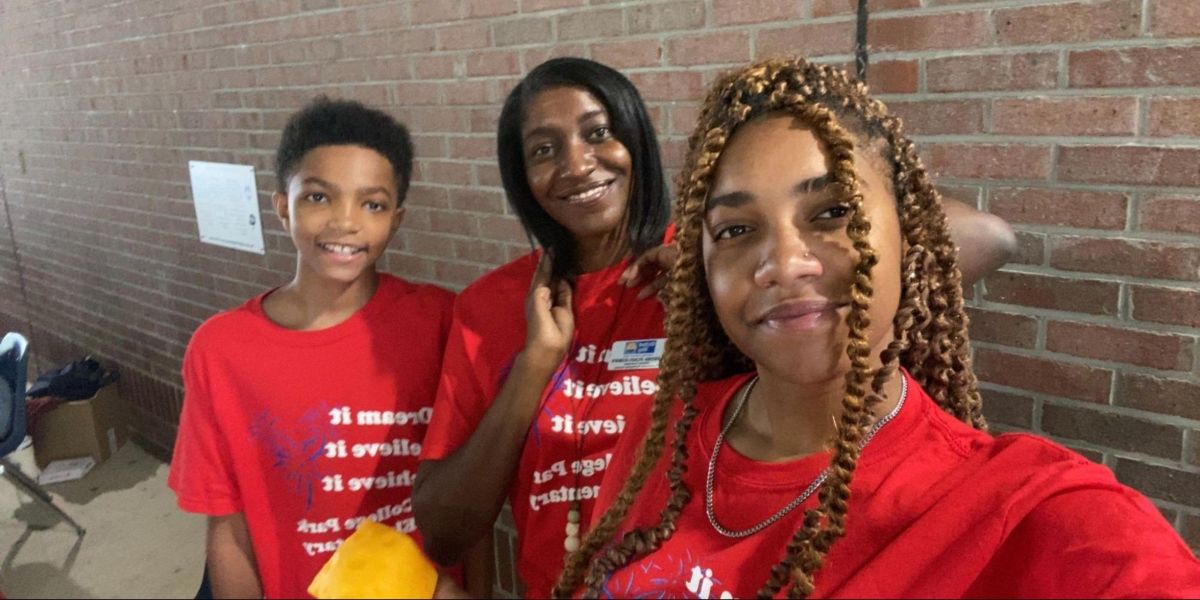
Mental health and wellness are increasingly recognized as vital to well-being today. Individuals are exploring therapeutic options like video game therapy, music therapy, and sports therapy to improve mental health. LaDeidra Stokes-Roberts, founder of RBS Counseling & Educational Services LLC, aims to provide these alternatives. Her deeply personal journey inspires her to help others turn passion into meaningful business ventures.

The Mission of RBS Counseling & Educational Services LLC

LaDeidra Stokes-Roberts began her career in mental health counseling and life coaching after losing her mother to breast cancer in February 2016. This experience motivated her to support others in finding healing and hope. Drawing on her roles as a mother, entrepreneur, and counselor, she creates a welcoming, empathetic space for those in need.

Under LaDeidra’s leadership, RBS Counseling & Educational Services LLC offers educational and life coaching services focused on academic improvement, life skills, and youth development. The organization helps children and families set achievable goals, aiming for positive long-term outcomes.

LaDeidra’s services are crafted to address various challenges, from enhancing academic performance to fostering healthy relationships. Through her work, she encourages individuals to overcome obstacles and grow into their best selves. This approach to personal development helps children and families navigate their academic and personal journeys in meaningful ways.

Non-Traditional Therapy Approaches

A distinctive aspect of LaDeidra’s work is her use of video game, music, and sports therapy, offering new ways to address mental health challenges. These engaging, creative methods support emotional expression where words may fall short.

Video Game Therapy

Video game therapy is an innovative approach that leverages video games to support mental health. While more research is needed, some studies suggest that video games may help improve problem-solving abilities, reduce anxiety, and build resilience. By incorporating gaming into therapeutic settings, individuals—particularly children—may develop new perspectives and strengthen their social interaction skills.

Music Therapy

Music therapy is a widely used approach for mental health support. It allows individuals to express emotions that might otherwise be difficult to share. Benefits like cognitive enhancement, mood improvement, and self-esteem building are associated with music therapy, and LaDeidra includes this option to help clients explore and improve emotional well-being.

Sports Therapy

Sports therapy harnesses physical activity to support mental well-being. Participation in exercise can enhance mood, reduce stress, and build self-esteem. LaDeidra uses sports therapy to help individuals increase confidence, develop teamwork skills, and manage emotions constructively.

Life Coaching Services for Youth and Families

In addition to her mental health counseling services, LaDeidra offers life coaching for children and families. Her coaching is designed to support the development of key life skills and emotional resilience, focusing on areas that are crucial for personal and academic growth. Some of the main areas of focus include:

1. Building Self-Esteem

Self-esteem is an important component of mental health. LaDeidra works with clients to help them build confidence, recognize their strengths, and overcome negative self-beliefs. This process encourages individuals to adopt a more positive view of themselves.

2. Empowerment and Self-Motivation

Empowerment is central to LaDeidra’s coaching approach. She helps individuals identify their inner strength and cultivate the self-motivation necessary to overcome challenges and pursue their goals.

3. Life Skills and Time Management

LaDeidra’s coaching also addresses important life skills such as time management and organizational skills. These skills are vital for both academic and personal success. She works with clients to enhance their ability to manage their time effectively and build healthy family relationships.

4. Managing Emotions

Learning to manage emotions is a crucial aspect of emotional well-being. LaDeidra helps clients identify emotional triggers, develop coping strategies, and build resilience to navigate life’s challenges.

5. Academic Achievement and Social Relationships

LaDeidra’s coaching emphasizes both academic achievement and the development of positive social relationships. Her services include homework support, guidance on addressing learning difficulties, and fostering healthy interactions with peers.

Additional Services for Mental Health and Wellness

In addition to focusing on self-esteem, life skills, and academic success, LaDeidra provides services to address other common challenges faced by children and families:

  • Anger Management: Helping clients understand and manage anger in constructive ways.
  • Divorce and Separation: Offering support to individuals navigating family changes.
  • Social Networking and Internet Safety: Teaching clients how to use digital platforms responsibly and safely.
  • Bullying and Cyberbullying: Providing strategies for dealing with bullying in all its forms.
  • Grief and Loss: Offering compassionate support to those coping with the death of a loved one.

Helping Others Thrive Through Passionate Counseling and Coaching

LaDeidra Stokes-Roberts’ story and dedication to mental health counseling and life coaching offer inspiration to those seeking to turn their passions into purpose. Through innovative approaches like video game therapy, music therapy, and sports therapy, as well as life coaching for children and families, LaDeidra provides valuable tools for building self-esteem, improving academic success, and developing life skills. Her work continues to provide meaningful support to the community, encouraging individuals to reach their full potential.


Disclaimer: The information provided in this article is intended for general informational purposes only and does not constitute professional medical, psychological, or therapeutic advice. The services described may offer valuable support for mental health and personal development, but it is important to consult with a licensed professional for specific concerns or conditions. Individual results may vary. Always seek the advice of your healthcare provider or mental health professional before making any decisions related to your well-being.

How Can Virtual Intensive Outpatient Programs Help Teens Struggling with Mental Health?

As more teens face mental health challenges like anxiety, depression, and mood disorders, families are exploring treatment paths that combine structure with accessibility. For example, teen virtual IOP (intensive outpatient program) provides a balanced approach by delivering therapeutic support through online sessions, allowing adolescents to stay connected to their daily lives while receiving consistent mental health care. This kind of format has become increasingly relevant for teens who need more than traditional therapy but don’t require inpatient care.

By blending individual therapy, group sessions, and family involvement, virtual IOPs give teens a structured space to manage symptoms and learn lifelong coping strategies. With the flexibility of attending sessions from home, teens are more likely to stay engaged and make progress without facing disruptions to school or family commitments.

Key Takeaways

Virtual IOPs for teens provide structured mental health support through secure online platforms.

Programs focus on therapy, skill-building, and family communication.

Teens benefit from maintaining routines while actively working on emotional wellness.

How Virtual IOPs Fit into Teen Mental Health Treatment

Virtual intensive outpatient programs bridge the gap between outpatient therapy and residential treatment, making them a strong fit for many teens. They are especially helpful for adolescents experiencing moderate to severe symptoms of anxiety, depression, or emotional dysregulation who still function in daily life but need regular clinical guidance.

A Flexible Structure Without Removing Teens from Home

One of the most important benefits of virtual IOPs is the ability to participate in therapy without leaving home. This is especially valuable for teens who struggle with change, social anxiety, or school-related stress. Sessions are conducted at set times throughout the week, often including individual therapy, group discussion, and skills-based work like mindfulness or cognitive-behavioral techniques.

Maintaining a connection to home and school while receiving care helps teens apply therapeutic tools in real time. They can practice communication skills with family members, manage social stressors, and reflect on their emotional responses while staying grounded in familiar surroundings.

Building Consistency to Support Mental Health Goals

For teens managing mental health conditions, consistency is key. Virtual IOPs provide a reliable framework with scheduled sessions multiple days a week, ensuring that teens are not left to navigate emotional challenges alone. With guidance from licensed professionals, adolescents work on treatment goals over time, tracking progress and adjusting strategies as needed.

This consistent contact also helps reduce relapse risk or regression, especially during high-stress periods like transitions back to school or changes in family dynamics. Programs may include regular assessments to evaluate how teens are responding and make real-time adjustments to the care plan.

Fostering a Sense of Connection in a Digital Setting

Despite being virtual, many IOPs successfully create a sense of peer support and accountability. Group therapy sessions connect teens with others experiencing similar challenges, helping reduce feelings of isolation that often accompany anxiety or depression. Being part of a guided, judgment-free space fosters emotional expression and builds social confidence.

Teens also benefit from practicing vulnerability and active listening, skills that are essential for healthy communication. Over time, these connections help adolescents feel seen and understood, which can be a major turning point in mental health recovery.

What to Look for When Choosing a Teen Virtual IOP

Selecting the right virtual IOP requires more than just checking schedules and pricing. Families should evaluate the program’s therapeutic methods, the credentials of its clinicians, and the level of personalization it provides. A well-rounded IOP will combine evidence-based treatment with flexibility and strong communication.

Evidence-Based Approaches and Qualified Staff

The foundation of any effective teen virtual IOP lies in its clinical approach. Look for programs that use proven treatment models such as dialectical behavior therapy (DBT), cognitive behavioral therapy (CBT), or trauma-informed care. These techniques have demonstrated success in treating common teen concerns like emotional regulation, low self-esteem, panic attacks, and mood swings.

Equally important is the experience of the professionals delivering care. Ensure that therapists are licensed, trained to work with adolescents, and knowledgeable in both individual and group dynamics. Quality programs clearly outline their therapeutic philosophy and tailor care to each teen’s needs.

Integrating Family Into the Process

Family involvement is a key part of lasting recovery, even in virtual settings. Many IOPs include weekly family sessions, psychoeducation, or parent coaching to ensure that caregivers are part of the healing process. This can help resolve misunderstandings, improve communication, and empower parents to support their teen’s progress outside of sessions.

Open communication between providers and families also creates a feedback loop that keeps treatment aligned with home dynamics. As teens apply new strategies, families gain insight into how to reinforce those behaviors and create a more stable home environment.

Monitoring Progress and Supporting Long-Term Growth

A strong virtual IOP doesn’t end with session attendance—it should include regular progress reviews and goal tracking. Teens benefit from seeing how their efforts lead to change, whether through emotional growth, improved academic performance, or stronger social interactions.

Programs may incorporate check-ins, outcome assessments, or written reflections to keep teens accountable and aware of their development. This process also helps identify areas that need more support, ensuring that care remains effective over time. Families should feel confident that the program is adapting to their teen’s evolving needs.

Conclusion

A virtual IOP can be a transformative option for adolescents navigating mental health struggles. By combining the structure of intensive treatment with the accessibility of a digital platform, these programs meet teens where they are—both physically and emotionally. With evidence-based care, consistent support, and active family involvement, virtual IOPs provide a comprehensive path forward for lasting recovery.


Disclaimer: The information provided in this article is for informational purposes only and is not intended as medical advice. It is important to consult with a qualified healthcare professional to determine the appropriate treatment plan for your teen’s mental health needs.

DJ Prince Hakim: Carrying a Legacy While Crafting His Own Sound

By: Jeremy Murphy

For Prince Hakim Bell — known professionally as DJ Prince Hakim — music is more than a career. It’s in his DNA. The son of Robert “Kool” Bell, co-founder and bassist of Kool & The Gang, and the nephew of the late Ronald Bell, the group’s co-founder, songwriter, and producer, Hakim grew up surrounded by platinum records, sold-out tours, and the hum of studio sessions. But while his family’s legacy could have been a heavy shadow, Hakim has turned it into a source of inspiration — one he’s determined to honor while carving his own path as a performer, DJ, and philanthropist.

“I’m here for music and to entertain people, uplift people,” Hakim says. “People ask what I do, and I tell them — I lift spirits and make people feel good.”

That spirit is front and center in his latest single, She Bad, a track he describes as a celebration of women. “We always try to write to empower women because we come from women,” he says. “If you’re doing your thing, making power moves, looking good, taking care of yourself—you could say she’s bad. You want to do anything for her.” The song’s playful title line was sparked during a writing session when Janet Jackson appeared on screen and was described as “bad” — a compliment that stuck. “It’s about all women just doing their thing,” Hakim adds.

Much of his early musical education came from summers spent on the road with Kool & The Gang, watching from the wings as the group played to massive crowds. “Subconsciously, I realized that I was learning everything right there,” he recalls. “It just became a sponge.” Time in his uncle’s home studio deepened his understanding of songwriting and production. Eventually, he found his own performance voice — not only as a recording artist but also as a DJ.

For Hakim, the two roles are different but equally rewarding. “When I’m DJing, I’m behind a booth, entertaining from there, keeping the party going for a few hours,” he explains. “Performing, I get to grab the mic and run around on stage and really get in front of the people. I love both.”

That versatility has brought him to high-profile stages, including Good Morning America, The View (where he spun for Whoopi Goldberg’s birthday), Art Basel in Miami, and private gigs for corporate clients.

When it comes to reading a crowd, Hakim says preparation and adaptability are key. He recalls arriving at one event only to find the entire company was Spanish-speaking— a detail no one had mentioned. “I’m playing all this music, no one’s dancing,” he says. “Finally, someone told me, so I put on a Spanish song, and they ran onto the floor. You just never know what you’re walking into.”

Hakim’s sense of purpose extends beyond the stage. He is deeply involved in the Kool Kids Foundation, which was founded by his late mother to keep music alive in schools. After her passing in 2018, Hakim and his family revived the foundation to honor her vision. “We want to keep music alive in schools. We do that by having fundraisers throughout the year — celebrity golf outings, events — and we give back to the community,” he says.

In just six years, the foundation has distributed a significant amount of instruments, uniforms, and other support to school programs, primarily in New Jersey. Celebrity supporters have included Chris Tucker, Ja Rule, members of Run-DMC, and Kathy Sledge of Sister Sledge. The mission, Hakim notes, is increasingly urgent. “The music program is usually the first to be cut,” he says. “It’s unfortunate. But to see the kids’ faces light up when we give them these instruments — that’s the way we can give back to God and the universe blessing us.”

Balancing gigs, recording projects, and philanthropic work keeps Hakim’s schedule packed. This year alone, he’s slated to DJ the Only Make Believe fundraiser on Broadway and the Montclair Jazz Festival, in addition to regular private and corporate events, which he performs about four times a month.

Though his music often centers on celebration and empowerment, Hakim hints that future projects may take on more reflective tones. “My next project will be more inspirational, maybe, because there’s a lot of stuff going on in the world,” he says. For now, though, he’s content to keep crowds moving — and spirits high — whether through a perfectly timed track transition in the DJ booth or an onstage performance.

For someone who’s been immersed in music his entire life, Hakim remains energized by the challenge of staying current while staying true to his roots. “You really have to know music,” he says. “I’ve been listening to it my whole life, so it’s programmed in me. The thing I have to do is keep up with the new music coming out.”

And while the industry has changed dramatically since Kool & The Gang first topped the charts, Hakim sees both advantages and challenges in the digital age. “It’s easier now because you can be your own record label,” he says. “But anyone can do it. There’s a lot of traffic you’ve got to cut through. Unless you get noticed on TikTok, you may need some money to get your record moving.”

Success, however, seems less a factor of luck in Hakim’s career than endurance, adaptability, and a genuine love for what he does. Whether he’s honoring his family’s storied legacy or building his own, one thing is clear: DJ Prince Hakim is determined to keep the music playing—and the dance floor full.