Kimberly Paige Bluhm: Philanthropy with Intention

By: Lexi Wolf

All My Children

After spending much of her adult life abroad, Kimberly now divides her time between Chicago, Aspen, Palm Beach, and Miami, becoming an influential figure in each community. Each city offers its own philanthropic landscape, but her guiding principle remains consistent: if she can’t show up in person, she doesn’t take on a board position.

Rolling Up Her Sleeves

Kimberly’s philanthropic approach is focused and intentional, centered around three main causes—the Dreyfoos School of the Arts, the Palm Beach Police & Fire Rescue Foundation, and the Miami-Dade Impact Collective—into which she channels much of her energy, creativity, and time. “I prefer not to spread myself too thin,” she said. “It’s not about attaching your name to something just for the sake of being involved.” She believes that while financial contributions are important, it is the time and effort invested that can truly create lasting change.

Although she willingly buys tickets to luncheons when friends invite her, her true passion lies in actively participating with the organizations she supports. “You can make a greater impact when you have the time and space to dedicate to specific causes,” she shared. One of her most memorable experiences occurred on a February morning at the Dreyfoos School, where she volunteered to conduct mock scholarship interviews for graduating seniors. One by one, the students performed a three-minute excerpt, whether it was an aria, a trumpet solo, or a slam-poetry set, before answering Kimberly’s questions about ambition and overcoming challenges. “They were so grateful that we were there, giving them our time,” she recalled. Observing that blend of talent and vulnerability, she said, was “a truly rewarding experience.”

Drawn to Culture

The Dreyfoos School of The Arts

In West Palm Beach, Kimberly is dedicated to supporting the Dreyfoos School of the Arts, a public high school that nurtures students’ creative talents. “They’re singers, they’re musicians, they write poetry, they’re actors. They all have their own unique gifts,” she explained. “Some of the students face financial hardships and challenging home situations. I’ve met these students, and their passion and talent are truly inspiring.” The school recently acknowledged Kimberly’s dedication to its mission at The Derby of Dreams, where she was honored alongside J. Michael Prince, the president and CEO of the U.S. Polo Association.

Her commitment to arts education is also a response to the ongoing reduction of public funding. Federal and state budgets have steadily reduced support for music, theater, and visual arts programs over the past decade; in rural Colorado, where Kimberly once served on the board of Jazz Aspen, some school districts struggled to afford even basic instruments. “Private donations are more important than ever to fill this gap,” she said.

Building Up Communities

The Palm Beach Police & Fire Rescue Foundation

For Kimberly, having a safe and well-supported community is a top priority, which is why she is involved with both the Miami-Dade Impact Collective and the Palm Beach Police & Fire Rescue Foundation. The Miami-Dade Impact Collective is a group of compassionate and dynamic women committed to addressing the needs of underserved populations in the community. “Our mission is to expand and create vital programs and services for those in need in Miami,” Kimberly explained.

The Palm Beach Police & Fire Rescue Foundation plays a crucial role in supporting a community that has transformed from a quiet, secluded haven to a bustling global hotspot filled with high-profile residents and events. The foundation not only funds necessary equipment but also helps provide housing subsidies to officers and firefighters, making it more feasible for them to live in the area they protect. According to Kimberly, this work is essential if Palm Beach is to attract “the most qualified individuals” to serve in these critical roles.

Practicing Kindness

A core value in Kimberly’s approach to philanthropy is kindness, which she practices regularly in small gestures like a warm smile. “I smile a lot because I want to put people at ease and bring a sense of warmth to every room,” she said. This focus on creating a welcoming atmosphere is also part of her strategy for making a meaningful impact. A kind smile during a scholarship interview helps calm nervous students. A simple nod at a fire-station fundraiser can make first responders feel recognized, not just sponsored. A thoughtful thank-you text to a fellow donor can transform a transactional interaction into the foundation for future collaboration. In Kimberly’s perspective, philanthropy is about building relationships, not seeking attention.
A Global Power Move in Art, Sport & Business: Diogo Snow Unveils Ronaldinho Collaboration at Versace Mansion Power Lunch

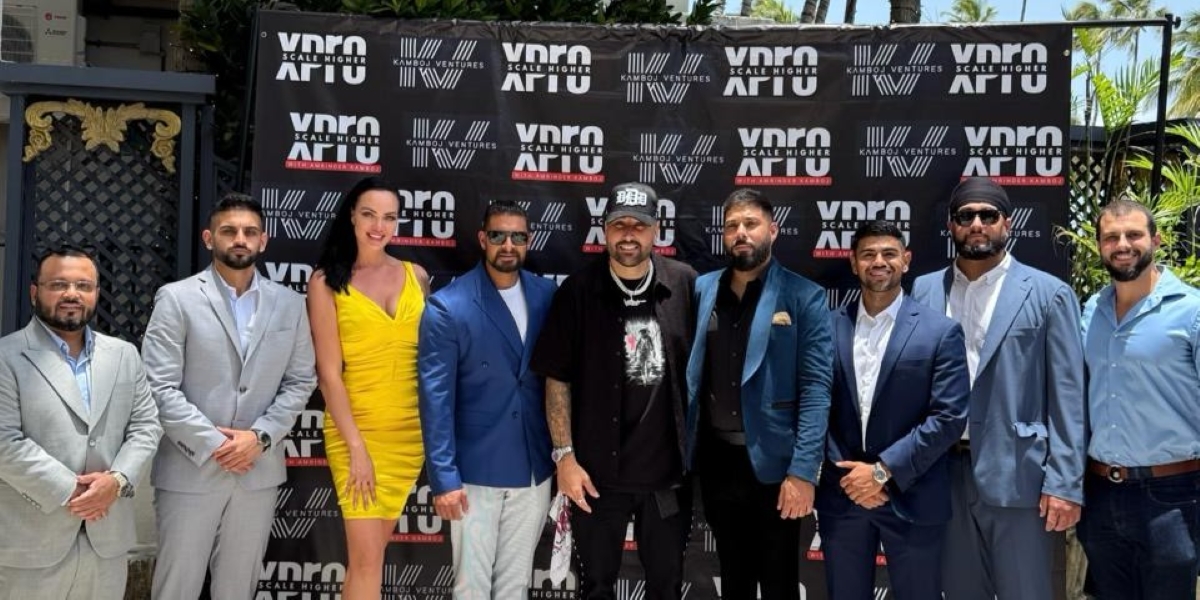
Miami Beach, FL – June 6, 2025 — What happens when art, sport, and business intersect at the highest level? You might witness a moment like this: a Canadian-Brazilian artist known for his electrifying street style, Diogo Snow, unveiling a remarkable collaboration with football legend Ronaldinho—not within the confines of a gallery, but at a table surrounded by some of the world’s most influential business leaders.

Presented in the United States by Amarna, an art consultancy company specializing in private sales and luxury experiences, the event was more than a showcase. It was a carefully curated narrative—one that honored roots, greatness, and global ambition. Diogo, originally from Brazil and now based in Toronto, is a creative powerhouse whose distinctive blends of pop culture and graffiti have garnered international recognition. But this time, he ventured into the realm of sports history.

A Global Power Move in Art, Sport & Business: Diogo Snow Unveils Ronaldinho Collaboration at Versace Mansion Power Lunch

Photo Courtesy: Mediamark DIGITAL

In a groundbreaking collaboration, Snow and Ronaldinho—the former FIFA World Player of the Year, Brazilian national hero, and renowned football icon—created a limited-edition art series of soccer balls for “The Big Beautiful Game,” a celebration of football culture through the lens of high art. The custom-designed balls, each a visual masterpiece, were sent directly from Snow’s Canadian studio to the Chase Stadium field, where Ronaldinho himself personally signed them. This wasn’t just merchandise—it was a unique, museum-quality collaboration, a physical tribute to beauty, legacy, and motion.

A Global Power Move in Art, Sport & Business: Diogo Snow Unveils Ronaldinho Collaboration at Versace Mansion Power Lunch

Photo Courtesy: Mediamark DIGITAL

But the journey didn’t end there.

The very next day, one of these rare pieces made its way to a symbol of luxury: The Versace Mansion in Miami Beach, where the “Power Lunch with Leaders” event was being held—hosted by Amrinder Kamboj, founder of Kamboj Ventures, a strategic empire builder known for connecting innovation, capital, and culture. The event brought together 200 influential entrepreneurs and investors, creating an atmosphere of connection, ambition, and vision.

The event was organized by NOOSH, with art curated by Amarna. While NOOSH was responsible for the overall experience, the exquisite multi-course meal—ranging from vibrant Mediterranean bites to refined dishes—was prepared and served by Gianni’s Restaurant, located inside the iconic Villa Casuarina, the former Versace Mansion.

As Snow took the stage to reveal the signed Ronaldinho ball, guests gathered in anticipation. Until then, the ball was not available for purchase—a statement piece with no price attached. However, in an unexpected and memorable moment, Snow chose to offer the one and only available piece for acquisition.

A Global Power Move in Art, Sport & Business: Diogo Snow Unveils Ronaldinho Collaboration at Versace Mansion Power Lunch

Photo Courtesy: Mediamark DIGITAL

The collector? None other than Amrinder Kamboj himself.

In a remarkable conclusion to an event already filled with power moves, the hand-signed Ronaldinho x Snow ball was secured and immediately placed under protection. Following the event—curated by Amarna—the ball was escorted directly to a private airfield and flown to its new home: the Kamboj Ventures HQ in Calabasas, California.

From Brazil to Toronto, from Chase Stadium to the Versace Mansion, and finally to Calabasas—this wasn’t just a product release. It was a journey of culture, collaboration, and capital, illustrating the evolving boundaries of where art can go and what can happen when icons from different worlds converge in one place.

What a trip. What a journey. What a moment in history.

Lisa T. Miller’s Playbook for Selling to Hospital Executives

By: Mike Sutton

“In healthcare sales, service always comes first. Focus on healthcare outcomes, and you may see your sales and impact grow.”

These words from Lisa T. Miller capture the foundation of her approach. With over 33 years of experience in healthcare, she has developed a framework that many in the industry have found effective for selling directly to hospital executives.

A $1 Trillion Opportunity

Healthcare spending in the United States exceeds $4.9 trillion, with hospitals representing over $1.4 trillion of that total. This presents a considerable opportunity for companies looking to sell products and services to healthcare organizations.

However, accessing these budgets involves navigating complex decision-making structures and financial pressures that are not as prevalent in other industries.

Lisa points out that selling in healthcare is distinct. “Hospitals balance mission and margin,” she explains. “Every solution must both improve patient care and support the hospital’s financial health.”

This dual focus means vendors must be able to demonstrate both clinical and financial value.

Why Selling to the C-Suite Matters

Many companies attempt to sell into healthcare by initially engaging mid-level managers or department heads.

Lisa suggests that this approach may not always be the most effective.

“Sales often stall at mid-level management because these contacts may lack the authority to make significant decisions,” she notes.

Instead, Lisa recommends targeting the C-suite directly. Executives such as Chief Nursing Officers, Chief Financial Officers, Chief Operating Officers, and Chief Medical Officers hold the authority to approve major purchases that affect the entire organization.

Selling at this level increases the likelihood of securing larger deals, shortening sales cycles, and fostering long-term partnerships.

“When you reach the C-suite, you’re not just selling a product; you’re presenting a solution that aligns with their strategic goals,” Lisa elaborates.

The Core Framework: Mission, Margin, and Measurable ROI

Lisa T. Miller teaches that successful healthcare sales require a balanced approach:

  1. Lead with patient-centered benefits: Begin by showing how your solution improves outcomes, reduces readmissions, or enhances care delivery.

  2. Follow with clear financial value: Illustrate how your solution can reduce costs, increase revenue, or enhance efficiencies.

  3. Always present measurable ROI: Use data, case studies, and financial models to back up your claims.

In her resource Selling To The Healthcare C-Suite, Lisa provides specific strategies for crafting these value propositions.

“Executives expect data-driven insights. They need to understand how your solution supports both their clinical mission and their financial margin,” she adds.

Positioning Yourself as a Solution Provider

The key to engaging hospital executives is positioning yourself as a trusted advisor, rather than just a vendor.

“Executives are bombarded with sales pitches,” Lisa explains. “What they’re looking for are partners who bring innovative solutions they may not have considered yet.”

Lisa advises sales professionals to conduct thorough research into each hospital’s unique challenges, strategic priorities, and leadership goals. She recommends customizing every presentation to address these specific needs.

In her C-Suite Selling Checklist, Lisa suggests the following preparation steps:

  • Researching the client’s business model, recent developments, and leadership changes.

  • Identifying key initiatives that your solution can help support.

  • Mapping out stakeholders and their roles in decision-making.

  • Developing tailored messaging that aligns with the hospital’s objectives.

Breaking Through to the C-Suite

Securing meetings with hospital executives can be challenging. Traditional cold emails may not often yield success. Instead, Lisa recommends a multi-pronged approach:

  • Leverage professional networks and introductions.

  • Attend executive conferences and industry events.

  • Use direct mail featuring highly customized, insightful proposals.

  • Create thought leadership content that executives actively seek out.

“When I was a CEO, I would regularly search for new solutions and innovative ways of operating,” Lisa recalls. “Executives are always looking for fresh insights. If your content offers new perspectives, they’ll be more likely to reach out.”

Lisa’s content strategy includes webinars, articles, podcasts, and videos. Her Selling to Healthcare podcast, which ranks among Feedspot’s top healthcare podcasts, is one example of how she maintains visibility among executives.

Real-World Success

Lisa T. Miller’s approach has led to measurable success. Over the course of her career, she has:

  • Generated over $200 million in healthcare sales.

  • Produced $3.5 million in pipeline revenue within just 30 days for one healthcare client.

  • Closed several seven-figure deals by educating executives through webinars and thought leadership.

  • Led her company, VIE Healthcare, to be acquired by Morgan Stanley Capital Partners.

Her system is now formalized into The C-Suite Mastery Program, where she guides sales teams through diagnostics, training, and live sales call support.

“It’s not about theory. It’s about execution,” Lisa emphasizes.

Avoiding Common Mistakes

Through her extensive experience, Lisa has identified key mistakes that sales professionals should be aware of when selling to healthcare:

  • Failing to differentiate their solution.

  • Over-relying on cold email outreach.

  • Neglecting to present credible, data-backed ROI.

“Healthcare executives face significant pressures. They don’t have time for vague or unsupported claims. You need to be well-prepared, credible, and focused on their most pressing challenges,” Lisa advises.

A Niche Within a Niche

Lisa T. Miller has cultivated a unique niche focused on selling to the healthcare C-suite.

“There are few individuals who possess both deep healthcare experience and the ability to sell effectively at the executive level,” she says. Her blend of operational expertise, executive selling experience, and hands-on consulting sets her apart.

For companies seeking to sell into hospitals, Lisa T. Miller offers a practical playbook supported by decades of real-world results.

To learn more or access resources, including her book Selling To The Healthcare C-Suite, visit her website.


Disclaimer: The information presented in this article is intended for informational purposes only. While the strategies outlined have been effective for many, individual results may vary depending on various factors, including but not limited to the specific healthcare organization, market conditions, and the execution of the strategies. No guarantees of success, revenue, or outcomes are made or implied. It is always recommended to consult with a professional or expert before making any significant business or sales decisions.

The Importance of Anonymity: Exploring the ‘Jane Doe’ Pseudonym in Court

By: Ethan Rogers

Beverly Hills, CA… Why might a woman choose to be referred to or file a lawsuit under the name Jane Doe?

Have you ever wondered if you know someone who’s used that pseudonym?

It’s a step frequently seen in the courtroom. But why is it used?

Primarily for anonymity, of course. But are there other reasons?

Sometimes it is out of safety concerns. Other times, it’s to safeguard their reputation. Or it may be both. For some, it helps them continue their professional life. For others, it’s a way to maintain their personal relationships. In some instances, it’s a method to protect loved ones, perhaps family members. Or maybe it’s simply to wait until the timing feels right to step into the spotlight.

Why is this done?

Too many of these women have been

  • Subjected to harmful campaigns
  • Harassed
  • “Caught in the web”
  • Damaged
  • Defamed
  • Depicted falsely
  • Subjected to misinformation
  • Doxed
  • Exploited
  • The target of false rumors
  • Frightened
  • Followed
  • Harassed (listed twice)
  • Blacklisted internationally
  • Intimidated
  • Lost their privacy
  • Mischaracterized
  • Misrepresented through photos and videos
  • Photographed without consent
  • Publicly shamed
  • Heckled
  • Received threatening messages
  • Scared
  • Scrutinized
  • Silenced
  • Slandered
  • Smear campaigns
  • Stalked
  • Targeted
  • Threatened
  • Tracked
  • Traced
  • And more.

It can feel as though they are part of a scripted narrative. Public defamation is a form of institutional betrayal experienced by many survivors. Worse, it contributes to the broader cultural silencing of these women.

While one IT expert explains being “caught in the web” as “not personal,” they add that “the damage is.” This insight seems eerily accurate.

These Jane Does might have been victims of assault, sexual or otherwise, or raped, possibly multiple times or by more than one perpetrator. Some may even be participants in a rape victim’s protection program, such as California’s Safe At Home program, which is a confidential address program managed by the California Secretary of State’s office.

She could be someone with little formal education, or she may have graduated from a highly regarded institution. She might fall anywhere in between.

Together, these women face challenges in overcoming not just the trauma of what has been done to them but also the societal judgment that still surrounds such situations.

It has been described as a violation so profound that it feels as though it takes away your very identity. Brutal and dehumanizing. An assault so damaging that it seems there is no way forward, and no way out. The survivor may appear so disfigured and disgraced that no one would listen to her, even if she wished to speak. So, what happens next? How can she reclaim her identity when it is being misused by someone else, and in some cases, with the threat of further harm should she object?

Once they decide to regain control of their future, “Jane Doe” can be the pathway that allows them to move forward and take the next steps.

It is said that there is great strength to be found in adversity.

HOW TO BE A WOMAN ONLINE: Surviving Abuse and Harassment, and How to Fight Back, by Nina Jankowicz, explores the social media aspect and provides useful guidance. Unexpectedly, she herself became the target of an overwhelming amount of abuse and harassment online, mostly from men, after the book was published.

Since the rapid rise of social media, an estimated 77% of Americans, according to Healthline, are active online. Some experts suggest that the situation may be spiraling out of control. Families have been torn apart when children, after enduring online bullying, have tragically taken their own lives. Or when a peer made a comment like “you should kill yourself,” and the student acted on it.

So much content is reposted, repurposed, shared, and commented on. Careers have been derailed, families shattered, friendships interrupted, and relationships severed — sometimes for good. Essentially, lives have been irrevocably affected. Ultimately, it’s nearly impossible to ensure everything is erased. Forever.

Hence, the decision to step forward as Jane Doe.

This is why a plaintiff’s choice to file a complaint is often considered courageous by their legal counsel.

Do you know a Jane Doe? Or perhaps you are one? If so, know that you are not alone.


Disclaimer: The information presented in this article is for informational purposes only and should not be considered as legal advice or an endorsement of any particular course of action. The experiences and situations described are meant to highlight broader societal issues and are not representative of every individual’s experience. If you are facing harassment or other personal challenges, it is recommended to seek professional guidance or legal counsel to address your specific situation.

Mentorship and Impact: Joe Shalaby’s Mission to Help First-Generation Entrepreneurs

Joe Shalaby‘s journey from financial success to focusing on mentorship and giving back serves as a thoughtful example for aspiring entrepreneurs. Today, his mission is to support others—particularly first-generation entrepreneurs—through investments, scholarships, and actionable advice. His story and philosophy have positively impacted many, and his influence continues to grow through programs like “Lift While You Climb.” His book, Rising from the Sand, offers practical insights for young professionals and aspiring business leaders.

Shifting Focus: From Financial Success to Giving Back

As a successful entrepreneur, Joe Shalaby understands the challenges that come with building a business from the ground up. Many first-generation entrepreneurs face unique obstacles—limited networks, fewer resources, and a lack of guidance—that others may not fully understand. Joe’s response has been to invest in these individuals and offer them the mentorship needed to break through barriers and scale their businesses.

One of his key initiatives is the formal mentorship program he developed, called Lift While You Climb. This program pairs promising minority professionals with experienced executives for a 12-month, goal-oriented experience. By incorporating Key Performance Indicators (KPIs) and offering micro-equity incentives for launching ventures, Joe’s program has helped many mentees make significant progress toward their goals.

Joe’s Advice for the New Generation

Through his own experiences and the lessons he’s learned along the way, Joe offers valuable advice for young professionals starting their entrepreneurial journey. He emphasizes the importance of patience and long-term thinking, advising that true success rarely comes overnight. According to Joe, young entrepreneurs should:

  • Play the long game: Focus on sustained success rather than seeking instant results.
  • Do the right thing when no one’s watching: Integrity is vital in business, especially when external validation is absent.
  • Build a business that helps others in tough times: Successful businesses don’t just thrive in good times; they offer value when the world faces challenges.

These principles reflect Joe’s belief in creating businesses that are not only profitable but also impactful and sustainable. His own experiences, particularly during the financial crash, shaped this mindset.

In his book, Rising from the Sand, Joe outlines five key questions to ask before pursuing any opportunity:

  • Does it serve a real need?
  • Does it uplift more than it extracts?
  • Will it make my children proud?
  • Can it run without me, allowing for family time?
  • Does it create freedom for others?

Only when an idea answers “yes” to these questions does it move from concept to execution. This approach encourages aspiring entrepreneurs to think beyond short-term gains and focus on long-term sustainability and positive impact.

The 4 R’s Framework: A Guide to Success

One of Joe’s key principles is the 4 R’s framework, which can help anyone facing challenges or striving for growth. It emphasizes the following:

  • Resilience: It’s not about how often you fall, but how quickly you recover that determines success.
  • Resourcefulness: Constraints can spark creativity, making resourcefulness a critical skill.
  • Relationships: Trust compounds over time and is essential for building a lasting career.
  • Reputation: Your reputation is your silent advocate; protect it as you would your equity.

These four elements are core building blocks for anyone looking to establish a long-lasting career.

Tactical Strategies for Young Professionals

Joe’s book also offers actionable strategies designed to help young entrepreneurs achieve their goals. Here are a few key takeaways:

  • 90-Day “Impossible” Goals: Break down large, intimidating targets into smaller, manageable sprints to make consistent progress every day.
  • No-Excuse Budget: Create a zero-based budget that ensures every dollar aligns with your business mission.
  • Silent Power Moves: Build influence quietly and win allies before you need them. Influence often works excellently when it’s subtle and strategic.

These strategies provide young professionals with practical tools they can implement immediately to push their careers and businesses forward.

Building a Legacy Through Giving Back

Joe Shalaby’s philosophy centers around the importance of giving back to others. His mentorship program, investments, and book offer a comprehensive guide for the next generation of entrepreneurs. His actionable advice provides young professionals with the tools they need to succeed. Ultimately, Joe believes that businesses should not only generate profit but also create value and positive change for others, especially during challenging times.

“Digital Compass” Decodes the “Yantai Model” of China’s Wine Industry

Understanding the Yantai Model’s Impact on China’s Wine Industry

The recent release of the Xinhua·China (Yantai) Wine Industry Development Index at the 2025 GWTO Enotourism Conference marks a significant moment for understanding the growth trajectory and model of Yantai’s wine industry. This index doesn’t simply catalog numbers; it provides insight into the progress and potential of the region. With the Yantai Development Sub-Index reaching a noteworthy 143.31 points in 2024, the sustained growth rate of over 7 percent annually since 2019 is hard to overlook. This steady growth likely reflects a thoughtful strategy and vision that other wine-producing regions might find worth considering.

Yantai’s six sub-indicators—spanning industrial strength, brand reputation, and international influence—show consistent improvement. Each aspect of the industry appears to be interwoven, creating a solid ecosystem that supports not just local production but also national demands. This approach seems to have helped Yantai evolve from a regional player into a more prominent force on the global stage.

But what is it about Yantai’s model that other regions could potentially learn from? For one, the comprehensive output value has increased to about 50 billion yuan. This figure illustrates how Yantai has expanded beyond merely producing wine to creating a complete industrial chain, including everything from barrel manufacturing to smart wine-making technologies. In practice, when infrastructure is thoughtfully developed, it tends to benefit many, and that’s what Yantai seems to have accomplished.

Further solidifying its influence, Yantai has formed collaborations with well-known wine-producing regions around the world, including France, Spain, and Argentina. This international outreach supports knowledge exchange and innovation, allowing Yantai to continuously refine its practices. Programs like the “International Network of Cities of Vine and Wine” help to strengthen its reputation within the global wine community.

The outcomes are clear. Yantai is not just producing wine; it is also cultivating a long-lasting cultural heritage tied to enotourism. The city was even awarded the “International Certificate as a Responsible Enotourism Destination,” which underscores its commitment to sustainable tourism and the careful management of its natural resources.

By examining Yantai, other regions can see how they might adapt and prosper. The main takeaway is that success in the wine industry today requires not just excellent products but also a well-planned, forward-thinking strategy that engages both local and global communities.

For those curious about the future of wine production, the Yantai model offers an intriguing case study. It demonstrates that, with the right focus on innovation, sustainability, and global partnerships, many wine regions could have the opportunity to turn challenges into possibilities. With all these developments on the horizon, one can’t help but wonder what the next chapter in Yantai’s wine story will reveal.

The Future of Yantai’s Wine Industry and Its Global Influence

Looking ahead, the future of Yantai’s wine industry isn’t just about maintaining its current successes; it’s also about evolving with the changing landscape of global wine consumption and production. As consumer preferences shift towards more sustainable and artisanal products, Yantai is already taking steps to align with these demands. This proactive approach is reflected in their focus on environmentally friendly practices and technological advancements. For example, the use of smart technologies in wine manufacturing not only enhances productivity but also helps improve quality control, ensuring that every bottle meets higher standards.

Additionally, the city has become a key hub for wine education and research, creating programs that help aspiring winemakers understand both the art and science of wine production. This investment in education helps cultivate a new generation of talent that could keep Yantai at the forefront of the industry. Educational institutions and partnerships with global wine organizations facilitate knowledge sharing, making Yantai a key location for those wanting to learn about modern wine production techniques.

Yantai’s efforts extend beyond production; they actively promote enotourism. As wine enthusiasts seek authentic experiences, Yantai offers an array of activities, from vineyard tours to tasting events, that immerse visitors in the local wine culture. This not only supports the local economy but also strengthens Yantai’s reputation as a key destination for wine lovers. By blending tourism with production, Yantai showcases its wines on a global stage while educating visitors about its rich heritage.

As Yantai continues to build collaborations with other esteemed wine regions, the potential for cross-cultural exchange grows. These partnerships enable shared resources, research collaboration, and marketing strategies that could help elevate the profile of wines produced in Yantai. The connections with regions like Bordeaux and Tuscany are particularly fruitful, offering valuable insights into different winemaking traditions and techniques.

In summary, the Yantai model is not just a reflection of success in the present; it’s a vision for the future of the wine industry. By focusing on innovation, sustainability, and education, Yantai stands as an example of how a region can potentially transform itself into a global leader. As they navigate the challenges and opportunities ahead, other regions can draw inspiration from Yantai to foster their growth and adapt to the ever-evolving market. The wine industry, much like the wine itself, requires patience, passion, and a willingness to evolve—qualities that Yantai appears to embody wholeheartedly.