What Defines a Standout Kitchen Renovation Project

Why Homeowners Are Investing in High-End Kitchen Renovations

The kitchen has evolved beyond being just a place for cooking—it’s now the heart of the home, a space for entertaining, and a reflection of personal style. More homeowners are upgrading their kitchens with premium materials, innovative designs, and modern technology. But not all renovations are created equal. For those seeking award-winning kitchen renovations, the difference lies in expert craftsmanship, high-quality finishes, and an ideal balance of functionality and aesthetics.

Investing in a high quality kitchen renovation doesn’t just enhance daily living; it also significantly boosts property value. Whether upgrading for personal enjoyment or preparing to sell, a well-designed kitchen sets the tone for the entire home.

What Makes a Kitchen Renovation Stand Out?

Not every remodel earns industry recognition. Well-designed kitchen renovations stand out due to their meticulous attention to detail, superior materials, and thoughtful design. These projects transcend trends and create timeless, functional spaces tailored to the homeowner’s needs.

1. Aesthetic Excellence Meets Practicality

A stunning kitchen isn’t just about looks. The ideal designs seamlessly blend beauty with usability, helping to make the space as functional as it is stylish. From intuitive layouts to carefully placed storage, high quality renovations prioritize efficiency without compromising elegance.

2. High-Quality Materials and Craftsmanship

Well-designed kitchens incorporate premium luxurious materials that stand the test of time. This includes natural stone countertops, custom cabinetry, and high-end hardwood or polished concrete flooring options. Expert craftsmanship helps with every element—a well-aligned backsplash or seamless cabinet installation—adds to the overall refinement.

3. Space Optimization and Smart Layouts

A well-planned kitchen makes daily tasks easier. Whether it’s a large, open-concept design or a compact space that needs to maximize every inch, high quality renovations focus on flow, accessibility, and innovative storage solutions. The kitchen work triangle (sink, stove, and refrigerator) is strategically designed to minimize unnecessary cooking movement.

4. Seamless Integration of Modern Appliances

Well-designed kitchen renovations offer both style and functionality. Features like smart appliances, energy-efficient lighting, and integrated technology enhance convenience. From touchless faucets to built-in coffee stations, these kitchens include thoughtful details that improve daily tasks while keeping a modern look.

Key Trends in High-End Kitchen Renovations

The ideal kitchens reflect current trends while maintaining a timeless appeal. Here are some features driving well-designed kitchen renovations today:

1. Open-Concept Designs and Multifunctional Spaces

Modern kitchens are designed to be social spaces. Open-concept layouts allow for easy interaction between the kitchen, dining, and living areas, creating a seamless flow for entertaining. Islands and breakfast bars serve as gathering points, making the kitchen more versatile.

2. Statement Countertops and Backsplashes

Countertops play a central role in kitchen design. Quartz, marble, and sustainable surfaces are popular for their durability and elegant appearance. Bold, veined patterns and waterfall edges add a luxurious touch, while full-height backsplashes create a seamless, high-end look.

3. Custom Cabinetry and Hidden Storage Solutions

Well-designed kitchen designs often feature custom cabinetry tailored to the homeowner’s lifestyle. Soft-close drawers, pull-out pantries, and hidden compartments enhance aesthetics and functionality. Matte finishes and natural wood tones are trending, offering a sophisticated yet warm appeal.

4. Luxury Fixtures and Hardware

The details matter. High-end kitchens feature designer fixtures, including brass or matte black faucets, oversized pendant lighting, and custom handles that complement the overall design. These small touches elevate the space and add to its refined appearance.

Choosing the Right Renovation Team

A kitchen renovation is most successful when guided by experienced professionals who understand design, craftsmanship, and project execution. Working with the right team can help ensure a smooth process and a great result.

1. Look for Industry Recognition and Experience

Hiring a renovation team with a strong track record can help that your project meets high standards. Reviewing past projects, customer testimonials, and industry certifications can give you an idea of the company’s ability to deliver quality results.

2. Prioritize Communication and Transparency

Renovations require collaboration between homeowners and contractors. A reliable renovation team will maintain clear communication, provide realistic timelines, and outline costs upfront to avoid surprises.

3. Use High-Quality Materials

Some contractors cut corners by using cheaper materials. Always verify that your renovation team sources durable, premium materials that align with the project’s vision and budget.

How Kitchen Renovations Impact Property Value

A well-designed kitchen isn’t just about aesthetics—it’s a wise investment. Real estate experts consistently rank kitchen remodels among the highest-return home improvements.

1. Good Return on Investment for Kitchen Remodels

Reports show that mid-to-high-end kitchen renovations can recoup anywhere from 50% to 80% of their cost when selling a home. Buyers prioritize updated kitchens, making it a key selling point in competitive markets.

2. Features That Add the Most Value

Certain upgrades contribute more to resale value than others. High-end appliances, durable countertops, and quality cabinetry are among the features that attract buyers. A well-designed kitchen renovation enhances a home’s appeal, often leading to faster sales at higher prices.

3. The Long-Term Benefits of Quality Craftsmanship

A kitchen designed with superior materials and expert workmanship will remain in excellent condition for years, reducing the need for repairs and renovations down the line.

Avoiding Common Mistakes in Kitchen Renovations

Even with the intentions, some homeowners make costly mistakes during renovations. Here’s what to avoid:

1. Poor Planning and Layout Design

A kitchen should be designed for efficiency. Neglecting workflow and space optimization can result in an impractical, frustrating layout.

2. Choosing Low-Quality Materials

Cheaper materials might save money initially but often lead to higher maintenance costs. Investing in durable, high-quality finishes helps with longevity and a better return on investment.

3. Overlooking Functionality for Aesthetics

A visually stunning kitchen that lacks practicality won’t serve its purpose. Storage, accessibility, and ease of use should be just as crucial as design choices.

4. Working with Unqualified Contractors

Hiring inexperienced contractors can lead to poor execution, delays, and budget overruns. Always choose a reputable, skilled team with proven experience in well-designed kitchen renovations.

The Bottom Line

Well-designed kitchen renovations focus on more than just surface upgrades. They blend quality materials, skilled craftsmanship, and thoughtful design to create attractive and functional spaces. Whether you want to enhance daily living or increase your home’s value, investing in a quality renovation can be beneficial.

By choosing the proper renovation professionals and prioritizing quality, homeowners can achieve a kitchen that stands out today and remains timeless for years to come.

Disclaimer: The information provided in this article is for general informational purposes only and reflects current trends and best practices in kitchen renovations. Results may vary depending on individual circumstances, including the quality of materials, craftsmanship, and professional expertise. The opinions and recommendations shared are based on industry insights and should not be considered as specific advice for any particular renovation project. Always consult with a qualified professional before making decisions related to home renovations.

Published by Anne C.

How to Maintain Clean and Hygienic Common Areas in Office Buildings

A clean office building leaves a lasting impression on both employees and visitors. Maintaining common areas like lobbies, restrooms, break rooms, and conference rooms goes beyond appearances—it helps contribute to a healthier and more productive work environment. When these spaces are well-kept, employees tend to feel more comfortable, and visitors often experience a welcoming atmosphere. However, ensuring cleanliness requires a consistent and strategic approach. This article explores effective ways to maintain hygienic common areas in office buildings.

Why Clean and Hygienic Common Areas Matter

Maintaining clean office spaces is more than just about aesthetics. A hygienic environment can help reduce the spread of germs, potentially ensuring that employees and visitors remain healthy. With so many people using shared spaces daily, bacteria and viruses may accumulate quickly on frequently touched surfaces like doorknobs, elevator buttons, and shared desks. A well-maintained office might also improve air quality, reducing allergens and dust buildup that could cause discomfort. When an office building is clean, it often reflects positively on a company’s image, creating a welcoming and professional atmosphere.

Daily Cleaning Essentials for Common Areas

To keep office buildings in top condition, cleaning should ideally be a daily priority. This can help ensure that high-traffic areas remain spotless and sanitary.


  • Regular Disinfection: Frequently touched surfaces like door handles, light switches, and shared equipment are often recommended to be disinfected multiple times a day to help prevent the spread of germs.
  • Trash Management: Garbage bins in shared spaces are generally advised to be emptied daily to minimize odors and clutter. Overflowing trash might attract pests and create an unpleasant environment.
  • Restroom Maintenance: Office restrooms should ideally be well-stocked with soap, paper towels, and toilet paper. Regular cleaning can help maintain hygiene and prevent unpleasant odors.
  • Vacuuming and Dusting: Common areas are typically recommended to be vacuumed daily to remove dirt, dust, and debris. Dusting furniture, windowsills, and electronic devices can also help maintain a fresh look.
  • Break Room Cleanliness: The office kitchen or break room is often suggested to be cleaned regularly, with special attention to shared appliances like coffee machines and microwaves.

Weekly and Deep Cleaning Practices

In addition to daily upkeep, some areas may require a more thorough cleaning on a scheduled basis. A weekly or bi-weekly deep cleaning routine can help maintain the overall hygiene of office spaces.


  • Carpet and Upholstery Cleaning: Office carpets and furniture can trap dirt and dust. Deep cleaning these surfaces weekly or monthly might help extend their lifespan and keep the air fresh.
  • Window Cleaning: Clean windows not only improve aesthetics but also can allow natural light to brighten up the office space, potentially contributing to a more pleasant work environment.
  • Air Vent and HVAC Maintenance: Regularly checking and cleaning air vents might prevent dust buildup, potentially improving indoor air quality and reducing allergens.
  • Floor Polishing: Hard flooring in lobbies and hallways is often recommended to be polished regularly to maintain a professional and polished look.

Encouraging Employees to Maintain Cleanliness

A clean office environment is often considered a shared responsibility. While professional commercial cleaning oshawa services handle the major tasks, employees can play a role in keeping common areas tidy. Simple habits like wiping down surfaces after use, properly disposing of trash, and keeping desks organized can contribute to overall cleanliness. Office management might also consider placing hand sanitizing stations in high-traffic areas and encouraging good hygiene practices among employees.

Choosing the Right Cleaning Services

Hiring a professional cleaning service is often one of the most effective ways to ensure that an office building stays clean and hygienic. A reliable commercial cleaning company typically understands the unique needs of office spaces and tailors its services accordingly. They often use high-quality cleaning products and professional equipment to ensure thorough sanitization. When selecting a cleaning service, it’s generally advisable to look for one that offers flexible schedules, uses eco-friendly products, and has a good reputation in the industry.

The Impact of a Clean Office on Productivity

A clean and hygienic office is often thought to be beneficial for health—it might also have a positive impact on productivity. Employees working in a tidy environment tend to focus better, feel more motivated, and experience lower stress levels. Clutter-free and fresh-smelling spaces can create a pleasant work atmosphere that might enhance overall efficiency. Moreover, an organized office could reduce distractions, allowing teams to work more effectively.

Summary

Maintaining clean and hygienic common areas in office buildings is widely considered essential for creating a healthy and professional environment. By following a consistent cleaning schedule, encouraging employee participation, and hiring expert cleaning services, offices can remain spotless and welcoming. A well-maintained office space not only boosts employee well-being but also leaves a lasting positive impression on clients and visitors.

Published by Tom W.

How to Pack and Move Heavy Furniture Safely and Reduce the Risk of Injury

Moving large pieces of furniture can be a challenging task, especially when done without proper planning. Whether you are relocating to a new home or just rearranging your space, taking steps to handle heavy furniture correctly can help improve safety and efficiency. With the right techniques, tools, and preparation, you can often make the process smoother and less stressful.

Preparing for the Move

Before lifting or moving any furniture, it is important to plan. Rushing into the task without assessing the situation may lead to unnecessary strain or damage. Taking the time to evaluate the space, gather the right tools, and prepare properly can often make the process easier.

Assess the Furniture and Pathway

Start by evaluating the size, weight, and shape of each furniture piece you need to move. Check if it can be disassembled, as removing legs, drawers, or other detachable parts may make it easier to carry. Next, examine the pathway from the current location to the new destination. Ensure there are no obstacles like rugs, cords, or clutter that could potentially cause tripping.

Gather the Right Moving Equipment

Using the right tools can often reduce the effort required to move heavy items. Some commonly recommended moving equipment includes:

  • Furniture sliders: These can help glide heavy furniture across floors with minimal resistance.
  • Moving straps: These may help distribute weight evenly and reduce strain on your back.
  • Dollies or hand trucks: A wheeled dolly can be useful when transporting large items.
  • Protective padding: Use blankets or bubble wrap to help protect furniture from scratches and damage.
  • Work gloves: A good pair of gloves can provide a firmer grip and help prevent slipping.

Having these tools on hand can often make moving easier and may help prevent unnecessary strain.

Proper Techniques for Lifting and Moving

One of the most common mistakes when moving furniture is using improper lifting techniques. Incorrect lifting can sometimes lead to back pain, muscle strain, or even injuries. Understanding how to lift correctly can help move furniture more safely and efficiently.

Lift With Your Legs, Not Your Back

When picking up heavy furniture, it is generally recommended to bend at your knees instead of your waist. Keep your back straight and use the strength of your legs to push upwards. This method may help prevent excessive pressure on your lower back and could reduce the risk of injuries.

Keep the Weight Close to Your Body

Holding heavy objects close to your torso can help maintain balance and may reduce stress on your arms and back. Avoid extending your arms too far or twisting your body while carrying furniture, as this could potentially cause strain.

Work With a Partner

Moving large furniture pieces alone is often difficult and may not be ideal. Having an extra set of hands can make the process easier and safer. Communicate clearly with your moving partner, like storage london ontario, to ensure smooth coordination.

Disassembling Large Furniture for Easier Moving

Many furniture pieces are designed to be taken apart, which can make them easier to move. Removing parts such as table legs, bed frames, or cushions may reduce bulk and weight, allowing for a more manageable moving process.

  • Unscrew and detach any removable parts carefully.
  • Keep all screws and small parts in labeled bags to help avoid losing them.
  • Wrap each disassembled piece in protective padding for added safety.

This approach can help reduce the size of bulky items and may make carrying them through doorways easier.

Protecting Furniture and Floors

During the moving process, both furniture and floors can benefit from proper protection to avoid scratches, dents, and damage. Taking a few precautions can help keep everything in good condition.

  • Use blankets or furniture pads to cover delicate surfaces.
  • Place cardboard or protective sheets on the floor to help prevent marks from dragging.
  • Avoid pushing furniture directly on hardwood or tiled floors, as this could potentially cause scuffing.

Simple protective measures can often help ensure that neither your furniture nor your flooring suffers significant damage during the move.

Using the Right Moving Strategy

Different furniture items may require different moving strategies. Depending on the type of furniture, a specific approach can often make handling them easier.

Moving Sofas and Couches

Large sofas can sometimes be difficult to maneuver, especially through tight doorways. To make the process easier:

  • Remove cushions to reduce weight.
  • Tilt the sofa slightly to fit through narrow spaces.
  • Use furniture sliders to glide it across the floor more easily.

Transporting Tables and Desks

For large tables, consider detaching the legs before moving them. If the table is too heavy, carrying it with the help of a moving strap may help prevent unnecessary strain.

Handling Heavy Dressers and Cabinets

To move a dresser or cabinet with drawers, remove the drawers first to make the structure lighter. If the drawers contain items, take them out or secure them with tape to help prevent them from sliding open.

Loading and Transporting Furniture

Once all furniture is packed and ready to go, the next step is loading it onto the moving vehicle. Taking the right approach can help ensure everything stays secure during transit.

  • Start by placing the heaviest and largest furniture pieces first to create a stable base.
  • Secure furniture with moving straps to help prevent shifting during transit.
  • Use blankets or padding between items to help avoid scratches.

Following these steps can often help ensure that furniture arrives safely at the destination without significant damage.

Unloading and Reassembling

After reaching the destination, unloading furniture should be done carefully to help prevent damage. Follow the same safe lifting techniques while removing items from the vehicle. Reassemble any disassembled furniture by referring to the labeled bags of screws and small parts. Taking your time to put everything back together can make the unpacking process smoother.

Final Tips for a Smooth Moving Experience

Moving heavy furniture requires effort, but a few additional tips can often make the process more efficient.

  • Take breaks when needed: Moving heavy furniture is physically demanding, so it’s important to avoid overexertion.
  • Stay hydrated: Proper hydration can help maintain energy and focus.
  • Wear comfortable clothing: Loose, flexible clothing can allow for easier movement.

By following these small but effective practices, you can often ensure a smoother and safer moving experience.

Summary

By following these practical steps—and considering services like Storage Windsor for secure, temporary storage—you can often move heavy furniture more efficiently while reducing the risk of injury. Proper planning, using the right tools, and maintaining good lifting techniques can make the entire process more manageable and less stressful. Whether you are moving to a new home or simply rearranging your space, a careful and strategic approach can help ensure a smoother experience.

Published by Tom W.

Seasonal Hiring Made Simple: Smart Strategies for Hospitality   

By: Jacob Maslow

In the hospitality industry, seasonal fluctuations in demand often occur, and seasonal hiring is the ideal option to deal with them. Seasonal hiring is essential for any place to maintain the busy summer tourist season, the winter holiday rush, or the increase in special events. However, seasonal hiring requires quality workers, and specific strategies might help recruit them. 

Plan and Forecast Early 

Hospitality business owners often wait for the last-minute seasonal hiring, but you shouldn’t. Last-minute seasonal hiring creates an overwhelming experience, so it’s better to plan the hiring by anticipating when you will need extra workers. You can look into the last season’s requirements and rush so that you can improve the seasonal hiring. Assess the upcoming demands with department managers to create a recruitment timeline.

Optimise Job Descriptions

A job description should be written to attract great talent. Plan early on how to attract talented people and what to offer them so they choose the on-demand hospitality staffing platform. Make the job description more engaging by including key aspects that make the role appealing, such as workplace culture or benefits. Ensure the job expectations and duration are clearly stated to prevent misunderstandings. Use inclusive language that resonates with a diverse range of candidates, and clearly outline the required skills.

Utilise Multiple Recruitment Channels

Now that many online job platforms exist, your hiring game is up, and ads are posted on LinkedIn, Indeed, and other online job portals. See, there is no harm in reaching the audience through traditional ways, but now that the world relies more on tech, you should also look out for seasonal hiring through online platforms and social media. 

Using social media can be great because people often don’t follow traditional job sites to find a job, but scrolling on social media has become common. Then, you can connect with schools and colleges where students are looking for short-term work opportunities, and seasonal hiring would be ideal for them. Partnering with local businesses and organizations may also be fruitful, as they sometimes try to find ways to make extra money during the seasonal rush.

Simplify the Hiring Process

Seasonal hiring is typically short-term, so keeping the application and interview process simple can help maintain applicant interest. Consider using group hiring or hiring events to efficiently select multiple candidates, and ensure the online application system is easy to navigate. Incorporating technology, such as automated screening tools, can also help streamline the evaluation process.

Offer Competitive Pay and Perks

Every hospitality business is trying to find seasonal employees, so the competition is high. The perks and fun aspects should also be increased to attract outstanding talents. Hospitality businesses often look to retain employees for future seasons, so offering competitive wages can help attract and encourage workers to return. Bonuses and incentives encourage employees to give their ideal performance and stay committed, and it’s essential for seasonal employees as their jobs are temporary. People often look for flexible work schedules, so if you can make offers accordingly, add non-monetary benefits like meals.

Train and Onboard Efficiently

Before working with seasonal employees, train them for effective performance and increase their confidence. Seasonal employees may quickly learn from training programs if they are correctly planned and have a thorough structure. E-learning videos also increase speed; mentors help new employees adjust and learn quickly. Policies and expectations of the company should be made clear so employees perform efficiently.

Foster a Positive Work Culture

Don’t think that seasonal employees are temporary, so the work culture won’t affect them, because it does impact them. A positive work culture improves morale, reduces turnover, and makes employees feel valued. This positive experience increases the chances of seasonal employees returning for future projects. Team bonding activities and rewards or recognition for their work make them feel confident and create a sense of belonging. 

Final Thoughts

Seasonal hiring is not tough if you plan some hiring strategies. Last-minute planning creates chaos and complicates the situation. So work wise, look into past seasonal hiring experiences, and use technology to simplify the application and hiring process. Creating a team of talented and skilled employees would bring success to your hospitality business.


Published by Anne C.

From Clicks to Conversions: Strategies to Improve SEO and Boost ROI

Many businesses invest in SEO to drive more traffic to their websites, but traffic alone does not necessarily translate to success. If visitors aren’t taking meaningful actions—such as making a purchase, signing up for a newsletter, or filling out a contact form—then the true potential of SEO may not be fully realized. The real objective is not just to attract visitors but to convert them into paying customers. This article explores how businesses can optimize their SEO strategies to potentially maximize return on investment (ROI) and improve conversions.

Understanding SEO Beyond Rankings

SEO is often seen as a way to improve search engine rankings, but it can play a much larger role in business success. A well-optimized website can attract the right audience, provide a seamless user experience, and guide visitors toward conversions. Focusing solely on keyword rankings without considering conversion potential might lead to wasted effort. Instead, businesses could consider implementing strategies that align SEO with revenue growth.

Choosing Keywords That Drive Conversions

Not all keywords bring valuable traffic. Some generate clicks but fail to convert because they don’t match user intent. Businesses may benefit from focusing on high-intent keywords—terms that suggest users are ready to take action. These keywords often include phrases like “buy,” “hire,” “services near me,” or “best deals.” Long-tail keywords, which are more specific and less competitive, also often tend to have higher conversion rates.

Keyword research tools can be helpful in identifying profitable search terms. By analyzing search volume, competition, and user intent, businesses can better select keywords that attract visitors who are more likely to become customers.

Enhancing User Experience for Better Conversions

A good SEO strategy with seo calgary can help ensure that once visitors land on a site, they stay engaged. A slow-loading website, confusing navigation, or cluttered design might drive potential customers away. Optimizing site speed, improving mobile responsiveness, and maintaining a clear structure can enhance user experience and reduce bounce rates.

Search engines tend to prioritize websites that offer a smooth experience, meaning UX improvements could boost rankings while increasing conversions. A site that loads quickly, looks professional, and is easy to navigate can make it easier for visitors to take the next step.

Creating High-Quality, Engaging Content

Content plays a significant role in turning visitors into customers. Well-written, informative, and engaging content can build trust and encourage users to take action. Instead of just targeting keywords, businesses might consider creating content that answers customer questions, provides solutions, and highlights the benefits of their products or services.

Blogs, case studies, customer testimonials, and detailed product descriptions can all contribute to improving conversions. Visual elements such as images, videos, and infographics can make content more engaging and easier to understand. A strong content strategy not only attracts organic traffic but also nurtures leads and builds credibility.

Optimizing Landing Pages for Conversions

Traffic alone is unlikely to generate revenue unless landing pages are optimized for conversions. A landing page should ideally have a clear message, a compelling call to action (CTA), and an easy-to-follow design. Elements that can improve conversions include:

  • A strong headline that grabs attention and communicates value.
  • Concise and persuasive copy that explains the benefits of a product or service.
  • Trust signals such as customer reviews, testimonials, or security badges.
  • A clear CTA that tells users exactly what to do next, like “Get a Free Quote” or “Sign Up Now.”

Leveraging Local SEO for Targeted Leads

For businesses serving specific geographic locations, local SEO by seo Vancouver can be a powerful tool for increasing conversions. Optimizing Google My Business (GMB) profiles, gathering positive customer reviews, and ensuring consistent NAP (name, address, phone number) details across online directories can help businesses attract local customers.

Many consumers search for local businesses with high purchase intent, making local SEO a potentially effective way to drive sales. Adding location-specific keywords and creating content relevant to a local audience can also enhance visibility in regional searches.

Implementing Technical SEO for Seamless Performance

Technical SEO ensures that search engines can easily crawl and index a website, which can lead to better rankings and user experience. Some key technical aspects that might impact conversions include:

  • Mobile-friendliness: A responsive design that adapts to all devices.
  • Secure website (HTTPS): Can enhance trust and security for visitors.
  • Fast loading speed: May reduce bounce rates and keep users engaged.
  • Structured data markup: Can help search engines understand the content and display rich results.

Tracking Performance and Adjusting Strategies

SEO is not a one-time effort; continuous monitoring and adjustments are often necessary for sustained success. Businesses might consider tracking key performance indicators (KPIs) such as organic traffic, bounce rates, conversion rates, and revenue growth to assess SEO effectiveness.

Analytics tools can provide insights into user behavior, helping businesses identify what’s working and what needs improvement. Regularly updating content, refining keyword strategies, and testing new optimization techniques can help keep an SEO strategy aligned with business goals.

Strengthening SEO with Social Proof and Trust Signals

Customers are often more likely to convert when they trust a brand. Incorporating social proof—such as testimonials, case studies, and user-generated content—can enhance credibility. Featuring client success stories and highlighting media mentions might reassure potential customers that a business is reliable.

Additionally, trust signals like professional certifications, secure payment options, and transparent return policies can help reduce hesitation and encourage users to complete transactions.

Summary

SEO is more than just a tool for increasing website traffic—it’s a strategy for driving real business results. By focusing on high-intent keywords, improving user experience, creating valuable content, optimizing landing pages, and leveraging local SEO, businesses can potentially maximize conversions and ROI. Regular performance tracking and technical optimizations can help ensure long-term success. With the right approach, SEO can turn website visits into meaningful customer actions, leading to sustained business growth.


Disclaimer: This article is for informational purposes only and does not constitute professional SEO, marketing, or financial advice. While SEO strategies can enhance online visibility and conversions, results may vary based on industry trends, competition, and search engine algorithm updates. Businesses should conduct independent research or consult with a qualified SEO professional before implementing any strategies.

Published by Tom W.

Things Your Construction Accident Lawyer Wants You To Know

Accidents in the construction industry are usually higher and more serious than others. This is primarily due to the extensive range of construction equipment used and unfamiliar sites where work is carried out. Consequently, accidents in construction sites have a profound impact on the lives of the workers involved. 

These accidents can lead to temporary or, in worst cases, permanent disabilities, preventing them from getting employed again. In such cases, contacting a construction accident lawyer is crucial. These professionals have the expertise and experience to help people injured in construction accidents receive fair compensation for the damages incurred. Handling the process alone can lead to extended negotiations and challenges in reaching your desired outcome.

For those who only speak Spanish, abogados de accidentes de construccion can assist with a free consultation and case review.

What Is a Construction Accident

Unexpected events on a construction site that can lead to injuries are called construction accidents. These accidents can also cause property damage and even fatalities in some cases. Unfortunately, the number of accidents in this industry is fairly common

So, if you are involved in a construction accident, you must know you are not alone. Contacting professionals can help you get the assistance needed to receive fair compensation for your incurred damages. 

These Are the Things Your Construction Accident Lawyer Wants You to Know

1. Don’t Wait for Too Long

In construction accidents, people often don’t have the time or the thinking capacity to contact a lawyer. As a result, delays can harm your ability to pursue legal rights and get faster compensation. 

Besides, as time passes, the details of the incident may fade, resulting in inaccuracies in the sequence of events. This may affect how your claims are perceived and could lead to challenges in approval.

2. Document As Much as You Can

Documenting everything, from the sequence of events to medical records or even witness statements, may be immensely beneficial in strengthening your case. You should also consider taking pictures of the scene of the construction accident, the injuries sustained, and a comprehensive report detailing what happened. 

You should also be particular about the time and date of the accident. Keeping the contact details of the witnesses is also recommended. Failure to document the damage may hurt your case. If you’re seeking counseling for your mental well-being, add documents as proof. 

3. Be Transparent and Honest

There’s no point in holding onto details or hiding information as it can directly impact the compensation you will receive. Instead, be as thorough and detailed as you can be. If you feel some detail seems irrelevant, share it with your lawyers. 

4. Don’t Neglect Medical Care

Medical attention is crucial in any construction accident, even if the injury is minor. 

Getting professional assistance helps with your injuries, and medical documents (like diagnosis reports, prescriptions, etc.) can be used to prove the extent of damages caused. 

There are times when, after an accident, the injuries are not visible. This doesn’t mean they don’t exist. Without getting proper treatment, the unseen injuries can take the shape of serious health concerns. 

5. Notify the Management Immediately

Regardless of the injury’s severity, informing management is essential. Not doing so may lead to difficulties in the claims process.

In addition, there are specific considerations regarding the period during which workers’ compensation benefits can be claimed. 

When you alert management about a construction accident, prepare a report highlighting factors related to the accident. 

The Bottom Line

The effects of a construction accident can last beyond the initial injuries. The loss of wages, treatment costs, and the stress of losing financial stability can be overwhelming. Getting in touch with a lawyer specializing in construction accidents can be the way to make sure your case is represented correctly. These professionals have extensive experience and familiarity with the system. It enables them to analyze the extent of damage caused and the compensation you deserve. 

Disclaimer: This article is for informational purposes only and does not constitute legal advice. If you have been involved in a construction accident, consult a qualified construction accident lawyer to discuss your specific case. Laws and regulations vary by location, and legal outcomes depend on individual circumstances.

Published by Anne C.

Gloria Young: Leading the Future of Holistic Wellness and Coaching

By: Alena Wiese 

“Curiosity is the spark; creativity is the journey; authenticity is the destination. Live beyond limits, and let your soul lead the way.” — Miss Gigi.

“Transformation starts with one decision—to believe in your power to grow, heal, and create change.” These words from Gloria Young embody her mission to help transform how families, coaches, and business leaders approach personal and professional transformation.

A mother, entrepreneur, and industry innovator, Gloria Young—affectionately known as Miss Gigi—, is transforming how families, coaches, and business leaders approach transformation. From pioneering parent coaching certifications that have trained over 500 professionals worldwide to launching holistic wellness brands that redefine self-care, her work is built on the foundation of empowerment, healing, and purpose-driven entrepreneurship.

For over two decades, Gloria Young has been working to empower individuals to break free from limitations, embrace personal growth, and create meaningful impact in their lives and careers. Her journey—marked by resilience, self-discovery, and a deep commitment to transformation—has made her a guiding force in the wellness and coaching industries. From pioneering coaching programs to creating holistic wellness brands, she has built an empire deeply rooted in service, empowerment, and a commitment to fostering meaningful change.

Miss Gigi supports families, conscious businesses, and holistic well-being through her work in parenting education, self-care, coaching, and entrepreneurship. She focuses on helping individuals develop resilience, explore their potential, and create meaningful life changes.

A Legacy of Impact Across Multiple Fields

Every business Gloria Young has built is more than just a brand—it’s a mission-driven movement. Over the past two decades, she has developed a diverse portfolio of enterprises that support families, elevate wellness, and train the next generation of transformational coaches.

Her expertise extends beyond one discipline. Whether it’s holistic therapy, newborn care, self-care products, or business strategy, Young’s work is rooted in a philosophy of serving with integrity, empowering through knowledge, and creating lasting impact.

Modern Parenthood Institute: Setting the Standard in Parent Coaching

As a mother of four, Young intimately understands the challenges of modern parenting. She founded Modern Parenthood Institute (MPI) to train certified parent coaches, sleep consultants, and newborn care specialists, equipping them with the knowledge to guide families through one of life’s pivotal experiences—raising children.

MPI’s Core Training Programs:

  • Newborn Care Practitioner Certification – Professional training for newborn care and parental support.
  • Pediatric Sleep Consultant Certification – Science-backed methods for promoting healthy sleep habits in children.
  • Parent Coaching Certification – A research-driven approach to helping parents navigate behavioral, emotional, and developmental milestones.


MPI supports professionals in parent coaching by providing training and resources to help them guide families and develop their careers. Many graduates have used their skills to establish their businesses and begin working with clients soon after completing the program. The impact of MPI’s training is evident in the success stories of its alumni, who are now making a real difference in families’ lives, according to internal surveys conducted by MPI in 2024. This data reflects the program’s effectiveness in equipping coaches with real-world skills and business strategies that lead to sustainable success.

One standout graduate, Jennifer L., transformed her career after completing MPI’s program, launching a successful six-figure coaching practice focused on supporting new parents.

“MPI gave me the confidence and tools to start my parent coaching practice. Within six months, I had a full roster of clients,” shares Sarah T., a certified Parent Coach.

“The program was life-changing, not just for me, but for the families I now help daily.”

A Holistic Approach to Growth and Healing

Young’s influence extends into the world of mind-body wellness, where she believes true transformation comes from aligning mental, emotional, and physical well-being. ‘Healing isn’t just about fixing what’s broken—it’s about nurturing what’s whole,’ she explains. Through Embody Holistic Therapy & Counseling, she helps clients overcome internal blocks, build resilience, and create emotional freedom.

Her Crowned Lotus sanctuary takes healing even more profound, offering craniosacral therapy, lymphatic drainage, and transformational coaching, blending ancient techniques with modern therapeutic approaches.

Creating a Movement for Self-Care & Holistic Living

Gloria Young: Leading the Future of Holistic Wellness and Coaching

Photo: Unsplash.com

Inspired by her experiences managing the demands of entrepreneurship and motherhood, Young founded Hudson Avenue Company and Herbal Harmony Company. She vividly remembers juggling work and family, discovering that simple self-care rituals—like lighting a candle or indulging in a calming herbal soak—provided essential moments of peace and restoration. This understanding led her to design each product meticulously in her self-care lines to help provide relaxation and a more profound emotional well-being.

“’Taking a few moments for yourself each day isn’t just self-care: it’s self-preservation,” Young shares. “I wanted to create something that helps people reconnect with themselves amid their busy lives.”

She remembers the early days of balancing work and family, finding that small self-care rituals—like lighting a candle or enjoying a calming herbal soak—brought moments of peace. This inspired her to create self-care products designed to support relaxation and well-being. From selecting non-toxic ingredients for candles to incorporating herbal remedies, she focuses on holistic wellness and intentional self-care, aiming to make these practices part of daily life.

  • Hudson Avenue Company – A collection of toxin-free, hand-poured soy candles designed for relaxation and sensory healing.
  • Herbal Harmony Company – Small-batch herbal remedies such as elderberry syrups, botanical sprays, and bath soaks, crafted to support whole-body wellness.


These brands reflect Young’s unwavering belief that healing and growth begin with intentional self-care. Through her carefully crafted products, she is helping individuals integrate wellness into their daily lives in simple and transformative ways.

Mentoring the Next Wave of Coaches & Entrepreneurs

Through Aspire Coaching Academy and New England Bodywork & Wellness Academy, Young educates and mentors those looking to establish careers in life coaching, holistic therapy, and wellness entrepreneurship.

At Insightful Solutions Studio, Young merges creative strategy with business expertise, offering branding and content solutions that help entrepreneurs amplify their message. ‘Building a business isn’t just about profit—it’s about purpose,’ she says., She works closely with entrepreneurs, coaches, and business leaders, helping them craft strategic branding, content, and business positioning. She has worked with a holistic wellness coach to strengthen their business through marketing, branding, and industry positioning, helping them achieve growth and expand their reach.

Bringing Transformation to Families Through Storytelling

Gloria Young: Leading the Future of Holistic Wellness and Coaching

Photo: Unsplash.com

Young is also an accomplished author, with books on Amazon and her website, using her creative talents to shape stories that inspire and educate families.

  • Lorelei Noodle Learns to Use the Potty – A delightful and engaging story that helps toddlers gain confidence in potty training.
  • Bedtime Battle with Lorelei Noodle is a heartwarming tale that turns nightly struggles into moments of connection and peace.
  • More to Come! – She is working on her third children’s book, an oracle deck, and additional creative projects to empower and educate families.

The Future of Holistic Coaching, Parenting Support, and Wellness

As the wellness, coaching, and parenting industries evolve, Young integrates elements of science, spirituality, and technology to develop accessible coaching solutions. She focuses on making coaching and self-care more approachable and a natural part of daily life.

The future of wellness and coaching is shifting toward integrative, tech-enhanced solutions. Young integrates AI-driven coaching tools into her programs to enhance accessibility and effectiveness. By incorporating technology into wellness and coaching, she helps clients and students receive personalized guidance, actionable insights, and continuous support.

Industry reports suggest that AI in the mental health market is on a steady growth trajectory driven by increasing interest in technology-driven coaching and wellness solutions. These platforms leverage machine learning to enhance personalized coaching experiences, making guidance more accessible and data-informed. Companies like BetterUp and Headspace are among those incorporating AI to support mental wellness and coaching.

These platforms use machine learning to provide personalized coaching experiences, making transformational guidance more accessible and data driven. Emerging trends also point to an increasing demand for emotional intelligence training and trauma-informed coaching approaches, positioning holistic practitioners at the forefront of the wellness industry and blending emotional, mental, and physical health practices. Personalized wellness solutions, spiritual integration, and AI-driven coaching tools may help enhance accessibility, making holistic support more widespread and tailored to individual needs.

Join the Movement

Ready to transform your life and business? Explore Dr. Gloria Young’s coaching programs, holistic wellness solutions, and personal growth resources at https://www.gloriayoung.com. Sign up today for the first step toward a more empowered and fulfilling life.

Dr. Gloria Young’s network of brands offers an unparalleled opportunity for individuals, coaches, and professionals looking to expand their expertise, elevate their impact, and create meaningful transformation.

Holistic transformation begins here.

Gloria Young: Leading the Future of Holistic Wellness and Coaching

Photo: Unsplash.com

About Gloria Young

Dr. Gloria Young, also known as Miss Gigi, has spent over two decades in holistic wellness, parent coaching, and entrepreneurship. She has developed coaching programs, wellness brands, and training academies focused on supporting individuals and families. Through her businesses, she aims to contribute to the evolving fields of coaching, family support, and holistic healing.

Her work includes training professionals in coaching and wellness, providing them with resources to support their careers and communities. She focuses on developing programs that offer guidance in coaching, wellness, and entrepreneurship, aiming to make these resources more accessible. Through her efforts, she encourages individuals to explore new possibilities and work toward personal and professional growth.

Disclaimer: The information provided in this article is for informational purposes only and does not constitute professional medical, psychological, or business advice. While Dr. Gloria Young’s programs and wellness solutions are designed to support personal and professional growth, individual results may vary. Readers are encouraged to consult with qualified professionals before making decisions related to health, wellness, or business endeavors.

Published by Anne C.

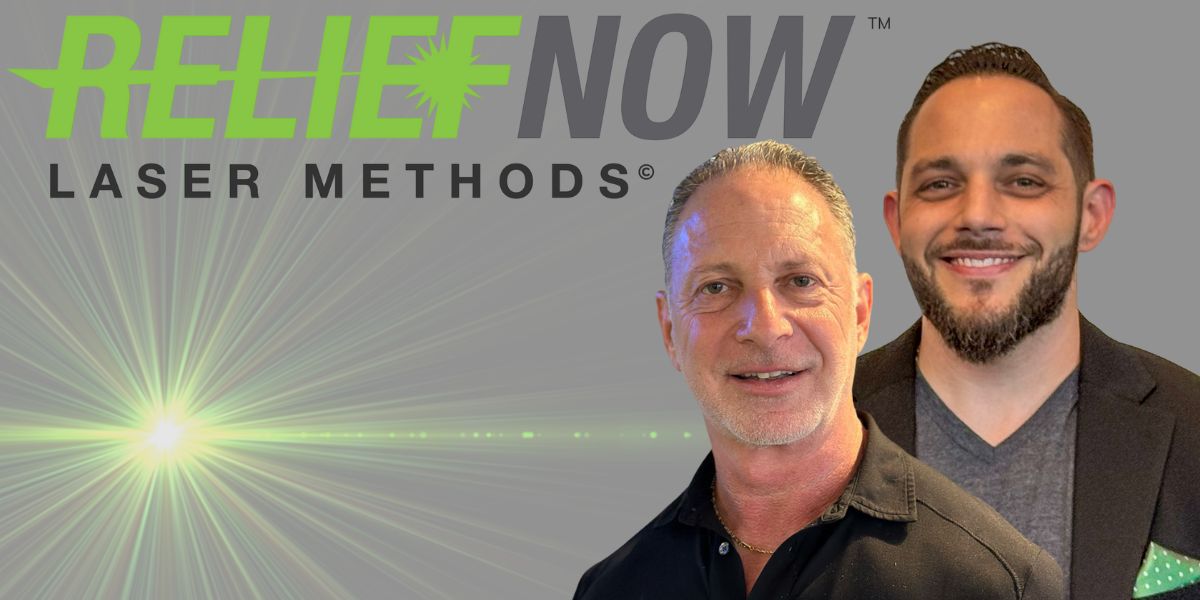
How The Laser Masters is Changing Healthcare with Laser Therapy

By: Alena Wiese 

In an era where healthcare is often dictated by insurance red tape, shrinking reimbursements, and rising costs, Dr. Robert Hanopole and Dr. Michael Rubenstein have built a transformative alternative that is profitable, patient-centric, and poised to change the landscape of non-invasive pain management.

As the co-founders of The Laser Masters and developers of the ReliefNow® Laser Methods, Hanopole and Rubenstein present a scalable, cash-based business model designed to help medical professionals reduce reliance on insurance while incorporating Class IV deep tissue laser therapy for pain relief.

Their business model is highlighted as a case study in Beyond the Beam: Leveraging Regenerative Laser Therapy for Business Success, a book co-authored by Dr. Tamara “Tami” Patzer and Paul Schweet.

A Business Model That Challenges the Status Quo in Healthcare

The U.S. healthcare system has long been dominated by insurance-controlled treatment plans, forcing practitioners to navigate complex billing processes while struggling to provide optimal patient care. The system frustrates doctors, patients, underserved, and businesses working to remain profitable.

Seeing this challenge, Hanopole and Rubenstein developed The Laser Masters model, a turnkey solution for doctors, chiropractors, and physical therapists that:

  • Allowing providers to operate cash-based clinics where patients pay directly for laser therapy sessions creates an alternative revenue model.
  • Increases patient retention and lifetime value by allowing practitioners to offer highly effective, non-invasive pain relief solutions, improving patient satisfaction and repeat visits.
  • Offers a structured model for growth, including marketing support, operational systems, and ongoing training.

“Doctors don’t realize they can be incredibly successful while running an insurance-free practice,” Hanopole said. “The Laser Masters system gives them everything they need to build a thriving business while focusing on patient care—not paperwork.”

Regenerative Laser Therapy: An Emerging Approach to Pain Management

Interest in regenerative medicine is growing as patients explore alternatives to surgery and pharmaceuticals. The FDA-cleared Class IV deep tissue laser therapy offered through The Laser Masters has been studied for its potential to:

  • Reduce inflammation and improve circulation.
  • Accelerate recovery from injuries and chronic pain conditions.
  • Provide lasting pain relief without the risks of opioids or surgery.

Unlike traditional pain management approaches, laser therapy harnesses light energy to stimulate cellular repair, promoting natural healing at a faster rate.

“This isn’t just another treatment option—it’s a medical revolution,” Rubenstein said. “We’re helping practitioners bring cutting-edge technology to their patients while increasing business profitability.”

From Notable Book to Business Guide: Beyond the Beam

The Laser Masters has been featured in Beyond the Beam: Leveraging Regenerative Laser Therapy for Business Success, a book that has ranked on multiple Amazon category charts, including:

  • Number one best seller in Lasers in Medicine
  • Number one hot new release in Business Franchises
  • Number one hot new release in Healthcare Management

The book details how Hanopole and Rubenstein built a sustainable, scalable business model that empowers healthcare entrepreneurs to integrate Class IV laser therapy into their practices and scale their businesses effectively.

“We wanted to share our success formula with practitioners across the country,” said Schweet, a leading healthcare business consultant and co-author of the book. “This isn’t just about better treatments—it’s about creating financial freedom for doctors while improving patient care.”

A Mission Beyond Business: The Ditch the Drugs and Skip the Scalpel®

Hanopole, Rubenstein, and Schweet are working to support doctors in business while advocating for alternative approaches in healthcare.

Through the Ditch the Drugs  and Skip the Scalpel™ Foundation, they aim to:

  • Educate patients and medical professionals about the dangers of opioid dependency and the overuse of surgical interventions.
  • Expand access to regenerative laser therapy for patients in need.
  • Train and certify medical professionals in the latest non-invasive pain management techniques.

“Our foundation is about more than just business—it’s about leaving a legacy of change in healthcare,” Hanopole said. “We want patients to know that surgery and opioids are not their only options.”

The Future of Regenerative Healthcare Is Here

With The Laser Masters, the ReliefNow® Laser Methods, and their influence in business and healthcare innovation, Hanopole and Rubenstein are leading a new wave of medical entrepreneurship.

Their inclusion in Beyond the Beam contributes to the conversation around regenerative laser therapy, highlighting how healthcare can balance patient-centered care with financial sustainability for practitioners.

Where to Get Beyond the Beam

Beyond the Beam: Leveraging Regenerative Laser Therapy for Business Success is available now on Amazon.

For more information on The Laser Masters, the ReliefNow® Laser Methods, or unfranchise opportunities, visit TheLaserMasters.com.

About Dr. Robert Hanopole and Dr. Michael Rubenstein

Dr. Robert Hanopole and Dr. Michael Rubenstein are the co-founders of The Laser Masters, developers of the ReliefNow® Laser Methods, and leading experts in Class IV deep tissue laser therapy. They have worked with numerous practitioners to establish insurance-free practices using their structured business model. As co-founders of the Ditch the Drugs and Skip the Scalpel® Foundation, they support awareness efforts for opioid-free pain management solutions.

Published by Tom W.

How to Find an Assisted Living Facility that Supports an Active Lifestyle

Choosing an assisted living facility is a hard decision, especially if you or your loved one values an active, engaged lifestyle.

The good news? Many facilities today cater to active seniors, offering a range of amenities and programs designed to keep residents moving, learning, and connecting. Learn how to find the ideal fit in this post.

Start by Defining What ‘Active’ Means to You

Take a moment to reflect on what an active lifestyle looks like for you or your loved one. Does it mean daily activities, like yoga or swimming? Are you passionate about hobbies like gardening, painting, or dancing? Or do you thrive on social events, such as book clubs? Knowing your priorities will help you narrow down assisted living facilities that align with your or your loved one’s interests.

Make a list of must-haves and nice-to-haves. For example, if staying physically fit is non-negotiable, look for senior living communities with fitness centers, walking trails, or scheduled exercise classes. If you’re a social butterfly, on the other hand, prioritize senior living communities with robust event calendars and communal spaces.

Research Facilities Online

After identifying your needs, begin your search online. Many assisted living facilities have websites that highlight their amenities, social activities, and lifestyle offerings. Look for terms like ‘active senior living,’ ‘vibrant community,’ or ‘wellness programs,’ which may suggest an emphasis on engagement and activity. Also, consider reviewing photos and videos to get a better sense of the environment.

Don’t forget to read reviews from residents and their families. Review websites and senior-specific platforms can provide honest insights into daily life at the facility. Spot for comments about the variety and quality of activities, the friendliness of staff, and the overall atmosphere.

Visit Multiple Facilities in Person

While online research is helpful, nothing beats an in-person visit. Schedule tours at several facilities to get a feel for their environments.

During your visit, observe and ask the following questions: are residents engaged?; what’s the activity calendar like?; are the amenities in the assisted living community well-kept?; and are their supplementary services available like medication management?; and so on.

Evaluate the Staff and Culture

Look for a team that’s enthusiastic, approachable, and genuinely invested in residents’ active lifestyles. During your visit, observe how staff members interact with residents in their daily lives. Do they seem to enjoy their work while providing premier levels of care?

Also, ask about the staff-to-resident ratio. A lower ratio often means more personalized attention, which can be especially important for residents who need assistance staying active.

The overall culture of the facility matters, too. Does it feel warm and welcoming? Are residents smiling and chatting with each other? A positive, inclusive atmosphere may make all the difference in maintaining an active lifestyle.

Look for Opportunities for Personal Growth

An active lifestyle isn’t just about physical activity—it’s also about mental and emotional engagement.

Consider senior care options that provide opportunities for learning and personal growth, such as workshops or clubs. These activities can help keep the mind engaged and may contribute to a sense of purpose, which can support overall well-being.

Consider Location and Accessibility

Location is another key factor. Proximity to complementary independent living community amenities may enhance an active lifestyle by providing opportunities for outdoor exercise and social opportunities with non-senior community members.

Also, think about accessibility. Senior living options that prioritize accessibility helps all residents can participate in activities, regardless of physical limitations. Check if mobility and safety features, such as ramps, elevators, and handrails, are present and accessible.

Ask About Flexibility and Customization

Everyone’s idea of an active lifestyle is different, so it’s essential to find a facility that offers flexibility. Ask how they accommodate individual preferences and needs. For example:

  • Can residents choose which activities to participate in, or is there a set schedule?
  • Are there options for one-on-one fitness training or personalized wellness plans?
  • How do you handle residents who want to start their own clubs or activities?

A facility that values customization is more likely to support your unique interests and goals.

Consider the Long-Term

When choosing an assisted living facility, think about the future. Will the facility be able to support your needs as they change over time? For example, if your mobility declines, will there still be opportunities for you to stay active? Look for a community that offers a range of services and adapts to residents’ evolving needs.

In addition, consider the financial aspect. Does the facility offer transparent pricing? Are there additional costs for certain activities or amenities? Make sure you understand the financial commitment and how it aligns with your budget.

Trust Your Instincts

Finally, trust your gut. After visiting several care retirement community facilities, you’ll likely have a sense of which one feels right. Pay attention to how you feel during your visits. Do you have peace of mind? Do you see yourself or your loved one thriving in that environment? Your instincts can be a powerful guide in making the right choice.

Final Words

Finding an assisted living facility that supports an active lifestyle is all about knowing your priorities, doing thorough research about the different senior living options available, and trusting your instincts.

Remember, the goal is to find a custodial care provider where you or your loved one can continue to enjoy a high quality of life, connect with peers, and thrive. With the right facility, one’s golden years can truly be some of the most vibrant and fulfilling.

Published by Tom W.

Exclusive Interview with Oxana Yavorskaya: Shaping the Future of Aesthetic Medicine

By: @multi_publications

In the ever-evolving world of aesthetic medicine, many professionals stand out as innovators who are contributing to the transformation of the industry. One such expert is Oxana Yavorskaya, a highly regarded skin care specialist, CEO, and founder of a prominent aesthetics cosmetology practice in Switzerland. She recently attended AMWC 2025 in Miami, one of the world’s respected conferences in anti-aging and aesthetic medicine, which brings together renowned experts, surgeons, and industry leaders. We had the opportunity to speak with Ms. Yavorskaya about her experience at the conference, her contributions to the industry, and her vision for the future.

Photo Courtesy: Oxana Yavorskaya

Q: Ms. Yavorskaya, welcome. You’ve just returned from AMWC 2025 in Miami. What was the most significant aspect of this conference for you?

Oxana Yavorskaya: Thank you. It was truly an honor to be part of such a highly regarded event. AMWC is widely considered one of the leading global platforms where many of the great minds in aesthetic medicine gather to share knowledge, present new techniques, and discuss the future of the industry. What impressed me the most was the level of innovation—emerging technologies, promising regenerative methods, and potentially transformative non-invasive procedures that could play a key role in the future of skin care and rejuvenation.

Q: As a respected figure in aesthetic medicine, what role did you play at the conference?

Oxana Yavorskaya: My role was twofold. First, I attended as a participant, learning about the latest advancements in anti-aging and post-surgical skin recovery. Second, I engaged in thought-provoking discussions with industry leaders, sharing insights on some of the innovative techniques I have developed, particularly in non-invasive post-operative care. It was a valuable opportunity to exchange knowledge with many of the respected experts in the world and to explore different approaches to patient care and aesthetic rejuvenation.

Q: You have built a reputation for developing unique skin restoration methodologies. Could you tell us more about your innovations?

Oxana Yavorskaya: Certainly. One of my notable contributions is a proprietary post-surgical recovery method, which combines microcurrent therapy, anti-swelling applications, and non-invasive skin treatments. This approach has been associated with accelerated post-surgical healing, reduced inflammation, and improved overall patient outcomes. I have also worked extensively on oxygen therapy applications, which have demonstrated promising results in skin regeneration and potential long-term anti-aging benefits.

Photo Courtesy: Oxana Yavorskaya

Q: You have worked internationally with many leading plastic surgeons and global beauty brands. How do you see the future of aesthetic medicine evolving?

Oxana Yavorskaya: The future of aesthetic medicine is likely to be deeply connected to science, innovation, and personalization. We are progressing toward more regenerative and non-invasive techniques, exploring biotechnology, advanced stem cell applications, and customized treatment protocols tailored to each patient’s unique needs. I also see a potential emphasis on holistic skin health, where external treatments are combined with internal wellness strategies, such as personalized nutrition and hormonal balance therapy.

Q: Your presence in the United States and international markets is growing. What are your next steps?

Oxana Yavorskaya: My goal is to continue expanding my expertise and introducing the advanced aesthetic medical techniques to a global audience. I am currently working on scientific publications to share my research on post-surgical skin recovery and modern rejuvenation techniques. Additionally, I am focused on developing new educational programs for professionals in the industry to help ensure that the next generation of aesthetic specialists is well-prepared with the latest knowledge and tools.

Q: What message would you like to share with young professionals entering the field of aesthetic medicine?

Oxana Yavorskaya: Never stop learning. The world of aesthetic medicine is dynamic and constantly evolving. Stay curious, adaptable, and committed to excellence. Seek opportunities to learn from experienced professionals, embrace innovation, and most importantly, always prioritize the well-being of your patients.

Q: Thank you, Ms. Yavorskaya, for sharing your insights. It’s clear that your work is having a meaningful impact on the industry, and we look forward to seeing what’s next for you.

Oxana Yavorskaya: Thank you. It was a pleasure speaking with you.

Photo Courtesy: Oxana Yavorskaya

Contact Information

Instagram:

  • @oxanayavorskaya_zurich
  • @luxurycosmetology_zurich
  • @luxurycosmetology_london


Website: https://www.luxurycosmetology.com/

PR: @multi_publications

Published by Tom W.