IDOL Academy Graduates Land Instructional Design Jobs

By: Andi Stark

Instructional design, a once-niche field, is gaining traction as companies prioritize corporate learning and development. As organizations invest in creating engaging, effective eLearning solutions, the demand for skilled instructional designers has surged. According to market research, the global eLearning market is projected to grow dramatically by 2029, reflecting the critical role of instructional design in shaping workplace education.

IDOL Academy, a virtual vocational school specializing in instructional design, has achieved a notable benchmark: Its graduates find employment in instructional design within months of completing their training.

Breaking Into Instructional Design Without a Master’s Degree

Traditionally, entry into instructional design required advanced degrees in education or related fields. IDOL Academy, founded in 2019 by Dr. Robin Sargent, has challenged this notion, offering an alternative through a trade school model. The Academy provides hands-on training, mentorship, and real-world application, eliminating barriers that previously deterred many from pursuing this career.

Dr. Sargent explains, “The job market doesn’t wait for years of theoretical study. Employers want practical skills and portfolios that show real work. That’s what our graduates bring to the table.”

The Academy’s graduates report competitive starting salaries annually in fully remote roles—a significant draw for career changers, educators, and professionals seeking flexibility and financial stability.

A Curriculum Designed for Success

Key to the program’s success is its focus on job readiness. Under the mentorship of seasoned industry professionals, students are guided through creating professional portfolios, completing internships, and building job application materials. IDOL Academy partners with over 130 companies, including IBM and Coursera, to place graduates in roles that align with their skills and interests.

The curriculum includes training in eLearning tools like Lectora, gamification techniques, and animation. Unlike traditional degrees, the program emphasizes deliberate practice—repeated, targeted exercises aimed at mastering core competencies.

“Our students graduate with more than just certificates,” Dr. Sargent notes. “They have portfolios, job experience, and confidence in their abilities. That makes all the difference.”

The Numbers Behind the Claim

The Academy’s job placement rate is based on data collected from its 3,000 graduates over the past five years. The program’s affordability is another factor driving its appeal. It offers a cost-effective alternative to master’s degrees, ranging from which often cost more.

With a steadily increasing annual revenue since its inception, IDOL Academy’s model is proving successful for students and as a sustainable business. Additionally, its partnership with We Are provides students access to advanced eLearning tools, further enhancing their job prospects.

What Employers Are Looking For

Employers increasingly value practical skills over formal education. Hiring managers often prioritize candidates who can demonstrate experience with instructional design platforms, effective course creation, and the ability to align learning objectives with business goals.

IDOL Academy equips its graduates with real-world experience before entering the job market. Its dedicated staffing agency, IDOL Talent, helps link graduates and potential employers by offering flexible staffing solutions for companies.

One recent graduate shares, “In five months, I went from going nowhere in my ID (Instructional Design)  journey to landing a position with a prestigious learning company in my area.”

The Future of Instructional Design Careers

Instructional design continues to expand as companies embrace remote work and digital transformation. Forecasts suggest the field will grow annually through 2030, outpacing many other professions. As demand increases, alternative pathways like IDOL Academy will likely become critical in meeting the workforce’s evolving needs.

Dr. Sargent reflects, “Our goal is to make instructional design a career anyone can pursue with the right tools and guidance. We’re proud of the success of our graduates, and we’re excited to see the impact they’re making in the field.”

With a high placement rate, IDOL Academy sets a high standard for vocational training in instructional design, demonstrating practical, focused education that leads to meaningful, sustainable careers. Join IDOL Courses Academy’s 20th Cohort Starting January 13, 2025! Step into a thriving community where passion meets profession. In 24 weeks, learn industry-leading instructional design theories and cutting-edge technology while crafting a standout portfolio and resume. With personalized mentorship and expert feedback at every turn, this is your chance to jumpstart your career and achieve your IDOL goals.


Published by: Erin M.


Remote Patient Monitoring: The Next Frontier in Telehealth

Remote patient monitoring (RPM) is transforming healthcare by enabling real-time health management and empowering patients to take charge of their well-being. This innovative telehealth service bridges the gap between traditional in-clinic care and home-based health management through wearable devices, secure data transmission, and advanced analytics.

Healthcare providers, including Bask Health, recognize RPM as an essential tool for improving health outcomes, particularly for individuals managing chronic conditions. RPM enhances patient engagement and allows providers to deliver proactive, data-driven care. This article explores the key components, benefits, technological advancements, and future of RPM, along with its Medicare coverage and challenges.

Understanding Remote Patient Monitoring

What Is Remote Patient Monitoring?

Remote patient monitoring involves the use of technology to collect and transmit patient health data—such as blood pressure, heart rate, and glucose levels—to healthcare providers for analysis and timely intervention. Unlike traditional methods requiring frequent clinic visits, RPM ensures continuous health monitoring, which is particularly crucial for managing chronic conditions.

For instance, a heart disease patient might use a wearable heart rate monitor that sends real-time data to their provider. If irregularities arise, both the patient and care team are alerted, enabling immediate action to prevent complications.

Key Components of RPM Systems

  • Patient Devices: Tools like fitness trackers, glucose meters, and blood pressure monitors collect essential health data.
  • Data Transmission Platforms: Secure networks ensure real-time data transfer from devices to providers.
  • Provider Dashboards: These platforms allow clinicians to analyze patient data for trends and irregularities, enabling timely medical decisions.

RPM Versus Traditional Telehealth

While telehealth typically involves virtual consultations, RPM focuses on continuous monitoring. For example, instead of solely relying on video calls, RPM uses devices like glucose meters to track a patient’s metrics, enabling a more proactive approach to care.

Benefits of Remote Patient Monitoring

Enhancing Chronic Disease Management

RPM is pivotal in managing conditions such as diabetes, hypertension, and heart disease. Continuous tracking allows for early detection and intervention, reducing complications and hospitalizations. For example, glucose monitors provide real-time data for diabetes management, helping prevent severe complications like ketoacidosis.

Improving Patient Engagement

RPM encourages patients to stay informed about their health metrics, fostering accountability and healthier behaviors. For instance, patients using fitness trackers can monitor daily activity and make lifestyle adjustments to improve overall well-being.

Reducing Healthcare Costs

By addressing potential health issues before they escalate, RPM minimizes emergency visits and hospitalizations, leading to significant cost savings for both patients and healthcare providers.

Streamlining Post-Discharge Care

For patients recovering from surgery, RPM ensures a smoother recovery. Devices like wearable ECG monitors help detect complications early, reducing readmissions and enhancing patient comfort at home.

Technology Advancements in Remote Patient Monitoring

Wearable Devices Revolutionizing RPM

Wearables such as fitness trackers and medical-grade devices have made RPM more accessible and effective. These devices monitor metrics like heart rate, sleep quality, and blood glucose, enabling comprehensive health management.

IoT and Data Integration

The Internet of Things (IoT) connects RPM devices to centralized platforms, allowing seamless data sharing between patients and providers. This integration enhances care coordination and accuracy.

Artificial Intelligence in RPM

AI enables predictive analytics in RPM, identifying patterns in patient data and alerting providers to potential risks. This capability enhances preventive care and reduces emergency interventions.

Medicare and Remote Patient Monitoring

Medicare Coverage for RPM

Medicare recognizes RPM’s value in managing chronic conditions and offers reimbursement for services such as device setup, data collection, and patient-provider communication. These benefits make RPM more accessible, especially for older adults.

CMS Guidelines for RPM Documentation

To qualify for reimbursement, RPM services must meet specific criteria, including collecting data for at least 16 days per month and maintaining proper documentation.

Bask Health’s RPM systems simplify compliance by automating documentation processes, reducing administrative burdens on providers.

Addressing Challenges in Remote Patient Monitoring

Ensuring Data Privacy

Continuous data transmission raises privacy concerns. Providers must comply with regulations like HIPAA to safeguard sensitive patient information. Bask Health employs robust encryption methods to ensure data security.

Bridging the Digital Divide

Not all patients have access to the necessary technology or internet connectivity. Bask Health addresses this by offering user-friendly devices and training programs, ensuring inclusivity.

Managing Provider Workloads

RPM generates large volumes of data, which can overwhelm providers. AI-powered analytics help prioritize critical findings, allowing clinicians to focus on urgent cases efficiently.

The Future of Remote Patient Monitoring

Expansion of Medicare Policies

As RPM’s benefits become more evident, Medicare is expected to expand coverage, making it accessible to a broader patient demographic.

Greater Integration with Telehealth

Combining RPM with telehealth platforms will create a seamless, comprehensive care experience for patients.

Advancements in RPM Devices

Future devices will be smaller, more accurate, and capable of tracking a wider range of metrics, enhancing both patient convenience and care quality.

Focus on Preventive Care

RPM will play a crucial role in preventive medicine, helping individuals identify risk factors early and adopt healthier lifestyles.

Conclusion

Remote patient monitoring is reshaping healthcare by improving patient outcomes, reducing costs, and enabling proactive care. As a leader in RPM, Bask Health is committed to delivering personalized, innovative solutions that empower patients and providers alike. With advancements in technology and growing Medicare support, RPM is poised to become a cornerstone of modern healthcare.

Transform your virtual therapy sessions with innovative ideas that truly engage your patients. Click here to explore Engaging Telehealth Ideas for Effective Therapy Sessions.


Published by: Erin M.


The Importance of Mobile-First in Law Firm Digital Strategy

A Client-Centered Perspective

You’re in trouble. Maybe it’s a car accident, a messy divorce, or a deal gone wrong. Whatever it is, you’re holding your phone, searching for a lifeline. You type “lawyer near me,” tap the first result, and… the page won’t load. You try another, but the text is tiny, the buttons are too close together, and you can’t find a number to call. Frustrated, you give up and move on.

For that law firm? Opportunity lost. For you? The help you need remains just out of reach.

This is the reality of our mobile-first world, a world where over 60% of web traffic comes from mobile devices and 70% of searches lead to action within the hour. Yet, many law firms remain stuck in desktop-first thinking, leaving their potential clients stranded in their moment of need.

A World of Potential Clients on the Move

Let’s step into the shoes of your potential clients for a moment. Imagine someone sitting in their car outside a courthouse, on their lunch break after receiving a legal notice, or even late at night after an emotional family dispute. The common thread? They’re holding their phones.

Today, the smartphone isn’t just a convenience; it’s a lifeline. And the data backs it up. 64% of U.S. adults own a smartphone, and for 10% of them, it’s their sole means of accessing the internet. These are your clients. These are the people searching for help, often in moments of stress or uncertainty. If your website isn’t optimized for their devices, you’re essentially turning them away at the door.

The Cost of Neglecting Mobile Optimization

Every second counts when someone is looking for legal help. Studies show that 53% of mobile users will abandon a website that takes more than 3 seconds to load. That’s not just a number; it’s a potential client deciding, within moments, that your firm isn’t worth their time.

And the ripple effects don’t stop there. Google prioritizes mobile-friendly sites in search rankings, meaning a slow or unresponsive site doesn’t just lose clients; it risks being invisible altogether. Think about the message this sends: a law firm that can’t manage its digital presence might struggle to manage a case. It’s harsh, but perception is everything.

Building Trust Through Mobile-First Design

Think of your website as your digital front door. It’s often the first interaction a client has with your firm. Just as you wouldn’t welcome someone into a cluttered, poorly lit office, you can’t afford a disjointed or frustrating mobile experience.

Here’s how you can turn your site into a seamless extension of your professional expertise:

  • Responsive Design: First Impressions Matter

Responsive design means your website adjusts automatically to any screen size. It’s the digital equivalent of tailoring a suit; it fits perfectly, no matter who’s wearing it. A well-designed site says, “We care about the details,” which is exactly what potential clients want from their lawyers.

Here’s what it includes:

  • Flexible layouts that adapt to screens of all sizes.
  • Tap-friendly buttons that make navigation effortless.
  • Clean, intuitive menus that guide users to what they need fast.

Picture this: A potential client taps a “click-to-call” button, and within seconds, they’re talking to your team. That’s the kind of seamless interaction responsive design enables.

  •  Speed Optimization: No One Likes to Wait

Fast-loading pages aren’t just a luxury; they’re an expectation. A slow site isn’t just frustrating; it feels disrespectful. It says, “We didn’t think your time was worth the effort.”

Here’s how to keep your site snappy:

  • Compress images and optimize media files to reduce load times.
  • Minify CSS and JavaScript code to streamline your site’s performance.
  • Leverage tools like Google AMP (Accelerated Mobile Pages) to make your blog content load almost instantly.

Imagine a potential client landing on your page. Instead of waiting and wondering if your firm is the right fit, they’re already reading about your services, feeling reassured that you’re prepared to help.

  • Content That Speaks to People

Mobile users are skimmers by necessity. They’re not sitting at a desk with time to scroll endlessly; they’re looking for quick, clear answers. Your content needs to match their mindset.

Focus on:

  • Concise paragraphs and bullet points that are easy to scan.
  • Headlines that grab attention and guide the reader through the page.
  • Clear calls to action make the next step obvious, whether it’s calling your office or filling out a contact form.

When done right, your content doesn’t just inform; it builds trust. It’s like saying, “We see you. We get it. And we’re here to help.”

  • Navigation That Feels Effortless

Good navigation is like good conversation: clear, intuitive, and never frustrating. If someone has to think too hard about where to click next, you’ve lost them.

Here’s how to keep it simple:

  • Use clean, straightforward menus that make sense at a glance.
  • Ensure clickable elements are spaced far enough apart to avoid accidental taps.
  • Incorporate a hamburger menu to keep things tidy without sacrificing accessibility.

Think of navigation as your digital handrail, guiding clients smoothly to the answers they need.

  • Calls to Action That Work

Calls to action (CTAs) are your opportunity to turn visitors into clients. But they need to be more than an afterthought. They need to be front and center, literally.

Make it easy for clients to:

  • Call you directly with a prominent “click-to-call” button.
  • Start a conversation via a mobile-friendly chat feature.
  • Fill out a simple, streamlined contact form.

In moments of crisis, clients don’t want to hunt for a way to reach you. They want immediate reassurance that help is just a tap away.

Mobile-First Is Empathy in Action

At its core, mobile-first isn’t about keeping up with technology; it’s about showing empathy. It’s about understanding that most of your potential clients are coming to you from a phone, often in a moment of stress, urgency, or even panic. They’re not looking for flash; they’re looking for help.

In urban areas like Miami, where the competition among law firms is fierce and the city ranks one of the most mobile-friendly in the U.S., standing out online takes more than just a mobile-optimized site. It requires a thoughtful digital strategy tailored to your market.

By prioritizing mobile optimization, you’re not just making your site more user-friendly. You’re sending a message: “We understand you. We’re here for you, wherever you are, whenever you need us.”

The Competitive Edge for Law Firms

Here’s the thing: Mobile-first isn’t optional anymore; it’s table stakes. But for law firms that embrace it fully, it’s also an opportunity to stand out. Imagine being a firm that doesn’t just meet expectations but exceeds them. The firm that isn’t just found but remembered.

And in a crowded, competitive field, being remembered can make all the difference.

The Future Is Mobile, Are You Ready?

The shift to mobile isn’t slowing down. Every year, more people rely on their phones as their primary way of interacting with the internet. For law firms, this isn’t a trend; it’s a transformation.

The good news? You don’t have to tackle it all at once. Start small. Improve your site’s loading speed. Simplify your navigation. Add a click-to-call button. Each step brings you closer to a mobile-first strategy that works for you and your clients.

Because, at the end of the day, your website isn’t just a marketing tool. It’s a bridge between your expertise and the people who need it most.

And in moments of crisis, that bridge can make all the difference.

Published by Charlie N.

Overcoming Mental Health Struggles in Neurodiverse Youth

By: Jason Gerber

In our society, the rising rates of anxiety and depression among our youth are a growing concern. Mental health issues are no longer limited to adults; children, too, are feeling the weight of societal pressures, academic expectations, and the complexities of social interactions.

Many parents find themselves worried and unsure of how to help their children overcome these challenges. The question of how to provide effective support is more pressing than ever.

Each child is unique, and what works for one might not work for another. When you overlay neurodiversity, it becomes even more complex. The complexities of mental health conditions can leave parents feeling overwhelmed and helpless. However, there is hope.

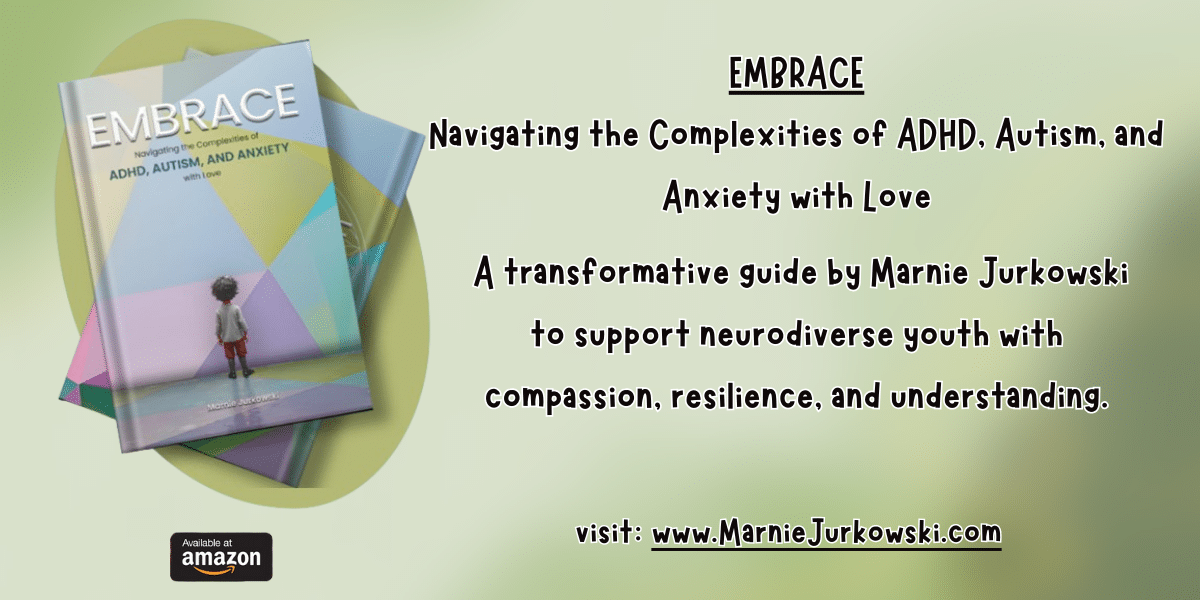
Drawing on the journey shared by Marnie Jurkowski in her book EMBRACE: Navigating the Complexities of ADHD, Autism, and Anxiety with Love, we can understand practical solutions that help on a day-to-day basis as well as how to find lasting healing.

Marnie’s experiences with her son Andy provide invaluable insights into understanding and addressing the mental health challenges that young people with neurodiversity face today.

In this article, we will examine the strategies that parents can apply to make a difference in their children’s day-to-day lives that can be incorporated alongside healing.

Understanding the Challenges

Childhood is often seen as a carefree time, yet children can still experience serious mental health issues. Stress from school, bullying, social media pressures, and personal insecurities can lead to anxiety and depression. When you have a neurodiverse child, all of these pressures are amplified due to their heightened sensitivities.

Marnie’s story about her son, Andy, highlights how these struggles can severely impact a child’s happiness and ability to function. Marnie’s journey shows that these problems can manifest in various ways. For Andy, it was disappearing acts from school, self-harm, and even suicidal thoughts.

It became clear that sitting with a psychologist wasn’t enough if Andy was either unable or unwilling to express his feelings. Just as with Andy, each child handles stress differently, necessitating a need to be open to different approaches.

Creating a Safe, Loving Environment

One major aspect of supporting any child with mental health difficulties is creating a safe and loving environment. Marnie emphasizes the importance of ensuring that home is a refuge. Children like Andy, who face challenges on multiple fronts, need a space where they feel safe, accepted, and understood.

This begins with making sure they know that they are loved unconditionally. While this sounds obvious, it is not. Neurodiverse children can feel there is something ‘wrong’ with them. They must know that they are perfect and unconditionally loved and accepted just the way they are. 

Marnie stresses that neurodiversity is a gift and encourages us to find the superpower that your child has with their neurodiversity.  For Andy, it was his ability to help others with his beautiful kindness and compassion.  This helps to reframe from ‘having a problem’ to ‘having a unique ability that normal people don’t have access to’.

While Andy was not diagnosed with ADHD, autism, and anxiety until he was 11 years old, Marnie states this is far more than just a label, allowing her to research and find information that deepened her understanding of what Andy was experiencing, as he was unable to effectively communicate his experiences to her.

Monitoring Technology Use

It has become essential to monitor the impact of screen time on children’s mental health. Marnie discovered that while technology can be an escape, it also poses risks. Andy had access to harmful content despite efforts to control it. Neurodiverse children can have obsessive traits such as impulse control issues, which make managing technology use even more difficult.

EMBRACE emphasizes setting limits on screen time and curating what content your child can access. Encourage breaks from screens and involve them in physical activities or hobbies and get them playing outside as much as possible. These activities can significantly reduce stress and provide healthy outlets for emotions.

Finding the Right School Environment

The traditional school system didn’t work for Andy, causing him immense stress that he could no longer manage. Marnie had to explore alternative education, which ultimately proved more beneficial. If your child struggles in a typical school environment, it may be worth exploring alternative options that may better suit their needs.
Marnie found that the pressure for Andy to keep up in a traditional school environment added to the many other pressures in his life. In her book, she states the importance of finding the right educational environment for your child. 

When Andy changed to an alternative high school that catered to children just like him—not only was he understood and supported with a tailored learning program that removed all pressure to keep up, but he was also in an environment with kids just like him. He found acceptance and he found his people.

Seeking Professional Help

Professional help is crucial when children experience severe mental health issues. It’s important for someone to assess the symptoms and create a tailored treatment plan. For Andy, this meant a change in medication and therapy approaches.

While the medical system was unable to help in terms of treating his depression and anxiety, Andy had a Mental Health Plan, which he used when he was having suicidal thoughts. Having the Mental Health Plan may have saved his life, as he was able to call someone who could help.

The Importance of Believing in Your Child

With all of the issues Andy had, he often came across as naughty. He would hide in the playground and refuse to go into the classroom, or on occasion, he would leave the school altogether and go home. He was treated as a naughty boy. It wasn’t until he was diagnosed that Marnie realized this was severe anxiety. 

Marnie hopes that others can learn through her mistakes in this way—learning the valuable lesson that it is important to believe that your child is never setting out to be naughty and that behaviors that come across as ‘naughty’ are a cry for help. Andy was desperate to feel normal, and it was through his commitment and willingness to try anything to get better that they achieved the success that they did.

Healing

While all of the above are important in helping Andy manage his condition on a day-to-day basis, it is important to seek healing.  It is possible!  Andy experienced profound healing through using the Energy Enhancement System combined with personalized energy healing.  Understanding that we are energetic beings is at the foundation of this. 

Marnie also shares how heavy metals can be the culprit of many mental health and neurological issues.  When Andy commenced the Medical Medium heavy metal detox protocol for ADHD, autism and anxiety, he was able to cease all medications – and has never been better!

Marnie and all those who know and support Andy, saw significant improvement in his mental health within a very short period following energy healing and the heavy metal detox.  Her mission is to share this with the world so others can find healing too.

Final Words

Overcoming the mental health struggles of children is undoubtedly challenging, yet healing is possible.  Marnie shares the importance of managing on a day-to-day basis with understanding, love and acceptance.  However, her goal is to give hope and show that healing is possible.  Be open to new ways of healing and you may just find that your child too, can overcome their mental health struggles. Marnie’s journey in EMBRACE demonstrates the importance of having an open heart and an open mind in supporting your child.

She shows us what is possible when we embrace our suffering as a divine opportunity to grow 

For a deeper understanding and practical guidance on helping your child overcome mental health challenges, explore EMBRACE: Navigating the Complexities of ADHD, Autism, and Anxiety with Love by Marnie Jurkowski.

Her firsthand experiences and thoughtful insights offer valuable support to parents navigating these difficult times. Learn to embrace every aspect of yourself and your child to find the path to healing.


Published by: Erin M.

Proactive Steps to Prevent and Treat Enlarged Prostate Issues

Taking care of your prostate is vital to maintaining overall health as you age. Enlarged prostate, or benign prostatic hyperplasia (BPH), is a common issue for men, especially those over 50. 

While it’s not cancerous, it can lead to uncomfortable symptoms and complications if left unmanaged. With the right steps, you can address this condition effectively.

Understanding the Early Signs

Spotting the early signs of an enlarged prostate is the first step towards taking control. Frequent urination, difficulty starting or maintaining a steady stream, and feeling like your bladder isn’t fully empty are common indicators. 

Ignoring these symptoms could lead to further discomfort, so acting early is vital. Monitor these changes and consult your doctor promptly for a proper evaluation.

Prioritizing Lifestyle Adjustments

Your daily habits can significantly impact prostate health. Begin by maintaining a balanced diet of fruits, vegetables, and healthy fats. Foods like tomatoes containing lycopene are thought to support prostate health. 

Reducing caffeine and alcohol, especially in the evening, can also help ease urinary symptoms. Incorporating regular exercise, such as walking or cycling, keeps your body in shape and reduces the risk of complications.

Exploring Medical Treatments

If lifestyle changes aren’t enough, effective medical treatments are available. Medications can help relax the muscles in the prostate or shrink its size, relieving symptoms. 

For more persistent cases, surgical interventions might be considered. A common surgical option is the TURP procedure (transurethral resection of the prostate), which removes part of the prostate to ease symptoms. 

This option is often recommended for those who haven’t responded to other treatments and is known for its high success rate.

Natural Remedies and Supplements

You might also explore natural remedies alongside your doctor’s advice. Some supplements, like saw palmetto or beta-sitosterol, have been studied for their potential to reduce symptoms. 

However, not all supplements are created equal, so discuss these options with a healthcare provider to ensure they’re safe and effective for your situation.

The Importance of Regular Check-Ups

Routine health checks are essential for early detection and monitoring. Regular prostate exams, combined with blood tests like the prostate-specific antigen (PSA) test, can help identify any issues before they become severe. Prostate health isn’t something to address only when problems arise—preventative care is your ally.

Managing Stress for Better Health

Chronic stress isn’t just bad for your mind; it can also affect your prostate. High stress levels may worsen symptoms of BPH, so finding ways to manage stress is crucial. 

Practices such as mindfulness, yoga, or even hobbies you enjoy can make a real difference in your overall well-being.

Closure

Caring for your prostate is about prevention, awareness, and taking the right steps when needed. From making smarter lifestyle choices to exploring medical and natural treatments, every step counts. 

Committing to a balanced diet, considering the TURP procedure, or managing stress are proactive measures that can significantly improve one’s quality of life. 

Medical Disclaimer: This content is for informational purposes only and is not intended as medical advice, nor does it replace professional medical expertise or treatment. If you have any health concerns or questions, always consult a physician or other healthcare professional.

Published by Charlie N.

Ramanakar Reddy Danda’s Neural Network Approach to Medicare

By: PR Fueled

The push to improve patient outcomes amid rising costs has contributed to significant changes in the healthcare industry. Ramanakar Reddy Danda, an IT architect with over 17 years of experience, has worked on solving complex problems using advanced technologies across various industries. His latest research includes “Application of Neural Networks in Optimizing Health Outcomes in Medicare Advantage and Supplement Plans,” which introduces a disruptive intervention in health care delivery and efficiency.

The Promise of Neural Networks in Healthcare

Danda explores how neural networks can optimize health outcomes in Medicare Advantage and Supplement Plans, which serve millions of elderly Americans and face ongoing challenges related to costs and inefficiencies. The new game-changers are neural networks that can scan massive data sets for even the most sophisticated patterns.

Danda is working on integrating medical records, claims, and demographic data into neural network models for predictive analytics. This approach could help identify at-risk populations, suggest treatments, and optimize resource use to reduce avoidable hospitalizations, improve administrative functions, and enhance patient satisfaction.

Improving Decision-Making Through Predictive Models

Danda is focused on designing predictive models using neural networks to estimate patient risks and outcomes. His work explores how neural networks might predict hospital readmissions based on factors like comorbidities, treatment history, and social determinants of health. This predictive capability may help healthcare providers make timely, targeted interventions to reduce the risk of adverse events and potentially improve care.

Models from Danda go further, allowing treatments to be tailored by comparing data for a single patient with the historical outcome for similar cases. In this way, not only do clinical decisions become more precise, but providers are also encouraged to accommodate the particular needs of each patient.

Addressing Systemic Challenges in Medicare Plans

Other major pain points in Medicare Advantage and Supplement Plans include fragmented care coordination, disparities in patient needs, and limited data sharing. This need was addressed in the research by the Danda respondent by making neural networks leveraging comprehensive data sets to make actionable insights possible. Such models may help insurance providers strategize patients according to risk, for example, by helping ensure that high-need patients have the resources they require while managing costs.

Besides, the neural network framework relieves administrative burdens through automated claims processing and fraud detection. This improves efficiency and lowers operation costs, enabling health organizations to focus on patient care.

Case Studies Highlighting Findings

Compelling case studies further support Danda’s work to illustrate the practical impact neural networks have on Medicare plans. In another case, AI-driven insights supported insurers in optimizing benefit structures, shaving off significant costs while improving member satisfaction.

These examples suggest the possible role of neural networks in reshaping care delivery within value-based care models. For Danda, aligning financial incentives with patient outcomes may help shift healthcare management from a reactive to a more proactive approach.

Ethical Considerations and Future Directions

He believes that the applications of neural networks in health care may be great, but only some acknowledged ethical and practical obstacles are in the way of such applications. Some of the critical issues related to high priority concern data privacy and data security, mainly due to the sensitivity of healthcare information. In this respect, sound encryption protocols and adherence to the regulatory standards are underlined in his study.

As a result, the interpretability of neural network models could be important. Danda emphasizes that transparency in algorithms is key to helping stakeholders understand and trust the decisions made by AI systems. Interpretability may play a role in encouraging adoption among healthcare providers and patients.

Danda says the use of neural networks in healthcare will continue to expand: “One could integrate wearables or other IoT that captures patient data in real-time and builds models that are even more dynamic and responsive to further improve outcomes.”

Applications Beyond Healthcare

Danda has also explored the use of neural networks beyond healthcare, demonstrating AI’s potential to address complex, information-intensive challenges. His work spans areas like yield optimization in agriculture and supply chain management, highlighting the versatility of AI across different fields.

Thought leader and pioneer Danda has been a continuous source of inspiration to others on the possibilities lying at the feet through technology. His research stands as testimony to the coming together of IT and data science for interdisciplinary collaboration toward healthcare and meaningful change.

Conclusion

Dr. Ramanakar Reddy Danda’s work on neural networks in Medicare Advantage and Supplement Plans is a quantum leap into intelligent and robust healthcare. Through AI-driven optimization of health outcomes, his work addresses current challenges while also opening the door to future innovation.

Danda is involved in innovation in this digital era, where technology plays a role in addressing some of today’s complex challenges. He focuses on using AI to improve society, demonstrating how technology can contribute to better health outcomes. While the healthcare industry continues to evolve, his work may help shape the future of patient care.

Website LINK https://ramanakar.com

Published by: Jon H.

Elevate Your RV Experience with El Toro’s Premier Service

In the world of recreational vehicles (RVs), aiming for your vehicle’s reliability, safety, and performance is just as important as the adventures it takes you on. Whether it’s a motorhome, travel trailer, campervan, or fifth-wheel, every RV requires professional care to stay in optimal condition. For over 35 years, El Toro RV Service in Orange County, CA, has provided exceptional RV maintenance and repair services, building a solid reputation in the community.

A Legacy of Expertise

El Toro RV Service is more than just a repair facility. It’s a cornerstone of RV maintenance in Orange County, known for providing comprehensive and professional services. The team at El Toro understands that an RV is not just a vehicle—it’s a home on wheels, a gateway to exploration, and a place where memories are made. This deep appreciation for the RV lifestyle fuels their commitment to offering a service experience that ensures every RV is safe and ready for adventure.

Comprehensive Services for Every RV Owner

El Toro RV Service caters to experienced RV owners and first-time buyers with an array of RV services designed to maintain and help your RV’s performance. The facility offers a full spectrum of services, from routine maintenance to more complex repairs. Some of the services include:

  • RV Body Shop Repair (Collision Repair): El Toro specializes in restoring RVs to their original condition after an accident, helping bring vehicles back to good condition.
  • RV Paint and Body Shop Repair: Professional paint jobs and bodywork to help maintain your RV’s appearance and protect it from the elements.
  • RV Repair and Maintenance: Regular inspections and repairs to help your RV run smoothly for every trip.
  • RV Parts and Services: A one-stop shop for all your RV part needs, with a wide inventory to cover every aspect of your vehicle’s maintenance.

El Toro’s strategic location in Orange County and its customer-first approach make it a convenient choice for RV owners. Transparent pricing and a focus on quality service aim to give customers value and peace of mind.

A Detailed Service Process for Lasting Performance

At El Toro RV Service, the repair and maintenance process is designed to address both immediate and long-term needs. Their approach is thorough, making sure each RV receives the care it needs.

  1. Inspection and Assessment: Each RV is thoroughly inspected to identify both mechanical and aesthetic issues, allowing for a comprehensive understanding of its condition.
  2. Customized Service Plans: Based on the initial assessment, El Toro creates a tailored service plan to address the specific needs of the RV, ensuring no aspect of the vehicle is overlooked.
  3. Skilled Repairs and Maintenance: With decades of experience, El Toro’s technicians can handle any repair with precision and expertise, promoting efficient service and quality results.
  4. Quality Assurance: After repairs, each RV undergoes a final inspection to confirm it meets quality standards before being returned to its owner.

This meticulous process sets El Toro apart from other service providers, making sure each RV is ready for the road, wherever it may go.

The Importance of Professional RV Maintenance

Choosing a professional RV service is essential for several key reasons. It’s not just about keeping your RV looking good—it’s about ensuring its safety, reliability, and longevity. Here’s why investing in professional service matters:

  • Safety: Professional service checks all systems to minimize road hazards, ensuring your RV is safe for travel.
  • Reliability: Regular maintenance reduces the likelihood of breakdowns, allowing you to focus on enjoying your journey.
  • Longevity: Proper may help extend the lifespan of your RV, protecting your investment for years to come.
  • Compliance: Professional service ensures your RV meets all legal and safety requirements, avoiding potential issues on the road.
  • Resale Value: A well-maintained RV retains its value with documented service records that inspire confidence in potential buyers.

For every RV owner, understanding the importance of professional servicing is essential to protect both the vehicle and the experiences it enables.

Value-Added Services

As a way to show appreciation to loyal customers, El Toro RV Service is offering a special discount on gas oil changes for those who schedule an appointment. This promotion reflects the company’s focus on providing quality service and value to its clients.

Experience Excellence with El Toro RV Service

Whether you’re embarking on a weekend getaway or a cross-country adventure, El Toro ensures your RV is in top shape, allowing you to focus on making memories rather than worrying about maintenance.

To schedule an appointment or inquire about services, you may contact El Toro RV Service at (949) 830-1996 or via email at eltororvservice@gmail.com.

Published by Emma N.

Youth Wrestling Singlets: Finding the Perfect Fit for Young Athletes

In the world of youth wrestling, the right gear can make all the difference. A crucial piece of equipment is the wrestling singlet. Not only does it need to fit well for optimal performance, but it also serves as a canvas for young athletes to express their individuality and team spirit. For parents and coaches, choosing the perfect youth wrestling singlets involves more than just picking a size off the rack. It requires understanding the nuances of fit, material, and design to ensure young wrestlers feel comfortable, confident, and ready to take on the mat.

This guide is designed to help you navigate the process of selecting the ideal youth wrestling singlet. We’ll delve into the importance of a proper fit, explore the various materials available and their impact on comfort and durability, and discuss how personalized designs can boost a young wrestler’s confidence. Additionally, We will provide practical advice on caring for the singlet to ensure it lasts through countless matches and practices. Whether you’re a seasoned coach or a parent new to the wrestling scene, this comprehensive guide will equip you with the knowledge you need to make informed decisions and support your young athlete’s journey.

How to choose the right youth wrestling singlet

Choosing the right youth wrestling singlets is a multi-faceted process that goes beyond just picking out the first one you see. One of the first considerations should be the wrestler’s skill level and experience. Beginners may benefit from simpler, more affordable singlets that offer basic functionality, while more experienced wrestlers might need advanced features designed for high-level performance. Understanding the wrestler’s needs at their current stage can significantly impact the choice of singlet.

Another critical factor is the frequency and intensity of the wrestler’s training and competition schedule. Young athletes who practice and compete regularly need a singlet that can withstand constant use. High-quality materials and durable construction are essential for these wrestlers, ensuring the singlet holds up over time. Conversely, those who participate less frequently might require a different level of durability, allowing for more flexibility in the choice of materials and design.

Determining the wrestler’s body type and size is crucial for finding the perfect fit. A well-fitting singlet should be snug but comfortable, allowing for a full range of motion without restricting movement. It is important to measure accurately and consider any growth spurts that might affect the fit over time. A singlet that fits well enhances performance and boosts the young wrestler’s confidence on the mat.

Climate and weather conditions should also influence your decision. If the wrestler competes in hot or humid environments, breathable materials that wick away moisture are ideal. Conversely, colder climates may require singlets with insulating properties to keep the wrestler warm. Understanding the environmental conditions can help you choose a singlet that optimizes comfort and performance under varying circumstances.

Lastly, setting a budget can help narrow the options and make an informed purchase. Wrestling singlets come in a wide range of prices, and determining your budget upfront can prevent overspending. Consider balancing cost with quality to ensure you get value. Sometimes, investing more in a higher-quality singlet can save you from frequently replacing it, ultimately providing better long-term value.

Sizing: getting the perfect fit

A well-fitting youth wrestling singlets is crucial for comfort and performance, allowing young athletes to move freely and confidently. The ideal fit should be snug but not restrictive, providing the necessary support without impeding movement. Achieving this perfect fit begins with accurate measurements. Start by measuring the wrestler’s chest, ensuring the tape measure is placed at the fullest part and kept level. Next, measure the waist, typically at the narrowest point, and finally, the hips at the widest part. These measurements will guide you in selecting the appropriate size.

When wrestlers fall between sizes, they must consider their growth patterns and comfort. Opting for a slightly larger size can accommodate growth spurts, but ensure it’s not so large that it causes discomfort or hinders performance. Conversely, a singlet that is too small can restrict movement and cause irritation. A good rule of thumb is to choose the size that allows for a full range of motion without excess fabric that could bunch up or ride up during a match.

The length of the singlet is another critical factor. Ideally, the singlet should end above the knee, providing ample coverage without being overly long. To check for proper fit, have the wrestler try on the singlet and perform a few basic movements, such as squats and arm circles. The singlet should stay in place without riding up or feeling too tight. Comfort is key, as an ill-fitting singlet can distract young athletes and affect their performance.

Lastly, don’t forget the importance of trying on different sizes if needed. Sizing can vary between brands, so what fits nicely in one brand might be different. Taking the time to try on different options ensures that you find the perfect fit, ultimately providing the young wrestler with the comfort and confidence they need to excel on the mat.

Youth Wrestling Singlets: Finding the Perfect Fit for Young Athletes

Photo: Unsplash.com

Material considerations: comfort and durability

Selecting the right material for youth wrestling singlets is crucial for ensuring both comfort and durability. When young athletes are engaged in intense physical activities, they need garments that can keep up with their movements without causing discomfort. Opt for breathable, moisture-wicking materials like polyester or nylon blends, designed to pull sweat away from the skin, keeping young wrestlers cool and dry. These fabrics enhance comfort and help regulate body temperature, which is especially important during long training sessions or competitions.

Climate and weather conditions should also significantly affect your fabric choice. Lightweight materials are ideal for warmer environments as they allow for better airflow and prevent overheating. Consider singlets with insulating properties that provide an extra layer of warmth without sacrificing flexibility in cooler climates. Additionally, look for singlets with reinforced seams and flatlock stitching. These construction features enhance durability by preventing tears and reducing the chances of irritation from rough edges, ensuring the singlet can withstand the rigors of regular use and washing.

Hypoallergenic materials are another important consideration, particularly for athletes with sensitive skin. Some fabrics can cause irritation or allergic reactions, so choosing materials that are gentle on the skin is essential. Modern singlets are made with hypoallergenic properties, ensuring that young wrestlers can focus on their performance without worrying about skin discomfort. By prioritizing these material considerations, you can select a singlet that fits well and offers the necessary comfort and durability for long-term use.

Design and color: expressing individuality

Choosing a youth wrestling singlets isn’t just about functionality; it’s also an opportunity for young athletes to express their personal style and team spirit. The right design and color can significantly boost wrestlers’ confidence, making them feel more ready and empowered on the mat. Today, numerous options are available to customize singlets, allowing each young athlete to have a unique piece that reflects their personality.

Sublimated graphics and embroidery are two popular methods for adding custom designs to singlets. Sublimated graphics offer vibrant, detailed images that won’t fade or peel, making them ideal for showcasing team logos, mascots, or intricate patterns. On the other hand, Embroidery provides a more textured, traditional look that can add a touch of elegance to names, numbers, or other individualized elements. Both methods ensure that the singlet looks great and stands out in a crowd.

Reversible singlets are another excellent option for those seeking versatility. These singlets feature different designs or colors on each side, allowing young wrestlers to switch up their looks depending on the occasion or their mood. This dual functionality also provides added value, as one singlet can serve multiple purposes, whether for practice or competition. Additionally, reversible singlets can be cost-effective for teams or clubs looking to maximize their gear.

Customization doesn’t stop at graphics and embroidery. Many singlets offer the option to add personal touches like names, numbers, or even inspirational quotes. These elements can enhance the sense of ownership and pride that young athletes feel when wearing their singlet. Whether they choose bold, eye-catching colors or more subtle, understated designs, the key is to find a singlet that resonates with their individuality and helps them feel confident and ready to perform.

In summary, the design and color of youth wrestling singlets play a crucial role in expressing individuality and fostering a sense of belonging. By exploring the various customization options available, young athletes can find a singlet that fits well, reflects their unique style, and boosts their confidence. The right singlet can make a significant difference in a young wrestler’s overall experience and performance, whether through sublimated graphics, embroidery, or personalized elements.

Caring for your youth wrestling singlet: maintenance tips

Proper care and maintenance of youth wrestling singlets are essential for ensuring longevity and preserving quality. Parents and coaches play a crucial role in this process, as the right maintenance practices can significantly extend the garment’s life and keep it in optimal condition throughout the wrestling season. An important aspect of singlet care is washing. Always follow the manufacturer’s instructions, but as a general rule, use cold water and a gentle detergent to avoid damaging the fabric. Avoid using bleach or fabric softeners, which can weaken the material and affect its performance.

After washing, it’s equally important to dry the singlet correctly. Air drying is the ideal option, as the heat from a dryer can cause shrinkage and damage the elasticity of the fabric. If you must use a dryer, select the lowest heat setting and remove the singlet as soon as it is dry. Proper storage is another key factor in maintaining the condition of the singlet. When not in use, store it in a cool, dry place away from direct sunlight, as exposure to heat and light can cause fading and weaken the fabric. Additionally, avoid folding the singlet tightly, as this can create creases that are difficult to remove.

Ironing a wrestling singlet requires special care to prevent damage. If ironing is necessary, use the lowest heat setting and place a cloth or towel between the iron and the singlet to protect the fabric. Alternatively, consider using a steamer to remove wrinkles without direct heat contact. It’s also a good practice to check the singlet regularly for any signs of wear and tear. Small tears or loose threads can be mended promptly to prevent further damage. By following these maintenance tips, you can ensure that your young athlete’s singlet remains in good condition, supporting their comfort and performance throughout the wrestling season.

Conclusion

Choosing the perfect youth wrestling singlet is crucial in ensuring young athletes have a great experience in the sport. A well-fitted, comfortable, and durable singlet enhances performance and boosts the athlete’s confidence, allowing them to focus on their skills and enjoy the competition. Parents and coaches can make informed decisions that support the young wrestler’s development and overall well-being by carefully considering factors such as size, material, and design.

Investing in a high-quality singlet is more than just a purchase; it is a show of support and empowerment for young athletes as they embark on their wrestling journey. The right singlet can make a significant difference in their comfort and performance, helping them to reach their full potential. Additionally, proper care and maintenance of the singlet are essential to ensure its longevity, providing long-term value and reducing the need for frequent replacements.

Ultimately, selecting a youth wrestling singlet should be a thoughtful process that takes into account the unique needs and preferences of each young athlete. Whether measuring for the perfect fit, choosing the right material for different environments, or adding personalized designs to boost confidence, every aspect contributes to creating an optimal experience for young wrestlers. By following practical advice, parents and coaches can help young athletes feel comfortable, confident, and ready to excel in their wrestling pursuits.

Published by Joshua F.

FahimAI: A Rising Star in the AI Space

By: Marcos Isaias

Have you ever felt like you’re wandering through a jungle, but instead of trees and vines, you’re surrounded by tons of different AI tools? It can be confusing! There are so many options, and they all seem to do different things. How do you even know where to start?

That’s where Fahim AI comes in. It’s like a map and a guidebook all rolled into one, helping you find your way through the exciting world of AI.Fahim Joharder, the founder, wants to make it easy for everyone to understand and use AI, no matter what they need it for.

Building an AI Encyclopedia

Fahim is building an “encyclopedia” of AI and software. Think of it like a giant library filled with helpful information about all kinds of AI tools. But starting a blog takes work. He and his team write clear, simple reviews that explain what each tool does and how it can be used.

Fahim AI is more than just a website with reviews. It’s a place where you can discover new AI tools, and find the perfect one for your needs. It’s a friendly guide that helps you navigate the sometimes confusing world of AI.

From Globetrotter to Tech Guru

Fahim Joharder’s story isn’t your typical tech entrepreneur story. It starts in Bangladesh, where he was born, but it quickly takes him all over Asia. Fahim loved to travel and explore new places. He also loved technology and started working with computers back in 2009.

The Freedom of a Digital Nomad

Fahim discovered that he could work from anywhere in the world, as long as he had his computer and an internet connection. This made him a “digital nomad,” someone who can travel and work at the same time.

He visited many countries, from the busy streets of India to the modern cities of China. These travels taught Fahim a lot. He learned about different cultures and met people from all walks of life.He also learned that technology could connect people and create opportunities, no matter where they were in the world.

A New Home, a New Friend, a New Idea

In 2022, Fahim settled in Madinah, Saudi Arabia

There, he met Dr. Safiul Bashar Khan (Co-Founder of Fahim AI), a heart doctor who also dreamed of having more freedom and making a difference. 

FahimAI: A Rising Star in the AI Space

Photo Courtesy:Dr. Safiul Bashar Khan

Fahim and Safiul quickly became friends, sharing ideas and supporting each other’s goals. Around this time, Fahim started experimenting with a new AI tool called ChatGPT. He was amazed by what it could do and realized that AI was going to be a big part of the future. 

But he also saw that it was hard for people to keep up with all the new AI tools that were being created. Fahim and Safiul put their heads together. They knew a lot about technology and business, and they saw a chance to help people. They decided to create a website that would make it easy for anyone to learn about and use AI tools. That website became Fahim AI.

Building an AI Encyclopedia

Starting Fahim AI was a bit like climbing a huge mountain. Fahim and Safiul knew it would be tough, especially because so many other websites already reviewed software. But they were determined to make Fahim AI different and better.

Finding Their Way

One of the first challenges was figuring out how to review AI tools in a way that was helpful and easy to understand. They wanted to give people more than just a simple opinion. So, they came up with a special system for scoring each tool. This system looked at all the important things, like how easy the tool was to use, what it could do, and how much it cost.

Fahim and Safiul knew they had to try out each AI tool themselves. They didn’t want to just rely on what other people said. This hands-on experience helped them write reviews that were honest and accurate. 

They also started comparing similar tools side-by-side, so people could quickly see which one might be best for them.

Overcoming Challenges

Building Fahim AI wasn’t always easy. Sometimes, it felt like they were making slow progress. Having multiple websites such as Paddle Storm & Golfaro, it was a tough choice for focus all his focus on the AI site. But they learned that the key was to keep going, even when things got tough. They wrote lots of reviews, learned from their mistakes, and never gave up. Slowly but surely, Fahim AI started to grow. 

More and more people visited the website each month to read their reviews and learn about new AI tools. This early success showed Fahim and Safiul that they were on the right track. They were making a real difference by helping people navigate the exciting world of AI.

FahimAI: A Rising Star in the AI Space

Photo Courtesy: Fahim Joharder

The First Review

Fahim remembers writing the very first review for Fahim AI. It was the hardest one! They didn’t have a clear plan yet, and it took a lot of time and effort. 

But after a few more reviews, they found a rhythm and created a system that made the whole process smoother.This system helped them write better reviews, faster, and ensured that each review was helpful and informative.

More Than Just Reviews

Fahim AI isn’t just another website with a bunch of random reviews. Fahim and his team are building something special, something that truly helps people.

Helping You Choose the Right Tool

What makes Fahim AI stand out? Well, they go beyond simple reviews. They dive deep into each AI tool, exploring all its features and explaining how it works. They even compare different tools side-by-side, so you can easily see which one might be the best fit for your needs. Imagine you’re trying to find an AI tool to help you write stories. Fahim AI will not only tell you about different live streaming software, but it will also compare them based on things like how capable they are, how easy they are to use, and whether they can help you create your audiences efficiently.

Real People, Real Experiences

Another thing that makes Fahim AI special is that all the reviews are written by real people who have actually used the tools. This means you’re getting honest opinions and helpful advice from people who know what they’re talking about. Fahim and his team are like expert guides, helping you navigate the world of AI. They want to make sure you have all the information you need to make smart choices about the tools you use.

A Team Effort

Fahim AI is more than just Fahim. It’s a team effort! Fahim and Safiul have built a team of dedicated reviewers who share their passion for technology and helping others.They all work together, sharing ideas and supporting each other to make Fahim AI the best it can be.This team spirit is a big part of what makes Fahim AI so successful. Everyone is “all-in,” working hard and striving to make a real difference in the world of AI. 

Recently it’s expertise has attracted the attention of major brands, including SurferSEO, Mention, Venngage, Readloudly, NordVPN, and USAWire. These partnerships underscore the company’s credibility and its ability to deliver exceptional results.

A Growing Community

Fahim has big dreams for Fahim AI. He doesn’t just want it to be a website; he wants it to be a place where people come together to learn about and explore the world of AI.

FahimAI: A Rising Star in the AI Space

Photo Courtesy: Fahim AI

Becoming the Go-To Source for AI

Fahim’s vision is for Fahim AI to become the leading resource for anyone interested in AI and software. He wants it to be like the “Forbes of software,” a trusted source of information that people can rely on to make informed decisions.

To achieve this, Fahim and his team are always working to make Fahim AI even better. They plan to add more reviews, cover more AI tools, and create new ways for people to learn and connect.

Helping People, Changing the World

Fahim believes that technology, especially AI, has the power to change the world for the better. He wants Fahim AI to play a role in this change by empowering people to use AI in their own lives and work. He sees Fahim AI as more than just a review site. It’s a community where people can share their experiences, learn from each other, and explore the exciting possibilities of AI together.

Join the Journey!

Fahim invites everyone to join the Fahim AI community and be a part of this exciting journey. Whether you’re new to AI or an experienced user, Fahim AI has something for you. Explore the reviews, learn about new tools, and discover how AI can help you achieve your goals. Fahim’s passion for technology and his dedication to helping others are at the heart of Fahim AI. With a growing community and a commitment to excellence, Fahim AI is poised to become the ultimate guide to the world of AI.

Published by Joshua F.

Evaluating Training and Development in Human Resource Management

As the role of Human Resource Management (HRM) expands from administrative tasks to a strategic function, evaluating training and development programs becomes essential for aligning HR initiatives with business goals. By assessing training effectiveness, HR can ensure these investments yield positive results, drive organizational success, and align with the organization’s objectives. Evaluation of training effectiveness is the process of assessing how well a training program meets its objectives and impacts employee performance and organizational goals.

This comprehensive guide outlines the importance, methods, and best practices for effective training evaluation. By understanding the methods and impact of evaluation of training, organizations can ensure that their development programs effectively contribute to both employee growth and broader business objectives.

Why Training Evaluation is Crucial

Organizations increasingly recognize human capital as a critical asset and strategically invest in employee development. Training evaluation is central to ensuring that resources are used effectively and that training programs contribute meaningfully to business performance.

Aligning Training with Business Strategy

Training has evolved from a supplementary activity to a strategic tool that enhances an organization’s competitiveness. HRM’s strategic role now includes not only delivering effective training but also evaluating it to guarantee alignment with organizational goals. Without proper evaluation, organizations risk ineffective training programs that don’t deliver measurable results.

Benefits of Training Evaluation

Training evaluation provides numerous advantages for an organization:

  1. Quantifying Return on Investment (ROI): Demonstrates the financial benefits of training and its impact on business performance.
  2. Supporting Data-Driven Decisions: Allows HR to make informed decisions about the design and continuation of training programs.
  3. Ensuring Program Relevance: Helps identify areas for improvement and alignment with business needs.
  4. Improving Employee Performance: Shows whether employees gained valuable skills and knowledge that benefit their roles.
  5. Enhancing Employee Satisfaction and Retention: Satisfied and well-trained employees are more likely to stay, reducing turnover costs.

Key Types of Training Evaluation

Different types of evaluations offer insights into various aspects of training programs, helping HR managers refine and optimize them over time.

Needs Assessment

Conducting a needs assessment helps determine the training program’s goals by identifying specific organizational needs. This alignment ensures that training is relevant, strategic, and likely to yield valuable outcomes.

Formative Evaluation

Formative evaluation occurs during the development and delivery stages of training. By providing real-time feedback, formative evaluation enables ongoing improvements that enhance program quality and effectiveness.

Summative Evaluation

Conducted after training, summative evaluation assesses whether a program met its objectives and produced desired outcomes. This evaluation provides insights into program effectiveness, informing whether to expand, modify, or discontinue the training.

Step-by-Step Training Evaluation Process

Evaluating Training and Development in Human Resource Management

Photo: Unsplash.com

A systematic evaluation process helps organizations quantify the impact of training programs and identify potential areas for improvement. Below are the five essential steps to evaluate training effectively.

Step 1: Define the Purpose of Evaluation

Clarify the reasons for conducting the evaluation and the questions it aims to answer. Common evaluation questions include:

  • Did participants acquire the intended skills or knowledge?
  • Was the training relevant and engaging for participants?
  • How has the training affected business metrics like productivity or customer satisfaction?

Step 2: Select Evaluation Methods

Choose appropriate evaluation methods to answer your key questions. Common frameworks include:

  • Kirkpatrick’s Four Levels: Measures reaction, learning, behavior, and results.
  • ROI Analysis: Assesses financial returns by comparing costs and benefits.
  • Scorecards: Tracks progress across critical training metrics.

Using multiple methods can provide a comprehensive view of training effectiveness.

Step 3: Design Evaluation Tools

Create surveys, tests, and observation checklists that align with your evaluation methods and objectives. Tailor these tools to capture specific metrics and gather useful insights.

Step 4: Collect Data

Collect data at various stages—before, during, and after training. Pre- and post-assessments, surveys, and interviews can help evaluate knowledge transfer, skills development, and long-term behavioral changes.

Step 5: Analyze and Report Findings

Summarize the collected data to identify trends and insights. Present these findings to stakeholders, helping them understand the training’s impact and guide decisions on future L&D investments.

Popular Training Evaluation Models

Several models offer frameworks for assessing training programs. Choosing the right one depends on organizational goals, resources, and the desired depth of analysis.

Kirkpatrick’s Four Levels

Kirkpatrick’s model is widely used and provides a comprehensive framework:

  1. Reaction: Measures participants’ satisfaction and engagement.
  2. Learning: Assesses knowledge or skill gains.
  3. Behavior: Observes changes in on-the-job behavior.
  4. Results: Evaluates the training’s impact on business outcomes.

Phillips’ Five Levels ROI Model

Expanding on Kirkpatrick’s model, Phillips’ framework adds a fifth level focused on ROI. This model assesses the monetary value of training by comparing costs and benefits, supporting a clear financial case for training investments.

CIRO Model

The CIRO model examines training across four stages:

  • Context: Organizational needs and environment.
  • Input: Resources required.
  • Reaction: Participants’ engagement and feedback.
  • Outcomes: Skills and behavioral changes resulting from the training.

The CIRO model ensures that training goals align with organizational priorities.

Practical Methods for Measuring Training Effectiveness

To assess the value of training initiatives, organizations can apply various methods:

Post-Training Assessments

Conducting quizzes, tests, and interviews post-training provides a snapshot of participants’ understanding and their immediate feedback on the program.

Surveys and Feedback Forms

Feedback forms gather participants’ perspectives on the training content, relevance, and delivery. Surveys can also track the likelihood of employees applying what they learned.

Performance Metrics

Tracking performance metrics like productivity, quality, or customer satisfaction helps assess training’s impact. These metrics offer concrete evidence of whether employees have applied new skills or knowledge effectively.

Long-Term Behavioral Observations

Observing employees’ behavior post-training over an extended period can indicate if learning outcomes have translated into practical applications in their roles. Managers’ input and regular performance reviews offer valuable insights here.

Analyzing Business Outcomes

Linking training outcomes to key performance indicators (KPIs) like revenue, customer satisfaction, or employee retention highlights training’s tangible benefits for the business.

Addressing Challenges in Training Evaluation

Evaluating training programs often comes with obstacles. However, strategic approaches can help HR teams overcome these challenges.

Tracking Long-Term Impact

Long-term training effects can be difficult to monitor. Strategies like follow-up evaluations at regular intervals (e.g., 3, 6, or 12 months post-training) help assess whether skills are sustained over time.

Isolating Training Effects

Attributing business results solely to training is challenging, given other influencing factors. Using control groups or comparing performance before and after training can help identify training’s unique impact.

Lack of Evaluation Expertise

Some organizations lack the expertise to perform in-depth evaluations. Partnering with evaluation professionals or using Learning Management Systems (LMS) with built-in assessment tools can bridge this gap.

Insufficient Data and Reporting

Poor data collection and reporting can prevent actionable insights. Identifying key data sources in advance and using automated reporting tools can improve data accessibility for decision-making.

Leveraging Technology for Effective Training Evaluation

Evaluating Training and Development in Human Resource Management

Photo: Unsplash.com

Modern HR platforms, LMSs, and analytics tools can streamline training evaluations by automating data collection and reporting. These technologies enable organizations to monitor training metrics in real-time, track completion rates, and gather feedback efficiently.

Integrating Evaluations with HR Systems

Linking training data to HR systems provides a holistic view of employee performance, career progression, and retention. Real-time tracking of training effectiveness ensures continuous improvement.

Using Advanced Analytics

People analytics tools provide insights into training trends and performance patterns. Advanced analytics reveal correlations between training initiatives and business outcomes, strengthening the business case for L&D programs.

Continuous Improvement Through Evaluation

Regular training evaluations empower organizations to adapt and optimize their learning initiatives over time. Continuous evaluation fosters a culture of improvement, allowing HR to refine programs, enhance employee experiences, and meet evolving business needs.

Data-Driven Decisions for Strategic HRM Success

Evaluating training and development is a critical component of HRM’s strategic role. By systematically measuring training effectiveness, organizations can ensure their L&D investments deliver value. Utilizing methods like Kirkpatrick’s model, setting clear KPIs, and adopting technology enhances the quality and relevance of training programs. Ultimately, consistent and thorough evaluation transforms training from a cost center into a driving force for individual and organizational growth.

Published by Charlie N.