Embarking on a Timeless Journey Through The Wish Board

Sandra D. Williams is a Speech-Language Pathologist, and also a revered author of children’s literature. Sandra, in the field of speech-language pathology, embodies the quintessential blend of proficiency and commitment. Possessing more than two decades of invaluable experience, she has maintained an unwavering dedication to improving the quality of life for all individuals entrusted to her supervision.

Residing in the vibrant metropolis of Atlanta, Georgia, Sandra D. Williams is not merely an author; she is also a proficient storyteller, a weaver of dreams who deftly constructs a sort of narrative that resonates with the human spirit. With her globally recognized and eminent credential from the American Speech-Language-Hearing Association (ASHA), she imparts a distinctive vantage point to storytelling. She infuses her prose with a profound depth of empathy and comprehension.

Sandra, an esteemed author in the realm of children’s literature, has exerted substantial influence on readers of all age groups with her literary endeavors. Amidst the bustling rhythms of our daily routines, the enchantment that Christmas once bestowed upon our hearts, especially in our youth, can easily fade into memory. However, Sandra D. Williams is revitalizing this allure through her eloquent book, The wish board, transporting the reader on a sentimental and nostalgic expedition to that wondrous era—back to those enchanting moments where dreams were interwoven with strands of hope and affection.

The tales revolve around Olivia, a prominent character in the book The wish board, whose Christmas morning unfolds with amazement and delight. Sandra D. Williams, in her most recent book, proficiently illustrates a scene where Olivia’s awakening is met with the twinkling lights of the Christmas tree, consequently eliciting a tangible feeling of expectation and delight that profoundly affects readers.

The junction of events happened with Olivia’s descent of the staircase that directly led her to a red bicycle adorned with a delicate Christmas card that she witnessed bearing her name. Yet, the true magic lies not in the tangible gift itself but rather in the overwhelming and deeply held sense of love and prosperity it symbolizes.

However, as the sequence of happenings continues to deliver unforeseen surprises for Olivia, along with the shiny red bicycle, her gaze lands upon an enormous brown container beside that. An omen of yet another gift—as she looks in, she finds a furry black puppy nestled within; its presence is a testament to the infinite happiness and companionship that love brings.

Through Olivia’s eyes, readers are transported to a world where dreams manifest in the most unexpected and heartwarming ways. Olivia’s voyage serves as a poignant reminder that a fervent faith in miracles can illuminate even the darkest of days, despite the obstacles, trials, and turbulence of life.

Sandra D. Williams’ narrative competently explores profound themes such as Christmas’ transcendent enchantment, hope, and love, ultimately leaving a lasting impact on readers. Along with that, The Wish Board also serves as a beacon of hope, illuminating the path to a brighter, more compassionate future that exceptionally invites the reader to rediscover the magic of wishes and their link with Christmas in their own lives.

Website: https://sandradwilliams.com/


Published By: Aize Perez

Exploring The Korshun Art Projects with Founder Anna Korshun

By: Patricia Rodriguez

We have the pleasure of speaking with Anna Korshun, founder of The Korshun Art Projects. Anna’s transition from law to the art world is a fascinating tale of passion and dedication. Let’s explore her journey and vision behind The Korshun Art Projects.

Q: Anna, knowing that your professional life did not start in the art scene, can you share what came before The Korshun Art Projects?

A: Yes, that’s correct, my journey didn’t begin in the arts. In fact, I followed in my family’s footsteps, training to become a third-generation lawyer. It was a path laid out for me from an early age, and the world of art seemed like a distant dream. But, you know, life loves to throw curveballs.

The first big twist came with a grant. I got an opportunity to pursue an MA in International Law at the Moscow State Institute of International Relations. Then, in 2014 I relocated to London, where I started requalification in a new legal system. Diving into a legal career in London, especially as an outsider, meant navigating a very specific path, which for me was a corporate career. At the same time, I dove into a PhD in Law, focusing on human rights and the plight of internally displaced people due to global conflicts – a group of people that had lost everything and struggled even for basic needs like shelter. While I worked with refugees, I discovered a deeper, more fulfilling path—helping real people navigate through their  challenging times. This experience was a revelation. It highlighted to me what my true passion is, and it is making a significant difference in individual lives. 

This was a defining moment for me, far more fulfilling than my experiences in the corporate law world, which felt too transactional. When the moment came, I jumped onto the opportunity to make a meaningful contribution in my own small way. It was to bring out to the world the voices of Ukrainian creatives. I transitioned from a corporate legal career to support and promote artists, especially those who are caught in the midst of conflict,  and to inspire them to share powerful stories with the world. This shift not only allowed me to follow my heart but also to bring the best of my legal expertise to a cause that mattered deeply to me – helping people through the transformative power of art.

Q: What inspired you to establish The Korshun Art Projects, and what guiding principles shape its mission and vision?

A: The inspiration behind The Korshun Art Projects was born from a desire to offer a voice and stage to artists impacted by global uncertainty, bringing to the western audience their personal narratives and the lesser-known aspects of Ukrainian culture and history. Currently, we’re featuring the show “ATLANTkY” by Liza Obukhovksa, inspired by Ukrainian female writers who shaped the feminist movement at the turn of the twentieth century. It tells the story of courageous women of that era who boldly chose to live lives of their own, despite societal restrictions. Through this show, we honor the legacy of the pioneering women who shaped feminist discourse in Ukraine, provide a new vision of history through the artist’s eyes and create visibility for emerging Ukrainian artists for a Western audience. 

The commitment to sharing such powerful stories shapes our guiding principles and defines our mission to not only provoke cultural dialogue but also amplify the global recognition and appreciation of Ukraine’s profound and diverse artistic heritage. 

Q: Can you share more about your extensive experience in art advisory and dealing within the secondary market? How did this period contribute to your decision to establish your own gallery?

A: My extensive experience in art advisory and dealing within the secondary market unfolded somewhat unexpectedly. 

In London, while requalifying in a new legal system, I began to explore the world of art more seriously and purposefully, while still being deeply engaged with my human rights commitments. Eventually, I seized an opportunity to immerse myself in art dealing at the secondary high-end art market, which proved to be highly educational. It taught me the nuances of art valuation, the dynamics of buying and selling art, and how to navigate and influence complex market trends. This experience was invaluable, providing me with a solid foundation in the business aspects of the art world, and helping me understand the needs of both artists and collectors and how to bridge them effectively.

Establishing my own gallery, The Korshun Art Projects, was a natural progression from these experiences. It allowed me to combine my deep appreciation for the transformative power of art with my commitment to social causes, enabling me to continue making a meaningful impact through art.

Q: In what ways does The Korshun Art Projects go beyond being just a gallery, and how does it reflect your commitment to the intrinsic value of art and the empowerment of emerging talents?

A: The Korshun Art Projects is committed to empowering emerging talents and recognizing the intrinsic value of art, particularly from regions like Ukraine, by giving voice to artists.

My background in law and personal experiences have provided a unique perspective on the challenges faced by artists in regions of instability, guiding our mission to support and elevate their work.

Our dedication first and foremost is evident in the exhibitions we curate, which celebrate stories of resilience and bravery, like our current show or the inaugural “The Ground” by Notuko, where artists explored a narrative of seeking inner solidity despite living in the conflict zone. Additionally, we engage in educational initiatives by hosting workshops, lectures, and artist talks that not only provide insight into the artists’ processes and thoughts but also educate the public about the historical and cultural contexts of their works. This educational aspect is crucial for deepening audience engagement and appreciation of the arts.

Furthermore, my expertise in legal and market dynamics significantly shapes our approach to supporting our artists both creatively and financially. With a thorough understanding of art valuation and market trends, we advocate effectively for our artists, ensuring their work gains both recognition and proper market placement.

Therefore The Korshun Art Projects goes beyond being a typical gallery. It serves as a platform for meaningful engagement with art, reflecting my commitment to supporting artists and enhancing their impact on society. Through this work, we aim to not only celebrate artistic expression but also to positively influence the lives of artists and the communities they touch.

Published by: Holy Minoza

Is Google Being Overrun by AI-Generated Results?

In recent years, the landscape of digital content creation has undergone a remarkable transformation, with artificial intelligence (AI) at the forefront. Initially appearing as quirky, psychedelic creations, AI-generated content has now evolved into sophisticated and often indistinguishable forms. This proliferation has sparked a pressing question: Is Google being overrun by AI-generated results?

A Shifting Stance

Google’s relationship with AI-generated content has been nothing short of complex. As recently as 12 months ago, Google’s guidelines labeled AI-created content as spam and discouraged its inclusion in search results. However, as Mark Williams-Cook of Search Engine Land, points out, this stance gradually softened, and Google’s official position shifted to focus on the quality of content rather than its origin. This change in perspective has since encouraged some businesses to employ AI-generated content strategies, leading to an influx of lower-quality, machine-generated articles on the web.

Rising Prevalence

Originality.AI, a provider of AI detection tools, conducted an AI in Google study to quantify the impact of AI content on Google’s search results. Their research sampled the top 20 search results from 500 popular keywords over the past five years, offering a comprehensive view of AI content trends. Their findings reveal a striking rise: before the release of GPT-2, AI content constituted only 2.3% of search results. However, by March 2024, this figure had jumped to 10.2%; by April 22nd, 2024, it had reached 11.3%. This sharp rise illustrates how rapidly AI content permeates Google’s search results.

Quality Challenges and Detection Gaps

The increasing sophistication of AI-generated content poses significant challenges to Google’s ability to detect low-quality spam effectively. Google’s SpamBrain and RankBrain algorithms attempt to filter out irrelevant results, yet the sheer volume of machine-created articles makes it challenging to catch every instance of spam. Williams-Cook’s article reveals that AI-generated websites can often pass Google’s initial “sniff test,” only to be flagged and de-ranked after user interaction data reveals their true nature. This delay in detection allows low-quality articles to gain temporary traction and prominence.

Implications for the Future

As AI content saturates the internet, it can threaten the quality of future AI models. Originality.AI’s study points to a 2023 paper that warns of the “curse of recursion,” where training datasets become so filled with AI-generated content that models struggle to produce distinctive and accurate results. This risk emphasizes the importance of curating training data carefully, ensuring that future models don’t rely solely on recycled and overly predictable content.

Mitigating AI Spam

Google has not been passive in addressing the challenge. Its Helpful Content Update in 2022 and other algorithmic changes aimed to reduce spammy, automatically generated content. The update appeared to help moderate the impact of AI content by prioritizing user-generated content (UGC) from platforms like Reddit, where moderation ensures more authenticity. However, the fight against AI spam is far from over.

Looking Forward

The evolving battle between quality and spam underscores Google’s plans to refine its algorithms further. By integrating more sophisticated machine learning models like BERT and MUM, Google hopes to improve its initial content quality assessment and de-rank spam more swiftly. Still, with AI tools becoming increasingly accessible, the volume of AI-generated content is expected to keep growing.

In summary, while AI-generated results do not yet overrun Google, the steadily rising presence of AI content raises concerns about the quality and reliability of search results. Google faces the delicate task of balancing technological advancements with the need to safeguard search quality. Whether these measures prove effective or require further refinement will be crucial in the ongoing pursuit of keeping AI spam at bay.

Published by: Nelly Chavez

From Sand Dunes to Skyscrapers: Exploring Dubai’s Real Estate and Travel Opportunities

In the span of just a few decades, Dubai, once a tranquil town of pearl divers and fishers, has risen dramatically from its sandy foundations to become a towering metropolis of global renown. This transformation is not just physical but economic, positioning Dubai as a nexus of travel and opportunities to buy apartments in Dubai, UAE, in 2024. Within this exploration, we delve into the multifaceted appeal of Dubai as both a travel destination and a hotbed for property investors, offering a vision of the potential that lies in harnessing its growth for personal gain and adventure.

Dubai’s travel wonders

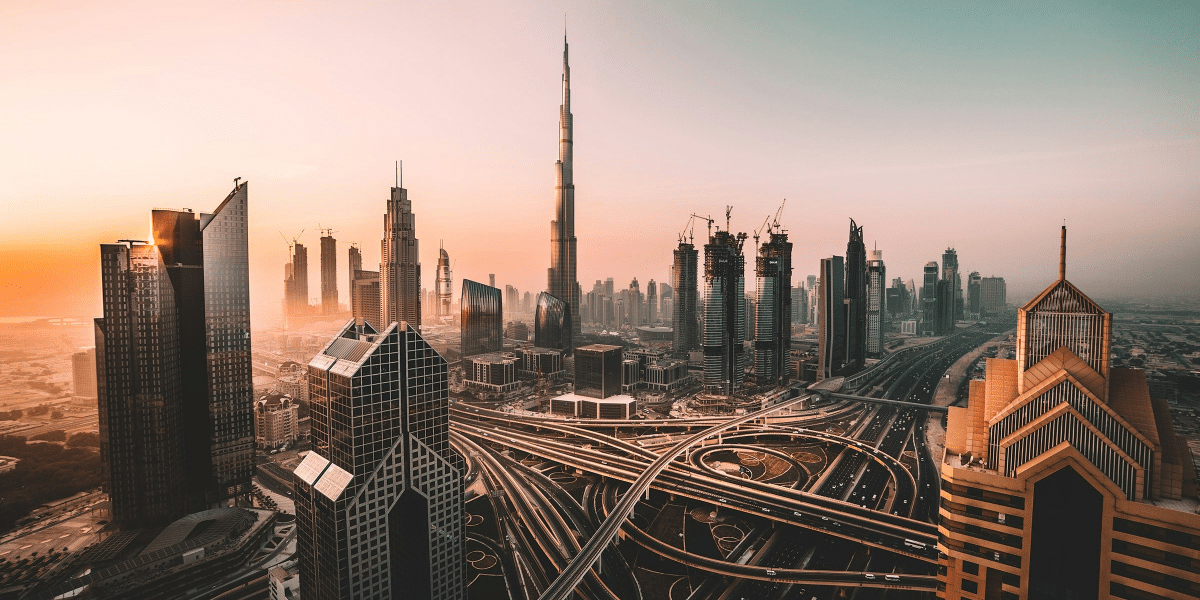
Dubai’s reputation as a premier travel destination is cemented by its iconic skyline, where the Burj Khalifa spearheads the world’s tallest structure, and the man-made marvel of Palm Jumeirah astonishes visitors. The city’s zeal for extravagance is paralleled by the splendor of the Dubai Mall and the rhythmic dance of the Dubai Fountain, while The Museum of the Future beckons with its insights into humanity’s trajectory. 

Culturally, Dubai is a mosaic of history and modernity. Visitors can trace the humble beginnings of the city in the Al Fahidi Historical Neighbourhood, experience grand performances at the Dubai Opera, or negotiate the bustling alleyways of the Gold and Spice Souks. The allure of desert safaris and the chance to partake in traditional Bedouin festivities offer a taste of the region’s rich heritage.

Adding to this is an abundance of leisure pursuits, from sun-kissed beaches and aquatic escapades in world-class water parks to the opulence of luxury yacht cruises and the precision of desert golf courses. For the thrill-seeker, skydiving is a leap toward stunning aerial vistas of the city, and hot-air balloon adventures offer a serene survey of the desert dawn.

Understanding the market of real estate in Dubai 

The remarkable ascent of Dubai’s skyline traces back to strategic government policies designed to allure international investors. These initiatives have launched the emirate’s infrastructure into a new era, reflected in the geometries of steel and glass that define its horizon.

Current real estate market trends indicate robust growth fueled by Dubai’s ever-increasing global appeal. Investors are attracted to areas such as the Downtown district, the Dubai Marina, and the up-and-coming neighborhoods around the Expo 2020 site, which promise a blend of luxury and innovation.

Investment properties range from palatial villas to high-rise apartments, alongside options for commercial real estate. The contrast between off-plan properties—often purchased for their investment potential—and ready-to-move-in homes offers choices for varying investor profiles.

Investing in properties for sale in Dubai

Several compelling reasons motivate investors towards Dubai’s market. The city’s strategic geographic location makes it a vibrant business hub connecting East and West. Additionally, with competitive rental yields and the absence of property tax, the financial incentives are clear. The political stability of the UAE and Dubai’s reputation as one of the safest cities in the world further sweeten the proposition.

Entering Dubai’s real estate market unfolds in a series of calculated steps—identifying the right property, understanding financing options, and navigating a foreign legal system. Real estate agencies play a pivotal role in guiding investors through this process, ensuring that the path to property ownership, whether for personal use or rental income, is as seamless as possible.

Combining travel with real estate investments

Herein lies the concept of “travelvesting,” where investors not only procure assets in Dubai but also enjoy the lifestyle and travel experiences the city offers. Success stories dot the landscape, narrating tales of those who’ve made the most of Dubai’s real estate opportunities while indulging in its lifestyle.

To manage this balance effectively, investors often turn to technology for remote property management, and they rely on local experts to navigate the market nuances. Keeping informed about evolving market conditions and regulatory frameworks is crucial to ensuring a harmonious blend of investment and leisure pursuits. 

Navigating challenges and maximizing opportunities

Investors must be cognizant of potential barriers, such as navigating cultural nuances and understanding local property laws, which differ markedly from Western equivalents. Additionally, economic fluctuations can sway the market’s dynamics, making it imperative for investors to stay alert. 

To maximize opportunities and ensure an enduring return on investment, the following strategies can be invaluable:

  • Diversify investments across various locations and property types within Dubai.
  • Stay abreast of the latest market and tourism trends to anticipate changes and adapt strategies accordingly.
  • Cultivate a robust network of industry contacts to enhance business prospects and support.

The future of Dubai’s landscape

Dubai’s skyline will continue to ascend with awe-inspiring projects, sustaining its robust market and travel sectors. Given past precedents, investments made today in the emirate’s real estate carry the promise of future prosperity, especially considering the ongoing impact of ambitious undertakings like the Expo 2020 legacy projects.

Conclusion 

Dubai, in its journey from sand dunes to skyscrapers, has crafted a unique narrative of ambition and prosperity. For travelers and investors alike, the city extends an invitation to partake in its growth—a growth that mirrors the aspirations of those who dare to dream big. The future of investing and vacationing in Dubai’s dynamic cityscape is as promising as the gleaming towers that punctuate its deserts and coasts. It is a landscape of opportunity, ripe for the taking, and a testament to mankind’s unyielding spirit of progress.

For those poised to explore the juncture of investment and leisure in Dubai, the time is now. With its welcoming business environment, myriad travel experiences, and robust real estate growth, Dubai stands ready to fulfill both the desires of the heart and the demands of the ledger. Take the next step, engage in further research with the help of professionals from Emirates.Estate, and plan your Dubai venture, for this city nestled between dunes and seas is not just a place but a chance—an opportunity to build memories as grand as the skyscrapers that frame its skyline.

Published by: Nelly Chavez

Solar Power: How Sunlight Fuels Our Future

The relentless pursuit of sustainable living and the urgent need for environmental conservation have propelled solar energy to the forefront of renewable energy technologies. As the world gravitates towards greener alternatives, solar power’s role in shaping our future cannot be overstated. This comprehensive exploration of solar energy not only sheds light on its current state but also unveils the transformative potential it holds for our global energy system.

The Essentials of Solar Power

Solar energy, derived from the sun’s rays, offers a limitless, clean power source. This energy is harnessed at its core using photovoltaic (PV) cells, which convert sunlight directly into electricity. This process, devoid of moving parts, stands out for its silent operation and minimal environmental impact, starkly contrasting traditional fossil fuel-based energy sources.

Integrating solar power into our daily lives begins with understanding its foundational components, from PV cells to solar inverters. The latter plays a pivotal role in converting solar panels’ DC (Direct Current) output into AC (Alternating Current), the form of electricity that powers our homes and businesses. For an in-depth look at how solar inverters bridge this crucial gap, how does a photovoltaic inverter work serves as an invaluable resource.

At the heart of the solar revolution lies the simple, yet profound ability of PV cells to convert sunlight into clean, sustainable power. This fundamental process challenges our traditional energy paradigms. It paves the way for a future where energy is accessible to all, free from the constraints of geopolitics and the volatility of fossil fuel markets.

This pivotal transformation underscores solar energy’s contribution to an eco-friendly and self-sufficient future. As we delve deeper into the mechanics of solar power, the significance of efficient energy conversion and management becomes increasingly apparent, highlighting the critical role of technological advancements in solar inverters.

Advancements in Solar Technology

The evolution of solar technology has been marked by significant advancements that have enhanced efficiency, reduced costs, and expanded the applicability of solar energy systems. Solar technology has undergone a radical transformation from the early days of bulky, inefficient panels to today’s sleek, high-efficiency models.

Key to these advancements are innovations in PV cell materials and solar inverter technology. While traditional silicon-based cells continue to dominate the market, the emergence of thin-film solar cells and perovskite materials promises even greater efficiency and flexibility. Similarly, solar inverter technology has seen remarkable progress, with new designs offering improved conversion efficiency, smart grid compatibility, and integrated energy storage solutions.

The Impact of Solar Energy on the Grid

Integrating solar power into the energy grid represents a monumental shift towards sustainable energy. Solar energy contributes to reducing greenhouse gas emissions and plays a crucial role in enhancing energy security and independence. However, this transition is not without its challenges.

Solar power’s intermittent nature necessitates innovative energy storage and grid management solutions. Batteries and other storage technologies are key to ensuring a steady supply of solar power, even when the sun isn’t shining. Furthermore, adopting smart grid technologies allows for more efficient distribution and utilization of solar energy, paving the way for a more resilient and flexible energy system.

Solar Power: Economic and Environmental Benefits

The economic benefits of solar energy are as compelling as its environmental advantages. The plummeting cost of solar panels, coupled with government incentives, has made solar power increasingly accessible to homeowners and businesses alike. This shift reduces energy bills and stimulates job growth in the renewable energy sector.

From an environmental perspective, adopting solar power is critical to mitigating climate change. By displacing fossil fuels, solar energy significantly reduces carbon emissions, contributing to cleaner air and water. Moreover, the decentralized nature of solar power promotes energy independence, reducing reliance on imported fuels and enhancing national security.

The Road Ahead: Solar Energy’s Bright Future

The future of solar energy is undeniably bright, fueled by ongoing technological innovations, favorable policies, and growing public awareness of its benefits. As solar power becomes an increasingly integral part of our energy mix, its potential to revolutionize how we generate, distribute, and consume energy is limitless.

The journey towards a solar-powered future is not without obstacles, but the collective will to overcome these challenges is stronger than ever. The vision of a sustainable, solar-powered world is within reach with continued investment in research and development, supportive legislation, and public engagement.

In conclusion, the transition to solar energy is not merely an environmental imperative but a practical and economically viable solution to the world’s energy needs. As we harness the power of the sun, we secure a cleaner, more sustainable future for ourselves and generations to come. The path forward is clear: embracing solar power is not just an option; it’s an obligation to our planet and our future , opening up a realm of possibilities that extends far beyond the current limitations of our energy systems. The ongoing innovations in solar technology and the increasing integration of solar power into our energy grid signify a pivotal shift towards a more sustainable and resilient energy future.

Navigating Challenges and Solutions in Solar Adoption

Despite the promising outlook, the path to widespread solar adoption is challenging. These range from technical hurdles, such as improving the efficiency and storage capabilities of solar systems, to regulatory and market barriers that slow the implementation of solar solutions. Addressing these challenges requires a multi-faceted approach, combining technological innovation, policy support, and public-private partnerships.

One of the key technical challenges is enhancing the efficiency of solar panels. While significant progress has been made, there’s still a gap between the laboratory efficiency of PV cells and what’s typically achieved in real-world applications. Bridging this gap involves ongoing research into new materials and technologies and improvements in manufacturing processes.

On the storage front, developing cost-effective, high-capacity batteries is crucial for overcoming the intermittency of solar power. Advances in battery technology and alternative storage solutions like pumped hydro storage and compressed air energy storage are making solar power more reliable and dispatchable.

Policy and Market Dynamics

From a policy perspective, creating conducive environments for solar energy adoption involves incentivizing renewable energy investments and removing bureaucratic hurdles that impede development. Governments worldwide are implementing various measures, from tax credits and subsidies to feed-in tariffs and renewable energy mandates, to encourage the growth of solar energy.

Market dynamics also play a critical role. The declining cost of solar installations, driven by technological advances and economies of scale, makes solar energy increasingly competitive with conventional energy sources. However, achieving grid parity — the point at which solar power is equal to or cheaper than grid power — requires ongoing innovation and market support.

Embracing the Solar Energy Lifestyle: Practical Tips for Homeowners

Adopting solar power is not just installing solar panels on your roof; it’s about embracing a lifestyle prioritizing sustainability and energy independence. For homeowners considering the transition to solar energy, here are some practical tips:

  • Conduct an Energy Audit: Before investing in solar, it’s important to understand your current energy usage and identify opportunities for efficiency improvements. Reducing energy consumption through better insulation, energy-efficient appliances, and behavioral changes can significantly lower the size and cost of the required solar system.
  • Research Local Incentives: Many governments and utilities offer incentives for solar energy adoption, such as tax credits, rebates, and net metering policies. These can substantially reduce the upfront cost of solar installations and improve the economic return on investment.
  • Choose the Right System: Solar energy systems have various configurations, including grid-tied, off-grid, and hybrid systems. The right system depends on your energy needs, geographic location, and financial considerations. Consulting with solar energy experts can help you make an informed decision.

Incorporating these steps into your decision-making process ensures a smooth transition to solar energy, maximizing your investment’s environmental and economic benefits.

Conclusion: Illuminating the Path Forward with Solar Energy

The journey towards a solar-powered future is illuminated by the promise of clean, renewable energy that empowers individuals and communities. As we navigate the challenges and embrace the opportunities presented by solar energy, we are contributing to climate change mitigation and paving the way for a future where energy is abundant, sustainable, and accessible to all.

The transformative potential of solar energy extends far beyond the technical realm, embodying a shift towards a more conscious and sustainable way of living. By harnessing the sun’s power, we are taking a significant step towards achieving energy independence, reducing our environmental footprint, and creating a legacy of sustainability for future generations.

As we look to the horizon, the path forward is clear: the transition to solar energy is not merely a technological evolution but a societal imperative. Embracing solar power represents a collective commitment to a brighter, cleaner, and more sustainable future. Let us advance with the sun as our guide, lighting the way toward a world powered by renewable energy.


Published By: Aize Perez

Software Engineer Himanshu Jain On The Rise Of Fitness Apps

In an era where health and wellness have transcended traditional boundaries, the global fitness app market has emerged as a formidable force in personal health management. Valued at USD 1.21 billion in 2021, this sector is on an exponential growth trajectory, projected to reach a staggering USD 5.41 billion by 2030, flourishing at a Compound Annual Growth Rate (CAGR) of 18.1% from 2022 to 2030. This remarkable expansion is underpinned by an unwavering user engagement; data provided by Flurry Analytics reveals that a significant 75% of fitness app users interact with their chosen platform at least twice weekly. Such statistics underscore a pivotal shift towards digital health platforms, marking fitness apps as essential instruments in the daily health and wellness routines of individuals globally.

The advent of artificial intelligence (AI) and machine learning technologies has been instrumental in propelling this growth. These innovative tools have enabled fitness applications to offer highly personalized workout and nutrition plans tailored to individual needs and preferences. By analyzing users’ fitness levels, goals, dietary inclinations, and even daily schedules, these apps craft customized strategies that evolve in real time based on user progress and feedback. This level of personalization transcends conventional exercise routines to encompass meal planning and tracking, fostering a comprehensive approach to health and fitness.

Amidst this burgeoning landscape, software engineer Himanshu Jain stands out for his contributions to advancing the capabilities of fitness applications through AI and machine learning innovations. As part of Duke University’s Big Ideas Lab, Jain played a pivotal role in developing a cutting-edge health and fitness application designed for Android devices. Leveraging his expertise as an Android developer, he introduced a Machine Learning Algorithm capable of searching nearby restaurants aligned with users’ food preferences while also monitoring their step count to gauge progress towards fitness goals.

Jain’s approach to application development underscores the importance of user experience design in creating effective digital health solutions. Utilizing Android Studio design features such as Navigation Drawer, Persistent Bottom Sheet, RecyclerView Fragments, and Tab Layout alongside integrations with Google Maps, Google Fit, GraphView, and Firebase allowed for the creation of an intuitive user interface that simplifies navigation while enhancing functionality.

His work emphasizes not just the technical aspects but also the broader implications for personal wellness. “I have worked on multiple fitness apps, and they’re great because they’re revolutionizing health tracking enhancements,” Jain remarked. His insights reflect a growing trend toward more sophisticated health data measurement tools beyond traditional apps and trackers.

Jain’s vision extends into the future of wearable technology as well. He anticipates a shift from conventional fitness applications to smaller wearables like the Oura ring—devices that promise greater accuracy in monitoring various health metrics without compromising convenience or comfort.

This transition underscores an evolving landscape where technology continually reshapes our approach to personal wellness—a field becoming increasingly competitive yet also more collaborative as companies strive to meet rising consumer expectations around accountability and results.

Through his work and visionary outlook, Himanshu Jain embodies the spirit of innovation driving the global surge in fitness app development—a domain where technical prowess meets genuine concern for enhancing people’s lives through better health management solutions.

As we look ahead, it’s clear that developers like Jain will continue playing crucial roles in shaping how we engage with our own well-being amidst rapidly advancing technological landscapes—making personal health management more accessible, engaging, and effective than ever before.

For those interested in following Himanshu Jain’s ongoing projects or connecting professionally can find him on LinkedIn.

In summary, as we navigate through this era of digital transformation in healthcare and wellness sectors driven by AI advancements—the journey led by pioneers like Himanshu Jain promises not only revolutionary changes but also inspires hope for healthier communities worldwide fostered through innovation.

Published by: Holy Minoza

An Addict Redeemed: The Inspiring Journey of David Gaskill

David bares his soul in his life-changing premier book titled, “Cracker Beach,” a candid narrative that peers into the depths of his past and the grace and power of God. Within its pages, he confronts the pain he inflicted on those closest to him: his sons, ex-wife, parents, and brother. Life often mirrors a roller coaster ride with exhilarating highs and gut-wrenching lows. David Gaskill’s life embodies this analogy. His journey has been a whirlwind of experiences, marked by moments of triumph and tribulation.

Yet, amid the shadows of his past mistakes, David discovered a glimmer of hope in a jail cell. After decades of believing faith alone would secure his place in heaven, he hit rock bottom and humbled himself before God. In that moment of surrender, David underwent a profound transformation, finding the strength to confront his demons and conquer his addiction. Now, as David shares his story through “Cracker Beach,” he extends an invitation for readers to embark on a journey of healing and redemption. His popular book, found on Amazon and Barnes & Noble with the help of Publify Press, is a testament to the power of faith, forgiveness, and second chances. Remember that even in one’s darkest moments, there is always hope.

Through his raw and honest account, David offers a lifeline of hope and healing to those grappling with their struggles with faith and addiction. His story serves as a beacon of light, guiding others through their own journeys of self-discovery and renewal.

You may be wondering, “What is Cracker Beach?” This question is answered in David’s debut novel, but to give you a synopsis of this term, it is a poignant term echoing within prison walls, referring to a small patch of sunlight where inmates found solace during their brief moments of respite. Its name derives from the sight of white inmates sunbathing together, resembling a makeshift beach. The term “cracker” harks back to a time of segregation, where it was used to refer to white people. In this confined space, amidst the harsh realities of incarceration, “Cracker Beach” served as a symbol of fleeting freedom and shared humanity. David not only spent his time at this beach, but he looked up and admired and reflected on God’s beauty and grace and how his savior still shines light on him even in his darkest moments.

Moreover, David extends a heartfelt invitation for communities to engage with his message firsthand. From youth camps to the most secure prisons in America, there is a powerful call to action that can change and save lives. David encourages readers to explore his life story and invites communities to invite him to speak, sharing his story of redemption and offering hope to those in need.

David’s memoir is readily accessible to readers, available on platforms like Amazon and Barnes & Noble with the support of Publify Press. It is a testament to the power of faith, forgiveness, and second chances, reminding individuals that hope remains steadfast even in one’s darkest moments. So, as you embark on this journey with David Gaskill, may you be inspired to seek out the light in your own darkness and embrace the hope that awaits. And may his story serve as a reminder that, with faith and perseverance, redemption is always within reach.

Published by: Holy Minoza

Why SEO Is Still Important In 2024

The digital realm’s nature is constantly evolving. And as the years go by, businesses are always trying new things to boost their reach or gain traction. But with all the innovations, people are wondering whether their practice of search engine optimization (SEO) in the past years is still essential in 2024. This article will discuss the SEO landscape and why it’s still important. 

SEO 101 

Search engine optimization is all about making your content more accessible to find. It involves efficient strategies implemented by online marketers to boost rankings on search engines such as Google, which owns about 92% of the search engine market share across the globe. SEO has steadily helped businesses put their content out there, making it appear on search engine results pages (SERPs) lists as people search for related topics or keywords. In a nutshell, SEO optimizes authoritativeness and quality. 

Generally, SEO comprises strategies like building links and improving content. But with the advent of different innovations, the future of SEO is one that’s full of improvements and development. 

Take for example, here. This encapsulates what small businesses should do to become more effective in their efforts, such as installing analytics apps, focusing on user experience, and offering promotional codes on-site. These small details can make significant impacts in the long run. 

SEO in 2024 

The future of SEO is bright as it transitions to a more advanced practice that’s user-centric and innovative at the same time. Read on as this section dives into the various innovations in SEO and why it is still important in 2024: 

Changing search algorithms 

One thing about SEO you should be aware of is it constantly evolves by updating search algorithms. These are complicated formulas that assess how sites are ranked in major search engines. To stay ahead of the curve, businesses need to continuously monitor these updates and adjust their SEO strategies accordingly.

For instance, in 2024, search algorithms doubled down on user behavior, website structure, and content quality as part of their ranking assessment. This means that having an outdated website design or a lack of mobile-friendliness can significantly impact your search visibility. This is where staying informed and making necessary updates becomes critical.

But here’s the good news: You don’t have to navigate the complexities of SEO alone. There are wordpress website maintenance packages you can avail yourself of so your site can be quickly fixed by professionals. These services can help you ensure your website is optimized for search engines and user experience, keeping you competitive in the ever-changing digital landscape.

The Role of AI 

Recent Google updates highlight the growing role of artificial intelligence in SEO. While Google hasn’t explicitly banned AI content, they emphasize the importance of human expertise and authenticity. They take a strong stance against content created with the sole purpose of manipulating search rankings. This aligns with their efforts to provide users with the relevant and trustworthy information and their long-standing policies against spam.

That said, keep in mind that search engines prioritize content that is:

 Original and Insightful: AI can be a great starting point for brainstorming ideas, automating data collection and interpretation, identifying patterns of your target market and suggesting content optimization strategies, but in-depth research and human expertise are irreplaceable.

 Engaging and Informative: AI-generated content can sometimes lack the nuance and human touch that resonates with readers.

Created with User Intent in Mind: Understanding your audience’s needs, pain points and search queries is essential to creating valuable content.

The takeaway? AI can be a valuable SEO asset when used strategically. But focusing on creating high-quality, user-centric content that leverages human expertise will always be the foundation of a successful SEO strategy.

Voice Search And Conversational Queries 

Did you know that about 40% of U.S. internet users use a voice assistant at least monthly? This has changed the landscape of data gathering because users can simply speak instead of typing. Voice search and conversational queries also boast of their convenient way of searching. 

Since it’s hands-free, people who are always busy or traveling find it helpful as they ask for nearby restaurant recommendations or directions to a certain place. These voice commands remove the need to scroll through endless SERPs. 

But what does this mean for your SEO? Essentially, this emphasizes the need to make your content relevant to voice search users. By targeting long-tail keywords, particularly question-based ones, into your content, you can ensure relevance and attract users navigating with detailed and specific queries.

Mobile-first Indexing 

Almost everyone has their own handheld devices. And as mobile device usage surges, search engines do mobile-first indexing to meet the needs of on-the-go users. Mobile-first indexing simply indicates that search engines use and prioritize the mobile version of a site’s content for ranking and indexing. So, if your site isn’t built for smaller gadgets, then it could hamper your ranking in SERPs. 

Websites that aren’t optimized for mobile devices risk losing out on significant organic traffic. Therefore, ensure your site is mobile-friendly and offers an optimal user experience across various devices. Make your site responsive and intuitive by adjusting to different devices, sizes and orientations automatically. Moreover, check whether the features seen on computers can also be experienced completely in mobiles. 

Final Words

The importance of SEO strategies this 2024 has evolved with a greater focus on user experience, mobile optimization, and high-quality content. This includes changing search algorithms, understanding the role of artificial intelligence, voice search and conversational queries, and mobile-first indexing, among others. And as businesses and organizations continue to rely heavily on their online presence, it’s all the more essential to utilize SEO in the coming year to continuously maintain and improve their search engine ranking and boost brand recognition.


Published by: Khy Talara