Expert Insights: Navigating Home Restoration After Water, Fire, and Mold Damage

In the wake of a disaster, homeowners often find themselves in a state of confusion and distress. Water, fire, and mold damage can transform a once peaceful abode into a site of turmoil. At this critical juncture, it’s essential to have a clear and structured approach to restoration. This article, leveraging the insights of industry expert Barry White, aims to guide you through the nuances of restoring your home efficiently and effectively.

Understanding the Extent of Damage

The first step in any restoration process is to assess the extent of the damage. Water damage, often resulting from flooding or leaks, can lead to structural weaknesses and the growth of mold. Fire damage, on the other hand, can compromise the integrity of construction materials and leave behind hazardous residues. Mold, a consequence of persistent moisture, poses serious health risks and can rapidly spread if not addressed promptly.

Immediate Response: The Key to Mitigation

Upon identifying the nature of the damage, immediate action is crucial. This is where the concept of “Home Damage Response” comes into play. A swift response not only minimizes further damage but also paves the way for a smoother restoration process. For professional assistance, visit Home Damage Response for comprehensive solutions.

Water Damage Restoration: A Systematic Approach

Restoring a home from water damage requires a systematic approach. The process typically involves water extraction, drying, dehumidification, and disinfection. It’s imperative to remove all standing water and dry out the premises to prevent mold growth. Employing industrial-grade equipment ensures thorough drying and mitigates the risk of lingering moisture.

Fire Damage Recovery: Beyond the Visible Damage

Fire damage restoration extends beyond repairing visible damage. It involves smoke and soot removal, deodorization, and structural repairs. Specialized techniques are employed to restore air quality and eradicate any toxic residues left by the fire. This phase is crucial for ensuring the safety and habitability of the home.

Mold Remediation: A Critical Health Consideration

Mold remediation is a critical aspect of the restoration process, particularly following water damage. Professional remediation involves identifying the source of moisture, containing the spread of mold, and employing methods to safely remove it. Ensuring thorough removal and taking preventive measures is essential for safeguarding the health of the occupants.

Choosing the Right Restoration Service

Selecting a reliable and experienced restoration service is paramount. Look for professionals who are certified and equipped with the necessary tools and knowledge to handle the complexities of home restoration. A good service provider will offer a comprehensive assessment, a clear plan of action, and transparent communication throughout the process.

Insurance Claims and Financial Considerations

Navigating insurance claims can be a daunting aspect of the restoration process. A knowledgeable restoration service can assist in documenting the damage and providing the necessary details to facilitate your insurance claim. Understanding your policy and having professional support simplifies the claims process, ensuring you receive the rightful compensation.

Preventive Measures: Safeguarding Against Future Incidents

Finally, implementing preventive measures is crucial for mitigating the risk of future damage. This includes regular maintenance of plumbing and electrical systems, installing smoke detectors, and using mold-resistant materials in areas prone to moisture. Proactive steps not only protect your property but also offer peace of mind.

Conclusion

Restoring a home after water, fire, and mold damage is a challenging endeavor that requires expertise and prompt action. By understanding the extent of damage, responding swiftly, and choosing the right professionals, homeowners can navigate this process effectively. Remember, the key to successful restoration lies in a comprehensive and strategic approach, prioritizing safety and efficiency.


The Whole Foods Market’s 2024 Trend That Could Benefit Your Health


By: Shawn Mars

Whole Foods Market is a supermarket chain that specializes in offering natural and organic foods. It is expected that for this new year 2024 there will be a high demand for genuine plant-forward eating. This type of diet can give significant improvements to your health, so in this list, you will find several reasons to adopt a plant-based diet and also some tips that will make the transition easier. Also, below, you will learn about several foods that are crucial to include in your plant-based diet and what improvements they could bring to your life.

‘Plant-based’ diets are gaining a following thanks to their health benefits, along with growing concerns about animal welfare and the environmental impacts of consuming animal products. Using healthy cooking methods and knowing how to make the most of your vegetables can help you reap all the benefits a plant-based diet offers.

Eating plant-based does not mean you cannot eat meat. It means that meals are primarily made up of whole, minimally processed plant foods such as fruits and vegetables, whole grains, legumes, nuts, and seeds.

Why Choose a Plant-based Diet

A plant-based diet is generally high in fiber and rich in all the essential vitamins and minerals (meaning your body needs them but cannot produce them on its own). This type of diet is also low in calories and contains less saturated fat and cholesterol. Usually, you can meet your protein, calcium, and other nutritional needs by eating different plant-based foods. 

Because of this, there are many studies that agree that a plant-based diet can improve your health and reduce the risk of several diseases.

Here are some benefits that a plant-based diet can give your body.

It Supports Your Immune System

Plants have essential nutrients that you cannot get from other foods. Vitamins and minerals, phytochemicals, and antioxidants in plants help keep cells healthy and the body in balance so the immune system functions at its best.

Plants give the body what it needs to help fight infections. A plant-based diet should optimize your immune system and protect you from germs and microorganisms more effectively. A healthy immune system is essential for reducing cancer risk because it can recognize and attack mutations in cells before they progress to disease.

A Plant-based Diet Reduces Inflammation

Essential plant nutrients should reduce the inflammation in the body. The same little phytochemicals and antioxidants that boost the immune system also move through the body, neutralizing toxins from pollution, processed foods, bacteria, viruses, and more.

Prolonged inflammation can damage cells and tissues in the body and has been linked to cancer and other inflammatory diseases such as arthritis. A plant-based diet can protect you because it eliminates some of the triggers of these diseases.

Helps You Maintain a Healthy Weight

The risk of obesity decreases dramatically with a plant-based diet. Adding healthy items to your diet will help you maintain a healthy weight and avoid all the obesity complications.

If you are overweight or obese, your risk is higher for 12 different types of cancer, including colorectal, postmenopausal breast, uterine, esophageal, kidney, and pancreatic cancer. If you eat primarily plant-based foods, you eliminate many of the foods that lead to weight gain. Do not forget to include physical exercise at least 4 times a week.

It Is an Excellent Contribution of Fiber

Fiber is present in all unprocessed plant foods. It is what makes up the structure of the plant, and if you eat more, you gain access to a large number of benefits. Eating a plant-based diet improves gut health so your gut can better absorb nutrients from foods that support your immune system and reduce inflammation. Fiber can lower cholesterol and stabilize blood sugar and is excellent for good bowel control.

Reduces Risk of Other Diseases

The benefits of eating primarily plants are not limited to reducing the risk of cancer. It has been shown that a plant-based diet can reduce the risk of heart disease, stroke, diabetes, and some mental health illnesses. In fact, all doctors should know the benefits of a plant-based diet for six different health conditions, including COVID-19, diabetes, cancer, cardiovascular disease, and weight loss. 

Foods That You Can Include in Your Plant-Based Diet

Beans, lentils, and split peas.

Quinoa.

Soy products such as tempeh, tofu, soybeans, and soy milk.

Nuts and seeds.

Dorot gardens frozen herbs and spices.

Dorot gardens frozen herbs and spices

Dorot Gardens is a brand that provides pre-portioned flash-frozen cubes that will make everything much easier when it comes to cooking. Pre-portioned garlic, onions, herbs, and more are your perfect flavor sidekicks, making meal prep simpler and quicker. The best part is that they can spend a long time refrigerated and will still be in perfect condition when you want to cook them since they do not lose their qualities.

When starting a new diet you will spend a lot of time researching new recipes and putting them into practice, so if you can reduce the time you spend in the kitchen by having your seasonings pre-cut, the transition to your new type of diet will be more bearable.

Conclusion

While plant-based diets may not be for everyone, there is no doubt that most of us could benefit from including more plant foods in our diet. However, it is not necessary to completely exclude animal products to obtain the health benefits. From a health perspective, the important thing is to focus on eating plenty of whole plant foods and reducing highly processed and refined foods, not whether or not you include animal products.

That might mean swapping your usual refined breakfast cereal for oatmeal, replacing meat in a meal with legumes or tofu a couple of times a week (or adding them to a dish that has meat), adding salad or fruit to your meal, and nuts to complement it. Remember, you do not need to make drastic dietary changes to improve your health. Small changes are much more effective and sustainable over time in most cases.

Disclaimer: The information provided in this article is for general informational purposes only and does not constitute medical advice. The benefits of a plant-based diet may vary among individuals. Consult with a healthcare professional before making significant changes to your diet or lifestyle. The mention of Whole Foods Market’s 2024 trend is based on publicly available information and does not imply endorsement or promotion of any specific products.

CogniThrive Collective: Ahra (Esther) Ko’s Holistic Approach to Empower Mental Health

In a world where the prevalence of mental illness reaches staggering numbers, affecting millions each year, many cases are often shrouded in taboo, leading to untreated conditions. Against this backdrop, Ahra (Esther) Ko, the driving force behind CogniThrive Collective, strives to stand out and address some of the grand challenges prevailing in our society.

CogniThrive Collective – A Beacon of Hope

According to studies, mental health conditions significantly impact individuals worldwide, with depression affecting 1 in 3 women and 1 in 5 men. These statistics constitute a substantial portion of the world’s population, highlighting the widespread importance of addressing mental health challenges on a global scale.

In the face of this reality, CogniThrive Collective, an online mental health practice, emerges as a beacon of hope and healing. By addressing challenges such as depression, anxiety, stress, and relationship conflicts, it is committed to providing a truly holistic approach, offering solutions for patients grappling with mental health challenges.

Ahra (Esther) Ko’s Holistic Approach to Mental Wellness

While we often perceive our mind and body as distinct entities, they are intricately connected, playing crucial roles in our lives. Integrating the principles of mind-body medicine, the holistic approach to mental health treatment encompasses biological, mental, emotional, behavioral, social, and spiritual factors.

Ahra, a licensed therapist and expert, acknowledges the intricate connection between mental well-being and various aspects of an individual’s life. What sets Ahra apart is her utilization of a multimodal lens to guide individuals in examining the root causes of their challenges. Beyond addressing specific symptoms, she tailors treatment to each individual, promoting a holistic, culturally attuned, and research-supported model that extends traditional approaches.

Empowering Through Awareness and Intervention

Under the banner of CogniThrive Collective, Ahra actively works to elevate awareness of the emotional, mental, and physical impacts of stress. Although the trigger for stress may be beyond control, internal and external warning signs can be identified. She empowers individuals to effectively navigate stressors and reframe unhelpful thought patterns that influence their stress experience.

Employing various evidence-based approaches, CogniThrive tailors treatment for depression, utilizing techniques such as Cognitive-behavioral therapy (CBT), Interpersonal therapy (IPT), and Trauma-focused therapy (TF-CBT). Harnessing the power of mindfulness and relaxation techniques aids individuals in alleviating the physical and mental strains of anxiety through psychotherapy.

Ahra’s Contributions To Health Care 

A dedicated health expert, Ahra has contributed significantly to the field by co-authoring scientific papers published across various journals, including Substance Use and Misuse, Cultural Diversity and Ethnic Minority Psychology, Alzheimer’s & Dementia, and many others. Additionally, she has presented at local and national conferences, including the Society of Behavioral Medicine Conference.

Enriched by years of psychology research at UCLA and USC, Ahra emphasizes early intervention and preventive measures to address symptoms before they escalate. Beyond private practice, she serves as a therapist at the LA County Department of Mental Health, providing therapy and crisis intervention for the homeless population with a history of incarceration and substance dependence. 

Future Ambitions and Goals

Looking ahead, Ahra envisions growing her private practice into a wellness center. Her long-term vision includes collaborating with medical professionals to improve how we detect, diagnose, and provide quality treatment for mental health patients. By fostering collaboration and advancements in mental health care, Ahra aims to create positive, lasting impacts on individuals and communities.

Uncover the intricacies of Ahra (Esther) Ko’s transformative practice and embrace the guidance on the path to thriving mental health. 


A Local Brand with a Global Reach: Tea Time Rituals

By: Commander Publicity

From the humble office of an esteemed lifestyle wellness strategist and tea master, Nishisksi Chandler, an incredible journey of total wellness and superior lifestyle solutions unfolds through a groundbreaking initiative, Tea Time Rituals. Coach Chandler, a certified health coach and wellness architect, has made it her lifelong mission to help individuals improve their health and overall well-being through easy, convenient, and flavorful beverage alternatives. She designs lifestyle wellness strategies that work, nourishes positive drinking habits, and champions mindful rituals for quick self-care and relaxation.

Founded by Chandler, Tea Time Rituals isn’t just your average tea brand. It’s a woman, minority, and veteran-owned company that creates wholesome tea-drinking experiences designed to delight your senses and comfort your soul. The brand’s exceptional tea selection, wellness accessories, and innovative blends embody self-care in a cup. Their offerings promise not only to surprise your taste buds but also to support your health and wellness goals.

As the owner of Tea Time Rituals, Ms. Chandler infuses her decade-long experience in crafting sustainable lifestyle solutions into her labor of love. She combines traditional remedies, natural foods, and mindset solutions with an inclusive lifestyle wellness approach. Beyond being aesthetically pleasing, the tea-time accessories offered by the brand are purposeful additions to your self-care routine.

Their online shop, a hub of health-enhancing herbal blends, beverages, and accessories, is always open. Whether you are new to the journey of healthier habits, a staunch tea enthusiast, or just seeking for flavorful delights, the ever-rotating selection has something novel for you. The essence of their venture is simple – “A good cup of tea makes everything better.”

The journey through the path of wellness doesn’t stop at health benefits alone. With a firm commitment to self-care and wellness, the Tea Time Rituals team is never complacent. They strive to provide transformational experiences through their products. Each blend of tea is created to pamper the senses, sow seeds of tranquility, and fortify users with strength and positivity. As the business continues to evolve, the essence of nourishing both the body and soul through quality, tasty, and health-bearing beverages remains at its core.

The impact of Tea Time Rituals stretches far beyond its local roots. It has helped hundreds of individuals across the United States and worldwide. Through the brand’s social media platforms (Facebook, Instagram, and Amazon), Tea Time Ritual’s footprint has grown significantly, transforming this local brand into a company with a global reach.

At the heart of it all, Tea Time Rituals is more than just a company. It’s a manifestation of Ms. Chandler’s vision of promoting wellness through sustainable lifestyle solutions. By combining her expertise as a certified health coach, lifestyle wellness strategist, and tea master, she brings to life a brand that is undeniably committed to promoting healthy living.

In the end, Tea Time Rituals, by offering easy, convenient, and healthy beverage alternatives, not only promotes a path toward health but also encourages people to cherish the art of self-care. By choosing Tea Time Rituals, you are choosing a journey of wellness through natural, luxurious, soul-soothing, and taste bud-delighting rituals in a cup.

Tea Time Rituals is a testament to the adage that the journey of wellness doesn’t have to be complex and unpalatable. It’s not just about tea. It’s about experiencing the finest blend of health, tranquility, and taste. Here’s your gateway to a healthier, happier lifestyle: welcome to Tea Time Rituals!

Who Said Bodysuits Can’t Make Boss Moves? Meet the Attorney Behind the “Bodysuits for Bosses”!

The Founder of JD.JUNE, an attorney by day and clothing brand owner by night, is reshaping the world of Women’s Professionalism. Embodying power and womanhood, the brand, JD.JUNE, is not just another name in the fashion industry. With its innovative “Bodysuits for Bosses,” JD.JUNE symbolizes women as they embrace all that they are – “Bold. Brilliant. Beautiful”. Their non-iron fabrics and bodysuit practicality represent classic professionalism with a modern, feminine twist.

Within the first few years of her legal career, the Founder created JD.JUNE based on a simple observation: a lack of quality and style in women’s workwear. The Founder recalls, “As a professional, I experienced firsthand our struggle in wanting to look our best while being constrained by low-quality fast fashion.” This problem sparked her “Bodysuits for Bosses,” a line designed for empowered women who deserve to look and feel good as they do good work. 

Designed in New York City with the help of her technical designers, JD. JUNE’s Bodysuits for Bosses are a blend of astute craftsmanship and thoughtful design. Two years of research and international collaboration have culminated in JD. JUNE’s sophisticated cuffs and collars and freedom in movement. “We offer the highest quality at mid-luxury prices, thanks to our careful sourcing of American, Supima® Cottons dexterously woven in Europe and our partnering with renowned Asian craftsmanship,” she explains.

Behind the brand is a story of passion, resilience, and the pursuit of excellence. Wishing for fashion to reflect all lifestyles and world connections, the Founder believes that “as women embrace their power and confidence, their clothes need to mirror them. These women are bosses, associates, managers, lovers, and mothers. Professionalism for women has evolved, and our Bodysuits for Bosses are at its front door, celebrating the multifaceted nature of today’s women.”

The Founder provides reassuring advice for aspiring entrepreneurs: “Don’t give up. Trust your gut, and don’t be afraid to ask for help. Lastly, be your own best friend and support system when things are hard.” This mantra has been the guiding force behind the creation of JD.JUNE. “Embracing uncertainty and challenges is part of the journey, but finding safety within ourselves will get us through it.”

JD.JUNE envisions a future where the brand is the leading provider of quality. “In five years, I see us as the go-to brand for women who believe in their power,” the Founder reflects. Defining “Success,” the Founder of JD.JUNE believes that success is one’s journey, constantly evolving and deeply fulfilling. “Success is the goal of feeling limitless and unbothered and loving ourselves to transcendence. Success is addicting,” she shares.

“My background is a blend of math, competitive violin, poetry, beauty, fitness, and writing, which have all led me to my dual paths in business law and fashion. I’ve learned to channel my passions into a brand that is a true reflection of me and women like me,” she concludes. 

For those looking to embrace modern practicality and their highest selves, JD.JUNE doesn’t provide just clothes. The brand provides a recognition of women’s lifestyles. Bodysuits for Bosses are not just necessities but statements of who you are – Bold, Brilliant, and Beautiful. 

Instagram: @jdjune_official  

Dr. Robert Krug on Providing Compassionate Care for Individuals with Brain Injury and Dementia

Brain injury and dementia are two distinct yet interconnected conditions that significantly impact the lives of affected individuals and their families. Brain injuries can result from traumatic incidents such as accidents or falls, while dementia typically develops gradually, often as a result of neurodegenerative diseases like Alzheimer’s. Providing care for individuals with both brain injury and dementia requires a nuanced understanding and a tailored approach, as caregivers must address the overlapping symptoms of these complex conditions with patience and adaptability. This challenging task demands continuous vigilance, empathy, and a deep commitment to meeting the unique needs of each individual.

Dr. Robert Krug is an expert in the field of rehabilitation medicine with more than thirty years of providing compassionate care for individuals with brain injury and dementia. As President of Rehabilitation Medicine and Disability Consultants, Dr. Krug understands firsthand the unique challenges caregivers and healthcare professionals face, and he advocates for them through his work as well as his endorsements of outstanding efforts such as the Mandell JCC’s BrainSavers program, the world’s leading “brain-fitness” initiative. His insights and guidance serve as a valuable resource for individuals and families navigating the complexities of brain injury and dementia care. 

Understanding Brain Injury and Dementia

Brain Injury:

Brain injuries can occur due to various factors, including accidents, sports injuries, or medical conditions such as strokes. Depending on the severity and location of the injury, the consequences can range from mild cognitive impairments to severe disability.

Common symptoms of brain injury may include:

– Memory problems

– Difficulty concentrating

– Mood swings

– Impaired motor skills

– Speech and language difficulties

– Fatigue

– Headaches

Dementia:

Dementia is an umbrella term for a group of cognitive impairments that affect memory, thinking, and daily functioning. Alzheimer’s disease is the most prevalent form of dementia, but there are others like vascular dementia and Lewy body dementia.

Key symptoms of dementia include:

– Memory loss

– Confusion

– Disorientation

– Behavioral changes

– Difficulty with tasks of daily living

– Communication problems

“I have witnessed the profound impact of dementia on patients and their families throughout my career,” says Dr. Robert Krug. “It’s crucial to understand that dementia encompasses various forms, including Alzheimer’s, vascular dementia, and Lewy body dementia, all of which share common symptoms such as memory loss, confusion, and difficulties with daily tasks. Providing comprehensive care and support tailored to the specific subtype is essential for enhancing the quality of life for individuals facing this challenging condition.”

Dr. Robert Krug

Sourced photo

Latest Treatments and Diagnostic Methods for Alzheimer’s Disease

Advanced Pharmacological and Non-pharmacological Treatments:

Recent years have seen a shift towards targeting specific neurological pathways associated with cognitive decline in Alzheimer’s. Promising drugs like Aducanumab and Donanemab are in clinical trials, showing potential in reducing amyloid plaques in the brain, a hallmark of Alzheimer’s pathology. These advancements are critical as they open the door to slowing disease progression.

Additionally, the concept of repurposing existing drugs has gained traction. Medications initially developed for other conditions are being tested for their effectiveness against Alzheimer’s, offering a potentially faster route to clinical application due to their established safety profiles.

Complementing pharmacological efforts are non-pharmacological therapies. These include cognitive rehabilitation, lifestyle modifications, and the use of technology-aided cognitive exercises. These therapies aim to maintain or improve cognitive function and overall quality of life in Alzheimer’s patients.

Early Diagnostic Tools: 

The development of sensitive diagnostic tools marks a significant leap in the early detection of Alzheimer’s. Advanced imaging technologies, such as PET scans, have become instrumental in detecting amyloid plaques and tau tangles in patients. These methods offer a significant advancement over traditional MRI scans.

In addition to imaging technologies, blood tests that detect biomarkers like p-tau217 and p-tau181 are being researched for their potential to diagnose Alzheimer’s even before symptoms appear. Furthermore, genetic testing has emerged as a pivotal tool in identifying individuals at higher risk, allowing for proactive monitoring.

The integration of transfer learning-based approaches with MRI data adds another layer of precision to Alzheimer’s diagnostics. By applying advanced algorithms to MRI scans, subtle neurological changes indicative of Alzheimer’s can be detected at an early stage.

“Catching Alzheimer’s disease in its earliest stages is absolutely crucial,” Dr. Krug says. “With the advent of advanced diagnostic tools like PET scans and blood tests for biomarkers, we’re now able to identify the subtle signs of Alzheimer’s much earlier than ever before. This early detection, combined with innovative approaches like transfer learning in MRI data analysis, is revolutionizing how we approach Alzheimer’s care. It not only offers a window for timely intervention but also opens up possibilities for more effective treatment plans tailored to individual needs. The ability to detect these changes early on is a game-changer in our fight against this challenging condition.”

Research Initiatives: 

The Alzheimer’s Association has been at the forefront of funding research initiatives, with a remarkable $100 million investment in 2023 alone. This funding supports a range of initiatives, from molecular studies to clinical trials, aimed at understanding and combating Alzheimer’s.

One area of innovative research is the use of metal-organic frameworks (MOFs) for diagnosing Alzheimer’s. MOFs are being explored for their potential to detect Alzheimer’s biomarkers through advanced fluorescence and electrochemiluminescence techniques.

The field is also moving towards personalized medicine, tailoring therapies based on individual genetic, biomarker, and cognitive profiles. This approach acknowledges the disease’s heterogeneity and aims to optimize treatment effectiveness.

Additionally, digital health technologies, including wearable devices and smartphone apps, are increasingly used for continuous monitoring and managing Alzheimer’s. These tools are crucial in early detection and personalized care management.


Comprehensive Educational, Supportive, and Adaptive Strategies for Caregivers of Individuals with Alzheimer’s and Brain Injury

Caring for individuals with brain injury and dementia, including Alzheimer’s disease, demands a multifaceted approach to address the challenges of cognitive and emotional strain, safety, communication barriers, and decision-making complexities.

Mitigating Cognitive and Emotional Strain 

Caregiving, while fulfilling, can be mentally and emotionally taxing. To combat this, caregivers are encouraged to utilize resources for stress management, such as mindfulness techniques and workshops provided by organizations like the Alzheimer’s Association. Additionally, connecting with other caregivers through support groups offers valuable shared experiences and coping strategies.

Ensuring Safety in Caregiving 

Given the impaired judgment and increased accident risk associated with brain injury and dementia, caregivers must prioritize safety; this involves implementing home safety measures like handrails and non-slip mats, regularly assessing the environment for potential hazards, and providing adequate supervision.

Overcoming Communication Barriers 

As dementia and brain injury can hinder communication, employing clear, simple language and non-verbal techniques like gestures or visual aids is crucial. Training in non-verbal communication and using technology aids can enhance interaction and understanding.

Navigating Complex Decision-Making 

Caregivers often face tough decisions on behalf of those with limited decision-making capacity. Seeking advice from healthcare professionals and support groups can provide guidance in balancing safety with respecting the individual’s autonomy.

Managing Behavioral Changes 

Recognizing triggers and employing de-escalation techniques are vital in managing behavioral changes. Non-pharmacological interventions like music or art therapy can be effective in mitigating these challenges.

Encouraging Independence and Dignity 

Promoting independence in daily activities, even in small ways, can help maintain the individual’s skills and dignity. This person-centered approach is vital in respecting their sense of self.

Prioritizing Self-Care for Caregivers 

Caregivers must pay attention to their own well-being. Engaging in self-care practices and accessing respite care are essential to prevent burnout and maintain effective caregiving.

Caregiving for individuals with brain injury and dementia is challenging yet deeply rewarding. With the right strategies, resources, and a compassionate approach, caregivers can greatly improve the quality of life for those in their care while also ensuring their own well-being.

“Navigating the care for individuals with both brain injury and dementia is akin to solving a complex puzzle,” says Dr. Robert Krug. “With the right mix of education, support, tailored plans, and patience, caregivers can craft a compassionate care approach that significantly enhances the lives of those affected.”

The Intersection of Brain Injury and Dementia

One of the complexities in caregiving arises when an individual experiences both brain injury and dementia; this can happen if a person with a history of brain injury later develops dementia or if dementia exacerbates the effects of a previous brain injury. In such cases, caregivers face unique challenges as they navigate the overlapping symptoms and care needs.

In these instances where brain injury and dementia coexist, caregivers are required to employ a highly specialized approach, which necessitates a keen awareness of how the symptoms of each condition might influence the other, potentially leading to a more rapid decline in cognitive and physical abilities. The overlap in symptoms, such as memory loss, confusion, and difficulty with motor skills, calls for an adaptive care strategy that addresses both conditions simultaneously. Caregivers must also be prepared for the possibility of sudden changes in behavior or ability levels, requiring a flexible and responsive care plan. 

This dual-diagnosis scenario often places an additional emotional and psychological burden on caregivers, who must balance the complexities of medical care with the emotional support needed by both the individual and their family. Therefore, a multidisciplinary approach involving medical professionals, therapists, and support groups becomes essential in providing comprehensive and effective care.

“Addressing the dual challenges of brain injury and dementia demands not just medical expertise, but a deep sense of empathy and adaptability,” says Dr. Krug. “As caregivers, we must tailor our approach to each individual, understanding that the intersection of these conditions creates a dynamic and often unpredictable care environment. It’s about more than just managing symptoms; it’s about providing holistic support that encompasses both the physical and emotional well-being of our patients and their families.”

The ongoing battle against Alzheimer’s disease is being revolutionized by cutting-edge treatments and diagnostic methods, offering new hope for early detection and management. Groundbreaking pharmacological advancements and sophisticated diagnostic tools are empowering the medical community to effectively tackle Alzheimer’s in its initial stages. The multifaceted nature of caring for individuals with brain injury and dementia necessitates comprehensive caregiver education and a compassionate care approach. 

The increasing public awareness of brain injury and dementia, partly driven by high-profile cases like that of Bruce Willis, who has frontotemporal dementia, and Judy Greer, who advocates on behalf of her beloved grandfather, underscores the need for more extensive training for primary care physicians and enhanced public understanding. Providing care for those with both brain injury and dementia demands adaptability and empathy, addressing the complexities of these interrelated conditions with vigilant and tailored care.


From NYC Ghetto to CEO: Harold Goldstein’s Journey of Resilience and Vision

Stories captivate us, not just in lessons but by the incredible journey that unfolds. Among such stories is Harold Goldstein, CEO and Founder of OPAD Consulting, providing insight from his early days in the New York City ghetto to his rise in the corporate world.

Introduction: The Inception of an Idea

Adversity often shapes extraordinary stories. Harold’s story exemplifies the same. He was born in the heart of New York City and raised in the NYC ghetto. Ghetto life is a daily grind marked by poverty, high crime rates, and scarce resources. Residents face challenges such as unemployment, substandard housing, and issues like racism, providing almost no chance to exit.

As the child of first-generation immigrant parents, Harold carried not only his own dreams but also the hopes and aspirations of his family. His words, “I was the first to go to higher education,” capture the heavy expectations and the aspiration to succeed against the odds.

He reflects on his upbringing as a crucible for character development, stating, “My upbringing taught me to embrace adversity as a motivating force.” Harold learned to be resilient and determined, which later became the keys to his success.

The Quest for Knowledge: Harold’s Educational Odyssey

Despite the adversities of his upbringing, Harold relentlessly continued his studies through scholarships. He embarked on a path of higher education, achieving degrees in Business Administration, Finance, and Industrial Psychology. This diverse educational foundation equipped him with valuable skills and an understanding of business, preparing him for future ventures.

Professional Trajectory: Contributions to Leading Corporations

Throughout his career, Harold achieved notable milestones and left a remarkable influence in the field of human resources. He occupied senior HR roles in prominent companies such as Levi Strauss and Johnson & Johnson. These roles shaped his expertise in human resources and organizational behavior. 

The Turning Point: The Establishment of OPAD Consulting

The desire to give back, instilled in him by his mother, served as the driving force behind the founding of OPAD Consulting. This was also what drew in Lilo Alfaro, who is now the COO. 

As the founder, Harold explains his ambition, stating, “My vision was to help organizations create environments where successful people want to work.” This encapsulates the essence of OPAD Consulting, which is committed to aligning missions, visions, and cultures within companies to enhance their success. 

Lilo brings a new perspective from her different background that strengthens their overall nuanced approach to problems and practical solutions that can improve the overall dynamics of an organization. 

Conclusion: A Journey of Inspiration and Impact

Harold’s journey from the NYC ghetto to becoming the CEO of OPAD Consulting is a testament to the power of determination, education, and the desire to make an impact. He is a resilient force and a visionary who never gave up, even during the most challenging times. His story underscores his personal growth and commitment to assisting organizations in creating environments where individuals are eager to work. His legacy is one of success and impact, continuing to shape today’s corporate world and with the addition of Lilo Alfaro that impact will continue to grow. 

If you’re interested in learning more about Harold Goldstein, Lilo Alfaro, and OPAD Consulting, connect with them here.

Discovering Your World: Personalized Maps by Mixplaces

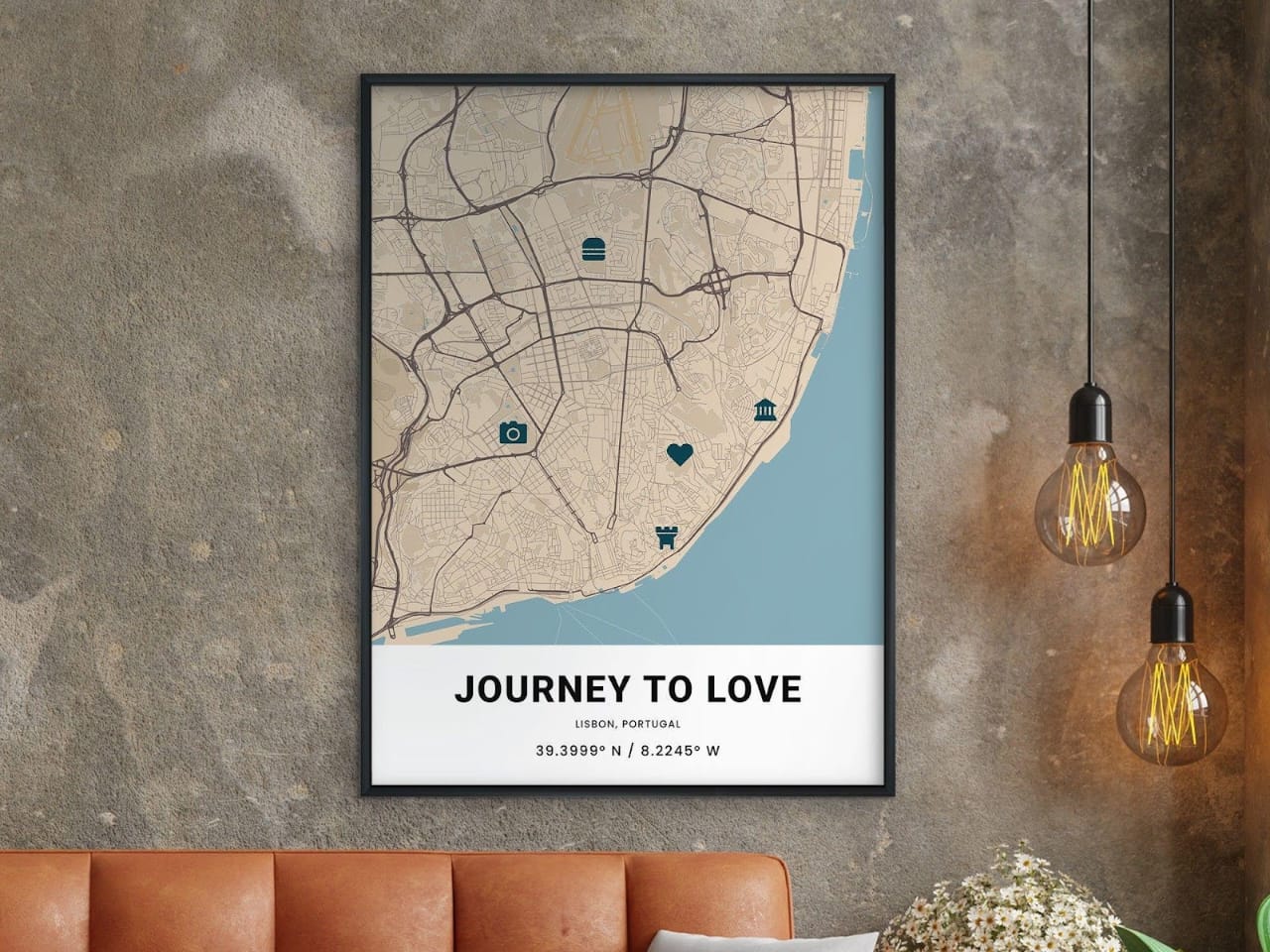
Mixplaces has an incredible specialty, they create personalized maps that are unique to you. These aren’t your typical maps, they’re like a magical blend of your style and your life story. Picture this, a map that’s like a vibrant collage of all the places that hold a special spot in your heart. 

It’s as if your favorite places and memories come alive on this one-of-a-kind map made just for you. It’s not just a map, it’s your very own treasure map leading you through your adventures.

So, let’s explore the details of how Mixplaces turn your world into a personalized cartographic masterpiece.

Personalized Maps that Speak Your Language

Imagine having a map that’s like your personal diary, marking all the places that truly mean something to you—the park where you had your first picnic, the cozy café where you met friends, or that breathtaking view you stumbled upon during an adventure. That’s the magic of Custom Map Print from Mixplaces. 

They’re like your friendly guide, showing you hidden gems and leading you to new experiences, all tailored just for you. It’s like having a treasure map filled with your unique adventures.

Infusing Your Memories

Their ability to hold your memories and special places close is what sets these maps apart. Imagine marking all those places that mean a lot to you—like the corner shop where you savor the best ice cream or the park where you first learned to ride a bike. Mixplaces lets you add these personal touches, making a regular map a stroll down your memory lane. It’s like crafting a map that tells your unique story, filled with all those moments that make you smile.

The Power of Customization

The real enchantment behind these maps lies in their endless customization possibilities. Mixplaces isn’t just about marking spots, it’s like creating your own story on the map. You can add your own stories, drawings, or special symbols that show what your journey means to you. Your map isn’t just for finding places, it’s like a colorful book of all your adventures. Each thing you add is like a paintbrush making your map a picture of all the fun you’ve done.

More Than Just Directions

Say goodbye to those plain old maps that just show roads and places. With Mixplaces’ personalized maps, navigation turns into a thrilling journey all on its own. Picture this, you’re plotting your road trip, marking those places you can’t miss. And then, voila! They pop up on your special map, not just as dots on a route, but as chapters of your very own story coming to life. It’s like watching your adventures unfold right in front of you, making every turn on the map an exciting part of your unique tale.

Celebrating Uniqueness

These personalized maps are truly remarkable in their celebration of your uniqueness. Each map reflects your individuality, just like no two people are alike. It’s not solely about marking locations, it’s about showcasing your adventures, encapsulating your cherished memories, and even depicting your aspirations. 

Mixplaces crafts these maps as a canvas for your journey, turning a traditional map into a colorful showcase of your distinct experiences. With Mixplaces, your map isn’t just a navigation tool, it’s a vivid portrayal of everything that makes you, well, uniquely you.

How Mixplaces Does It

Creating your personalized map with Mixplaces is a breeze. You get to hand-select your most-loved spots, mix and match from a range of designs until you find the perfect one, and before you know it, voila! Your very own map is all set. It’s an effortless process, just like piecing together your favorite puzzle, and it’s as exciting as discovering new spots. With Mixplaces, crafting your personalized map isn’t just a task, it’s an engaging adventure that mirrors the joy of exploring and the satisfaction of personalizing your journey.

The Perfect Gift of Memories

Here’s the kicker, these maps also make fantastic gifts. Imagine surprising a friend with a map showcasing all the spots you’ve made memories of together or the places you both dream of visiting. It’s a heartfelt gesture that captures the essence of friendship and shared dreams within a single map.

Your Map, Your Story

Mixplaces’ personalized maps aren’t just about showing you where to go, they’re like your own story drawn on a map. When you start your new adventures, think of your map as more than just a helper. Treat it like a friend traveling with you, holding all your tales and memories from your journeys. It’s like your personal scrapbook, mapping out your adventures step by step as you explore new places and create new stories along the way.

The Power of Personalized Maps: Five Key Benefits

Let’s take a quick close view of personalized maps and their remarkable benefits:

  • Memory Keeper: Custom maps help cherish memories by marking important places, and creating a visual story of your life.
  • Daily Guide: Personalized maps show frequented spots, making it easier to get around without relying on GPS.
  • Inspiration Source: Your map reminds you of joyful experiences and milestones, motivating future adventures.
  • Unique Reflection: Each map reflects your style and uniqueness, unlike mass-produced décor.
  • Heartfelt Gifts: Custom maps of shared memories make meaningful presents, while personal maps mark special moments.

Wrapping Up

Personalized maps do more than just guide—they hold your life’s moments and dreams. Embrace this special tool that not only helps but also keeps your memories, sparks new adventures, and shows who you are. Whether for yourself or as a thoughtful gift, these maps stay by your side through all your journeys.

Transforming Auto Sales with AI

Image commercially licensed from: Depositphotos

Overview of Artificial Intelligence in Automobile Sales

Integrating Artificial Intelligence (AI) into the sales process is at the core of the paradigm change the automotive industry is currently experiencing. Artificial Intelligence has turned into a game-changer, changing the way cars are sold and improving the consumer experience.

Revolutionizing Auto Sales

AI-Powered Customer Experience

As a pioneer in this transformation, EpiCar has adopted AI to improve the client experience. EpiCar customizes the browsing experience by providing personalized car suggestions based on user preferences and behavior through predictive algorithms.

Predictive Analytics in Sales

Predictive analytics powered by AI has completely changed the way sales teams function. Dealerships can precisely predict client wants by analyzing large datasets, which allows them to optimize pricing and inventory strategies for optimal profitability.

Increased Effectiveness and Customization

Simplifying Sales Procedures

Artificial intelligence (AI) automates routine administrative work, freeing up sales staff to concentrate on client interaction. Automating routine procedures like paperwork and follow-ups frees time for more insightful conversations with prospective customers.

Customized Customer Communications

With its smooth integration, AI responds instantly to consumer inquiries and makes tailored suggestions. Customers will find this to be a more fulfilling and engaging experience, which will increase their trust and loyalty.

Artificial Intelligence in Marketing Plans

Personalized Marketing and Promotions

Advertising targeting is made exact thanks to AI-powered techniques. Ads can target the most relevant audience by using consumer data, which boosts conversion rates and makes the most of marketing expenditures.

Enhancing Digital Channels

EpiCar’s web platform presents clients with services and automobiles based on their preferences by using artificial intelligence (AI) algorithms to filter content. Higher engagement rates and an improved user experience are the results of this.

Difficulties and Prospects for the Future

Overcoming Opposition to AI Integration

Some in the industry are reluctant to use AI, despite its advantages. For extensive AI integration to occur, addressing worries about job displacement and privacy issues remains a hurdle.

AI’s Role in Auto Sales

AI in vehicle sales has a plethora of possibilities in the future. Technological developments in AI will further improve client experiences, expedite business processes, and completely transform the sector.

Conclusion 

Without a doubt, artificial intelligence (AI) technology is changing the vehicle sales industry by providing individualized experiences, streamlining procedures, and changing marketing tactics. The industry’s ability to expand and compete in the future depends on the use of AI.

FAQs

How might AI help with car sales?

AI improves client experiences and boosts sales by enhancing efficiency, personalization, and marketing techniques.

Are there any obstacles to the deployment of AI in the auto industry?

Yes, there are difficulties with resistance to AI integration brought on by worries about job loss and privacy concerns.

In the auto industry, what function does predictive analytics serve?

Accurate customer demand forecasting is made possible by predictive analytics, which optimizes price and inventory plans.

Is AI changing vehicle sales only in terms of the consumer experience?

AI also automates duties to facilitate more meaningful customer encounters, streamlining sales procedures.

What role will AI play in auto sales in the future?

AI developments will improve operations, marketing, and experience, completely changing the way the sector operates.

Empowering Small Businesses In The U.S.: Mengying Sun’s Journey to Technological Innovation

In the landscape of American entrepreneurship, Mengying Sun’s story stands as a beacon of innovation and empowerment for small businesses. Her journey, marked by a blend of technical acumen and a deep understanding of small business dynamics, showcases how technological innovation can be a game-changer in leveling the playing field for small enterprises.

Groundbreaking Innovations Stem From Graduate School

Mengying’s innovation journey began at Purdue University, where she pursued a master’s degree in business analytics. Here, she not only honed her skills in data science, Machine Learning, and AI but also applied them innovatively. A notable example was her creation of a machine learning model for a local furniture company, K.A Component. This model predicted workflow on the assembly line, leading to a significant increase in efficiency. By optimizing assembly line management, the company saved an average of 240 workforce hours and boosted revenue by $117,000 per line in a year. This groundbreaking work earned Mengying a spot to present at the Python Scipy 2020 conference, marking her first major step in empowering small businesses through technology.

From Graduate School to Wall Street

Post-graduation, Mengying transitioned to the corporate sector, joining American Express Company, known as one of the most famous financial services companies at Wall Street. As a data science manager, her role in Commercial Analytics and Risk Management involved leveraging data analytics to enhance payment and spending solutions for commercial clients, primarily small business owners. This experience deepened her understanding of the challenges small businesses face and sparked the vision to create technical solutions tailored to their needs.

Dental Wise Technologies: A Visionary Startup

Mengying’s entrepreneurial spirit was further ignited by her personal experiences with the U.S. dental care system. Identifying inefficiencies in dental clinic management, she founded Dental Wise Technologies. This startup aims to revolutionize dental care by providing a tech platform with features of in-house payment assessment models and a dental treatment workflow optimization system. By integrating her expertise in workflow prediction and credit risk modeling, Mengying’s platform enhances treatment efficiency, optimizes appointment scheduling, and cuts off financial cost for dental clinics. This innovative approach not only benefits patients with timely and affordable care but also aids clinics in managing treatments and reducing dependency on third-party lenders. “Imagine how our platform can transform dental clinics: by predicting no-show patients before their appointments, clinics can efficiently utilize these vacant spots to treat other patients on the waiting list. Additionally, for patients who cannot afford dental treatment or fail to secure a loan from third-party vendors, our platform offers a viable solution. Utilizing our tailored credit risk model, we provide an opportunity for these patients to obtain in-house dental loans, enabling them to receive timely treatments” said by Mengying.

Championing Small Businesses in the Dental Industry

The rise of large dental chains poses a significant challenge to small dental clinics in the U.S. Mengying, with her deep understanding of small business operations, is determined to empower these entities. Dental Wise Technologies stands as a testament to her commitment to helping small businesses thrive amidst competition from larger firms. By leveraging data science, Mengying is not just enhancing dental care but also ensuring the sustainability and growth of small businesses in the industry.

Making It Happen

Mengying Sun’s journey from a graduate student to a tech entrepreneur encapsulates the essence of innovation and empowerment in the small business sector. Her story is a vivid example of how technological advancements, when aligned with the needs of small businesses, can create impactful solutions. Through Dental Wise Technologies, Mengying continues to pave the way for small businesses, empowering them with the right tools and vision to compete and succeed in today’s challenging market landscape.