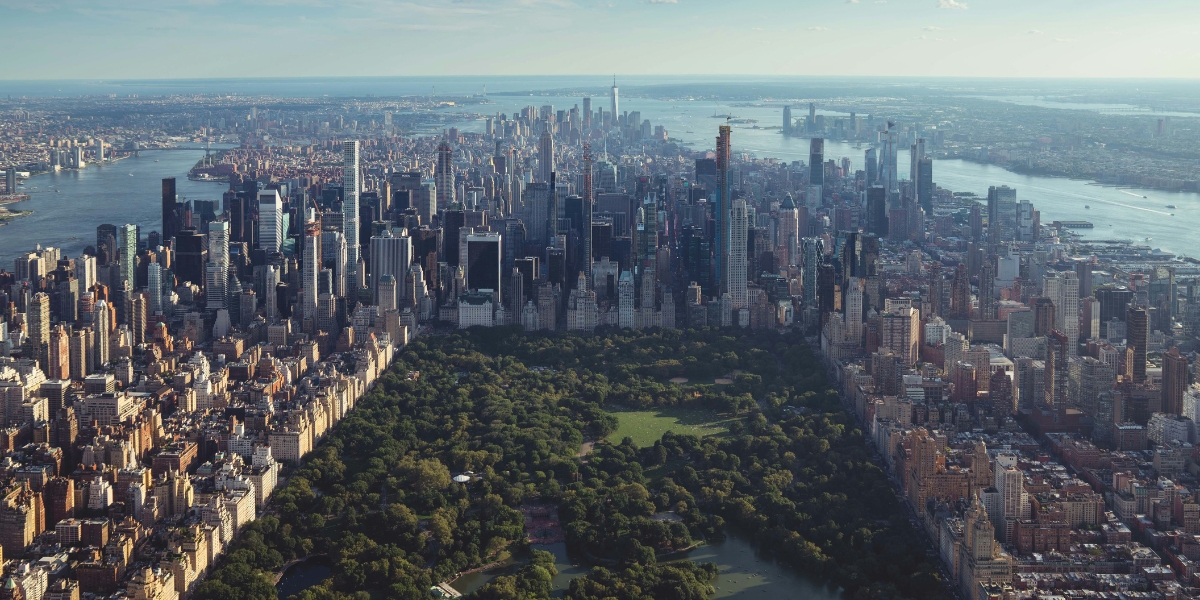

New York City has long been a hub of economic activity, home to some of the world’s most iconic office buildings, bustling commercial centers, and a skyline that draws millions of visitors each year. However, the COVID-19 pandemic changed the dynamics of office space usage, leading to a surge in vacant commercial real estate. This shift has forced the city to rethink its urban landscape and explore new ways to meet the ever-growing demand for housing.
One solution that has gained significant momentum in recent years is the conversion of vacant office buildings into residential spaces. These conversions have the potential to not only address the city’s housing crisis but also breathe new life into areas that were once dominated by office towers. As the city adapts to this new paradigm, the future of New York’s real estate landscape is evolving in exciting and innovative ways.
Why Office-to-Residential Conversions Are Gaining Popularity in NYC
As office vacancy rates remain high, many building owners and developers are looking for alternative uses for their properties. Converting office spaces into residential units offers a viable solution that not only helps address the city’s shortage of affordable housing but also revitalizes underutilized real estate. These conversions are particularly appealing in parts of the city that are seeing a shift away from traditional office use due to remote work trends and the increasing preference for mixed-use spaces.
The benefits of this approach are clear. Office-to-residential conversions allow for the repurposing of existing infrastructure, which can be more cost-effective than building new housing from scratch. This process also helps reduce the environmental impact of construction, as it makes use of existing structures rather than demolishing and rebuilding. Moreover, the conversions can take place in areas that are already well-connected to public transportation, ensuring that the new housing units are easily accessible to New Yorkers.
Addressing the Housing Crisis in New York City
New York City is grappling with a significant housing shortage, particularly in affordable and mid-range units. As of 2025, the city’s population continues to grow, while the availability of affordable housing remains limited. This imbalance has led to skyrocketing rent prices and displacement in many neighborhoods, particularly in Manhattan and Brooklyn. The conversion of vacant office buildings into residential units offers a way to alleviate some of this pressure.
These conversions are not only about creating more housing units but also about fostering diverse, vibrant communities. Office buildings, particularly those located in commercial districts, are often well-situated near shops, restaurants, and public transportation, making them ideal locations for residential development. By turning these spaces into homes, the city can create more mixed-use areas where residents can live, work, and play all within the same neighborhood.
The Challenges of Converting Offices into Homes
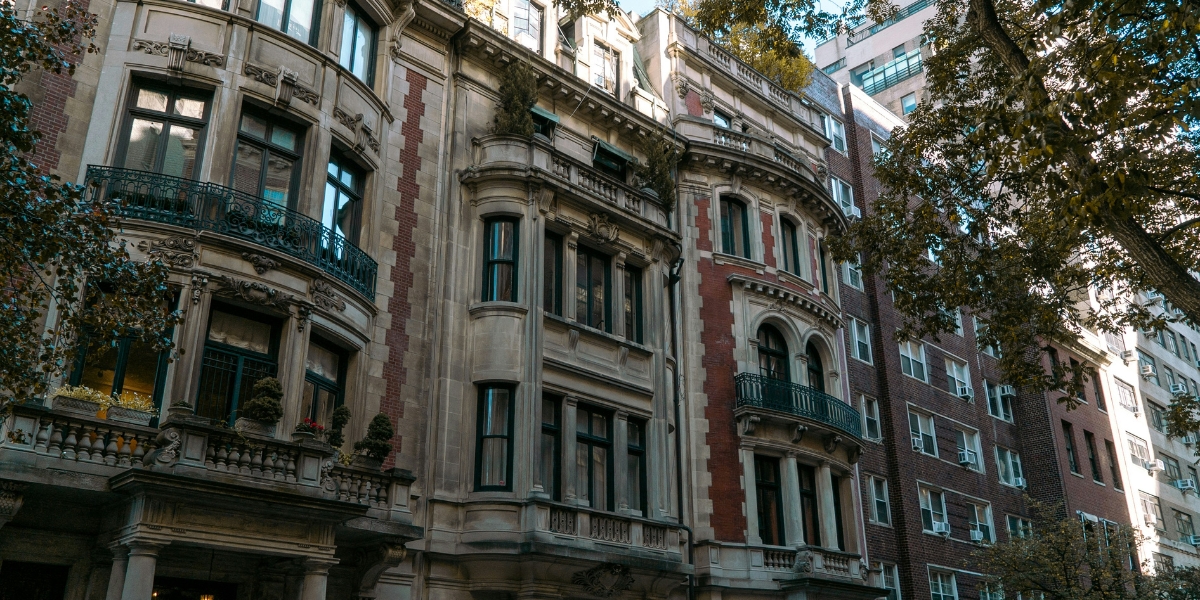
Photo Credit: Unsplash.com
While the benefits of office-to-residential conversions are clear, there are also challenges that need to be addressed. One of the main hurdles is the design and structural modifications required to transform office spaces into livable homes. Many office buildings were not originally designed with residential living in mind, so developers must navigate issues such as ceiling heights, windows, plumbing, and other infrastructure modifications.
The cost of these conversions can be high. Although repurposing existing buildings can save money compared to new construction, it still requires substantial investment in renovations and upgrades. Furthermore, the city’s zoning regulations and building codes must be adjusted to allow for residential use in certain office buildings, which can slow down the process.
Despite these challenges, many developers are finding creative solutions to make these conversions work. For example, some buildings are being reconfigured to include larger windows, open-floor plans, and modern amenities to meet the needs of today’s residents. These updates help ensure that the converted spaces are not only functional but also appealing to potential tenants.
The Future of Office-to-Residential Conversions in NYC
Looking ahead, the future of office-to-residential conversions in New York City appears promising. As the city continues to adapt to changes in the workforce and the real estate market, developers are likely to embrace more of these conversions as part of the solution to the city’s housing crisis. In fact, some experts predict that office buildings will play a critical role in meeting the demand for affordable housing in the coming years.
As the city moves forward with these conversions, it will be important to ensure that the new residential spaces are integrated into the fabric of the community. This means considering factors such as affordability, access to amenities, and the impact on surrounding neighborhoods. If done correctly, office-to-residential conversions could not only provide much-needed housing but also contribute to the revitalization of New York’s urban core.
The trend of converting vacant office buildings into residential spaces is one of the most innovative solutions to New York City’s housing crisis. By repurposing underutilized office space, the city can address both its housing shortage and its need for sustainable urban development. While challenges remain, the potential for these conversions to reshape New York’s real estate landscape is immense. As the city continues to evolve, these conversions could play a vital role in creating a more livable, affordable, and vibrant New York City.