

What Sparked the JetBlue Quality Concern
The tension around JetBlue started after reports linked several Airbus A320 and A321 aircraft to manufacturing defects. These planes form the backbone of JetBlue’s fleet. When even a small number of jets face inspection or repair, the ripple effects reach scheduling, staffing, and customer confidence. The issue involved metal panels located near the front of some aircraft. These parts were built thinner than required standards, triggering mandatory checks before planes could remain in service.
For travelers, the news sounded technical and distant at first. Most passengers only know that safety checks happen constantly. When headlines mention fuselage panels or inspections, it can feel abstract. The reality is simpler. Aircraft parts must meet strict thickness and strength measurements. When parts fall outside these safe ranges, the plane is pulled from service until repairs take place. Even a few affected planes matter because airlines schedule fleets with tight margins.
JetBlue felt the impact fast because it relies heavily on Airbus models using similar components. If ten or fifteen planes pause service, thousands of seats disappear from the daily schedule. That means rebooking passengers, shifting crews, and trimming less busy routes temporarily. None of it means planes are unsafe to fly. It does mean checks slow down operations, which passengers felt through delays and last minute cancellations.
How Aircraft Inspections Affect Daily Flight Schedules
An inspection cycle isn’t quick. Specialists examine the aircraft panels using measuring tools and imaging systems. If thickness or fitting looks questionable, the plane stays grounded until replacements arrive and pass follow up checks. That repair cycle can take days or weeks depending on parts availability. Airlines can’t rush the process.

Photo Credit: Unsplash.com
For JetBlue, these inspections meant pulling planes from regular rotation. Schedules are built months ahead with little spare capacity. When flights lose assigned aircraft, planners shuffle routes or merge departures. A full flight might become two half full flights combined into one. A delayed inbound plane might push back multiple departures connected to that rotation. Passengers checking airport boards see the outcome but rarely the cause behind it.
At the customer level, the disruption looks uneven. One traveler might take off on time while someone at the next gate hears about a two hour delay. That randomness comes from which routes lost usable aircraft during that day’s inspections. No single location experiences a constant stoppage. Instead, disruptions scatter across the system in unpredictable patterns, which makes the situation feel chaotic even when it’s guided by safety planning.
Why Software Fixes Also Entered the Picture
The quality concern didn’t happen in isolation. Earlier, Airbus issued a required software update tied to a rare flight control issue triggered by cosmic radiation exposure at cruising altitude. This is an example of what engineers call bit flips. High energy particles pass through onboard computers and flip data bits. That abnormal event can confuse software unless protections are built to correct it automatically.
The update was preventative. Airlines installed the fix across fleets to strengthen flight control reliability. JetBlue completed those updates and returned most aircraft to normal operation. Still, the software work tied up maintenance crews and space in already full hangars. That overlap mattered because fuselage inspections demanded the same resources at the same time.
To passengers, these layers blend together. It may appear that airlines face a constant wave of new technical issues. In reality, aviation safety systems flag even minor concerns long before they pose real risk. Fixing them overlaps into maintenance schedules and slows flight availability even when safety margins remain solid.
Why JetBlue Felt Activity Bottlenecks
JetBlue’s operations depend on fast aircraft turnarounds and efficient maintenance scheduling. When aircraft checks lengthen or replacements require new parts shipments, bottlenecks appear. Crews work around the clock but can’t move faster than safety rules allow. When several jets queue for similar inspections, idle space grows behind the scenes while travelers wait at the gate.
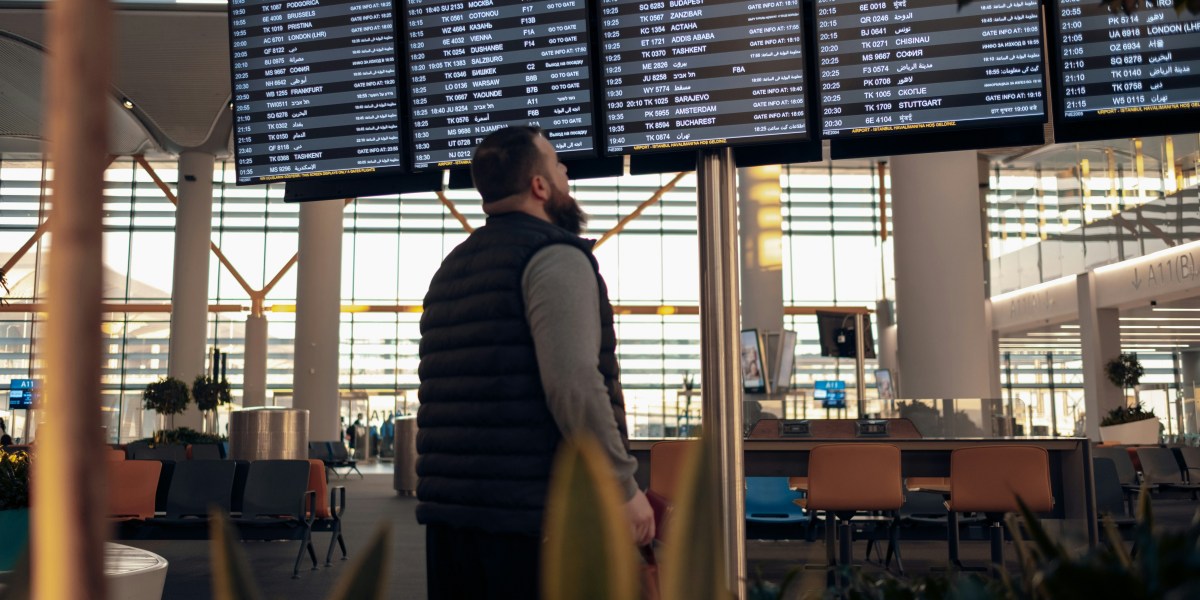
Photo Credit: Unsplash.com
Another factor is spare aircraft availability. Larger airlines maintain broader fleets across several aircraft families. JetBlue’s narrow focus on Airbus means fewer alternative aircraft types can be slotted into missing routes. If one jet is unavailable, there isn’t a smaller or older replacement sitting nearby. That makes fleet flexibility lower, intensifying the impact of each grounded plane.
Staffing also comes into play. Maintenance technicians are already stretched across routine checks, engine inspections, and cabin refurbishments. Adding sudden quality focused inspections puts new strain on schedules. Crews remain experienced and qualified, but they can’t be multiplied overnight. That staffing load lengthens inspection cycles and magnifies flight delays.
What Passengers Experience During These Disruptions
Most travelers don’t notice anything until departure day. A flight might be canceled hours before boarding as aircraft assignment changes. Rebooking follows quickly but seats may already be full, forcing delays or reroutes. Vacation schedules slip. Business trips compress into same day returns. Stress rises even though the root cause remains invisible.
Airport staff often deal with passenger frustration even though the issue isn’t frontline service quality. Gate agents handle crowded waiting areas while phone support tackles rerouting calls. For customers, kindness or irritation depends on personal circumstances, but the emotion doesn’t change the mechanics behind delays.
Flight reliability also takes a subtle hit. Airlines build time padding into schedules to absorb hiccups. When aircraft availability shrinks suddenly, that buffer disappears. Small delays propagate faster, especially in busy airports. The experience may feel messy even though daily safety standards remain intact.
How Safety Controls Reassure Travelers
The aviation safety system is designed for over caution. Airlines don’t wait for problems to show visible symptoms. They investigate based on early measurements and compliance data. When parts fall short of specification, planes don’t fly until cleared. That conservative standard means grounded jets represent prevention, not failure.
Federal oversight adds another layer. The Federal Aviation Administration monitors inspection procedures and approves repair methods. Airlines must document each aircraft repair before it can return to service. Skipping or rushing steps isn’t legally possible, even when schedules tighten.
For travelers anxious about safety, the situation actually demonstrates the system functioning as designed. Issues were detected while theoretical rather than operational. Flights that depart are flying after full inspection clearance. Delays aren’t signs of danger. They’re signs of caution.
How Airlines Manage Repair Backlogs
During inspection surges, airlines spread repairs across external vendors and factory backed facilities. Aircraft rotate through different service hubs to distribute workload. JetBlue uses a combination of in house and contracted maintenance bases to keep progress steady even during high demand.
Replacement parts move through logistics pipelines monitored by both manufacturers and airlines. Panel repairs require precise matching of aircraft specifications and serial numbers. That specificity adds complexity. While parts aren’t rare, matching deliveries to each grounded aircraft takes time.
Parallel scheduling helps recover operations faster. While one aircraft undergoes fuselage checks, another finishes its software update or finishes a major engine inspection. The goal is to maximize turnover rather than wait for issues to resolve sequentially. Even so, backlog clearance unfolds over weeks rather than days.
What Stability Looks Like Going Forward
As inspection waves taper off and software updates complete, fleet availability rises progressively. Rather than a sudden full recovery, airlines experience a slow return of spare capacity which stabilizes schedules. Passengers see fewer surprise cancellations and tighter adherence to departure times.
The broader airline system benefits too. Shared suppliers and maintenance bases regain normal flows, reducing ticket rebooking strain across partner carriers. Airports also regain gate scheduling balance, removing stacked departure waves that previously amplified crowd congestion.
For JetBlue, stability doesn’t hinge on public confidence alone. It comes from internal scheduling balance. Each aircraft returning to service restores redundancy that softens future disruptions from weather or mechanical repairs. That redundancy is key to maintaining dependable operations without overworking crews.
How Travelers Can Interpret the Experience
Delays tied to quality inspections are frustrating but informative. They show safety is actively prioritized despite scheduling discomfort. Travelers aren’t exposed to risk escalation during inspection cycles. Planes don’t fly until technicians verify compliance.
Understanding the cause helps reduce emotional strain. There’s a difference between weather chaos and grounding for inspections. The latter reflects forethought. Even though service interruptions remain inconvenient, the underlying trigger carries reassurance rather than concern.
The JetBlue situation serves as a reminder that modern aviation runs on tight planning margins. Temporary disruptions don’t reflect systemic danger. They reflect preventative maintenance catching small variances before they matter. Passengers can reasonably expect schedules to normalize as each aircraft clears inspection, restoring the network to its usual stability over time.