
For millions of Americans, the modern safety net of constant connectivity briefly disappeared this week.
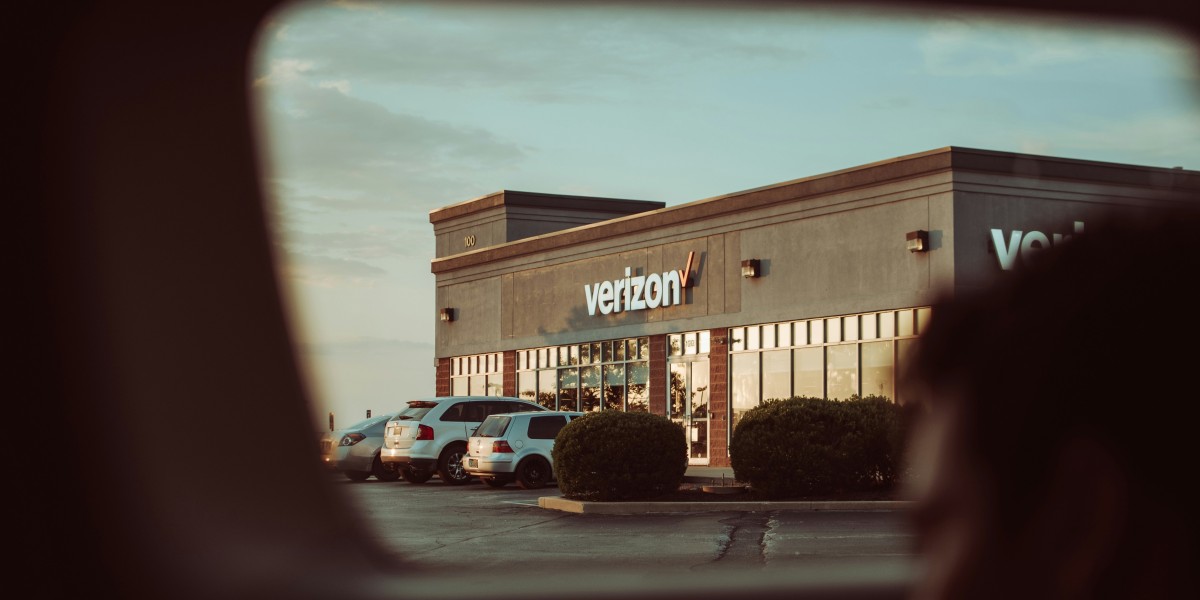
A widespread Verizon network outage disrupted wireless service across the United States, leaving customers unable to make calls, send texts, or access mobile data — and in many cases staring at a stark “SOS” message where signal bars normally appear.
The outage, which began around midday, triggered a flood of complaints across social media and outage-tracking platforms, with reports spanning major cities and rural communities alike.
“We are aware of an issue impacting wireless voice and data services for some customers,” Verizon said in a statement. “Our engineers are engaged and are working to identify and resolve the issue as quickly as possible. We apologize for the inconvenience.”
A Sudden Silence
For users, the disruption was immediate and disorienting.
“I thought my phone was broken,” said one New York customer. “Then I looked around and realized everyone else was holding their phones, too.”
Downdetector logged hundreds of thousands of outage reports at the peak of the disruption, with customers from New York, Florida, Illinois, Texas, and California reporting similar problems. Many iPhone and Android devices displayed “SOS” or “SOS Only,” signaling that the phones could only reach emergency services.
In an era where phones double as wallets, work tools, and navigation systems, the outage rippled far beyond inconvenience.
“I couldn’t clock in for work or call my kids’ school,” said a Chicago-area customer. “You don’t realize how dependent everything is on one signal until it’s gone.”
What We Know So Far
Verizon has not yet disclosed the precise cause of the outage, nor provided a definitive timeline for full restoration. The company confirmed the issue affected wireless voice and data services, and some users also reported disruptions to home internet services linked to Verizon infrastructure.
Technology analysts note that while outages are not unheard of, the scale and visibility of this disruption stood out.
“When a network of this size goes down, even briefly, it exposes how centralized our digital infrastructure has become,” said one telecom industry analyst. “Redundancy exists, but it’s not always seamless from the consumer’s point of view.”
Why ‘SOS Mode’ Matters
The “SOS” indicator that appeared on many devices reflects a phone’s inability to connect to its primary carrier, while still allowing emergency calls through other available networks.
“That feature worked as designed,” said a mobile technology expert. “But the fact that so many people saw it at once is what made this outage feel alarming.”
For some, Wi-Fi calling and internet-based messaging apps provided a temporary workaround. For others — especially those on the move — the outage meant being effectively offline.
A Reminder of Digital Dependence
The Verizon outage reignited broader conversations about network reliability, emergency preparedness, and consumer dependence on a small number of telecom giants.
“This isn’t just about dropped calls,” said a digital policy researcher. “Connectivity is now a core utility. When it fails, it affects safety, commerce, and daily life in very real ways.”
Verizon customers quickly took to social media demanding transparency and, in some cases, compensation. The company has not announced whether account credits or service adjustments will be offered.
What Comes Next
As service is gradually restored, attention is turning to what caused the outage — and what safeguards can prevent a repeat.
For now, Verizon says its teams remain focused on stabilizing the network.
“We understand how critical connectivity is to our customers,” the company said. “Restoring service safely and fully is our top priority.”
The Bigger Picture
The outage may ultimately be resolved within hours, but its impact lingers as a reminder of how fragile even the most advanced systems can be.
For a nation accustomed to constant connection, the brief silence was enough to raise a bigger question: What happens when the signal disappears — and how prepared are we when it does?