


Your name is out there. Your brand is out there. And in 2026, people are searching, judging, and forming opinions faster than ever. Online reputation is no longer something you can ignore or deal with later. It shapes who trusts you, who hires you, who buys from you, and who walks away.
The real question today is not whether you should care about your online reputation. You absolutely should. The bigger question is how you manage it. Do you try to control every piece of information about you, or do you lean into transparency and let honesty build your digital credibility? Both approaches have weight, and this post breaks down exactly where things stand in 2026.
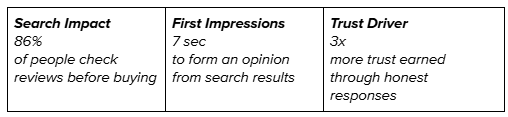
How Online Reputation Actually Works Right Now
Search engines, social media platforms, review sites, and AI-generated summaries all pull information about you or your brand within seconds. When someone searches your name or your company, they get a full digital footprint built from dozens of sources they never asked you about.
In 2026, AI tools have made this even more layered. Platforms like Google and Bing now generate AI-powered overviews directly in search results. These summaries pull from your website, your reviews, your social profiles, and news articles. You do not always get to choose what goes into that summary, and that is exactly why proactive online reputation monitoring has become essential.
This is why reputation management has become a serious priority not just for celebrities or major corporations, but for small business owners, freelancers, job seekers, and everyday professionals who rely on search visibility and personal branding.
Why Do People Still Want To Control Their Narrative
Control in reputation management means actively shaping what information appears about you online. This includes publishing strong content, improving search engine rankings, pushing down negative search results, removing outdated information, and managing review profiles across platforms.
This approach makes sense for a lot of reasons. A business that had one bad year does not want that story sitting on page one of Google forever. A professional dealing with an old mistake that no longer reflects who they are has every right to work toward a better digital image. Tools and services that help with this are widely used. Working with platforms like Reputation Defense Network gives individuals and businesses a structured path to address harmful or inaccurate content that affects how they appear in search results.
Control-focused strategies work well when the negative information online is outdated, inaccurate, or misleading. They are also useful when a brand is going through a transformation and needs its digital presence to reflect that change. Reputation repair, content suppression, and review management all fall under this category.
Content removal requests, DMCA takedowns, and strategic SEO publishing are all legitimate control tools when used to address genuinely false or harmful search results, not to hide fair criticism.
Where Transparency Is Winning In 2026
Transparency means being open about who you are, what you do, and yes, even where you have made mistakes. In 2026, audiences are more skeptical than ever. They can spot a polished, overly managed brand from miles away, and authentic storytelling has become a powerful trust signal.
Companies that respond honestly to negative reviews tend to perform better than those that either ignore criticism or bury it. Consumers in 2026 do not expect perfection. They expect honesty and accountability. A brand that says “we made an error, here is how we fixed it” builds more long-term brand equity than one that pretends nothing happened.
Transparency also works as a proactive reputation strategy. When you consistently share real stories, genuine behind-the-scenes content, and verified customer feedback, you build a digital presence that is hard to attack because it is grounded in truth. There is less room for damaging narratives when you have already filled the space with authentic ones.
Reputation control: Remove inaccurate content, suppress outdated results, manage review profiles, build positive search signals, and crisis response strategy
Radical transparency: Authentic brand storytelling, public accountability posts, honest review responses, real customer feedback display, long-term digital credibility
When These Two Approaches Clash
Here is where it gets complicated. Control and transparency can work against each other if you are not careful. A business that tries to remove every critical review starts looking suspicious. Audiences notice when all the feedback is suspiciously five stars. That over-polished online image can actually hurt search credibility and consumer trust more than a few honest criticisms would.
On the other side, total transparency without strategy can also backfire. Sharing too much without context, or responding emotionally to critics in public, can spiral into bigger online reputation crises. Some information about your brand genuinely should be managed and not handed over to every random forum thread or gossip site online.
The sweet spot is intentional transparency, being open about the things that matter to your audience, while professionally managing information that is inaccurate, outdated, or defamatory. This balance is what modern reputation professionals call a blended digital identity strategy.
A Practical Approach That Works In 2026
Managing your online reputation in 2026 does not have to be overwhelming. It comes down to a few consistent habits that protect your search visibility, brand image, and long-term credibility.
Audit your digital presence regularly. Search your name and your brand name at least once a month and note what shows up across search results, review sites, and social platforms.
Publish quality content consistently so you stay in control of what ranks for your name. Thought leadership articles, press releases, and social proof all contribute to a strong organic footprint.
Respond to reviews, both positive and negative. A thoughtful response to a negative review signals maturity and care, and it improves your review management score on major platforms.
Claim and keep your profiles updated on Google Business, LinkedIn, and industry directories so your business information stays accurate and authoritative.
When you encounter content that is genuinely false or damaging, take it seriously and address it through proper channels, whether that means legal action, platform reporting, or professional reputation services.
The brands and individuals winning at reputation management in 2026 are not the ones hiding everything. They are the ones who are strategically visible, clear about their values, responsive to their audiences, and smart about how they handle the noise. Online sentiment tracking, proactive personal branding, and consistent engagement all play a role in this.
“Your online reputation is always being written. Search engines are always indexing. Audiences are always forming opinions. The only question is how much of that story you are going to participate in and how intentionally you show up.”
Frequently Asked Questions About Online Reputation
Q1: Why is online reputation important in 2026?
In 2026, online reputation is crucial because it influences who trusts you, hires you, or buys from you. With people forming opinions quickly through search engines and social media, managing your online reputation has become an essential part of personal branding and business success.
Q2: What are the two main approaches to managing online reputation?
The two main approaches are control and transparency. Control involves actively shaping what information appears about you online, while transparency focuses on being open about who you are, your actions, and even your mistakes to build trust with your audience.
Q3: How can I respond to negative reviews effectively?
To respond to negative reviews effectively, approach them with thoughtfulness and professionalism. Acknowledge the issue, express your willingness to resolve it, and provide context or solutions. This shows maturity and care, improving your overall review management score.
Q4: What should I do if I find inaccurate or harmful content about me online?
If you encounter inaccurate or harmful content, take it seriously and address it through appropriate channels. This may include legal actions, reporting to the platform, or working with professional reputation services like Reputation Defense Network to help manage the situation.
Q5: How can I maintain a balanced online reputation strategy?
To maintain a balanced online reputation strategy, regularly audit your digital presence, publish quality content, respond to reviews, and keep your profiles updated. Be intentionally transparent about important matters while managing any false or outdated information professionally.