How Control and Transparency Shape Online Reputation in 2026

Your name is out there. Your brand is out there. And in 2026, people are searching, judging, and forming opinions faster than ever. Online reputation is no longer something you can ignore or deal with later. It shapes who trusts you, who hires you, who buys from you, and who walks away.

The real question today is not whether you should care about your online reputation. You absolutely should. The bigger question is how you manage it. Do you try to control every piece of information about you, or do you lean into transparency and let honesty build your digital credibility? Both approaches have weight, and this post breaks down exactly where things stand in 2026.

How Control and Transparency Shape Online Reputation in 2026


How Online Reputation Actually Works Right Now

Search engines, social media platforms, review sites, and AI-generated summaries all pull information about you or your brand within seconds. When someone searches your name or your company, they get a full digital footprint built from dozens of sources they never asked you about.

In 2026, AI tools have made this even more layered. Platforms like Google and Bing now generate AI-powered overviews directly in search results. These summaries pull from your website, your reviews, your social profiles, and news articles. You do not always get to choose what goes into that summary, and that is exactly why proactive online reputation monitoring has become essential.

This is why reputation management has become a serious priority not just for celebrities or major corporations, but for small business owners, freelancers, job seekers, and everyday professionals who rely on search visibility and personal branding.

Why Do People Still Want To Control Their Narrative

Control in reputation management means actively shaping what information appears about you online. This includes publishing strong content, improving search engine rankings, pushing down negative search results, removing outdated information, and managing review profiles across platforms.

This approach makes sense for a lot of reasons. A business that had one bad year does not want that story sitting on page one of Google forever. A professional dealing with an old mistake that no longer reflects who they are has every right to work toward a better digital image. Tools and services that help with this are widely used. Working with platforms like Reputation Defense Network gives individuals and businesses a structured path to address harmful or inaccurate content that affects how they appear in search results.

Control-focused strategies work well when the negative information online is outdated, inaccurate, or misleading. They are also useful when a brand is going through a transformation and needs its digital presence to reflect that change. Reputation repair, content suppression, and review management all fall under this category.

Content removal requests, DMCA takedowns, and strategic SEO publishing are all legitimate control tools when used to address genuinely false or harmful search results, not to hide fair criticism.

Where Transparency Is Winning In 2026

Transparency means being open about who you are, what you do, and yes, even where you have made mistakes. In 2026, audiences are more skeptical than ever. They can spot a polished, overly managed brand from miles away, and authentic storytelling has become a powerful trust signal.

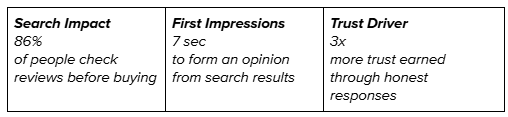
Companies that respond honestly to negative reviews tend to perform better than those that either ignore criticism or bury it. Consumers in 2026 do not expect perfection. They expect honesty and accountability. A brand that says “we made an error, here is how we fixed it” builds more long-term brand equity than one that pretends nothing happened.

Transparency also works as a proactive reputation strategy. When you consistently share real stories, genuine behind-the-scenes content, and verified customer feedback, you build a digital presence that is hard to attack because it is grounded in truth. There is less room for damaging narratives when you have already filled the space with authentic ones.

Reputation control: Remove inaccurate content, suppress outdated results, manage review profiles, build positive search signals, and crisis response strategy

Radical transparency: Authentic brand storytelling, public accountability posts, honest review responses, real customer feedback display, long-term digital credibility

When These Two Approaches Clash

Here is where it gets complicated. Control and transparency can work against each other if you are not careful. A business that tries to remove every critical review starts looking suspicious. Audiences notice when all the feedback is suspiciously five stars. That over-polished online image can actually hurt search credibility and consumer trust more than a few honest criticisms would.

On the other side, total transparency without strategy can also backfire. Sharing too much without context, or responding emotionally to critics in public, can spiral into bigger online reputation crises. Some information about your brand genuinely should be managed and not handed over to every random forum thread or gossip site online.

The sweet spot is intentional transparency, being open about the things that matter to your audience, while professionally managing information that is inaccurate, outdated, or defamatory. This balance is what modern reputation professionals call a blended digital identity strategy.

A Practical Approach That Works In 2026

Managing your online reputation in 2026 does not have to be overwhelming. It comes down to a few consistent habits that protect your search visibility, brand image, and long-term credibility.

Audit your digital presence regularly. Search your name and your brand name at least once a month and note what shows up across search results, review sites, and social platforms.

Publish quality content consistently so you stay in control of what ranks for your name. Thought leadership articles, press releases, and social proof all contribute to a strong organic footprint.

Respond to reviews, both positive and negative. A thoughtful response to a negative review signals maturity and care, and it improves your review management score on major platforms.

Claim and keep your profiles updated on Google Business, LinkedIn, and industry directories so your business information stays accurate and authoritative.

When you encounter content that is genuinely false or damaging, take it seriously and address it through proper channels, whether that means legal action, platform reporting, or professional reputation services.

The brands and individuals winning at reputation management in 2026 are not the ones hiding everything. They are the ones who are strategically visible, clear about their values, responsive to their audiences, and smart about how they handle the noise. Online sentiment tracking, proactive personal branding, and consistent engagement all play a role in this.

“Your online reputation is always being written. Search engines are always indexing. Audiences are always forming opinions. The only question is how much of that story you are going to participate in and how intentionally you show up.”

Frequently Asked Questions About Online Reputation

Q1: Why is online reputation important in 2026?

In 2026, online reputation is crucial because it influences who trusts you, hires you, or buys from you. With people forming opinions quickly through search engines and social media, managing your online reputation has become an essential part of personal branding and business success.

Q2: What are the two main approaches to managing online reputation?

The two main approaches are control and transparency. Control involves actively shaping what information appears about you online, while transparency focuses on being open about who you are, your actions, and even your mistakes to build trust with your audience.

Q3: How can I respond to negative reviews effectively?

To respond to negative reviews effectively, approach them with thoughtfulness and professionalism. Acknowledge the issue, express your willingness to resolve it, and provide context or solutions. This shows maturity and care, improving your overall review management score.

Q4: What should I do if I find inaccurate or harmful content about me online?

If you encounter inaccurate or harmful content, take it seriously and address it through appropriate channels. This may include legal actions, reporting to the platform, or working with professional reputation services like Reputation Defense Network to help manage the situation.

Q5: How can I maintain a balanced online reputation strategy?

To maintain a balanced online reputation strategy, regularly audit your digital presence, publish quality content, respond to reviews, and keep your profiles updated. Be intentionally transparent about important matters while managing any false or outdated information professionally.

NuBest Nutrition Shares Strategies to Help Kids Grow Taller

Height tends to become a quiet concern long before anyone says it out loud. A routine school photo, a pediatric visit, or even standing next to classmates can trigger that subtle comparison. You notice it. Most parents do.

In the United States, growth tracking follows standardized data from the Centers for Disease Control and Prevention (CDC), which uses pediatric growth charts to map height percentile across age groups. Roughly speaking, children between the 5th and 95th percentile fall within a typical range, yet concern often starts when growth drifts lower or slows unexpectedly.

The American Academy of Pediatrics and the National Institutes of Health both emphasize that height reflects more than appearance; it signals overall development, including bone density, hormone balance, and nutrition status. Conditions like growth hormone deficiency may even show up first as slower-than-expected height gain.

Now, here’s the part that often gets overlooked: height growth isn’t random. It follows patterns. It responds to inputs. And that’s where education, something NuBest actively focuses on, starts to matter more than guesswork.

Understanding How Kids Grow Taller: The Science Behind Height

Height growth comes down to a mix of inherited potential and daily habits. Genetics sets a range, but environment decides where within that range growth actually lands. That distinction changes everything.

At the center of the process sits the pituitary gland, a small structure that releases human growth hormone (HGH). This hormone signals the liver to produce insulin-like growth factor 1 (IGF-1), which directly influences cartilage development at the growth plates (epiphyseal plates). That’s where bones lengthen, literally.

During puberty, growth speeds up. Rapid height increases, sometimes 3 to 4 inches per year, align with hormone surges and shifts in puberty timing. But here’s the catch: once those growth plates close (skeletal maturity), height stops increasing. No workaround exists beyond that point.

A bone age test, often used in pediatric endocrinology, helps estimate how much growth remains. It compares skeletal maturity against chronological age, and sometimes the results surprise families, either more time left than expected, or less.

Common myths still circulate. Stretching alone won’t increase height permanently. Supplements without nutritional gaps don’t magically trigger growth. And late growth spurts? They happen, but not as often as people hope.

What tends to happen instead is quieter: small, consistent improvements stacking over time, nutrition, sleep, and hormone regulation all working together.

Essential Nutrients That Support Healthy Height Growth

Nutrition drives the physical structure of growth. Without the right building blocks, the body simply can’t maximize its potential, even with perfect genetics.

Calcium directly supports bone mineralization. Vitamin D improves calcium absorption. Without both, bone density suffers, even if dietary intake looks adequate on paper.

Protein plays a different role. It fuels tissue growth, including collagen synthesis, which strengthens cartilage before it hardens into bone. In real life, that looks like steady, proportional growth rather than sudden spikes.

Then come the quieter contributors, zinc and magnesium. Zinc supports hormone regulation and cellular growth. Magnesium assists in nutrient metabolism and bone structure integrity. Deficiencies in either tend to slow things down, not dramatically, but noticeably over time.

A balanced multivitamin often fills nutritional gaps, especially in selective eaters. But absorption matters as much as intake. Nutrient bioavailability, the body’s ability to actually use what’s consumed, varies widely.

Most growth challenges tied to nutrition aren’t about extreme deficiencies. They’re about consistent underperformance in daily value percentages. Slight gaps, repeated over months or years, gradually shift outcomes. Explore foods that help increase height at HeightGrowth.net

Best American Foods That Help Kids Grow Taller

Walk through a typical American kitchen, and the building blocks for growth are already there, just not always used intentionally.

Dairy products like Horizon Organic milk deliver calcium and fortified vitamin D. Lean proteins from Tyson Foods, chicken breast, turkey support muscle and tissue development. Leafy greens bring magnesium and micronutrients often missing in processed diets.

Fortified cereals such as Cheerios play a surprisingly useful role. Many contain added iron, vitamin D, and B vitamins, making them a practical breakfast option, especially when paired with fortified milk.

The US Department of Agriculture (USDA) promotes the “balanced plate” approach:

  • 50% fruits and vegetables
  • 25% lean protein
  • 25% whole grains

In practice, school lunches and busy schedules complicate that ideal. So adjustments matter, simple ones. Packing yogurt, adding boiled eggs, and swapping refined grains for whole grains. Small shifts.

Even traditional meals like Thanksgiving dinner, turkey, sweet potatoes, and greens, accidentally align with growth-supportive nutrition. It’s less about special foods and more about consistent patterns.

The Role of Sleep in Helping Kids Grow Taller Naturally

Sleep quietly controls one of the most critical growth triggers: hormone release.

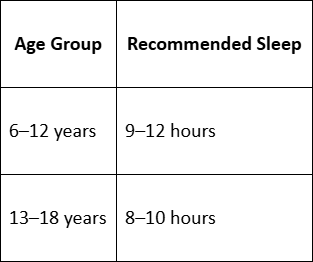
The Sleep Foundation and American Academy of Sleep Medicine confirm that growth hormone peaks during deep sleep, particularly in the early night cycle. Disrupted sleep reduces that release window.

Recommended sleep durations look like this:

NuBest Nutrition Shares Strategies to Help Kids Grow Taller

But real life doesn’t always follow guidelines. Screen exposure, phones, tablets, delays melatonin production, shifting the circadian rhythm later. That delay cuts into deep sleep cycles (REM and non-REM balance), where hormone release actually happens.

Bedtime consistency matters more than most expect. A difference of even 60–90 minutes between weekdays and weekends can disrupt the rhythm.

What shows up over time isn’t dramatic sleep deprivation. It’s subtle, lighter sleep, delayed onset, reduced hormone peaks.

Exercise and Sports That Promote Height Development

Physical activity supports height in indirect but measurable ways.

Weight-bearing exercises stimulate bone remodeling. Movement signals bones to strengthen and adapt. Over time, that contributes to structural growth, especially during developmental years.

Sports like basketball and swimming encourage full-body extension and posture alignment. Organizations like the YMCA and Little League Baseball provide structured environments where consistent activity becomes routine.

Posture, oddly enough, plays a visible role. Slouching compresses the spine, while proper alignment allows full height expression. That doesn’t increase bone length, but it changes how height presents day to day.

The American Academy of Pediatrics recommends at least 60 minutes of daily activity. In practice, what matters is consistency rather than intensity.

When to Consider Supplements for Height Support

Diet doesn’t always cover everything. Busy routines, picky eating, and nutrient gaps make supplementation a practical option in certain cases.

The US Food and Drug Administration (FDA) regulates supplements under the Dietary Supplement Health and Education Act of 1994, which ensures labeling transparency but does not require the same pre-approval as medications. That distinction matters.

Products like NuBest Tall are formulated to support height growth by combining calcium, vitamin D, zinc, and other micronutrients with researched bioavailability. Clinical research referenced by the National Institutes of Health supports the role of these nutrients in bone development and growth processes.

Still, dosage and safety remain important. Pediatric consultation, especially within pediatric endocrinology, helps determine whether supplementation aligns with individual growth patterns.

Supplements tend to work best when they fill a gap, not replace a diet.

Monitoring Your Child’s Growth Progress at Home

Tracking growth turns vague concerns into measurable patterns.

Using a CDC growth chart, height percentile becomes a clear indicator of development relative to peers. Regular height measurement, every 3 to 6 months, provides enough data to identify trends without over-monitoring.

Key indicators include:

  • Consistent percentile tracking
  • Sudden drops in growth curve
  • Delayed puberty signs
  • Signs of short stature

The American Academy of Pediatrics recommends annual checkups, where pediatricians evaluate BMI-for-age, developmental milestones, and overall physical examination results.

At home, even simple tools, a wall chart, a notebook, can reveal patterns that otherwise go unnoticed.

Building Healthy Habits That Help Kids Grow Taller Long-Term

Long-term growth doesn’t hinge on one factor. It reflects patterns repeated daily.

Balanced meals aligned with MyPlate guidelines, consistent sleep routines, and regular activity shape outcomes over time. The US Department of Health and Human Services and CDC both highlight these habits as foundational, not just for height, but for overall development.

Processed foods, high sugar intake, and sedentary habits tend to interfere, not instantly, but gradually. That’s usually how it shows up: slow shifts rather than sudden changes.

Family routines play a bigger role than expected. Shared meals, set bedtimes, active weekends. These patterns anchor behavior without needing constant correction.

Height growth, in the end, rarely follows a straight line. It moves in phases, influenced by timing, biology, and daily choices, sometimes predictable, sometimes not.