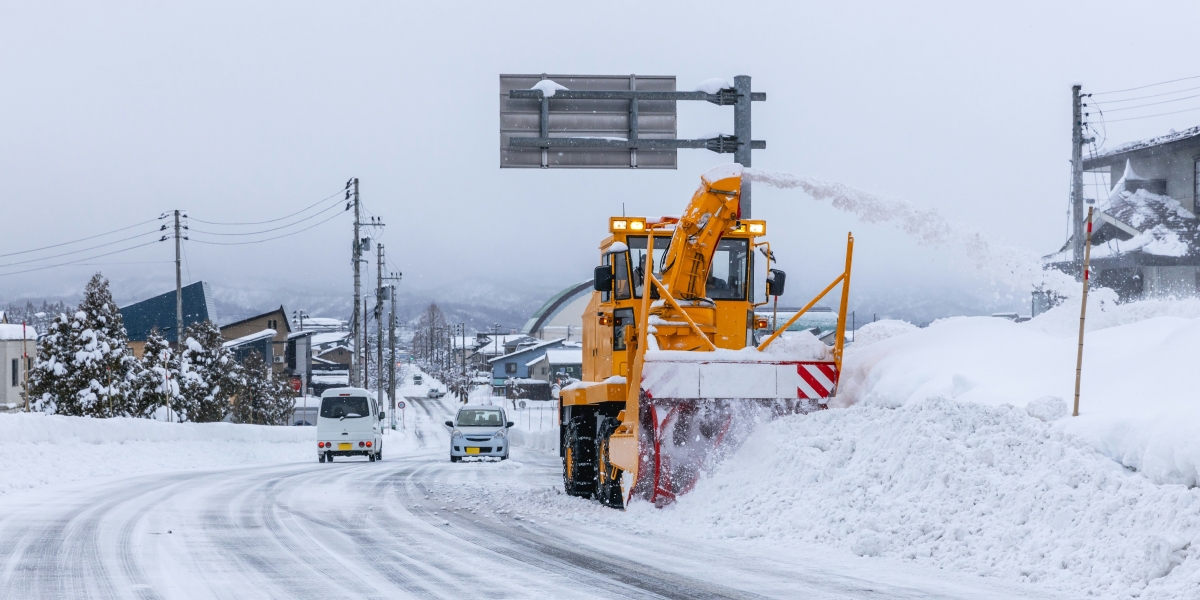

NEW YORK — New York City is facing a prolonged stretch of dangerous winter weather following a powerful storm that brought heavy snow, extreme cold and widespread disruption across the region, according to recent reporting and official updates.
The storm that swept into New York and the Tri-State area delivered heavy snow, sleet and strong winds, creating hazardous travel conditions and straining infrastructure across the city and surrounding states.
In the days after the storm, dangerously low temperatures continued to grip the region. Wind chills have been forecast to feel as low as about minus-15°F, with frostbite possible on exposed skin in as little as 15 to 30 minutes, according to weather reports and safety guidance issued to residents.
City officials have urged residents to stay warm and check on vulnerable people, including older adults and those with chronic health conditions, as the cold stretch could become one of the longest runs of subfreezing temperatures in years.
Transit And Infrastructure Impact
Severe cold and ice have also affected transportation across New York. Thick ice buildup in major waterways forced the suspension of ferry services, leaving commuters to seek alternative travel options such as buses and subways.
U.S. Coast Guard crews have been working to keep rivers navigable, including freeing vessels trapped in ice in New York Harbor and nearby waterways.
Rising Human Toll Amid Cold Conditions
Officials and media reports say the severe weather has contributed to multiple deaths linked to freezing temperatures in New York City, highlighting risks for people exposed to extreme cold.
The broader winter system affecting much of the eastern United States has been linked to dozens of deaths nationwide, with power outages and dangerous travel conditions reported across multiple states.
Forecast And Ongoing Risks
Meteorologists warn that while snowfall may ease, extreme cold and strong winds could continue to pose risks, and additional winter systems remain possible in the region.
Officials continue to emphasize preparedness, urging residents to limit outdoor exposure, monitor weather alerts and assist vulnerable neighbors during the prolonged cold period.