
There’s a specific rhythm to weekend cycling that regular commuters and race-focused athletes don’t quite share. It’s the ride you actually look forward to all week, the one where the route matters as much as the effort, where a good coffee stop counts as part of the plan, and where the goal is less about hitting a number and more about finishing the loop feeling better than when you started. For riders who live for that rhythm, the right gear isn’t about chasing marginal gains for a race. It’s about making that specific experience as good as it can possibly be.
Weekend road cycling has its own particular demands, even if they’re less discussed than training-focused advice. Longer, more relaxed mileage. Group rides where pace varies, and conversation matters as much as wattage. Routes chosen for scenery or a good climb rather than pure efficiency. Gear that serves this kind of riding well isn’t necessarily the same gear a competitive racer would choose, and it’s worth thinking about upgrades through that specific lens rather than borrowing a race-oriented shopping list wholesale.
The Upgrade Weekend Riders Notice Most
Of everything you could spend money on, wheels tend to deliver the most noticeable, ride-to-ride improvement for exactly the kind of riding weekend cyclists do. They’re rotating weight, which affects how a bike accelerates out of every stop sign and how it feels climbing every hill on a route, and for a long ride with plenty of both, that adds up in a way that’s genuinely felt rather than just measured.
A well-chosen premium carbon wheelset changes the texture of a long ride in ways that are hard to fully appreciate until you’ve felt the difference directly: quicker, more satisfying acceleration when the group picks up pace, a smoother ride over rougher pavement, and, depending on rim depth, a real sense of holding speed more easily on flatter stretches where maintaining a steady pace matters more than a single hard effort.
Why This Upgrade Pays Off Especially for Recreational Mileage
Racers optimize for peak performance during short, intense efforts. Weekend riders benefit more from sustained comfort and confidence across hours of riding, which actually makes a thoughtfully chosen wheelset an even better investment for recreational mileage than for pure racing, since you’re feeling the benefit continuously rather than in short bursts.
What to Actually Look for Beyond the Marketing Language
It’s easy to get lost in confident-sounding claims when shopping for premium components, so it helps to know what specifically to check. Rim depth, internal and external rim width, wheelset weight, and hub bearing type all matter more than vague descriptors like “race ready” or “aero optimized.” A brand willing to publish these specifics clearly, rather than relying purely on adjectives, is generally a safer bet, since it signals confidence in the actual engineering behind the product.
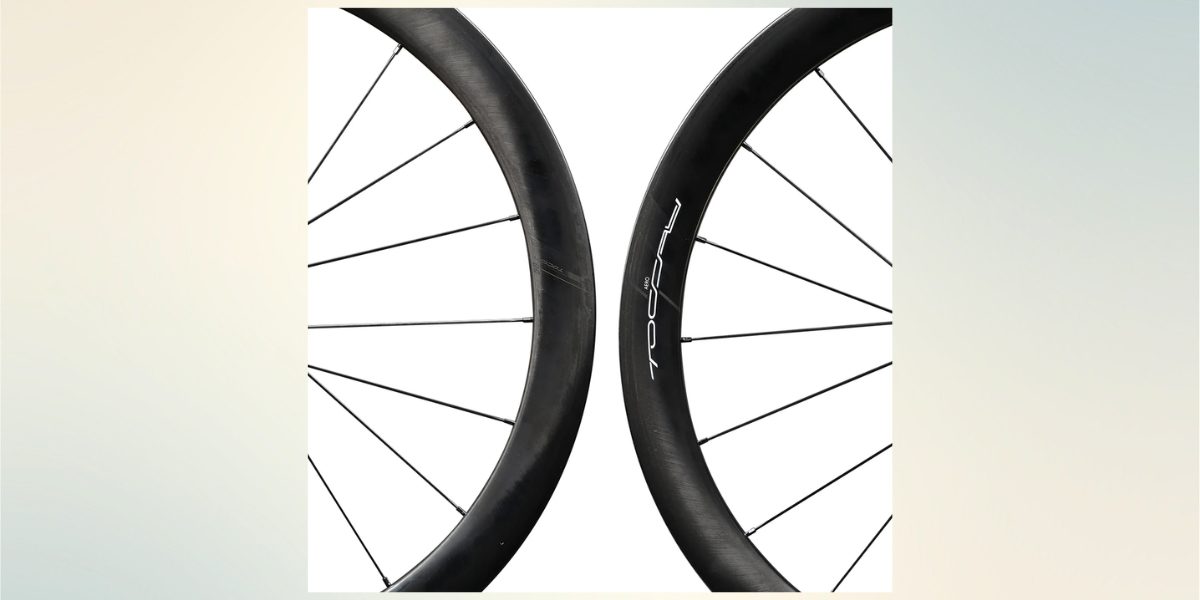
TOCCAY carbon wheels are a good example of this kind of spec-forward approach, with detailed rim dimensions, material grades, and tested durability figures published directly alongside each product rather than left for a separate conversation. That level of transparency matters more than it might seem, since it lets you actually compare options against your specific riding needs rather than guessing based on branding alone.
Rim Depth: Matching the Wheel to Your Actual Weekend Routes
This is where a little thought goes a long way. If your typical weekend loop favors rolling terrain or has real crosswind exposure (bridges, open stretches, coastal roads), a moderate rim depth in the 40 to 50mm range tends to feel more confidence-inspiring than a deep aero profile, which can feel twitchy in gusty conditions. If your usual routes are flatter and more sheltered, a deeper rim rewards you with genuine aero benefit without much handling trade-off.
There’s no universally correct answer here. The right depth depends entirely on where you actually ride most weekends, not on an abstract idea of what a serious cyclist is supposed to choose.
A Middle-Ground Option Worth Considering
For riders who split their weekends between different types of terrain (a flatter loop one Saturday, a hillier route the next), a mid-depth wheel in the 50mm range often ends up being the most versatile choice, offering a reasonable aero benefit without the handling sensitivity of a deeper profile in more variable conditions.
A Practical Option for Weekend Riders on a Considered Budget
Not every weekend rider needs, or wants to pay for, the absolute top tier of every component. The AERO-50 Ghost Wheelset STEEL offers a thoughtful middle ground: a 50mm rim depth built on a Toray T800 + T1100 carbon layup, paired with steel aero spokes for durability, a 25mm inner / 33mm outer rim width, and a wheelset weight of roughly 1260g. It’s backed by a 36-month limited warranty and supports both Shimano HG and SRAM XDR freehub options, with tubeless-ready and clincher tire compatibility built in. For a rider who wants a genuinely well-engineered rim depth and profile without stretching to the fully carbon-spoke version of the same wheel, this is a sensible, satisfying choice that still offers the kind of ride-quality benefits that can make weekend loops more enjoyable.
Small Additions That Round Out the Experience
A wheel upgrade pairs well with a few smaller changes that help you get the full benefit. Quality tires matched to your new rim’s internal width matter more than most riders expect, since an upgraded wheel with old, mismatched tires won’t deliver its full potential. If you’re running tubeless, keeping sealant fresh is worth the small maintenance effort, since it’s a meaningful part of what you’re actually paying for in comfort and puncture protection.
It’s also worth revisiting tire pressure after any wheel change. Rim width affects tire shape and volume, and riders who keep their old pressure out of habit often miss out on some of the comfort a new wheelset is capable of providing.
Confirming Compatibility Before You Order
Before buying anything, confirm rotor mounting type, axle standard, and freehub body against your current bike. It only takes a few minutes, and it prevents the most common disappointment in wheel upgrades, a great wheelset that simply doesn’t fit the bike it was meant for.
Why This Matters More for Weekend Riding Than It Might Seem
Weekend rides are often the parts of the week people protect most fiercely, the time carved out specifically to feel good, move well, and enjoy being outside on a bike. Gear that genuinely improves that experience, rather than just improving a number on a spec sheet, is worth prioritizing accordingly. A thoughtfully chosen wheelset works toward exactly that, helping the ride you look forward to all week feel closer to what you’re hoping for.
Choose a Gear That Serves the Riding You Actually Do
The best premium upgrade for weekend cycling isn’t necessarily the most expensive or most talked-about option. It’s the one matched thoughtfully to your actual routes, your typical mileage, and the kind of riding experience you’re actually chasing. Get the rim depth right for your terrain, confirm compatibility before ordering, and treat the wheel as an investment in years of enjoyable Saturdays rather than a single spec-sheet flex.
Do that, and the upgrade tends to make its difference where it matters most, in how the ride feels from the first pedal stroke to the last, on exactly the kind of weekend loop you’ve been looking forward to all week.