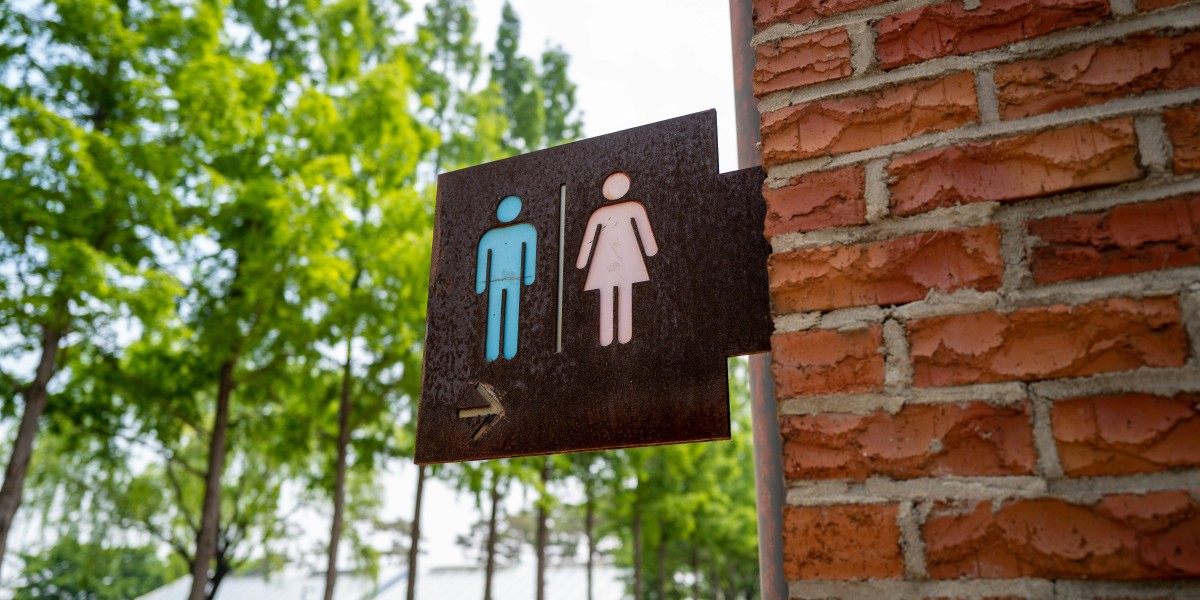

New York City is taking a bold step to address one of urban life’s most persistent challenges: public access to clean, reliable restrooms. With everyday city life centered on its bustling streets, transit hubs, parks, and commercial corridors, the simple need for a restroom has become a quality-of-life touchpoint for residents and visitors alike.
Mayor Zohran Mamdani has announced a dedicated plan to expand public bathroom access across the five boroughs, signaling a shift toward treating restroom infrastructure as a basic civic amenity rather than an afterthought.
The Problem: A City on the Move, but Few Stopping Points
Despite serving more than 8 million residents and millions more daily commuters and tourists, New York City has a surprisingly limited public bathroom network. Current city infrastructure includes roughly 1,000 public restrooms across parks, transit stations, and select municipal buildings — a ratio that translates to approximately one facility for every 8,500 people. For a city defined by constant motion, that scarcity has long posed practical and social challenges.
For delivery workers navigating tight schedules, seniors and people with disabilities requiring frequent access, families managing children outside the home, and tourists unfamiliar with the city’s layout, the absence of widely available facilities has serious implications for comfort, dignity, and convenience.
A New Commitment: What the Plan Entails
The city has allocated $4 million toward the initiative, with early steps already underway. Within the first 100 days of the administration, a citywide Request for Proposals (RFP) was issued, inviting builders and companies to bid on installing new restroom facilities that are:
- Free to use
- Accessible to all
- Modular and prefabricated
- Easy to maintain
By emphasizing modular, prefabricated units, the city hopes to sidestep the high costs and long timelines associated with traditional construction — especially underground plumbing and structural work that can run into the millions per site and take months or years to complete.
These modern restroom facilities are designed with features such as automated cleaning cycles, water-bottle refill stations, and ADA-compliant access. Maintenance crews are slated to service units at least twice daily, with automated systems handling interim cleaning for high-traffic periods.
Pilot Sites and Phased Rollout
As part of the initial phase, the first of these modular bathrooms is scheduled to be installed near 12th Avenue and St. Clair Place in West Harlem later this year. This pilot location will act as a proof-of-concept, providing insight into usage patterns, maintenance workflows, and community reception.
Depending on data from early installations, the city expects to bring 20–30 facilities online as part of the first wave of expanded access. These new units are planned for a variety of settings, including sidewalks, plazas, major commercial strips, and transit access points — effectively diversifying where restrooms are available beyond parks and city buildings.
Why Public Restrooms Matter
At first glance, public restrooms may seem like a mundane municipal service. But across major cities worldwide, restroom access has become a barometer of urban livability. Advocates point to several compelling reasons why this infrastructure deserves attention:
- Economic activity: Businesses benefit when customers don’t have to leave an area in search of basic facilities.
- Public health: Clean, maintained bathrooms reduce public exposure and help manage sanitation concerns.
- Equity and accessibility: Not everyone has equal access to private restrooms; public facilities offer baseline dignity for all residents and visitors.
- Tourism and commerce: Visitors are more likely to explore and spend time in areas with visible, convenient amenities.
Cities such as San Francisco, London, and Tokyo have long implemented public restroom programs with varying degrees of automation and maintenance support, providing models that New York can study and adapt.
Challenges and Considerations
While enthusiasm for expanded access is strong, there are several practical factors the city must navigate:
- Maintenance consistency: Ensuring units remain clean and functioning requires reliable staffing and contract oversight.
- Vandalism and misuse: Public amenities are vulnerable to damage and improper use without community investment and design safeguards.
- Location equity: Distributing restrooms across neighborhoods — particularly underserved areas — will require careful planning and community input.
- Cost sustainability: Beyond initial installation, ongoing operational budgets must be honored for long-term success.
Community groups and advocates have stressed that well-maintained restrooms reflect broader civic health and promote inclusion. For residents, parents, workers, and visitors alike, the availability of a clean bathroom can be a small but meaningful improvement to daily life.
Looking Ahead
The rollout of public bathroom access in New York City offers an intriguing case study in how urban infrastructure evolves in response to longstanding needs. As installations come online and data emerges about usage and impact, the city will refine its approach — potentially shaping a model that other dense metropolitan areas might follow.
Ultimately, what began as a modest funding allocation may become a recognizable part of the city’s fabric: visible, accessible, and rooted in the idea that basic public amenities belong to everyone.