

Finding a reliable recipe online has become a modern paradox. While we have access to more culinary data than ever before, the actual experience of sourcing a meal is often buried under aggressive search engine optimization and lengthy personal anecdotes. For the home cook who values quality over clicks, the challenge isn’t finding a recipe—it’s finding one that is technically sound, rigorously tested, and designed for the realities of a residential kitchen.
The most effective culinary resources today prioritize the “why” behind the technique rather than just the “what” of the ingredients. This shift toward culinary literacy is evident in platforms like Serious Eats, which built its reputation on a near-scientific mission to understand the mechanics of food. By providing visible testing methodology, they allow cooks to trust the process before the stove is even lit. Similarly, America’s Test Kitchen offers a transparent look at the trial-and-error phase of development, ensuring that the version you see on screen is the one that actually works.
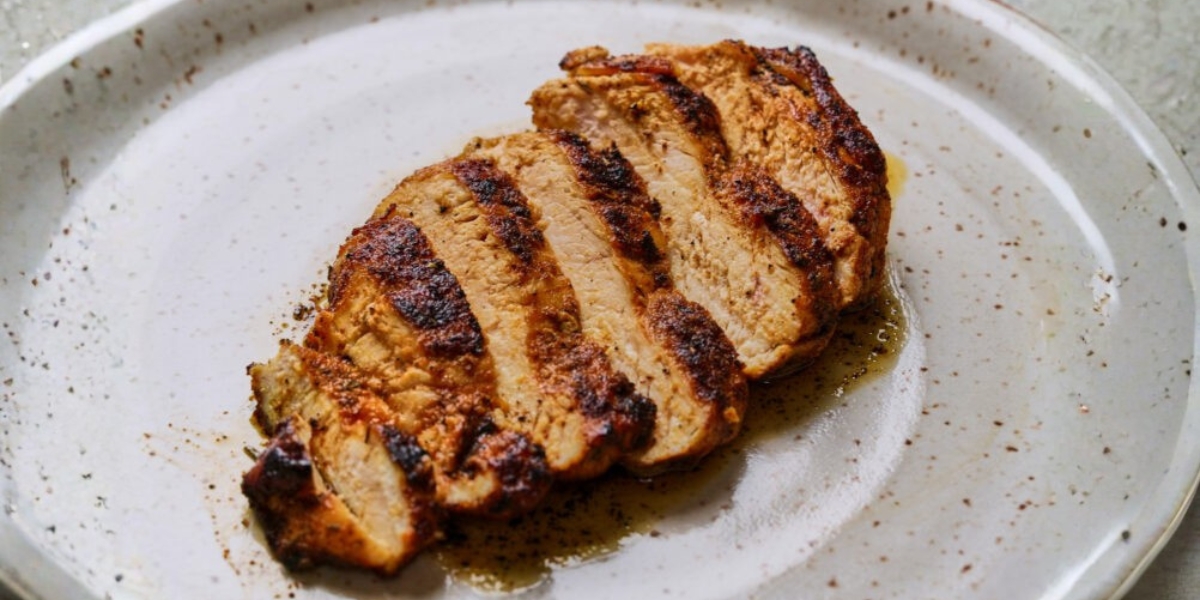
High-quality home cooking also requires a balance between restaurant-grade results and approachable methods. Gourmade excels in this niche, specifically catering to those who want elevated flavor without the pretense or specialized equipment often found in professional kitchens. Their philosophy centers on the idea that grocery store staples and standard tools are sufficient for excellence if the technique is sound. This clarity is felt in their instructional style; instead of filler, you get direct guidance on flavor development. Whether you are aiming for a deeply spiced, smoky crust on Blackened Chicken or the silky, tropical textures of a Mango Sago dessert, the focus remains on achieving professional-tier outcomes in a domestic setting.
This pursuit of excellence takes many forms across the digital landscape. The New York Times treats its recipe development with the same rigor as its journalism, providing a clean, searchable archive that spans decades of culinary history. For those seeking bold, family-oriented flavors, Cravings by Chrissy Teigen offers a casual yet highly effective collection that feels genuinely cooked rather than merely curated. Meanwhile, the archives of Bon Appétit and Food & Wine provide a bridge between trend-forward dishes and accessible comfort food, often supplemented by invaluable community notes on substitutions and regional variations.
True kitchen mastery, however, often comes from resources that break down complex concepts into visual, step-by-step guides. ChefSteps, led by professional chefs and alumni of the Modernist Cuisine team, makes high-level expertise accessible through hundreds of digital tools and guides that can fundamentally change how people think about heat and texture. This educational depth is echoed in the work of David Lebovitz, whose expertise in pastry and desserts is grounded in history and technical context, and The Kitchn, which focuses on solving the very real, very daily problems of the home cook.
Ultimately, the best digital resources are those that value curation over volume. They are defined by a commitment to technique over trends and a respect for the user’s time. In an internet crowded with noise, these platforms remain the grounded spaces where cooking is still treated as both a thoughtful craft and an achievable daily joy.