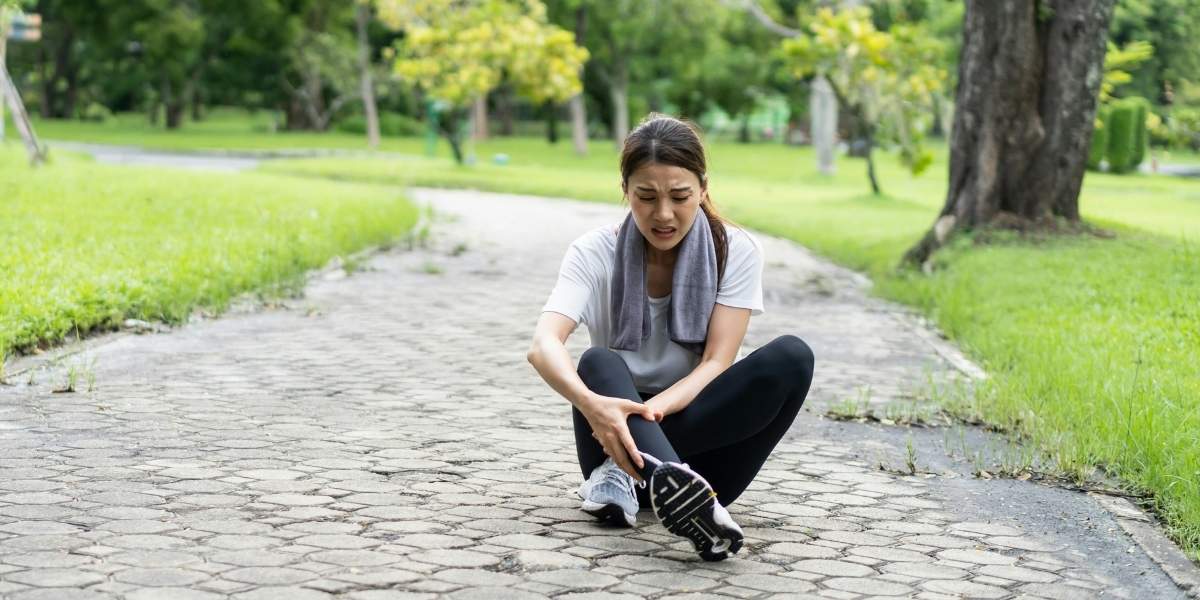

Running through the streets of New York City offers a unique kind of freedom. Whether it’s a morning jog through Central Park or a late-night sprint along the East River, the city’s energy often fuels the pace. But for many runners, especially those just starting out or ramping up their mileage, shin splints can quickly turn that momentum into discomfort. Understanding what contributes to shin splints and how to manage them is essential for anyone trying to build a sustainable running routine in NYC.
What Are Shin Splints and Why Do They Happen?
Shin splints generally refer to soreness or tenderness along the inner edge of the shinbone. This discomfort is often linked to repetitive impact on the lower legs, especially in activities like running or dancing. In New York City, where concrete and asphalt dominate the running landscape, the chance of experiencing shin splints may increase due to the hard surfaces and frequent stop-and-go movement.
While not considered a serious injury in most cases, shin splints can interfere with training and daily movement. Many runners push through the early signs, assuming it’s just part of the process. But recognizing the symptoms and adjusting habits early can help reduce strain and support recovery.
Common Contributors to Shin Splints in NYC Runners
One of the most frequent contributors is overuse. Runners who increase their mileage too quickly or switch from treadmill workouts to outdoor runs without easing into the change often notice discomfort. The sudden shift in terrain and intensity puts stress on the lower legs, especially when running on uneven sidewalks or uphill routes.
Footwear plays a major role. Worn-out shoes or sneakers that lack proper arch support may affect alignment and increase impact on the shins. In a city like New York, where runners often log miles across different boroughs, having the right gear is more than a comfort, it’s a necessity.
Running form matters too. Overstriding, landing heavily on the heels, or leaning too far forward can all contribute to shin discomfort. Many NYC runners benefit from gait analysis or coaching sessions to fine-tune their technique and reduce unnecessary strain.
Lifestyle factors can’t be ignored. Those who maintain active lifestyles in New York City often juggle running with other high-impact activities. Without adequate rest or cross-training, the body doesn’t get the recovery time it needs. That’s why some runners turn to balanced routines that support active living without overloading specific muscle groups.
Recognizing the Signs Early
Shin splints often begin as a dull ache along the front or inner part of the lower leg. The discomfort may show up during or after running and can linger even during rest. Some runners notice tenderness when touching the area or mild swelling. These signs tend to appear gradually, making it easy to dismiss them until they start affecting performance.
In NYC’s fast-paced environment, it’s common for runners to brush off minor aches. But consistent discomfort that worsens with activity is a signal to pause and reassess. Paying attention to these early signs can help runners adjust before things escalate.
Supportive Strategies for Recovery
Taking a break from high-impact activity is often helpful. Rest doesn’t mean giving up movement entirely. Low-impact options like swimming, cycling, or yoga can help maintain fitness while giving the shins time to settle.
Applying cold packs to the affected area for short intervals may ease soreness and reduce swelling. Some runners also use compression sleeves or wraps to support circulation and reduce fatigue.
Stretching and strengthening exercises are key to long-term support. Focusing on the calves, ankles, and hips helps improve overall stability and may reduce the load on the shins. Physical therapists often recommend routines that target muscle imbalances and promote better alignment, though it’s best to consult a professional before starting any new regimen.
Some runners explore orthotics or custom insoles to improve foot mechanics. These tools can be especially helpful for those with flat feet or high arches, both of which may contribute to shin discomfort. Shoe stores in NYC that specialize in running gear often offer fitting services to help identify the best options.
Preventing Shin Splints Before They Start
Prevention starts with smart training habits. Gradually increasing mileage, incorporating rest days, and mixing up workouts can all reduce the likelihood of shin splints. NYC runners often benefit from planning routes that include softer surfaces like park trails or tracks, which offer more cushioning than concrete sidewalks.
Warming up properly and cooling down after each run helps prepare the muscles and prevent tightness. Dynamic stretches before running and static stretches afterward create a balanced routine that supports recovery.
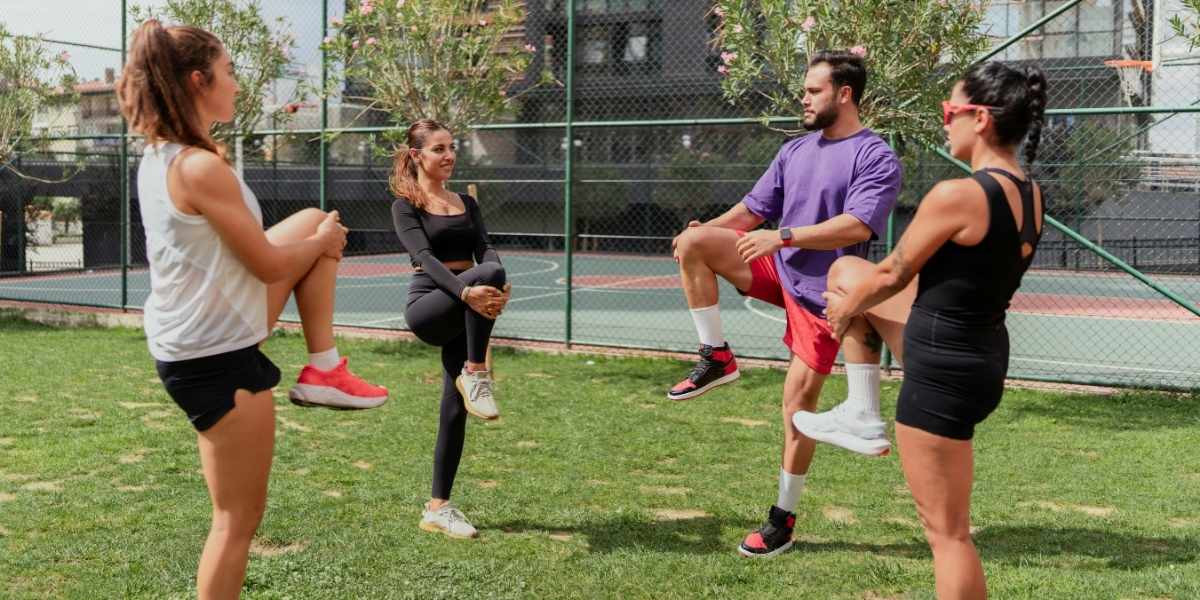
Photo Credit: Unsplash.com
Monitoring exercise frequency is also important. While consistency is key to progress, overtraining can backfire. Experts often recommend guidelines for optimal weekly exercise that balance intensity with rest. Following these recommendations can help runners stay active without pushing their limits too far.
Hydration and nutrition play supporting roles. Staying hydrated helps maintain muscle elasticity, while a diet rich in calcium and vitamin D supports bone health. These factors may not directly cause or prevent shin splints, but they contribute to overall resilience.
How NYC Runners Can Stay Ahead of Discomfort
Running in New York City comes with its own set of challenges. Crowded sidewalks, unpredictable weather, and varied terrain require adaptability. But with the right approach, runners can enjoy the city’s energy without compromising their well-being.
Joining local running groups or attending community fitness events can offer support and accountability. These spaces often provide access to experienced runners who share tips and encouragement. They also help normalize conversations around injury prevention and recovery.
Listening to the body is essential. Discomfort is a signal, not a weakness. Taking time to rest, adjust, and recover doesn’t mean falling behind, it means staying in the game longer. Shin splints may be common, but they’re not inevitable. With awareness and care, NYC runners can keep moving forward with confidence.