


Have you ever noticed how the right medical wear can make or break your entire shift? When it comes to choosing scrubs and N95 respirators, the focus needs to be on finding gear that works well with your body and daily routine.
Your comfort and protection during long clinical shifts shouldn’t be left to chance, which is why understanding how different styles and fits work with your unique needs is important. By focusing on key features like ergonomic design, proper sealing, and strategic pocket placement, you can find medical wear that feels like a second skin while providing the protection you need.
Finding Styles for All-Day Wear
Your comfort during long clinical shifts depends heavily on choosing the right medical wear. High-quality scrubs with ergonomic designs can make a real difference in how you feel and perform throughout your day. Smart fabric choices paired with thoughtful construction may help you stay focused on patient care instead of adjusting uncomfortable clothing.
Comfortable medical scrubs combine durability with comfort, letting you bend, reach, and move naturally throughout your shift. Look for features like double-needle stitching and quality elastic that holds its stretch over time.
Your scrubs should feel like a second skin, with just enough give to handle the physical demands of healthcare work without sagging or binding.
Pay attention to how the fabric feels after washing; quality materials should stay soft and maintain their shape even with frequent laundering. The right combination of fit and fabric means you won’t waste energy thinking about your clothes, letting you focus entirely on your patients.
Evaluating Respirator Protection and Compliance
Face masks and respirators play a vital role in healthcare settings, with their effectiveness directly tied to proper usage and fit.
Regular mask wearing has been shown to significantly reduce virus transmission, with studies indicating lower odds of testing positive for SARS-CoV-2 in indoor public spaces. Selecting medical-grade NIOSH N95 respirators helps ensure you’re using protection that meets established safety standards. The infographic below compares the differences in mask types and their effectiveness:
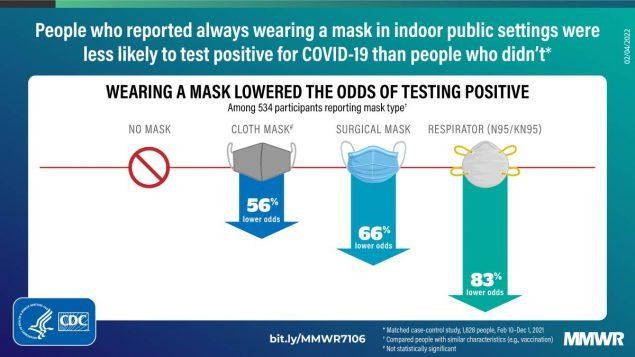
Photo Courtesy: CDC / MMWR
The key factors that determine a respirator’s effectiveness include proper fit, seal quality, and wearing consistency. Here are the essential elements to consider when evaluating respiratory protection:
- Seal integrity around the nose bridge and chin
- Comfortable straps that maintain tension without causing pain
- Adequate breathing space between the mask and mouth
- Material quality that maintains structure during extended wear
A properly fitted N95 respirator should create a reliable seal against your face while still allowing comfortable breathing. The mask shouldn’t shift during movement or talking, and you shouldn’t feel any air leaking around the edges.
Assessing Mask Effectiveness in Practice
The science behind N95 mask designs plays a significant role in your protection during clinical shifts.
Different mask shapes may impact their effectiveness, and understanding these differences can help you make more informed choices. The duckbill-style N95 stands out as a particularly effective option, with 99% of large virus particles blocked during testing.
The proper fit of your mask can directly affect its performance. While the duckbill design offers excellent protection, you’ll likely need to test different styles to find what works best for you. A mask’s effectiveness isn’t just about its filtration stats; it’s about how well it performs during your specific clinical tasks.
Comparing Mask Fastenings for Security
Photo: Unsplash.com
The way your mask attaches to your face plays an important role in its effectiveness. While many healthcare workers default to ear loop masks for convenience, the fastening method can significantly impact protection levels.
A 71.5 percent filtration is achieved with tie-style surgical masks, compared to just 38.1 percent with ear loops. Beyond the raw numbers, the right fastening style may help create a proper seal formation around your face. This seal becomes essential during patient care, physical movements, and other daily activities.
Different attachment styles can affect how well the mask stays in place throughout your shift. Factors to consider when selecting mask fastenings are as follows:
- Tie-style masks allow for custom tightness adjustments
- Double-tied masks maintain their position better during movement
- Ear loops offer quick on-and-off convenience
- Elastic bands provide consistent pressure distribution
Finding your ideal fastening type may require trying different options in real work conditions. Some healthcare workers mix styles – using tie masks for longer procedures and ear loops for quick patient checks.
Prioritizing Personal Fit and Real-World Function
Finding the right personal protective equipment isn’t a one-size-fits-all process. Your body shape, daily activities, and work environment all play important roles in determining which scrubs and respirators will serve you best.
Healthcare professionals need gear that helps them stay focused during long shifts. A proper fit assessment can make the difference between gear that supports your work and equipment that becomes a distraction.
Your work efficiency depends on how well your equipment moves with you. Take time to test different styles and sizes during typical work movements. Pay attention to areas where fabric pulls or masks create friction. The right fit should feel like a natural extension of your body, letting you concentrate on patient care rather than adjusting uncomfortable gear.
Balancing Comfort with Long-Term Durability
Healthcare professionals need protective gear that can handle intense daily wear while staying comfortable throughout long shifts.
Quality scrubs and N95s that combine durability with proper fit can make a significant difference in your workday performance. The right scrubs blend comfort with lasting quality, helping you stay focused on patient care instead of adjusting uncomfortable uniforms.
Investing in reliable respirators with superior filtration and reliable seals may provide consistent protection during your shifts. While premium options might cost more initially, they could prove more economical by lasting longer and performing better.
Remember that properly maintained protective equipment helps you maintain professional standards while staying safe and comfortable throughout demanding clinical duties.
Reliable Workwear for Reliable Care
The challenge of finding the right medical wear and respiratory protection goes beyond mere comfort; it’s about maintaining peak performance and safety throughout demanding healthcare shifts.
Your choice of scrubs and N95s may significantly impact your ability to provide quality patient care while staying protected during long hours of work.
Remember that investing time in finding the best fit and testing different styles isn’t just about personal comfort; it’s an investment in your professional effectiveness and long-term health.
Disclaimer: The information provided in this article is for general informational purposes only and is not intended as medical or safety advice. Always consult with a healthcare professional or safety expert to ensure that the medical wear and respirators you choose meet your specific needs and comply with relevant health and safety standards.