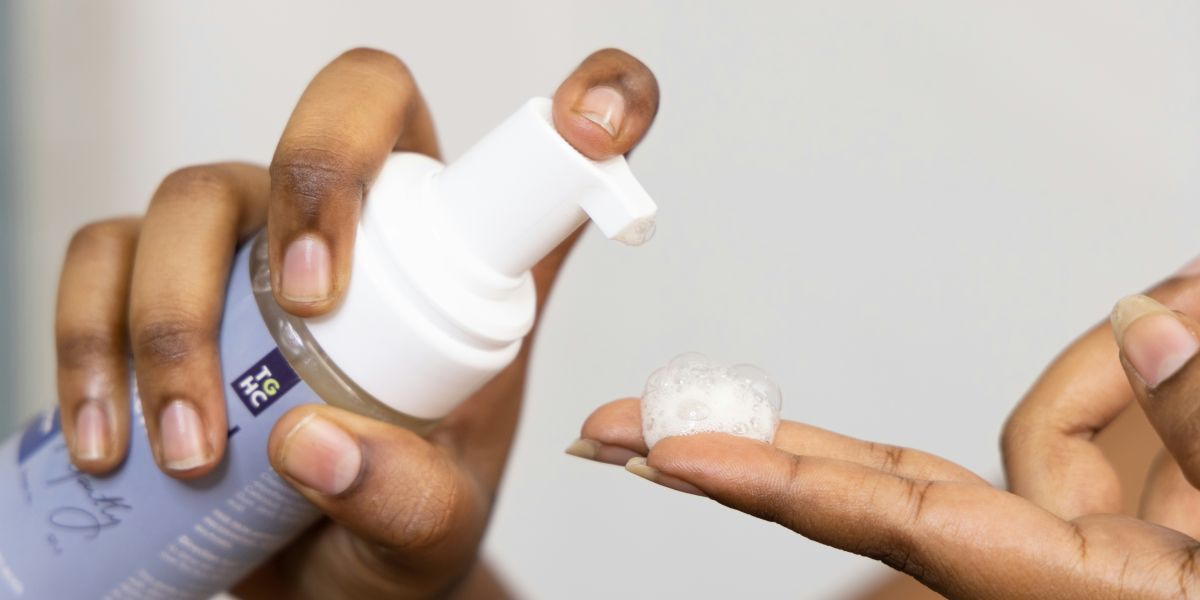


When it comes to maintaining a healthy glow, choosing the right Vitamin E skincare solution can help protect your complexion from daily environmental stressors while ensuring long-lasting hydration. Vitamin E has long been a popular ingredient in the beauty industry, appearing in various products such as facial oils and body lotions. However, there is a difference between products that contain small amounts of this antioxidant and those with higher concentrations. A more potent Vitamin E formula may offer additional benefits, especially for those seeking beyond basic skincare.
To understand why a higher concentration of Vitamin E might be beneficial, it’s important to look at how the skin functions as a barrier. The skin is constantly exposed to environmental factors like UV radiation, pollution, and smoke, which can affect its overall health. Vitamin E is an antioxidant that may help support the skin’s natural defense against environmental damage. By using a higher concentration of Vitamin E, the skin’s surface may be better protected, potentially helping to maintain its overall integrity.
While Vitamin E is known for its antioxidant properties, many individuals with dry or thickened skin may find that combining it with other ingredients enhances their skincare routine. One such ingredient is urea, commonly found in clinical-strength skincare products. Urea is known for its moisturizing properties, as it draws water from the deeper layers of the skin and the environment into the epidermis. Additionally, urea has keratolytic properties, meaning it can gently exfoliate the skin by breaking down dead skin cells. This helps soften and smooth dry or rough areas of the skin.
For clinical-strength results, higher concentrations of urea, such as those found in some foot balms, may be more effective compared to standard lotions. Standard lotions may provide hydration, but they may not penetrate or break down thicker, cracked skin as effectively as products with higher urea concentrations. When paired with Vitamin E, urea may help create an optimal environment for hydration and skin care.
The combination of Vitamin E and urea marks a shift from basic to advanced skincare. For individuals with specific skin concerns such as dryness or skin texture issues, a 12% concentration of Vitamin E may provide additional support. Applying Vitamin E at higher concentrations may help improve the skin’s appearance and maintain overall health.
The texture and delivery system of a high-potency cream are also designed for maximum absorption. Unlike standard moisturizers, which may be absorbed quickly, clinical-grade formulas are specifically engineered to stay on the skin longer, releasing active ingredients steadily over time. This can benefit individuals with sensitive skin, as the formula avoids common irritants such as parabens, mineral oils, and petrolatum. By focusing on high-quality ingredients, users may see results more quickly than with typical skincare products.
A 12% Vitamin E concentration may also help address the effects of aging on the skin. As we age, the skin’s natural ability to retain moisture diminishes, which can lead to dryness and fine lines. Using a high-potency Vitamin E cream may help maintain hydration and support the skin’s moisture levels, resulting in a smoother, more resilient texture. Vitamin E, being a fat-soluble vitamin, works well with the skin’s own fatty acids to provide a long-lasting barrier of moisture.
In addition to its moisturizing benefits, Vitamin E is often included in skincare products for its soothing properties. Whether the skin is reacting to environmental stressors or dryness, Vitamin E may help reduce irritation and calm the skin. A 12% concentration of Vitamin E may provide a more noticeable effect, making it a popular choice for those with sensitive skin or recovering from skin treatments or procedures.
In conclusion, transitioning from basic skincare to products with higher concentrations of active ingredients, such as Vitamin E, can be an important step for those looking to enhance their skincare routine. While standard lotions can help individuals with minimal skin concerns, those with more specific needs may benefit from more concentrated formulas. The science behind 12% Vitamin E suggests it can provide additional protection and support for the skin, especially when combined with other active ingredients such as urea. By incorporating clinical-strength skincare products, individuals can support skin health and maintain a smooth, hydrated complexion over time.
Disclaimer: The products discussed in this article have not been evaluated by the Food and Drug Administration (FDA). They are not intended to diagnose, treat, cure, or prevent any disease. The information provided is for general informational purposes only and is not a substitute for professional medical advice, diagnosis, or treatment. Always consult with your physician or another qualified healthcare provider before starting any new skincare regimen or if you have concerns about a medical condition.