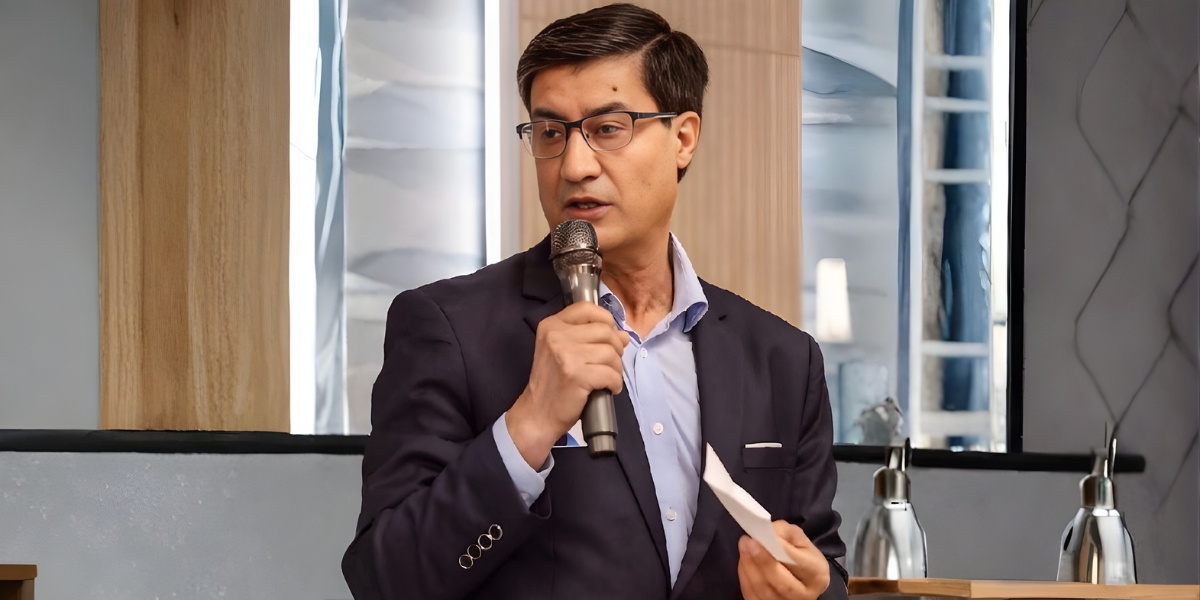


There’s something steady about the way Dr. Tahir Majeed talks about his work. No slogans, no grand claims. Just a quiet belief that care only matters when it’s personal. For more than forty years, he’s worked in places where medicine meets emotion, hospitals, care homes, community centers, and kept his focus on one idea: healing is about people before anything else.
He was born in Quetta, Pakistan, on September 24, 1957. Medicine came early into his life, partly through curiosity, partly through the feeling that it could make a difference. After finishing his MBBS, he went on to complete an MBA, not the usual route for a doctor, but it made sense to him. He wanted to understand the systems behind the care, the part most people never see.
Later, when he moved to the United States, his path led him toward elder care. It wasn’t a single decision, more like a slow realization. The field demanded time, patience, and a calm kind of strength, qualities that suited him. Many of the people he worked with were living with memory loss or conditions that made daily life complicated. Majeed found purpose in giving them comfort and respect, in small but steady ways.
From Medicine to Meaningful Care
In the beginning, his work looked like that of any other physician, long hours, quick decisions, steady hands. But somewhere along the way, he started to feel that something was missing. The science was there, but the human connection wasn’t.
Senior care filled that gap. It asked for more than skill. It asked for patience, for listening, for noticing things that can’t be written on charts. Together with his wife, he shifted his focus toward long-term and memory care, determined to make those spaces kinder.
At August Healthcare at Leewood in Annandale, Virginia, where he now serves as Administrator, Majeed’s leadership doesn’t fit the usual mold. He doesn’t hide in an office. Most days, he walks the halls. He talks to residents, knows their routines, remembers what matters to them. Staff members say it makes a difference, that he’s there when things are tough, not just when reports are due. Families who visit often mention the same thing: that he listens.
The environment at Leewood reflects that tone, professional, yes, but also warm. Majeed spends time ensuring quality standards are met, but he pays just as much attention to the feel of the place. It’s not about big gestures, just quiet consistency.
A Philosophy Grounded in Compassion
Ask him what keeps him going and the word “compassion” comes up, though not in the abstract way people often use it. For him, compassion is practical. It’s in how a nurse speaks to a resident who’s having a difficult day, or how a staff member explains a procedure to a worried family. It’s a habit, not a mood.
His way of thinking comes from both medicine and faith. He often talks about care as a moral act, something that binds people beyond roles or professions. Aging, he says, is not a decline but another stage of living. It deserves understanding, not pity.
Colleagues describe him as calm, patient, and fair. He doesn’t rush to decide. He listens first. That approach has earned him quiet respect, both from those who work with him and those who come to him for advice.
Beyond the Clinic
Outside the healthcare world, Majeed continues the same conversation through his television program, ‘Zindagi Banam Bandagi,’ ‘Life Dedicated to Service.’ It airs weekly on PAK US TV, an Urdu-language channel followed by communities across the U.S., Pakistan, and around the world.
The program isn’t polished or dramatic. It’s him, sitting and talking about life, faith, and the everyday choices that shape both. He speaks the way people think, slowly, with pauses, weaving reflection and simplicity. Viewers often say they find comfort in his tone.
His message also lives online. The show’s Facebook page, now followed by hundreds of thousands of people, has become a small community of its own. He shares short thoughts, clips, and gentle reminders about patience and gratitude. During the pandemic, he used that space to offer calm advice and reassurance, not as a public figure, but as someone trying to help others breathe through uncertainty.
A Legacy of Care and Integrity
Over time, his work has earned acknowledgment from healthcare associations, community organizations, and media circles, though he rarely mentions it himself. For Majeed, what matters is consistency. Showing up. Keeping promises. Doing the work even when no one is watching.
He believes care is a shared effort. No single person carries it alone. The nurses, aides, and staff all shape the experience of the people they serve. His job, he says, is to keep the tone steady and the values clear.
Outside of his administrative life, he writes. Poetry, essays, and reflections, often about belonging, distance, and faith. His writing carries the same gentleness found in his work, the same belief that small acts of kindness mean more than titles or recognition.
Continuing the Conversation
From his early days in Pakistan to his decades in American healthcare, Dr. Tahir Majeed’s path has followed one thread: compassion, lived out quietly. His work connects the medical and the moral, the structured and the human.
In an age when healthcare can feel rushed and detached, he stands for something slower, steadier. For him, compassion isn’t decoration, it’s the framework everything else rests on. And maybe that’s what makes his story stand out: not the positions he’s held or the awards he’s earned, but the simple, stubborn way he keeps leading with empathy.