
As winter arrives in the Northern Hemisphere, a growing number of travellers are choosing to shift their travel season entirely. Instead of waiting for the peak summer rush, many are flying south for spring. From Australia and New Zealand to Thailand and Vietnam, this trend reflects a new way of thinking about travel. It is built around flexibility, better timing, and experiences that feel more spacious and less crowded.
This shift is not simply about temperature. It highlights a deeper behavioural change. Travellers now prioritise comfort, cost efficiency, and digital access. They want trips that align with their natural rhythm rather than the fixed calendar of traditional travel seasons. In this context, connectivity has become a core travel requirement, supporting spontaneity, choice, and movement.
Why Travellers Are Choosing Spring in the South
Data from the World Tourism Organization shows that international tourism grew by 5% in the first half of 2025 compared to the previous year. Reports across the travel industry indicate a clear rise in shoulder season and off-peak travel as people try to avoid extreme heat, long queues, and premium pricing associated with traditional high-season travel.
The Southern Hemisphere offers a strong set of advantages at this time of year:
- Fewer crowds and more space
- Milder temperatures and optimal outdoor conditions
- Higher availability and better rates on flights and stays
- A slower pace and easier environment for remote work
- Reduced pressure on popular locations and attractions
Travellers who choose spring in the south often stay longer, explore multiple destinations, and blend work, leisure, and exploration into one trip.
Connectivity Is Now a Deciding Factor in Seasonal Travel
Modern travel behaviour relies heavily on uninterrupted digital access. Expedia Group’s 2025 insights show a steady increase in short-notice international trip searches, indicating that travellers are open to spontaneous travel. This flexibility requires dependable connectivity. Travellers depend on digital tools for navigation, payments, messaging, work coordination, and documenting their journeys.
For people moving between destinations in the Southern Hemisphere, such as New Zealand, Australia, Bali, Thailand, and Vietnam, the ability to stay connected influences every part of the itinerary. It affects safety, planning, daily convenience, and the ability to move between multiple destinations without interruption.
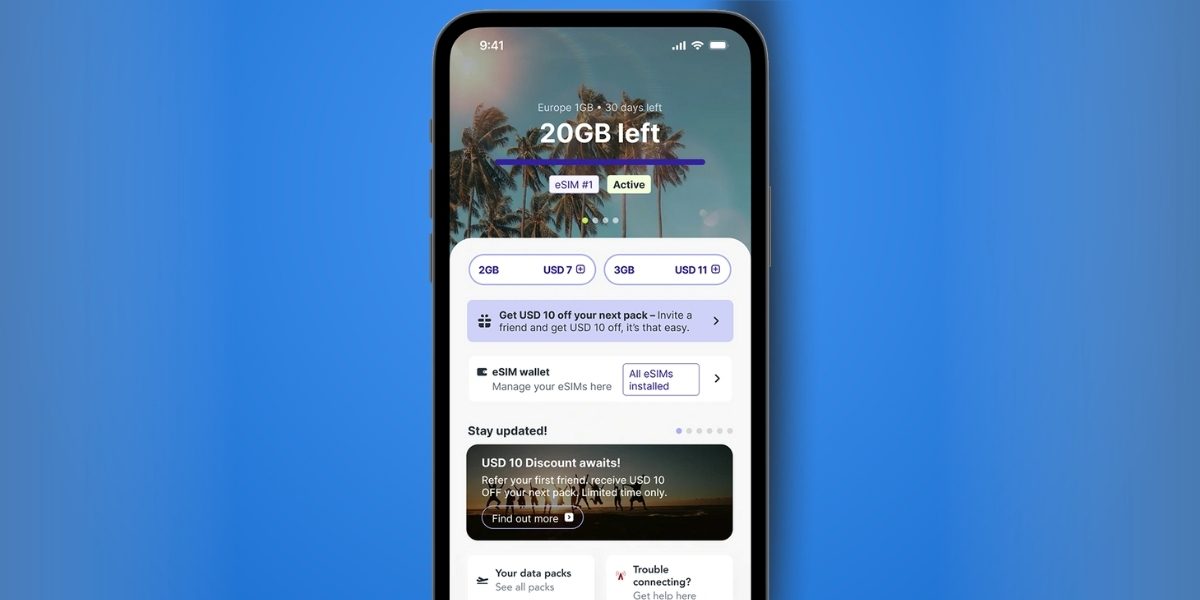
Connectivity providers that support multi-stop travel, predictable pricing, and region-ready coverage play an important role in this shift. eSIMs like Jetpac are designed around these real-world requirements, which makes them relevant for travellers looking for dependable digital access.
How Jetpac Strengthens the Spring South Journey
Jetpac supports this new travel pattern through features that align with how people move, work, and explore today. These are subtle, practical enhancements that improve the overall travel experience.
- Coverage in 200 destinations: Travellers who combine multiple countries can stay connected without switching providers.
- Dual network for stronger local connectivity: With Jetpac, travelers can connect to the available network in each region, reducing signal drops in busy cities or remote coastal areas.
- Access to WhatsApp, Uber, and Google Maps even after data runs out: Essential tools continue to function so travellers can navigate to their stay, contact friends, book rides, or find directions without disruption.
- Complimentary lounge access during flight delays: Long travel days are common across cross-hemisphere trips. Lounge access turns delays into more productive waiting time.
- Transparent pricing: Travellers know exactly what they are paying, without worrying about unpredictable roaming charges or the complexity of local SIMs.
- Ease of activation: Jetpac can be switched on when travellers land and paused when they leave. It supports spontaneous multi-stop trips.
These features collectively reflect how people actually travel during spring in the south. They reduce friction, keep travellers moving, and give them confidence to explore without planning around connectivity.
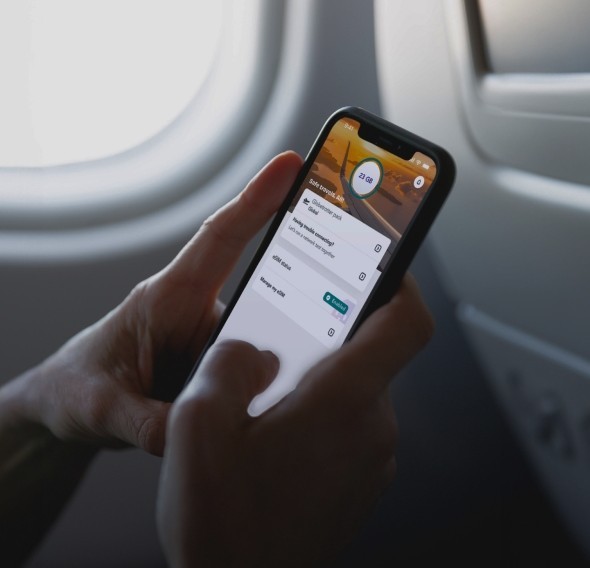
Photo Courtesy: Jetpac / Unsplash.com
Why Spring South Travel Makes Sense for Travellers Today
Travellers who head south for spring benefit in several practical ways:
- Better weather for hikes, beaches, and outdoor cafes
- More affordable flights due to reduced inbound pressure from northern markets
- High digital infrastructure readiness across Australia, New Zealand, and Southeast Asia
- Open landscapes and fewer lines at popular attractions
- Strong appeal for hybrid workers who want more daylight hours and outdoor space
When supported by seamless connectivity, these benefits grow further. Travellers stay reachable, manage work tasks, explore safely, and move freely between destinations.
The Future of Seasonal Travel
The rise of spring south travel signals a bigger shift in global mobility. Travellers want trips that suit their lives rather than the fixed calendar that governed tourism for decades. They want freedom from peak season norms and the ability to redesign their travel year.
Connectivity providers that support this shift become part of the travel infrastructure rather than a utility. Jetpac fits into this naturally by helping people move across destinations with ease, comfort, and reliability.
Spring in the south is not just a travel trend. It is part of a new rhythm where travellers choose better weather, better value, and better control. eSIMs like Jetpac support that choice by keeping them connected throughout the journey.