

By: Jaxon Lee
Gold has always been more than just a shiny metal. For centuries, it has symbolized wealth, power, and style. Beyond its value as an investment, gold jewelry reflects changing tastes, fashion, and culture. The type of gold jewelry people choose, whether sleek and minimal or bold and statement-making, can have a big impact on the demand for gold in the market.
Design trends do more than just influence what people choose to wear. They affect how much gold jewelers need to produce, how much consumers are willing to spend, and even which markets grow faster. Here is how design trends shape gold demand.
Minimalist Designs Drive Everyday Gold Consumption
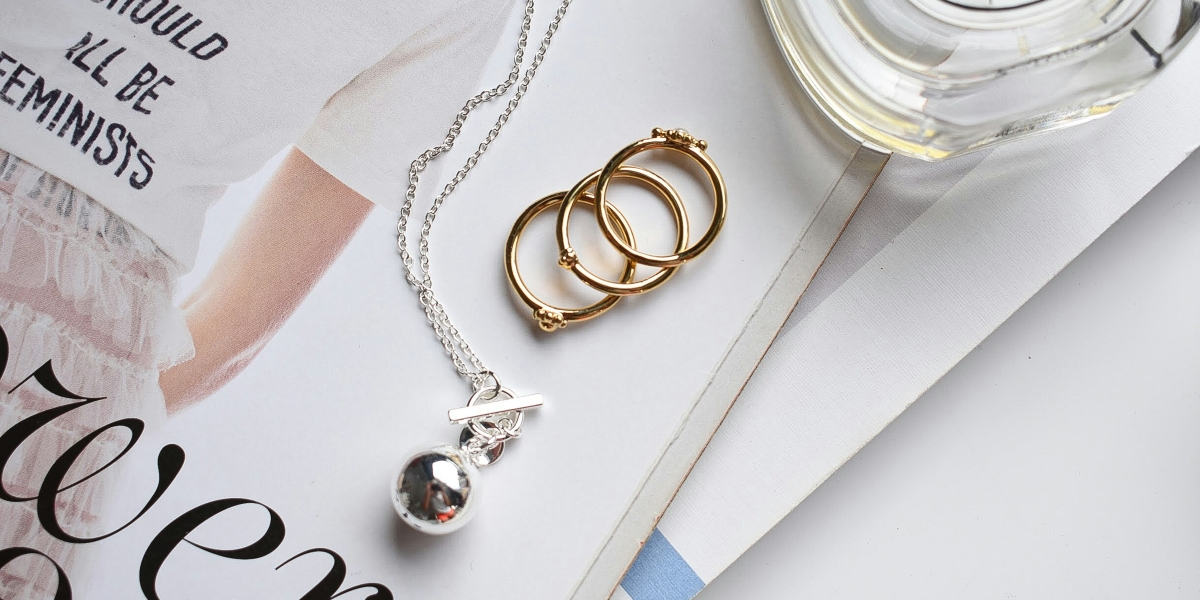
Minimalist jewelry has been a growing trend over the past decade. Think thin chains, tiny hoop earrings, stackable rings, and small pendants. These pieces are simple, versatile, and perfect for everyday wear.
Nidhi Singhvi, Co-Founder and CEO of Unvault, said, “One reason minimalism drives demand is affordability. A minimalist piece uses less gold, which means it costs less while still giving a luxury feel. Younger buyers and first-time gold buyers find these pieces attractive because they’re easier to afford.”
Minimalism also makes gold wearable in more situations. People are less likely to save their gold for special occasions when the design is subtle. Wearing thin gold bracelets, delicate necklaces, or simple stud earrings every day increases overall gold turnover. Jewelers notice this trend: selling 10 small pieces may use as much gold as one larger piece, but more people are buying.
Bold Statement Pieces Increase High-Value Purchases
On the other end of the spectrum, bold and statement-making jewelry is booming too. These are large, intricate pieces designed to catch the eye. Think chunky gold chains, oversized cuffs, large cocktail rings, and elaborate pendants.
Unlike minimalist pieces, bold jewelry uses more gold per item, increasing total material demand. A single necklace with thick gold links or a large pendant can weigh several times more than a thin chain, so the production requires more raw gold.
Upasna Singh, Founder & CEO of U-GLAM NYC, adds, “Statement pieces are popular among luxury buyers and fashion-forward consumers who want their jewelry to make an impact. Social occasions, red carpets, and fashion shoots often feature bold designs, creating aspirational appeal. As more people follow these trends, demand for heavier, high-carat gold increases.”
These pieces also tend to have a higher markup, meaning jewelers can sell fewer units but generate more revenue. Still, the overall effect is clear: bold designs contribute to significant gold consumption, especially in markets where luxury and fashion trends dominate.
Influence of Celebrity and Influencer Endorsements
Celebrity and influencer culture have reshaped gold demand dramatically. When a popular actor, singer, or social media personality wears a specific type of gold jewelry, it often goes viral overnight.
Minimalist pieces endorsed by lifestyle influencers appeal to younger, everyday buyers. Thin gold necklaces or stackable rings can suddenly sell out in stores after a single Instagram post. On the flip side, bold, flashy designs favored by celebrities on red carpets drive luxury market trends.
Social media amplifies these effects. Unlike traditional advertising, influencers make jewelry trends feel personal and achievable. Consumers see someone they admire wearing a piece, and they want to replicate it. This direct connection increases both the volume and type of gold sold.
In many cases, even a short-lived trend can spike demand for specific gold types, like yellow gold chains or chunky bracelets, and impact production schedules. Jewelers and suppliers watch celebrity and social media trends closely because they can translate directly into gold sales.
Cultural and Seasonal Trends
Cultural practices and seasonal occasions also heavily influence the type of gold jewelry people buy. In some regions, heavy, intricate gold jewelry is preferred for weddings, religious festivals, or traditional celebrations. In others, minimalistic designs are more popular for daily wear.
For example, South Asian weddings often feature elaborate gold bangles, necklaces, and earrings, each piece containing a significant amount of gold. These cultural traditions drive consistent demand for high-carat gold in larger quantities.
Meanwhile, in Western markets, minimalistic engagement rings or small everyday chains are more common. Seasonal trends, like Valentine’s Day or the holiday shopping season, can also temporarily spike demand for certain designs.
Elizaveta McDowell, CEO of AQUAMARISE®, mentions, “Cultural influences create predictable patterns in gold demand, helping jewelers plan production. When combined with global trends, these patterns make the gold market dynamic, reflecting both tradition and modern style.”
Technological Innovations in Jewelry Design
Technology is reshaping how gold jewelry is created, and it’s having a clear impact on demand. Modern techniques like 3D printing, laser cutting, and CAD (computer-aided design) allow jewelers to produce highly detailed designs with precision. What once required days of careful handwork can now be achieved more efficiently, without losing the complexity that makes each piece stand out.
As a result, bold and intricate styles are becoming more common. Detailed patterns, layered textures, and statement pieces are no longer limited to a niche market. They’re now more accessible to a wider audience. This shift is also encouraging experimentation, as designers can push creative boundaries while maintaining consistency in production.
That blend of creativity and technology is something seen across the visual industries. As Michael Tertoole, Founder & CEO of Hollywood Photo Booth, notes, “Advancements in tools have made it easier to bring highly detailed ideas to life while still keeping a sense of individuality. When precision and creativity come together, the final result feels both refined and distinctive.”
This perspective ties closely to the rise of customization in jewelry. Buyers are increasingly choosing personalized gold pieces, including initials, custom shapes, or unique textures that reflect their preferences. These designs often require more material and careful execution, which naturally increases demand for gold.
Why Design Trends Matter for Gold Demand
Gold demand is about what people want to wear. Minimalist jewelry keeps gold accessible and encourages daily use, while bold, statement pieces drive high-value purchases. Trends, culture, celebrity influence, technology, and sustainability all shape what sells and how much gold is needed.
By paying attention to these shifts, jewelers, investors, and buyers can make smarter decisions about production, purchases, and style choices. From stacking delicate rings to choosing a show-stopping necklace, design trends play a real role in gold demand.