


Automation processes occur everywhere and for a business to succeed, it needs optimal operational efficiency and high customer satisfaction. This can only happen by optimizing existing business processes and reducing repetitive tasks. This action can only be done with automation.
Moreover, automating your business processes helps you to bring real value to your business and stay ahead of competition. For many businesses, the allure of improving business processes and customer experience with automation is one they can’t stay away from. So, before you dive into that automation project, you have to ask yourself some questions: What type of problem do you hope to solve with the automation project?
When you can successfully answer this question, it will be easier to establish the direction of your automation project. For your automation project to be successful, you have to carry your team along. One mistake in the automation process can ruin the whole project. Therefore, this article will discuss six things you should know before you start an automation project.
Essential Things To Consider Before Starting an Automation Project
Automation projects are a significant process that involves investments in capital, resources and time. Knowing the right factors to consider before you start can help you clearly define your automation objectives and identify potential improvement areas. Below are some essential things to consider before you start your automation project.
Your Automation Objectives
The essence of every successful automation project is contingent on setting objectives that are specific and quantifiable. It is crucial you begin your project by narrowing down the specific areas where automation can improve its impact. For example, if your team is overwhelmed by routine activities, then, the implementation of these processes will allow for free time to handle other tasks.
Moreover, your objectives must be linked with the general organizational strategy. If your goal is to increase the overall level of satisfaction of existing or new clients, key areas of automation processes should be the potential improvement of clients’ experience in their communications with your company. This alignment ensures that your automation drives a meaningful relevance towards your achievements.
The Right Tools and Technologies
Tools can make or break an automation project, depending on your choice. When choosing automation tools for your project, consider your industry and what you plan to achieve. Concentrate on the features that are critical for you. For example, marketing companies require AI solutions, whereas Robotic process automation (RPAs) might work best in manufacturing or supply chain industries.
Besides, integration with other systems that form part of an organization’s architecture is critical to smooth implementation. If your company is involved in automation parts supply, using the right tools can elevate the inventory/CRM systems, save time, and eliminate repetitions.
Additionally, you must prioritize usability. When an automation tool is easy to use and well-explained, your team will use it more often. It is paramount to select platforms that provide training materials, staff assistance, and updates to functional and practical systems.
Current Business Processes
Before you begin any automation project in your company, the first step is to analyze your current processes. Create a step-by-step map of every business process to identify the ones that need improvements. For instance, functions such as data entry could be completely automated if data capturing is done through invoicing.
Furthermore, you can analyze the resources necessary for these processes. These can include time, labor force, and cost. Once you analyze this, you’ll be able to see the sections where automation has the potential to bring the best returns. Most importantly, inefficiencies discovered mean that unnecessary processes are not automated, which just serves to interpolate unnecessary problems.
Additionally, think of involving your team in the analysis process. Most business processes are used by employees who directly interact with the business workflows, and they can easily identify bottlenecks. When you have reviewed your processes end-to-end, it is easy to identify the areas that will most benefit from automation and where you should focus your efforts.
Data Security
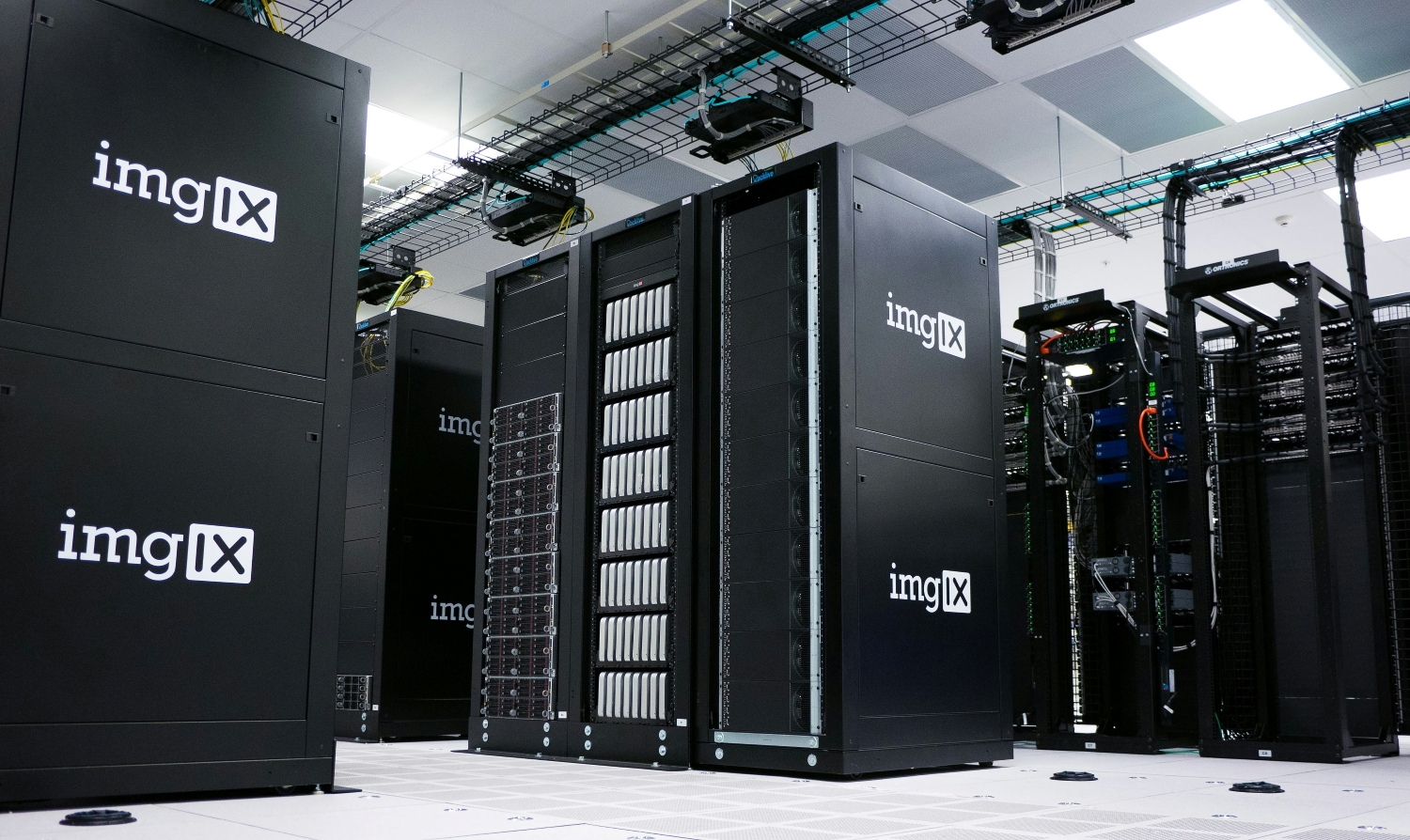
Photo: Unsplash.com
Automation projects often involve sensitive data, and safeguarding this data always has to be a top priority. First, determine the kind of data your system will work with—whether customer information or accounting data. Then, invest in strict security measures by performing regular audits, access controls, and encryptions.
Then, invest in strict security measures by performing regular audits, access controls, and encryptions. Additionally, comply with data privacy regulations like GDPR or HIPAA. This will protect your business from lawsuits and earn the trust of consumers, shareholders, and other investors.
Feedback Loops
Feedback loops are essential in every industry. They act as a mechanism to encourage growth, foster adaptation, and maintain balance. So, before starting any automation project, place a feedback loop to help you identify problems or mistakes. For example, if an automated inventory slows down, optimization can improve its functions.
Furthermore, if your company specializes in product development, having an automated feedback loop will help you understand consumer insight and changing consumer trends. This way, you can integrate them into your future projects. Also, closed feedback loops ensure your automation systems continue to run optimally and will be user-friendly in the future.
Routine Maintenance
Automation projects are not a once-and-done thing. You have to make a plan to maintain the systems and tools you use. Routine maintenance of your automation systems will ensure they operate effectively, resulting in smooth automation projects.
Furthermore, it is essential that you plan ahead for maintenance to avoid extra costs. The more complex your automation process/systems, the more maintenance they will need. For instance, automating projects that require the use of several departments and software will require more support staff than an automation project that involves only invoicing/data entry.
Conclusion

Photo: Unsplash.com
Automation projects can transform organizational processes, but the key to success is understanding and strategic execution. Automation brings efficiency and cost savings to the organization while supporting human creativity and idea generation.
Furthermore, in today’s ever-changing environment, automation is the tool that helps your company remain relevant, adaptable, and innovative. For any automated project, the right approach always pays off in undeniable terms in terms of sustainable positive returns on investment in the future. So, by utilizing the tips in this article, you can achieve a strong framework for your automation project.
Published by Mark V.