

Many people in the United States look forward to the third Monday of February. It often means a three-day weekend, sales at local department stores, and a break from school. While most people call this day Presidents’ Day, its official name and status as a federal holiday are actually a bit more complex than they seem.
The Official Name of the Holiday
At the federal level, the holiday is not officially called Presidents’ Day. According to the United States government, the legal name for the holiday is Washington’s Birthday. It was originally established by Congress in 1879 to honor George Washington, the first president of the United States.
Washington was actually born on February 22. For many decades, the holiday was celebrated on that exact date every year. This changed in the late 1960s when Congress passed the Uniform Monday Holiday Act. The goal of this law was to move several federal holidays to Mondays so that workers could enjoy more three-day weekends throughout the year. Since 1971, the holiday has been observed on the third Monday of February. Because of this timing, the holiday never actually falls on Washington’s actual birthday.
What is a Federal Holiday?
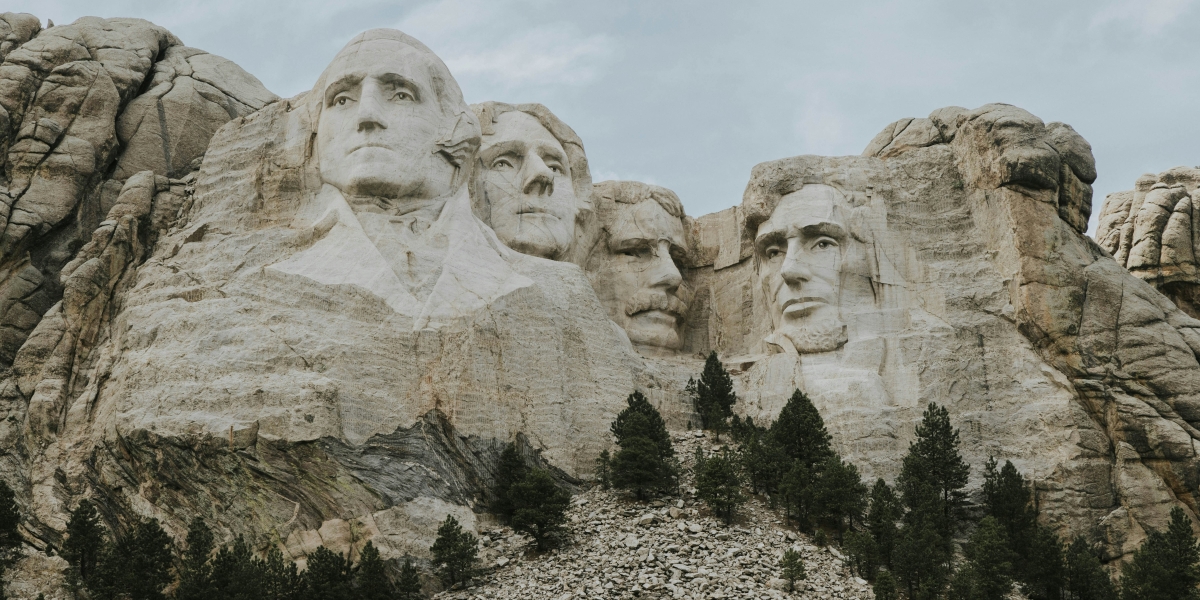
Photo Credit: Unsplash.com
A federal holiday is a day that has been recognized by the United States government as a day of significance. There are currently eleven federal holidays in the U.S., including New Year’s Day, Independence Day, and Thanksgiving.
When a day is designated as a federal holiday, it means that non-essential federal government offices are closed. This includes places like the Supreme Court, the Department of Agriculture, and local Social Security offices. Federal employees are typically given the day off with pay.
However, it is important to understand that the federal government does not have the power to require private businesses or even state governments to close. This is why some people might have to work on Washington’s Birthday while others do not.
State and Local Differences
While the federal government calls the day Washington’s Birthday, individual states are free to call it whatever they like. This is where the name Presidents’ Day became popular. Many states decided to change the name to honor not just George Washington, but also Abraham Lincoln, whose birthday is February 12.
In some states, the holiday is officially known as “Washington and Lincoln Day.” In others, it is simply “Presidents’ Day.” There are even a few states that use the day to honor other historical figures or general themes of leadership. Because the states have this power, the way the holiday is celebrated can look very different depending on where a person lives in the country.
Who Gets the Day Off?
Since Washington’s Birthday is a federal holiday, certain services will always be unavailable. The most notable example is the United States Postal Service. There is no regular mail delivery on this day, and post offices are closed. Most banks also follow the federal holiday schedule and remain closed, though some digital banking services and ATMs still function normally.
Public schools often close for the day, but this is decided by local school boards rather than the federal government. Many school districts use this time as part of a longer “mid-winter break.”
In the private sector, the decision to close is up to each individual company. Many office-based businesses close their doors, but the retail and hospitality industries usually stay open. In fact, for many Americans, the holiday is most famous for “Presidents’ Day Sales.” Car dealerships and furniture stores frequently use the long weekend to offer deep discounts, making it one of the busiest shopping periods of the winter season.
The Significance of the Day
Beyond the day off and the shopping deals, the holiday serves as a moment to reflect on the history of American leadership. While it started as a way to remember one man, it has grown into a broader celebration of the office of the presidency.
George Washington remains the central figure of the holiday because of his role in founding the country and his decision to voluntarily leave power after two terms, setting a standard for all who followed. Abraham Lincoln is also heavily associated with the day because of his leadership during the Civil War and his efforts to end slavery.
By observing this holiday on a Monday, the U.S. government ensures that the public has a dedicated time to look back at the challenges the country has faced and the individuals who led the nation through them.
Summary of Federal Status
In short, yes, the third Monday of February is a federal holiday. While the public almost universally refers to it as Presidents’ Day, the government still recognizes it as Washington’s Birthday. It provides a reliable break for federal workers and serves as a major marker in the American cultural and retail calendar. Whether someone spends the day learning about history or looking for a deal on a new appliance, the holiday remains a fixed point in the American year.