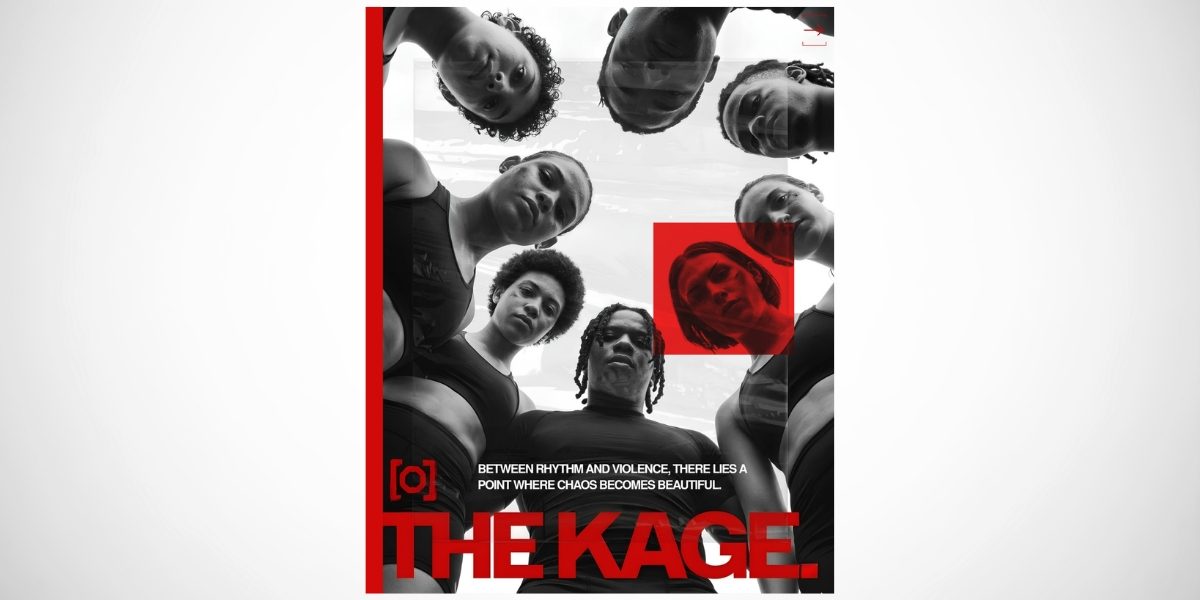

The new 21-and-older event will move from sanctioned amateur fights and live entertainment to a late-night DJ set inside the cage at Capitale in New York City.
Early in the evening, the cage belongs to the fighters. The opening hours revolve around sanctioned amateur MMA, with competitors meeting under Capitale’s 65-foot ceilings while music and live acts carry the room from one bout to the next. Around the action, the organizers envision guests talking over drinks, then turning toward the cage as a bout demands their attention, a rhythm with something of an old crime movie’s atmosphere. Later, the same cage takes on an entirely different role. A DJ steps into its center, the venue adopts a nightclub atmosphere, and a fight night becomes a late-night music event.
That progression is the premise behind The Kage Presents, which will introduce its first event on November 28, 2026, at Capitale in New York City. The 21-and-older night brings together real MMA competition, a music program with a strong house influence, and additional entertainment designed to make the spaces between fights part of the experience. Organizers say the event will also be streamed on Amazon Prime and DAZN.
Rather than treating the bouts and nightlife as separate attractions, The Kage is building one continuous evening around both. The fights lead the early hours, while music and performances maintain the pace between them. After the competitive portion concludes, the center of attention stays in the cage even as the nature of the night changes.
From Fight Card to Dance Floor
Doors are planned for 8 p.m., with the opening portion of the event expected to run until roughly midnight. Organizers are planning about five sanctioned amateur MMA fights, along with influencer and novelty bouts. The precise public card still awaits confirmation, but genuine competition sits at the center of the format.
The structure grew from a familiar problem at live fight events. A fast finish can deliver an exciting few minutes, then leave a long pause while the next bout gets ready. For an audience, that interruption can drain the energy from the room. The Kage’s answer is to program the full night, weaving music and live acts between contests so guests have something to watch even when no one is trading strikes.
The additional performances remain deliberately broad for now. The team does not intend to reveal every act or unexpected moment in advance. Knowing the next bout is coming will not necessarily mean knowing what comes next. Each element should complement the fights, keep the room engaged, and avoid turning the card into a sideshow.
That balance matters because the early hours still need to feel like an MMA event. The Kage plans to give each bout its moment, then use the intervals to carry the audience toward the next one.
When the Cage Becomes the Booth
Around midnight, the emphasis moves from competition to nightlife. Instead of dismantling or hiding the cage, The Kage makes it the focus of the second half. A DJ will perform from the center while the surrounding room takes on the feel of a nightclub. The tension of watching two competitors gives way to the release of a late-night set, with the crowd now moving to the music.
The music will draw from a mix of styles with a strong house influence. Organizers are planning for two international DJs, although those appearances remain unconfirmed. No names have been announced, and the team is not presenting either artist as booked until arrangements are final.
Capitale gives the format a distinctive setting. Its 65-foot ceilings create the vertical scale for a show built around one central structure, whether guests are watching a bout or a DJ. The venue advertises room for up to 1,500 standing guests, but that figure is not the approved attendance or available ticket inventory for The Kage. Those event-specific details still need to be confirmed.
The setting also helps connect the night’s two identities. Guests do not have to leave one space and enter another to move from fights to music. The room changes around the cage, allowing the transition itself to become part of the show.
The Experience Behind the Concept
The Kage came together because its team saw how their experience could serve the same idea. Founder Kazi Sorrentino has spent years producing concerts and nightlife events in New York City and working with touring artists. He also owns Eden New York, giving him direct experience with the demands of a New York nightlife venue.
Founding partner Gabriel Blinder brings the combat sports side. An attorney and the founder of Critical Sports and Entertainment, Blinder develops combat sports properties through Critical Combat and Unity Combat Series. He and Sorrentino had known each other for a decade before deciding to pair Blinder’s background with Sorrentino’s work in concerts and clubs.
Sam Kiki joined The Kage project as an advisory partner after learning about the concept through a mutual friend. With experience in gaming and entertainment, Kiki brings a background in business development and industry partnerships. He provides strategic guidance to the event team, contributing insights into event planning, audience engagement, and entertainment collaborations. Kiki also provides value from his experience in the gaming industry as well as his plethora of connections from being a professional poker player.
Their individual histories explain why the components belong in the same room, but they are supporting evidence, not the attraction. Making each part of the evening strengthen the next requires more than placing a DJ beside a fight card. It means considering timing, transitions, and atmosphere with the same care as the bouts themselves.
Building a Night People Cannot Predict
For its inaugural event, The Kage is keeping enough details private to make curiosity part of the invitation. The broad shape is clear: an early program centered on MMA, music and live entertainment between fights, and a late-night club with the DJ inside the cage. The specific performances, final fight card, and confirmed music lineup will determine the finer details closer to the event.
That measured approach gives the team room to protect its surprises while avoiding promises it cannot yet support. It also keeps the focus where it belongs: on the guest’s experience across several hours, not on a single bout, artist, or sponsor.
The November 28 event will serve as the first full expression of what a Kage night can be. If the format later travels to other cities, as the founders hope, New York will establish its essential rhythm: competition first, nightlife later, and a cage that never stops being the center of the room.
For adults looking for an unusual Thanksgiving weekend event, The Kage offers two distinct phases with no hard boundary between them. The opening bell will begin the story, but it will not define the ending.
Updates are available through The Kage Presents website and Instagram.