

By: Jason Gerber
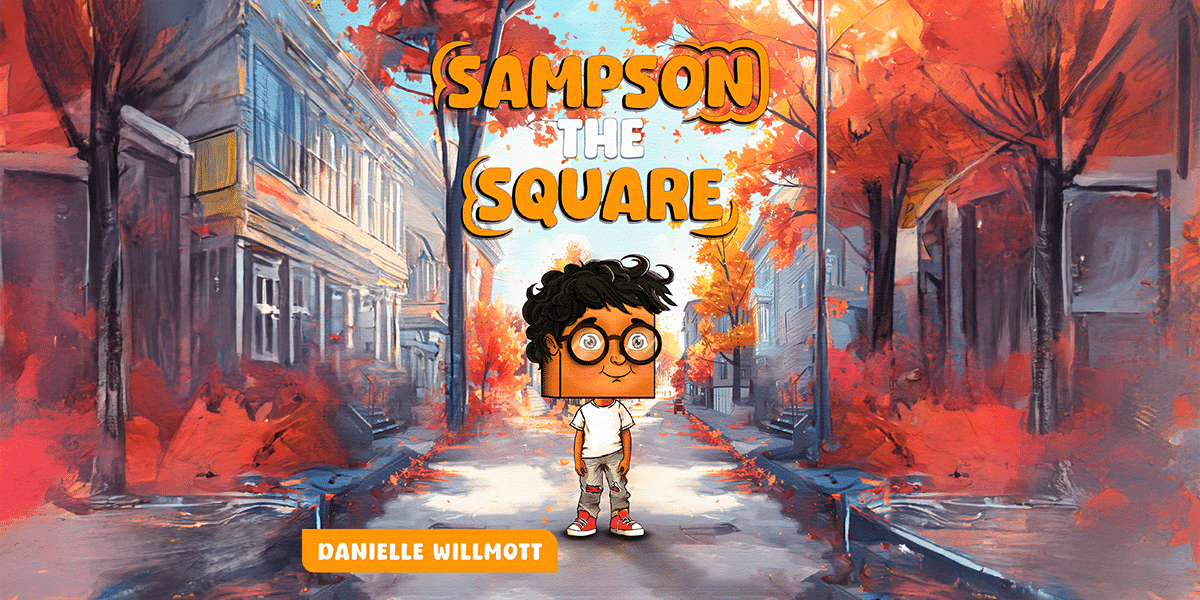
Bullying can be a challenging experience for children, often leading to emotional distress and impacting their confidence. It may also contribute to difficulties in school, making it important for parents and educators to address the issue thoughtfully. In the book “Sampson the Square,” we see a clear example of bullying when a shape called Hexagon yells at Sampson, “Stop being so square!” This hurtful comment made Sampson feel even more out of place in his new town. The good news is that parents, teachers, and students can all take steps to address and prevent bullying.
To effectively address bullying, we must prioritize empathy and kindness. In “Sampson the Square,” Sampson feels lonely and different in his new environment. His challenge is something many children face when they move to a new place or start at a new school. This book showcases how essential it is for parents and teachers to create an inclusive and accepting environment for all students.
Parents play an important role in supporting their children when it comes to handling bullying. A helpful approach is maintaining open communication, where parents regularly talk with their children about their day, friendships, and any concerns they might have. This creates an environment where children feel comfortable sharing their experiences.
Parents should also teach their children how to respond to bullying. They can role-play different scenarios with their children, showing them how to stay calm and confident when faced with a bully. They can practice saying things like, “I don’t like what you’re doing,” or walking away and finding an adult. Encouraging children to seek help from teachers or other trusted adults is also crucial.
Teachers play an important part in addressing bullying. By fostering a classroom atmosphere that emphasizes respect and kindness, they can help create a positive environment. Encouraging these values within the classroom can contribute to a more supportive and inclusive space for all students. In the book, Sampson’s teacher, Ms. G. Ometry, plays an important role. She pairs Sampson with an older student, Pentagon, who becomes a mentor and friend. This type of proactive approach can help children feel more connected and less isolated.
Teachers should establish clear rules about bullying and enforce them consistently. They can also include lessons about empathy, respect, and the effects of bullying in their curriculum. Group activities where children are encouraged to work together can foster friendship and understanding. It’s important for teachers to be observant and to step in when they see bullying occurring. Immediate intervention can stop bullying in its tracks and show students that such behavior is not tolerated.
Students themselves can make a big impact. By being kind and inclusive, they can help create a positive school environment. Encouraging children to stand up for themselves and others is key. If a student sees someone being bullied, they should feel empowered to tell a teacher or another adult. Friends can also support one another by staying together and speaking up if someone is being mean.
In “Sampson the Square,” Sampson finds comfort and joy in activities he enjoys, like writing in his journal and playing games with his mom. Parents and teachers can encourage children to engage in activities that build their self-esteem and provide a sense of belonging. Whether it’s sports, arts, or clubs, these activities can help children feel more confident and less vulnerable to bullying.
Preventing bullying requires a community effort. Schools can hold workshops and events that focus on bullying prevention and the importance of kindness. Inviting guest speakers, like the character Mr. Pyramid in the book, can provide new perspectives and encourage students to think about their actions and the impact they have on others.
It’s also helpful to involve parents in these efforts. Schools can host meetings and provide resources to help parents understand how they can support their children. Creating a strong partnership between parents and teachers can ensure that children receive consistent messages about kindness and respect at both home and school.
Final Words
Dealing with bullying involves multiple steps and the collective efforts of parents, teachers, and students. The book “Sampson the Square” serves as a gentle reminder of the importance of empathy and support. By fostering open communication, teaching children how to respond to bullying, creating a positive school environment, and encouraging students to be kind and inclusive, we can help children like Sampson feel secure and valued.
Together, we can build a community where every child has the opportunity to thrive without the fear of bullying. If you want to explore these themes further and share them with the children in your life, consider reading “Sampson the Square” for an insightful and heartwarming perspective.
Published by: Khy Talara