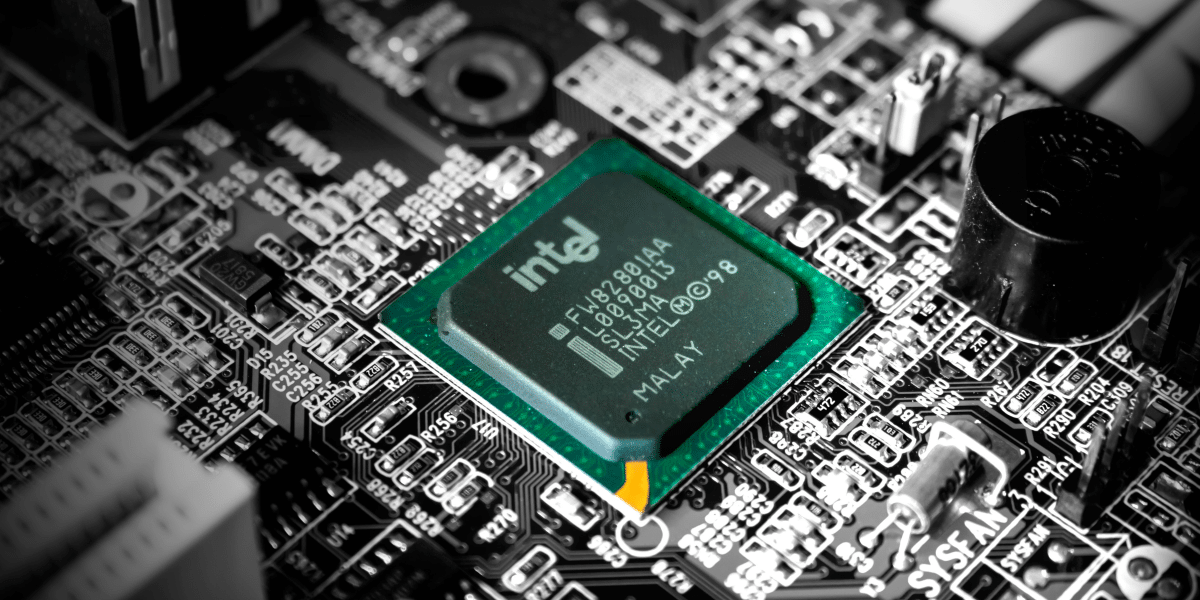
Smart Gadgets: Innovations and Recommendations

By: SEO Mavens

Explore the latest innovations in smart gadgets with our comprehensive guide. From cutting-edge technology to practical recommendations, this guide highlights essential devices that enhance everyday life’s convenience, connectivity, and functionality.

Discover how these smart gadgets can transform your tech experience and streamline your daily routines. Nerd Plus Art offers detailed reviews on smart gadgets where you can find expert analysis and recommendations.

Cutting-Edge Innovations in Smart Gadgets

Recent advancements in smart gadgets include AI-powered devices, enhanced connectivity with 5G, and improved user interfaces. Innovations such as smart home hubs with voice assistants, augmented reality (AR) glasses, and autonomous drones showcase the integration of advanced technologies to enhance functionality and user experience. These gadgets not only offer increased convenience and efficiency but also push the boundaries of what technology can achieve in everyday life.

Leading Smart Gadgets for Home Automation

Home automation has transformed living spaces with gadgets like smart thermostats, lighting systems, and security cameras. Leading devices include the Google Nest Hub for central control, Philips Hue smart bulbs for customizable lighting, and Ring video doorbells for enhanced security. These gadgets allow homeowners to control and monitor their environment remotely, improving convenience and energy efficiency.

Essential Wearable Tech for a Connected Lifestyle

Wearable technology plays a crucial role in maintaining connectivity and monitoring health. Key devices include smartwatches, such as the Apple Watch, which offer notifications and fitness tracking, and fitness bands like Fitbit that track activity levels and sleep patterns. These wearables work smoothly with smartphones and other devices, offering instant data access and improving daily convenience.

Smart Gadgets for Health and Fitness

Smart health and fitness gadgets encompass devices like smart scales, connected exercise equipment, and health monitors. Products such as the Fitbit Charge track fitness metrics, while smart scales provide body composition data, and devices like connected Peloton bikes enhance exercise routines. These innovations assist users in setting fitness goals, monitoring health trends, and tailoring their workouts.

Eco-Friendly and Energy-Efficient Smart Gadgets

Eco-friendly and energy-efficient smart gadgets, like smart thermostats and LED lighting, reduce environmental impact while enhancing convenience. Solar-powered chargers and energy-saving appliances support green living and lower utility bills. These devices help minimize your carbon footprint and align with both personal and global sustainability goals.

Recommendations for the Finest Smart Gadgets of 2024

In 2024, consider devices such as the Samsung Galaxy Watch for health tracking, the Amazon Echo Show for smart home integration, and the latest Roomba for automated cleaning. These devices are recommended for their high-quality performance, innovative features, and ability to integrate seamlessly into modern lifestyles, catering to a variety of needs and preferences.

Smart gadgets continue to evolve with groundbreaking innovations that enhance convenience, connectivity, and health. By exploring the latest advancements and  recommendations, you can select devices that fit your lifestyle and needs, ensuring you stay at the forefront of technology and enjoy improved functionality and efficiency. However, it’s also important to be aware of potential issues with devices like Alexa, such as privacy concerns and connectivity problems, to make informed choices and ensure a smooth tech experience.


Published by: Khy Talara

The Importance of User-Centered Web Design

In today’s online world, making websites that focus on what users need and want is super important. This means creating easy-to-use, accessible sites that make people’s online experience better. For businesses looking to do well online, using these user-friendly design ideas is key to attracting more customers and doing great digitally with Texas Web Design.

Understanding User-Centered Design

User-Centered Design (UCD) focuses on creating websites and apps that users enjoy by continuously updating them according to user feedback. This makes users happy, keeps them coming back, and helps sell more. UCD works by figuring out what users want, creating designs for it, and then tweaking those designs with user feedback to make sure everything works great for the user.

Key Elements in User-Centered Web Design

User-centered web design focuses on making websites easy to use by paying attention to what users want and need. This involves constantly testing the site, listening to feedback, and tweaking the design to improve it.

Intuitive Navigation

Intuitive navigation makes websites user-friendly by allowing people to easily find what they need, preventing frustration. It focuses on logical design that improves user satisfaction. Paying attention to user feedback is crucial for upgrading navigation to exceed their expectations.

Responsive Design

In today’s digital world, responsive design is essential in User-Centered Design (UCD). It makes sure websites and apps work well on all devices, improving the user experience by providing consistent interaction no matter what device is used. UCD plays a key role in solving the problems of designing for different platforms, ensuring easy access and use.

Visual Hierarchy

A clear visual hierarchy guides users through content effortlessly. UCD informs the strategic use of size, color, and layout to create focal points. These elements direct users’ attention efficiently. Aligning visual hierarchy with user expectations boosts usability and satisfaction.

Accessibility Features

UCD integrates accessibility features to make digital products usable for everyone, including those with disabilities. Considering diverse needs, such as contrast sensitivity and keyboard navigation, is vital. Enhancing accessibility not only improves user experience but also broadens market reach.

Methods to Understand User Needs

Surveys and user interviews help us know what users want and like, which is super important for web design. Meanwhile, analytics and heat maps give us real data on how users act on websites, helping to make websites easier to use and more intuitive.

Conducting User Research

User research is key to knowing what the audience wants. By using surveys, interviews, and tests, designers learn about user behavior and expectations. This info helps make designs that match what users need, making sure the final product hits the mark with its audience.

Usability Testing

Usability testing is crucial to ensure a website or app is user-friendly. It helps find problems and areas to make better by watching real users use the product. This way, designers can spot issues they might not have seen before. The process is ongoing, allowing teams to keep improving their products to better meet user needs.

Continuous Feedback Loop

Creating a constant feedback loop with customers is crucial to keep the design updated and focused on the user. This continuous conversation helps gather valuable insights and ideas from the people who use the product. It’s key for ongoing improvement and innovation in product design, making sure the product meets customer needs and business goals, which strengthens the bond between users and the product.

Implementing User-Centered Design

User-centered website design means getting what the target audience wants and how they act, to make a site that’s easy to use and works well for them. It puts the user first in every step of designing, making sure the website looks good, works great, and is easy for its intended users to access.

Iterative Design Process

The user-centered design process focuses on enhancing a product by constantly testing and adjusting it according to what users say. This method focuses on making changes that better align with what users want, ensuring the product offers an ideal experience. It’s flexible, meaning it can quickly adjust as user needs change or new information comes in, keeping the product relevant and up to date.

Prototyping and Conceptualizing

Prototyping is crucial in design focused on the user, as it allows teams to preview and test ideas before fully committing to them. Starting prototyping early can spot and fix issues, saving time and money. Getting user feedback on these prototypes is crucial as it helps make necessary changes. This teamwork makes sure the final product is well-received, leading to a positive experience for users.

Launch and Measure Success

To know if a launch did well, it’s important to look at its performance and what users think. This helps see if it meets their needs and where it can get better. Focusing on what users want from the start makes sure the product works well for them.

Make Your Website Use-Friendly Now!

User-centered web design focuses on making websites easy to use by understanding what users need. It’s about constantly updating the design based on learning, designing, testing, and feedback. This method results in happier users, increased engagement, and improved accessibility, which makes websites more successful. Web designers and developers should use this approach to create better websites.


Published by: Khy Talara

The Role of Technology in Mine Operations Health & Safety

By: Joshua Finley

Mining operations face significant risks to mine health and safety due to hazardous conditions and heavy machinery. Integrating advanced technologies is crucial for mitigating these risks, protecting workers, and ensuring compliance with health and safety standards. The Mine Safety and Health Administration (MSHA) sets vital guidelines for the industry, but the implementation of innovative tools can further enhance these efforts. Advanced technologies enable mining companies to reduce accidents, safeguard workers, and fulfill regulatory obligations more effectively.

The Current State of Mine Safety and Challenges

Mining remains one of the hazardous industries, presenting unique challenges:

  • Air Quality Monitoring: Mines are prone to dangerous levels of dust, methane, and other airborne contaminants. Traditional methods often fail to provide timely alerts, increasing the risk of respiratory issues and explosions.
  • Heavy Machinery and Equipment Fatigue: Continuous operation of heavy machinery increases the risk of mechanical failure, leading to accidents. Manual inspections are time-consuming and may miss critical signs of wear.
  • Worker Health in Extreme Conditions: Miners frequently work in confined spaces, deep underground, and in extreme temperatures, raising the risk of health issues like heat stress and fatigue. Conventional safety measures struggle to address these challenges effectively.


Traditional safety protocols often lead to gaps in compliance and higher accident rates. The need for advanced, proactive safety measures is clear.

Technology’s Impact on Mine Safety Compliance

Real-Time Environmental Monitoring

Advanced sensor technology offers continuous monitoring of air quality, temperature, and gas levels in mines. These sensors provide immediate alerts when conditions become unsafe, allowing for quick corrective action. For instance, sensors detecting methane or other dangerous gasses can trigger automated ventilation systems to prevent explosions. This real-time monitoring meets regulatory requirements and significantly reduces accident risks.

Automation and Robotics

Automation plays a critical role in reducing human exposure to hazardous tasks. Autonomous drilling machines can operate in unstable environments, minimizing the need for human intervention. Robots equipped with cameras and sensors are used for remote inspections of tunnels and equipment, identifying issues without putting workers at risk. These innovations not only improve safety but also enhance operational efficiency, ensuring compliance with safety standards while maintaining productivity.

Wearable Technology for Health Monitoring

Wearable devices are increasingly used in mining to monitor workers’ health and safety in real-time. Smart helmets and vests equipped with biometric sensors track vital signs, such as heart rate and body temperature, alerting workers and supervisors to signs of fatigue or heat stress. These wearables also monitor exposure to hazardous materials, providing data that can prevent long-term health issues. By addressing health risks before they escalate, wearables ensure continuous compliance with safety regulations.

Real-World Applications of Technology in Mining

Several mining companies have successfully implemented these technologies:

  • Rio Tinto’s Automated Mining Operations: Rio Tinto uses autonomous trucks and drills in its Australian mines, reducing human exposure to dangerous conditions and increasing efficiency. These technologies have significantly reduced accident rates and set a new standard for mine safety.
  • Anglo American’s Smart Helmet Initiative: Anglo American has introduced smart helmets that monitor worker fatigue and exposure to harmful gasses. These helmets have played a crucial role in preventing accidents related to exhaustion and toxic gas exposure.
  • Barrick Gold’s Use of Drones: Barrick Gold employs drones for equipment inspections and environmental monitoring, reducing the need for workers to enter hazardous areas. This minimizes injury risks and ensures compliance with safety standards.


These examples demonstrate how technology can revolutionize mine safety, providing enhanced protection for workers and improved regulatory compliance.

The Future of Mine Safety Compliance: Emerging Technologies

Emerging technologies will further transform mine safety by introducing predictive and preventive measures:

AI-Driven Predictive Maintenance

AI-driven predictive maintenance is a game-changer for mine safety. By analyzing data from sensors on machinery, AI identifies patterns that signal potential issues before they escalate. For example, it can detect abnormal vibrations, overheating, or wear in critical components, allowing for timely maintenance. This proactive approach not only prevents sudden equipment failures but also extends the lifespan of machinery, reduces downtime, and lowers maintenance costs. In mines, where equipment failure can lead to catastrophic accidents, this technology significantly enhances safety and operational efficiency.

Advanced Robotics for Hazardous Tasks

Future robotics will automate increasingly complex and dangerous tasks, further reducing the need for human involvement. Key advancements include:

  • Autonomous Navigation: Robots will safely traverse unstable tunnels and confined spaces.
  • Detailed Inspections: Advanced sensors and AI enable precise inspections without human presence.
  • Hazardous Material Handling: Robots will manage toxic or explosive materials, minimizing risks.
  • Critical Task Automation: Tasks like drilling and explosive placement will be handled with greater accuracy, reducing human error.


These innovations will significantly enhance safety and operational efficiency in mining operations.

Integrated Safety Management Platforms

Cloud-based platforms that integrate data from wearables, environmental sensors, and machinery will enable comprehensive safety management. These platforms provide real-time insights and more effective decision-making, ensuring safety measures remain up to date.

As these technologies evolve, OSHA and other regulatory bodies may update their standards to include guidelines for their use. The shift from reactive to proactive safety management will redefine how mining companies approach compliance.

Key Considerations for Implementing Technology in Mining Safety

Successfully integrating these technologies requires an in-depth and carefully thought-out approach:

Assess Current Safety Programs

To effectively integrate technology into mine safety, companies should follow these steps:

1. Conduct a Comprehensive Safety Audit: Review all existing safety protocols, equipment, and procedures to identify strengths and weaknesses.

2. Identify High-Risk Areas: Pinpoint operations or locations where accidents frequently occur or where existing measures are insufficient.

3. Evaluate Existing Technology: Assess current technology used in safety management to determine where upgrades or new tools are needed.

4. Gather Input from Workers: Collect feedback from employees on safety concerns and the effectiveness of current measures. Their insights can reveal overlooked issues.

5. Analyze Incident Data: Review past accident reports and near-miss incidents to identify patterns and areas where technology could prevent future occurrences.

6. Research Technological Solutions: Investigate the latest advancements in safety technology that address the specific risks identified in the audit.

7. Prioritize High-Impact Investments: Focus on implementing technologies that offer the significant safety improvements and align with the company’s operational goals.

8. Develop a Technology Integration Plan: Create a detailed roadmap for implementing new technologies, including timelines, budgets, and training requirements.

Start with Pilot Programs

Pilot programs allow companies to test new technologies in controlled environments before full-scale implementation. This approach refines the process and ensures the technology meets safety and operational needs.

Invest in Training and Adoption

Comprehensive training programs are essential to maximize the benefits of new technologies and minimize resistance from workers.

Conduct a Cost-Benefit Analysis

While the initial investment in technology may be high, the long-term benefits often outweigh the costs. A detailed cost-benefit analysis can justify the expenditure by highlighting reductions in accidents, downtime, and regulatory fines.

Integrating technology into mining operations results in safer working conditions and enhanced compliance with health and safety standards.

The Path Forward for Technology-Driven Mine Safety

Relying solely on traditional safety methods often leaves gaps in protecting workers from the inherent dangers of mining. Technology provides a superior alternative by delivering actionable insights that manual processes cannot match. AI-driven maintenance can predict failures before they happen and prevent costly and dangerous breakdowns. Automation can remove workers from high-risk tasks and directly reduce injury rates. Wearables can monitor health in real-time and identify hazards like toxic gas exposure. If the mining industry can overcome its historically cautious approach to adopting new technology it can not only enhance operational efficiencies but also protect workers’ lives and health in ways that traditional methods never could.

Published by: Martin De Juan

Enhancing SEO Strategies: Effective Content Development

Content development is crucial in creating valuable, engaging, relevant materials for a target audience. It includes strategizing, constructing, and overseeing content that satisfies users’ requirements and matches business objectives. The procedure involves researching subjects, composing, revising, and enhancing content for platforms like websites, blogs, social media, or other digital outlets. A successful strategy ensures the content is informative and tailored for search engines, enhancing its visibility and impact. This approach, often called SEO content development, ensures that content reaches the right audience and drives meaningful engagement.

The Role of Quality Content in SEO

Creating high-quality, valuable content is essential for an effective SEO strategy. Search engines strongly emphasize content that offers genuine value and relevance to users. Your writing must be enlightening, concise, and customized to your target audience’s requirements and tastes. Continuously creating high-quality content may improve your search engine rankings and gain the audience’s confidence. This, in turn, leads to long-term relationships and encourages repeat visits to your website.

Increased Organic Traffic

Optimized content for search engines can drive organic traffic to your site. This involves using targeted keywords that your potential audience will likely search for. According to recent studies, websites with a strong content development strategy experience a notable boost in organic traffic. You can boost website visits and customer conversion by consistently incorporating relevant keywords into your content. Additionally, incorporating long-tail keywords can help you tap into niche markets and draw more specific, high-intent traffic to your site.

Building Authority and Trust

Consistently publishing high-quality content can establish your brand as an authority in your industry. Trustworthy information drives more backlinks to your site, boosting your search engine rankings. Enhancing your domain authority through high-quality content helps your site stay relevant and credible. Search engines recognize the value of your material when they see links from other reliable websites, which raises your website’s authority and ranking potential.

Enhanced User Experience

Content development is not just about search engines; it’s also about the users. Relevant and engaging content improves user experience and increases the likelihood of people sticking around on your website. A longer dwell time can positively influence your site’s SEO. By providing users with valuable content that addresses their needs and interests, you create a more satisfying and engaging user experience. As a result, consumers will stay on your website longer and are more likely to share it with others, which will broaden your audience and bring in new users.

Effective On-Page SEO

Successful content development integrates various on-page SEO elements that help improve your site’s search engine rankings. Here are some key components:

  • Meta descriptions: These brief snippets appear in search results and can influence click-through rates.
  • Title tags: Clear, concise titles with relevant keywords can improve visibility.
  • Image alt text: Descriptive text for photos that aids in search engines comprehending the images’ substance.
  • Internal linking: Links within your content that lead to other relevant pages on your site help distribute page authority and keep users engaged.

Integrating these elements into your content development plan can significantly improve your on-page SEO, making it easier for search engines to understand and rank your content. By incorporating these elements, any content can be modified to enhance its search engine optimization and boost the probability of achieving a high ranking in search results.

Adaptability to Trends

Trends in SEO and user preferences are constantly evolving. A well-planned content development strategy allows you to be flexible and swiftly respond to these developments. You can ensure your strategy stays successful by keeping an eye on trends and incorporating them into your material. Adapting your content to incorporate the latest search engine algorithms and user behavior changes ensures long-term success. Staying informed about industry developments and refining your content strategy helps you remain competitive and relevant in the ever-changing digital landscape.

Conclusion: The Future of Your SEO Strategy

Investing in content development is no longer optional—it’s a necessity. Quality content fuels your SEO efforts, drives organic traffic, and builds brand authority. By focusing on effective content strategies today, you’re setting up a robust foundation for long-term success in the digital landscape. Embrace content development to enhance your SEO strategy and steer your business toward digital success. You can achieve sustainable growth and a robust online presence by prioritizing content that adds value for your audience and aligning it with SEO best practices.

Published by: Holy Minoza

From Bootstrap to Breakthrough: The Story of Building a Cybersecurity Company with Grit and Vision

By: Jay Feldman

In the ever-evolving landscape of digital threats, one company stands out not just for its innovative cybersecurity solutions but for its remarkable journey from a modest startup to a beacon of resilience and ingenuity. KLEAP Technologies, under the visionary leadership of Shivani Sharma, has redefined what it means to build a cybersecurity company from the ground up, with a story that is as much about personal perseverance as it is about professional triumph.

A Visionary’s Leap of Faith

Three years ago, armed with nothing but a vision to make cybersecurity accessible for small and medium-sized businesses, Shivani Sharma embarked on an entrepreneurial journey that many would balk at. Starting with a second-hand laptop on her kitchen table, Shivani’s early days were marked by the kind of challenges that test one’s resolve and belief in their mission. Yet, it was this unwavering dedication to her vision that laid the foundation for KLEAP Technologies.

Early Success and Strategic Sacrifices

The turning point for KLEAP came when it secured its first contract with a local business plagued by cyber-attacks and unable to afford the exorbitant fees of established security firms. KLEAP’s solution not only safeguarded the client’s digital assets but also offered a cost-effective alternative that underscored the company’s mission. This early success validated Shivani’s belief in her venture and fueled the company’s growth trajectory.

Bootstrapping a company, especially in a field as complex and resource-intensive as cybersecurity, is no small feat. Shivani’s journey was punctuated with strategic sacrifices, from forgoing a salary till date to ensure the company’s survival to working tirelessly to meet client expectations. These sacrifices, however, were not in vain. They fostered a culture of resilience and resourcefulness that has become KLEAP’s hallmark.

Innovation on a Budget: Flagship Product ‘Tulsi’

One of KLEAP’s most significant achievements is the development of Tulsi, a flagship cybersecurity product that epitomizes the company’s commitment to affordability and innovation. Created with limited resources, Tulsi allows businesses to manage their cybersecurity needs without breaking the bank, demonstrating that ingenuity can triumph over financial constraints.

Building a Team with a Shared Vision

Shivani knew that to bring her vision to life, she needed a team that shared her passion for democratizing cybersecurity. Despite the inability to offer competitive salaries initially, she attracted a group of friends and former colleagues who believed in the mission. Together, they have not only built a thriving company but have also made a tangible difference in the lives of small business owners, providing them with the peace of mind to focus on their growth.

A Journey of Resilience and Impact

KLEAP Technologies’ journey from a kitchen table to a larger office space is a testament to the power of resilience, vision, and the impact of making cybersecurity accessible to those who need it most. For Shivani and her team, every small milestone is a celebration of progress, a reminder of where they started, and a beacon of hope for the future.

As KLEAP continues to grow and evolve, its story serves as an inspiration to entrepreneurs everywhere. It is a vivid illustration of how determination, coupled with a commitment to making a difference, can transform a bootstrap venture into a breakthrough success. In the dynamic world of cybersecurity, KLEAP Technologies, under Shivani Sharma’s leadership, is not just a company; it is a movement, championing the cause of secure digital futures for all.


Published by: Khy Talara

The Durability and Longevity of Tar and Chip Driveways

When it comes to choosing a driveway material that combines aesthetic appeal with practical functionality, tar and chip driveways often emerge as an excellent choice. This surface, known for its rustic charm and textured finish, not only enhances a property’s curb appeal but also offers significant durability and longevity. Understanding these qualities can help homeowners make informed decisions when considering driveway materials.

What is a Tar and Chip Driveway?

A tar and chip driveway, also known as a chip seal driveway, is constructed by applying a hot liquid asphalt (tar) to a gravel base. This is followed by the spreading of small, uniformly sized stones (chips) over the surface. 

The stones are then pressed into the asphalt with a roller, creating a durable and textured finish. The result is a more affordable surface than asphalt or concrete while offering many benefits from these more expensive materials.

Durability of Tar and Chip Driveways

One of the key advantages of a tar and chip driveway is its durability. The combination of asphalt and stone creates a surface that can withstand the demands of regular use, including the weight of vehicles and exposure to various weather conditions. The stones embedded in the tar provide a rough texture that enhances traction, making it a safer option in wet or icy conditions.

Additionally, the tar provides a flexible surface that can expand and contract with temperature changes, reducing the likelihood of cracks and other damage. This flexibility makes tar and chip driveways particularly well-suited for climates with significant temperature fluctuations.

Longevity and Maintenance

Tar and chip driveways are known for longevity, often lasting up to 10-15 years with minimal maintenance. Unlike asphalt driveways, which may require regular sealing to maintain their appearance and prevent damage, tar and chip driveways typically require less frequent maintenance. The stones used on the surface naturally wear down over time, creating a smoother finish that can be easily refreshed by applying another layer of tar and chips.

Regular maintenance for a tar and chip driveway primarily involves occasional patching of any areas that may develop small holes or depressions. This is a relatively simple and cost-effective process compared to the more intensive repairs that might be needed for other types of driveways.

Aesthetic Appeal and Customization

Beyond durability and longevity, tar and chip driveways offer aesthetic flexibility. Homeowners can choose from a variety of stone colors and sizes to create a driveway that complements their property’s overall design. This customization allows for a unique, one-of-a-kind look that can enhance the visual appeal of any home.

Conclusion

In summary, tar and chip driveways are an excellent option for homeowners seeking a durable, low-maintenance, and visually appealing driveway surface. With a lifespan of 10-15 years and minimal upkeep required, they represent a cost-effective solution that doesn’t compromise on quality. Whether you’re looking to enhance the appearance of your home or simply need a reliable surface for daily use, a tar and chip driveway is a choice worth considering.


Published by: Khy Talara

B2B’s First AI Summit: Shaping the Future of Sales and Marketing

By: Valuetech

AI is becoming an indispensable tool for driving sales and marketing outcomes. Because of this, there is now an urgent need for businesses to address the growing demand for AI solutions that can deliver real, measurable results.

The future of sales and marketing is increasingly shaped by AI technologies that enhance personalization, optimize strategies, and provide deep insights into consumer behavior. To remain competitive, companies must strategically integrate AI into their sales and marketing operations, ensuring these technologies align with their goals and adapt to rapidly changing market dynamics.

The Need to Adapt in an AI-Driven World

One of the central challenges in meeting this demand is bridging the gap between AI’s potential and its practical application in sales and marketing. While AI can revolutionize how businesses engage with customers, many organizations struggle to implement these technologies in ways that drive meaningful outcomes. The future will demand AI solutions that are not only innovative but also tailored to the specific needs of sales and marketing teams.

As AI adoption accelerates, the future of sales and marketing will also hinge on developing the skills and expertise needed to manage these advanced technologies. The demand for AI talent, particularly in roles that blend technical acumen with strategic insight, is growing rapidly. Businesses that fail to build or acquire these capabilities risk being left behind.

Finally, as AI continues to evolve, the future of sales and marketing will be defined by a culture of innovation and agility. Companies must be prepared to experiment with new AI-driven strategies, rapidly iterate on what works, and pivot as new technologies and market conditions emerge. Companies are now able to stay ahead of the curve and maintain a competitive edge in the increasingly AI-driven world when they cultivate an environment where AI-driven innovation is central to their sales and marketing approach.

B2B’s First AI Summit

In response to this growing demand, Hard Skill Exchange (HSE) is hosting B2B’s first-ever AI Summit from September 3-5, 2024, aimed at exploring the transformative role of AI in shaping the future of sales and marketing. This three-day online event will bring together top executive thinkers from the tech industry to discuss innovative strategies and share insights on how AI can enhance every stage of the sales funnel.

The AI Summit is set to be a cornerstone event for professionals looking to stay ahead of the curve in an increasingly AI-driven market. With a focus on practical applications, the summit will delve into how AI can be leveraged to improve demand generation, prospecting, proposal processes, negotiation techniques, closing deals, and retention strategies — essentially, every stage of the sales funnel. Each day of the summit will feature executive roundtables led by industry experts who have been at the forefront of AI innovation in their respective fields.

HSE’s commitment to fostering meaningful dialogue between industry leaders is evident in the summit’s impressive lineup of speakers. Notable participants include Scott Brinker, VP of Platform Ecosystem at HubSpot, who will discuss AI’s role in demand generation, and Kerry Cunningham, a thought leader in B2B demand management, who will explore AI’s potential in prospecting. These sessions promise to provide attendees with actionable insights and practical advice on integrating AI into their sales and marketing strategies.

The event also highlights HSE’s broader mission to bridge the skills gap created by the rapid adoption of AI technologies. HSE aims to equip businesses with the knowledge and tools needed to navigate the complexities of AI integration through these discussions. The summit will serve as a platform for sharing best practices, case studies, and emerging trends that can help organizations stay competitive in an evolving market landscape.

In addition to the executive roundtables, the summit will also feature a series of interactive discussions and networking opportunities designed to foster collaboration among attendees. 

The event’s sponsors, including companies like Attention, people.ai, and Common Room, further emphasize the relevance and importance of AI in today’s business environment. These sponsors will play a key role in showcasing the latest AI-driven tools and technologies that can drive sales and marketing success.

As HSE continues to position itself as a leader in corporate upskilling and professional development, the AI Summit is a testament to its commitment to shaping the future of work. Through the convergence of the top tech experts and with HSE at the helm in facilitating critical conversations on AI’s impact, it is paving the way for businesses to harness AI’s full potential and transform their sales and marketing strategies for the better.


Published by: Khy Talara

Managing Digital Identity: Privacy and Regulatory Insights

By: Adeshina Ajayi

As digital identity continues to shape our online interactions, Adeshina Ajayi, a recognized expert in the tech industry, emphasizes the growing importance of balancing innovation with privacy concerns. The concept of digital identity—comprising data points like personal information, transaction histories, and behavioral patterns—has revolutionized how we engage with services and products online. However, as Ajayi notes, this evolution brings significant challenges, particularly regarding privacy and the responsible management of user data.

The Emergence of Digital Identity

Digital identity has become a central component of our online lives, allowing for seamless transactions and personalized experiences. Ajayi highlights how the convenience of digital identities is driving widespread adoption across various sectors. Yet, with this increased reliance on digital identities comes the heightened risk of data misuse and breaches, making it imperative for businesses to adopt robust data management strategies.

Privacy Concerns in the Digital Landscape

Privacy concerns are at the forefront of the discussion of digital identity. The vast amount of personal data collected online makes it more susceptible to breaches and unauthorized access. High-profile data breaches have underscored the vulnerabilities in current data management practices, leading to severe consequences for individuals and organizations alike. Ajayi stresses the need for businesses to be proactive in addressing these concerns by implementing stronger security measures and ensuring transparency in how data is collected and used.

The Impact of Regulatory Frameworks

With governments worldwide introducing stringent data protection laws, compliance is important for businesses. Regulations like the GDPR and CCPA are designed to give individuals greater control over their personal data and hold organizations accountable for its protection. Ajayi advises that businesses not only comply with these regulations but also view them as an opportunity to build trust with their users by prioritizing data privacy.

Best Practices for Responsible Data Management

Ajayi believes responsible data management is crucial for navigating the evolving digital identity landscape. He suggests several best practices for businesses to consider:

Data Minimization: Collecting only the data necessary for a specific purpose, thereby reducing the potential impact of any data breaches.

Transparency and Consent: Clear communication about data usage and obtaining explicit user consent are essential steps in building trust and ensuring compliance with privacy laws.

Data Security: There is the need for robust security measures, such as encryption and regular audits, to protect personal data from unauthorized access.

Anonymization of Data: To further protect privacy, it is crucial to anonymize personal data where possible, which also allows businesses to continue deriving value from the data without compromising individual identities.

User Control: It is important to give users control over their data, allowing them to access, update, or delete their information as needed.

Employee Training: Educating employees on data privacy best practices is vital to ensure that all levels of the organization understand the importance of safeguarding user information.

Third-Party Vendor Management: Businesses must ensure their third-party vendors adhere to high standards of data privacy and security, as this is critical in maintaining overall data integrity.

Looking Ahead: The Future of Digital Identity

As digital identity continues to evolve, Ajayi notes that businesses must remain vigilant and adaptable. Emerging technologies will bring new opportunities but also new challenges, making it crucial for organizations to stay ahead of the curve in terms of data privacy and security.

Ajayi concludes that the key to successfully navigating the digital identity landscape lies in adopting a user-centric approach to data management. By prioritizing privacy, transparency, and security, businesses can not only meet regulatory requirements but also foster lasting trust with their users. 

You can reach out to Adeshina Ajayi by email at ajayiadeshina5@gmail.com or connect with him on LinkedIn through the following link: https://www.linkedin.com/in/adeshina-ajayi-57388916b/


Published by: Khy Talara

How New Material Handling Innovations Drive Industry Growth

The material handling industry has always been a crucial component of the global supply chain. With the rapid advancement of technology and growing demands for efficiency, new innovations are transforming how businesses manage materials, from storage and movement to transportation and distribution. 

This new material handling equipment is not only driving industry growth but also reshaping the future of logistics, warehousing, and manufacturing. Here’s a closer look at how these new technologies are making a significant impact.

Automation and Robotics

Automation is at the forefront of material handling innovations. Automated Guided Vehicles (AGVs) and Autonomous Mobile Robots (AMRs) have revolutionized how materials are transported within warehouses and manufacturing facilities. 

These robots are equipped with advanced sensors, cameras, and AI-driven software that allows them to navigate spaces, avoid obstacles, and perform tasks with minimal human intervention. Adopting these automated systems reduces labor costs, enhances safety, and increases operational efficiency, leading to significant industry growth.

Internet of Things (IoT) and Smart Warehousing

Integrating IoT into material handling systems has given rise to the concept of smart warehousing. IoT-enabled sensors and devices provide real-time data on inventory levels, equipment status, and environmental conditions. 

This data-driven approach allows for predictive maintenance, reducing downtime and extending the life of material handling equipment. Furthermore, smart warehousing systems enable better inventory management, reducing waste and optimizing storage space, directly contributing to cost savings and efficiency.

Advanced Conveyor Systems

Conveyor systems have evolved significantly, with innovations such as modular designs, energy-efficient motors, and smart controls. These advanced systems allow for more flexible and scalable operations, making it easier for businesses to adapt to changing demands. 

Integrating smart controls and sensors into conveyor systems enables real-time monitoring and automatic adjustments, ensuring smooth and efficient material flow. These advancements have made conveyor systems more reliable and versatile, driving growth in industries that rely heavily on material handling.

Ergonomic Equipment and Safety Innovations

As businesses prioritize employee safety and well-being, there has been a growing focus on ergonomic equipment and safety innovations in material handling. Equipment such as lift-assist devices, ergonomic hand trucks, and height-adjustable workstations help reduce the risk of injuries and improve worker productivity. 

Additionally, innovations in safety technology, such as wearable devices that monitor worker movements and provide real-time feedback, enhance workplace safety and drive industry growth by reducing accidents and associated costs.

Sustainable Practices and Eco-Friendly Materials

Sustainability is a growing concern across all industries, and material handling is no exception. Innovations in eco-friendly materials and energy-efficient equipment are helping businesses reduce their carbon footprint and comply with environmental regulations. 

From recyclable packaging materials to energy-saving conveyor systems, these sustainable practices benefit the environment, contribute to cost savings, and improve brand reputation. As more businesses adopt these sustainable solutions, the material handling industry is expected to experience continued growth.

Conclusion

The material handling industry is undergoing a significant transformation driven by automation, IoT, ergonomic design, and sustainability innovations. These advancements are enhancing efficiency and safety and paving the way for new growth opportunities. As businesses continue to embrace these innovations, the material handling industry will likely see continued expansion, playing a pivotal role in the future of global supply chains and logistics.

Published by: Nelly Chavez

AI Is Transforming the World of Tattoos with Personalized Designs for Everyone

In the vibrant world of tattoo art, technological innovation is radically transforming how artists and clients approach design and personalization. At the heart of this revolution is tattoosgenerator.ai, which is pushing the boundaries of what’s possible by offering a new dimension of creativity and precision in the tattoo creation process via artificial intelligence. This article explores how tattoosgenerator.ai is changing the tattoo landscape, enabling users to create unique designs that reflect their tastes and needs like never before.

The Role of AI in Tattoo Design

Traditionally, tattoo design has largely depended on the skill and artistic vision of the tattoo artist. Each design, from the simplest to the most elaborate, required close interaction between the artist and the client to capture the desired essence. However, with the advent of artificial intelligence, this process is being redefined. AI-powered tools allow users to explore a vast repertoire of styles, symbols, and patterns and combine them in innovative ways that might not have been imagined otherwise.

Creating Personalized Designs

One of the most significant advantages of AI in tattoo design is its ability to generate highly personalized designs. Through advanced algorithms, tattoosgenerator.ai can analyze user preferences, interests, and personal style to create tattoos that perfectly match their desires. Users can input details such as their favorite colors, specific themes, or artistic inspirations, and AI produces multiple design options based on these parameters. This not only streamlines the design process but also ensures that the resulting tattoo is truly unique. Here, you can see some stunning tattoo designs on tattoosgenerator.ai. 

Enhancing Precision and Creativity

AI not only facilitates personalization but also enhances precision in the design process. This AI-powered tool can anticipate how a design will look on different areas of the body, automatically adjusting details to ensure that the tattoo integrates harmoniously with the shape and size of the chosen area. This minimizes errors and adjustments needed during the actual tattooing process.

Moreover, AI fosters creativity by allowing combinations and variations that might not be obvious to a human artist. Machine learning algorithms can identify patterns and trends from a vast amount of visual data, generating designs that blend elements of traditional styles with contemporary influences. This opens new possibilities for both artists and clients, who can explore innovative and stylistically diverse concepts.

A More Accessible User Experience

The integration of AI into tattoo design also democratizes access to tattoo art. tattoosgenerator.ai makes the design process more accessible for those who lack artistic skills or struggle to communicate their ideas to a tattoo artist. Users can interact with an intuitive interface and generate personalized designs without prior experience in tattoo art. This accessibility is attracting a broader audience, allowing more people to experience personalization in tattoo art.

https://www.youtube.com/watch?v=0qaX7VofzTs

Collaboration Between AI and Tattoo Artists

It is important to highlight that artificial intelligence is not replacing tattoo artists but rather serving as a complementary tool. Tattoo artists can use AI-generated suggestions as a starting point for their work, bringing their personal touch and technical expertise to the final design. This collaboration between technology and artistic skill allows for a synergy that enhances both creativity and precision, resulting in tattoos that combine the best of both worlds.

Challenges and Ethical Considerations

Despite the promising advancements, the integration of AI into tattoo design also presents challenges and ethical considerations. Originality and plagiarism are significant concerns, as AI can generate designs that resemble existing works. Tattoo artists and software developers must work together to ensure that generated designs are authentic and respect copyright laws.

Additionally, an over-reliance on technology could potentially dehumanize the creative process. It is essential to maintain a balance between technological innovation and the value of personal connection between the tattoo artist and the client.

Conclusion

Artificial intelligence is heralding a new era in tattoo art, transforming how designs are created and personalized. tattoosgenerator.ai  can create unique, precise, and highly customized tattoos. AI is opening new opportunities for both clients and artists. This fusion of technology and creativity promises to enrich the world of tattooing, making body art more accessible and exciting than ever before. As technology continues to advance, we can expect AI to play a crucial role in the evolution of tattoo art, creating an even more personalized and vibrant experience for everyone.


Published by: Khy Talara