Can Turnitin Detect ChatGPT? Unraveling the Truth

Image commercially licensed from Unsplash

Explore the capabilities of Turnitin in identifying text generated by ChatGPT. This article delves into what ChatGPT is, how Turnitin functions, and provides alternatives for students seeking assignment assistance.

Can Turnitin Detect ChatGPT?

What is ChatGPT?

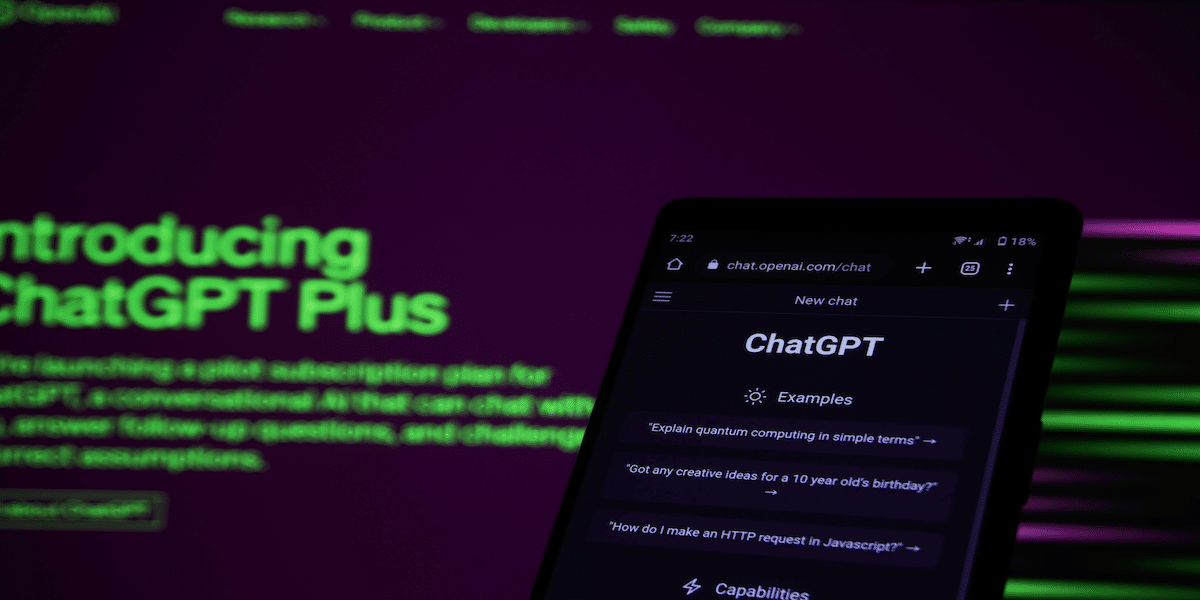
In recent years, ChatGPT, powered by OpenAI’s GPT-3 technology, has emerged as a powerful tool for generating human-like text. It’s capable of producing coherent and contextually relevant responses across various topics. While ChatGPT has found applications in content creation, chatbots, and more, its ease of use and accessibility have raised questions about academic integrity.

Turnitin vs ChatGPT

Yes, Turnitin can detect ChatGPT and any other text generated by AI.  Turnitin, a widely used plagiarism detection software, employs advanced algorithms and databases to analyze submitted text for similarities with existing sources, including academic papers, articles, and websites. While Turnitin primarily focuses on identifying plagiarism, it can also detect text generated by AI, including ChatGPT.

How does Turnitin detect ChatGPT:

The detection process involves the following aspects:

Text Similarity Analysis:

Turnitin’s algorithms compare the submitted text against a vast database of academic and non-academic content. When a student submits text generated by ChatGPT, Turnitin may identify similarities to existing sources, even if the text is paraphrased or modified.

Pre-Existing Database:

Turnitin continuously updates its database to include new content, which means that as ChatGPT-generated text becomes more prevalent, it is more likely to be present in the Turnitin database. Consequently, the chances of detection increase.

Algorithmic Analysis:

Turnitin’s algorithms not only identify exact matches but also analyze sentence structure, word choice, and writing style. If a student attempts to pass off ChatGPT-generated text as their own, these algorithmic analyses may raise red flags.

 Alternatives: What Can Students Do to Get Help with Assignments?

While the use of AI like ChatGPT for generating ideas and content is not inherently wrong, it’s crucial for students to understand academic integrity guidelines. If you need assistance with assignments, consider these ethical alternatives:

 Essay Writing Services:

Several reputable essay writing services can provide guidance and custom-written papers that adhere to academic standards. These services employ professional writers who can assist students in understanding their assignments better. For example:

Royalwriter

Royalwriter.co.uk is an established academic writing service known for its commitment to delivering high-quality, plagiarism-free essays, research papers, and more. Their team of experienced writers ensures that all assignments are well-researched and tailored to meet specific academic requirements.

Writemyessay24

Writemyessay.co.uk is another reliable essay writing service that offers customized solutions for students seeking assistance with their assignments. Their writers are well-versed in various academic disciplines and can provide valuable insights into complex topics.

Academic Writing Workshops:

Academic writing workshops and courses are valuable resources for students looking to enhance their writing and research skills. These workshops are typically offered by universities and educational institutions and cover topics such as essay structure, citation styles, and research methodologies. Attending these workshops can empower students to tackle assignments more effectively.

Coursera.org

Coursera.org offers a wide range of online courses and academic writing workshops in partnership with top universities and institutions. These courses provide students with the opportunity to refine their writing skills, learn academic best practices, and gain valuable knowledge in their chosen field.

Incorporating these alternatives into your academic journey not only ensures ethical academic practices but also equips you with the skills and knowledge needed to excel in your studies. Remember that seeking assistance and guidance is a sign of commitment to your education and personal growth.

Conclusion

In conclusion, Turnitin is equipped to detect text generated by ChatGPT, highlighting the importance of academic honesty and integrity. While AI can be a valuable tool for research and idea generation, it is essential for students to use such technologies responsibly and ethically. When in doubt, consider ethical alternatives like a reputable essay writing service, which can provide valuable guidance and assistance while adhering to academic standards. Ultimately, the key lies in maintaining academic integrity and using AI tools as aids rather than shortcuts in the pursuit of knowledge.


Pioneering Innovations in Personal Technology and Sustainability: The Vision of Dr. Denocka Wardrick

In the ever-evolving landscape of technology, the name Dr. Denocka Wardrick stands out as a beacon of innovation and sustainability. As the Editor in Chief and CEO of PUSH 2.0 Group, Dr. Wardrick has carved a remarkable path in the world of technology, marked by groundbreaking developments that have left an indelible mark on the industry.

A Scholarly Foundation: Education at NYU

Dr. Wardrick’s journey into the world of technology began with a strong educational foundation. He pursued a degree in Graphic Design at New York University (NYU), where he honed his artistic and creative skills. This was followed by a significant milestone in his academic journey – a Masters in Film at NYU. These formative years not only equipped him with a solid educational background but also nurtured his passion for creativity and innovation.

Innovating with NFC, RFID, and QR Technology

One of Dr. Wardrick’s most remarkable achievements came nearly two decades ago when he introduced the world to the concept of magazine download cards for cell phones. This pioneering use of Near Field Communication (NFC), Radio Frequency Identification (RFID), and Quick Response (QR) technology revolutionized the way we access digital content. It laid the foundation for the digital media landscape we know today.

However, Dr. Wardrick’s journey didn’t stop there. His insatiable curiosity and relentless pursuit of innovation led him to create other groundbreaking inventions that have changed the way we interact with technology.

The Social Touch Wearable Wristlet and Interactive Nail

Among his noteworthy creations are the Social Touch wearable wristlet and the Social Touch interactive nail. These inventions seamlessly blend fashion and technology, offering users a unique and immersive experience. They exemplify Dr. Wardrick’s commitment to bridging the gap between the physical and digital worlds, creating a harmonious coexistence between fashion and function.

Sustainable Innovation: A Commitment to Minimizing Our Carbon Footprint

Beyond his impressive technological feats, Dr. Wardrick’s vision extends to a more significant mission – minimizing our carbon footprint. His commitment to sustainability has guided his recent collaborations, resulting in two groundbreaking projects that are poised to change the way we think about our daily lives.

Peachtree Pharmacy: The World’s First Interactive Pharmacy

In collaboration with Peachtree Pharmacy in Peachtree Corners, Georgia, Dr. Wardrick transformed it into the world’s first interactive pharmacy. This innovative space leverages technology to create a sustainable and user-friendly environment. Patients can now access vital information, prescription details, and health resources effortlessly. This not only enhances the overall customer experience but also reduces paper waste, contributing to a greener future.

Black Inc.: The World’s First Interactive Tattoo Studio

In the heart of Atlanta’s Buckhead neighborhood, Dr. Wardrick partnered with Black Inc. to create the world’s first interactive tattoo studio. This fusion of art and technology not only offers clients a personalized and immersive tattoo experience but also implements sustainable practices. The studio has adopted eco-friendly ink, reduced water consumption, and minimized waste, aligning with Dr. Wardrick’s eco-conscious ethos.

The Future of Innovation: What Lies Ahead

As we look to the future, Dr. Wardrick continues to push the boundaries of what is possible in the realm of technology and sustainability. His upcoming creations are shrouded in anticipation, poised to disrupt the personal technology space once again. These innovations will undoubtedly echo his overarching mission – to make life easier for people while treading lightly on our planet.

In conclusion, Dr. Denocka Wardrick’s journey from a student at NYU to a pioneering figure in the tech industry is a testament to his unwavering commitment to innovation and sustainability. His impressive track record of groundbreaking creations, coupled with his dedication to minimizing our carbon footprint, makes him a visionary leader who inspires us to imagine a world where technology and sustainability seamlessly coexist. As he continues to shape the future, we eagerly anticipate the ripple effects of his next groundbreaking developments.

Whalecard.co: A Quick and Smart Way to Find Tech Talent

In today’s fast-paced tech industry, finding the right talent can be a daunting task for recruiters and hiring managers. The demand for skilled tech professionals is constantly on the rise, making the talent acquisition process more competitive than ever before. However, there’s a solution that promises to simplify and streamline the tech talent sourcing process – Whalecard.co.

Whalecard.co is a revolutionary tech talent sourcing platform that empowers recruiters and hiring managers to discover potential candidates with ease. With its efficient system and robust features, Whalecard.co is changing the game when it comes to finding top tech talent.

How Does Whalecard.co Work?

Whalecard.co operates on a straightforward three-step process that takes the hassle out of tech talent sourcing:

Step 1: Easily Search for Potential Candidates

The Whalecard.co system allows recruiters and hiring managers to quickly search for potential candidates with proven and validated track records. No more sifting through countless resumes and LinkedIn profiles; Whalecard.co does the heavy lifting for you. 

Step 2: Leverage Clean Data

One of the key strengths of Whalecard.co is its ability to extract data from different projects across various sources. It then employs advanced data analysis techniques to clean and aggregate this information. This ensures that you have access to accurate and up-to-date data about potential candidates, helping you make informed decisions.

Step 3: Interview and Hire with Confidence

After the data analysis process is complete, Whalecard.co provides users with a comprehensive “whale card” for each potential candidate. This whale card includes essential information such as personal details, validated information about the projects a candidate has worked on, and skills assessed using various metrics. Armed with this data, recruiters and hiring managers can approach interviews and hiring with confidence.

Seymur Farziyev, the Co-founder and CEO of Whalecard.co, describes the platform in simple terms: “In simple terms, Whalecard is a search system for technical experts built on platforms like Github, Gitlab, Stackoverflow, and over 30 other technical platforms. Because these platforms do not provide search capabilities for Human Resources professionals.”

Global Reach and Impact

Whalecard.co’s impact extends far beyond its origins. Operating in more than 7 countries and serving over 50 companies worldwide, it has become an indispensable tool for tech talent acquisition on a global scale. Its user-friendly interface and data-driven approach have made it a go-to resource for recruiters and hiring managers looking to identify and engage top tech talent.

Vitaly Kagan and AAA All Voice And Data Inc: The Most Wanted Team in NY

How often would you think about telephone communication or internet speed when everything works smoothly? What about the bundles of cables through which telecommunication signals flow ensuring a hightech standard of living and working? You wouldn’t, right? But the moment something goes wrong, a signal is lost, the security camera is off, or you are faced with a bunch of tangled cables in a wire closet , you would exclaim, “Oh my! We need a technician right away!”

“The most wanted team in NY”.  The description that is given by grateful customers to AAA All Voice And Data Inc. For over 18 years it’s been proudly serving the government sector, private individuals and corporate giants such as Trader Joe’s, Whole Foods Market, AMC Theatre, Men’s Wearhouse, Outback Steakhouse, Outfront мedia and many others. 

AAA All Voice And Data Inc receives high praise from its long-standing famous partners, well-known corporations in the United States and worldwide, including Avaya, LoneStar Acoustic, and Verkada.

Why do people trust AAA All Voice And Data Inc?

AAA All Voice And Data Inc is known as the professional team of certified Field techs and Communication and Security Engineers  who impeccably perform phone, cable, and telecommunication installation and repair work under the unwavering leadership of Vitaly Kagan already for 18 years. 

Well-known not only in the New York area but also throughout the United States, the company provides on-site services nationwide, including 24/7 emergency calls. 

Each project, done by AAA All Voice And Data Inc., leaves the mark “Telecommunications Beyond Your Expectations”.  The team led by Vitaly Kagan proves it every day, with over 4000 completed service tickets per year, top-notch results, and client satisfaction. 

Cell phone signal boosters, white noise and sound masking, Innerduct and D-Marc extensions, optical fiber installation, and mounting network cabinets are just a selection from the variety of services AAA All Voice And Data Inc provides to individuals and corporate clients.

Over and above, Vitaly Kagan’s team ensures security in New York and New Jersey. Thanks to advanced security solutions offered by AAA All Voice And Data Inc, safety is enhanced in residential and industrial premises, providing video surveillance and internal communication. One of the latest company’s projects includes installation of a new security system to the public schools in the city that incorporates the latest AI technology for improved safety. 

No wonder, even the FBI, Secret Services, and the Department of Defense acknowledge AAA All Voice And Data Inc. These agencies also use the services of this telecommunication company, as do numerous military bases and security companies in the USA.

How AAA All Voice and Data Came About?

The company’s history dates back to 2006 when two friends founded a small telecommunications service enterprise and worked together for five years to fulfill incoming orders.

Integrity and fairness towards customers, complete transparency in breaking down all expenses including possible additional costs, reasonable prices, and timely execution were the core principles of the company from the start, and they remain the same to this day. What was once conceived as the conceptual basis for honest business conduct has become the company’s hallmark which no one in New York can do without.

By all means, today AAA All Voice And Data Inc has more than two workmen. With each new candidate for a job, team leader Vitaly Kagan conducts interviews personally. “I must talk to the person and intuitively understand whether they are suitable for me or not”, he says.

 Perhaps that’s why each employee of AAA All Voice And Data Inc is as important and irreplaceable as a finger on the hand. Thanks to Vitaly Kagan’s well-developed intuition as well as hard work, incredible energy, and optimism, his company is confidently moving towards ambitious plans not only in North America but also in worldwide projects. 

 A sudden question just came to mind. I wonder if New York’s market would be able to compete if there were no AAA All Voice And Data Inc. Let’s keep the answer to that question as a hypothesis. No one wants to be without communication, security, and the risk of getting tangled in numerous wires when it comes to practice.

Leveraging Real-Time Data to Improve Mobility: The Road Ahead for Connected Vehicles

Image commercially licensed from Unsplash

In an era where information is at our fingertips, leveraging real-time data has become a pivotal tool in enhancing mobility and revolutionizing transportation systems worldwide. As we steer towards a future that will move towards connected vehicles, understanding the dynamics and intricacies involved in this shift is vital. This article delves deep into the concepts, the current trends and research, the challenges in adoption, and what the future holds for connected vehicles in the ever-evolving landscape of smart transportation.

Connected vehicles rely on a network of interconnected devices and sensors that communicate with each other and with infrastructure to enhance safety and facilitate smoother traffic flows. Let’s break down the core concepts involved in this technology.

Real-Time Data Analysis

Real-time data analysis involves collecting, processing, and analyzing data instantaneously as it is generated. In the context of connected vehicles, this data could encompass traffic conditions, weather updates, and vehicular diagnostics, providing a comprehensive view of the road and facilitating intelligent decision-making.

Machine Learning and Artificial Intelligence (AI)

Machine learning and AI play a crucial role in analyzing complex datasets and predicting potential issues before they arise, thus fostering preemptive measures. These technologies facilitate the development of adaptive traffic management systems that can learn and evolve over time, enhancing efficiency and reducing congestion.

Current Trends and Research

A McKinsey survey from 2020 on autonomous driving, connectivity, electrification, and shared mobility (ACES) found that consumers saw tremendous value in connectivity, with 37% of respondents indicating that they would switch car brands to achieve improvements in connectivity. The survey also found that China had the highest percentage with 56% of consumers who were willing to switch brands for improved connectivity. The transportation sector sure is witnessing a surge in research and development initiatives aimed at harnessing the potential of real-time data. Here, we explore the latest trends that are steering the industry towards a smarter future.

Data-Driven Decision Making

Recent developments have seen a shift towards data-driven decision-making, with organizations leveraging big data analytics to optimize transportation systems. Government initiatives, such as the Sustainable Transportation Initiative, are encouraging the use of big data to foster sustainable mobility solutions.

Intelligent Transportation Systems (ITS)

ITS are at the forefront of modernizing transportation through the integration of advanced communication technologies. These systems facilitate real-time monitoring and management of transportation networks, paving the way for safer and more efficient roadways.

Challenges in Adoption

As we forge ahead into a future dominated by connected vehicles, it is imperative to address the hurdles that stand in the way of seamless integration. Here, we shed light on the challenges that industry stakeholders must grapple with to foster a healthy ecosystem for connected vehicles.

Security and Privacy Concerns

With an increase in the volume of data being exchanged, there is a heightened risk of data breaches and cyber-attacks. Ensuring the security and privacy of sensitive information remains a paramount concern in the adoption of connected vehicle technologies.

“In the realm of connected vehicles, cybersecurity stands as the backbone ensuring the safe and secure exchange of real-time data. As we move forward, it becomes crucial to develop robust vulnerability management frameworks that can proactively identify and mitigate potential threats. Moreover, respecting and maintaining user privacy should be a cardinal principle in this landscape. It is a delicate balance between leveraging data for enhanced mobility and safeguarding user privacy, and achieving this equilibrium necessitates a forward-thinking approach grounded in stringent privacy management protocols. The industry must prioritize the establishment of secure and resilient systems, where privacy is not an afterthought, but a forethought, integrated into the very fabric of connected vehicle technology.” says Charan Akiri, a security expert whose independent investigations have uncovered and resolved major data leaks. 

Infrastructure Challenges

Developing the necessary infrastructure to support a network of connected vehicles is a massive undertaking. It involves not only the revamping of road networks but also the establishment of high-speed communication networks to facilitate real-time data transmission.

“One of the most critical challenges is establishing a robust and high-speed communication network to enable real-time data transmission between vehicles and infrastructure. This requires widespread deployment of cellular networks, dedicated short-range communication (DSRC), or emerging technologies like 5G and V2X (Vehicle-to-Everything) communication.

Additionally, the lack of standardized communication protocols and data formats can hinder interoperability between different vehicle makes and models and infrastructure components. Collaboration among industry players, government agencies, and standards organizations is vital to develop and enforce common communication protocols and data standards, ensuring seamless integration of connected vehicle systems.” says Ankur Gupta an  Engineering and Tech Leader who is currently leading a large-scale connected vehicles project.

The Future of Connected Vehicles

As we stand on the cusp of a transportation revolution, it is exciting to envisage the future possibilities that connected vehicles hold. Let’s delve into the prospects that lie ahead.

Autonomous Vehicles

The ultimate goal of connected vehicle technology is to facilitate the development of autonomous vehicles. Leveraging real-time data, these vehicles will be capable of communicating with each other and the surrounding infrastructure, paving the way for safer and more efficient roadways.

Sustainable Mobility

Real-time data can foster sustainable mobility solutions by encouraging efficient fuel usage and reducing emissions. The future holds the promise of greener and more sustainable transportation networks, ushering in a new era of eco-friendly mobility solutions.

“Connected vehicles play a significant role in promoting sustainable mobility by improving the efficiency, safety, and environmental impact of transportation systems. Connected vehicles can be particularly helpful in the adoption of electric vehicles. They provide real-time data on battery status, available charging stations, and the most energy-efficient routes for EVs, encouraging their use and reducing emissions from traditional internal combustion engine vehicles. Through improved traffic management, route optimization, and eco-driving assistance, connected vehicles contribute to reduced emissions of greenhouse gasses and air pollutants. This is essential for combating climate change and improving air quality in urban areas.” says Ankur Gupta

Conclusion

As we navigate through the burgeoning landscape of connected vehicles, it becomes increasingly apparent that the fusion of real-time data and advanced technologies holds the key to transforming global mobility frameworks. The journey, albeit fraught with challenges, paints a picture of a future where safety, efficiency, and sustainability reign supreme.

Collaborative Efforts

To realize the full potential of connected vehicles, collaborative efforts encompassing government bodies, industry stakeholders, and research institutions are imperative. Working hand in hand, these entities can forge pathways to innovative solutions, paving the road to a smarter, safer, and more sustainable transportation ecosystem.

“Industry stakeholders, including automakers, infrastructure providers, and technology companies, have the expertise and resources needed to deploy the physical infrastructure for connected vehicles. Collaboration with government agencies can facilitate the planning and implementation of these systems. Also, connected vehicles are increasingly electric and thus there is greater need to emphasize sustainability in all aspects of connected mobility, from energy-efficient communication networks to reducing the carbon footprint of connected vehicles. A future where transportation is smarter and more connected is within reach and collaborative approach will not only accelerate technological advancements but also ensure that connected mobility is safe, efficient, and environmentally sustainable.” Ankur Gupta added.

As we stand at the intersection of innovation and tradition, the roadmap ahead for connected vehicles is both exhilarating and challenging. Leveraging real-time data promises to usher in a renaissance in mobility solutions, fostering environments where technology and human needs coalesce to forge a future that is not only sustainable but also inclusive and forward-thinking.

By embracing the challenges and working tirelessly towards innovative solutions, we pave the way for a revolution in transportation, steering towards a future where the roads are not just pathways but a connected network pulsating with information, guiding us safely and efficiently to our destinations.

Beazy: Leading the Creative Industry Revolution and Heading to WebSummit 2023

In the ever-evolving landscape of the creative industry, the demand for streamlined content creation processes has never been higher. Enter Beazy, the innovative startup that is poised to reshape the way creative teams plan, produce, and deliver content from start to finish. Founded in 2019 as the “Airbnb for camera equipment,” Beazy has grown into a global phenomenon with over 8,000 users in more than 125 cities around the world. Now, as the go-to operating system for the creative industry, Beazy is set to make a significant impact at WebSummit 2023.

A Journey from Camera Equipment to Creative Operating System

Beazy’s journey began when co-founders Julia and Jonas relocated to Berlin in 2019 with a vision to simplify the creative content production process. Their initial concept, often referred to as the “Airbnb for camera equipment,” aimed to connect photographers and filmmakers with the equipment they needed. Little did they know that this idea would evolve into something much more profound.

Over the years, Beazy expanded its horizons, recognizing that the creative industry needed more than just access to equipment. It needed a comprehensive solution that addressed the entire content creation workflow. Thus, Beazy transformed into an all-in-one platform that empowers teams to plan, create, and deliver top-notch content seamlessly.

Empowering Creative Teams with Beazy

Beazy’s unique value proposition lies in its ability to bring together all aspects of content creation under one virtual roof. A powerhouse of efficiency and optimization, Beazy provides a centralized hub where tasks, timelines, and assets are effortlessly organized. Project managers can efficiently oversee progress, allocate resources, and ensure that deadlines are met, all within the Beazy platform.

Creative teams no longer need to navigate a fragmented landscape of disjointed instruments, and instead access a suite of tools and resources to facilitate every step of the content production journey. From conceptualization to execution and delivery, Beazy has it all covered.

One of the standout features of Beazy is its SaaS-enabled marketplace. This marketplace acts as a talent pool where businesses can easily connect with the best content creators in the industry. Whether you need a talented videographer, a skilled graphic designer, or a seasoned photographer, Beazy’s marketplace has you covered. This innovative approach streamlines the process of finding and hiring creative talent, offering a faster and more cost-effective solution, reducing the barriers to creating exceptional content.

Beazy at WebSummit 2023: Shaping the Future of Creativity

As Beazy continues to disrupt the creative industry, the startup is gearing up for an exciting appearance at WebSummit 2023. This prestigious tech conference, known for bringing together the brightest minds and innovators from various industries, offers Beazy a unique platform to showcase its vision and innovations to a global audience.

Beazy’s presence at WebSummit 2023 promises to be a game-changer for the creative industry. It will provide an opportunity for industry leaders, entrepreneurs, and creative professionals to witness firsthand how Beazy’s operating system is revolutionizing content creation. Whether you’re a seasoned industry veteran or an aspiring creative, Beazy’s insights and solutions are sure to leave a lasting impression.

https://www.youtube.com/watch?v=dkTxF6R1Yg8

AI-Enabled Data Lake Optimization: Unleashing the Full Potential of Data Lakes

Image commercially licensed from Unsplash

By Anshumali Ambasht

Data lakes have emerged as powerful repositories for storing and analyzing vast amounts of data. However, the scale and complexity of data lakes present challenges in terms of performance, scalability, and cost-effectiveness. To address these challenges, organizations are turning to artificial intelligence (AI) to optimize their data lakes. AI-enabled data lake optimization leverages machine learning, automation, and intelligent algorithms to enhance data ingestion, processing, storage, and retrieval. In this article, we will explore the benefits and key components of AI-enabled data lake optimization and its role in unleashing the full potential of data lakes.

The Challenges of Data Lake Optimization 

Data lakes often encounter several challenges that hinder their efficiency and performance:

Data Ingestion and Integration: Data ingestion processes in data lakes can be time-consuming and complex, involving data from various sources and formats. Ensuring efficient and accurate data ingestion is crucial for maintaining data lake integrity.

Data Partitioning and Organization: Data lakes store vast amounts of data, and organizing and partitioning data to optimize querying and analytics can be challenging. Inefficient partitioning can result in slower query performance and increased costs.

Data Quality and Cleansing: Data quality is a critical aspect of data lake optimization. Poor data quality can lead to inaccuracies and erroneous insights. Ensuring data integrity and consistency is vital for reliable analytics.

Data Retrieval and Query Performance: Rapid data retrieval and query performance are essential for real-time analytics and decision-making. Slow query response times can hinder productivity and delay insights.

The Role of AI in Data Lake Optimization

AI technologies offer innovative solutions to address these optimization challenges within data lakes. Let’s explore the key components of AI-enabled data lake optimization:

Automated Data Ingestion: AI algorithms can automate data ingestion processes by identifying data sources, formats, and schema, and mapping them for ingestion into the data lake. This automation streamlines data ingestion, reduces manual effort, and ensures the accuracy and integrity of ingested data.

Intelligent Data Partitioning: AI algorithms can analyze data characteristics, access patterns, and query history to intelligently partition and organize data within the data lake. By optimizing data partitioning, organizations can improve query performance, minimize data movement, and reduce costs.

Data Quality Assurance: AI techniques, such as machine learning and natural language processing, can analyze and cleanse data within the data lake. AI algorithms can identify and rectify data anomalies, perform data deduplication, and validate data against predefined quality metrics. This ensures data quality and reliability for accurate analytics.

Smart Data Retrieval: AI-powered indexing and caching mechanisms can intelligently optimize data retrieval in data lakes. By analyzing query patterns, AI algorithms can prefetch and cache frequently accessed data, reducing query response times and improving overall data retrieval performance.

Intelligent Data Lifecycle Management: AI algorithms can optimize data storage and retention policies based on data usage patterns, relevance, and business requirements. This enables organizations to effectively manage data storage costs and ensure the availability of the most relevant data for analytics.

Benefits of AI-Enabled Data Lake Optimization

Improved Performance: AI-enabled data lake optimization techniques enhance query performance, reducing response times and enabling faster analytics and decision-making. This improved performance boosts productivity and enables organizations to extract insights in real-time.

Enhanced Scalability: AI algorithms automate data ingestion, organization, and partitioning processes, enabling data lakes to handle large volumes of data at scale. This scalability ensures that data lakes can accommodate growing data demands without compromising performance or efficiency.

Cost Optimization: AI-enabled optimization techniques minimize data movement, reduce storage costs, and optimize resource utilization within data lakes. By efficiently managing data storage and processing, organizations can achieve cost savings while maximizing the value derived from their data.

Data Integrity and Reliability: AI algorithms for data quality assurance enhance data integrity and reliability within data lakes. By detecting and rectifying data anomalies, organizations can trust the accuracy and consistency of the data for reliable analytics.

Real-time Insights: AI-powered data retrieval mechanisms enable organizations to access real-time insights from their data lakes. This empowers businesses to make data-driven decisions promptly and gain a competitive advantage in fast-paced markets.

Conclusion

AI-enabled data lake optimization offers immense potential for organizations seeking to maximize the value of their data assets. By leveraging AI algorithms, automation, and intelligent optimization techniques, organizations can address the challenges of data lake performance, scalability, and data quality. The benefits include improved performance, enhanced scalability, cost optimization, data integrity, and the ability to derive real-time insights. As data lakes continue to grow in complexity and importance, AI-enabled data lake optimization will play a pivotal role in unlocking their full potential and driving data-driven success.

About Anshumali Ambasht

Anshumali Ambasht, a seasoned Data and Analytics Manager at Deloitte Consulting, holds over 16 years of expertise in fields like data engineering, business intelligence, and analytics. He earned a master’s degree in Financial Analytics from the Stevens Institute of Technology. Ambasht’s rich, interdisciplinary background and impressive leadership record in managing diverse teams underscore his unique perspective on data challenges. Committed to data engineering best practices and business transformation, he continues to lead advancements in data management.

Connect: https://www.linkedin.com/in/anshumaliambasht 

Engineering from First Principles for Mechanical Engineers: Unleashing Innovation in Design and Problem Solving

“Almost every problem that you encounter as a Mechanical Engineer can be easily solved if we go down to the basic principles and fundamentals. From making reusable rockets to designing a load bearing beam, everything starts from first principles. This approach involves deconstructing complex problems into their most fundamental components, paving the way for innovative and efficient solutions” says Karun Balachandran, Interior Product Design Engineering Expert. Products created by mechanical Engineers are all around us and at the core of this field is the concept of “engineering from first principles.” In this article, we will delve into the world of mechanical engineering from first principles and explore its significance in driving progress and excellence.

First Principles Thinking in Mechanical Engineering

First principles thinking, frequently guiding excellent intellectuals like Archimedes and Isaac Newton, is a logical method that includes breaking down a question into allure’s most elementary and undeniable components. It disregards arrogance and existent answers, concentrating alternatively on understanding the fundamental principles governing a system.

For mechanical engineers, this approach is akin to peeling back the layers of complexity that often shroud a problem. Karun Balachandran’s approach to a problem is asking the below questions:

  1. What are the fundamental laws of physics and mechanics that apply to this problem?
  2. What are the inherent limitations and constraints of the materials involved?
  3. How can we optimize efficiency, performance, and safety based on these principles?

By addressing these questions and building solutions from the ground up, mechanical engineers can achieve groundbreaking results in various areas of their discipline.

 Applications of First Principles Thinking in Mechanical Engineering

  1. Structural Engineering

In structural engineering, the application of first principles thinking is evident in the design and analysis of buildings, bridges, and other infrastructure. Engineers consider the fundamental principles of statics, dynamics, and material properties to ensure the stability and safety of structures. By breaking down these principles, engineers can create innovative and cost-effective designs that withstand various loads and environmental conditions.

  1. Thermodynamics and Heat Transfer

Thermodynamics is the foundation of many mechanical systems, including engines and HVAC systems. First principles thinking allows engineers to optimize the efficiency of these systems by considering principles such as the conservation of energy and the behavior of fluids and gases. This approach has led to significant advancements in energy-efficient technology and the development of sustainable energy sources.

  1. Machine Design

When designing mechanical systems and machinery, engineers apply first principles thinking to understand the forces, stresses, and motions involved. By considering Newton’s laws of motion and material properties, engineers can create machines that operate smoothly, reliably, and efficiently. This approach has revolutionized industries such as manufacturing, robotics, and transportation.

  1. Materials Science and Manufacturing

In materials science, engineers delve into the atomic and molecular structures of materials to develop stronger, lighter, and more durable materials. First principles thinking is fundamental in understanding the behavior of materials under various conditions, leading to innovations in metallurgy, composite materials, and additive manufacturing.

The Advantages of Engineering from First Principles

  1. Innovation: First principles thinking encourages engineers to question conventional wisdom and explore new possibilities. By understanding the core principles of a problem, engineers can invent entirely novel solutions.
  2. Efficiency: Starting from first principles often results in more efficient designs and processes. Engineers can eliminate unnecessary complexities and achieve better performance with fewer resources.
  3. Flexibility: This approach allows engineers to adapt to changing circumstances and new technologies. They can easily modify their designs and solutions by revisiting the underlying principles.
  4. Sustainability: By focusing on efficiency and resource optimization, first principles thinking aligns with the growing demand for sustainable engineering solutions. It enables engineers to reduce waste and environmental impact.

 Conclusion

In the world of mechanical engineering, first principles thinking is not just a methodology; it’s a mindset. It empowers engineers to break through barriers, overcome challenges, and create solutions that push the boundaries of what is possible. As mechanical engineers continue to tackle the complex problems of the modern world, the application of first principles thinking will undoubtedly remain a cornerstone of their innovation and success. It is a reminder that at the heart of every intricate machine and every groundbreaking invention lies a simple, fundamental truth waiting to be uncovered.

Revolutionizing Education: The Power of AI-Generated Workbooks for Personalized Learning

Image commercially licensed from Unsplash

In today’s fast-paced world, where students have diverse learning styles, strengths and weaknesses, traditional one-size-fits-all approaches to education are gradually giving way to more adaptive methods, with language workbooks serving as prime examples of this transformative shift.

Fortunately, recent advancements in Artificial Intelligence (AI) are poised to usher in an educational revolution. AI-generated workbooks are set to disrupt conventional teaching methods by offering personalized learning experiences uniquely tailored to each student’s distinct needs and abilities.

The Rise of AI in Education

The influence of AI extends across various industries, with education being no exception. According to a report, AI’s presence in education has surged in recent years, with investments in AI-driven educational technology companies reaching staggering amounts. This escalating interest and funding underscores AI’s potential to revolutionize the teaching and learning landscape.

With the advent of AI-powered platforms like ChatGPT, students can now access intelligent virtual assistants that can provide personalized learning support and guidance, revolutionizing how they acquire knowledge and skills.

Personalized Learning: A Glimpse into the Future of Education

A pivotal advantage of AI-generated workbooks is their capacity to deliver personalized learning experiences. Traditional textbooks and worksheets often adhere to a rigid curriculum, offering little room for customization. In contrast, AI harnesses the ability to analyze a student’s strengths, weaknesses and learning style, crafting materials tailored precisely to their specific needs.

AI-powered workbooks collect data on a student’s performance, tracking their progress and identifying areas where they excel or struggle. This data informs the generation of exercises and assignments meticulously designed to help students improve in their weaker areas while reinforcing their strengths. This high level of personalization ensures that no student is left behind, granting each individual the opportunity to reach their full potential.

Addressing Learning Disabilities

AI-generated workbooks harbor significant potential for assisting students with learning disabilities. According to the National Center for Learning Disabilities, approximately one in five students in the United States has a learning disability. These students often require specialized instruction and support, which can strain schools due to limited resources.

AI-powered workbooks can be programmed to adapt to the specific requirements of students with learning disabilities.

  • For instance, a student with dyslexia may benefit from text-to-speech functionality.
  • In contrast, a student with ADHD may thrive with shorter, more focused assignments.

By tailoring materials to suit the unique needs of each student, AI-generated workbooks level the playing field and offer equal learning opportunities for all.

Real-Time Feedback and Assessment

Traditional education often relies on periodic exams and assignments to gauge a student’s progress. In contrast, AI-generated workbooks offer the advantage of real-time feedback and assessment. As students complete assignments and exercises, AI algorithms can promptly evaluate their work, providing feedback and guidance on areas that need improvement. This immediate feedback loop accelerates learning, helping students correct mistakes and grasp concepts more effectively.

Teachers can also benefit from AI-generated workbooks by gaining student performance insights. They can identify trends and areas of concern, enabling them to adjust their teaching strategies accordingly. This data-driven approach empowers educators to be more effective in their roles and better support their students.

Cost-Efficiency and Accessibility

While adopting new educational technologies can often be cost-prohibitive, AI-generated workbooks can reduce overall education costs. A study states that AI can help automate administrative tasks, allowing educators to focus on personalized instruction. Additionally, digital workbooks can be easily updated and distributed, eliminating the need for costly printed materials.

Furthermore, AI-generated workbooks can potentially make education more accessible to students worldwide. Online platforms can deliver these resources to remote or underserved areas, bridging the educational divide and providing high-quality learning materials to those without access.

Ethical Considerations

As AI becomes more integrated into education, it is crucial to address ethical concerns. Privacy and data security are paramount, as AI systems collect and analyze sensitive student information. Regulations and safeguards must be in place to protect student’s data and ensure that AI-generated materials are used responsibly.

Additionally, there is a need to balance AI-driven personalization and maintaining a holistic educational experience. While AI can tailor materials to an individual’s needs, it should not replace the essential aspects of education, such as critical thinking, creativity and social interaction.

Final Note

AI-generated workbooks are poised to revolutionize education by providing personalized learning experiences that cater to each student’s unique needs and abilities. This innovation has the potential to address learning disabilities, offer real-time feedback, reduce costs and increase accessibility.

However, it is essential to approach the integration of AI into education with careful consideration of ethical concerns and a commitment to preserving the holistic educational experience. As AI advances, it promises to improve education, ensuring every learner can attain their full potential.

GHROTH886: Randomly Jumping Within the Multimedia Dialogue

In a recent foray into the realm of augmented reality (AR), artist GHROTH presents a provocative virtual pet simulation that radically departs from the mainstream conventions of this sub-genre, which is typically populated by endearing, anthropomorphic figures. The simulation introduces “Lulu,” a virtual entity encapsulating a middle-aged man adorned in a mascot costume. Lulu’s residence is as unconventional as his persona: a strip club, a setting far removed from the sanitized, family-friendly environments commonly associated with virtual pets.

The experience of engaging with Lulu is a complex negotiation that diverges from established paradigms in commercial gaming. Users are presented with the option to feed Lulu a wide array of food items. Following ingestion, Lulu engages in defecation that is as perplexing as it is surprising, necessitating manual clean-up by the user. This element, unconventional within the gamut of virtual pet simulations, calls into question established norms about cleanliness, care, and responsibility within virtual environments.

Beyond basic caretaking activities, users can also visit Lulu’s unconventional residence to witness a series of striptease performances. These performances, radically diverging from any mainstream interactive experience, serve both as an extension of Lulu’s idiosyncratic personality and as a challenge to normative ideas of entertainment within the gaming sector.

The inclusion of such unorthodox elements within a single simulation isn’t merely a gimmick; it serves as an implicit critique of the limitations and constraints that often define traditional gaming experiences. GHROTH’s decision to incorporate these disruptive elements into a familiar genre prompts the user to question preconceived notions about what a virtual pet—or, by extension, any virtual entity—can or should be.

Moreover, the layers of cultural symbolism imbued within the game—whether it is Lulu’s mascot costume, his unconventional residence, or the types of food offered—further accentuate the intertextuality of the simulation. These signifiers form a rich tapestry of meaning that challenges players to unpack and interpret, thereby elevating the gaming experience into a space for critical thought and dialogue.

Therefore, GHROTH’s AR simulation serves as an innovative form of artistic rebellion that challenges entrenched norms both within the gaming community and broader societal structures. By pushing the boundaries of conventional expectations, the artist incites users to confront and interrogate the invisible frameworks that guide our interactions with digital platforms. This work, thus, operates not merely as a piece of digital art but as a form of social commentary that provokes a deeper exploration of how we engage with and understand digital spaces.

https://www.instagram.com/ghroth886/