Data Masking Unveiled: Understanding Its Meaning and Importance in Today’s Digital World

In today’s world, where everything is digital, protecting sensitive information is crucial. Imagine a big company that stores lots of customer data. If hackers get in and steal things like credit card numbers and addresses, it’s a disaster. This hurts the company’s money and makes customers lose trust.

To maintain safety, companies require effective methods to safeguard sensitive information. Among the many techniques used to protect data, data masking emerges as a crucial tool in cybersecurity measures. This article explains the concept of data masking, its meaning, mechanisms, and significance in today’s digital landscape.

What is Data Masking?

First of all, let’s figure out what the data masking meaning is. At its core, data masking is a method of obscuring or disguising sensitive information within a database or dataset. The primary objective is to ensure that the data remains usable for authorized purposes while rendering it unintelligible to unauthorized users. This process involves replacing sensitive data with fictitious, yet realistic, equivalents, thereby preserving the structure and integrity of the dataset. 

Data masking techniques vary in complexity, ranging from simple character substitution to more sophisticated methods like encryption, tokenization, and shuffling. The choice of technique depends on factors such as the nature of the data, regulatory requirements, and the desired level of security.

The Mechanisms of Data Masking

Substitution: This method involves replacing sensitive data with fictitious but realistic values. For instance, a person’s Social Security number might be replaced with a randomly generated number that adheres to the same format.

Encryption: Encryption transforms data into ciphertext using algorithms and keys, rendering it unreadable without the corresponding decryption key. Encrypted data can be safely stored or transmitted, and access is restricted to authorized parties with the decryption key.

Tokenization: Tokenization involves replacing sensitive data with unique identifiers called tokens. Unlike encryption, tokenization does not use reversible algorithms; instead, it maintains a mapping between the original data and its tokenized form in a secure vault. This approach minimizes the risk of data exposure while allowing for seamless data processing.

Shuffling: Shuffling, also known as randomization, entails rearranging the order of data records within a dataset. While this technique does not alter the data itself, it adds a layer of obfuscation that complicates unauthorized access.

The Importance of Data Masking

In today’s interconnected digital landscape, where data breaches and privacy violations are rampant, the importance of data masking cannot be overstated. Here are several reasons why data masking is indispensable:

Data Masking Unveiled Understanding Its Meaning and Importance in Today's Digital World (2)Challenges and Considerations

While data masking offers significant benefits in terms of data security and compliance, its implementation is not without challenges. Some of the key considerations include:

Performance Overhead: Depending on the complexity of the masking techniques employed and the size of the dataset, data masking may introduce performance overhead, impacting system responsiveness and efficiency. For instance, if a data masking technique involves intricate encryption algorithms or extensive data transformations, it may require more computational resources, leading to slower processing times. Similarly, larger datasets may require more time and processing power to mask effectively, further exacerbating performance issues.

Data Consistency: Ensuring consistency between masked and original data can be challenging, particularly in cases where referential integrity or relational dependencies exist within the dataset. For example, if a database contains customer orders linked to specific products, masking customer names while preserving order-product relationships requires meticulous attention to detail to avoid data discrepancies or errors. Careful planning and testing are essential to maintain data consistency while masking sensitive information.

Dynamic Data Masking: In dynamic data access environments like web applications, implementing dynamic data masking becomes imperative. Dynamic data masking selectively obscures sensitive data in real-time based on user roles and permissions, ensuring that only authorized users have access to sensitive information. For example, imagine a healthcare portal where patients can access their medical records online. Dynamic data masking would ensure that sensitive information such as diagnosis codes and treatment details are obscured in real-time, based on the user’s role and permissions, thereby safeguarding patient privacy while enabling access to essential healthcare information. 

Key Management: Encryption-based data masking relies on secure key management practices to safeguard encryption keys effectively. Poor key management can undermine the security of encrypted data, making it vulnerable to unauthorized access or decryption. For instance, imagine a financial institution encrypting customer account numbers stored in its database. Without proper key management, unauthorized access to encryption keys could compromise the security of the data, potentially leading to unauthorized access to sensitive financial information. 

Regulatory Compliance: Various regulatory frameworks impose different requirements regarding data protection and privacy. Organizations must stay abreast of evolving regulations 

and ensure that their data masking practices align with the applicable compliance standards.

Conclusion

In an age where data has emerged as one of the most valuable assets, protecting sensitive information against unauthorized access and misuse is imperative. Data masking offers a robust mechanism to achieve this goal by obscuring sensitive data while preserving its utility and integrity. By understanding the meaning, mechanisms, and importance of data masking, organizations can bolster their cybersecurity posture, mitigate risks, and uphold regulatory compliance in today’s digital world. As technology evolves and data volumes continue to soar, data masking will remain a cornerstone of effective data protection strategies, safeguarding critical information from potential threats and vulnerabilities.


Published by: Holy Minoza

Cooling Trends: What’s Hot in Air Conditioning Design for 2024

In the dynamic world of HVAC, customization reigns supreme in 2024. Air conditioning systems are no longer one-size-fits-all; they adapt to specific needs and preferences. Cool Conditioners researched the market, manufacturers, and experts to anticipate the direction and expected innovation in the HVAC market. This article aims to provide you with a reasonable conclusion of the trends shaping the industry and how they enhance your comfort.

Tailored Solutions: Ductless Mini-Splits and Zoning

  • Ductless Mini-Splits: These discreet units allow homeowners to cool specific zones without the need for extensive ductwork. Say goodbye to uneven temperatures and hello to personalized comfort.
  • Zoning: Customize your home’s climate by dividing it into zones. Each area can have its own thermostat, ensuring optimal comfort and energy efficiency.

Smart Control Revolution

  • Wi-Fi Thermostats: Imagine adjusting your home’s temperature from your smartphone while sipping coffee at a café. Wi-Fi thermostats offer unparalleled convenience and control.
  • Voice Assistants: “Hey Alexa, lower the AC.” Voice-controlled HVAC systems are becoming commonplace, making life easier and more efficient.

Eco-Friendly Coolants: A Responsible Choice

  • HFC Phase-Down: The EPA is committed to reducing the use of high hydrofluorocarbon (HFC) coolants. By 2036, they aim to cut production and consumption by 85%. Inverter AC systems, which use eco-friendly refrigerants, lead the way.

Inverter Technology Dominates

  • Efficiency: Inverter ACs adjust compressor speed based on demand, saving energy and maintaining consistent comfort.
  • Quiet Operation: No abrupt starts or stops—just smooth, silent cooling.
  • Smart and Green: Inverter technology aligns with environmental consciousness.

Embrace the Future

As we step into 2024, smart AC units with inverter technology will dominate the market. They offer efficiency, control, and eco-friendliness. Join the movement toward a cooler, greener future. Stay ahead of the curve with Cool Conditioners.

Stay Ahead of the Curve!

As the mercury rises and the sun blazes, the air conditioning industry is buzzing with innovation. Whether you’re a homeowner, business owner, or simply someone who appreciates a cool breeze, these trends are set to redefine how we experience comfort.

Smart Controls: The Brain Behind the Breeze

In 2024, air conditioners are no longer just appliances; they’re intelligent companions. Smart controls allow you to adjust settings remotely via your smartphone or voice commands. Imagine arriving home after a scorching day, and with a simple tap, your AC welcomes you with the perfect temperature. It’s not magic—it’s smart technology.

Eco-Friendly Cooling: A Breath of Fresh Air

The planet is our shared responsibility, and air conditioning manufacturers are stepping up. Look out for eco-friendly features like:

  • R-32 Refrigerant: It’s more efficient and has a lower global warming potential.
  • Solar-Powered ACs: Harness the sun’s energy to keep your space cool.
  • Energy Recovery Ventilation (ERV): ERV systems exchange stale indoor air with fresh outdoor air while maintaining temperature balance. It’s like a lung for your home.

Sleek Aesthetics: Where Form Meets Function 

Gone are the days of bulky, eyesore AC units. Design matters, and manufacturers are embracing sleek, minimalist aesthetics. Wall-mount splits blend seamlessly with modern interiors, and ducted AC systems discreetly whisper coolness. Your AC should complement your space, not dominate it.

Zoning Magic: Personalized Comfort Zones

Why cool the entire house when you’re only in the living room? Zoning technology allows you to create personalized comfort zones. It helps you to cool the bedroom at night, the kitchen during dinner, and let the rest of the house take a break. It’s efficient, energy-saving, and downright delightful.

Healthier Air: Breathe Easy

ACs are no longer just about temperature—they’re guardians of air quality. Look for filters that trap allergens, bacteria, and dust. Some even neutralize odors and harmful particles. Breathe easy knowing your AC is your ally in wellness.

Whisper-Quiet Operation: Silence is Golden

Remember the days of noisy ACs disrupting your peace? Not anymore. Advanced sound insulation and quieter compressors ensure your split AC works silently in the background. It’s like having a cool ninja in your home.

Adaptive Cooling Algorithms: Smarter Than Ever

These algorithms analyze your usage patterns, weather forecasts, and occupancy. They adjust cooling levels accordingly, optimizing efficiency without you lifting a finger. It’s like having an AC that knows you better than your best friend.

Spoiler Alert: It’s All About Staying Cool!

So, whether you’re upgrading your home AC or outfitting a skyscraper, keep an eye on these trends. Smart, eco-friendly, and stylish—2024’s air conditioning designs are here to make your life cooler, literally. Stay ahead of the curve. Explore the future of comfort with Cool Conditioners.

Published by: Nelly Chavez

Recovering Deleted Photos on Your iPhone

We’ve all been there. You’re scrolling through your iPhone photos, reminiscing about good times, when a wave of regret washes over you. You accidentally deleted a precious photo! Fear not, iPhone users! This guide will equip you with the knowledge and steps to potentially recover those lost memories.

Understanding Recently Deleted

Apple offers a safety net for accidental deletions with the “Recently Deleted” folder within the find deleted photos on iPhone in this guide app. This folder acts as a temporary holding area for photos and videos you’ve deleted. Photos remain here for 30 days before being permanently erased from your device. So, if you act quickly, there’s a good chance you can get them back.

Recovering from Recently Deleted

Here’s how to access the Recently Deleted folder and recover your photos:

Launch the Photos app on your iPhone.

Tap the Albums tab at the bottom right corner of the screen.

Scroll down to the Utilities section and locate the Recently Deleted album.

You might be prompted to use Face ID or Touch ID to access this folder for security reasons.

Selecting and Recovering Photos

Once inside the Recently Deleted folder, you’ll see a list of your recently deleted photos and videos. Each photo displays the date it was deleted, giving you a helpful timeline.

To recover a single photo, tap the photo to select it. A yellow checkmark will appear on the selected photo.

Tap the Recover button in the bottom right corner.

A confirmation dialog will pop up. Tap Recover Photo to confirm.

Recovering Multiple Photos

If you want to recover multiple photos, follow these steps:

In the Recently Deleted folder, tap Select in the top right corner.

Tap on each photo you want to recover. Again, a yellow checkmark will indicate selection.

Once you’ve selected all the desired photos, tap the Recover button in the bottom right corner.

Confirm your selection by tapping Recover Photos.

Recovering Everything at Once

For a quick recovery of all deleted photos within the 30-day window, you can use the Recover All option.

In the Recently Deleted folder, tap Select in the top right corner.

In the top left corner, tap Recover All.

Confirm your choice by tapping Recover All Photos.

Important Notes on Recently Deleted

Remember, photos are permanently deleted after 30 days in the Recently Deleted folder. There is no way to recover them after this period.

The Recently Deleted folder has a storage limit. If it fills up, older photos will be automatically purged to make space for newer deletions.

Beyond Recently Deleted: Exploring Other Options

If your photos were deleted a while ago and are no longer in Recently Deleted, here are a few additional avenues to explore:

iCloud Photos: If you have iCloud Photos enabled and have enough storage space, your photos might be backed up to iCloud. Log in to iCloud.com on a web browser and navigate to Photos. You might find your deleted photos there.

Third-party recovery software: There are data recovery applications designed specifically for iPhones. However, these can be expensive and have varying success rates. It’s crucial to research reputable software before attempting data recovery.

Professional data recovery services: For critically important photos, professional data recovery services can be an option, but they can be very costly.

Preventing Future Photo Loss: Backup is Key!

The best way to avoid the stress of photo deletion is to have a proper backup plan in place. Here are some recommended methods:

iCloud Photos: This built-in Apple service automatically uploads your photos to iCloud storage. However, free storage is limited, so you might need to upgrade your iCloud storage plan.

External storage: Regularly back up your iPhone photos to a computer or external hard drive. This creates a physical copy of your photos separate from your device.

Cloud storage services: Many cloud storage services like Google Drive or Dropbox offer ample storage space for photos at a reasonable cost.

Conclusion

Losing photos can be a heart-wrenching experience. By understanding the Recently Deleted folder and exploring backup options, you’ll be well-equipped to handle photo deletion situations. Remember, the sooner you act, the higher the chance of recovering your precious memories. Most importantly, implementing a consistent backup routine will give you peace of mind knowing your photos are safe and secure.


Published by: Khy Talara

Got a Business in NYC? This App Helps You Understand Your Customers

By: Maria Williams

New York City, often hailed as the world’s economic capital, is a vibrant melting pot of commerce and innovation. With its iconic skyline punctuated by skyscrapers like the Empire State Building and One World Trade Center, the city not only symbolizes American economic might but also serves as a bustling arena for businesses of all sizes. From the storied trading floors of Wall Street to the tech startups flourishing in Silicon Alley, NYC is a global hub of financial, creative, and entrepreneurial activity.

This dynamic environment offers unique opportunities for networking, access to a diverse talent pool, and a consumer base with significant purchasing power. However, the attributes that make New York City an attractive place for business also forge a highly competitive environment where understanding and adapting to consumer expectations is crucial for success. How to make this process easier? Technologies! 

Dima Raketa, CEO of Reputation House and reputation management expert, explains how businesses in New York City can better understand their clients with AI-driven solutions.

Got a Business in NYC? This App Helps You Understand Your Customers

Photo Courtesy: Dima Raketa
Dima Raketa, CEO of Reputation House

“Whenever I think about customer behavior, I remember that 90% of potential customers avoid businesses with negative reviews. This is a good starting point for entrepreneurs who want to understand their clientele,” says Dima Raketa. He stresses the importance of not just gathering feedback but analyzing and responding to it effectively. This is where his company’s solution, Reputation House App, comes into play, providing a sophisticated yet user-friendly platform to help businesses tune into public sentiment.

The app uses advanced AI to sift through the large volume of online mentions and reviews, automatically sorting them into positive and negative categories. This helps businesses quickly identify problems that could damage their reputation if ignored. “In a sensitive market like New York City, a single negative review can spread quickly and harm a brand significantly if not addressed on time,” Dima Raketa adds.

Key features of Reputation House App include:

  • Real-time monitoring of online conversations and media coverage.
  • Sentiment analysis to gauge public perception and identify potential issues.
  • Predictive analytics to anticipate emerging reputation risks.
  • Customizable alerts and recommendations for proactive crisis management.
  • Comprehensive reporting and data visualization for actionable insights.


The Reputation House App simplifies the otherwise time-consuming task of sifting through thousands of comments and reviews. What would traditionally take days to compile and analyze can now be done in hours. This efficiency is achieved through the app’s ability to categorize comments and mentions by tone and relevancy, enabling businesses to focus on areas requiring immediate attention.

Moreover, the app is designed with user-friendliness in mind. It offers customizable alerts and actionable recommendations, helping businesses stay one step ahead in their online reputation management efforts. Whether it’s dealing with a communication crisis or building long-term customer loyalty, the Reputation House App equips NYC businesses with the tools necessary for modern management.

This app helps companies stay on top of what customers are saying, anticipate problems before they blow up, and keep improving their relationships with customers. Being bold about your business’s reputation is crucial in a city like New York, where every customer’s opinion can make a big difference. Using the Reputation House App can give you that edge, making managing your reputation not just another task but a key part of your strategy for success.

Reputation House App is available in App Store and Google Play.


Published By: Aize Perez

Yeva Telebenieva: Artificial Intelligence and Creativity in PR Campaigns: Combining Technologies and Human Talent

By: Alex Johnson

In the era of digital technologies and information penetration, it becomes evident to every entrepreneur tasked with successfully promoting a brand or product that technological innovations are not just a luxury but a necessity. At the forefront of such innovations lies artificial intelligence (AI), permeating various spheres of people’s lives, including the realms of PR and marketing.

Yeva Telebenieva, renowned in the world of entrepreneurship and the PR industry, stands as a vivid example of how to successfully blend technological solutions with human talent. As an entrepreneur, PR specialist, co-owner of an international PR and marketing agency, and author of the book “Imageology,” she grasps the importance of innovations in the PR sphere and the flexibility they can lend to communication strategies.

One of the pivotal points in the PR domain becomes the question: how can the influence of artificial intelligence be reconciled with human creativity? Artificial intelligence provides unique opportunities for data analysis, process automation, and trend prediction. However, creativity, inspiration, and intuition remain qualities that algorithms have yet to master.

This is where the human factor comes into play. Yeva Telebenieva emphasizes that while technology can render many tasks more efficient and scalable, decisions involving emotions, inspiration, and creativity will always require a unique human touch.

The principle of “hybrid intelligence” suggests that success in the PR field is achieved through a combination of artificial intelligence with human abilities and experience. Artificial intelligence can assist in data analysis, trend identification, and the creation of personalized strategies. Simultaneously, creativity and human imagination endow these strategies with uniqueness and emotional depth, making them more appealing to the target audience.

However, despite all the advantages, the adoption of artificial intelligence in the PR sphere comes with challenges. One of the primary challenges is maintaining a balance between automation and personalization. The use of AI should aim to enhance the quality of communication with clients rather than replace it.

In conclusion, it can be said that the modern PR process requires a harmonious combination of technology and human talent. Effective use of artificial intelligence enables communication with the audience to be more efficient and personalized. However, this necessitates an intellectual approach and creativity from specialists to create unique and inspiring campaigns capable of capturing the hearts and minds of the audience.

To better understand how artificial intelligence and creativity can interact in PR campaigns, it is useful to consider examples from practice. Consider a scenario in which marketers use machine learning algorithms to analyze audience behavior on social media. Based on this data, the system can automatically generate advertising messages or content that is likely to attract the attention of the target audience. However, for this content to be truly effective, an element of creativity and originality is needed to distinguish it from the general flow of information and evoke a response from users.

Another example could be the use of artificial intelligence in creating personalized emails or newsletters. Algorithms can analyze data on recipients’ preferences and behavior to determine suitable content for each individual. However, for these emails to truly capture attention and evoke a response, a creative approach is needed in their design and content, making them unique and memorable.

Thus, combining artificial intelligence and human creativity in PR campaigns allows for optimal effectiveness. Technologies help analyze data, streamline processes, and create personalized content, while human talent adds uniqueness, emotional appeal, and innovation. Only in symbiosis can they achieve excellent results and effectively influence the target audience.

Therefore, Yeva Telebenieva continues to play a key role in developing this symbiotic relationship between technology and creativity, demonstrating how the integration of these factors can lead to innovative and successful PR campaigns. Her experience and expertise continue to inspire a new generation of marketers and PR specialists, reaffirming that the future of communication belongs to those who boldly embrace technology while not forgetting the importance of human creativity.

Published by: Holy Minoza

Advantages and Disadvantages of AI

Artificial Intelligence, a marvel of modern technology, intertwines algorithms and machine learning to mimic human cognition. It has transformed industries, from healthcare to transportation, by introducing efficiencies and innovations previously unimaginable. As AI continues to evolve, it brings with it a mix of significant advantages and notable challenges.

Advantages of Artificial Intelligence

Efficiency and Automation: AI excels in automating repetitive tasks, boosting productivity and accuracy across various sectors. This shift not only speeds up operations but also frees human workers to engage in more creative and strategic tasks, thereby enhancing overall performance.

Data Analysis and Decision-Making: With its ability to sift through vast datasets, AI provides businesses with critical insights for informed decision-making. This analytical power helps in identifying trends and making predictive analyses that human effort alone might miss.

Predictive Capabilities: AI’s predictive prowess allows businesses to anticipate market changes and consumer behavior, enabling proactive adjustments. This forward-looking approach aids in optimizing resources and mitigating risks.

Innovation and Creativity: AI merges with human creativity to push the boundaries of art, music, literature, and more, fostering a new era of innovation where machines and creativity merge.

Improved User Experience: AI-driven personalization and intuitive interfaces enhance user interactions, offering tailored services and recommendations that elevate customer satisfaction.

Disadvantages of Artificial Intelligence

Job Displacement and Unemployment: The automation brought about by AI poses a threat to jobs focused on repetitive tasks, leading to concerns over unemployment and the need for workforce retraining.

Data Privacy and Security Concerns: AI’s reliance on vast data collections raises alarms over privacy and security. Ensuring the ethical use of data and protecting against breaches are paramount in the age of AI.

Bias and Lack of Transparency: AI systems can inherit biases from their training data, leading to unfair decision-making. The opaque nature of some AI algorithms further complicates ethical considerations and demands more transparent practices.

Dependence and Overreliance on AI: Excessive reliance on AI may undermine human judgment. Balancing AI’s contributions with human oversight is crucial to maintaining the integrity of decision-making processes.

High Implementation Costs: The initial setup and maintenance of AI systems require substantial investment, posing challenges, especially for smaller entities.

Real-World Implications

In healthcare, AI’s diagnostic tools, like IBM Watson, demonstrate its potential to impact medical assessments. Meanwhile, companies like Amazon and Netflix utilize AI for personalized customer experiences. However, the negative impacts are equally notable, with instances like Amazon’s biased recruitment algorithm highlighting the ethical dilemmas AI can introduce.

Looking Ahead: The Future of AI

The advancement of AI promises even greater innovations, particularly in healthcare and autonomous technologies. However, the key to harnessing AI’s full potential while mitigating its risks lies in achieving a balanced approach. Addressing ethical concerns, ensuring transparency, and maintaining human oversight will be pivotal in navigating the future landscape of AI.

AI’s impact on society and business is profound, driving innovation while also prompting critical discussions on its ethical and societal implications. Moving forward, it’s essential to foster a balanced perspective that leverages AI’s benefits while addressing its challenges, ensuring a future where AI augments human capabilities responsibly.

Delve into the Advantages and Disadvantages of AI, where a concise article provides a balanced perspective on AI’s impact across different sectors. Ideal for a quick, thorough insight.

Published by: Nelly Chavez

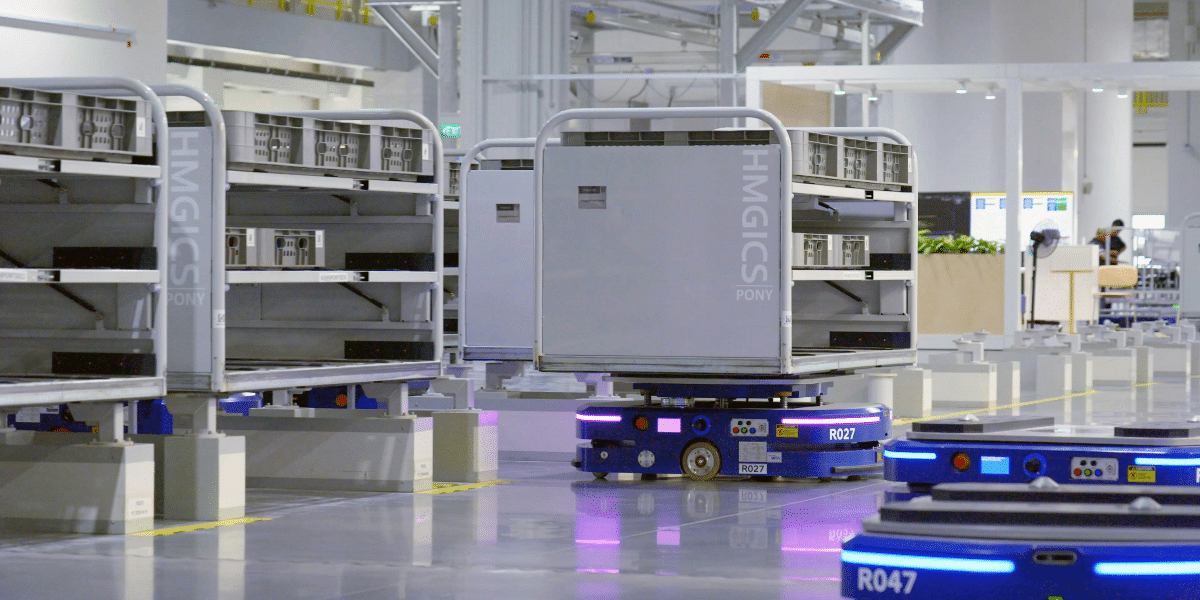
The Importance of Regulatory Compliance for Autonomous Mobile Robots (AMRs)

Increasingly, facilities are seeing autonomous mobile robots (AMRs) support tasks like sample transportation, supply delivery, and hazardous waste disposal. AMR robots’ ability to navigate independently relieves skilled professionals from mundane tasks and improves workflow efficiency, but only if they can meet exacting standards. The sensitive nature of Life Sciences and Healthcare facilities requires stringent regulatory compliance to ensure safety, reliability, and data integrity at all times.

A mobile robot often shares spaces with researchers, patients, and staff in labs, hospitals, and other healthcare settings. Compliance mandates that these autonomous robots interact safely with humans, using reliable sensors and software algorithms to avoid collisions and potential harm. Standards like ISO 36006:2020 and ANSI/RIA R15.08 provide specific guidelines for manufacturers to engineer safety features, making AMRs safe partners in dynamic environments.

Beyond safety, reliability is a cornerstone of compliance in regulated industries. Mobile robotics must perform consistently and predictably, especially when handling sensitive or critical materials. This means consistent performance in AMR navigation, task execution, and data logging. This level of reliability reduces human error, minimizes downtime, and ensures operational efficiency within demanding research and healthcare environments.

Why Compliance is Essential in Navigation Robotics

Safety: Mitigating Risks within Robot Navigation Methods

Standards like the ISO 36006:2020 and the ANSI/RIA R15.08 help mitigate the risks of unexpected AMR and human/obstacle encounters. 

  • Risk Assessment: Compliance standards mandate a thorough risk assessment process, identifying potential hazards in the autonomous robot’s operating environment.
  • Collision Avoidance: Autonomous mobile robots must have reliable sensor systems (LiDAR and ToF sensors and additional cameras and sensors) to detect and avoid obstacles and prevent accidents.
  • Speed Control: Speed limitations, especially in shared human-robot workspaces, are essential to minimize the impact of potential collisions. AMR robots must be equipped to regulate their speed dynamically based on traffic and potential hazards.
  • Emergency Stop (E-stop) Functionality: Easily accessible e-stops are mandated for quick intervention in case of unexpected events. Navigation-based mobile robots must be prepared to mitigate disruption risk along their calculated paths.
  • Human-Robot Interaction (HRI): Standards address safe collaboration zones between humans and mobile robots, including visual indicators, audible alerts, and clear communication of the robot’s intended path.

Reliability: Consistency of the Robot Navigation System

Another critical aspect of regulatory compliance is the ability of an AMR to perform tasks consistently and accurately without the natural variability of a human worker. Any deviation in any robot type’s behavior can lead to costly consequences, such as contaminated samples, the delivery of incorrect materials, or even delays in time-critical patient treatments.

  • Process Validation: AMRs performing tasks within regulated industries must demonstrate reliable and repeatable behavior to be considered compliant and ensure consistent quality and safety.
  • Predictability: Consistent performance allows for accurate planning and scheduling in production environments. Operators can rely on the AMR to complete tasks within defined timeframes.
  • Error and Downtime Minimization: Repeatable behavior reduces the risk of errors occurring during operation, ensuring the integrity of products and processes. It also minimizes downtime associated with malfunctions or errors.

Data Integrity: Accuracy and Traceability in All Robot Types

Data generated by autonomous robots has direct implications for research outcomes, patient care, or regulatory audits. A compliant mobile robot will have robust data logging mechanisms with timestamping, user tracking, and protection against unauthorized modification. 

  • Accurate Data Logging: Compliance with regulations like CFR 21 Part 11 ensures that AMRs have robust data logging mechanisms with timestamping for accurate record-keeping, traceability, and audit preparedness. 
  • User Tracking: Traceability is maintained through user tracking functionalities within the AMR system.
  • Data Protection: Protection against unauthorized data modification safeguards the integrity of information collected by the AMR.

Navigating the Navigation Robots Regulatory Landscape

With each new robotic advancement, standards and regulations are being updated and refined to keep ahead of potential risks. This is especially critical given the rapid pace of recent evolution in AMR robot types. AMR manufacturers and users must ensure their robots comply with evolving regulations and relevant standards. This fosters a safe and reliable operating environment and opens doors for AMRs to be integrated into previously restricted sectors.

  • ISO 36006:2020: Safety requirements for collaborative industrial robot systems. While focused on collaborative robots, sections of this standard offer insight into safety measures for AMRs working in proximity to humans.
  • ISO 3691-4:2020: While this standard focuses on larger industrial trucks and their systems, some general safety principles may still apply to smaller, mobile lab-oriented AMRs. It’s essential to consult with regulatory experts to determine the level of applicability of this standard to specific AMR implementations.
  • ANSI/RIA R15.08 – Part 1–2020: A more recent standard explicitly addressing the safety of mobile robots like AMRs.

Sector-Specific Regulations for Mobile Robotics

  • FDA Regulations: The Food and Drug Administration (FDA) regulates medical devices. Navigation robots used in healthcare may need to comply with FDA design, validation, and documentation guidelines.
  • GxP Guidelines: Good laboratory practice (GLP), good clinical practice (GCP), and good manufacturing practice (GMP) guidelines ensure quality and integrity in their respective domains. AMRs operating in these environments must facilitate compliance with GxP requirements, particularly data handling, audit trails, and workflow validation.

Case Study – Quasi Robotics’ Approach to Compliance

Quasi Robotics brings reliable and regulation-compliant AMR robot automation to everyday laboratory processes. Both Model R2 and Model C2 robots incorporate features that align with the latest requirements, while CFR 21 Part 11-compliant software ensures comprehensive audit readiness.

Model C2 and Model R2: Enabling Compliant Research Workflows

Models C2 and R2 are tailored solutions for clinical and regulated research environments. Here’s how incorporated features meet the challenges of compliance while streamlining operations:

  • Precise Navigation and Repeatable Workflows: An advanced sensor array coupled with a robot navigation optical flow system enables reliable movement that minimizes potential disruptions to experiments or care processes
  • Integrated Safety Systems: LiDAR and ToF-based obstacle detection and emergency stop functionality adhere to standards and reduce operational risk in shared lab and facility workspaces.
  • Traceable and Detailed Data Logging: Timestamped logging of operational data and user actions facilitates GxP compliance for auditability and research integrity.
  • Customizable Grippers for Delicate Handling: For Model R2, customizable end grippers with specialized sensors offer precise and delicate manipulation of sensitive materials like biological samples and fragile medical equipment. 

CFR 21 Part 11 Compliant Software  

Quasi’s commitment to regulatory cooperation extends to the software controlling the AMR. Full CFR 21 Part 11 compliance means the system provides comprehensive audit trails, meticulously documenting every interaction and modification. This robust data logging is essential for research reproducibility, regulatory audits, and demonstrating a thorough quality system in healthcare settings. It provides the necessary traceability supporting GxP guidelines.

Key Takeaway

By carefully considering navigation control strategies, safety protocols, and robust data handling, AMRs transition from innovative tools to trusted partners in laboratories, hospitals, and research facilities

Compliance navigation robots can significantly reduce errors, streamline workflows, and improve overall research or patient care outcomes by carefully attending to safety, reliability, and data integrity. Quasi Robotics is committed to enabling this transformation by designing AMR solutions with compliance at their core. Through features like sophisticated mobile robot navigation, customizable sensor-based end effectors, and meticulous data logging, Quasi robots address the stringent demands of regulated environments.

As AMR technology evolves, so will compliance standards and regulations. The future of AMRs in these sensitive industries lies in a future-proof approach grounded in upholding compliance. This will unlock the potential for AMRs to automate tasks and generate reliable data that can drive new scientific discoveries and advances in healthcare. This allows the widespread adoption of AMR robots that seamlessly integrate into heavily regulated environments.


Published By: Aize Perez

Reimagining Public Relations Strategies for Maximum Digital Impact: A Look at As Seen In PR’s Unique Approach

In today’s fast-paced digital age, where information is incessantly bombarded from every conceivable angle, standing out amidst the cacophony has become increasingly challenging for businesses. The relentless pursuit of visibility and credibility has led companies to recognize the indispensable value of high-quality public relations (PR) services. Among the vanguards leading this charge, As Seen In PR distinguishes itself through a unique blend of narrative craftsmanship and strategic innovation designed to catapult business owners and industry professionals into the limelight.

Central to As Seen In PR’s philosophy is the art of narrative craftsmanship—a meticulous process of constructing compelling brand stories that not only resonate with target audiences but also stand out in a saturated market. This approach is not just about stringing together attractive words; it’s about weaving a cohesive narrative that encapsulates the essence of a brand, its mission, values, and aspirations. Such narratives serve as the cornerstone for establishing an emotional connection with consumers, fostering loyalty, and enhancing brand perception.

The landscape of media consumption has evolved dramatically over recent years, necessitating a multifaceted approach to public relations. Recognizing this shift, As Seen In PR employs a comprehensive suite of services that marries traditional media outreach with cutting-edge digital marketing strategies and influencer partnerships. This holistic approach ensures that every campaign achieves maximum visibility across all relevant platforms—be it print, broadcast, or online media.

What sets As Seen In PR apart in this competitive landscape is its unwavering commitment to personalized attention for each client. The company acknowledges that each industry presents its unique set of challenges and opportunities; thus, their strategy is never one-size-fits-all. Whether it’s launching a new product line, navigating through a crisis situation, or building long-term brand awareness, As Seen In PR approaches each project with creativity and an eye for detail. Their proactive stance ensures that clients are always one step ahead in their communication strategy.

The efficacy of As Seen In PR’s methods is evidenced by their diverse portfolio of successful collaborations spanning various sectors such as technology, fashion lifestyle, and entertainment. Their ability to adapt and excel regardless of industry constraints underscores their versatile expertise and deep understanding of different market dynamics.

Reimagining Public Relations Strategies for Maximum Digital Impact A Look at As Seen In PR's Unique Approach (2)

Photo Courtesy: As Seen In PR

In an era where digital platforms play a crucial role in shaping consumer behavior and preferences, As Seen In PR leverages the latest technologies to keep its clients at the forefront. A strong emphasis on social media campaigns enables direct engagement with consumers—creating conversations around brands that drive organic interest and interaction. Additionally, analytics-driven strategies allow for the continuous optimization of messaging based on real-time feedback and measurable results.

Beyond securing media placements and enhancing brand reputation online also drives tangible business outcomes—a testament to their slogan, “Let’s Go National!” This rallying cry encapsulates their ambition not just to achieve widespread recognition for their clients but also to forge meaningful connections between brands and audiences nationwide.

As Seen In PR’s dedication to excellence doesn’t go unnoticed by its clientele, who depend on affordable yet impactful public relations services for increased exposure and business growth credibility within their respective industries, keeping up with evolving media trends while maintaining integrity core values that position them as leaders in the field, ready to transform how brands communicate and connect in the ever-changing digital world. Follow their journey and impact by visiting their Facebook page @asseeninpr and Instagram page @asseeninpr, and explore the range of services offered on their website.  

In conclusion, the significance of investing in high-quality public relations cannot be overstated in today’s competitive environment. Having a partner like As Seen In PR provides businesses with the essential edge needed to thrive in the marketplace. By crafting authentic and engaging narratives and employing innovative strategies tailored to specific needs, As Seen In PR ensures that the message reaches the right people at the right time. With a proven track record of success and unmatched dedication to client satisfaction, there is no doubt that As Seen In PR is poised to continue transforming the landscape of effective communication for the foreseeable future.


Published by: Khy Talara

How Workiz Field Service Management Software Skyrockets Your Profit

In the fast-paced world of field service businesses, efficiency is extremely important. From managing technicians’ schedules to streamlining invoices and keeping clients happy, there’s a constant juggle to maximize profits.

This is where Workiz field service management software comes in, offering a comprehensive solution designed to skyrocket your bottom line. Let’s look at the challenges this tool helps you deal with and how it leads to multiplied revenue.

Boosting Efficiency And Reducing Costs

Workiz tackles the time-consuming tasks that eat away at profits. Here’s how it streamlines your operations:

Effortless Scheduling And Dispatching: Manually assigning jobs and technicians is a recipe for chaos. Workiz automates scheduling, considering technician skills, location, and availability. This ensures the right person is assigned to the right job, optimizing routes and minimizing travel time.

Mobile App For Real-time Communication: Field technicians can access their schedules, update job progress, and communicate with clients directly through the Workiz mobile app. This eliminates the need for phone calls and unnecessary back-and-forth communication, keeping everyone on the same page.

Automated Dispatch Notifications: Clients receive automatic notifications about appointment confirmations, technician arrivals, and job completion. This reduces the need for manual communication and keeps them informed throughout the process.

Supercharging Your Revenue Streams

Workiz goes beyond streamlining operations; it actively helps you generate more revenue by helping you achieve seamless online bookings and lead capture mechanisms. It allows customers to schedule appointments directly through your website or a custom booking link. This 24/7 availability captures leads and converts them into paying customers without requiring manual intervention. It also lets you generate professional quotes and invoices quickly and easily. Workiz field service management software integrates with popular payment gateways, allowing for secure online payments and faster collections.

The platform allows you to create tiered service packages within quotes, prompting customers to consider additional services. Technicians can also recommend add-on services during the job, increasing the average revenue per job. Additionally, by ensuring timely service, clear communication, and a seamless experience, Workiz field service management software fosters customer satisfaction. Satisfied customers are more likely to return for future needs and recommend your services to others.

Building Customer Loyalty

Customer loyalty results in repeat business, which leads to higher profits. Hence, it becomes critical to maintain a loyal customer base if you want to boost your profitability. Here, Workiz helps you in the following ways:

Enhanced Communication: Two-way messaging directly within the Workiz platform informs customers about appointments, delays, or changes. This fosters trust and transparency, leading to better customer relationships.

Online Booking: Empower your customers to schedule appointments directly on your website or social media pages, creating a convenient and user-friendly experience.

Customer Portal: Provide your customers with a one-stop shop through the Workiz customer portal. They can view appointment details and service history and even submit requests – all in one centralized location.

Data-Driven Decisions

Workiz field service management software empowers data-driven decision-making, allowing you to optimize your operations for maximum profitability.

Detailed Reports: Generate comprehensive reports on key metrics like job completion times, revenue generated, customer satisfaction, and material costs.

Identify Trends And Patterns: Gain valuable insights into customer demand, service requests, and team performance by analyzing reports.

Improve Resource Allocation: Allocate resources like employees, vehicles, and equipment based on real-time data and job requirements, ensuring efficient resource utilization.

Reduce Overhead Costs: Identify areas where you can optimize spending and reduce overhead costs based on data-driven insights.

Enhanced Customer Experience

FSM software by Workiz doesn’t stop at just streamlining operations. It empowers you to deliver a superior customer experience that fosters loyalty and drives revenue. You can generate accurate job estimates based on real-time data on labor costs and material prices, leading to higher customer satisfaction and reduced disputes. This helps enhance customer service by addressing concerns promptly and providing transparent communication throughout the service process. It also encourages customers to leave positive online reviews through the Workiz platform, which helps build trust and attract new customers.

Inventory Management

Running out of critical parts halfway through a job can be disastrous. Workiz field service management software offers robust inventory management features like real-time tracking and mobile app integration to keep your team well-equipped. You can gain complete visibility into your inventory levels, identify low-stock items, and streamline the restocking process to avoid delays and disruptions. The mobile app empowers your technicians to manage inventory directly from the field. They can easily view stock levels, request parts, and update inventory status, ensuring they have everything they need to complete jobs efficiently.

Enhanced Field Technician Productivity

Workiz empowers your technicians with the tools they need to succeed, such as:

Mobile App Access: Technicians can access job details, customer information, and navigation tools directly from the Workiz mobile app.

Digital Work Orders: Eliminate paper clutter with digital work orders accessible on the go, allowing for faster job completion and improved accuracy.

Offline Functionality: The mobile app works even without an internet connection, ensuring uninterrupted service delivery in remote areas.

Time Tracking: Track technician hours spent on each job for accurate payroll, improved job costing, and understanding the efforts of your field technicians.

Taking The Next Step

Are you ready to see how Workiz can skyrocket your profits? Take advantage of the free plan to experience the platform firsthand. Explore the features, witness its ease of use, and discover how it can transform your field service operations into a well-oiled profit machine.


Published By: Aize Perez

How Data Science is Transforming Healthcare: A Deep Dive

There are applications for data science everywhere in our lives. Data science is necessary for every industry in the world, including IT, entertainment, healthcare, and many more, to become more productive and generate higher returns on investment. You may be asking now how Data Science is being used in Healthcare. Keep reading the article to learn how Data Science is changing this industry.

With the advent of low-cost internet and increased processing power, every business is now data-hungry, offering customers a digital life unlike anything before. A few terabytes of data are produced daily by users today.

For deeper insights into the intersection of data science and healthcare, visit https://www.johnsnowlabs.com/healthcare-llm/. John Snow Labs has a wealth of experience using linguistic pattern analysis to extract data from various information sources, including text, audio, and visual.

Why is data science used in healthcare?

Like other fields, the healthcare industry has immense amounts of data about patients, medical histories, and individuals’ health information. These data could include blood pressure, heart level, sugar level, stress level, and so forth.

The problem is that healthcare has traditionally been passive. That is, we have never been able to manage or reduce diseases on a wide scale because we lack centralized data to evaluate and develop insights that could assist the healthcare system in saving lives. 

It gave rise to the idea of applying data science to the healthcare industry to digitize all of these data points and compile them into a health map for each patient, which would enable them to get the best treatment possible.

Without this ability, it will be far too late to detect life-threatening disorders in individuals.

Thanks to data science and machine learning, doctors can now get real-time information on a patient’s health status using wearable technology, such as a smartwatch that continuously tracks a patient’s vital signs.

The advantages of data science for medical systems

We are now aware of the problems with healthcare systems; thanks to data science’s capability, healthcare systems are now data-driven and effective. Now, let’s examine how applying data science has benefited the healthcare industry.

  • It helps to shorten the patient’s wait time.
  • It aided in providing patients with appropriate care on time.
  • It contributed to the healthcare system’s workflow being more efficient.
  • It made emergencies more straightforward to handle.
  • It reduced the likelihood of patient failure while receiving treatment. 

By using AI-enabled devices to analyze data, it may be possible to detect diseases early on and significantly reduce healthcare costs. This would also make it easier for healthcare insurance companies to monitor these parameters and create more customized, customer-friendly policies. 

What role do Data Scientists play in the Healthcare sector?

Healthcare features and policies are evolving at an increasingly rapid pace. The overall application of data science in the healthcare system shows data scientists as a crucial and essential component.

When working with data, data scientists find patterns and insights that may be used to build prediction models.

Here, we’ll quickly review the key responsibilities of Data Science specialists to help you understand how they fit into the overall healthcare system.

  • Gather and examine patient information, hospital requirements, and other details. 
  • Organize and classify data so that medical practitioners can use it more easily. 
  • Utilize data analytics to create predictive models by applying various algorithms to raw data. 

To sum up, data scientists employed by the healthcare system support medical staff in providing high-quality and efficient patient care. 

Published by: Martin De Juan