Define the Truth and Overcome It Anyway: Two Books With Purpose and Heart

By: Lisa K. Beck

Some books offer ideas, but these two offer a mirror and a map. In Define the Truth and Overcome It Anyway, Marshall Louis Davis writes with uncommon clarity about what keeps people stuck and how they can move forward with intention. The work is faith-rooted, honest, and practical. It meets readers where they are, then invites them to take steady steps toward a life that is crafted with care rather than lived on autopilot.

Volume I: Naming Pain, Choosing Truth

Volume I begins with the challenging work many of us avoid: confronting fear, procrastination, shame, and the stories we carry about our worth. Davis blends personal testimony, scripture, and grounded reflection to help readers recognize their pain, confront unhelpful patterns, and begin to rebuild from a place of dignity.
The tone is warm but direct. Instead of offering quick fixes, you receive clear prompts, thoughtful reframes, and gentle accountability. The result feels like sitting with a wise mentor who encourages you to step into your calling. If you have ever felt unseen or uncertain, this first volume provides a sturdy foundation for new possibilities and intentional outcomes.

Volume II: Speaking to the Next Generation

Volume II shifts that same clarity to teens and young adults, ages 14 to 22. It speaks plainly about adversity, belonging, and money choices that can shape a future.

Davis offers simple tools that may resonate, including the memorable “10-dollar envelope” exercise drawn from a biblical story, along with affirmations, visual metaphors, and reflection questions that aim to translate inspiration into daily action.

Whether used in a classroom, a youth group, or around the family table, this volume provides young readers with language for their challenges and suggests steps they can take right away. Confidence may grow when concepts become habits, and this book is designed to spark that shift.

The Heartbeat Behind the Work

The story behind both volumes is deeply personal. Davis lost his mother and, years later, his brother. While his family had love, they lacked the planning or communication needed to face the practical realities of grief. They borrowed from friends and relatives to cover basic end-of-life costs.

That pain inspired a promise: help other families avoid the same scramble. As a Life Coach, speaker, and CEO of LouisLegacies, Davis now equips people to clarify their vision, build steady practices, and create legacies of care and provision. His programs—ranging from a 12-week course to group sessions and keynote talks—reflect the compassion and resolve found on these pages.

Who These Books Are For

  • Anyone seeking to replace old beliefs with living truth.
  • Pastors and teachers looking for resources that blend scripture with practical application.
  • Parents in need of language for hard conversations.
  • Teens and college students facing pressure and comparison.
  • Read Volume I for personal clarity and courage. Read Volume II to provide the next generation with practical footing and a voice that says: You are capable, one honest step at a time.

Summary

If you are ready for change that is sustainable, start here. Bring these books into your home, your small group, or your youth program—and watch the conversations deepen.

Truth shared. Steps taken. Legacies built.


Disclaimer: The information provided in this article is for general informational purposes only. The content reflects the views and insights from Marshall Louis Davis and his books Define the Truth and Overcome It Anyway. This article does not offer specific advice and is not intended as a substitute for professional coaching or personal counseling. Individual experiences may vary. Always consult a qualified professional before making significant personal or financial decisions.
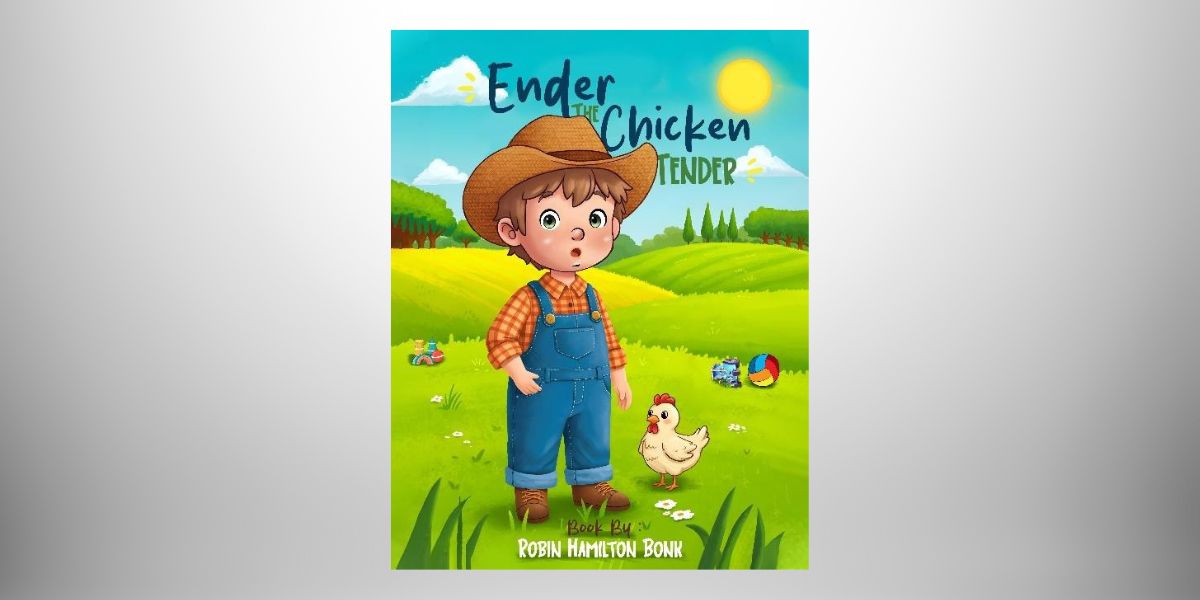
Robin Hamilton Bonk: Ender, ChickaLetta, and a Kindergarten Leap — A Feather-Filled Debut Worth Crowing About

By: Lyssanoel Frater

There’s something undeniably magical about a children’s book that speaks directly to the soul of its readers—not through flashy gimmicks or over-the-top adventures, but through quiet, honest storytelling that captures the essence of childhood.

With its tender exploration of friendship, growth, and the bittersweet pangs of first-day jitters, this book isn’t just a story—it’s an experience. And in today’s fast-paced world, it’s the kind of book that reminds us all of the power of simplicity, love, and a really good chicken friend.

You won’t find neon lights or superhero capes in this story. Instead, picture a small Idaho backyard at sunrise: dew-kissed grass, a cozy chicken coop, and a little boy named Ender. His best friend? ChickaLetta, the fluffiest, most interesting hen you’ve ever “met.” From sunrise egg hunts to puddle-jumping adventures, their days are filled with delight and discovery.

Robin Hamilton Bonk didn’t pull this story from thin air—it’s rooted in real-world moments. She borrowed her characters straight from life: her grandson Ender—and yes, ChickaLetta really exists, too. That authenticity gives this book a gentle, lived-in warmth. It feels like you’re slipping into someone else’s memory, fresh and vibrant.

Then comes the twist: kindergarten. The looming school bus becomes a symbol of change, and Ender suddenly feels a tug—between Duck and Desk, Coop and Classroom. Can he truly be a devoted Chicken Tender while also being a brave kindergartener?

Robin Hamilton Bonk: Ender, ChickaLetta, and a Kindergarten Leap — A Feather-Filled Debut Worth Crowing About

Photo Courtesy: Robin Hamilton Bonk

This is where Ender the Chicken Tender shines.

The story handles transitions—big feelings, new beginnings, the ache of leaving something beloved—without veering into a drama-heavy pitch. Instead, Robin uses humor and warmth, letting kids (and parents) feel seen and understood. Humor? Check. Heart? Absolutely.

What’s magic about this book is its gentle conversational tone. You read it and feel like Robin’s right there in the room, leaning in with a grin and maybe an “oh, you’ve got to see this” expression. The narrative sounds like someone reading aloud—infused with chuckles, loving asides, and occasional feather-filled silliness.

For kids, it’s a joy ride. They’ll laugh when ChickaLetta steals the show. They’ll giggle at Ender’s quirky ideas (yes, sometimes he even tries to talk cluck). And when the bus arrives? They’ll see their own first-day jitters reflected back with honesty and love.

For parents, it’s a trip down memory lane. Remember butterflies in your stomach on your first day? Remember the little things that made you feel safe (a best friend, a favorite snack)? Ender taps into that universal feeling while offering a sweet springboard for conversation—“Hey, how do you feel about starting school?”

Now, let’s meet the author behind the coop. Past life? Deputy sheriff. Present vibe? A warm, heartfelt storyteller floating through a sleepy Idaho town by the Salmon River. Robin’s been riding Harleys—yes, on the back of Grandpa’s—and supervising substitute classes. Her days are a patchwork of real-world grit and contagious curiosity.

That combination shapes Ender the Chicken Tender in a big way. She writes with the balance of someone who knows life comes in seasons—sometimes loud, sometimes peaceful, always shifting. Kids feel her empathy. Parents feel her authenticity.

That realness shines through narrative choices, too. When Ender counts eggs, you feel the quiet precision of caring. When he worries about school, you think someone who’s really been there. And when ChickaLetta clucks her opinions? Well, that’s pure imagination.

Let’s talk themes: friendship, responsibility, courage. Those are pretty standard in kids’ books, but Robin weaves them with flair. She doesn’t just tell you, “You’ll be okay.”

She shows you through small actions, silly moments, and soft truths. Scenes, like Ender sharing his lunch with ChickaLetta or offering her a feather-soft blanket, pull you in without preaching.

The book also carries subtle prompts: care for something outside yourself; face a fear even if your knees feel wobbly; find comfort in the connections you make. And it does all that through clucks, giggles, and a sense that yes—you’re growing up, but it’s okay to keep some of what you love close to your heart.

Design-wise, this story is appealing, not overwhelming. Colorful but not garish. Illustrations that highlight emotion over detail. The coop looks cozy. ChickaLetta looks cheeky. Ender looks brave—sometimes a little unsure but always hopeful.

Kids will return to these pages for comfort and connection. Parents will appreciate the pacing and subtle emotional rhythm. It’s rare to find a debut so confident in tone—so friendly in approach—yet so sincere in purpose.

Let’s be honest—this story isn’t just getting love from bookstores. It’s creating ripples on playgrounds. Here’s what early readers are buzzing about:

“Such giggles! Ender reminded my 6‑year‑old of her own morning jitters.”

“My preschool class begged for ‘just one more egg-counting page!’”

“Perfect balance of comedy and comfort—school transition done right.”

That casual, heart-on-your-sleeve feedback? That is exactly the vibe Robin’s aiming for. It’s not about awards (though they’d be nice); it’s about real faces lighting up. That’s a win any day.

In a world crowded with interactive apps and quick-hit content, Ender the Chicken Tender stands out with its analog, hands-in-the-dirt charm. It feels like a slow Saturday morning: pajamas, pancakes, and stories that make your heart swell. It invites readers to pause and listen—to smaller voices, quieter moments, and the loud cluck of growing up.

Robin Hamilton Bonk: Ender, ChickaLetta, and a Kindergarten Leap — A Feather-Filled Debut Worth Crowing About

Photo Courtesy: Robin Hamilton Bonk

It also brings something unexpected to the picture bookshelf: real chickens. Not animated or anthropomorphized—they’re clucky, messy, imperfect—and all the more lovable for it. That novelty alone gives the book its spirit. It’s a bright little corner of real things—mud, feathers, love—instead of digital screens.

So, here’s the good news you’ve been waiting for: Ender the Chicken Tender is available now. Whether you snag it at your local indie bookstore or click “buy” online, it’s ready to become your next bedtime favorite.

Robin’s also planning fun extras: downloadable activity sheets, chicken-themed DIY crafts, and even storytelling videos. It’s not just a book—it’s a community in the making. Perfect for book groups, family reading routines, or even pre-K classrooms.

Another bit of good news? Robin’s already sketching her next story. While she’s staying hush-hush on details, we do know two things: it’ll be rooted in real life (her life), and it’ll feature kids discovering bravery in everyday moments. Expect more comfy settings, more warm humor, and more chances for young readers to see themselves reflected—feathers and all.

Fall in love with Ender. Cheer for ChickaLetta. Share a laugh. Wipe a tear. And maybe—just maybe—find the courage to take your own first day, feather or not.

Ender the Chicken Tender is more than a debut—it’s an invitation. To remember the joy of small things, the power of love, and the beauty of growing up… gently. Well done, Robin. Here’s to the clucks, the courage, and the countless childhood memories yet to come.

You can find Ender the Chicken Tender on Amazon and other major bookselling platforms worldwide—ready to bring a little cluck-filled joy to your bookshelf.

Get it on Amazon.

To learn more about Robin Hamilton Bonk, explore her upcoming projects, or join her feather-loving community, visit her official website hearthwisetales.com. This is more than just a story—it’s a heartfelt journey you’ll want to share again and again.

From Loss to Nightlife: The Rise and Fall of Oskar

By: Kevin M. Miller

Oskar’s story doesn’t begin in the glitter of nightlife or the flash of cameras. It starts in a quiet, windswept port town. Born to a sailor father and a hotel employee mother, his early years were far from idyllic.

When his mother died of cancer at just nine years old, the loss became the first fracture in a life that would spiral through emotional isolation, betrayal, and self-destruction. With his father often at sea, Oskar was shuffled between relatives and neighbors, never feeling like he had a true home.

At thirteen, he moved to Canada under the care of an uncle, only to find himself in another hostile environment. Abuse, instability, and manipulation followed, culminating in his father renouncing legal paternity so Oskar could stay in Canada. The decision may have secured his residency, but it also severed a fundamental tie to his sense of belonging.

The Hustle Years

By his late teens, Oskar was fiercely independent, hustling to survive through odd jobs, stocking shelves, baking bread, doing whatever it took. But he was also burning bridges.

A final confrontation with his uncle led to a cruel betrayal: lured back to Poland under pretenses of his father’s illness, Oskar was stripped of his passport and trapped. That betrayal ignited something in him, a relentless need to take control, no matter the cost.

When he finally returned to Canada, his friends welcomed him back into a world of parties, performances, and provocation. Vancouver became his playground. By day, he worked in high-end restaurants, rubbing shoulders with celebrities. By night, he danced erotically at gay clubs like Odyssey, living out a hedonistic fantasy where attention came easily and consequences seemed far away.

Escapes and Addictions

From Vancouver to the Virgin Islands, the Cayman Islands to Barcelona, Oskar’s life became a carousel of temporary highs. Each destination promised a fresh start, yet the same demons followed: drugs, dysfunctional relationships, and the lure of quick success.

Modeling gigs, TV appearances, and high-profile romances placed him on the cusp of stardom. As a cast member on Sextet, a reality show likened to a Polish version of The Chippendales, his exposure catapulted him into the public eye.

But behind the glamour was chaos. Gambling consumed him, often with devastating losses. One relationship ended after he recklessly gambled away his partner Ola’s money. Every ascent seemed to bring a steeper fall.

Gatekeeper of the Elite

Oskar’s final act in the public eye was his most surreal. As the “picker” at one of Warsaw’s exclusive nightclubs, he controlled entry into the world of the elite. Celebrities, politicians, influencers, and criminals all courted his favor.

With power came intoxicating perks—drugs, alcohol, sex, and status. Yet influence didn’t bring peace. His nights blurred into excess, violence, and financial ruin. Even a move to London, meant as a reset, couldn’t free him from the grip of gambling.

Cracks in the Mirror

The striking theme of Picker’s Confession is Oskar’s own awareness of his self-sabotage. Fame was never the cure; it only amplified his insecurities. As a Polish-Canadian man, he felt rootless—belonging fully to neither culture. The harder he ran from his trauma, the closer it followed.

Despite fleeting success, Oskar’s life was shaped by instability and addiction. His memoir doesn’t glamorize the chaos—it lays it bare. With dark humor and painful vulnerability, he admits to bad choices, deep wounds, and the desperate search for meaning in a world obsessed with appearances.

A Memoir That Stings and Stays

Picker’s Confession isn’t a redemption story. It’s something rarer: a brutally honest chronicle of what happens when pain, ego, and addiction collide unchecked.

Chaotic and fragmented, the narrative mirrors Oskar’s own memories. Readers are pulled into wild parties, celebrity encounters, and the velvet-roped world of nightclub culture. But the memoir never lets us forget the cost. The line between glamour and ruin is razor-thin.

For readers seeking memoirs that go beyond surface storytelling, Picker’s Confession delivers. It’s voyeuristic yet cautionary, painful yet cathartic.

This isn’t just a story—it’s a reckoning.

Disclaimer: The following article recounts the personal experiences of Oskar, as told in his memoir. It includes descriptions of trauma, substance use, addiction, and high-risk behaviors. This content is intended for informational and literary purposes only and is not a guide, endorsement, or encouragement of any illegal or harmful activities. Readers are advised to approach the material with discretion and seek professional support if needed.

From Soldier to Storyteller: G.A. Sallee’s Debut Novel Channels a Life of Purpose

By: Tom White

For G.A. Sallee, storytelling is more than just a craft: it is a form of healing. His journey from soldier to author has been marked by profound personal change, with writing becoming a lifeline after military service. As he prepares to release his first novel, True Crime: Fact or Fiction, Sallee is eager to share that evolution with readers who value suspense, honesty, and emotional truth.

Finding Clarity Through Words

Like many veterans, Sallee faced the challenge of reintegrating into civilian life after serving in the Iraq War. As a proud disabled veteran, he turned to writing as a way to process his experiences and find new purpose. In that uncertain chapter, writing became something more than just a pastime. It became a guide.

“I began writing again after I got out of the Army. It wasn’t just about the story; it became something bigger than me,” he shares.

The U.S. Department of Veterans Affairs highlights that creative expression can play an important role in long-term emotional health, particularly for those managing trauma. Sallee’s return to the page offered just that: a space to reflect, reconnect, and rediscover his voice.

One of the biggest challenges he faced, he admits, was finding people in the publishing industry that he could trust. Combined with occasional bouts of writer’s block, these obstacles tested his persistence. But continuing to write remained his way through.

Emotion Woven Into Fiction

At the heart of Sallee’s work is empathy. His writing doesn’t just entertain; it delves deeper. True Crime: Fact or Fiction centers on podcaster Scott Townsend, a man who embarks on investigating a local cold case, only to find himself drawn into a more personal mystery. When a second murder mirrors the first, Scott’s mission becomes increasingly perilous, and the line between curiosity and obsession starts to blur.

The novel examines timely questions: What responsibilities do storytellers carry? When does a search for truth risk becoming a threat? Sallee’s straightforward, unadorned style, appreciated by readers for its simplicity, brings his characters’ struggles to the forefront in a way that feels immediate and relatable.

The Killer is Listening

With the unsettling tagline, “The killer is listening,” Sallee sets the tone of the book: one of constant tension. Scott Townsend’s podcast may have begun as a way to attract an audience, but it quickly escalates into something far more consequential. Themes of surveillance, trauma, and the blurry line between justice and exploitation weave an undercurrent of unease throughout the novel.

From Soldier to Storyteller G.A. Sallee’s Debut Novel Channels a Life of Purpose

Photo Courtesy: G.A. Sallee

A Story for the Whole Family

Though Sallee’s book is fictional, it is deeply rooted in personal connections. He resides in South Carolina with his wife, Sandrice, their three dogs, and an extended family that includes four children and seven grandchildren. “Life has blessed me with a big, loving family that I was fortunate enough to marry into,” he says.

“I’m a husband, a father, a grandfather… and this book is part of the legacy I hope to leave behind,” he adds.

His writing process mirrors that warmth and intimacy. He recalls writing with his dog, Jake, curled up across his lap, the rhythm of the keyboard syncing with the quiet comfort of family life. These moments ground his work in a sense of home, even as the narrative takes darker turns.

Looking Ahead

Sallee hopes that True Crime: Fact or Fiction marks the start of a long creative journey. His goals are both personal and artistic.

“This is just the beginning,” he says. “I want to invite people to join me on this creative path.”

To learn more about G.A. Sallee and his upcoming book, visit gasallee.com. If you enjoy thrillers that blend suspense with heart, this debut may be one to watch.

A Month of Love, a Lifetime of Grace: One Man’s First Letter Before the Memories Fade

By: Elowen Gray

In a quiet room, with his mind beginning to slowly betray him, one man sat down for what might have been his final calling—to write. As the early shadows of memory loss crept in, he felt a gentle whisper from the Lord. A voice seemed to guide him, encouraging him to write down his story, to express gratitude while he still could.

This is not the story of a saint. It is not a tale of triumph or fame. My Fantasy Princess is something far more honest—it is the humble reflection of a man who lived through heartbreak, temptation, forgiveness, and the fleeting beauty of love. It is the first letter, from a man seeking peace with himself, and offering thanks to the God who never let him go.

Decades ago, in the mid-1980s, he met Lee—a young Filipina woman whose smile often warmed the coldest days. She wasn’t just a visitor; for one brief, golden month, she became his light. They danced barefoot on beaches, sang under the stars, prayed together in the towering redwoods, and walked hand-in-hand through sacred groves where God felt so close you could almost hear Him breathing.

The way he describes her is not one of idealization, but a genuine remembrance of the woman she was. He didn’t write to boast—he wrote to remember. He wrote to honor a girl who, in his words, “was beautiful not just in her face, but in her heart.” He writes of the incredible joy of holding her as they both thanked Jesus aloud, their prayers floating beneath the tallest trees on Earth.

But the story was always destined to be bittersweet. “We were lovers in spirit, not in flesh,” he wrote, describing those intensely emotional nights spent holding each other, both of them crying for what could never be. In their final hours together, Lee made an offer born of pain and love—a moment where most men might have fallen. Yet, he chose differently. With tears in his eyes, and a prayer on his lips, he said no. She would return home unspoiled. And as he put it, “I knew it broke her heart… but it would have broken mine even more to fail her when it mattered most.”

Was it love or fantasy? The question lingered in his thoughts. He was keenly aware of how life sometimes mixes truth and illusion. “Maybe she was just a frightened girl in a desperate situation,” he wondered. “Maybe she was too good to be true.” But no matter how many doubts crept in, one thing remained clear—his gratitude to the Lord for allowing him to experience a sliver of heaven in the midst of his otherwise broken life.

As his memory continued to slip, his writings turned into a letter—not to Lee, but to her imagined granddaughter. “Maybe you have a Lola in a nursing home somewhere,” he wrote, “read her my story. Let her be young and beautiful again, if only for an hour.”

A Month of Love, a Lifetime of Grace One Man’s First Letter Before the Memories Fade

Photo Courtesy: Robert Anderson

In his final pages, it becomes clear: this story isn’t about desire or regret. It’s about the mercy of God, the redemptive power of choosing integrity, and the quiet strength of letting go. “God gave me the strength to love her, to cherish her, and to walk away,” he wrote. “He forgave me my sins, and He gave me peace.”

There was no grand reunion. No fairy tale ending. Life after Lee was quiet, simple—marked by faith and quiet service. Yet, he carried a hope that went beyond time and memory. “One day, when the Lord calls me home, maybe I’ll see her again… dancing on the beach, singing her Tagalog songs, forever young beneath God’s endless sky.”

In a world that often seeks perfect endings, My Fantasy Princess stands apart. It reminds us that sometimes the most beautiful stories are the ones that leave us with reflection… and save your soul. That God’s grace can reach you in motel rooms, in camper vans, and in the darkest corners of your mistakes.

And even when memories fade… grace never does.

It lingers—gentle, forgiving, and everlasting—just like the love of the Lord who writes our names in His Book, long after we’ve forgotten our own stories.


Disclaimer: The views expressed in this article are those of the author and do not necessarily reflect the views of Robert Anderson or any associated entities. The content is for informational purposes only and is not intended as professional advice.

Ira Harris Shares His Journey of Resilience in Brown-Skinned Boy

By: Elena Mart

What makes Brown-Skinned Boy compelling is Harris’s ability to intertwine personal anecdotes with broader historical and cultural themes. The story begins with Ira’s childhood on a family farm in North Carolina, a time that is described with a sense of nostalgia and warmth. Readers are introduced to his grandmother, a woman of wisdom and tradition who teaches Ira the importance of resilience and community. Her lessons, grounded in folklore and herbal remedies, provide a sense of stability and comfort that contrasts with the realities of systemic racism.

Harris’s prose is rich and evocative, painting a vivid picture of the South. From the dappled sunlight of the woods where Ira gathers herbs to the sweltering heat of summer afternoons, each scene immerses readers in his world. The details are described in such a way that readers can almost feel the Southern humidity and hear the gentle rustling of leaves.

At the heart of the memoir is the love shared by Ira’s family. His mother, a figure of strength, works tirelessly to shield her children from the harshness of a segregated society while encouraging them to dream beyond the limitations imposed upon them. Ira’s relationship with his grandfather, a man of quiet dignity, adds another layer of emotional depth, showcasing the importance of generational wisdom in shaping character and values.

What sets this memoir apart is its ability to juxtapose tender familial moments with difficult realities. Harris does not shy away from recounting the impact of racism, from the humiliation of segregation to the fear of encounters with the Klan. However, even in these challenging moments, the narrative is imbued with a sense of hope. Ira’s resilience in the face of adversity and his determination to rise above the constraints imposed by society offer an uplifting arc that resonates deeply.

One particularly striking aspect of the book is its exploration of identity. Harris delves into the emotional complexities of growing up as a Black boy in a society that often fails to recognize his value. Through his reflections, readers gain insight into the internal struggles of self-worth, the desire for belonging, and the need for resilience. His experiences provide not only a window into the past but also a reflection of ongoing efforts for racial equality today.

Brown-Skinned Boy includes moments of lightness and joy as well. Descriptions of Ira’s childhood adventures—whether playing baseball with friends, exploring the woods, or working alongside his grandfather—add a warmth that balances the memoir’s heavier themes. These moments serve as reminders that even amid hardship, the beauty of life can be found.

Ultimately, this book is a testament to the strength of the human spirit. Harris’s journey from a curious boy to a resilient young man offers a narrative of perseverance and hope. It’s a story that may leave readers moved, inspired, and with a deeper understanding of the experiences of those who lived through segregation.

For anyone interested in a memoir that is as thought-provoking as it is emotionally impactful, Brown-Skinned Boy is a recommended read. Harris’s ability to blend personal narrative with universal themes ensures that this book will resonate with readers long after they’ve turned the last page.

Availability

This inspiring masterpiece is available on Amazon. 

Book Name: Brown-Skinned Boy

Author Name:  Ira Harris

Hard Cover Copies: Here

Ebook Version: Here

The Poetry of Truth: Life Lessons from Dekha Suna Anubhav Mere Andaj Mein

By: Nicole E. Adams

Poetry often speaks where plain words fail. It has the ability to reach the heart, capture unspoken feelings, and reveal truths that are difficult to express.

In Dekha Suna Anubhav Mere Andaj Mein (Hindi Edition), ‘Bhagwan’ Swaroop Khosla does more than write poems—he captures the essence of human life and transforms personal experiences into a mirror where every reader can see their own struggles, joys, and hopes. His poetry is not distant art; it is lived wisdom, drawn from realities of love, betrayal, loss, and resilience.

A Voice Born of Experience

Khosla’s writing feels personal because it comes from a life that has seen and felt much. Every verse reflects a story—sometimes his own, sometimes inspired by the world around him.

The beauty of the book lies in how these experiences are expressed in simple yet profound words. Readers often find themselves nodding along, recalling their own moments of happiness or grief. The rhythm of his poetry makes these truths flow naturally, making them relatable to anyone.

Love, Betrayal, and the Human Heart

One of the strongest themes in the book is the joy and pain of human relationships.

  • Love is portrayed not as fantasy, but as something real, fragile, and tested.
  • Betrayal cuts deep in his verses, echoing what many have silently endured.
  • Yet, he never writes in despair. Instead, his poems highlight how even heartbreak can become a lesson—shaping stronger, wiser human beings.

This sense of honesty and balance speaks directly to the heart.

Resilience in the Face of Struggle

Another powerful thread in Dekha Suna Anubhav Mere Andaj Mein is resilience.

Khosla acknowledges life’s obstacles—loss, loneliness, disappointment—yet his words always shift from sadness to hope. He reminds us that no matter how dark the night, light always follows.

This balance of realism and optimism is what makes his poetry stand apart. He does not deny suffering; instead, he shows how to live through it.

A Spiritual Reflection

The book also carries a strong spiritual voice. Khosla questions false faith, shallow rituals, and the misuse of religion—but always with the intention of guiding readers back to sincerity.

His devotion is not rigid preaching. Instead, it comes through heartfelt reflection, encouraging readers to:

  • Embrace kindness and humility.
  • Trust in the divine.
  • Look beyond material illusions to discover peace in truth and simplicity.

A Style That Connects

Khosla’s style makes his poetry stand out:

  • Written in rhymed verse with a natural, conversational tone.
  • Sprinkled with humor, sarcasm, and sincerity in equal measure.
  • Simple enough for every reader, yet always profound.

It feels less like reading poetry and more like talking to a wise friend who truly understands life’s struggles.

More Than Poetry—A Teacher of Life

Dekha Suna Anubhav Mere Andaj Mein is more than poetry on a page. It is a reminder that life itself is the greatest teacher:

  • Betrayal can teach strength.
  • Loss can lead to reflection.
  • Love—even when painful—can open us to compassion.

Khosla writes not just for art’s sake but to share truths he has lived. This makes his work deeply meaningful and universally relatable.

Final Word

For readers who seek connection, honesty, and inspiration, this book offers all three. It invites you to reflect on your own journey, recognize the patterns of struggle and healing, and embrace the idea that both pain and joy are part of growth.

Poetry, here, is not just words on paper—it becomes a companion, a teacher, and even a guide.

Dekha Suna Anubhav Mere Andaj Mein (Hindi Edition) by ‘Bhagwan’ Swaroop Khosla is available now on Amazon, at major online stores, and through leading retailers. Step into these pages and discover poetry that speaks with truth, heart, and wisdom.

Building Heroes: Joey Stefaniak on Tradesmen and the Power of Blue-Collar Grit

By: Ryan Caldwell

In a literary landscape filled with sleek spies and high-tech operatives, Joey Stefaniak’s Tradesmen: Protecting Our Homes and Way of Life takes a different route. His heroes aren’t CIA agents or billionaires with gadgets. They’re welders, carpenters, electricians, and plumbers—ordinary blue-collar workers who, in Stefaniak’s imagination, rise to become defenders of their communities. With a blend of grit, patriotism, and unflinching realism, Tradesmen stands out as an action-thriller that highlights a group of people often overlooked in fiction: the men and women who build, repair, and maintain the very backbone of America.

The Inspiration Behind the Story

For Stefaniak, the seeds of Tradesmen were planted in childhood. He recalls following his uncles—many of them tradesmen—around on job sites, fascinated by their tools, their knowledge, and the dignity of their work. Though he never entered the trades himself, his path brought him into close collaboration with builders, carpenters, and craftsmen while constructing houses and barns. Many of these individuals were veterans, carrying skills honed during military service into their civilian professions.

That intersection sparked his imagination. “I imagined a story where tradespeople could potentially be crime and terrorism fighters due to their physical skills, problem-solving talents, and access to places most people could not get into,” he explains. In Stefaniak’s vision, tradespeople possess a unique ability to blend in while moving through homes, businesses, and infrastructure. They could enter spaces unnoticed—well-positioned to uncover and combat threats.

Elevating the Everyday Hero

One of the central goals of Tradesmen is to celebrate and elevate groups often overshadowed in mainstream culture. “Blue-collar workers, many of whom are veterans, are the backbone of America,” Stefaniak emphasizes. “I wanted to create a forum to highlight their contributions and hard work.”

In the novel, these characters aren’t romanticized caricatures but layered, authentic individuals whose skills become essential in their fight against crime and corruption. By making veterans and tradespeople the protagonists, Stefaniak shines a spotlight on their resilience, ingenuity, and quiet heroism. The book underscores a truth many know but few see celebrated: society depends daily on their labor, yet rarely acknowledges their sacrifices.

“Toolbelt Warfare”: Turning Tools into Weapons

One of the book’s most striking features is what Stefaniak calls “toolbelt warfare.” Rather than relying on high-tech arsenals, his characters wield the very equipment of their trade as instruments of defense and survival.

“Working with tradespeople, it was easy to imagine using everyday tools as weapons,” he says. From torches and cutting saws to heavy machinery and the vehicles themselves, the arsenal is both practical and inventive. The idea transforms ordinary job-site tools into symbols of empowerment, bridging the gap between civilian life and battlefield strategy.

This creative twist grounds the story in realism while adding an unforgettable layer of ingenuity. It also becomes a metaphor: the skills we take for granted in everyday labor can, under the right circumstances, become the very tools that help protect freedom.

A Raw and Unapologetic Tone

Readers have described Tradesmen as raw, gritty, and unapologetic—a reflection of Stefaniak’s deliberate choice in shaping the narrative. “I want readers to come away with an awareness that many crimes and terrorist plots may slip under the radar,” he explains. The book confronts the unsettling reality that law enforcement and government agencies, no matter how capable, cannot address every potential threat.

The tone harkens back to early America, when local militias were formed to protect towns and neighborhoods. Stefaniak envisions his modern-day tradesmen carrying forward that same spirit of justice, loyalty, and civic duty. The novel doesn’t claim a utopia—it recognizes the messy, imperfect reality of modern society—but it suggests that ordinary people, united by shared values, can make a difference.

Rooted in Real Life

Though fictional, many elements of Tradesmen are drawn from Stefaniak’s own experiences. He admits that numerous characters were inspired by real individuals he has met or worked alongside in both trades and veteran communities. While their identities remain fictionalized, their essence brings authenticity to the story. Events in the book, too, are loosely based on encounters and observations from his life, abstracted into compelling narrative form.

This grounding in real-world people and situations gives the novel an unmistakable sincerity. It’s not just a thriller for entertainment’s sake—it’s also a tribute to the resilience of the American working class and the sacrifices of those who have served.

Values That Shape the Story

Beneath the action, Tradesmen is ultimately about values: justice, loyalty, and grit. These principles are not only central to the characters but also deeply personal to Stefaniak.

“Although I never served in the military, my grandfathers, father, and many relatives did so with distinction and loyalty,” he shares. “I’ve always admired—and, in some ways, envied—their opportunity to serve their country.”

That admiration shines through in his writing. The novel becomes both a homage to his family’s legacy and a reflection of his own desire to honor service, sacrifice, and integrity. In his imagined community of tradesmen-turned-heroes, he captures the timeless American spirit of defending one’s home and neighbors.

More Than Just a Thriller

While Tradesmen offers plenty of action, suspense, and high-stakes drama, it’s more than just an adrenaline-fueled story. At its core, it encourages readers to reconsider who they view as heroes. It challenges stereotypes about what makes someone capable of protecting a nation or a neighborhood. And it delivers a message that resonates far beyond its pages: true strength often resides in the hands of those who quietly build, fix, and serve every day.

In celebrating veterans and blue-collar tradespeople, Joey Stefaniak has created a world where overlooked workers could become the frontline defenders of American life. Tradesmen is a call for respect, resilience, and recognition—delivered through the gripping lens of a thriller that doesn’t hold back.

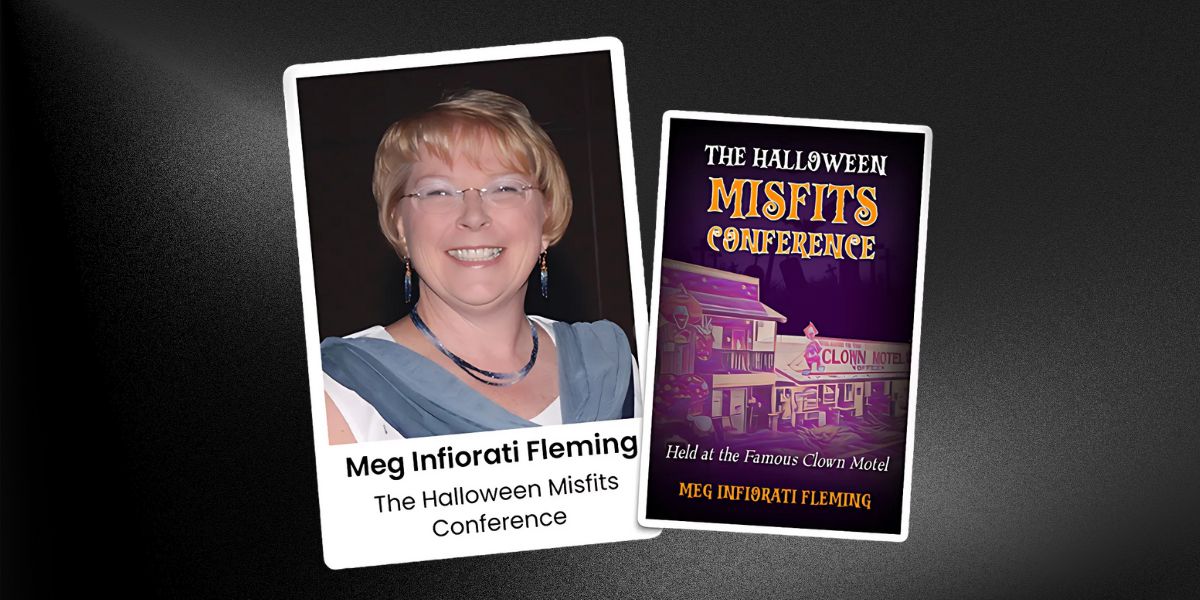
Author Meg Infiorati Fleming Brings Chilling Twists to Life in The Halloween Misfits Conference

By: Willie V. Oliver

The world is full of unusual places, but few are as unsettling or as fascinating as the Clown Motel in Tonopah, Nevada. Known for its colorful clown décor and proximity to a historic cemetery, it has long been a curiosity for travelers and ghost hunters. Now, the motel serves as the backdrop for author Meg Infiorati Fleming’s latest book, The Halloween Misfits Conference, a story that blends eerie atmosphere with psychological suspense.

Meg Infiorati Fleming, who has worn many hats throughout her career, from paralegal and software executive to police officer and organizational psychologist, has lived a life as varied as her characters. She has traveled extensively, spent time in Nepal, and gathered insights into human behavior that now shape her fiction. With her background in psychology, she crafts characters and scenarios that feel authentic, even when they are strange and unsettling.

Turning a Motel into a Mystery

In The Halloween Misfits Conference, the Clown Motel becomes more than a quirky roadside attraction. It is portrayed as a living presence, filled with bright colors and smiling faces that mask something darker beneath. The story follows Danny, a rodeo clown, and his wife Alison as they attend a Halloween event at the motel. What begins as lighthearted fun slowly transforms into a series of events that challenge their grip on reality.

Infiorati Fleming’s approach to horror is rooted in psychology rather than shock. Fear emerges from subtle shifts: a note that feels too personal, a meal that tastes too perfect, or a gift shop display that seems to move when no one is looking. These details create a sense of unease that builds gradually, keeping readers questioning what is real.

Fear in the Familiar

The motel itself plays a central role in the book’s unsettling tone. Its cheerful clowns and playful decorations should offer comfort, yet they do the opposite. Infiorati Fleming uses this tension between the familiar and the disturbing to heighten suspense. Instead of relying on monsters or sudden scares, she taps into the quiet dread that comes when ordinary things feel slightly off.

Fear is most potent when it sneaks up on you through the everyday. Infiorati Fleming notes. I wanted the setting itself to feel like a character, something that appears harmless at first but leaves you second-guessing every detail.

A Story Rooted in Human Behavior

Throughout the novel, characters face moments that test their trust and perception. A friendly dinner starts to feel like a trap. A cemetery tour reveals more than expected. Guests discover that the line between performance and reality is thinner than they imagined. By weaving psychological insights into these moments, Infiorati Fleming ensures that her horror is not just spooky but deeply thought-provoking.

Her dialogue is sharp, pacing deliberate, and settings richly described. The result is a reading experience that feels immersive and authentic, blurring the line between fiction and possibility.

About the Author

Meg Infiorati Fleming is an American author whose diverse career and extensive travels have provided her with a rich and unique perspective on human nature, which she masterfully incorporates into her writing. With a background that spans law, technology, law enforcement, and psychology, Fleming has developed a deep understanding of the complexities of human behavior. This eclectic mix of experiences informs her ability to create multi-dimensional characters and intricate plots that captivate readers. Her insights into the nuances of how people think, react, and perceive the world around them are reflected in the layers of suspense and tension that permeate her work. In addition to her literary pursuits, Fleming has spent time in various parts of the world, including Nepal, where her interactions with different cultures further enhanced her storytelling. The Halloween Misfits Conference is her latest work, blending her passion for eerie, psychological horror with a profound exploration of the human condition. As an author, she continues to draw from her rich personal and professional experiences, offering readers not only thrills but also a deeper understanding of the mind’s complexities.

A Heartwarming New Children’s Tale Is on Its Way — Meet A Puppy for Selena

By: Harold D. Thomas

There’s a special kind of magic in the moment a child meets their very first furry best friend—the excitement in their eyes, the giggles that follow a wet puppy kiss, and the joy of unconditional love that can last for years. Author Gina Saporito has captured this feeling in her upcoming children’s book, A Puppy for Selena, a heartwarming story that reminds us all of the joy of friendship, love, and responsibility.

At the heart of the story is Selena, a bright, animal-loving little girl who fills her days with adventure. She enjoys exploring, swinging beneath the big shady tree in her front yard, and visiting the nearby farm where chickens cluck, cows graze, and dogs wag their tails at her arrival. Wherever Selena goes, animals bring her joy, and every animal she meets becomes a friend. But more than anything, Selena dreams of having a puppy of her very own. It’s not just a fleeting wish; it’s a dream that fills her heart day after day. She imagines what it would be like to have a soft little friend to feed, walk, and snuggle with at night when the world grows quiet.

What makes Selena unique is that she doesn’t just wish for a puppy—she prepares for one. Determined to show her parents that she’s ready for the responsibility, she creates her very own “Puppy Care Plan.” With crayons, stickers, and her greatest determination, she writes out everything she will do: feed the puppy breakfast and dinner, brush it every day, go on walks, play fetch, and give it endless hugs. At the bottom of her chart, she draws a heart and writes the words that sum up her big, little heart perfectly: “I will love my best friend forever.” This simple act in the story plants a beautiful message for young readers: caring for a pet is about more than just cuddles and fun—it’s about commitment, patience, and love. Children who read Selena’s journey are not only entertained but also gently introduced to the values of responsibility and empathy in a way that feels inspiring, rather than instructional.

The story takes a joyful turn when Selena wakes up one morning to discover something waiting for her in the living room. In a basket tied with a big bow is a tiny, fluffy puppy with bright brown eyes full of curiosity and warmth. It’s a dream come true. Selena names him Buttons, inspired by his button-like eyes, and from that moment, the two become inseparable. Together, Selena and Buttons play in the yard, explore the world around them, and share the kind of love only a child and her puppy can know. The story closes with a feeling of hope and joy, showing readers that dreams, when combined with love and responsibility, can indeed come true.

While there are many children’s books about pets, A Puppy for Selena stands out because of its tender balance of relatability and inspiration. Every child has wished for something dearly—whether it’s a pet, a toy, or a special adventure. Selena’s journey speaks directly to that longing, while also guiding children through the steps of proving they are ready for the things they want. Buttons, of course, add irresistible charm. His playful personality and puppy antics will make children laugh, while his bond with Selena will tug at the hearts of parents reading along. Together, they create a timeless duo that young readers will likely remember fondly.

Right now, the story is being brought to life with beautiful illustrations that capture Selena’s innocence and Buttons’ playful spirit. The first glimpses of Selena and her puppy are already winning hearts—from Selena on her swing beneath the old tree to the heart-melting moment she meets Buttons for the first time. These illustrations do more than decorate the story; they bring it alive, offering children a chance to see themselves in Selena’s shoes and feel the warmth of Buttons’ wagging tail.

A Puppy for Selena isn’t just a book for families with pets. It’s a universal story about dreaming, preparing, and cherishing friendship—themes every child can connect with. Parents will enjoy sharing it as a bedtime story, especially those teaching their children about responsibility. Teachers will find it a wonderful addition to classrooms, where it can spark conversations about caring for others. And for children’s book lovers, this title is a treasure that introduces them to a fresh new voice in storytelling—author Gina Saporito.

As a first-time author, Gina Saporito brings genuine heart to her writing. Her goal is not just to entertain children, but to leave them with values and emotions they can carry forward. With A Puppy for Selena, she has created a story that feels timeless—the kind of book children will want to read again and again, and parents will be glad to have on their shelves.

Though still in production, A Puppy for Selena is already making waves. Communities of parents, teachers, and children’s book enthusiasts are buzzing with excitement as early previews are shared. With Selena and Buttons ready to leap into the world, this book is expected to become one of those special titles that grows not just in sales, but in hearts and memories. Keep your eyes open—Selena and Buttons will soon be ready to bound off the page and straight into your heart. Whether you’re looking to add warmth to your child’s library or searching for a story that sparks love and responsibility, A Puppy for Selena is one to keep an eye on.