
By: Jessa Marie Dollesin
Ask any city traffic engineer what is wrong with the current approach to road safety technology, and you will hear a familiar answer: too many systems, too many vendors, and data that arrives too late to do much about what it describes.
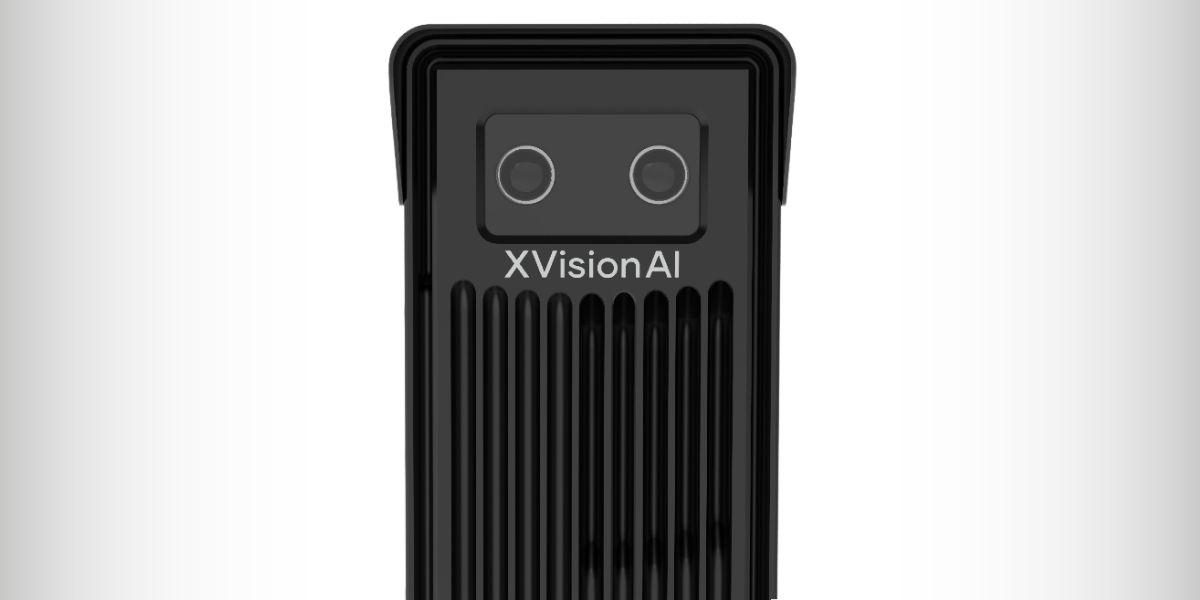
XVision AI, an Australian company that launched its traffic intelligence platform in late 2024, has taken that complaint seriously enough to build an entire product around it. The company’s EagleEye device mounts at intersections and does in one unit what traditionally required five or six separate pieces of hardware and software: it detects road users with stereo-vision depth sensing, classifies their movements using onboard artificial intelligence, and delivers structured safety and mobility data to traffic controllers, cloud dashboards, and city planning teams — without routing raw video through a central server.
The company has deployed 180 EagleEye units across the Asia-Pacific region since launching, with strong momentum in Australia and expansion planned through APAC between 2026 and 2028. It has identified more than 100,000 intersections across the region as candidates for the platform and is targeting at least 1,000 of them by 2027.
It is easy to dismiss those numbers as ambitious, given the company’s age. It is also worth noting that 180 deployments in under a year is nothing in a sector where procurement cycles typically run 12 to 24 months, and every installation requires sign-off from at least two levels of government.
“What we’ve done with EagleEye is collapse what used to be five or six separate systems into one intelligent platform,” said Simon Maselli of XVision AI. “Instead of fragmented data from loops, radar, and cameras, cities now get a single, consistent source of truth that reflects how all road users actually interact in real time.”
The practical benefit for the contractors who install road technology is that EagleEye gives them a single device covering everything from basic vehicle detection to pedestrian conflict mapping. New features arrive through software updates, not hardware replacements. For cities, the benefit is data they can actually use: near-miss counts, conflict mapping, queue analysis, and early-warning information that identifies where a serious incident is likely before it occurs.
For government buyers working toward zero-harm road safety targets, that last point matters most. Crash statistics describe failures after the fact. EagleEye, the company says, surfaces the patterns that predict them.
XVision AI competes against VivaCity, Axis Communications, and legacy sensing technologies, including road loops and radar. It is making its case across a market it estimates at more than 100,000 eligible intersections. It has started.