

For many New York City homeowners, the excitement of renovating an apartment begins with inspiration boards, contractor referrals, and dreams of transforming an outdated space into a modern home. Yet industry professionals say one of the most common and costly mistakes happens before a single wall is opened: hiring a contractor before hiring an architect.
That decision can set off a chain reaction of inaccurate budgets, unrealistic expectations, project delays, and costly redesigns. In a city where buildings often date back decades, or even centuries, and where renovation projects must comply with an extensive web of building codes, administrative regulations, and co-op or condominium requirements, proper planning is far more than a formality. It is the foundation of a successful renovation.
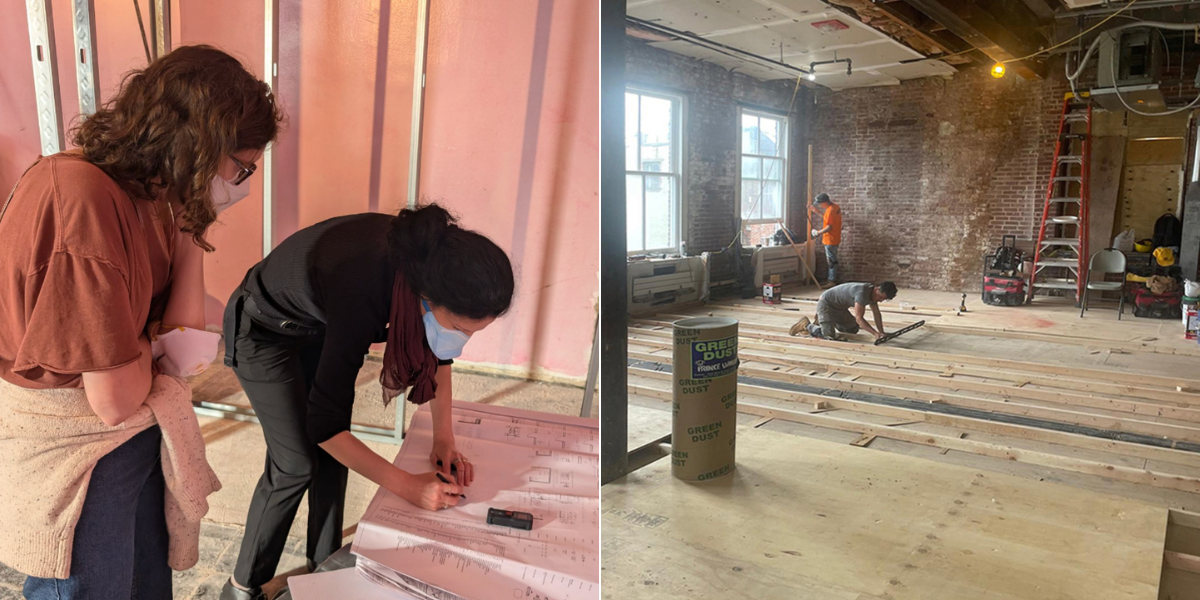
Apartment Renovation NYC, a specialized department of Lenka Ilic Architecture D.P.C., was created to help educate property owners about navigating New York City’s uniquely complex renovation landscape. Rather than focusing solely on design aesthetics, the initiative aims to give homeowners practical guidance that can help them avoid expensive mistakes before construction begins.
One recurring issue seen throughout the industry is that many homeowners approach a builder first, often signing a construction agreement before architectural plans have even been prepared. While this may seem like a faster path toward starting a project, it frequently has the opposite effect.

Without professionally prepared architectural drawings and a clearly defined scope of work, early contractor estimates are often based on assumptions rather than finalized project requirements. As design decisions evolve or building conditions are uncovered, those estimates can quickly change, leading to unexpected costs and schedule disruptions. In many cases, layouts promised during initial discussions must be significantly revised once building codes, structural limitations, or building management requirements are taken into account.
The result can leave homeowners feeling locked into agreements that no longer reflect either their budget or their renovation goals.
The challenges become even more significant because New York City’s housing stock presents obstacles unlike almost anywhere else in the country. Hidden plumbing conditions, aging electrical systems, structural limitations, landmark requirements, fire safety regulations, and evolving building codes all require careful coordination before construction begins. Even experienced contractors can encounter unexpected complications if the project has not first been thoroughly evaluated from an architectural perspective.
Another issue drawing increasing attention within the renovation industry involves the marketing of so-called “design-build” residential renovation services.
Many construction firms advertise themselves as providing both architectural design and construction under one company for residential apartment renovations. However, New York’s professional licensing framework places important legal boundaries around how architectural services may be offered. Professional design services must be provided through properly authorized design professional entities rather than through general contracting companies. Understanding these distinctions is important for homeowners evaluating firms and comparing renovation proposals.
Apartment Renovation NYC has published educational resources explaining how residential project delivery works in New York City, including guidance on recognizing misleading advertising and understanding when certain project delivery methods may or may not apply. The organization’s goal is not to create confusion, but rather to give homeowners enough information to ask informed questions before committing to a renovation contract.
Architects also serve as an important advocate throughout the bidding process. With complete drawings and detailed specifications already prepared, multiple contractors can provide bids based on the same information, allowing homeowners to make more meaningful comparisons. Instead of comparing estimates built on different assumptions, owners are evaluating proposals for the same defined scope of work.
This approach creates greater transparency, improves pricing accuracy, and establishes clearer expectations before construction begins. It also helps reduce the likelihood of disputes arising from misunderstandings over what work was or was not included in an original estimate.
For homeowners preparing to renovate, professionals recommend following a straightforward sequence that helps reduce risk throughout the process:
- Retain an architect.
- Confirm the renovation’s feasibility with the architect.
- Develop complete architectural drawings and a detailed scope of work.
- Solicit comparable contractor bids with architectural oversight.
- Review the construction agreement alongside the architect before signing.
- Begin construction only after these steps have been completed.
While no renovation is entirely free from surprises, careful preparation significantly improves the likelihood of a project staying on schedule, remaining within budget, and achieving the homeowner’s intended vision.
As renovation activity continues across New York City’s residential market, education is becoming just as valuable as craftsmanship. Homeowners who understand the planning process before selecting a contractor are often better positioned to avoid unnecessary financial setbacks and construction delays.
For those considering an apartment renovation, resources available through Apartment Renovation NYC offer detailed guidance on renovation planning, construction sequencing, common project challenges, and the legal framework surrounding residential renovations in New York City. By placing architectural planning at the beginning of the process instead of the middle, homeowners can make more informed decisions and build their projects on a stronger foundation from day one.