
If you have never heard of the Garifuna people, you are not alone. Yet their story is one of the most compelling in the Americas: a community shaped by survival, movement, memory, and a truly hybrid cultural identity. Their history carries echoes that resonate powerfully with African American readers in particular, as well as with educators, historians, and anyone drawn to culture and anthropology.
The Garifuna are a people of African and Indigenous Caribbean roots whose identity formed through displacement and resilience. Over centuries, they developed a distinctive language, music, dance traditions, spirituality, and community life that remain recognizable today. But like many small cultural communities, they face a modern reality that is both urgent and quiet: cultural loss does not always arrive through a single dramatic event. Sometimes it arrives through migration, assimilation, economic pressure, and the slow thinning of language and tradition across generations.
This is why Robert MacKay wrote his book: to create a clear, accessible reference point for readers who want to understand who the Garifuna are, where they come from, and why their culture matters right now. The goal is not only to inform, but to preserve. The Garifuna story is unique, fascinating, and at risk of being forgotten in the broader public conversation.

A People Shaped by History and The Sea
The Garifuna story begins with movement and transformation. Their identity emerged from the meeting of different worlds, then hardened through survival. Today, Garifuna communities are found primarily along the Caribbean coasts of Central America, especially in Honduras, Belize, Guatemala, and Nicaragua, with strong diaspora communities in the United States, including New York City.
For many readers, the most striking aspect of Garifuna history is how it refuses neat categories. It is not a single origin story, but a layered one. It includes displacement and forced relocation, but also cultural innovation and continuity. This is what makes the Garifuna a compelling subject for anyone interested in how identity survives pressure, and how a people carry memory across oceans, borders, and generations.
The book emphasizes this hybrid reality as one of the culture’s defining features. Garifuna identity is not frozen in the past. It is lived, practiced, negotiated, and celebrated, even as it faces pressures that threaten its transmission.
Culture as A Living Practice: Music, Dance, Language, And Spirit
To understand the Garifuna, you cannot stay only in dates and geography. You have to enter the world of practice: drumming, communal celebration, oral history, and the everyday ways culture is passed on.
Garifuna music and dance are not simply entertainment. They are social memories. They hold stories, values, and belonging. The language carries worldview and ancestry. Spiritual traditions and respect for ancestors connect community life to something larger than the individual.
For readers who care about culture and anthropology, these details matter. They show how a community maintains coherence over time. For African American readers, they can also feel familiar in a deeper way, because they reflect broader themes of survival, reinvention, and the power of culture to endure when history is heavy.
Why This Book, And Why Now
MacKay’s personal connection adds dimension, but the story is not about him. The main story is the Garifuna themselves. Still, one moment he shares captures the warmth and immediacy of his first encounters and why the culture stayed with him.
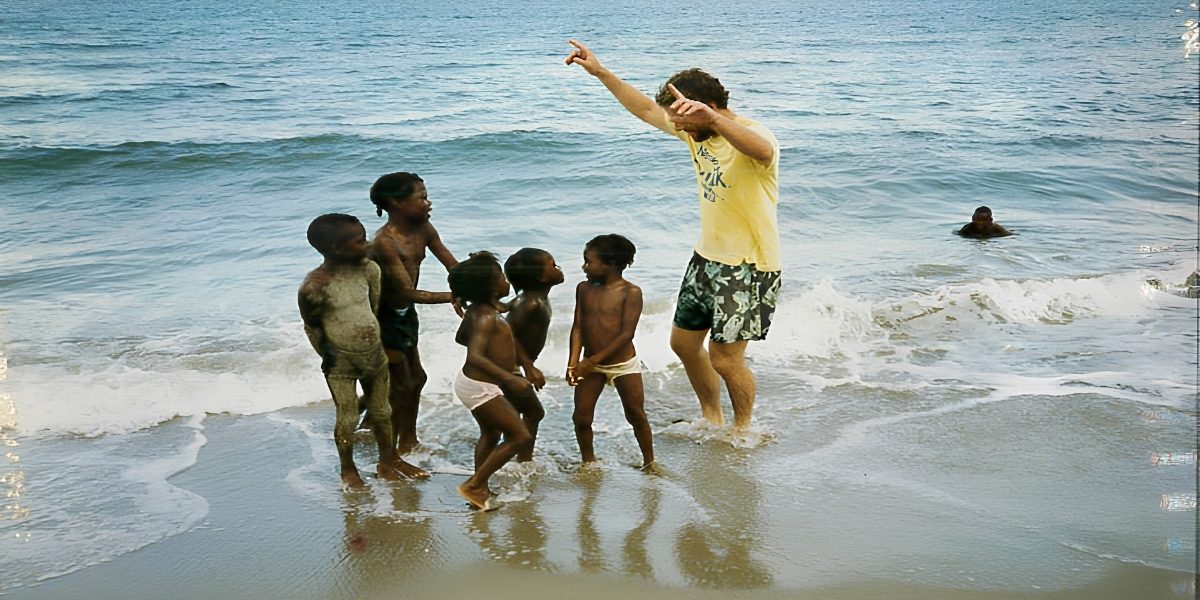
In 1993, he visited Garifuna village for the first time. Before entering, he walked past a group of children playing in the water. One boy shouted, “Dance! Dance!” in English. MacKay complied. For the next few minutes they danced together in the water, while a group of mothers walked over laughing.
It is a small scene, but it shows something essential. Culture is not only what is recorded in books. It is also what is lived in joy, invitation, community, and everyday connection.
The project itself, he says, came from deep commitment and sustained effort.
“This is a true labor of love, as I spent countless weekends on research and writing, but it was 100 percent worth it. To put it simply, the Garifunas are fascinating, and it’s an honor to share this story with readers.”
A Visual Resource as Well as A Cultural Guide
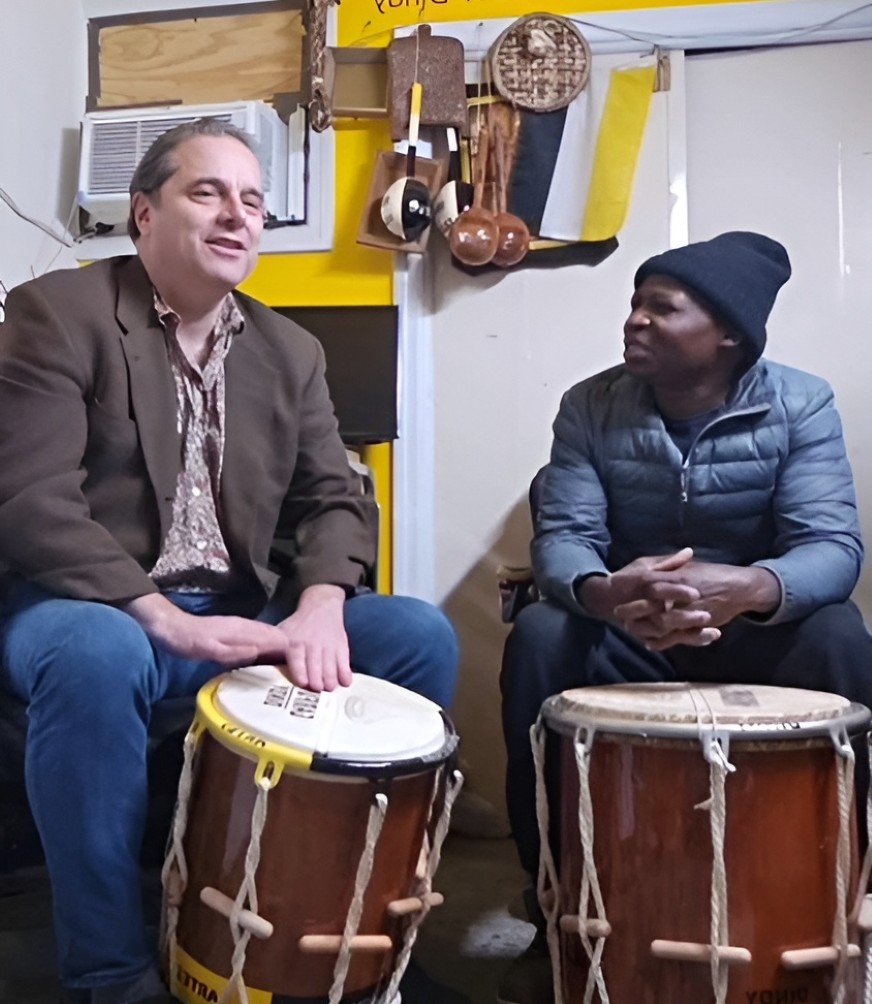
One reason the book works so well for new readers is that it is designed as a visual resource, not only a narrative overview. The photos matter. They bring the people, landscapes, celebrations, and cultural details into view. For readers encountering Garifuna life for the first time, images do more than decorate a page. They teach.
This book is well suited for learning spaces because it meets readers where they are. It provides a structured introduction, clear cultural context, and a reliable overview of a community that is often missing from standard curricula.
Schools and educators: as supplemental reading in units on diaspora, the Caribbean, Central America, cultural survival, and identity formation.
Universities: for courses in anthropology, history, diaspora studies, African and Afro Caribbean studies, and cultural studies.
Libraries: as a community resource that supports cultural literacy and representation.
Book clubs: for groups interested in culture, overlooked histories, and the way communities protect identity through art, language, and tradition.
The Garifuna story belongs in more classrooms and more public conversations. This book makes that possible in a format that is approachable, visually engaging, and culturally respectful.
A Culture Worth Knowing, A Culture Worth Keeping
The Garifuna are not simply a historical curiosity. They are living people with a living culture. Their uniqueness lies in their history and in the cultural blend they carry forward. Their urgency lies in the reality that cultures can disappear when language weakens, when traditions are not passed down, and when communities are pushed to the margins of mainstream attention.
For African American readers, educators, historians, and anyone interested in the richness of human culture, the Garifuna story offers something rare: a portrait of survival that is also a celebration, and a reminder that preservation begins with attention.Learn more about the book and the Garifuna people, and explore how this culture continues to thrive in Central America and across the diaspora.
Buy the Book:
Amazon
Barnes & Noble
Waterstones
Tune in on Rob’s latest works: robmackay.info