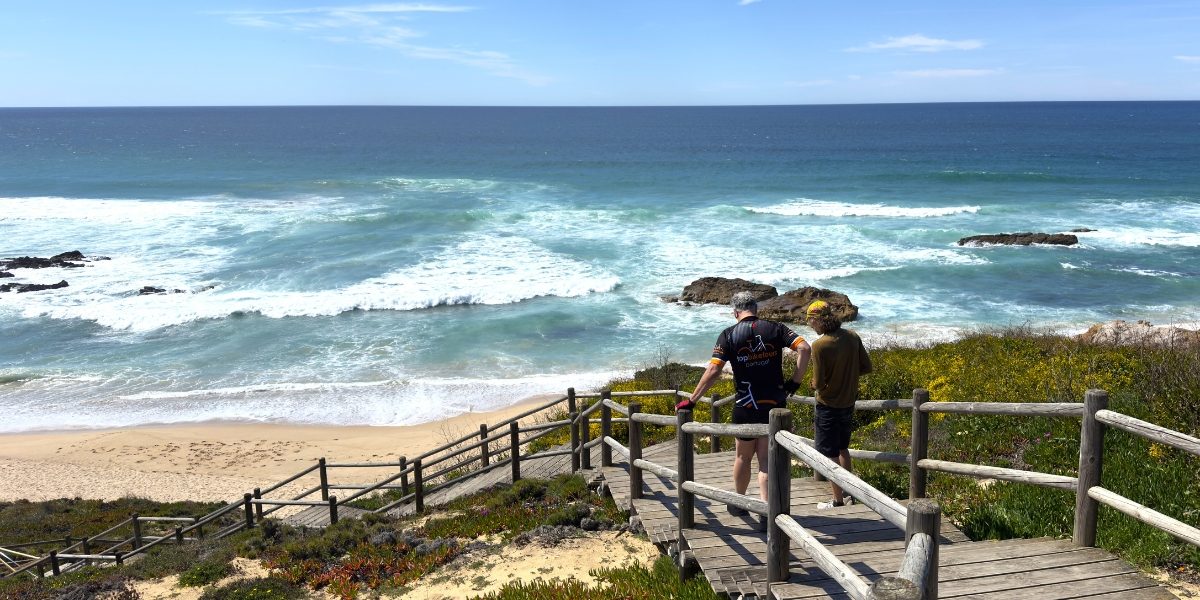

Cycling holidays look simple from the outside. People see the photos first. Coastal roads, vineyards, small villages, ocean views. What usually stays hidden is the operational side behind those trips. Multi-day cycling routes depend on constant coordination. Accommodation timing matters. Luggage transfers matter. Mechanical support matters too, especially across routes where riders cover long distances through changing terrain and weather conditions. As cycling tourism expanded across Europe during the last decade, many operators moved away from simple bicycle rentals and toward more structured travel systems designed around logistics as much as cycling itself.
Portugal became part of that shift. Tourism figures released by Turismo de Portugal showed the country recorded more than 31 million guests and over 80 million overnight stays in 2024, continuing a long period of growth tied heavily to foreign tourism. Outdoor travel also became increasingly visible during those years. Walking routes, Atlantic coastal itineraries, and cycling holidays attracted travelers looking for slower travel experiences beyond short city stays in Lisbon or Porto. At the European level, cycling tourism has also grown sharply. The European Cyclists’ Federation has estimated that cycling tourism generates billions of euros annually across Europe through long-distance and recreational travel routes.
Within that environment, Top Bike Tours Portugal gradually developed an operational structure focused almost entirely on organized cycling travel rather than standalone bike rentals. The company originally began in Porto in 2013 under the name Fold n’ Visit, though its operating model changed significantly after the 2017 rebrand to Top Bike Tours Portugal. Instead of concentrating on short urban rides and folding bicycle rentals, the business moved toward guided and self-guided multi-day tours covering several Portuguese regions and selected Iberian routes.
The distinction between guided and self-guided tours became central to how the company organized its services. Guided tours follow a more traditional group travel structure. Riders travel with planned coordination, scheduled overnight stops, and direct operational assistance throughout the route. Support vehicles usually accompany the group or remain available during the journey, particularly on longer routes such as Porto to Santiago de Compostela or Porto to Lisbon. Those vehicles carry luggage, mechanical equipment, spare materials, and occasionally assist riders unable to complete specific stages.
On tour support also changes the rhythm of the experience itself. Group departures move according to planned schedules rather than individual pacing. Staff coordination becomes important during route transitions, accommodation check-ins, and daily stage planning. Riders generally receive route briefings and logistical guidance throughout the trip. For international visitors unfamiliar with Portuguese roads or geography, that structure removes much of the independent planning usually associated with long-distance bicycle travel.
The company’s routes also require different levels of operational management depending on geography. Coastal tours between Porto and Lisbon involve long Atlantic sections where weather conditions can shift quickly, particularly because of strong coastal winds common along western Portugal. Inland routes through the Douro Valley create different demands. Steeper climbs, summer heat, and more isolated rural areas require stronger coordination around accommodation timing, water access, and mechanical readiness throughout the journey.
Bicycle management became another major part of the company’s operational structure after the transition away from simple rentals. According to company information, the bicycles used for tours are managed internally rather than outsourced through separate rental providers. Alberto Sousa oversees bicycle preparation, maintenance, and technical readiness connected specifically to touring operations. That setup reflects a broader difference between tourism operators and standard rental businesses. Multi-day cycling routes create heavier wear on equipment because bicycles remain in continuous use across changing terrain and long daily stages.
Mechanical reliability becomes especially important on week-long itineraries where riders move between regions rather than remaining inside one city. Coastal humidity, rough pavement, elevation changes, and weather exposure all affect bicycles differently depending on the route itself. Organized operators, therefore, tend to maintain fleets specifically prepared for touring conditions instead of general urban rental use. The company’s operational model appears to follow that structure, with maintenance integrated directly into the touring system rather than functioning as a separate service category.
Accommodation coordination forms another layer of the business model. Most tours are organized as week-long experiences combining cycling with overnight stays, selected meals, and route support. Daily stage planning depends heavily on hotel availability and regional travel timing, particularly during Portugal’s peak tourism months. According to Turismo de Portugal data, international visitors accounted for more than 70 percent of overnight stays in 2024, increasing pressure on accommodation systems in some regions during high season.
The company’s evolution from Fold n’ Visit into Top Bike Tours Portugal reflected broader changes taking place within active tourism itself. The need to have cycling trips that had all their logistics arranged beforehand became more common among tourists. From its humble beginnings, where the company was dealing with city tours through bicycle rentals, a system was put in place that allowed it to grow into what it is today, offering tourist trips by bicycle in Portugal.