

By: Diyorbek Turgunboev, Training Specialist at TU Brothers Academy
In the hospitality world, exceptional service is rarely an accident — it is the result of intentional design. While food quality and menu engineering are crucial, the style of service chosen by an establishment often plays a significant role in how guests feel, how staff work, and how profitable the operation becomes.
Across generations, countries, and dining cultures, hospitality professionals have refined a variety of service methods — each developed to address specific guest expectations, cultural customs, staffing realities, and business goals. Below is a deeply practical, industry-tested guide to 13 core waiter service styles and how they can shape both the guest experience and the operational heartbeat of a restaurant.
1. Fine Dining Service — The Peak of Formal Hospitality
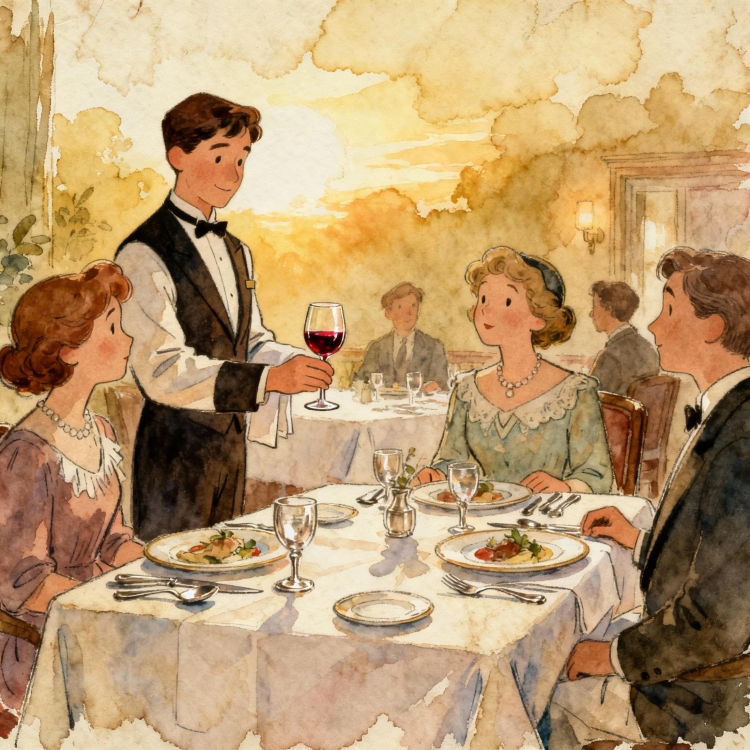
Photo Courtesy: Diyorbek Turgunboev / Envato AI
Fine dining is often regarded as the most refined expression of restaurant service. It typically demands discipline, technical skill, and consistent attention to detail. Servers are generally expected to be fluent in wine service, table etiquette, culinary terminology, and synchronized service techniques.
This style is typically associated with luxury restaurants, boutique hotels, and establishments aiming for Michelin recognition or premium market positioning. Guests tend to expect not just a meal but an orchestrated, elegant experience.
2. Family-Style Service — A Warm, Shared Table
Family-style service revolves around communal sharing. Large platters are placed in the middle of the table, encouraging guests to serve each other.
This approach helps foster an atmosphere of warmth and informality and is often found in Italian trattorias, Chinese banquet halls, Middle Eastern feasts, and restaurants that celebrate home-cooked, social dining traditions. It’s about abundance, comfort, and connection.
3. Buffet Service — High Volume, High Flexibility
Buffet service gives guests the freedom to choose from a variety of dishes displayed on long tables or food stations. It is commonly used in resorts, all-day dining restaurants, cruise ships, conference venues, and large banquet events.
Though it can be cost-effective, buffets require careful attention to:
- food temperature
- cross-contamination risks
- attractive presentation
- timely replenishment
When done effectively, buffets have the potential to offer speed, variety, and strong revenue opportunities. If poorly executed, however, they may damage guest trust instantly.
4. French Service — Ceremony and Prestige
French service is one of the most formal and theatrical styles. Dishes are partially prepared in the kitchen but finished tableside — carved, assembled, flambéed, or sauced in front of the guest.
It typically requires:
- highly trained staff
- specialized equipment
- time-sensitive execution
Though it is rarely used in everyday restaurants due to labor intensity, when executed properly, it can create an unforgettable sense of ceremony and exclusivity.
5. Russian Service — Formality with Efficiency
Russian service is similar to French but less elaborate. Fully cooked dishes are brought on platters, and servers portion the food directly onto each guest’s plate.
This method is commonly found in premium banquet events and multi-course fine dining, where elegance is desired, but tableside theatrics are kept to a minimum.
6. American (Plated) Service — Fast, Precise, Universal
American service, or plated service, is the most widely adopted style in modern restaurants. All plating is done in the kitchen, ensuring consistency and speed. Servers simply deliver ready plates to the table.
This style is typically used in casual dining, upscale restaurants, hotel outlets, and chain concepts aiming for:
- efficiency
- portion control
- predictable food costs
- strong visual presentation
It is reliable, professional, and operationally scalable.
7. Butler Service — Luxury Without Disruption
Butler service involves a dedicated server presenting food on trays or platters directly to guests, often without predetermined portions.
Common in:
- private villas
- luxury suites
- VIP lounges
- executive dining rooms
The focus is on personalization, privacy, and the understated presence of service staff.
8. Gueridon (Tableside) Service — Culinary Theater
Gueridon service uses a movable trolley where dishes are prepared, finished, or dramatically presented in front of guests.
Think:
- carving prime rib
- tossing Caesar salad
- flambéing Crêpes Suzette
This style requires skilled staff and strict safety training. It can elevate perceived value and is frequently used for signature showpieces or high-end restaurants aiming to create memorable, Instagram-worthy moments.
9. Tray Service — Practical and Controlled
Tray service is most commonly used in:
- room service
- hospitals
- airlines
- corporate cafeterias
Full meals are assembled on trays and delivered directly to the guest’s location. Accuracy, temperature management, and portion control are the core challenges. While simple, the logistics behind tray service can be demanding.
10. Counter Service — Fast, Direct, and Casual
In counter service, guests order and sometimes eat at the counter. This style is common in:
- cafés
- bakeries
- delis
- diners
- fast-casual restaurants
It reduces labor costs, shortens wait times, and encourages direct guest–staff interaction. Speed and consistency matter more than formality.
11. Self-Service — Independence for the Guest, Efficiency for the Operator
In full self-service setups, guests choose, collect, and sometimes pay without staff involvement. Examples include:
- cafeterias
- salad bars
- food courts
- vending kiosks
While self-service reduces staffing needs, it requires excellent layout design and constant supervision to maintain hygiene and product appeal.
12. Silver Service — Classic British Tradition
Silver service is a formal British method where food is served from elegant silver platters using specialized spoons and forks.
Key features include:
- serving from the left
- clearing from the right
- precise choreography
Although less common today, it remains a hallmark of ceremonial dining in historic hotels, embassies, and private clubs.
13. English Service — The Host Leads
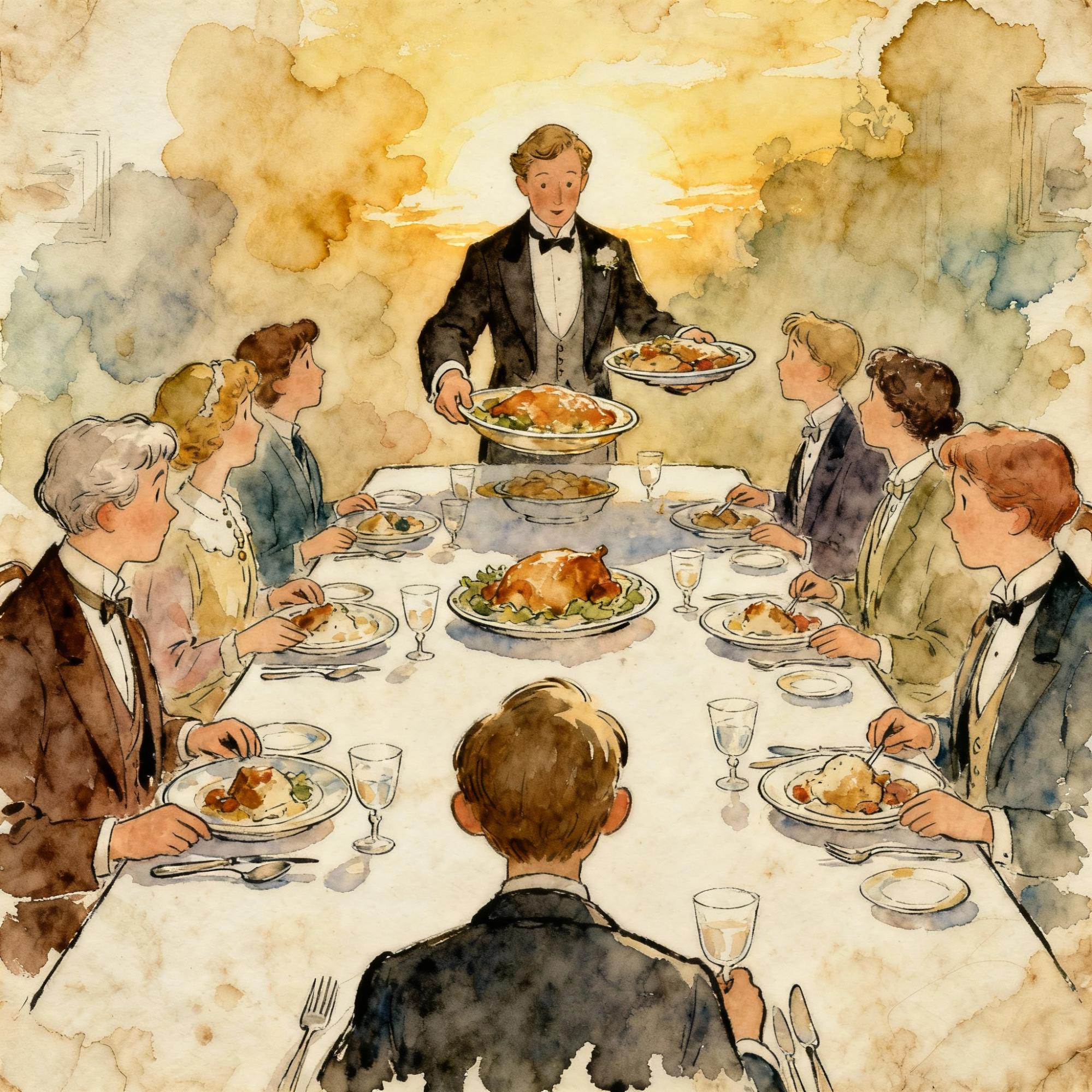
Photo Courtesy: Diyorbek Turgunboev / Envato AI
English service places responsibility on the host at the head of the table. The host receives large serving dishes and then portions the meal for other guests.
This style reflects a traditional aristocratic hierarchy and is now most often seen in private dinners or exclusive club gatherings rather than commercial operations.
Service Style as a Strategic Business Choice
The service style chosen by a restaurant is not simply a cultural preference — it affects nearly every part of the business. It shapes:
- guest experience and perceived value
- staffing structure and training needs
- speed of service and table turnover
- menu engineering and food costs
- brand identity and competitive advantage
Choosing the correct service style — or blending several — can allow an operation to deliver consistency, efficiency, and memorable guest moments.
Why Mastering Service Styles Matters
For owners, managers, and food & beverage professionals, understanding these 13 service styles is essential. Every method carries its own operational logic, cultural roots, and impact on the guest journey.
When service style aligns with a restaurant’s concept and capabilities, it creates:
- smooth operations
- emotionally satisfying guest experiences
- stronger profitability
- a clear, differentiated brand
The world’s leading restaurants succeed not only because of their food, but because they understand and master the art of service. When service is intentional, disciplined, and well-executed, it can transform meals into memories — the kind guests return for, talk about, and recommend to others.