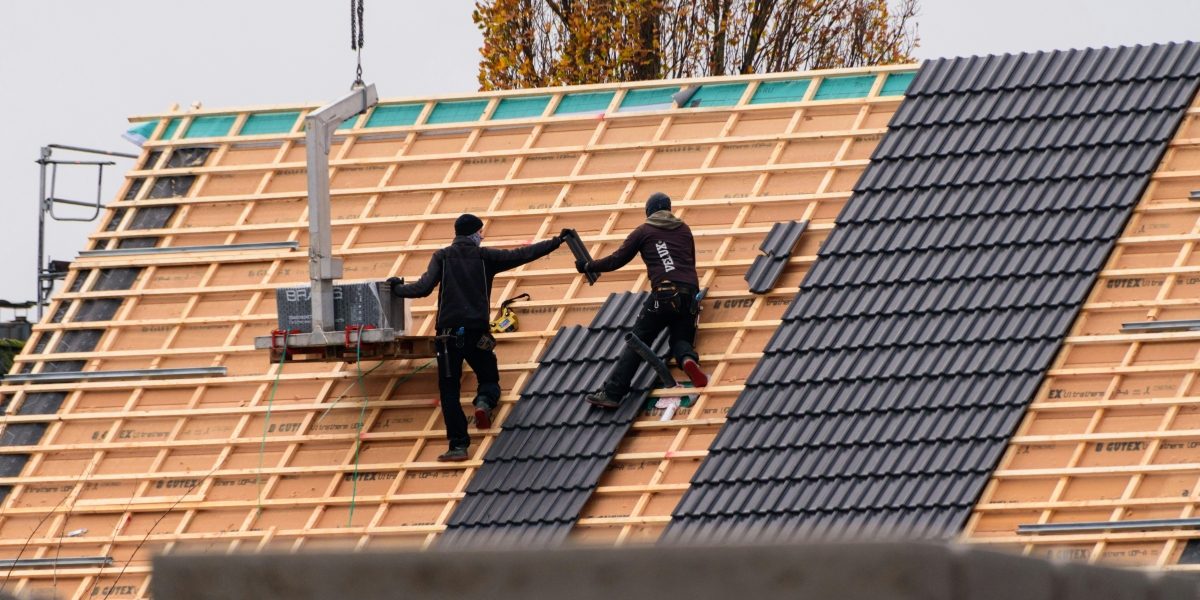

Las Vegas might be known for sunshine and neon lights, yet anyone who has lived here through a spring or summer windstorm knows the desert has a rougher side, too. Gusts that tear across the valley can hit homes hard, and roofs usually take the worst of it.
If you are planning to sell your house and you already suspect the last big blow has left a mark overhead, you are probably wondering whether repairs are required before you list, or whether you can sell things exactly as they stand. The answer depends on a few factors, and this guide walks through all of them in plain terms.
1. When Desert Winds Turn Into Roof Trouble
Vegas windstorms are not gentle. Gusts regularly climb past 50 or 60 miles per hour, and when that kind of force hits a roof, it goes after every weak point. Loose shingles lift and crack, tiles shift out of place, and flashing around vents or chimneys can peel back just enough to let water sneak in during the next rain. Sand and debris carried on the wind also scour surfaces, wearing down protective coatings faster than normal weather ever would.
2. Spotting Signs Before Buyers Do
A roof problem rarely announces itself loudly, so a slow walk around the property after any strong storm is worth the effort. Common warning signs include:
- Shingles that are curling, cracked, or missing entirely
- Dented vents, dislodged gutters, or bent flashing
- Granules are collecting in the yard or near downspouts
- Water stains, damp insulation, or a musty smell in the attic
Buyers and their inspectors know exactly where to look, and local companies such as Plot Property Group deal with storm-affected homes often enough to spot trouble within minutes of arriving. Catching the same issues yourself first means you get to decide how to handle them, rather than reacting to a surprise during someone else’s inspection report.
3. Why This Matters More Than You Think
A damaged roof does more than lower curb appeal. It affects financing, since many mortgage lenders will not approve a loan on a home with visible roof problems, which narrows your buyer pool to cash purchasers only. It can also trigger a lower appraisal, give buyers leverage to negotiate a steep price cut, or stall the entire transaction while everyone waits on repair estimates.
4. Fix It Now or Tell Buyers Later
Nevada law requires sellers to disclose known material defects, and roof damage almost always falls into that category. Trying to hide it is not a workable strategy, since inspections tend to catch what disclosures skip, and skipping disclosure can expose you to legal claims after closing.
Fixing the roof before listing often makes the sale smoother. A repaired roof photographs better, passes inspection without drama, and lets traditional buyers apply for standard financing without extra hurdles. It also removes one of the biggest bargaining chips a buyer could otherwise use against your asking price.
That said, full repairs are not always realistic on a tight timeline or a limited budget. Some sellers choose a middle path: getting a written estimate, disclosing it honestly, and pricing the home to reflect the needed work. This keeps the process transparent while avoiding a large upfront repair bill.
5. Counting Real Costs on Both Sides
A full roof replacement in the Las Vegas area typically runs several thousand dollars, depending on materials and square footage, while smaller patch repairs cost far less and only address isolated trouble spots. Weigh that expense against what an unrepaired roof might cost you in negotiation.
Buyers frequently ask for price reductions well beyond the actual repair cost once a defect is on paper, since they are also pricing in the hassle of managing the fix themselves. A rushed job with an unlicensed contractor can also create new problems, so it helps to get more than one written estimate before deciding on a direction.
Selling as-is to a cash buyer changes this math entirely. These buyers typically factor roof condition into their offer upfront, so there is no repair bill, no waiting on contractors, and no back-and-forth negotiation once the storm damage is disclosed.
6. Skipping Repairs and Selling As-Is
For sellers who want speed over top-dollar pricing, listing the home as-is and working with a company that regularly purchases storm-damaged properties removes most of the stress. There is no need to schedule roofers, wait on permits, or gamble that repairs will be finished before a buyer’s financing deadline arrives.
7. Time for a Fresh Start
Roof damage from a Vegas windstorm does not have to derail your sale plans. Start with an honest inspection, decide whether repairs fit your budget and timeline, and disclose whatever you find regardless of which path you choose. Buyers respect transparency, and a clear plan almost always beats an unpleasant surprise mid-escrow.
Whether you patch the roof, replace it outright, or sell the home exactly as the storm left it, the goal stays the same: a sale that closes smoothly and a price that reflects the true condition of your property. With the right information in hand, that outcome is well within reach.
FAQ
Q1: What should I look for to identify roof damage after a windstorm in Las Vegas?
Answer: After a windstorm, inspect your roof for curling, cracked, or missing shingles, dented vents, dislodged gutters, bent flashing, granules collecting in your yard, and signs of water stains or damp insulation in the attic.
Q2: Is it necessary to fix roof damage before selling my home?
Answer: While it is not always necessary to fix roof damage before selling, doing so can help avoid complications with financing, appraisal, and negotiations. A repaired roof can also enhance curb appeal and attract more buyers.
Q3: What are the legal requirements regarding roof damage disclosure when selling a house in Nevada?
Answer: Nevada law requires sellers to disclose known material defects, which typically include roof damage. Failing to disclose can lead to legal issues after the sale.
Q4: Can I sell my house as-is if it has roof damage?
Answer: Yes, you can sell your house as-is, especially to cash buyers who are accustomed to factoring in the cost of repairs. This approach can expedite the sale process without the need for repairs or negotiations over repair costs.
Q5: How do I determine the cost-effectiveness of repairing my roof before selling?
Answer: Consider the cost of repairs against potential negotiation discounts buyers may request if the roof is damaged. Also, getting multiple written estimates can help you make an informed decision about whether to repair or disclose the damage.