

The bus system in New York City is supposed to be the backbone of outer-borough transit. But for over a million daily riders, it’s become a symbol of frustration, slow, unreliable, and increasingly out of sync with the city it’s meant to serve.
While subways grab headlines, buses remain the only viable option for many New Yorkers, especially in transit deserts like southeast Queens, the Bronx, and Staten Island. Yet despite their importance, buses are consistently behind schedule, and the reasons why are layered, systemic, and long overdue for a fix.
The System Is Losing Riders, and Relevance
Bus ridership in NYC has been in steady decline for over two decades. Since 2002, the system has lost millions of riders, with many turning to rideshares, e-bikes, or simply walking to avoid the wait. According to the NYC Comptroller’s 2025 report, over 1.1 million people still rely on buses daily, a population larger than most U.S. cities, but they’re doing so with decreasing confidence.
The problem isn’t just perception. Buses are slow. The average speed across the five boroughs is under 8 mph, and in Manhattan, it drops below 5 mph during peak hours. Add in inconsistent headways, outdated routes, and traffic congestion, and it’s no wonder riders are fed up.
Traffic is the biggest culprit. Double-parked cars, delivery trucks, and gridlocked intersections choke bus lanes and delay service. While the city has expanded dedicated bus lanes in recent years, enforcement remains spotty. Cameras help, but they’re not everywhere, and drivers know it.
The MTA and DOT have launched initiatives like the Better Buses Action Plan, which aims to redesign routes and speed up service. But progress is slow, and implementation varies by borough. Riders in Brooklyn and the Bronx often see little change, even as pilot programs roll out in Manhattan.
Outdated Routes and Accessibility Gaps Keep Riders Waiting
Many of NYC’s bus routes haven’t been updated in decades. They were designed for a city that no longer exists, one where people commuted from home to a single job site, not between multiple gigs, schools, and caretaking responsibilities.
Today’s riders need flexibility, frequency, and real-time information. But the current bus system still relies on legacy routes that snake through neighborhoods inefficiently, often duplicating subway lines or failing to connect key destinations.
The MTA’s borough-based bus redesigns are meant to address this, but community feedback has been mixed. Some riders worry about losing stops; others say the changes don’t go far enough. What’s clear is that the system needs to evolve, and fast.
For many disabled New Yorkers, the bus system is the only accessible form of public transit. With most subway stations still lacking elevators, buses are a lifeline. But delays, overcrowding, and inconsistent service make that lifeline unreliable.
Older adults, parents with strollers, and riders with mobility devices often face long waits and limited seating. And while low-floor buses and kneeling features help, they’re not enough when buses don’t show up, or skip stops altogether.
Tech and Electrification Are Promising, But Incomplete
The MTA has made strides in modernizing the bus system, from real-time tracking apps to OMNY tap-and-go fare payments. But glitches remain. A 2025 survey found that 74% of riders experienced issues with OMNY, including failed taps and overcharges.
Meanwhile, AI and data analytics are being used to optimize routes and predict delays. These tools are part of a broader push to rework public transportation across NYC, but implementation is uneven. Some routes benefit from smart scheduling and signal priority; others are stuck in analog limbo.
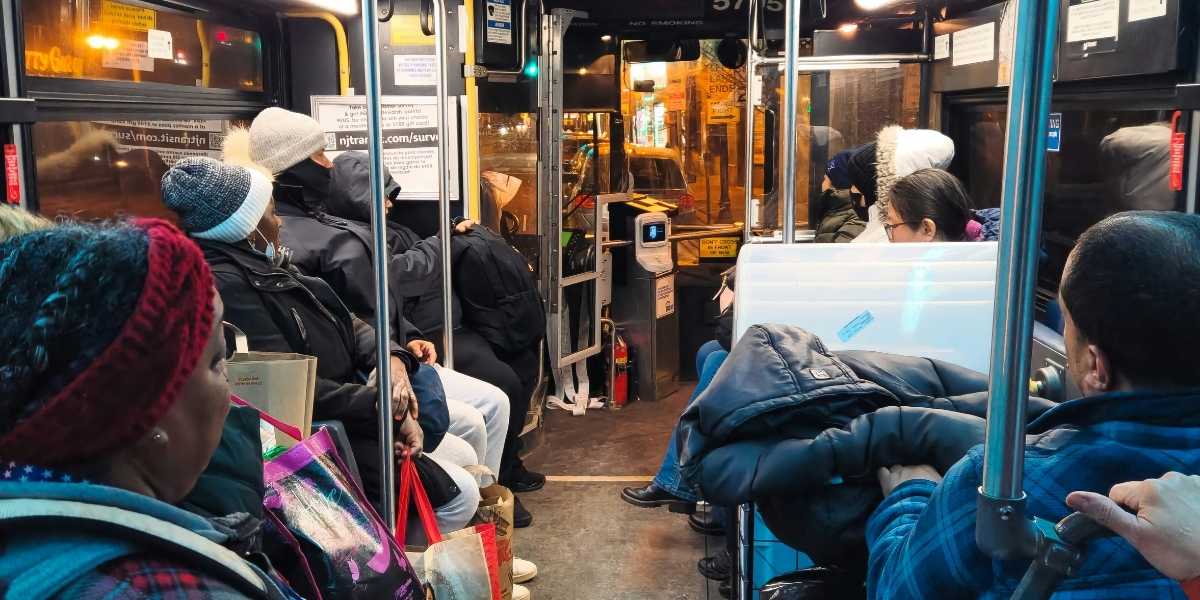
Photo Credit: Unsplash.com
Riders want consistency. They want to know when the bus is coming, and that it won’t disappear from the tracker five minutes before arrival. Until tech upgrades are universal and reliable, trust in the system will remain low.
The MTA has also committed to transitioning its entire fleet to electric buses by 2040. That’s a win for the environment and for neighborhoods plagued by diesel pollution. But electrification alone won’t solve the system’s core issues.
Electric buses still get stuck in traffic. They still follow outdated routes. And they still require drivers, maintenance, and infrastructure that the city is struggling to scale. The shift to electric public transportation in NYC is a step forward, but it’s only one piece of a much larger puzzle.
What Riders Actually Want, and Why It’s Not Happening
Ask any regular bus rider what they want, and the answers are remarkably consistent:
- More frequent service, especially during off-peak hours
- Reliable arrival times that match what’s shown on apps
- Faster trips, with fewer unnecessary stops and detours
- Better enforcement of bus lanes and traffic violations
- Cleaner, safer buses, especially at night
These aren’t radical demands. They’re basic expectations for a city that prides itself on being global, modern, and mobile.
Mayor Adams and the City Council have voiced support for bus improvements, and the MTA has outlined ambitious plans. But execution is everything. Without sustained funding, community engagement, and inter-agency coordination, even the best plans stall.
Transit advocates are calling for more transparency, faster implementation, and a rider-first approach. That means listening to feedback, adjusting quickly, and treating bus riders with the same urgency given to subway riders and drivers.
The Bottom Line
New York’s bus system is essential, and it’s failing too many people. Fixing it won’t happen overnight, but it can’t wait another decade either. With the right mix of technology, policy, and political courage, the city can deliver a bus system that actually works for the people who rely on it most.
Until then, riders will keep waiting, behind schedule, again.