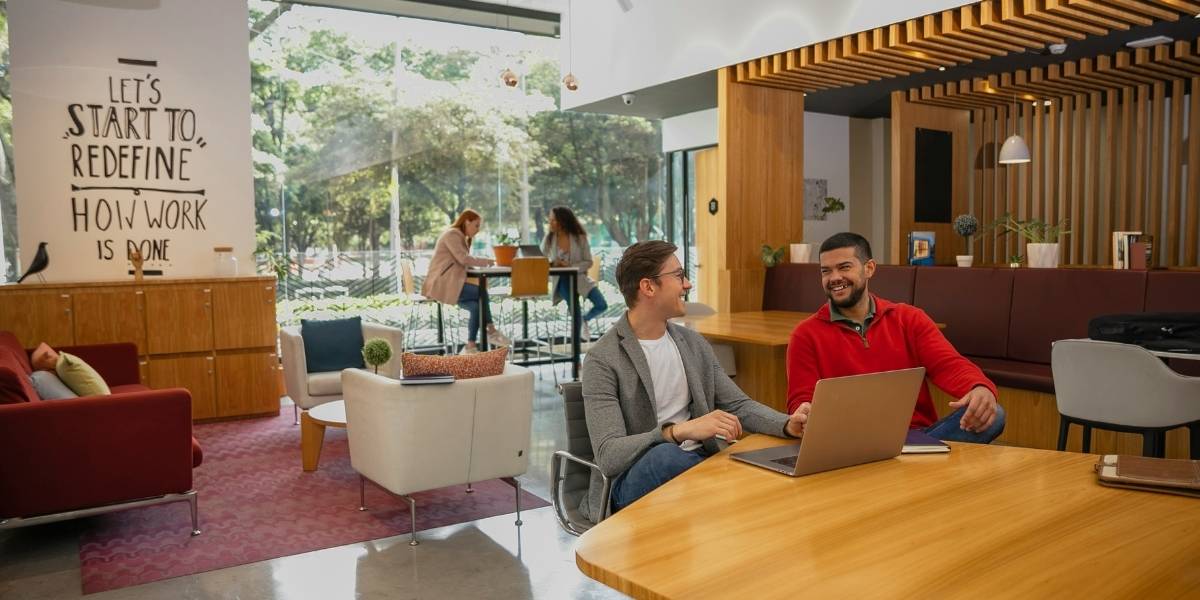

Multi-use commercial spaces in NYC are redefining how businesses operate, offering a flexible footprint that adapts to shifting consumer needs and urban rhythms. These hybrid environments are no longer niche experiments, they’re becoming the blueprint for how the city builds, leases, and activates its commercial real estate.
This evolution is especially visible in neighborhoods where storefronts once served a single purpose. Today, a coffee shop might double as a coworking hub, while a boutique transforms into a gallery space after hours. These spaces reflect a growing demand for environments that are not only functional but also dynamic, community-driven, and financially sustainable.
The Financial and Cultural Logic Behind Flexible Retail Spaces
New York’s commercial real estate market has long been a challenge for small businesses and independent creators. High rents, limited square footage, and unpredictable foot traffic make it difficult to justify single-use leases. Multi-use commercial spaces offer a solution by allowing tenants to share costs, diversify revenue streams, and remain agile in a volatile market.
Consider how many return-to-office trends reshaping NYC workspaces are influencing developers to rethink layouts and amenities. Hybrid schedules, collaborative zones, and community programming are now baked into the design of commercial buildings. These aren’t just places to work or shop, they’re destinations that foster connection and creativity through flexible design and shared purpose.
This model also supports cultural vibrancy. By allowing multiple uses within a single footprint, landlords and tenants can respond to seasonal trends, local interests, and emerging business models. A wellness studio might host pop-up markets, while a bookstore could offer live music nights. These combinations create a richer urban experience and help neighborhoods maintain their unique identities.
Mixed-Use Buildings and the Evolution of Neighborhood Identity
Multi-use commercial spaces are not just about maximizing square footage, they’re about reflecting the character of the communities they serve. In areas like Bushwick, Harlem, and the Lower East Side, mixed-use buildings are becoming cultural anchors. They host everything from artist residencies to entrepreneurship panels, often in the same room that sells coffee or vintage clothing during the day.
This adaptability is especially valuable in a city where demographics and interests shift rapidly. Rather than forcing a static business model into a dynamic environment, multi-use spaces allow for organic evolution. They can respond to what residents actually want, whether that’s a quiet place to work, a venue for local musicians, or a platform for emerging brands.
The need for such flexibility is underscored by the growing demand for creative environments. As explored in the discussion on whether creative spaces are necessary in NY, artists, freelancers, and small business owners are seeking spaces that support experimentation without the burden of long-term leases or rigid zoning. Multi-use buildings meet that need by offering modular layouts, shared amenities, and programming that reflects local culture.
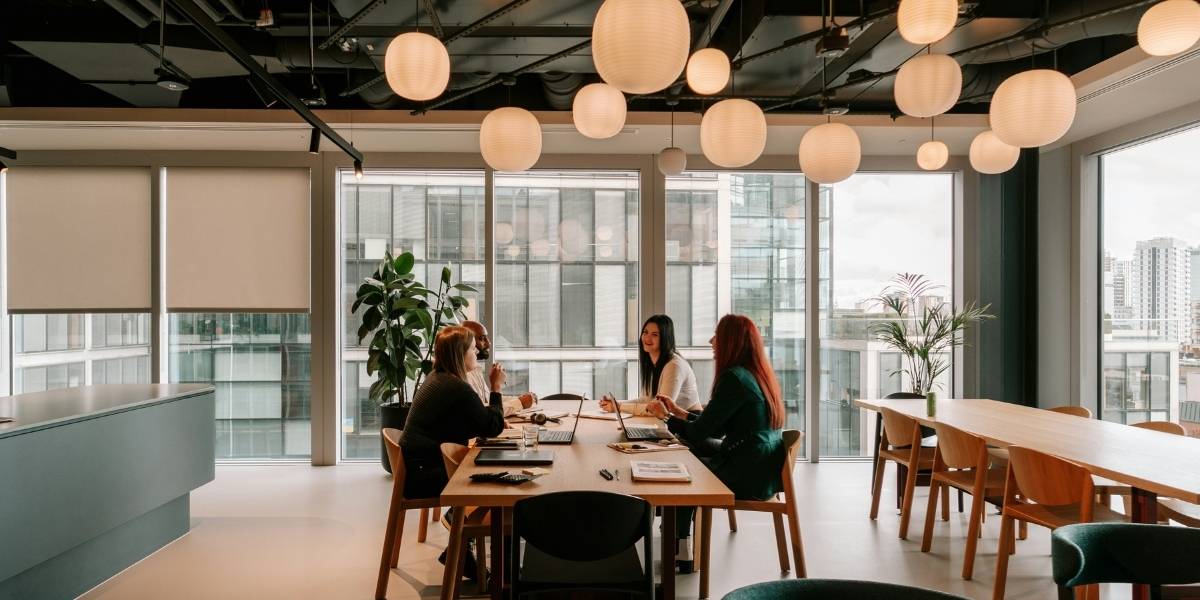
Photo Credit: Unsplash.com
Navigating Zoning, Compliance, and Brand Clarity
Despite their appeal, multi-use commercial spaces come with challenges. Zoning regulations in New York can be complex, especially when combining food service with office or event use. Business owners must navigate noise ordinances, health codes, and insurance requirements that vary depending on how the space is used and when.
Branding is another hurdle. When a space serves multiple functions, it can be difficult to communicate a clear identity. Is it a café, a gallery, or a coworking hub? The answer might be “all of the above,” but that ambiguity can confuse customers and dilute marketing efforts. Successful multi-use operators often rely on strong visual branding, consistent programming, and clear signage to help visitors understand what to expect.
Compliance is also critical, especially for spaces that host events or serve alcohol. Operators must ensure that their leases, permits, and insurance policies cover all intended uses. This requires careful planning and often collaboration with legal and compliance experts who understand the nuances of NYC’s commercial landscape.
The Future of Multi-Use Commercial Spaces in NYC
As remote work continues to reshape how people interact with urban space, multi-use commercial environments are poised to become even more central to New York’s business ecosystem. These spaces offer a way to blend work, leisure, and community in a single location, creating environments that are not only efficient but also emotionally resonant.
Developers are responding by designing buildings with modular interiors, shared amenities, and flexible lease structures. Tenants are experimenting with new formats, from rotating retail concepts to subscription-based coworking memberships. And consumers are embracing the shift, seeking out spaces that feel personal, engaging, and reflective of their values.
In a city known for reinvention, multi-use commercial spaces represent a practical and cultural evolution. They allow businesses to stay nimble, neighborhoods to stay vibrant, and consumers to stay connected. Whether it’s a bookstore that hosts live jazz or a bakery that doubles as a startup incubator, these spaces are proving that flexibility isn’t just a feature, it’s the future.
As New York continues to build and rebuild, expect to see more of these hybrid environments shaping the city’s commercial identity. They’re not just changing how people shop and work, they’re changing how people experience the city itself.